Walter Leblanc
Walter Leblanc: Movement Made Beautifully Still
Artist Spotlight · The Collection Editorial
There is a moment, standing before a Walter Leblanc Torsion, when the eye refuses to settle. The surface seems to breathe. Shadows gather and disperse without warning. What appears to be a static object reveals itself as something closer to a living system, a field of perception in constant negotiation with whoever dares to look.
Walter Leblanc
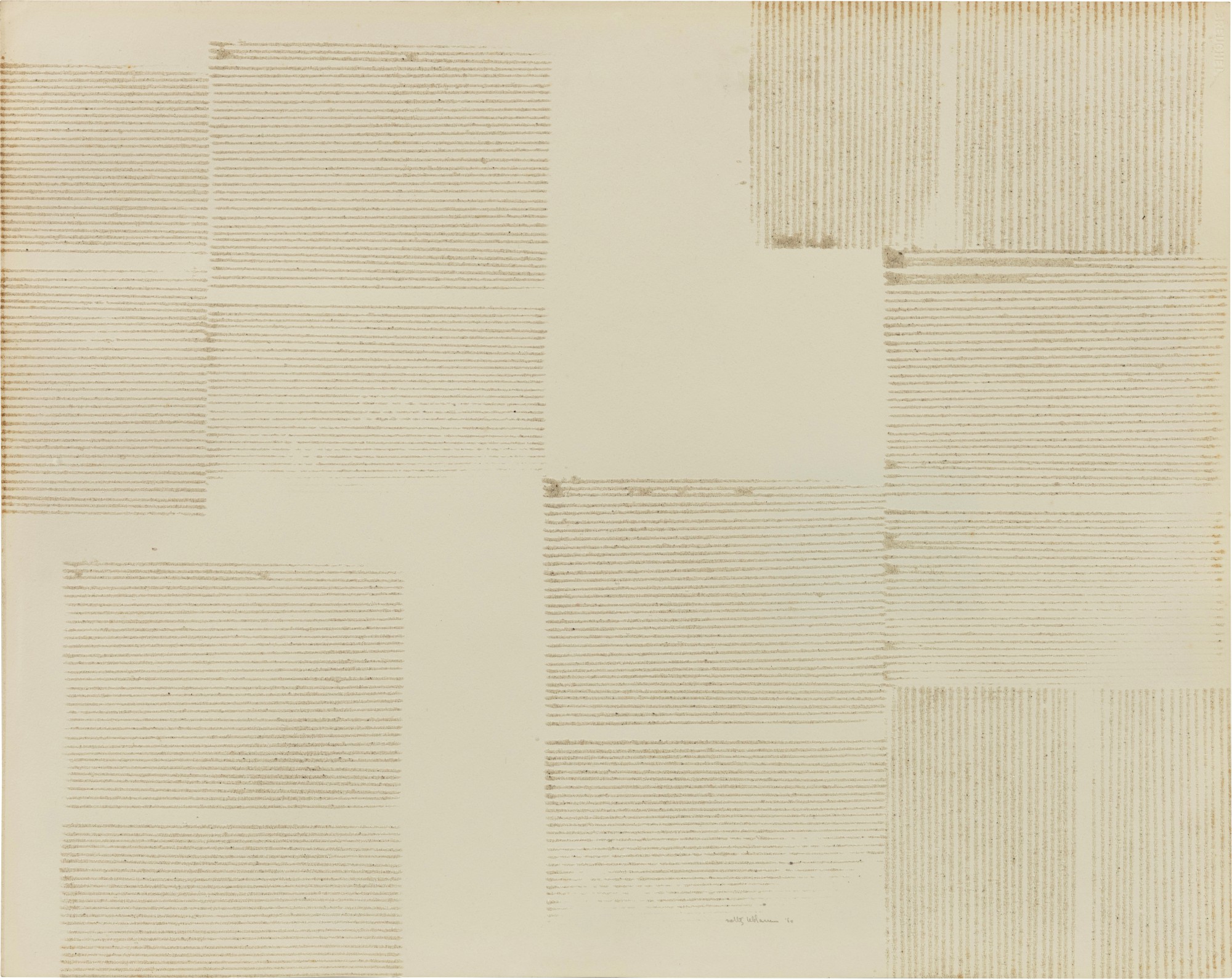
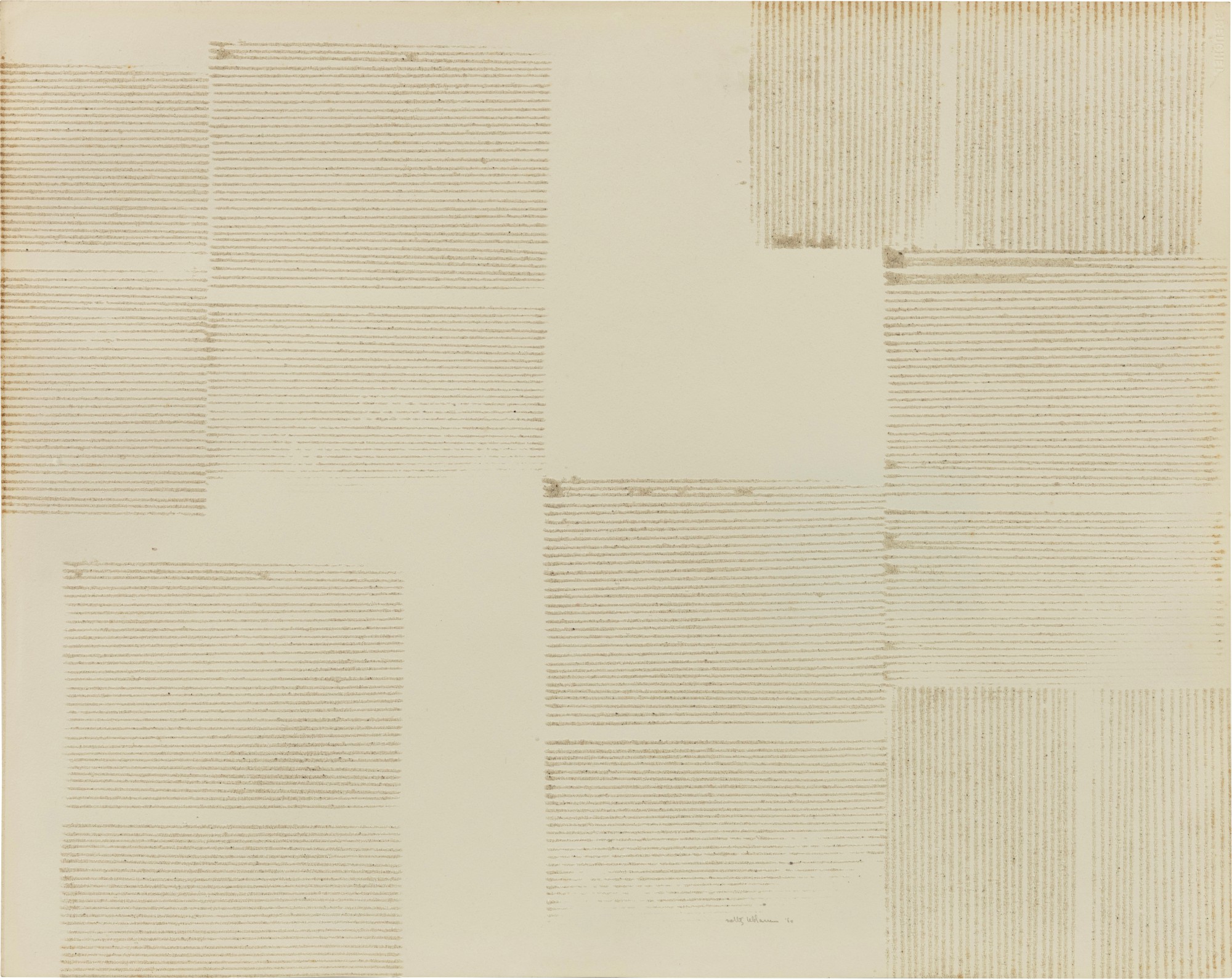
Gouache - Relief Sable
It is a sensation that collectors and museum visitors across Europe and beyond have been quietly rediscovering, as institutions continue to revisit the great kinetic and optical art movements of the postwar decades and the singular figures who defined them. Walter Leblanc was born in Antwerp in 1932, and the city's particular atmosphere of craft, commerce, and cosmopolitan ambition shaped him from the outset. He studied at the Royal Academy of Fine Arts in Antwerp during the late 1940s and into the 1950s, a period when European art was undergoing a profound reckoning with abstraction, materiality, and the legacy of prewar movements. Belgium occupied a distinctive cultural position in this moment, neither at the absolute center of the Parisian avant garde nor peripheral to it, which gave artists like Leblanc a certain productive freedom to develop ideas outside the most dominant hierarchies of taste.
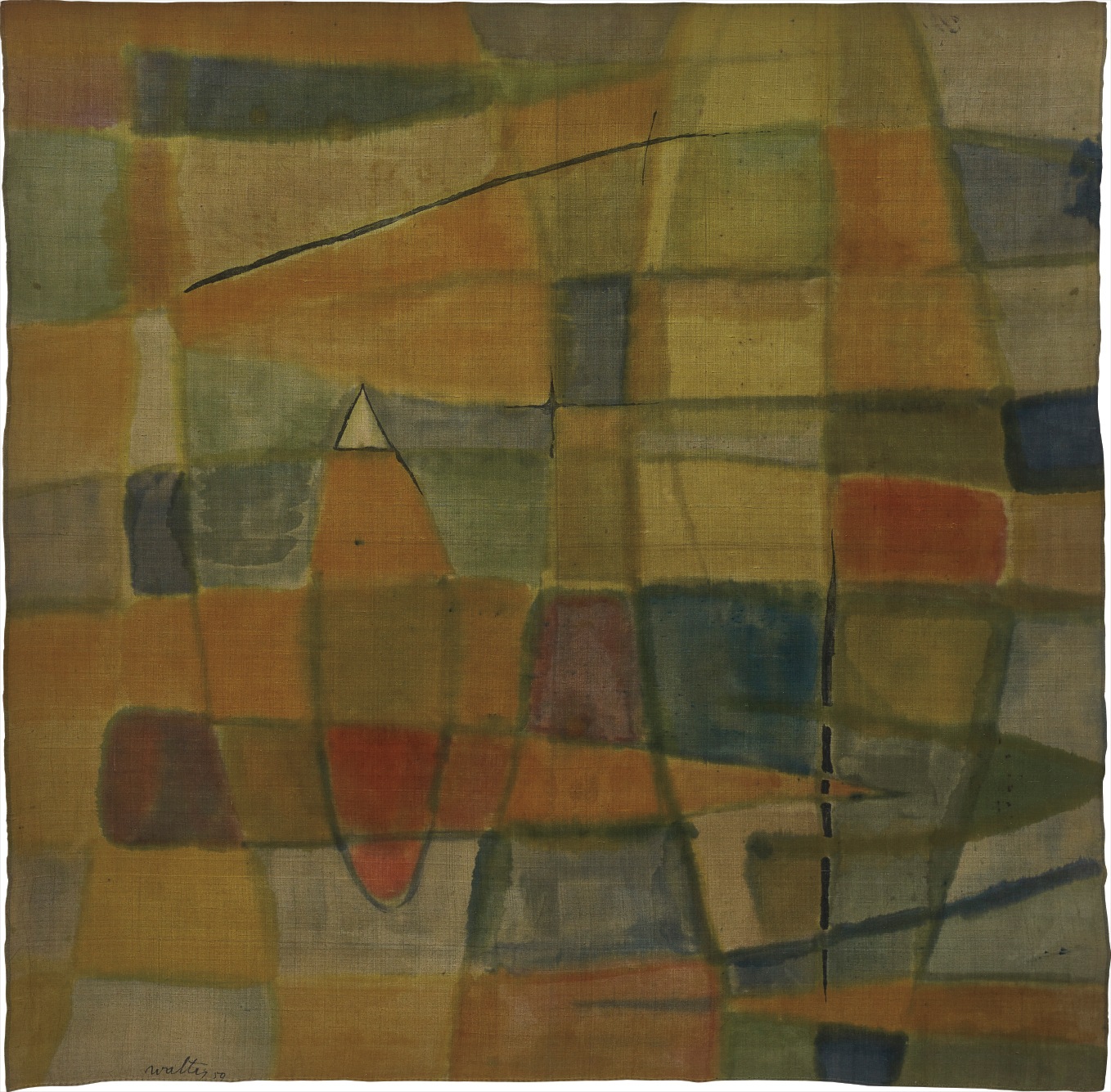
By the late 1950s, Leblanc was already pushing beyond conventional painting toward something more investigative. His early abstract compositions from around 1959, such as the work known as Composition abstraite, reveal an artist in productive transition, using paint and form to test ideas about rhythm, interval, and the behavior of visual elements across a surface. These works are not merely preliminary sketches toward later discoveries. They are confident statements in their own right, demonstrating a mind already drawn to the systematic and the perceptual rather than the expressive and the autobiographical.
Walter Leblanc
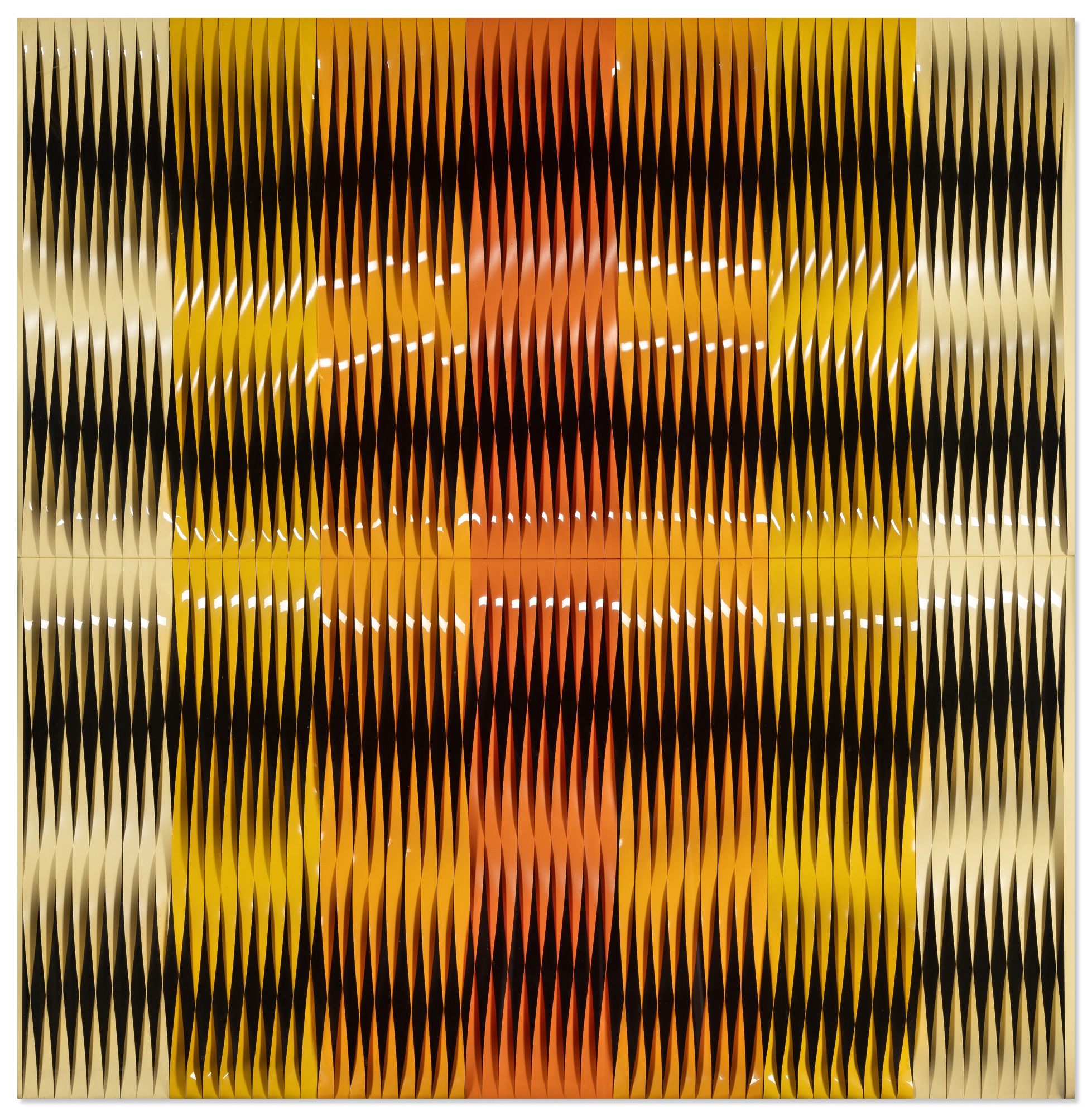
Torsions 100C 99, 1971
The true breakthrough came with the development of what Leblanc called his Torsions, a body of work that would occupy and define the rest of his career. Working with strips of plastic and later polyvinyl, he twisted and torqued these materials across flat supports, often panels of masonite, creating surfaces whose visual complexity far exceeded the apparent simplicity of their construction. The earliest Torsions date to the early 1960s, and works such as Torsions B.V.
9 from 1964 and Torsions B.V. 18 from 1963 demonstrate the method at its most rigorous and revelatory. The twisting of the material generates moiré interference patterns that shift as the viewer moves, so that the work changes character depending on the angle of approach and the quality of available light.
Walter Leblanc
Composition abstraite
This was not accident or automatism. Leblanc was a deeply methodical artist, and his practice was rooted in a systematic investigation of how physical structure could produce optical experience. He became associated with the broader movement of kinetic and optical art that flourished across Europe and North America during the 1960s, a movement that included figures such as Victor Vasarely, Jesús Rafael Soto, and Yaacov Agam. Leblanc exhibited with Groupe Zéro and was closely connected to the networks of European artists exploring perception, light, and movement as primary artistic concerns.
His work was shown internationally at a time when Op Art commanded serious critical attention, and he participated in significant group exhibitions that helped establish the movement's canonical status. As the decades progressed, Leblanc continued to develop and deepen his practice. Works from the 1970s such as Twisted Strings from 1976 and the striking Torsions 100C 99 from 1971, with its luminous arrangement of yellow and orange polyvinyl strips on masonite, show an artist refining and expanding his vocabulary rather than simply repeating earlier formulas. The color choices in these later works became more deliberate and expressive, the structural systems more intricate.
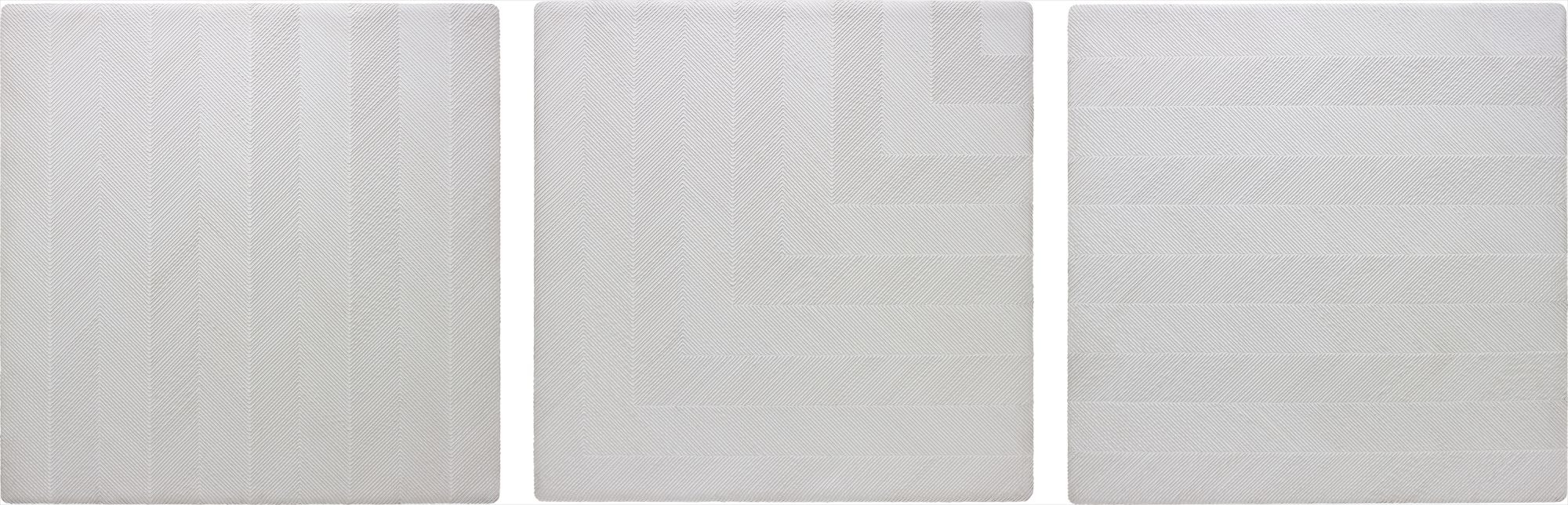
Walter Leblanc
Twisted Strings, 1976
By the time of Archétypes in 1980, Leblanc was working with an authority and self assurance that placed him among the most accomplished practitioners of his generation. He continued working until his death in Antwerp in 1986, leaving a body of work remarkable for its coherence and its depth. For collectors, Leblanc's work presents an opportunity that remains genuinely underappreciated relative to his art historical significance. His Torsions occupy a distinguished place within the kinetic and Op Art canon, yet his market has not always reflected the esteem in which specialists hold him.
Works on masonite panel with polyvinyl or plastic strips represent the heart of the collection, and condition matters considerably given the material specificity of the practice. Collectors should attend closely to the integrity of the twisted strips and the evenness of the mounting, as these structural elements are inseparable from the visual effect the work produces. Early works from the 1960s carry particular scholarly interest, while the color rich panels of the 1970s offer strong visual presence that translates well in both domestic and institutional settings. Placing Leblanc within art history means understanding the remarkable flowering of perceptual and kinetic art that emerged from postwar Europe as a kind of optimistic, scientifically inflected humanism.
Where American Abstract Expressionism centered the gesture and the individual psyche, artists like Leblanc, Vasarely, Soto, and their contemporaries were interested in something more collectively oriented: the universal mechanisms of human vision, the democratic invitation of a surface that responds differently to every pair of eyes. Leblanc's particular contribution was a material intelligence, a sensitivity to what plastic and paper and the simple act of twisting could achieve, that set him apart even within this distinguished company. His legacy is one that rewards patience and close looking, both qualities that define the most devoted collectors. As museums and private foundations continue to reassess the kinetic and optical art movements and reckon with the full geography of postwar abstraction, Leblanc's reputation grows steadily more secure.
His work does not shout for attention. It earns it, slowly, through the accumulated evidence of dozens of Torsions that demonstrate, again and again, that perception itself can be the subject of art, and that beauty and rigor are not in the least opposed.