Vincent van Gogh
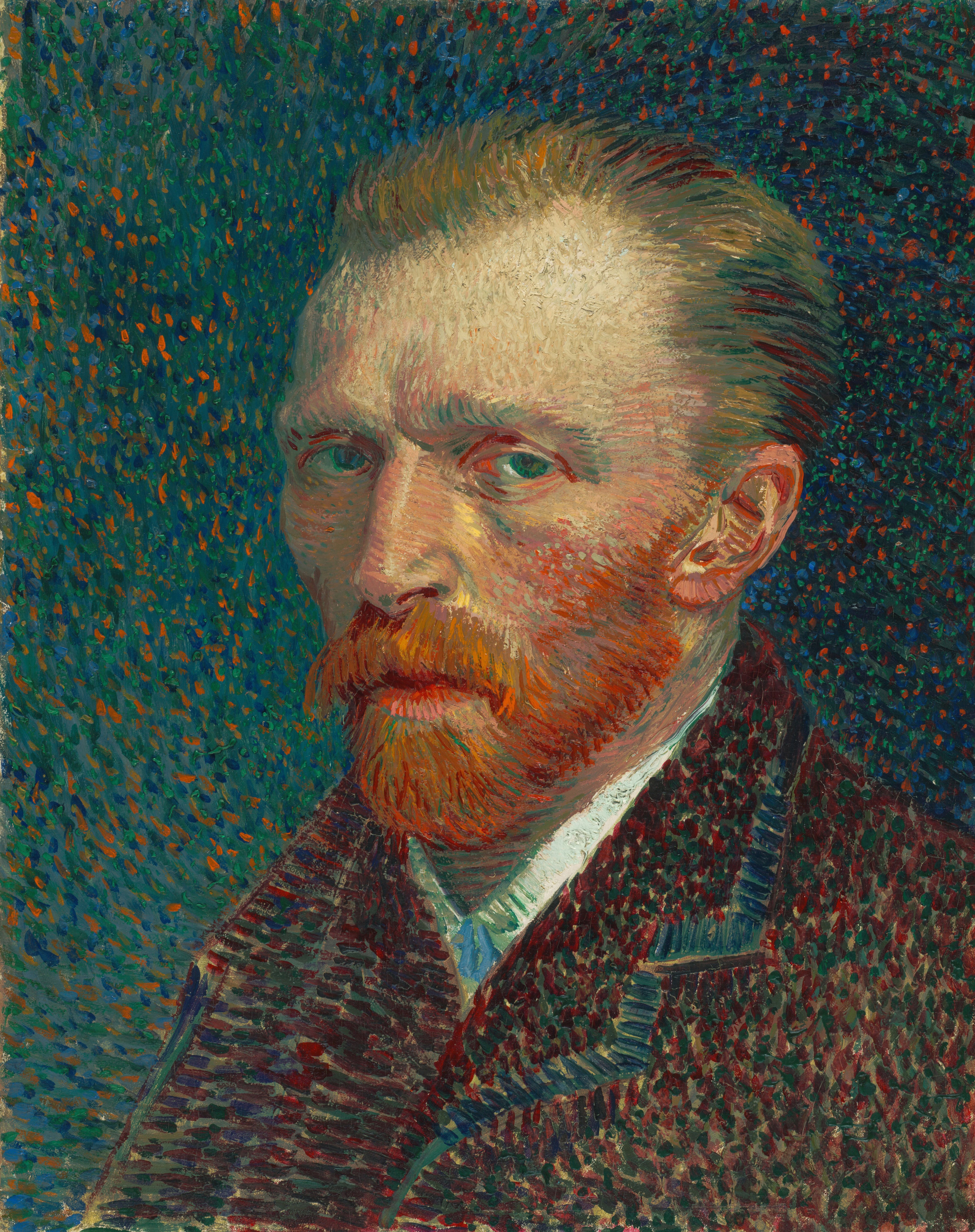
Vincent van Gogh, Burning Brighter Than Ever
Artist Spotlight · The Collection Editorial
“I put my heart and my soul into my work, and have lost my mind in the process.”
Letter to Theo van Gogh
There is a moment, standing before a van Gogh in a great museum, when the painting seems to breathe. The surface pulses. The sky in a landscape appears to actually move. This is not a trick of the light or the romance of reputation.
Vincent van Gogh
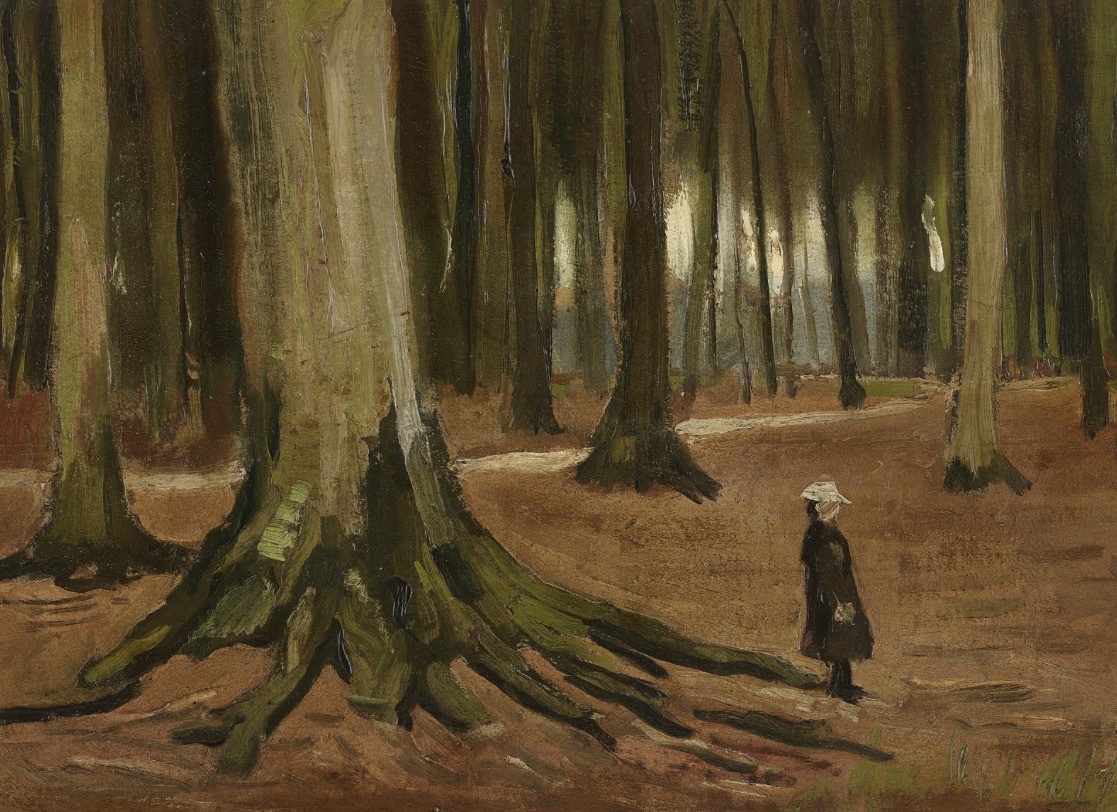
Meisje in het bosch (A Girl in a Wood), 1882
It is the result of a singular artistic vision, one so concentrated and so charged with feeling that it continues to radiate outward more than 130 years after the painter's death. In 2024, the Van Gogh Museum in Amsterdam reported another record year of visitors, cementing its place as one of the most attended art institutions in the world. Meanwhile, at auction, works on paper and early drawings by van Gogh continue to astonish the market, reminding collectors that his genius was present long before the luminous late paintings that made him a household name. Vincent Willem van Gogh was born on March 30, 1853, in the small village of Zundert in the southern Netherlands, the son of a Protestant minister and a mother who loved drawing and watercolor.
He was the eldest surviving child of a close, if sometimes strained, family, and the tension between duty and longing would define much of his inner life. Before he ever picked up a palette knife, van Gogh worked as an art dealer for the firm Goupil and Cie, with postings in The Hague, London, and Paris. Those years gave him an extraordinary education in European painting, from the Dutch Old Masters to the Barbizon school and the emerging Impressionists. He studied what moved people, what sold, what endured.
Vincent van Gogh
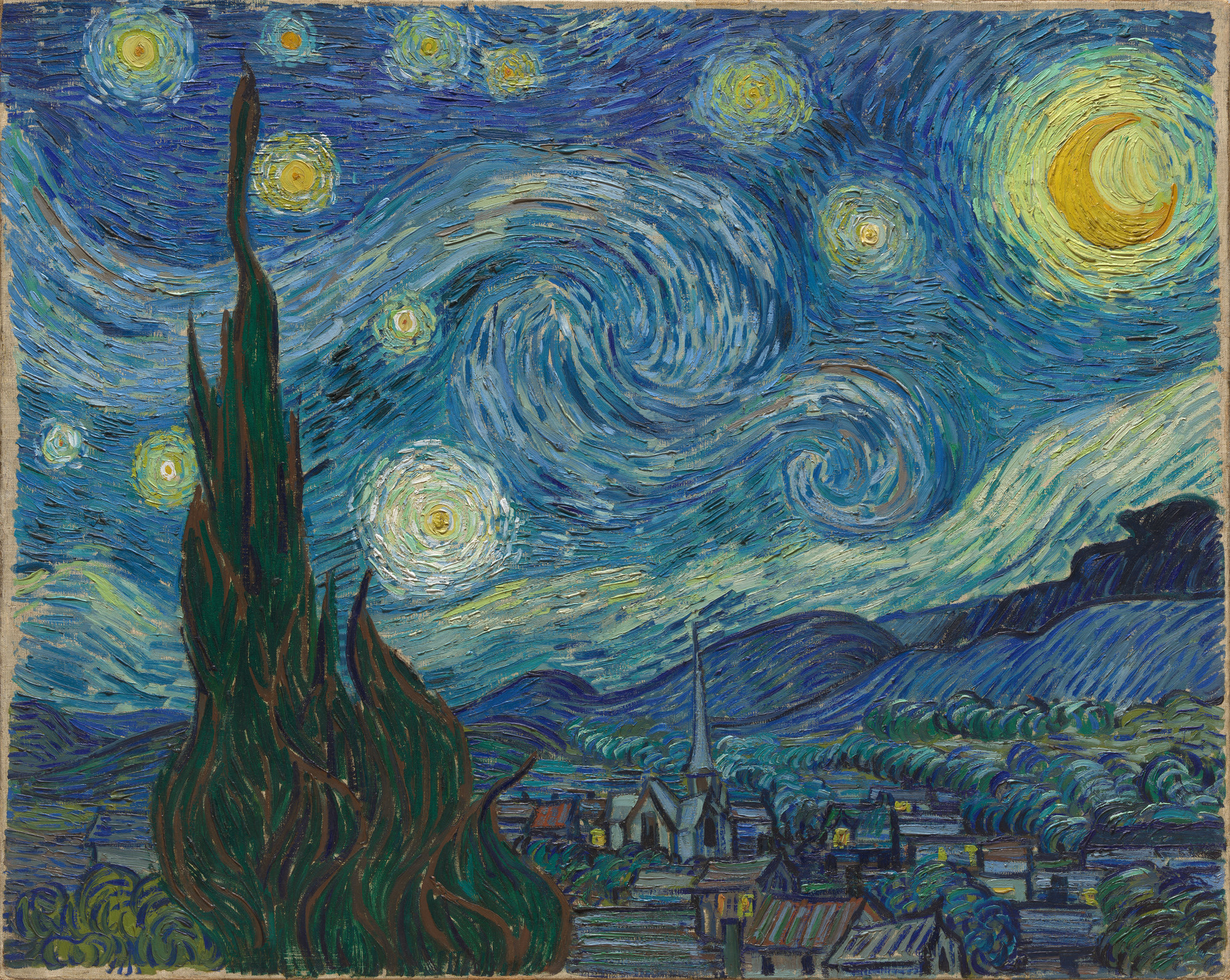
Starry Night
Then, in his late twenties, he set all of that aside and decided he must make things himself. His early years as a painter were rooted in the dark, sympathetic realism of the Dutch tradition. He drew miners, weavers, and peasant farmers with a raw, almost desperate sincerity. The Hague years produced landscapes in watercolor and ink that are already remarkable for their emotional directness, and works from this period, including studies of woodland figures and pencil drawings of sowers and field workers, reveal a draughtsman of serious ambition.
“I dream of painting and then I paint my dream.”
Letter to Theo van Gogh
His move to Paris in 1886, where he lived with his devoted brother Theo, changed everything. In the studios and salons of Montmartre he encountered Impressionism, pointillism, and Japanese woodblock prints. His palette opened like a window thrown wide on a summer morning. Colors he had never before permitted himself arrived all at once.
Vincent van Gogh
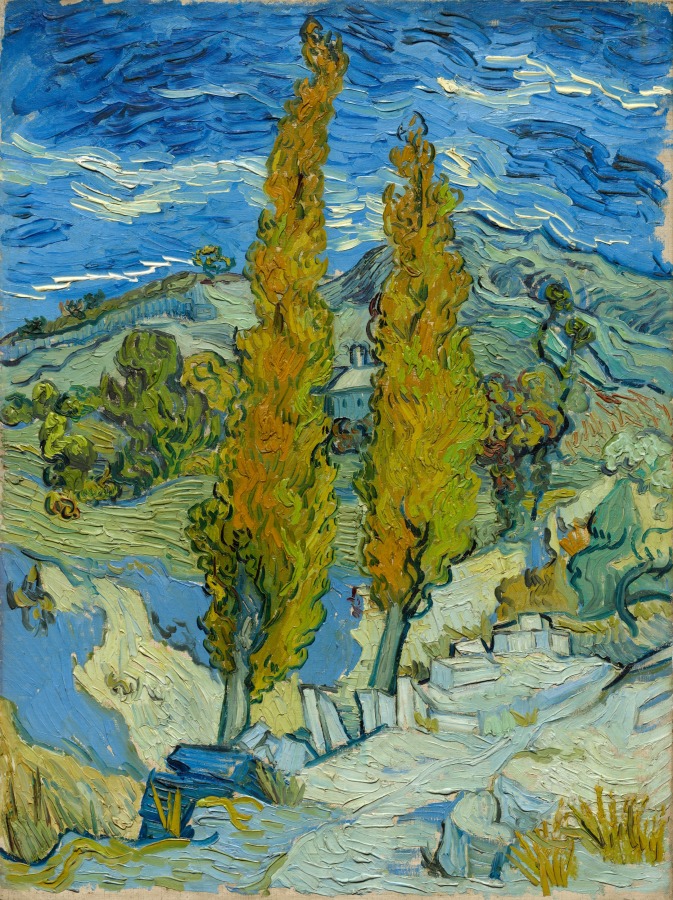
Two Poplars in the Alpilles near Saint-Rémy, 1889
From Paris, van Gogh moved south to Arles in February 1888, chasing the light and the heat of Provence. This period produced some of the most recognized paintings in Western art, works of such concentrated radiance that they seem to generate their own illumination. The famous series of sunflowers, the night cafes, the orchards in blossom, and the portraits of neighbors and friends all arrived in a torrent of productivity that stunned even those closest to him. After the turbulent episode with Paul Gauguin and his voluntary admission to the Saint Paul de Mausole asylum in Saint Remy de Provence, his work entered its most transcendent phase.
“Great things are not done by impulse, but by a series of small things brought together.”
Letter to Theo van Gogh, 1882
Paintings such as The Large Plane Trees, also known as Road Menders at Saint Remy, from 1889, show a painter in complete command of an utterly personal visual language, the swirling impasto marks almost musical in their rhythm and intensity. Two Poplars in the Alpilles near Saint Remy, also from 1889, is a breathtaking demonstration of how van Gogh could find the infinite in a simple stretch of countryside. For collectors, the breadth of van Gogh's practice is one of its most compelling qualities. He worked in oil, watercolor, pen and ink, pencil, and chalk, sometimes combining several media on a single sheet.
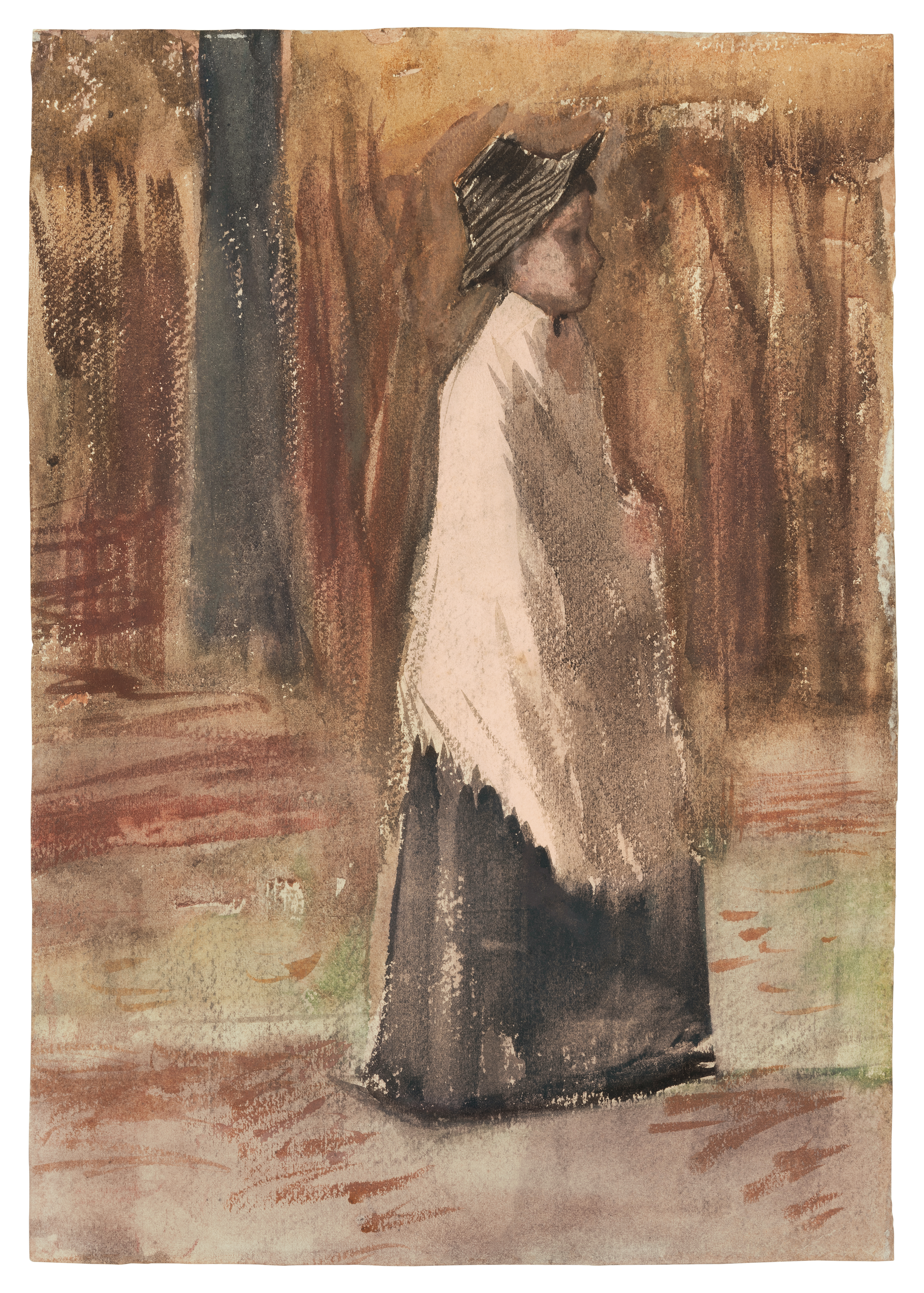
Vincent van Gogh
Woman in a Wood (recto); Boat on the Beach with Figures (verso)
A work such as Landscape with Wheelbarrow from 1883, rendered in watercolor and opaque watercolor with black chalk, shows the same restless intelligence at work that would later animate the great oil paintings, and it offers collectors a point of access to the artist's process that is at once intimate and revelatory. Tetards, his 1884 study of pollard willows in pen and brown ink with graphite, is a masterclass in mark making, every stroke purposeful, every shadow earned. The portrait Adeline Ravoux from 1890, one of his final works, carries the particular poignancy of an artist at the summit of his powers, rendered with a tenderness and directness that remains arresting. Works on paper by van Gogh have appeared at Christie's and Sotheby's with increasing frequency in recent decades, and even works at the more accessible end of the market carry auction records that reflect the enduring global demand for his touch.
To understand van Gogh fully, it helps to see him in the company of his contemporaries and his descendants. He was shaped by Jean Francois Millet, whose depictions of rural labor he admired and copied throughout his career. He was in conversation with Paul Gauguin, Georges Seurat, and Henri de Toulouse Lautrec during the Paris years, and his dialogue with Post Impressionism connects him to Paul Cezanne, whose structural rigor van Gogh admired even when his own instincts pulled him toward expression rather than construction. Looking forward, the traces of van Gogh are visible in the German Expressionists, in the emotional directness of Chaim Soutine, and in the gestural energy of the Abstract Expressionists who came after.
He is, in a very real sense, the point at which painting stops being merely descriptive and becomes fully confessional. What makes van Gogh essential to any serious engagement with the history of art is not simply his biography, remarkable as it is, but the radicalism of his visual thinking. He understood that color could carry feeling independently of form, that a brushstroke could be both a description and an emotion simultaneously. He worked with an urgency that was partly temperamental and partly a clear eyed reckoning with time.
In just over a decade of sustained practice he produced more than two thousand works across every medium available to him. The Collection is proud to present a selection of works spanning the full range of his practice, from the early woodland studies and figure drawings that show his formation as a draughtsman, to the luminous late paintings that sealed his legacy. To collect van Gogh, even a single sheet of paper bearing his hand, is to hold something that changed the course of human seeing.
Explore books about Vincent van Gogh
The Letters of Vincent van Gogh
Vincent van Gogh (edited by various)

Van Gogh: A Life
Julius Meier-Graefe
The Life and Work of Vincent van Gogh
Marc Edo Tralbaut
Van Gogh
Meyer Schapiro
The Complete Letters of Vincent van Gogh
Vincent van Gogh
Van Gogh: The Self-Portraits
Evert van Uitert
Vincent van Gogh: A Life
Steven Naifeh and Gregory White Smith
Van Gogh and the Colors of the Night
dorothea M. Olkowski