Victoria Fu
Victoria Fu Makes the Screen Sing
Artist Spotlight · The Collection Editorial
Something quietly electric is happening around the work of Victoria Fu. Over the past several years, the Los Angeles based artist has moved from a position of critical admiration within video and new media circles to a broader institutional visibility that feels both earned and timely. Her practice, rooted in the sensory logic of cinema and the seductive pull of the digital surface, speaks directly to the cultural moment we inhabit, one saturated with screens, simulated desires, and images that arrive already mediated. Collectors and curators alike are paying close attention, and the growing auction market interest in her work signals that Fu is no longer a discovery so much as a confirmation of what discerning eyes have long known.
Victoria Fu
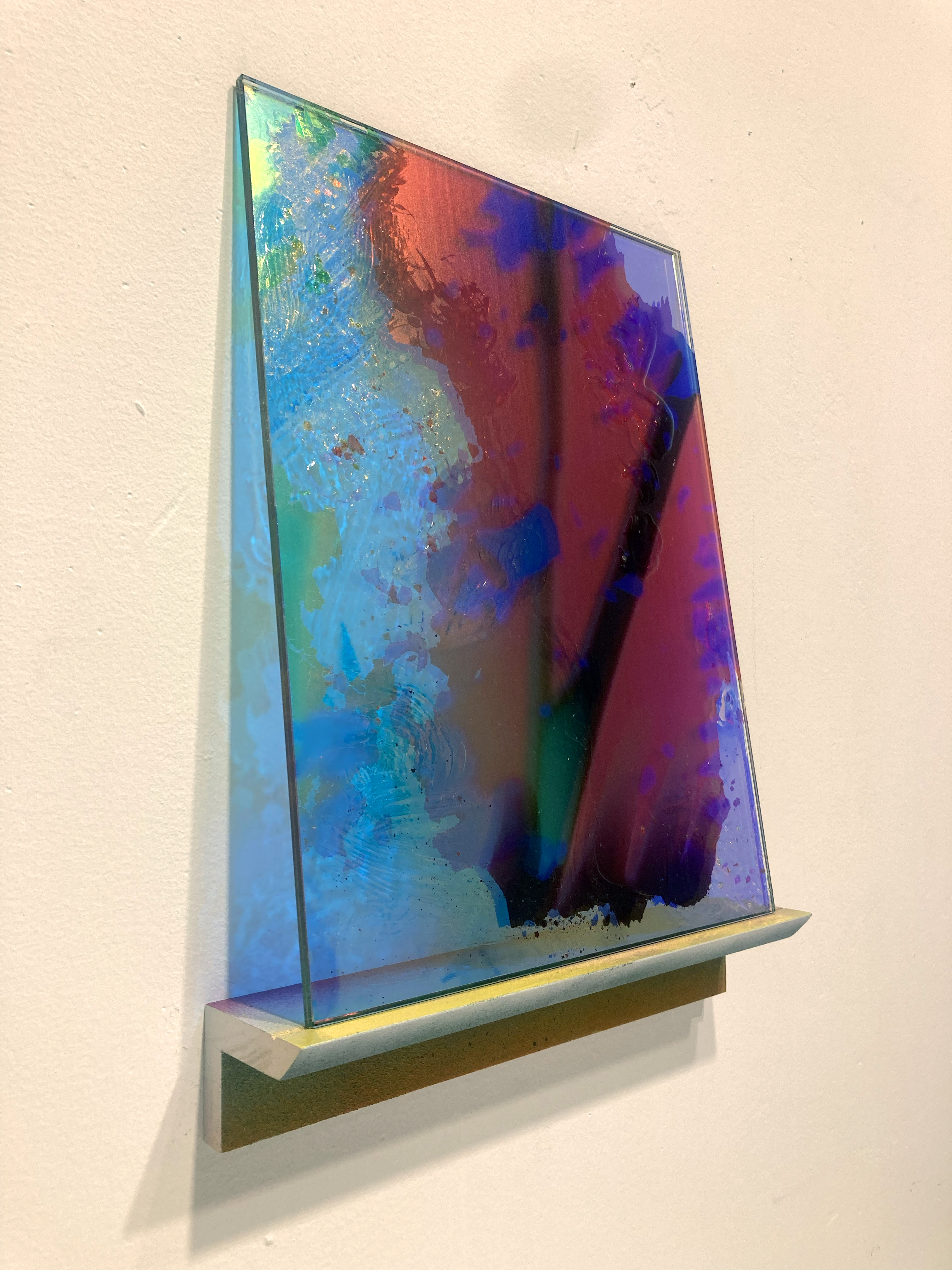
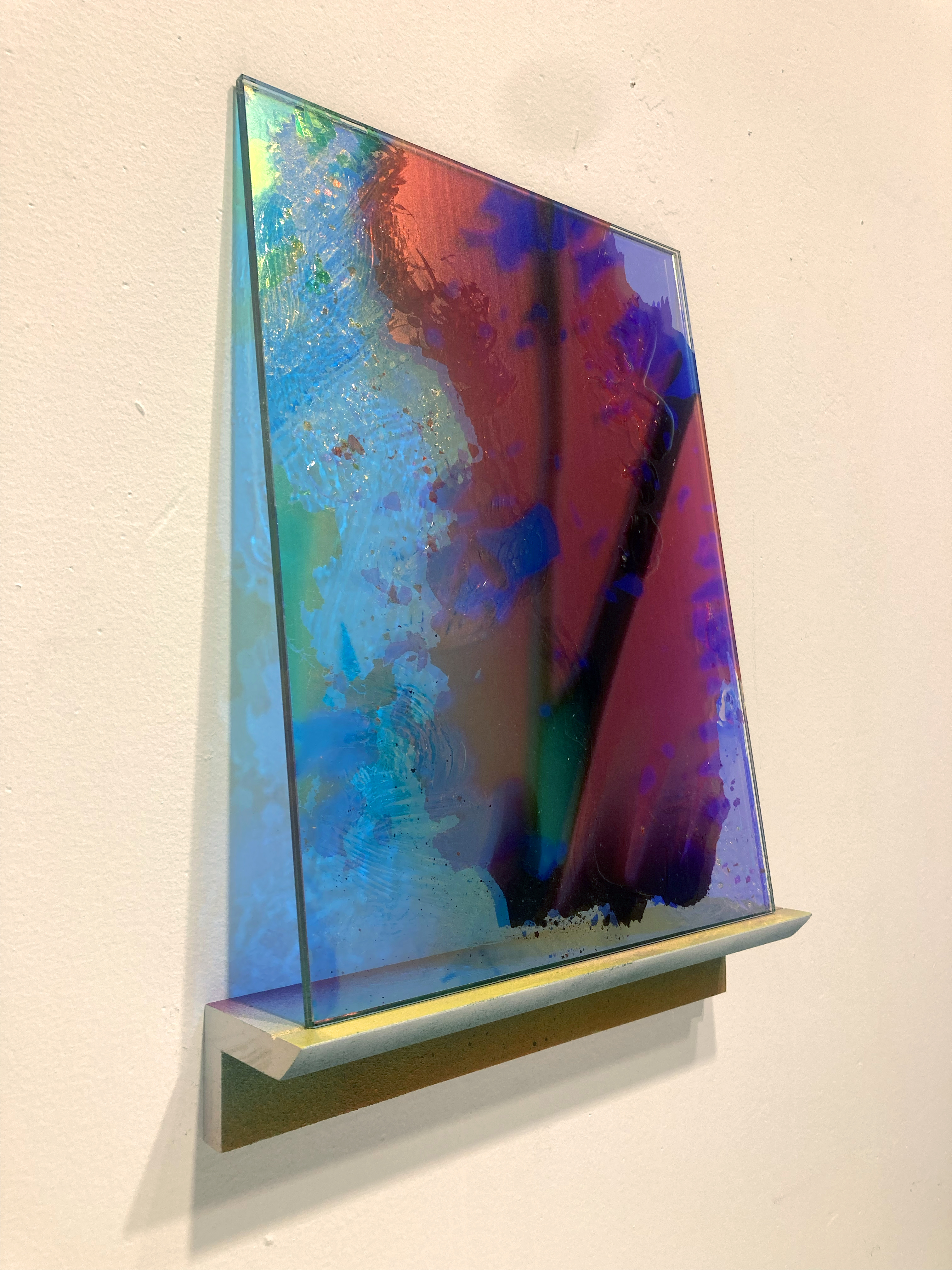
Window II, 2023
Fu was born in 1978 and came of age in the United States during a period when the moving image was undergoing profound transformation. The shift from analog to digital, the explosion of consumer video technology, and the rise of networked visual culture all formed the backdrop of her intellectual and artistic formation. She pursued her education with genuine rigor, engaging deeply with film theory and psychoanalysis, and it is this theoretical grounding that gives her work its unusual density. Where many artists use video as a delivery mechanism, Fu treats it as a philosophical subject in its own right, a surface that produces desire rather than merely reflecting it.
Her artistic development has unfolded with a kind of patient ambition. Early in her career, Fu was already pushing against the conventions of the gallery video installation, questioning the frame, the screen, and the relationship between the viewer's body and the projected image. She drew on thinkers like Laura Mulvey and Christian Metz, absorbing the vocabulary of gaze theory and applying it to contemporary visual environments. This was not academic exercise.
Fu translated theory into visceral experience, creating works that made audiences feel the uncanny seductiveness of images even as she exposed the mechanics behind that seduction. Her practice evolved across video, photography, and installation, with each medium informing the others in a conversation that resists easy categorization. Central to understanding Fu is the recognition that her work is fundamentally about surfaces and what they do to us. The screen, for Fu, is never neutral.
It is an apparatus of fantasy, a threshold between the viewer's longing and the image's impossible fulfillment. This is nowhere more elegantly expressed than in works like Window II, created in 2023, which brings together acrylic, vinyl, and UV print on glass with an acrylic painted wooden shelf. The work is a meditation on looking itself. Glass as a material is at once transparent and reflective, a boundary that both promises access and enforces distance.
The shelf introduces a domestic, even intimate register, grounding the visual experience in the physical world while the UV print opens up the surface to light in ways that shift depending on conditions of viewing. It is a work that rewards return visits and repays close attention, the kind of object that lives differently in different lights and different moods. For collectors, the appeal of Fu's work lies in this layered intelligence. Her pieces are formally beautiful in ways that operate immediately on the senses, but they carry conceptual weight that deepens over time.
This is a quality that distinguishes enduring collections from merely impressive ones. Works by Fu sit comfortably in dialogue with the broader histories of video art and photography while also feeling genuinely contemporary in their address to digital culture. Collectors drawn to artists like Hito Steyerl, whose inquiry into the image object and the poor image has defined a generation of thinking about screens and value, or to the immersive video environments of artist communities working at the intersection of cinema and installation, will find in Fu a practice of comparable seriousness and comparable aesthetic reward. Her work also speaks to collectors interested in the West Coast lineage of conceptual photography and the California art world's long engagement with technology and perception.
Fu has exhibited internationally, building a body of shown work that places her in serious institutional contexts. Her practice has attracted the attention of curators working across the fields of video art, feminist theory, and new media, and her presence in auction markets reflects the growing conviction among collectors that her work belongs in permanent consideration alongside peers who have received wider public recognition. The trajectory is clear, and for collectors entering now, the opportunity is to participate in a story that is still being written with considerable energy and purpose. Contextually, Fu occupies a fascinating position within the broader history of artists who have interrogated the image from the inside.
She inherits something from the Pictures Generation, from artists who dismantled the authority of the photographic image and revealed it as a site of ideology and desire. She also connects to a feminist tradition of reclaiming the gaze, of turning the camera's logic back on itself to ask who looks, who is looked at, and what pleasure is produced in the exchange. At the same time, her work is unmistakably of the present, attuned to the specific textures of digital mediation, to the way screens have become environmental rather than exceptional, ambient rather than deliberate. What Fu offers, ultimately, is a practice that takes seriously both the seductions and the critiques of visual culture without surrendering to cynicism.
Her work does not simply deconstruct images; it makes new ones that carry their own genuine beauty and their own genuine questions. This combination, intellectual rigor held together with sensory generosity, is rare and it is what makes her legacy already meaningful and her future work genuinely anticipated. To collect Victoria Fu is to invest in an artist who understands the world we are living in and has found a visual language equal to its complexity.