Uta Barth
Uta Barth Finds Everything in Nothing
Artist Spotlight · The Collection Editorial
“I am not interested in what the camera depicts, but in the act of seeing itself.”
Uta Barth, artist statement
There is a particular kind of attention that Uta Barth demands of her viewers, and the art world has been repaying that demand with sustained devotion for more than three decades. In recent years, major institutions have returned repeatedly to her work as a touchstone for conversations about perception, mindfulness, and the slowing down of contemporary life. The Getty Center in Los Angeles, a city she has called home for much of her career, has long championed her practice, and her presence in museum collections across North America and Europe continues to grow. At a cultural moment when so many artists compete for immediacy and noise, Barth's quiet insistence on the barely visible feels not like a retreat but like a form of radical courage.
Uta Barth
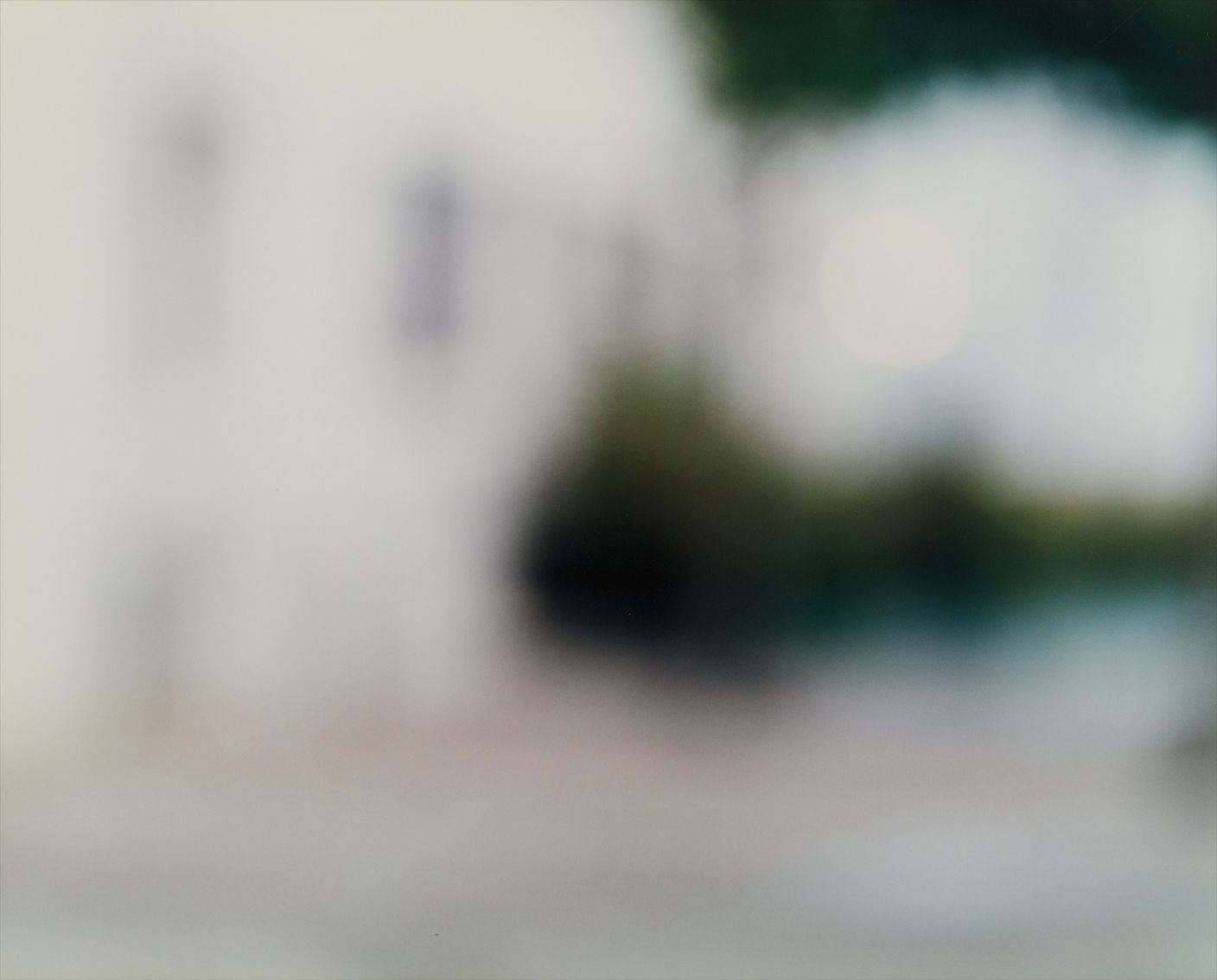
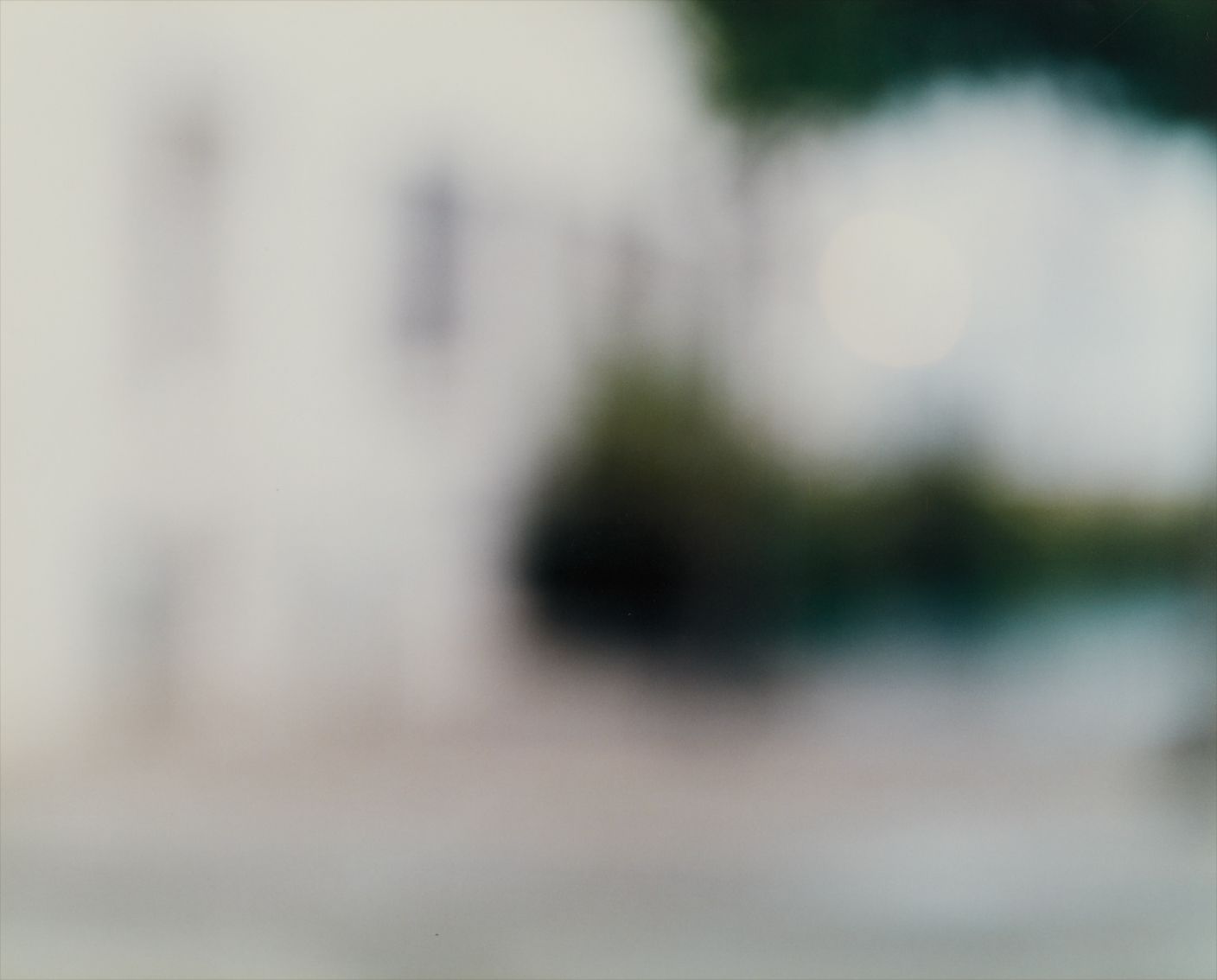
Field #10
Barth was born in Berlin in 1958 and came of age in a Germany still negotiating its postwar identity and its relationship to image making, history, and representation. She emigrated to the United States as a young woman and pursued her graduate education at the University of California, Davis, completing her MFA in 1985. It was in California that her thinking crystallized around questions that would define her entire body of work: What does it mean to look? What do we actually see when we think we are seeing?
The light of Southern California, so specific and so generous, became both her subject and her collaborator. The move from Germany to California was not merely geographic. It was a conceptual relocation, a passage from a culture saturated with the weight of images toward a place where light itself seemed to dissolve the solidity of things. Her early work in the late 1980s and early 1990s already signaled a decisive refusal of conventional photographic priorities.
Uta Barth
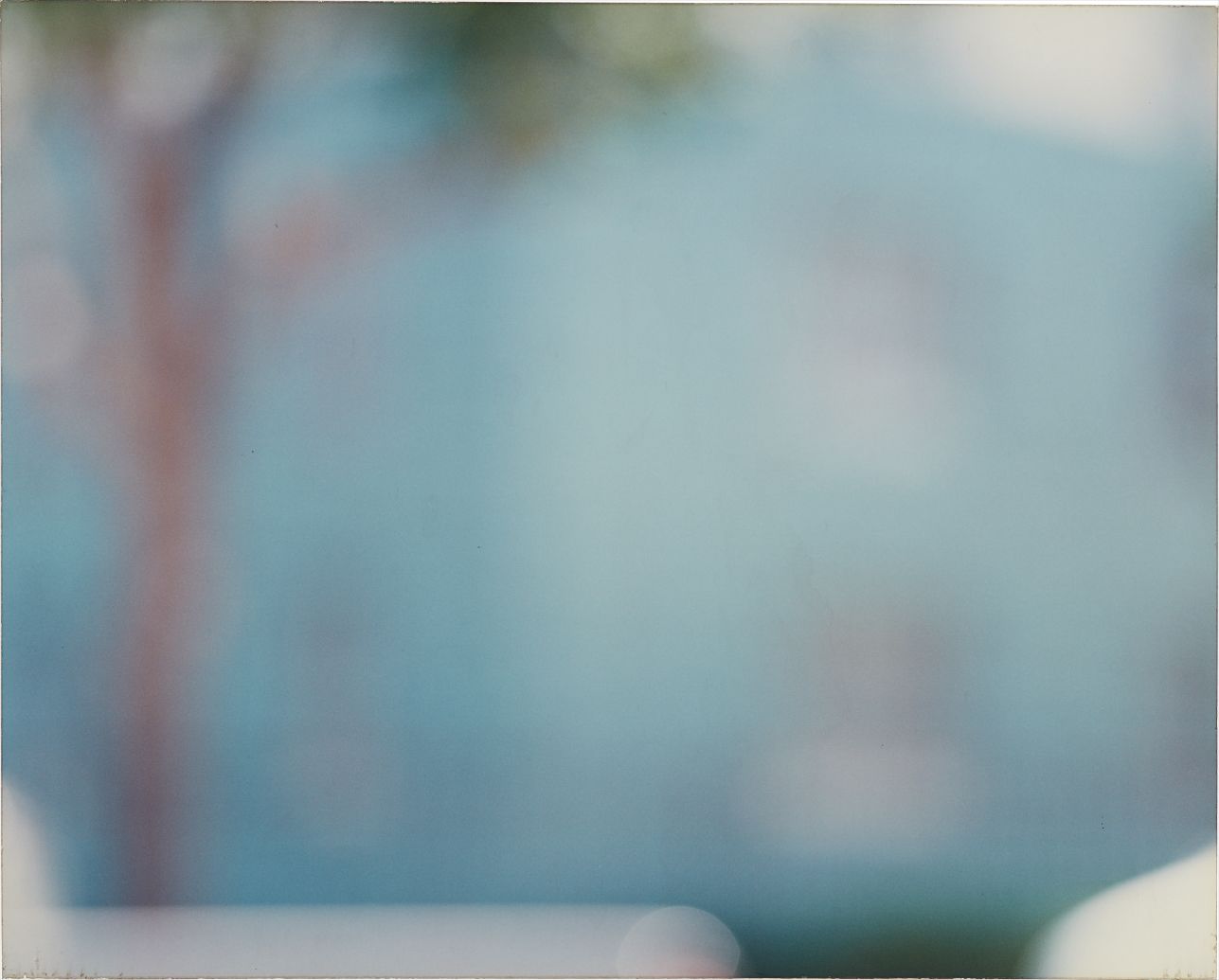
Field #5, 1995
Where most photographers aim their cameras at a subject, Barth consistently defocuses from the subject entirely, rendering the nominal foreground a blur and bringing the background, the incidental, the overlooked into an uncanny kind of presence. Her Ground series, begun in the early 1990s, established this methodology with remarkable confidence. Works such as Ground #12 from 1992 and the later Ground #56 and Ground #57, rendered as chromogenic prints mounted on masonite panel, present domestic and ambient spaces drained of their narrative function. The effect is disorienting in the most productive sense: the viewer is left holding a feeling rather than a fact.
The Field series, which emerged in the mid 1990s, extended this inquiry with even greater formal refinement. Field #5 from 1995, a chromogenic print mounted on panel, is among the works that cemented her reputation internationally. These pieces often seem to depict interiors suffused with window light, human figures reduced to soft smears of warm tone at the edges of the frame. The real subject is the air between things, the luminous interval that most images discard as irrelevant.
Uta Barth
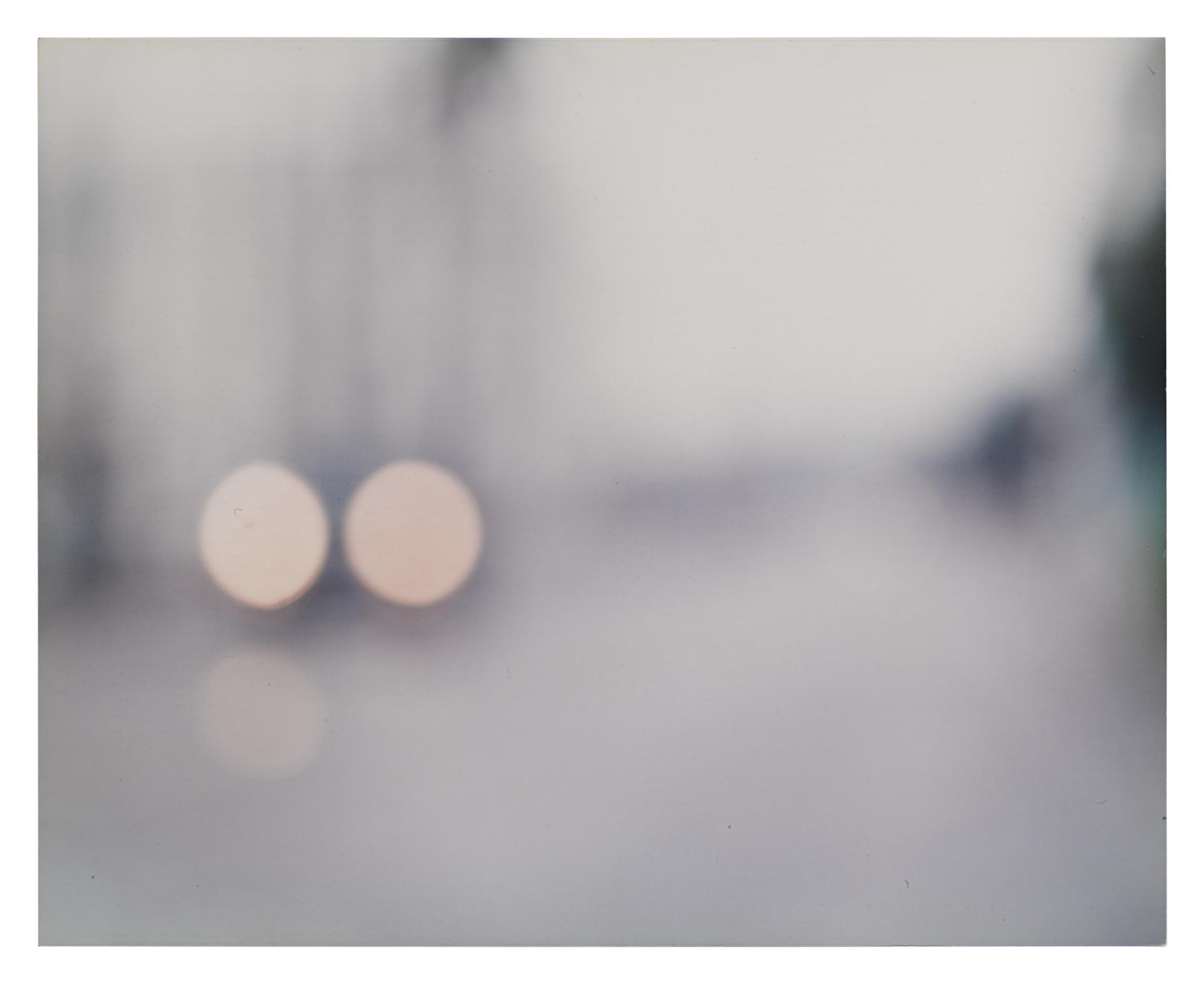
Field #9
The complete suite of lithographs titled ...in passing., a set of ten lithographs in colors on Ragcote paper housed in their original green paper covered case, brings this sensibility into the intimate register of printmaking, demonstrating that Barth's concerns translate across media with equal grace. Her four chromogenic prints face mounted to Plexiglas represent yet another material exploration, the Plexiglas mounting adding a layer of reflective surface that implicates the viewer's own gaze in the work.
Within the critical landscape of contemporary photography, Barth occupies a distinct position that connects her to a lineage of artists who have questioned the ontology of the photographic image itself. Her work resonates with the dematerializing impulses of artists like Wolfgang Tillmans, whose interest in the conditions of photography rather than its documentation parallels her own, and with the light obsessed spatial investigations of James Turrell, whose installations similarly invite visitors to become conscious of the act of perceiving. She is also frequently discussed alongside fellow photographers such as Rineke Dijkstra and Thomas Demand, artists who use the medium to probe what images can and cannot hold. Barth's specific contribution, however, remains singular: no other photographer of her generation has so systematically turned the camera's failure to focus into such a sustained philosophical achievement.
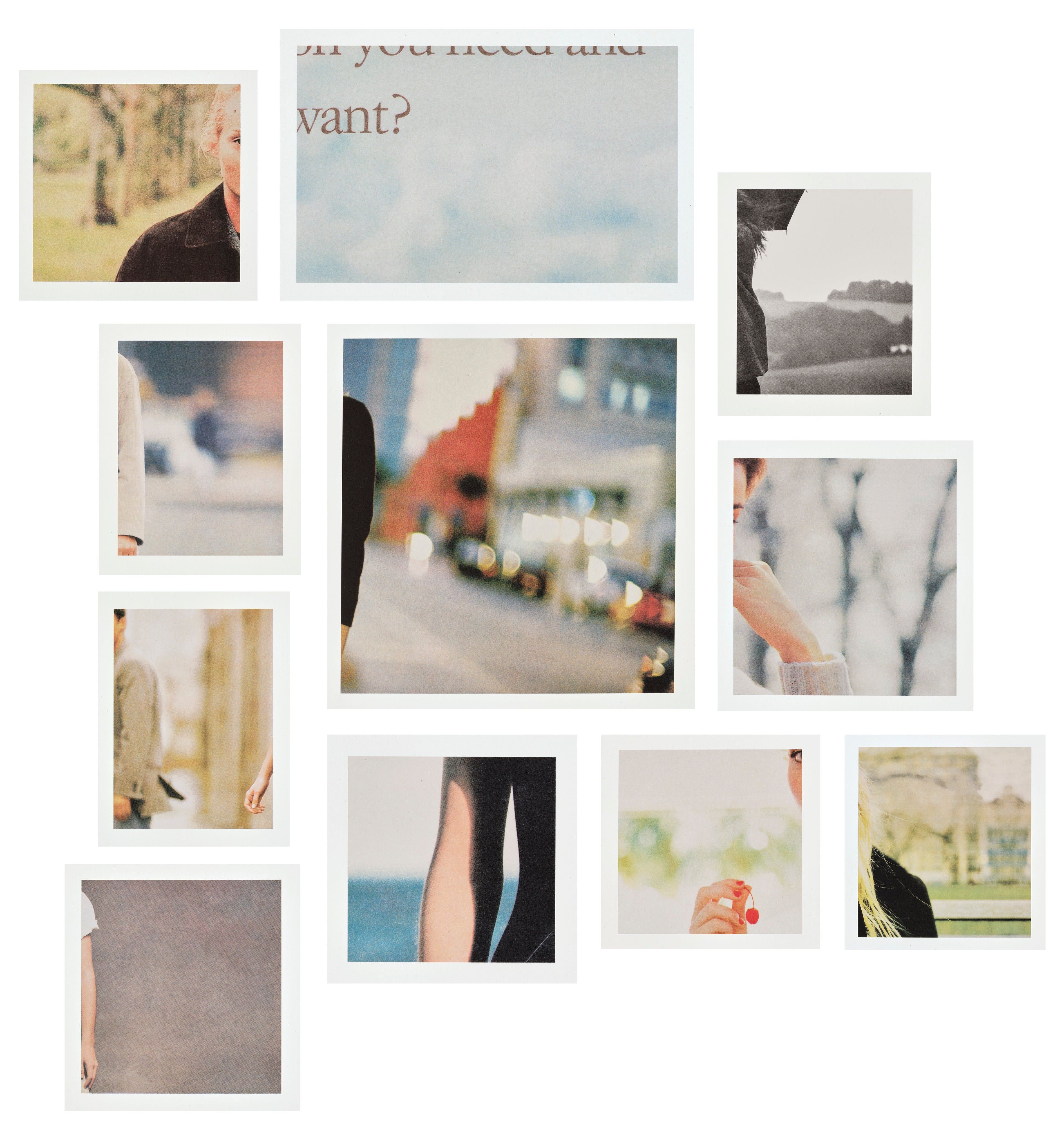
Uta Barth
...in passing.
From a collecting perspective, Barth's work represents an unusually coherent and intellectually grounded proposition. Her prints, typically chromogenic and mounted with care to specific substrates including panel and Plexiglas, are works that reward proximity and extended looking. They are not works that announce themselves across a room but rather works that transform a room, changing its atmosphere and inviting a different quality of presence from anyone who inhabits the same space. Collectors drawn to meditative, rigorously conceptual photography find in Barth an artist whose market has remained steady and whose institutional validation continues to deepen.
Her works have appeared at major auction houses and in prominent private collections, and the relative scarcity of complete series on the secondary market makes individual works from the Ground and Field sequences particularly desirable. For a collector building a body of work around the phenomenology of perception or the poetics of light, Barth is not an option but a necessity. Barth has been represented by Tanya Bonakdar Gallery in New York and has maintained a long relationship with ACME in Los Angeles, both galleries that have supported her through numerous solo exhibitions. Her work entered the permanent collections of institutions including the Museum of Contemporary Art Los Angeles, the Guggenheim Museum, and the Los Angeles County Museum of Art, among many others.
A 2004 MacArthur Fellowship, the so called genius grant, brought broader public attention to a practice that the art world had been quietly revering for years. That recognition felt less like a discovery than a confirmation of what careful observers had long understood. What makes Uta Barth matter today, with particular urgency, is precisely what made her seem eccentric to some when she began: the insistence that attention is itself an artistic act. In an era of algorithmic image production and visual saturation, her photographs function as something close to ethical propositions.
They ask us to stop, to look again, and to find in the unfocused and the peripheral a richness that our hunger for resolution habitually causes us to miss. Hers is a body of work that grows more relevant with each passing year, a practice built not on spectacle but on the profound dignity of the overlooked.