Ulala Imai
Ulala Imai Paints Life at Full Bloom
Artist Spotlight · The Collection Editorial
In the past several years, a quiet but unmistakable energy has gathered around Ulala Imai. The Tokyo born painter, now firmly established as one of the most compelling figurative voices to emerge from Japan in the last decade, has seen her canvases travel from the walls of leading contemporary galleries in Tokyo and New York to the salesrooms of major auction houses, where collectors have competed with growing enthusiasm for her intimate, light filled scenes. Her work arrived on the international stage not through spectacle or provocation, but through something rarer and more durable: a genuine warmth of vision that resonates across cultures and speaks to something universal about how we inhabit our daily lives. Imai was born in 1986 in Japan, coming of age during a period when Japanese contemporary art was experiencing its own rich flowering, one shaped by the legacies of Superflat and a generation of painters who were reckoning simultaneously with global art history and the textures of specifically Japanese modern life.
Ulala Imai
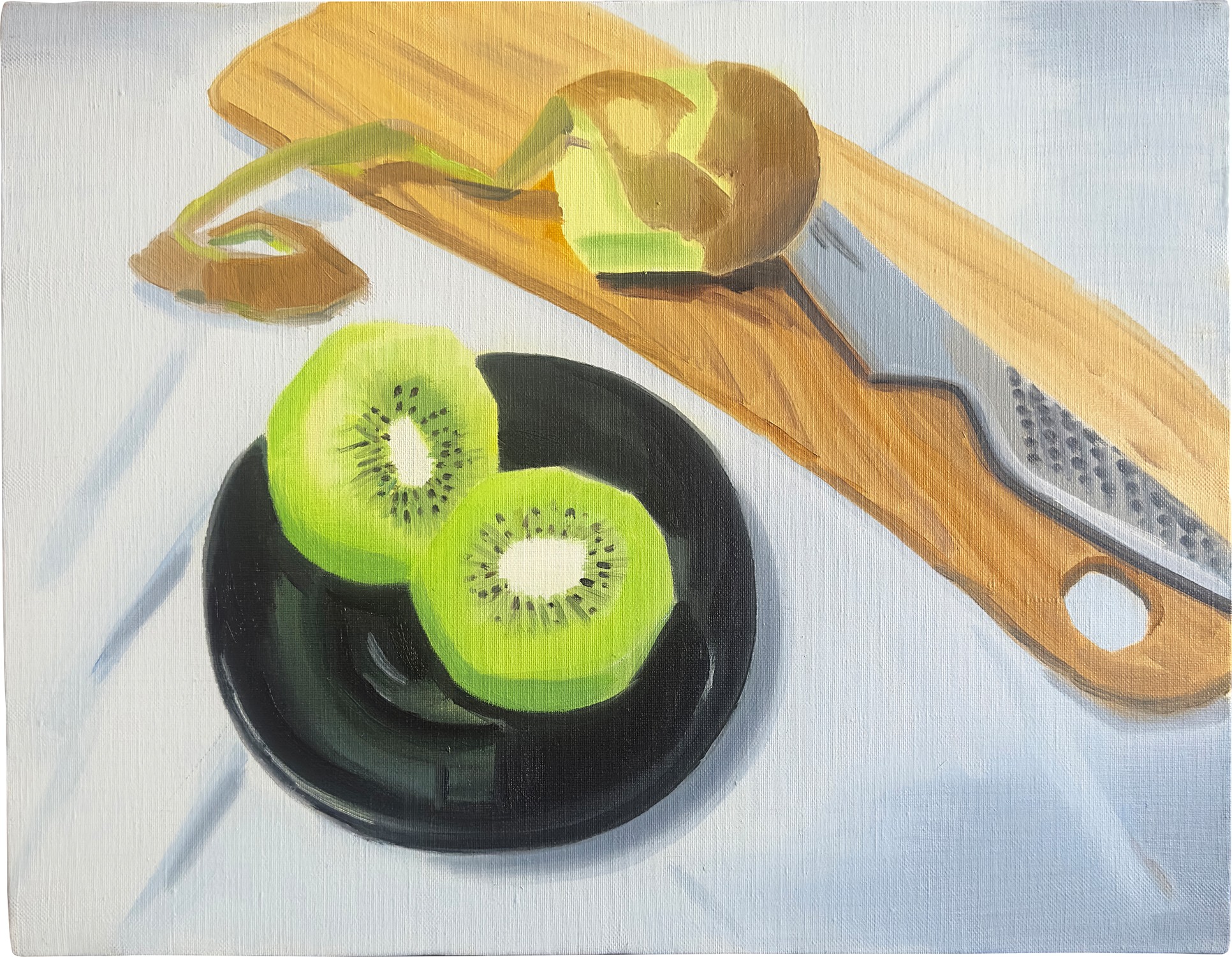
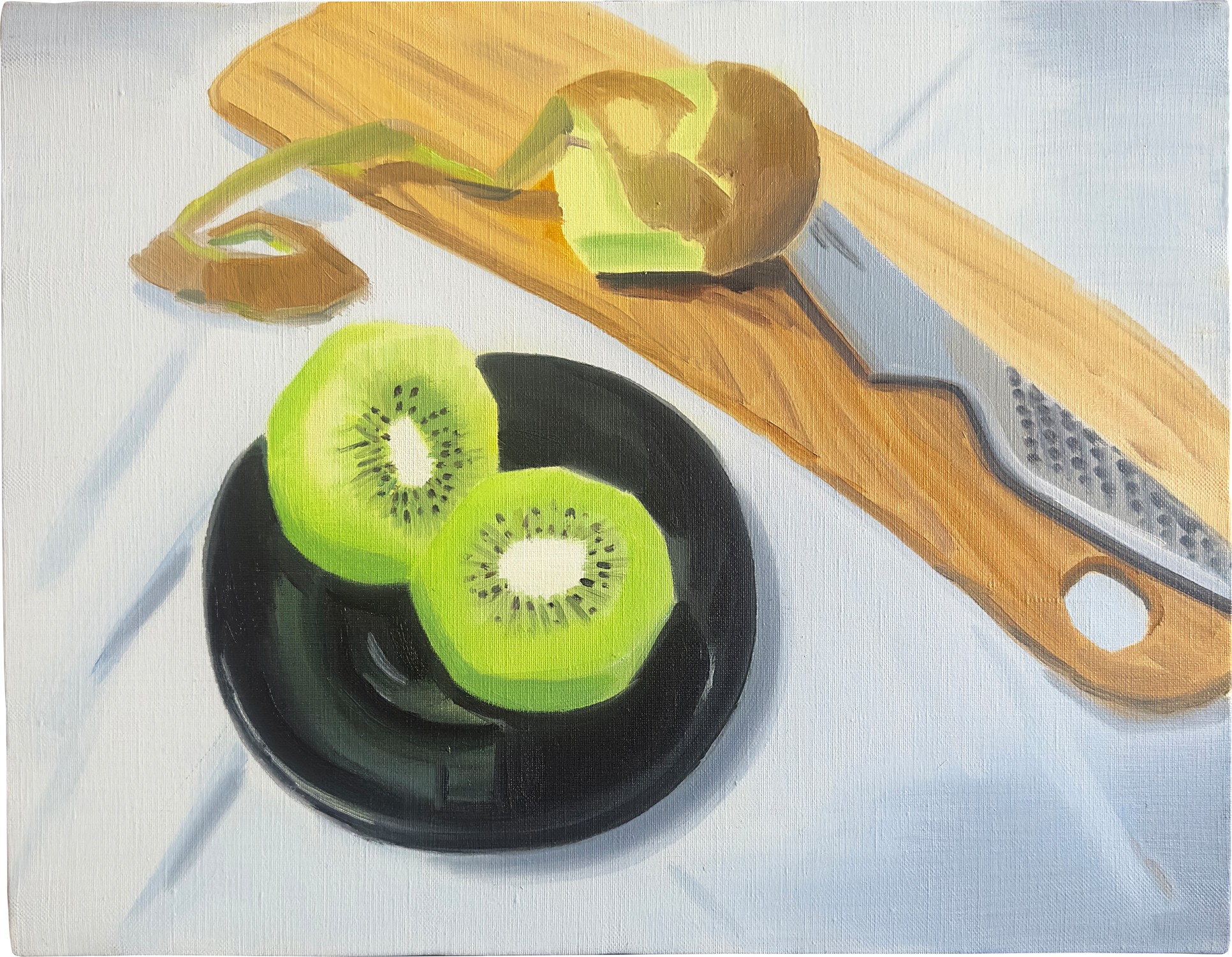
Kiwi, 2017
Her formation as a painter reflects both of these currents. She absorbed the visual vocabularies of Western modernism, particularly the loose, gestural confidence of painters working in the tradition that runs from Matisse through the New York School and into the figure centered revival of the 1980s, while remaining deeply attentive to the rhythms and aesthetics of her own cultural context, including fashion, graphic culture, and the domestic intimacy of everyday Japanese femininity. Her artistic development is marked by a consistent and deepening commitment to the figure, particularly to young women caught in moments of ordinary grace. Where many painters of her generation have chased irony or conceptual distance, Imai has moved in the opposite direction, toward sincerity, presence, and a radical pleasure in the act of looking.
Her brushwork, loose and assured, carries the confidence of someone who has found her language and is now exploring its full range. Color operates in her canvases not as decoration but as emotional temperature, a language of feeling that communicates before the eye has fully resolved what it sees. Among the works that best define her practice, several titles stand out as touchstones for collectors and critics alike. "Kiwi," painted in 2017, is often cited as an early statement of her mature sensibility, a small canvas with outsized presence in which fruit becomes a vehicle for sensory pleasure and compositional wit.
Ulala Imai
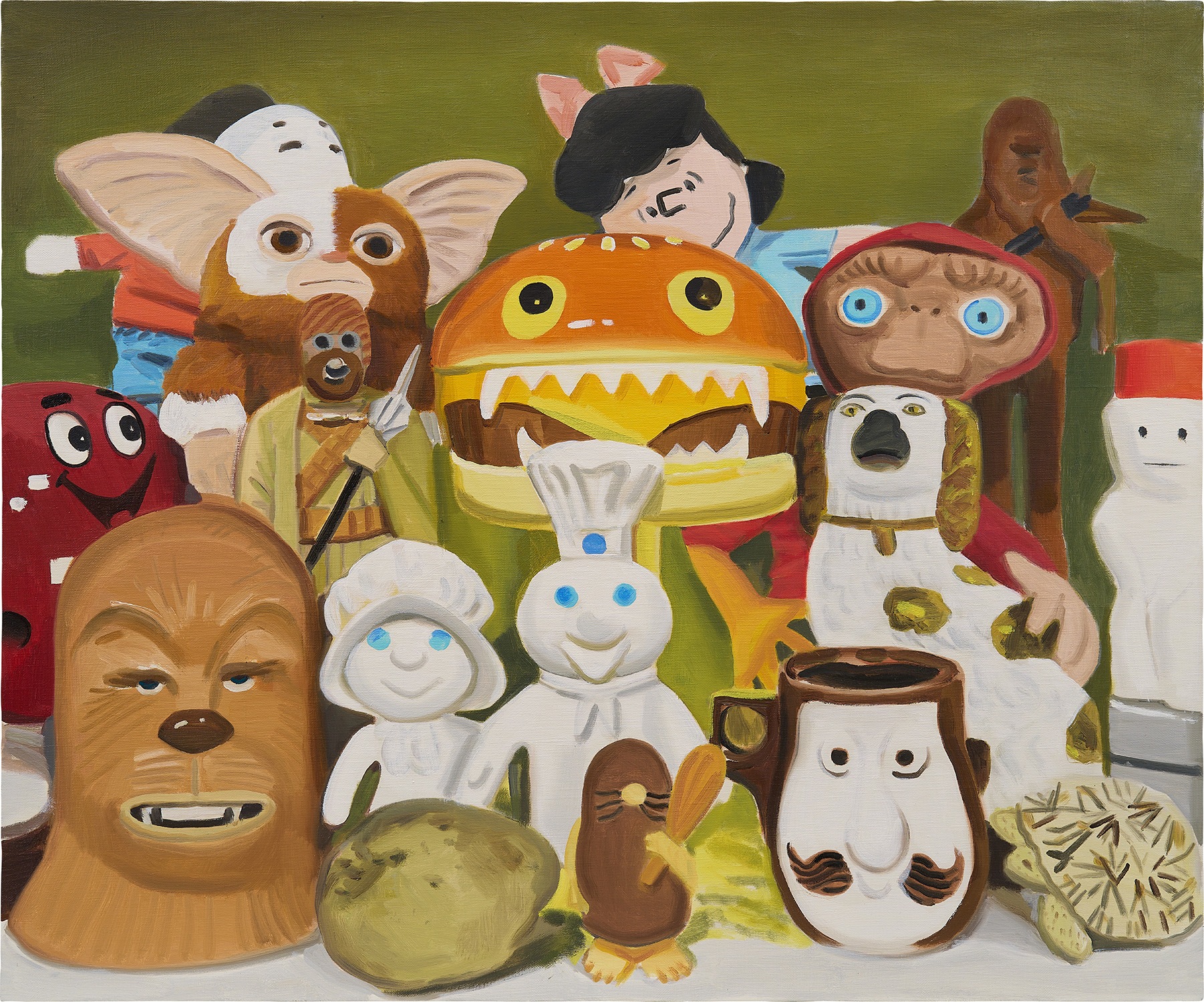
Gathering, 2020
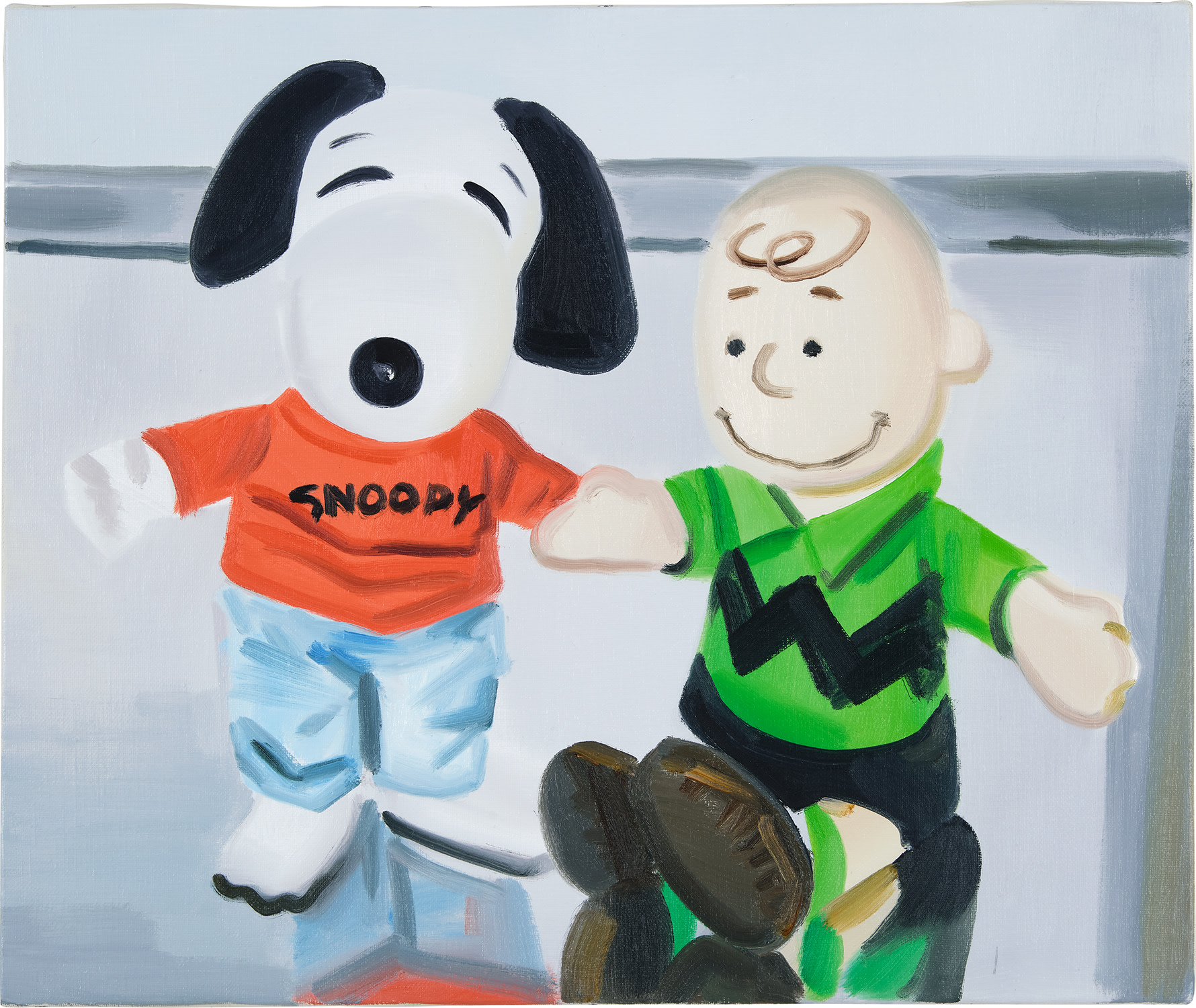
The 2020 canvases, a remarkably prolific and assured group, demonstrate the full breadth of her vision. "Gathering" and "Brothers" show her range in depicting social connection, the easy intimacy of people in proximity, rendered with a tenderness that never tips into sentiment. "Figs," "Butter Toast," "Cherry," and the bilingual titled "Fruits" bring food into the foreground as a subject of genuine painterly attention, continuing a tradition that extends from Chardin through Cezanne but filtered entirely through Imai's own contemporary sensibility. "In the Kitchen," from 2021, synthesizes these threads beautifully, placing the domestic space as a site of pleasure and quiet drama rather than confinement.
What makes these works compelling from a collecting perspective is precisely their combination of accessibility and depth. At first encounter, an Imai canvas rewards you with immediate visual pleasure: the color sings, the figures invite. On longer looking, the quality of the paint handling reveals itself, the decisions made and unmade, the passages of extraordinary delicacy alongside areas of bold simplification. This is painting that grows with time and attention.
Ulala Imai
Brothers, 2020
Collectors who have acquired her work early have found it holds its presence on a wall in a way that more immediately striking works sometimes do not. Her scale, generally intimate rather than monumental, also makes her canvases well suited to living with, to the genuine pleasures of domestic collecting. In the context of contemporary art history, Imai sits within a broader international conversation about the renewed vitality of figurative painting. She shares sensibilities with painters such as Cecily Brown and Francesca Mollett in her gestural freedom, and with artists like Chloe Wise in her attention to the pleasures of the everyday and the feminine.
Within Japanese contemporary art, her work resonates with a tradition of painters who have sought to reconcile international modernist influence with local visual culture, though Imai's voice is distinctly her own. She is not working in the shadow of any predecessor but has established a position that is singular and recognizable. The market for Imai's work has developed steadily and organically, driven by collectors who have sought her out through galleries and through the kind of word of mouth enthusiasm that attaches to artists whose work produces genuine affection. Auction appearances have generated strong results, reflecting both the quality of the work and the depth of collector interest.
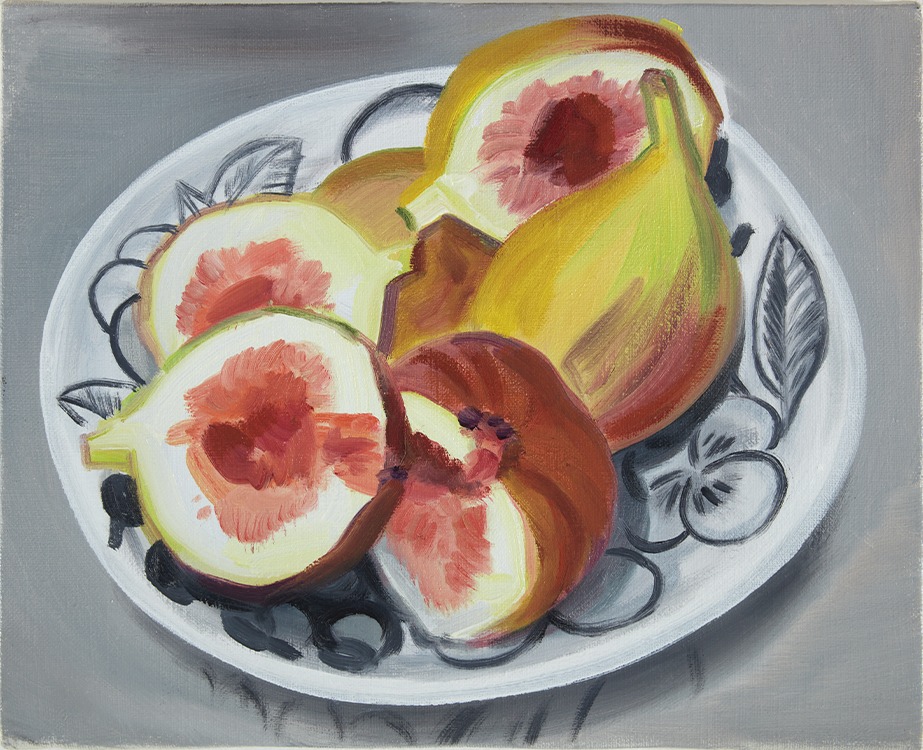
Ulala Imai
Figs, 2020
For those looking to build a collection that speaks to the best of contemporary Japanese painting while also engaging with the global conversation around figurative art, Imai represents a compelling opportunity. Her prices have risen with her profile, but the work remains available through galleries, and the body of output she has produced demonstrates both consistency and continued development. Ulala Imai matters today because she is painting life as it actually feels: bright, a little uncertain, full of small pleasures, and saturated with the kind of beauty that only becomes visible when someone takes the time to look. In an art world that often privileges the monumental and the cerebral, her canvases offer something essential.
They remind us that the most radical act a painter can perform is to care, genuinely and without irony, about the world in front of them and about the people who will eventually stand before the work and feel, perhaps unexpectedly, seen.