Tony Oursler
Tony Oursler Brings the Inner World Alive
Artist Spotlight · The Collection Editorial
“I want to get inside the television and look out.”
Tony Oursler, artist statement
In the spring of 2023, the Mori Art Museum in Tokyo presented a sweeping survey of video and new media art that placed Tony Oursler squarely within the lineage of artists who fundamentally transformed how we understand the relationship between the human face, technology, and psychological experience. Oursler's presence in such conversations is no accident. For more than four decades he has been one of the most inventive and formally restless artists working in any medium, building a body of work that feels, with each passing year, more urgently relevant to the screen saturated world we all now inhabit. Oursler was born in New York in 1957 and came of age in a city that was crackling with artistic possibility.
Tony Oursler
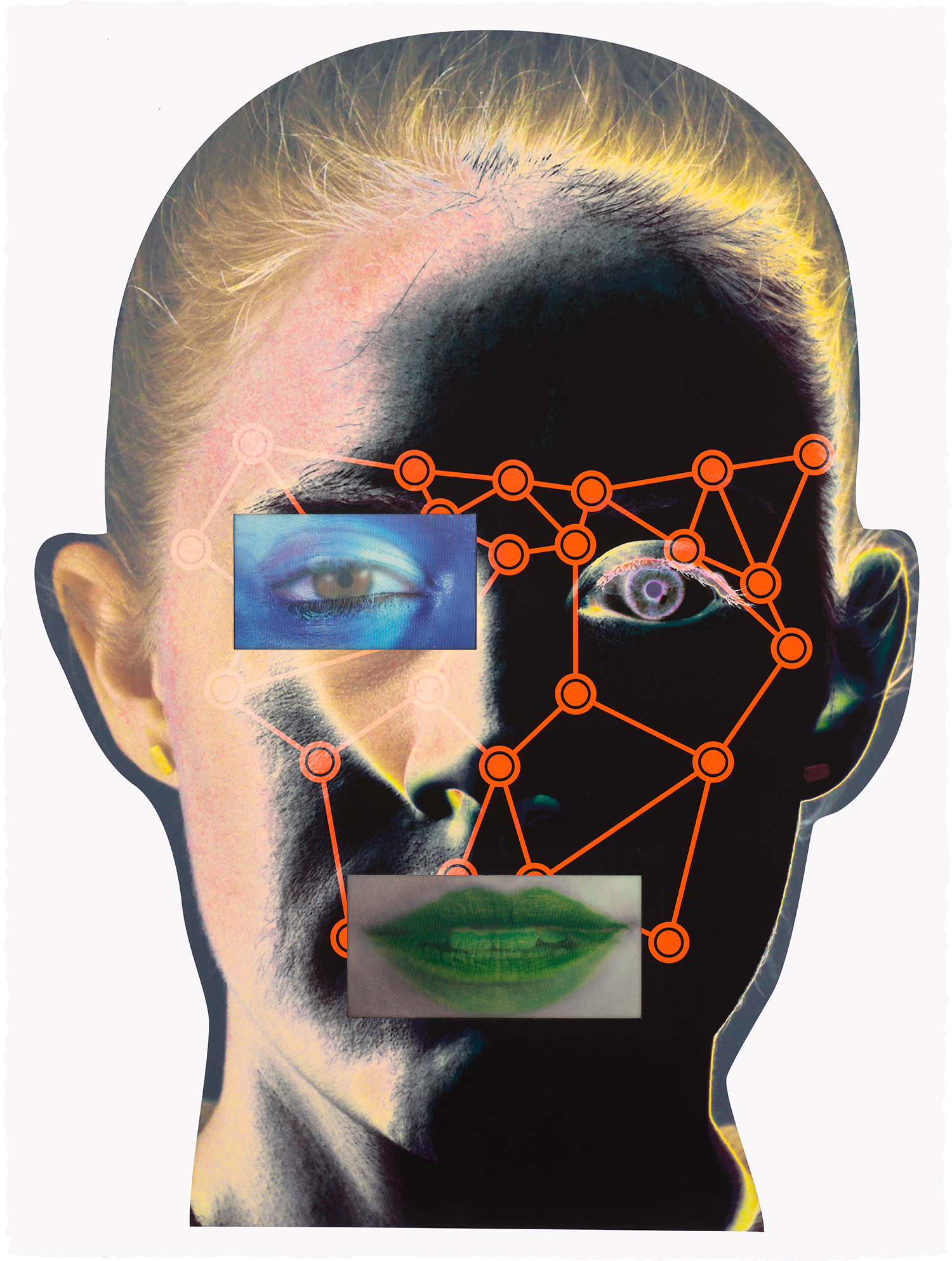
Recognition (image 1-3.1), from Recognition
He studied at the California Institute of the Arts in the mid 1970s, where he encountered an extraordinary constellation of faculty and peers, including John Baldessari, whose conceptual wit and comfort with popular culture left a lasting impression. It was also at CalArts that Oursler formed a close friendship with Mike Kelley, a relationship that would prove generative for both artists and that echoed through their respective practices for decades. The downtown New York art world of the late 1970s and early 1980s, with its fusion of performance, video, punk energy, and conceptual ambition, provided the perfect incubator for the ideas Oursler was beginning to develop. Oursler began making single channel video works in the late 1970s, producing lo fi, theatrically charged narratives that drew on horror films, television, and psychological case studies with equal enthusiasm.
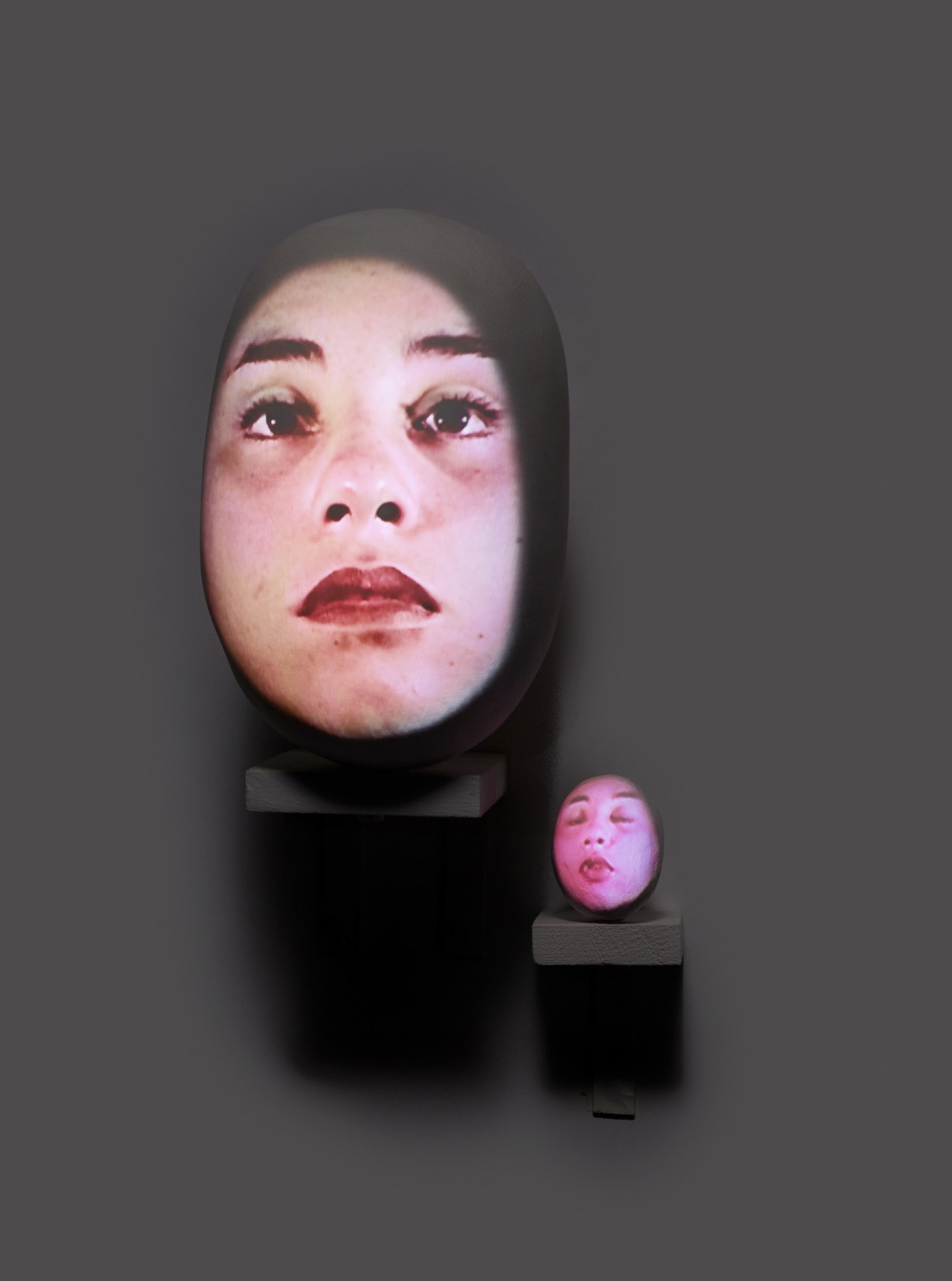
But the breakthrough that defined his mature practice arrived in the early 1990s, when he began projecting video footage of human faces onto small sculptural forms, most famously soft fabric dolls. The effect was startling and immediately iconic: a face appeared to live inside an inanimate object, muttering, weeping, or raging from within. These projection sculptures collapsed the boundary between the psychological interior and the physical exterior in a way that no artist had managed before, and they brought Oursler international recognition almost immediately. Solo exhibitions at the Metro Pictures gallery in New York and at venues across Europe confirmed his place at the forefront of a generation redefining installation art.
Tony Oursler
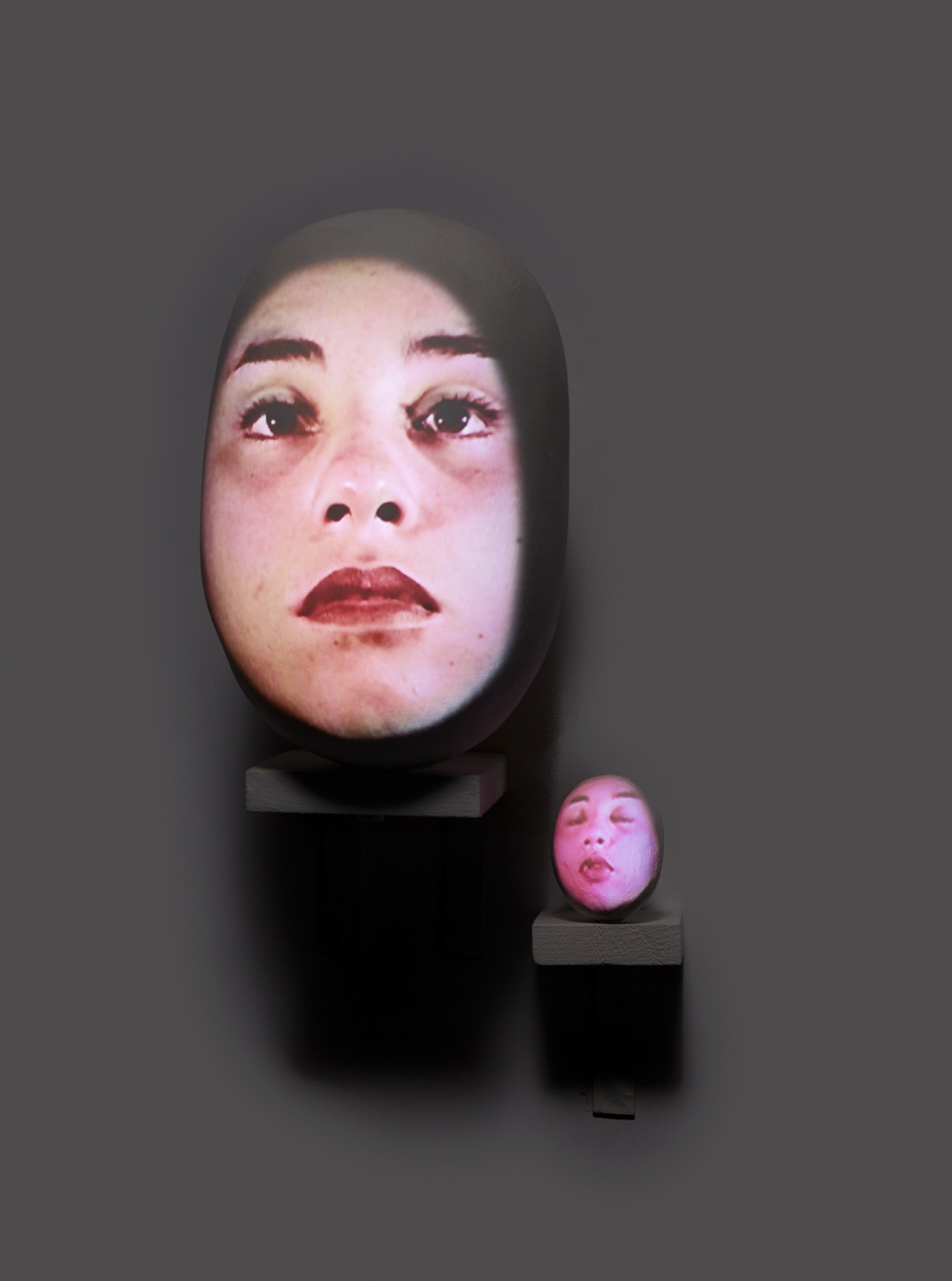
Truth, 1998
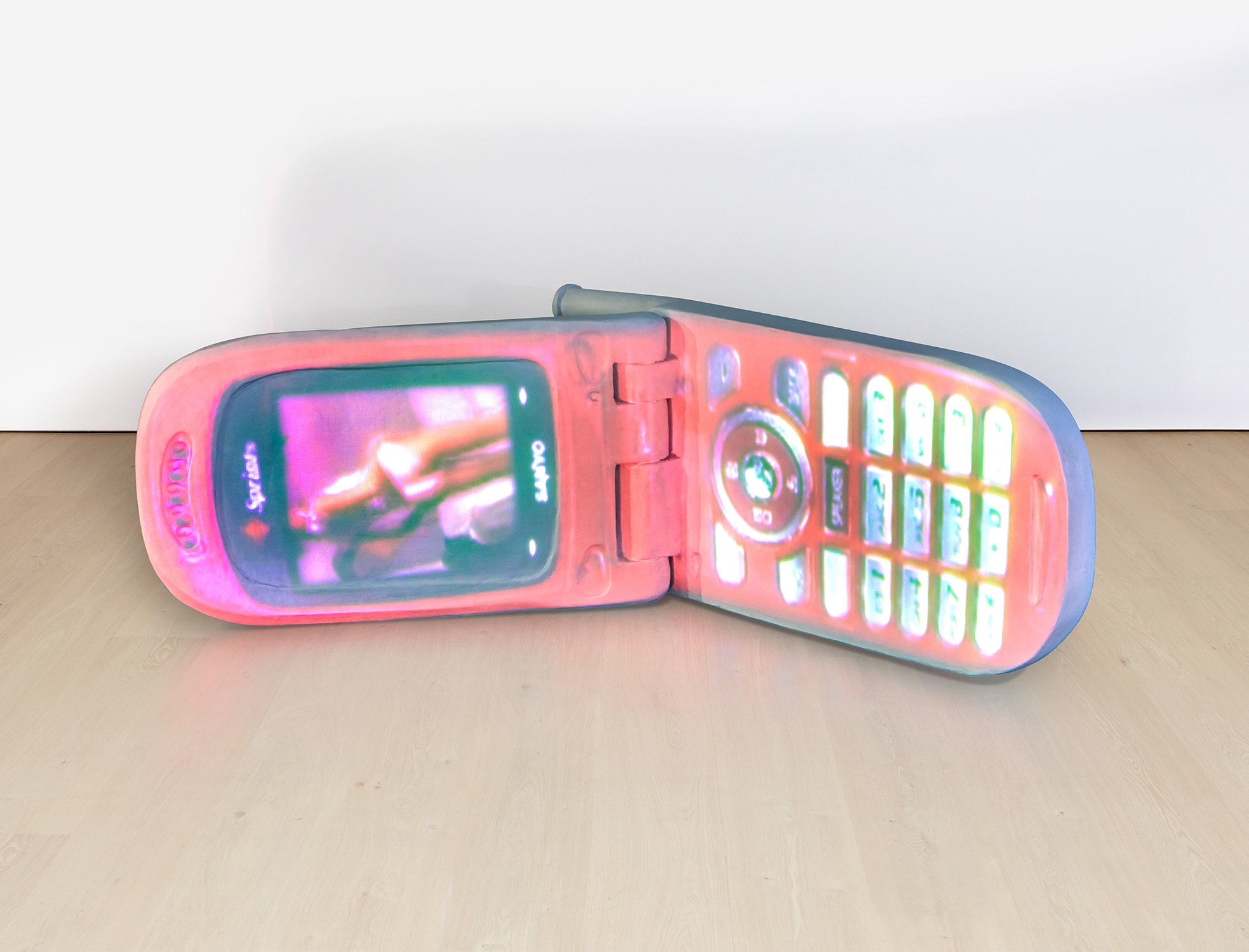
The works in The Collection offer a vivid cross section of the range and ambition that Oursler has brought to his practice across different periods. "Truth" from 1998, with its projector, painted plaster elements, and layered audiovisual components, exemplifies the clinical yet deeply emotional logic of his mature installation work, treating psychological concepts as sculptural raw material. "Troubler" from 1996, with its paired dolls, wooden stand, and projected video, distills the uncanny intimacy that made his projection sculptures so influential throughout the 1990s. "Cherry Nokia" from 2008 demonstrates his sustained curiosity about consumer technology as both subject matter and formal medium, embedding projection within resin to create an object that feels simultaneously like evidence and like a dream.
Works on paper such as "Thrown" from 2000 and the acrylic drawings reveal a quieter, more intimate side of the practice, one grounded in gesture and mark making that rewards close attention. The lenticular collage work from the Recognition series shows his continued formal experimentation, layering photographic imagery with hand colouring and optical illusion to create surfaces that shift and flicker as the viewer moves. For collectors, Oursler's practice offers something genuinely rare: works that operate powerfully both as objects in a domestic or institutional space and as intellectually rich propositions about the nature of perception and media. His works on paper and smaller scale pieces provide accessible entry points, while the major installation works represent the kind of ambitious, historically significant collecting decisions that define serious collections.
Tony Oursler
Cherry Nokia, 2008
The market for Oursler has remained consistently strong, particularly in Europe and among North American institutions and private collectors who built their collections around media art during the 1990s and 2000s. Works from the core period of his projection sculptures, roughly 1992 through 2005, are particularly sought after, as they represent the conceptual heart of his contribution to art history. The lenticular and digitally composite works of the 2010s and beyond have attracted growing interest as collectors recognise the continuity between his early video concerns and his engagement with contemporary imaging technologies. To understand Oursler fully, it helps to place him within a broader constellation of artists working at the intersection of technology, the body, and psychological experience.
His generation of media artists, which includes Nam June Paik as a crucial predecessor and contemporaries such as Gary Hill and Bill Viola, collectively established video installation as one of the defining art forms of the late twentieth century. But Oursler's particular contribution, the insistence on the face as both subject and formal element, and the use of the abject, distressed, or disembodied figure as a carrier of social meaning, also places him in dialogue with the sculptural and conceptual concerns of artists such as Cindy Sherman, Bruce Nauman, and his friend Mike Kelley. His work sits comfortably in collections that also hold pieces by these figures, and it occupies a distinct and irreplaceable position within any serious survey of American art after 1980. What makes Oursler matter today, perhaps more than ever, is the clarity with which his work anticipated the psychological conditions of contemporary life.
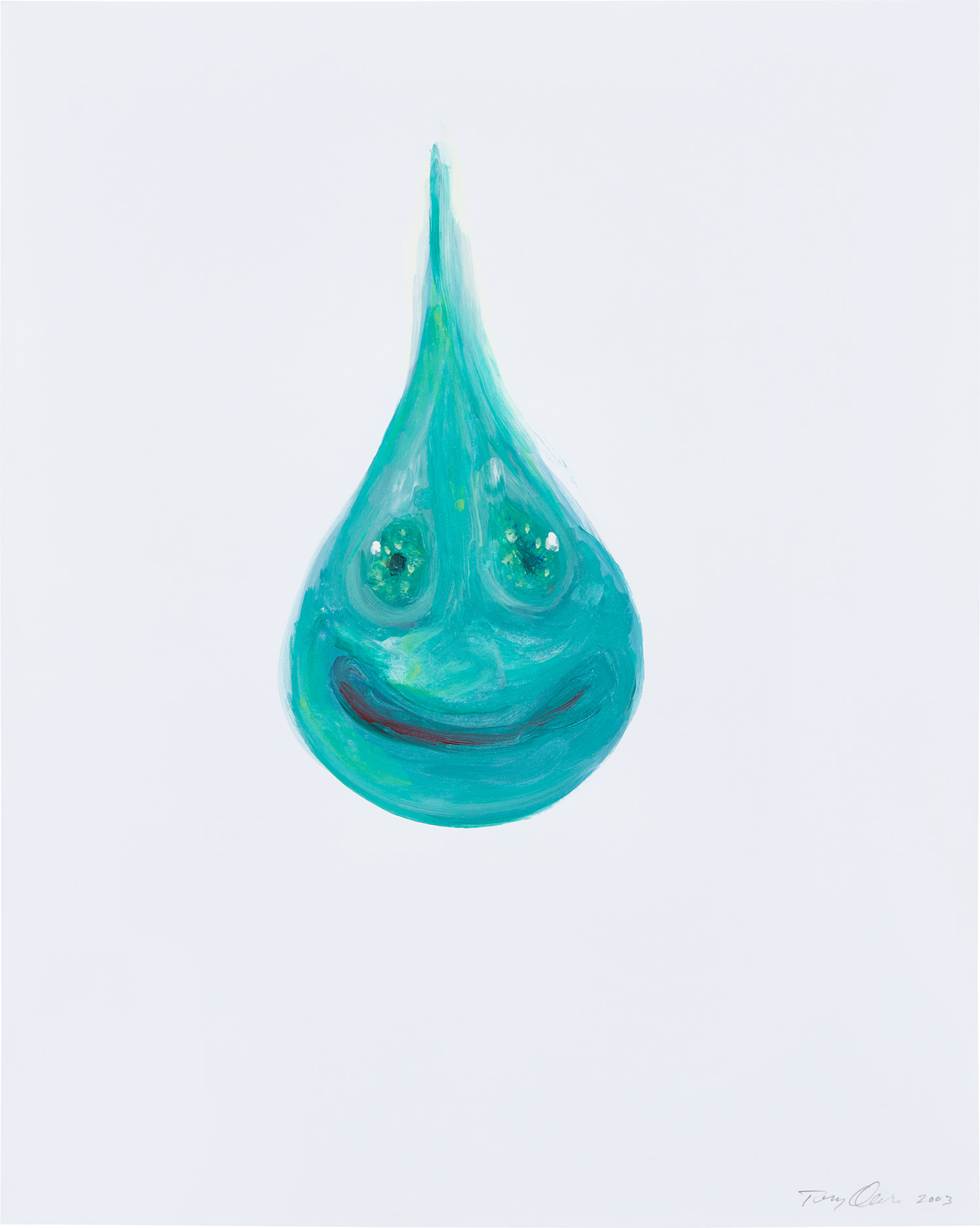
Tony Oursler
Tony Oursler
The faces on screens, the dissociation between physical presence and digital identity, the way surveillance and imaging technologies have restructured how we see and are seen: these are the coordinates of daily existence in the 2020s, and they are also the deep subject matter of Oursler's entire career. His practice asks, with both wit and genuine urgency, what it means to have a face in an age of infinite reproduction and algorithmic recognition. As institutions and collectors continue to reckon with the legacy of media art and its relevance to the present moment, Oursler stands as an artist whose vision has only grown more essential with time.
Explore books about Tony Oursler
Tony Oursler
Germano Celant
Tony Oursler: The Influential Machine
Francesco Bonami
Tony Oursler: Imponderable
Various Authors
Tony Oursler: Light Years
Douglas Fogle
Tony Oursler: Mechanical Divinities
Michael Darling