Tomory Dodge
Tomory Dodge Paints Light Into Being
Artist Spotlight · The Collection Editorial
There is a particular moment in contemporary American painting when abstraction and the visible world seem to hold their breath together, suspended between recognition and pure sensation. That moment is where Tomory Dodge lives. Born in 1974, Dodge has spent the better part of three decades building a body of work that feels both urgently present and quietly timeless, and galleries in Los Angeles and New York have continued to draw attentive crowds whenever his canvases appear on a wall. His reputation has grown steadily through sustained critical attention and the loyalty of collectors who return to his work again and again, drawn by something they find difficult to name but impossible to ignore.
Tomory Dodge
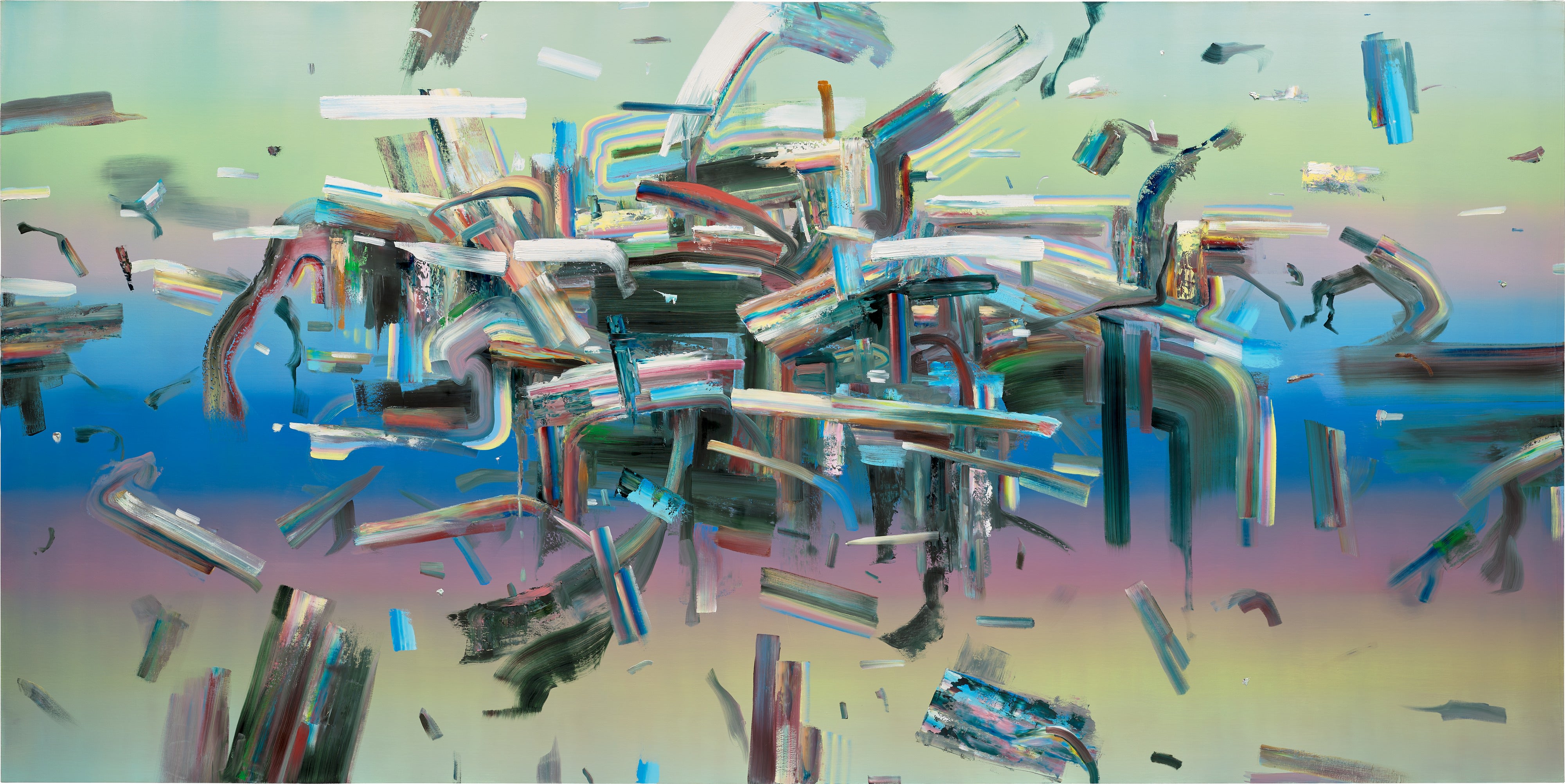
Levitate, 2006
Dodge came of age in a moment rich with possibility for American painting. The renewed seriousness with which the art world embraced painting through the 1990s and into the 2000s gave younger artists permission to engage deeply with the medium on its own terms, without apology. Dodge took that permission seriously. His formation as a painter reflects a genuine absorption in the history of the medium, from the gestural freedoms of Abstract Expressionism to the luminous chromatic ambitions of Color Field painting, and yet his work never reads as academic or retrospective.
It reads as alive. His practice is built on layering, in every sense of the word. Physically, his canvases accumulate oil paint in ways that reward close looking, with earlier passages showing through later applications, creating a sense of depth that functions almost like memory. Conceptually, he layers registers of meaning, allowing fragmented landscape references to float within fields of color, so that a viewer might sense a treeline, a body of water, or a shaft of afternoon light without ever being certain of what they are seeing.
Tomory Dodge
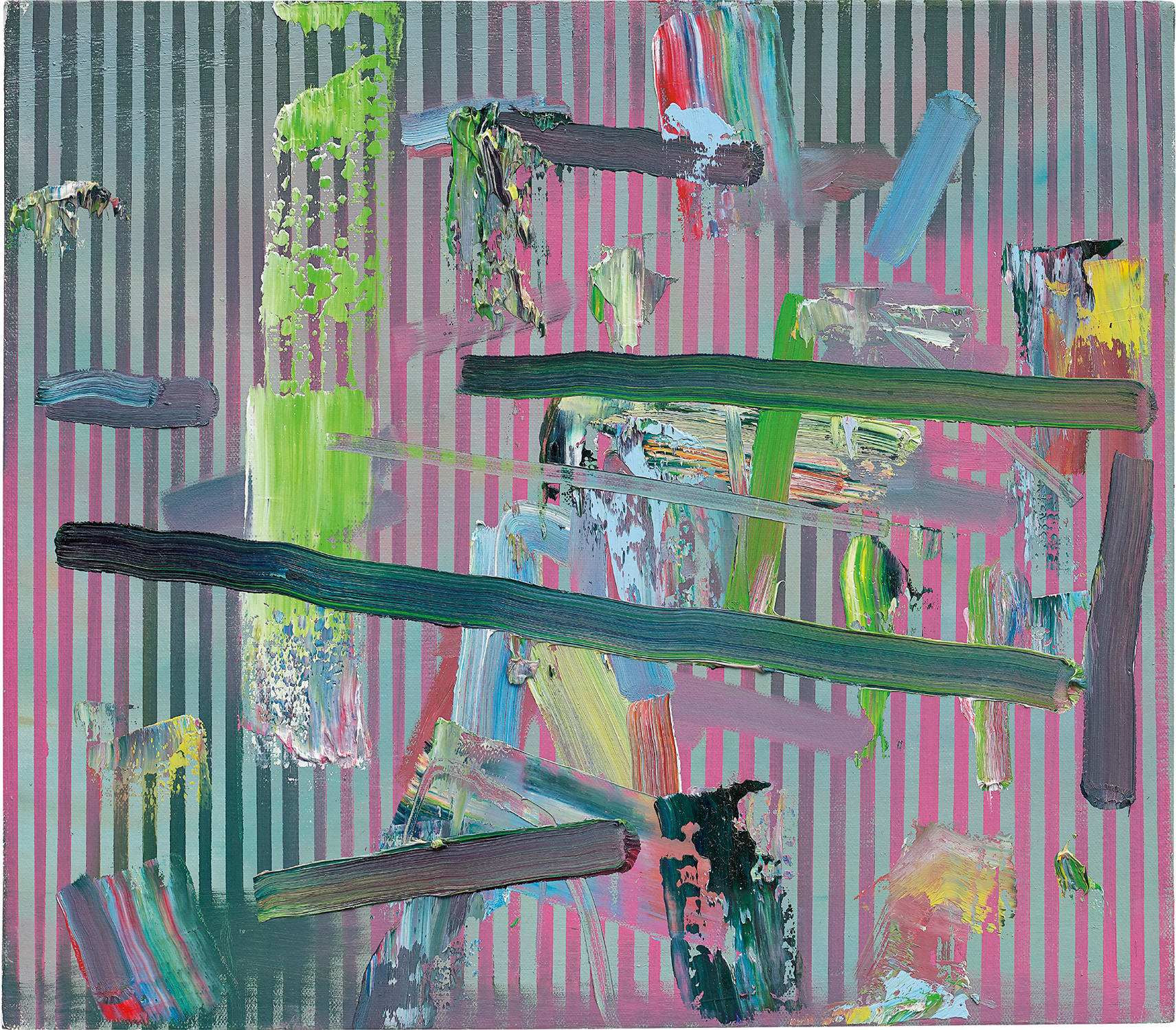
Other Possibilities, 2010
This deliberate ambiguity is not evasiveness. It is generosity. Dodge invites the viewer to complete the image, to bring their own experience of the world to bear on what he has set in motion. The paintings that emerged from the middle years of his career, roughly 2006 through 2011, represent a particularly compelling sequence.
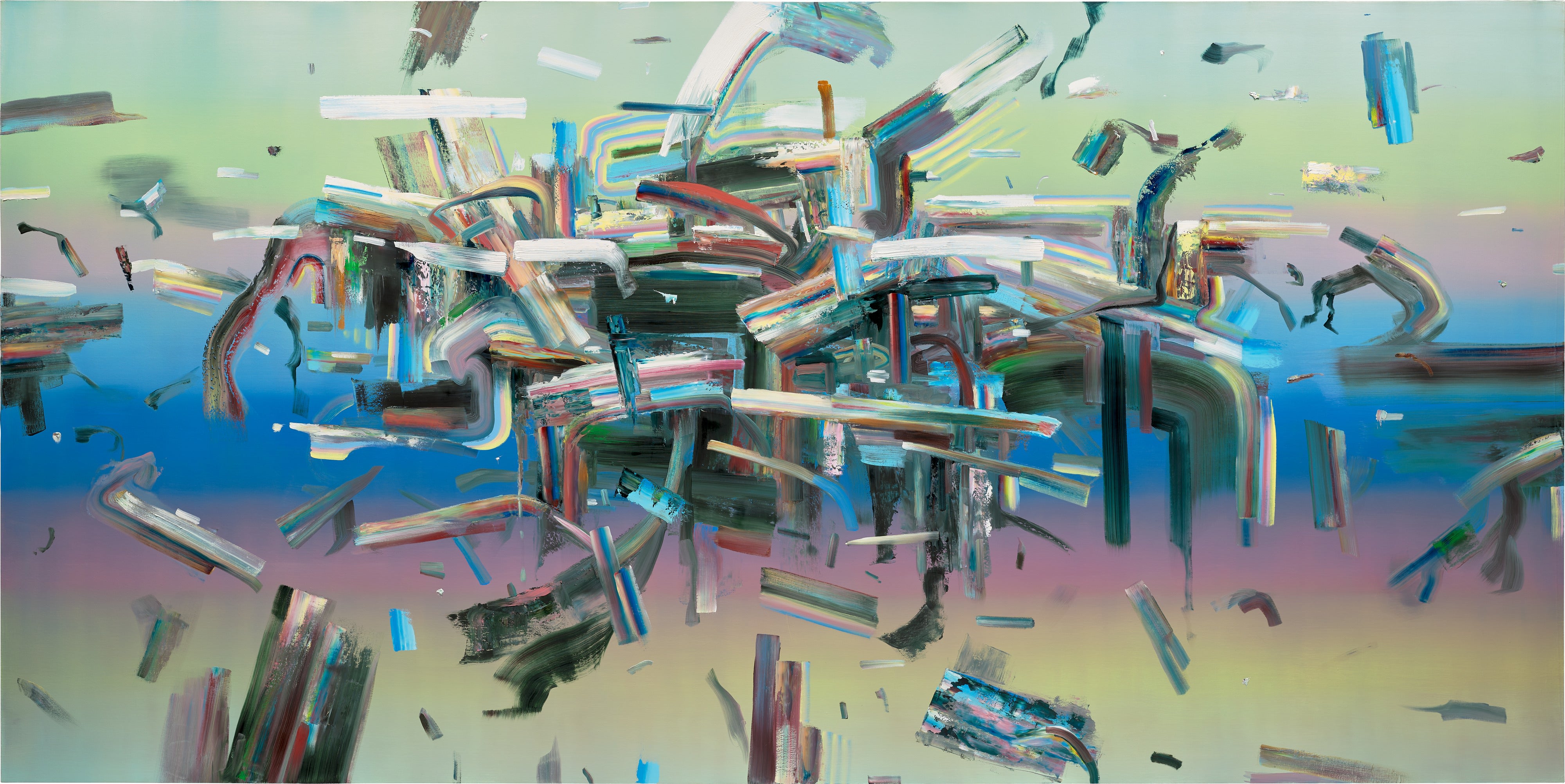
"Levitate" from 2006 announces its intentions immediately, with color that seems genuinely weightless, lifted from the surface rather than sitting on it. "Cascade Bravo" from 2008 carries that energy forward with something more urgent, a sense of movement arrested at its most beautiful instant. "Magus" from 2007 brings a quieter register, more interior and ceremonial, as if the paint itself were performing some slow ritual. By the time "Other Possibilities" arrived in 2010 and "King of Spain" in 2011, Dodge had developed a full vocabulary, one capacious enough to accommodate both intimacy and grandeur.
Tomory Dodge
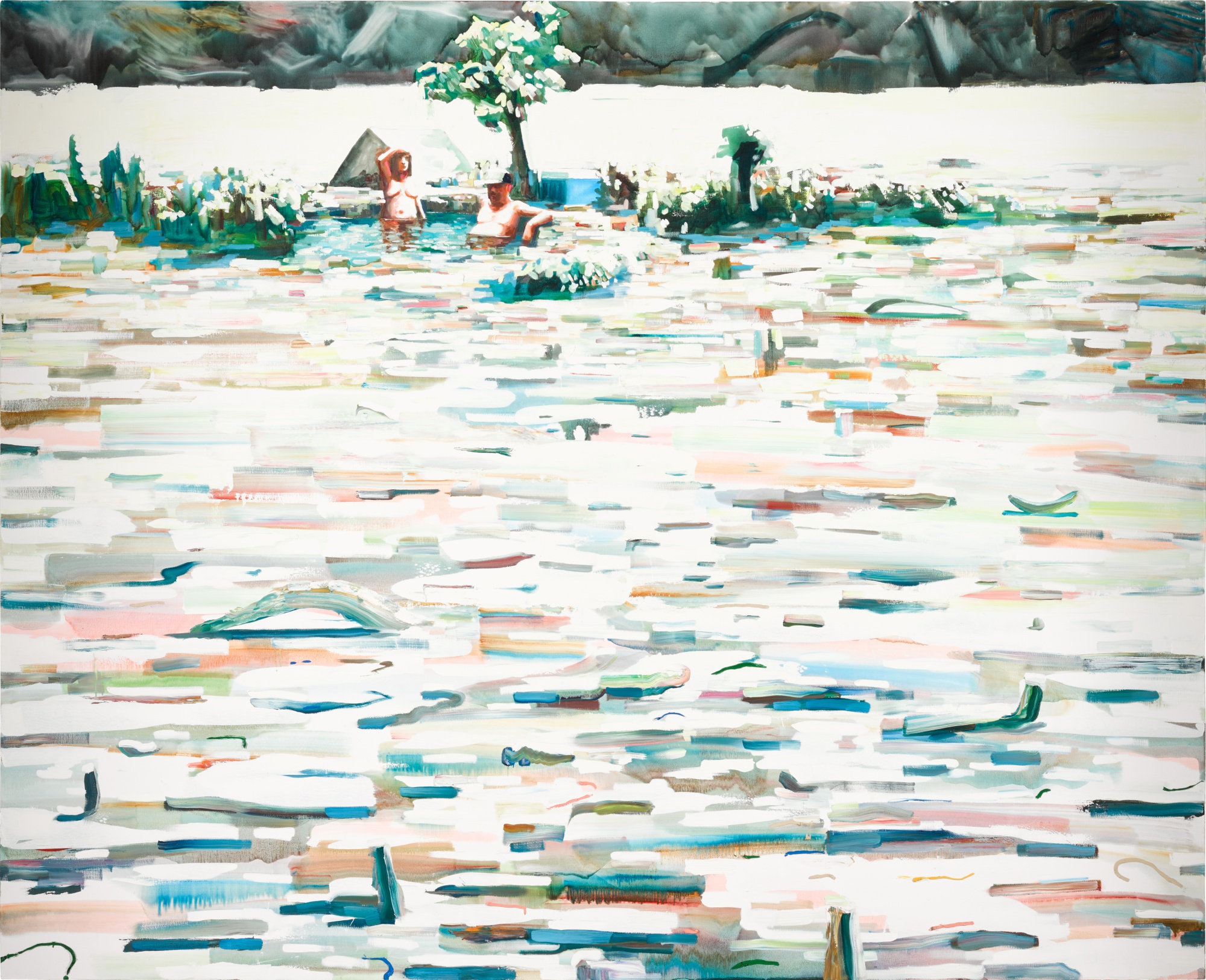
Oasis
Works like "Lucia" from 2009 and "Monk" from 2010 show his range within a single period, moving from something soft and personal to something almost architectural in its authority. What collectors respond to in Dodge is partly the quality of looking that his paintings demand and reward. These are not works that give themselves up immediately. They open slowly, over multiple encounters, and they change with the light, with the season, with the mood of the viewer.
That quality of sustained engagement is rare and increasingly valued by serious collectors who want work that will continue to speak to them over years and decades. His paintings also carry a particular confidence in their material making, the surfaces have an integrity that signals an artist who has never rushed, who has allowed each work to become what it needs to be. For collectors building thoughtful collections, that integrity is a form of assurance. Within the broader landscape of contemporary American painting, Dodge occupies a position that connects several important lineages without being reducible to any of them.
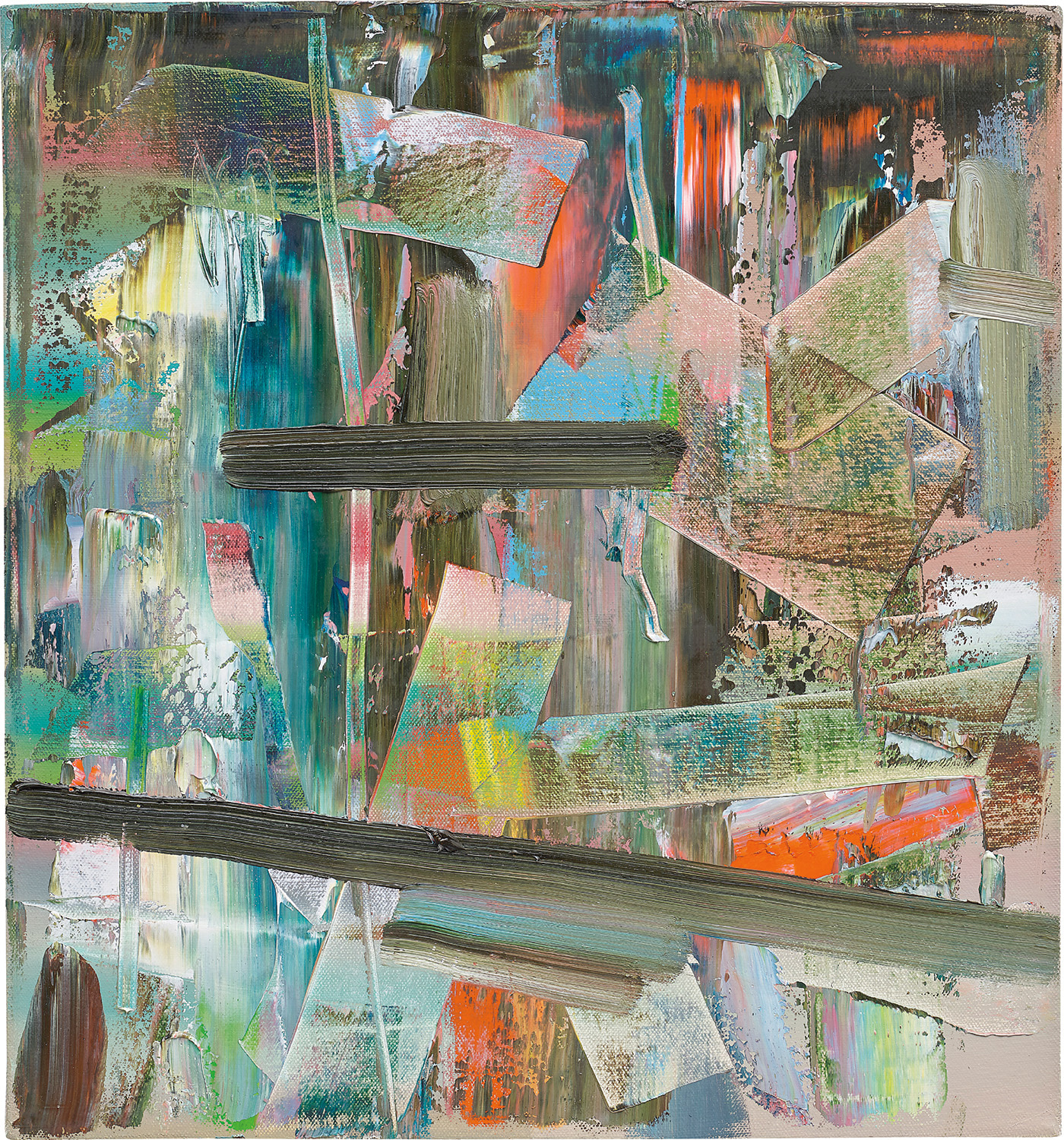
Tomory Dodge
Monk, 2010
His relationship to landscape, though always filtered through abstraction, places him in conversation with artists like Peter Doig, whose atmospheric evocations of natural space share something of the same emotional register. His commitment to pure painterly sensation connects him to the legacy of Joan Mitchell and Cy Twombly, artists who trusted gesture and color to carry more weight than representation ever could. At the same time, his generational peers in Los Angeles painting, a city that has produced some of the most vital painting in America over the past two decades, provide an immediate context in which his work has found community and critical friction. Los Angeles is important to understanding Dodge.
The quality of light in Southern California, that particular brightness that is never quite harsh, always slightly diffuse, seems to have found its way into his chromatic imagination. His paintings often feel as though they have been bathed in that light, not because they represent California landscapes but because they carry the optical memory of that environment within their color relationships. This is the kind of influence that operates below the level of subject matter, shaping the fundamental sensory character of the work. The legacy of Tomory Dodge is still being written, and that is part of what makes his work so compelling to follow right now.
He is an artist in full stride, with a body of work substantial enough to reveal genuine development and consistent enough to confirm a singular vision. The paintings ask something of their viewers, a willingness to slow down, to look without insisting on immediate resolution, to trust that sensation can be a form of knowledge. In a cultural moment defined by speed and noise, that invitation feels not merely aesthetic but necessary. To own a Dodge painting is to have a standing reminder that some things reveal themselves only to patience, and that the reward for that patience is extraordinary.