Todd Hido
Todd Hido Illuminates the American Night
Artist Spotlight · The Collection Editorial
“I'm drawn to places that look like they've been abandoned by the people who live there, even though they haven't.”
Todd Hido, interview with American Photo
There is a particular kind of attention being paid to Todd Hido right now, and it feels overdue. Museums including the Whitney Museum of American Art, the Solomon R. Guggenheim Museum, and the Los Angeles County Museum of Art have long held his work in their permanent collections, and yet the broader cultural conversation about Hido seems to be reaching a new peak of appreciation. Collectors who discovered him through the landmark photobook House Hunting, first published in 2002, are now actively seeking out the chromogenic prints that made that book so indelible.
Todd Hido
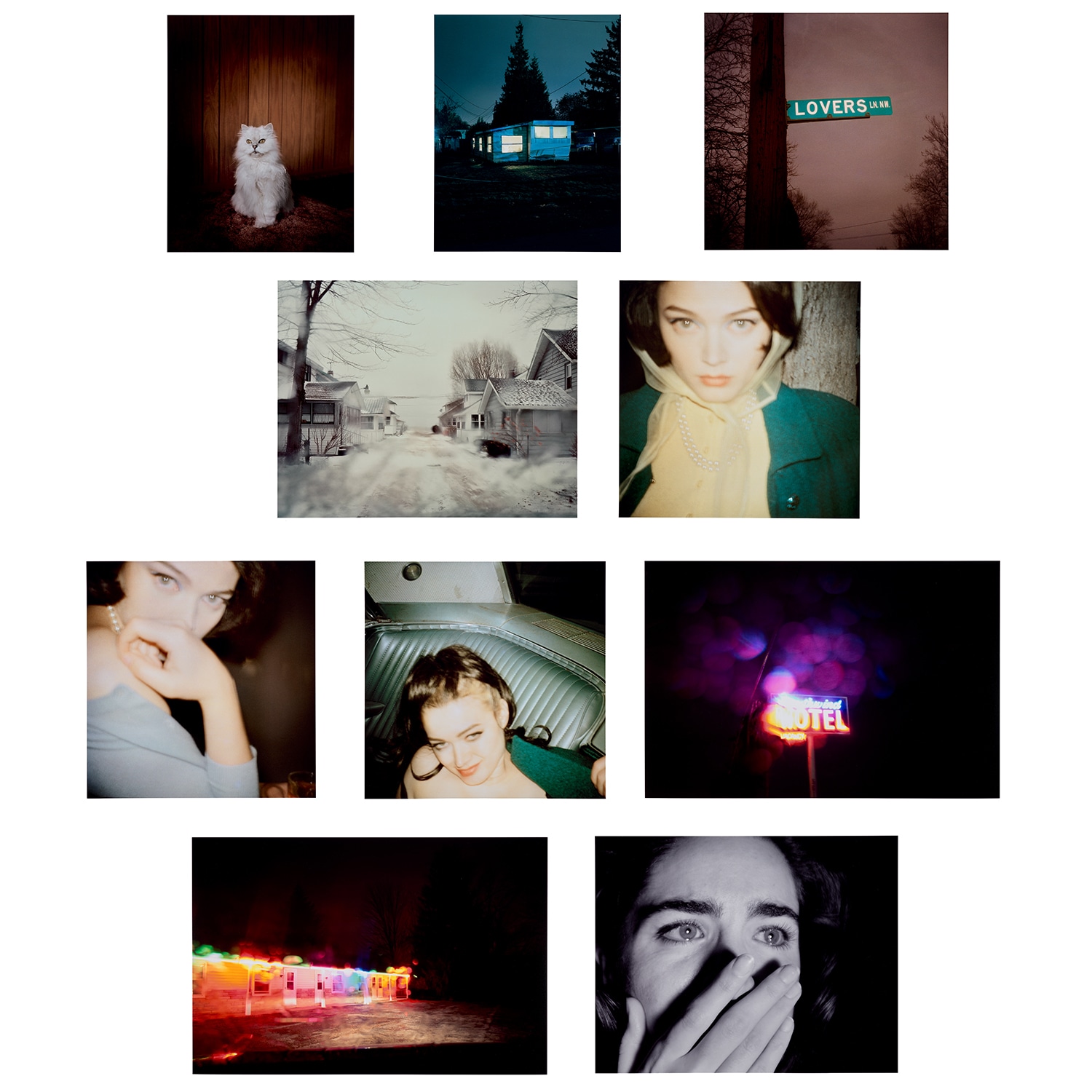
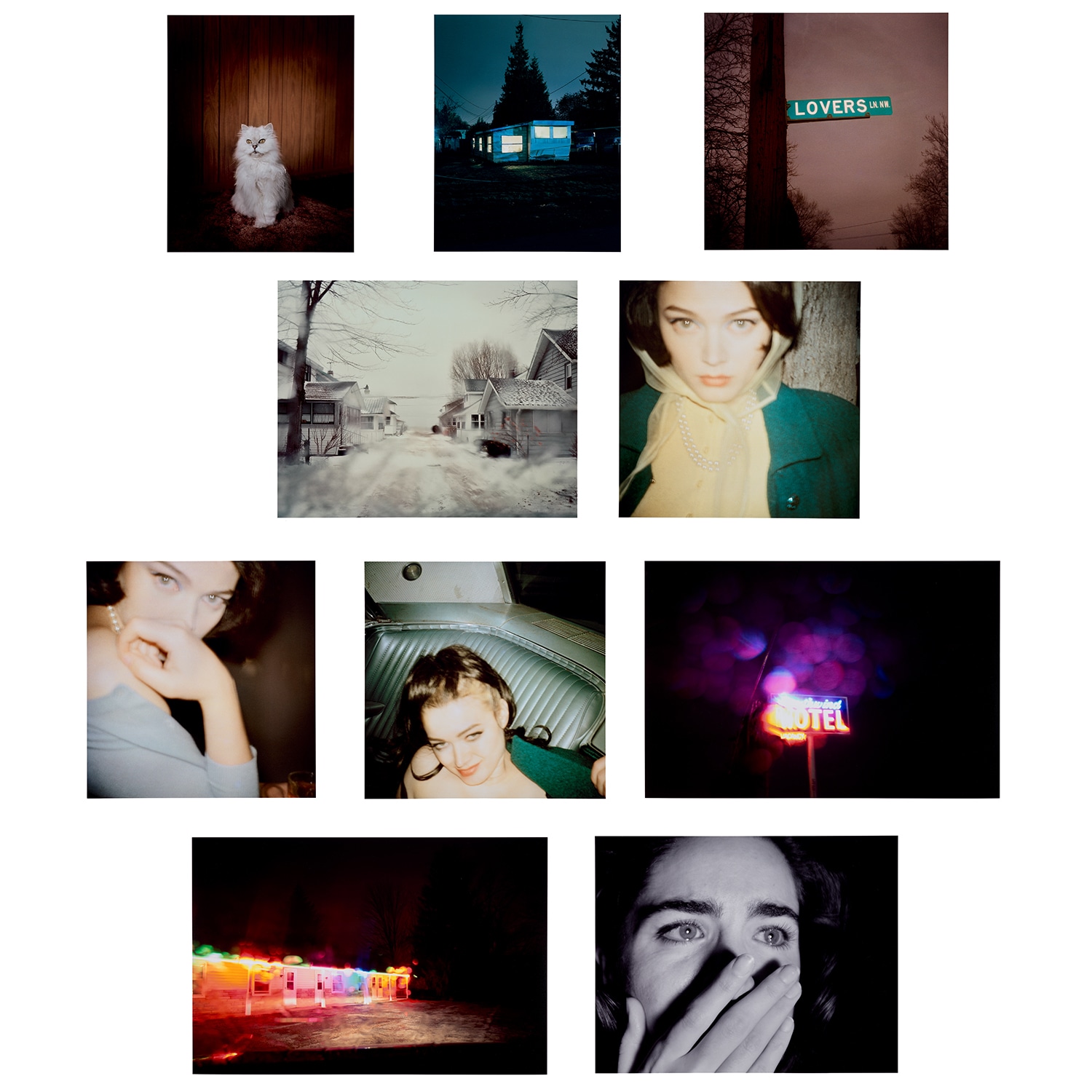
Excerpts From Silver Meadows
The art market has responded accordingly, with institutional and private demand converging around a body of work that feels more urgently relevant with every passing year. Hido was born in 1968 in Kent, Ohio, a detail that matters more than it might first appear. The American Midwest, with its vast subdivisions, its tract housing pressed against empty fields, and its particular quality of winter light, is not simply a backdrop in his photographs. It is a psychological condition, one that Hido absorbed during his formative years before eventually relocating to the San Francisco Bay Area.
That transplantation between two very different American landscapes gave him a kind of productive estrangement, the ability to look at the built environment with the heightened awareness of someone who is always slightly outside it. Hido studied photography seriously and with intent, earning his MFA from California College of Arts and Crafts in 1996. The Bay Area in the mid to late 1990s was a fertile environment for photographers willing to push against the clean conceptualism that dominated much of the art world at the time. Hido found his subject matter not in studios or galleries but on the roads he drove at night, stopping when a lit window in an otherwise dark house caught his eye.
Todd Hido
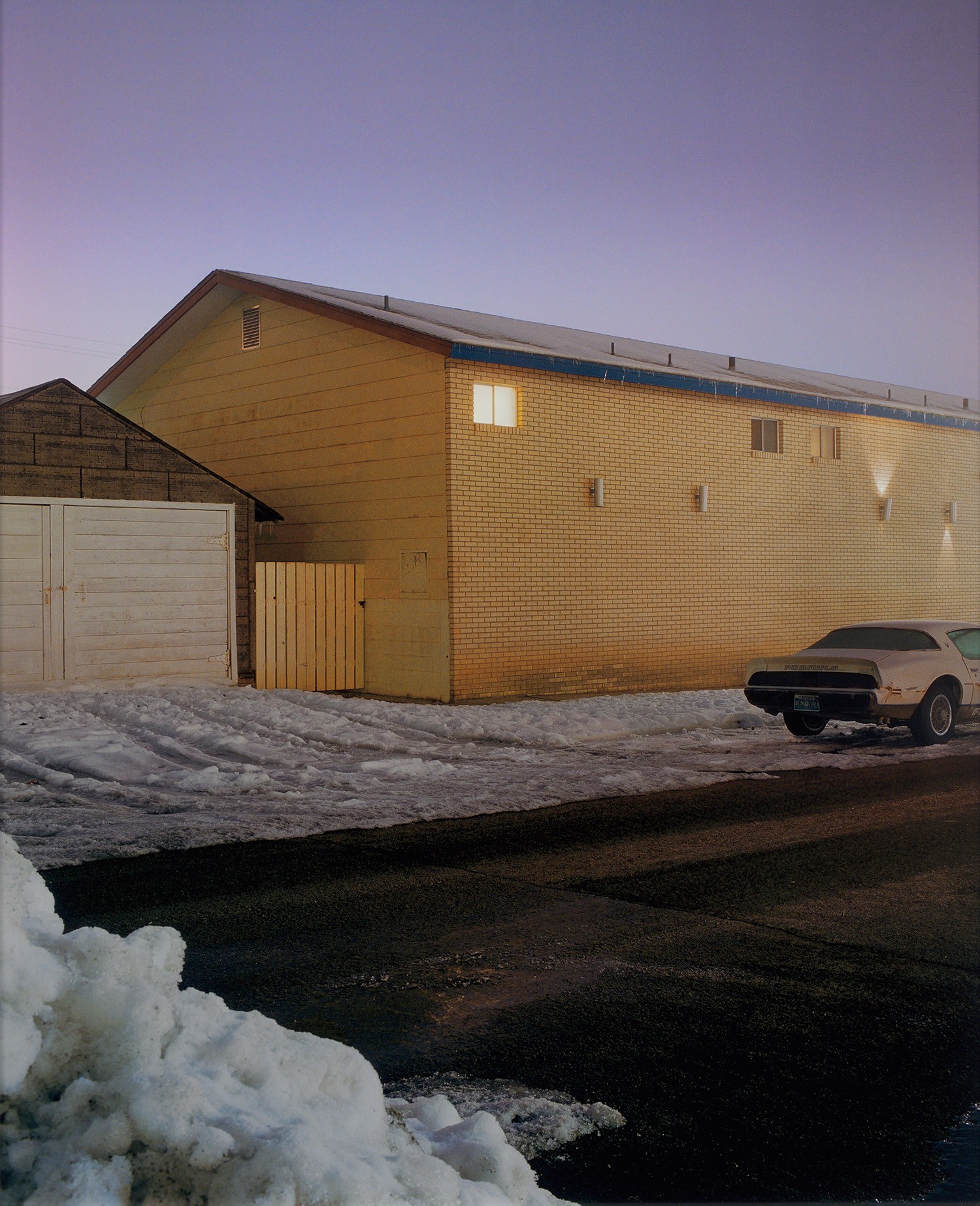
4124-c
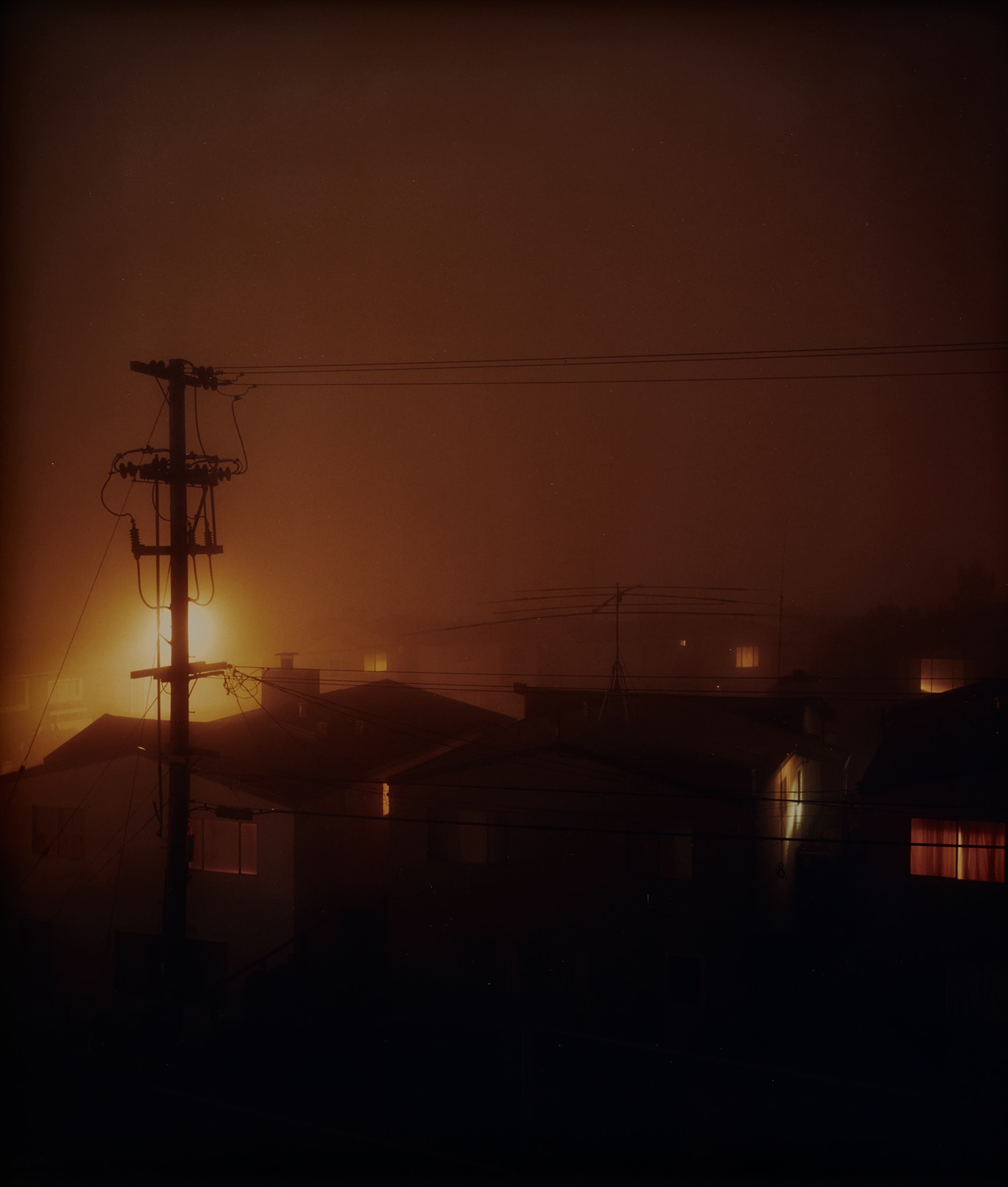
The camera he pointed at those houses was pointed inward as much as outward, toward memory, longing, and the peculiar American promise embedded in domestic architecture. The breakthrough came with House Hunting, which arrived with the force of a genuine artistic statement. The images in that series, including the iconic number 1941 taken in San Francisco and number 1951 a taken in Pacifica, California, along with number 2604 O, present isolated residential structures glowing from within against winter nights and fogged coastal skies. These are not documentary photographs in any conventional sense.
They are closer to stage sets for emotional narratives the viewer must complete themselves. The genius of Hido's approach is that the absent human figure makes the human presence feel all the more acute. Someone lives there. Something has happened, or is about to happen, behind that amber window.
Todd Hido
#1941, San Francisco, CA, from House Hunting
His practice expanded significantly with Excerpts from Silver Meadows, a deeply personal project that incorporated not only his signature nighttime exteriors but also images of women, motel rooms, and found photographs from his own childhood. The unique portfolio comprised of 130 chromogenic prints stands as one of the most ambitious and intimate objects in his catalogue, a kind of novelistic accumulation of evidence that rewards sustained engagement. Silver Meadows is the name of the Ohio subdivision where Hido grew up, and the project is in many ways a reckoning with that origin, a meditation on what childhood landscapes do to the adult imagination. Collectors who have had the opportunity to experience this work as a whole describe it as genuinely transformative.
The cinematic quality of Hido's work invites comparison with a range of artists and filmmakers who have explored the American uncanny. His photographs occupy a space adjacent to the work of Gregory Crewdson, whose elaborately staged suburban scenes share a similar atmosphere of suspended narrative tension. One might also think of William Eggleston's radical democratization of the everyday American landscape, though Hido's emotional register is considerably more nocturnal and introverted. In the tradition of American color photography, he stands alongside Stephen Shore and Joel Sternfeld as a chronicler of the built environment's psychological dimensions, while remaining distinctly his own voice.
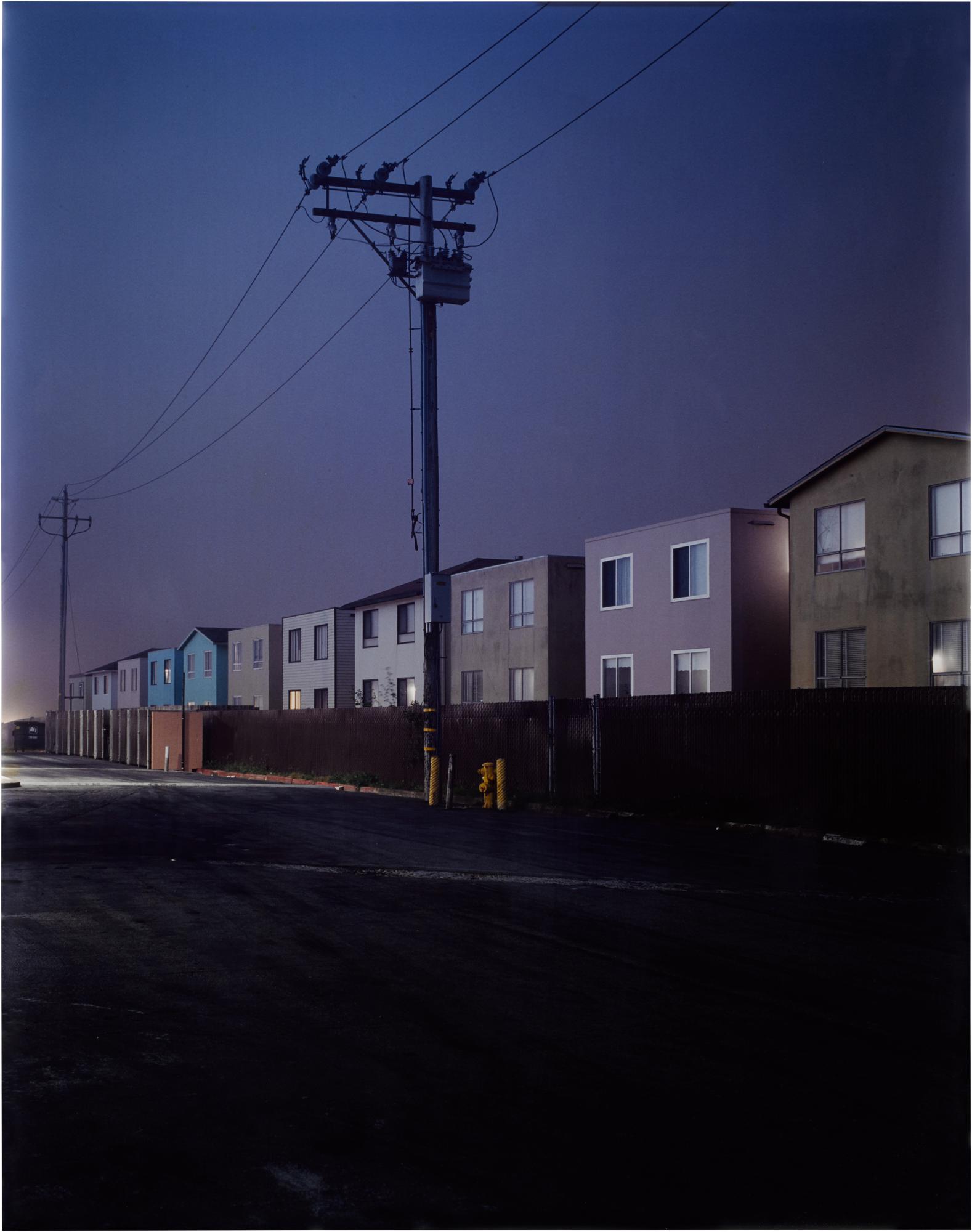
Todd Hido
'#2524'
For collectors, the entry points into Hido's work are genuinely varied and rewarding at multiple levels. The individual chromogenic prints from House Hunting represent not only some of his most iconic images but also works with a strong institutional validation behind them, given how thoroughly museums have embraced that series. Archival pigment prints such as number 4124 c demonstrate his continued technical refinement and his ongoing engagement with landscape as emotional terrain. The portfolio formats, particularly the Selected Images from House Hunting comprising twenty six chromogenic prints, offer collectors the experience of his work as it was always intended to be encountered, in sequence, as a cumulative and immersive narrative rather than as isolated objects.
What makes Hido's market position particularly interesting is the way his reputation has been built through photobooks as much as through gallery walls. His books, which include Homes at Night, Roaming, and Intimate Distance among others, have developed a devoted readership that overlaps substantially but not entirely with the collecting community. Photographers and photography enthusiasts who came to him through his publications are increasingly crossing over into print collecting, recognizing that the tactile and luminous quality of his chromogenic prints delivers something the printed page, however beautifully designed, cannot fully replicate. This expanding audience suggests that his market is still in a period of growth rather than consolidation.
The legacy Todd Hido is building is one of emotional honesty about a subject that American culture has historically preferred to aestheticize rather than examine. The suburban home is the central symbol of postwar American aspiration, and Hido photographs it as if he loves it and fears it in equal measure, which is perhaps the most truthful response possible. His images have entered the visual vocabulary of a generation of artists, filmmakers, and writers who want to talk about the psychological cost of the American dream without resorting to satire or polemic. In a moment when that conversation feels more necessary than ever, Hido's quiet, luminous, deeply felt photographs offer something rare: a way of seeing the familiar world as if for the very first time.
Explore books about Todd Hido