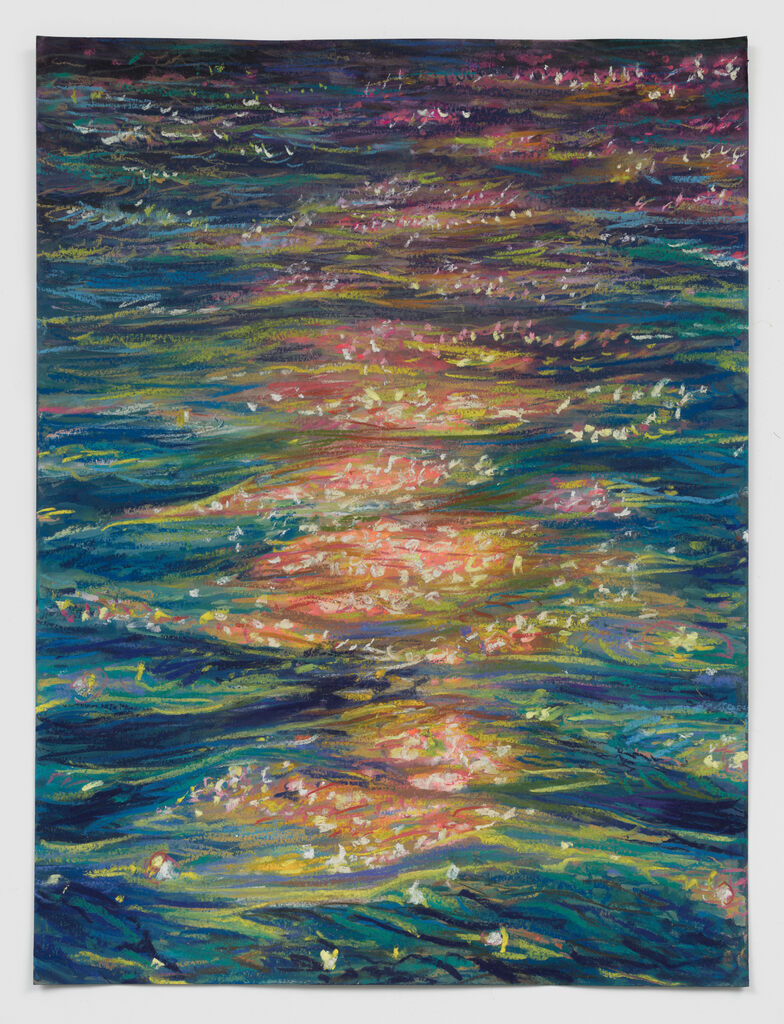
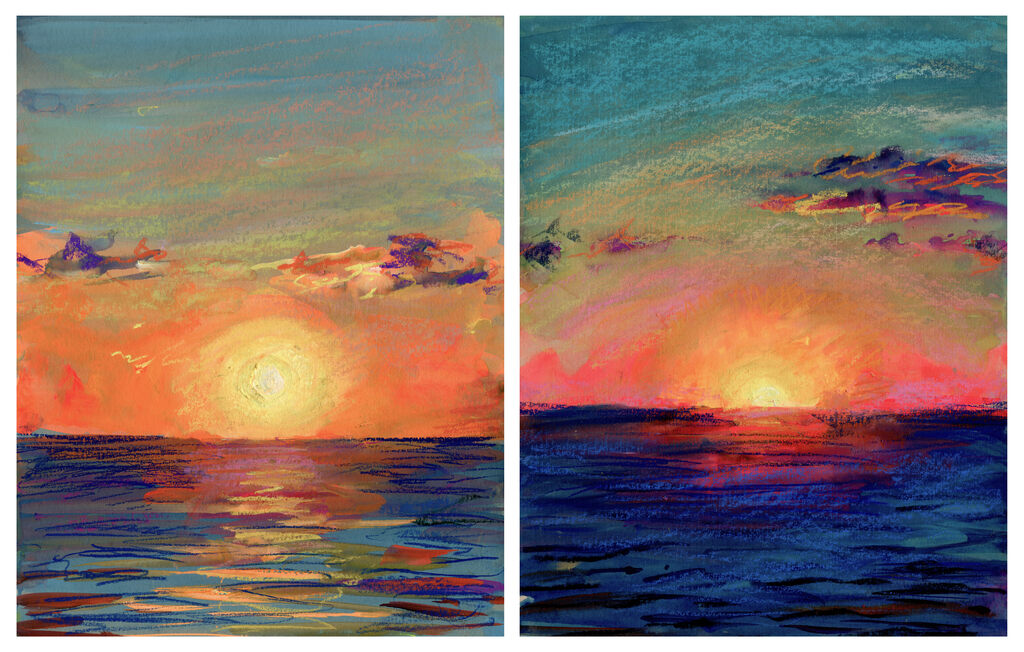
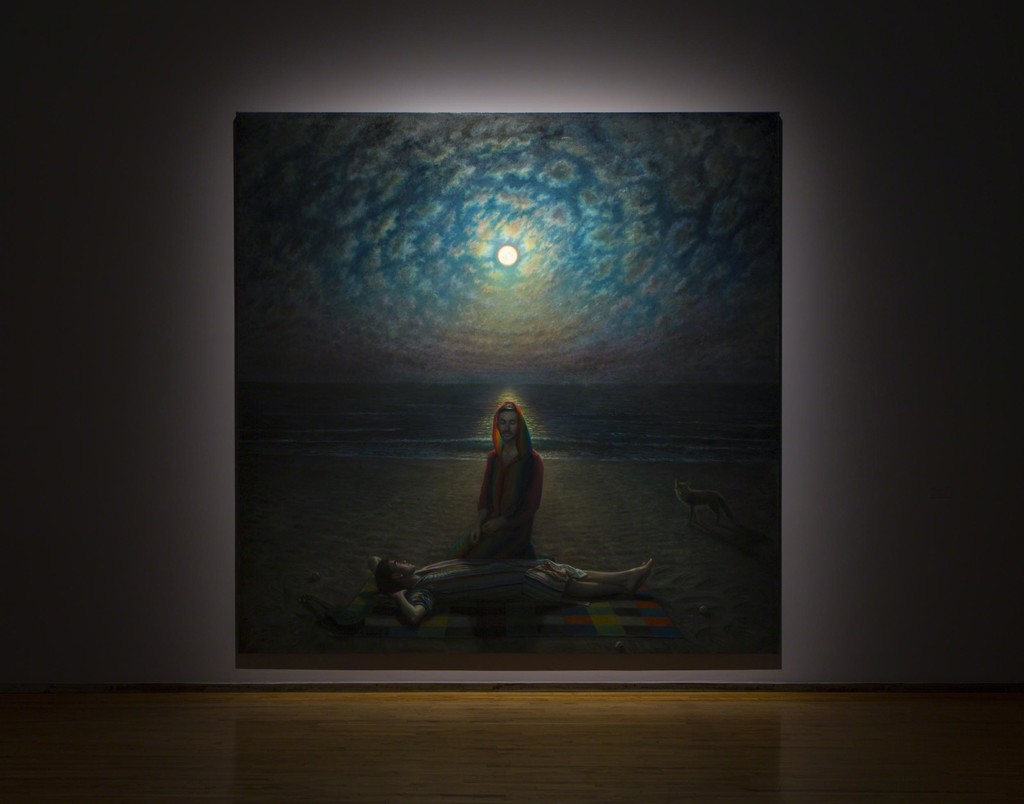
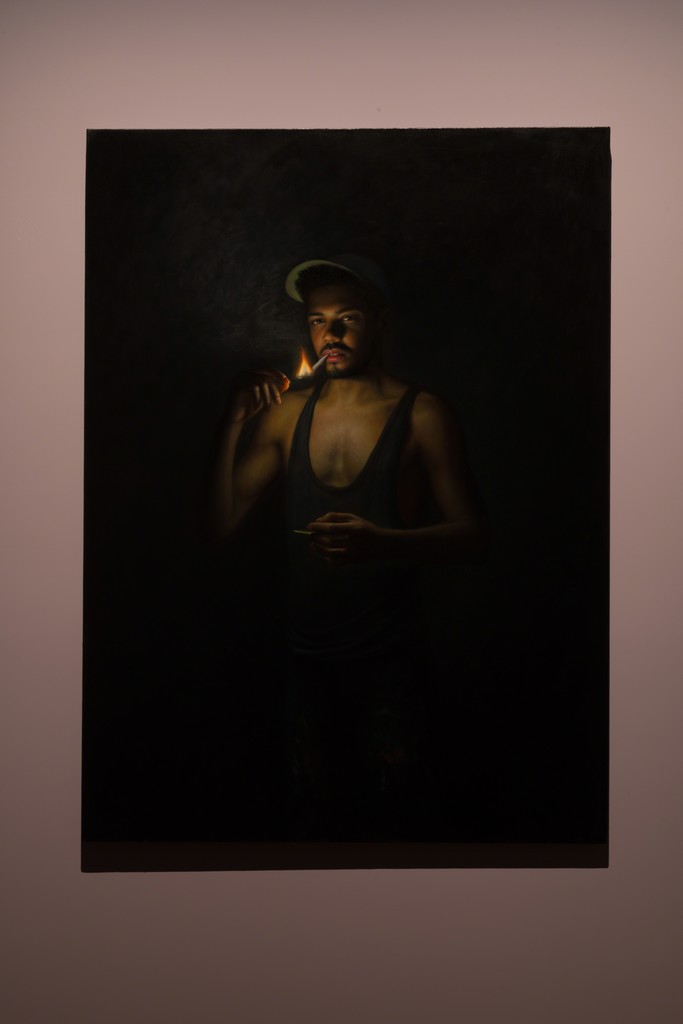
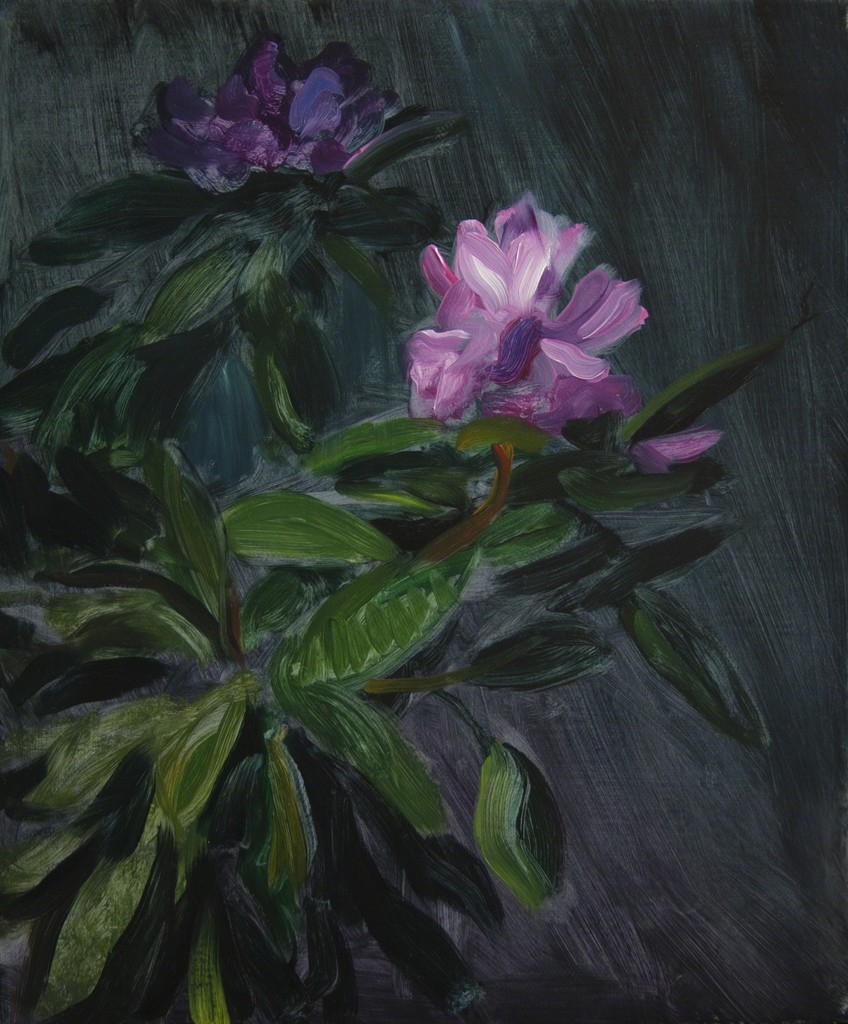
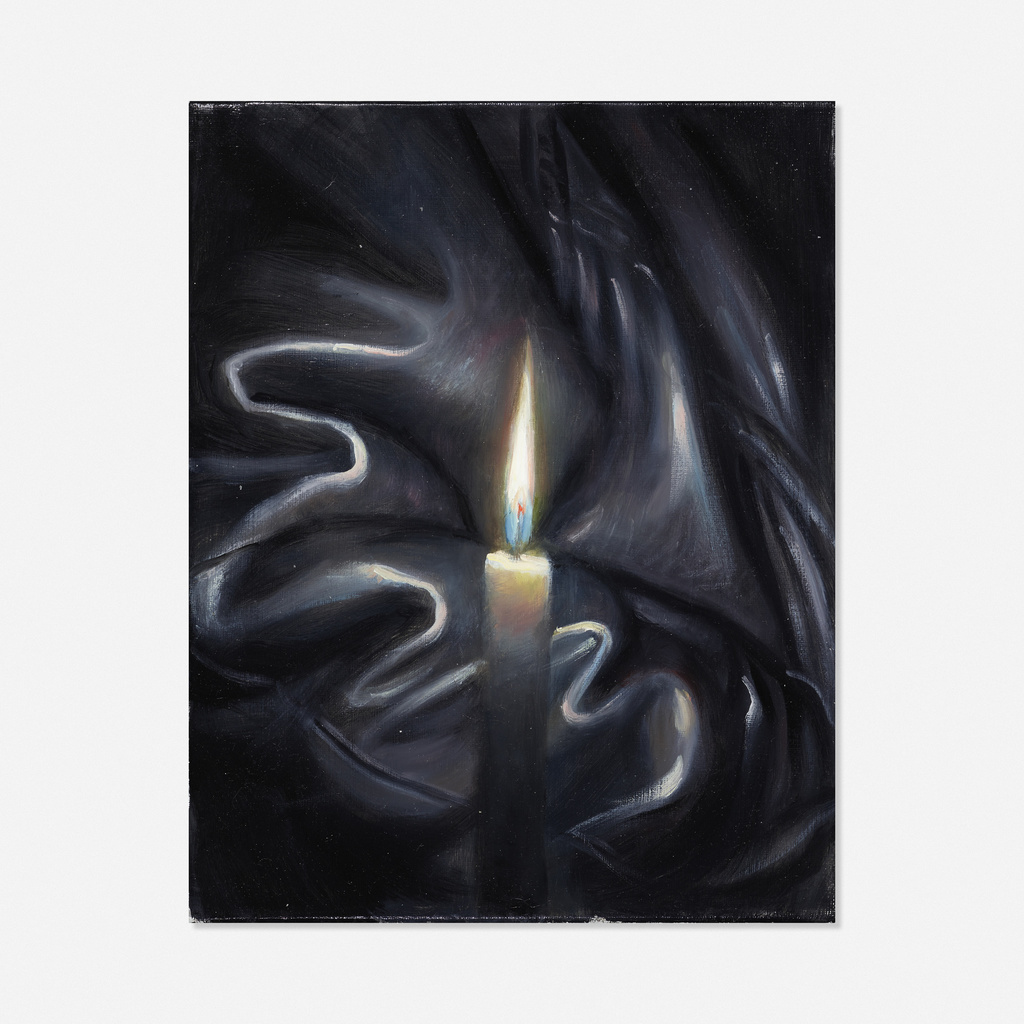
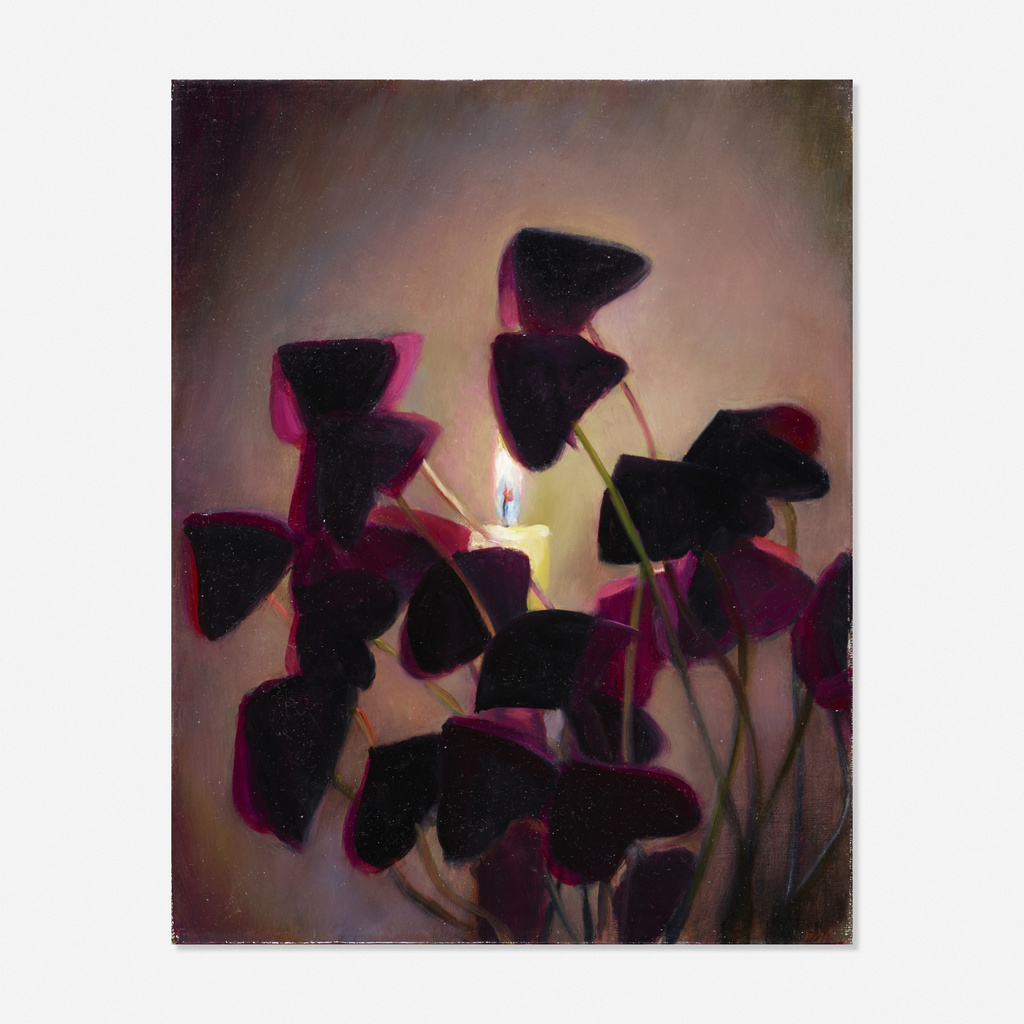
In recent years, TM Davy has emerged as one of the most quietly essential painters working in New York, earning sustained critical attention for exhibitions at Sargent's Daughters and a devoted following among collectors who prize intimacy, craft, and emotional honesty in equal measure. His 2023 solo presentation reinforced what admirers have known for some time: that Davy is building a body of work with genuine staying power, rooted in a deeply personal visual language that feels both timeless and urgently of this moment. Institutions and private collectors alike have taken notice, drawn to paintings that manage to be simultaneously modest in scale and expansive in feeling. TM Davy was born in 1975 and grew up in South Carolina, a formative geography whose particular quality of light and slowness of pace left lasting impressions on his sensibility. He went on to study at the New York Studio School, an institution known for its rigorous commitment to observational painting and its reverence for the European tradition, particularly the influence of artists like Nicolas de Staël and Giorgio Morandi. That foundation in sustained looking and painterly discipline became the bedrock of everything that followed. New York eventually became his home, and the city's charged intimacy, its small apartments and rooftop gardens and long afternoons, seeped into the work in ways both literal and atmospheric. Davy's artistic development has unfolded with admirable consistency and quiet ambition. Early in his career he worked through the tensions between abstraction and figuration that animate so much contemporary painting, eventually arriving at a mode that refuses to choose between them. His paintings of friends, lovers, and domestic scenes carry the structural weight of formal painting while feeling utterly unposed and alive. The garden pictures, which began to appear with increasing frequency in the 2010s, introduced a new expansiveness into his practice, as if the interior world he had been cultivating finally needed more room to breathe. These works showed Davy moving fluidly between the intimate and the observed, between memory and presence. Among his most celebrated bodies of work are the paintings of his partner and circle of friends, rendered with a tenderness that recalls Fairfield Porter and the American intimist tradition while remaining wholly original. Porter is perhaps the most obvious point of comparison, sharing with Davy a commitment to the figure in domestic and natural settings and a refusal of irony in favor of genuine warmth. But Davy's surfaces have their own distinct quality, built up in layers that hold light differently, as if the paintings themselves are remembering something. His color is particularly notable: sun soaked and slightly dreamlike, with greens and ochres and warm whites that feel harvested from actual afternoons rather than invented at a remove. For collectors, TM Davy represents exactly the kind of considered, values driven acquisition that marks a thoughtful collection. His work circulates primarily through Sargent's Daughters in New York, the gallery that has championed a generation of painters committed to figuration, intimacy, and queer visibility in contemporary art. Works by Davy enter collections and tend to stay there, which speaks both to the emotional hold they establish and to the growing recognition among serious collectors that his place in art history is being written in real time. Price points remain accessible compared to artists of equivalent critical standing, making this a genuine opportunity for collectors who are paying attention. The art historical context surrounding Davy's work is rich and illuminating. Beyond Fairfield Porter, his paintings invite comparison with Neil Welliver and Alex Katz among American precedents, as well as with the broader tradition of queer domestic painting that has gained significant institutional recognition in recent decades. Among his contemporaries, artists like Allison Gildersleeve, Issy Wood, and Cecily Brown share certain concerns with surface, feeling, and the relationship between looking and loving. Davy also belongs to a conversation with painters such as Somaya Critchlow and Paul Mpagi Sepuya, whose work similarly makes queer life and queer looking central rather than incidental to the formal project of painting. What ultimately distinguishes TM Davy is something harder to quantify than technique or market position: a quality of attention that makes every painting feel like an act of devotion. The people and places he depicts are real and known to him, and that knowledge comes through in every passage of paint. There is nothing sensational or performative about his work, and in a moment when so much contemporary art strains for effect, that quietness registers as a form of courage. His paintings ask viewers to slow down, to look again, to consider what it means to truly see someone you love or a garden you tend or an afternoon that will not come back. That invitation feels more valuable with each passing year, and it is why collectors who discover TM Davy rarely look away.