Tim Parchikov
Tim Parchikov Finds Beauty in the Fleeting
Artist Spotlight · The Collection Editorial
There is a particular kind of attention required to stand before a photograph by Tim Parchikov. His images do not announce themselves with noise or spectacle. They arrive quietly, the way light arrives on a winter morning in Moscow, and they ask you to slow down, to look again, to feel the weight of a moment that has already passed. In recent years, his work has appeared at Phillips auction house, where collectors have taken notice of a practice that sits with rare confidence at the intersection of documentary impulse and lyric art.
Tim Parchikov
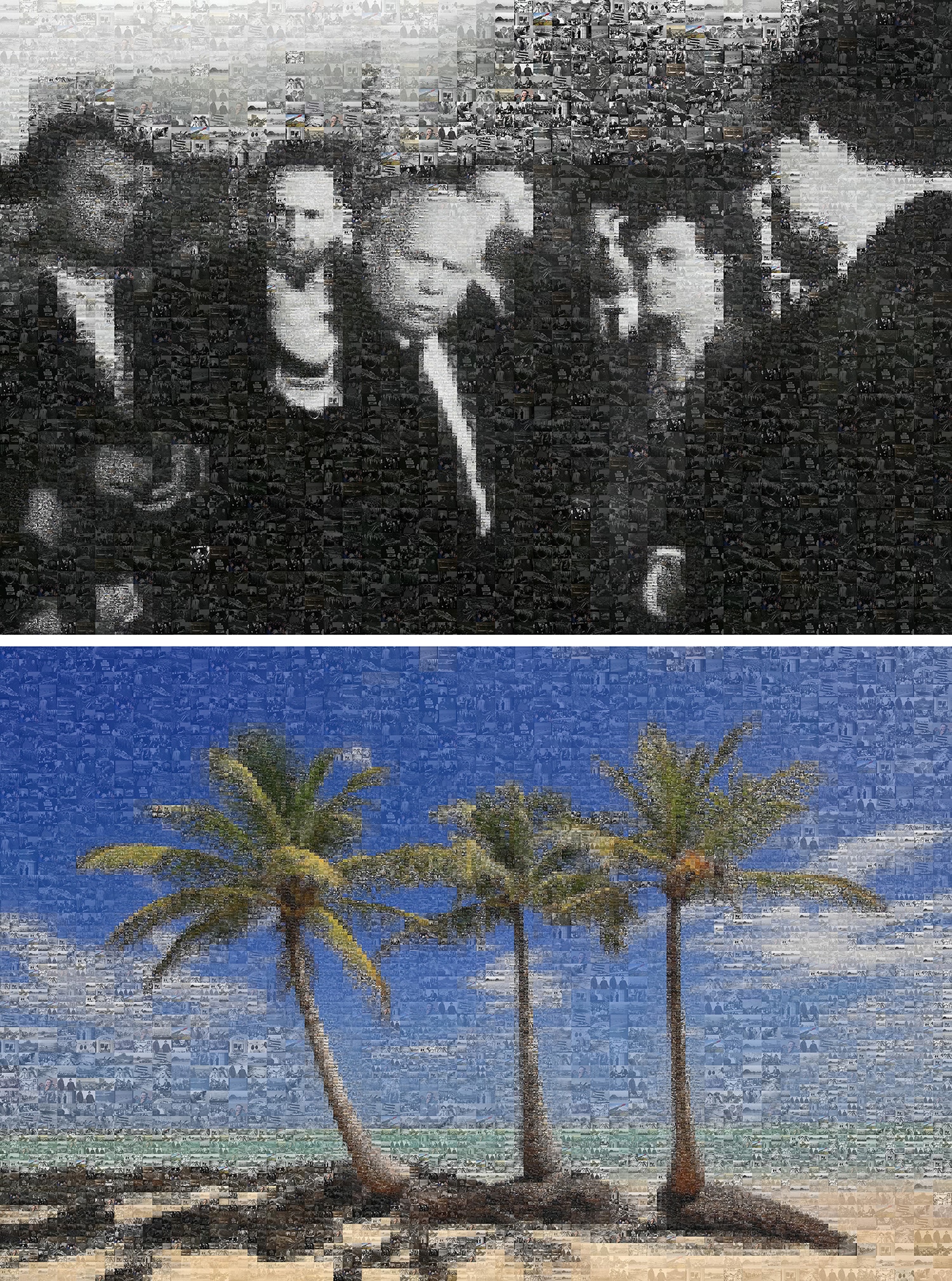
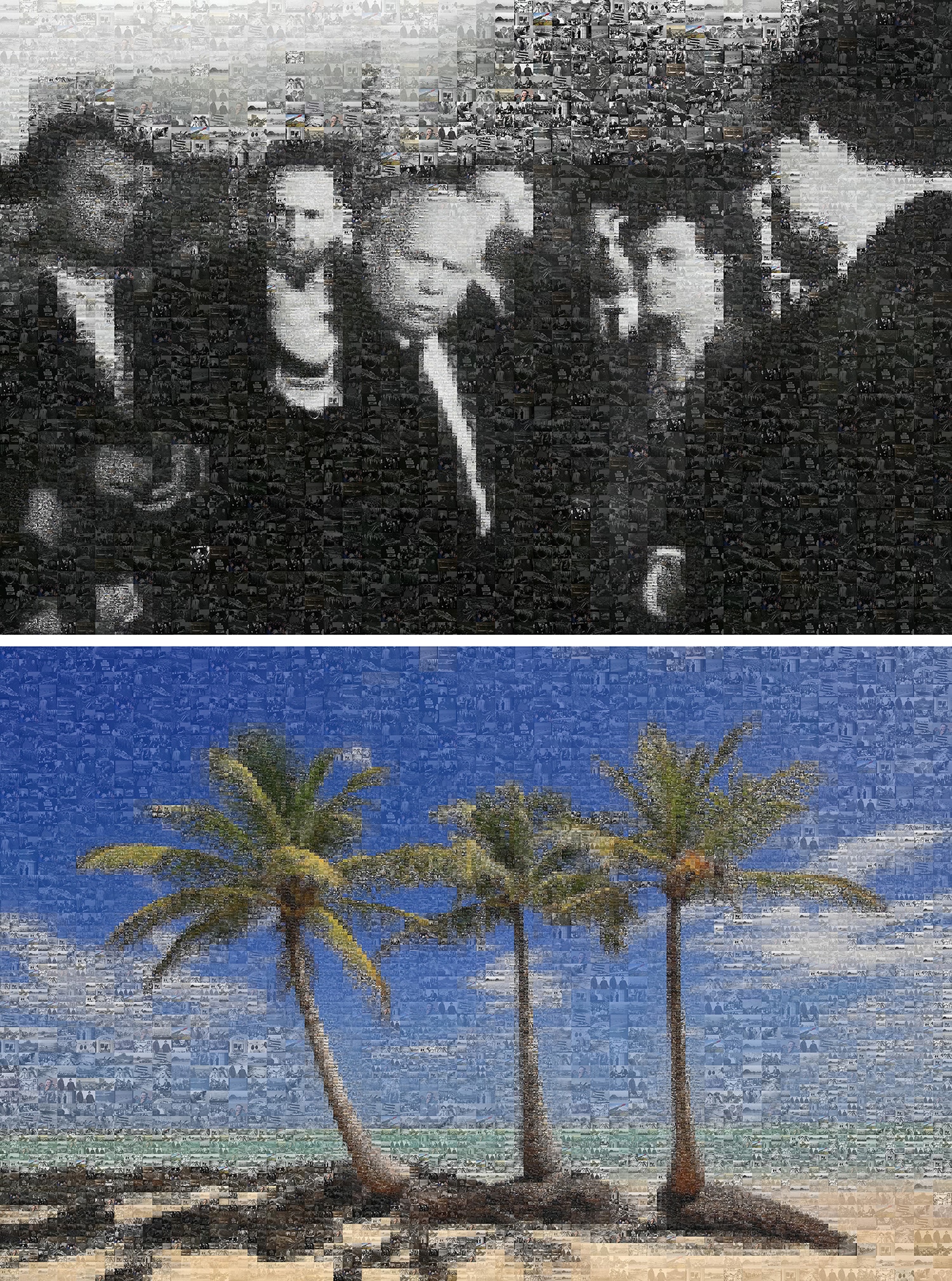
Cuban Missile Crisis and the Moscow Manege Exhibition, 2017
For those who follow contemporary photography with genuine devotion, Parchikov has become one of the more compelling Russian voices of his generation. Parchikov was born in Moscow in 1983, a time when the Soviet world was beginning its long, uncertain unraveling. Growing up in that city during the 1990s meant absorbing a landscape of radical transformation, where the familiar was constantly being dismantled and replaced by something not yet fully formed. It is not difficult to sense that formative atmosphere in his photographs, which carry an almost elegiac quality, a tenderness toward the world as it exists in transition.
Moscow under those conditions was not simply a backdrop but a living subject, a city teaching its inhabitants to hold memory loosely. His development as a photographer drew from the rich tradition of Russian artistic thought while remaining genuinely open to international contemporary practice. The legacy of documentary photography in Russia, with its deep commitment to bearing witness, sits alongside a more European and American tradition of fine art photography that prizes atmosphere and poetic ambiguity over strict reportage. Parchikov absorbed both currents and found a space between them that is distinctly his own.
Tim Parchikov
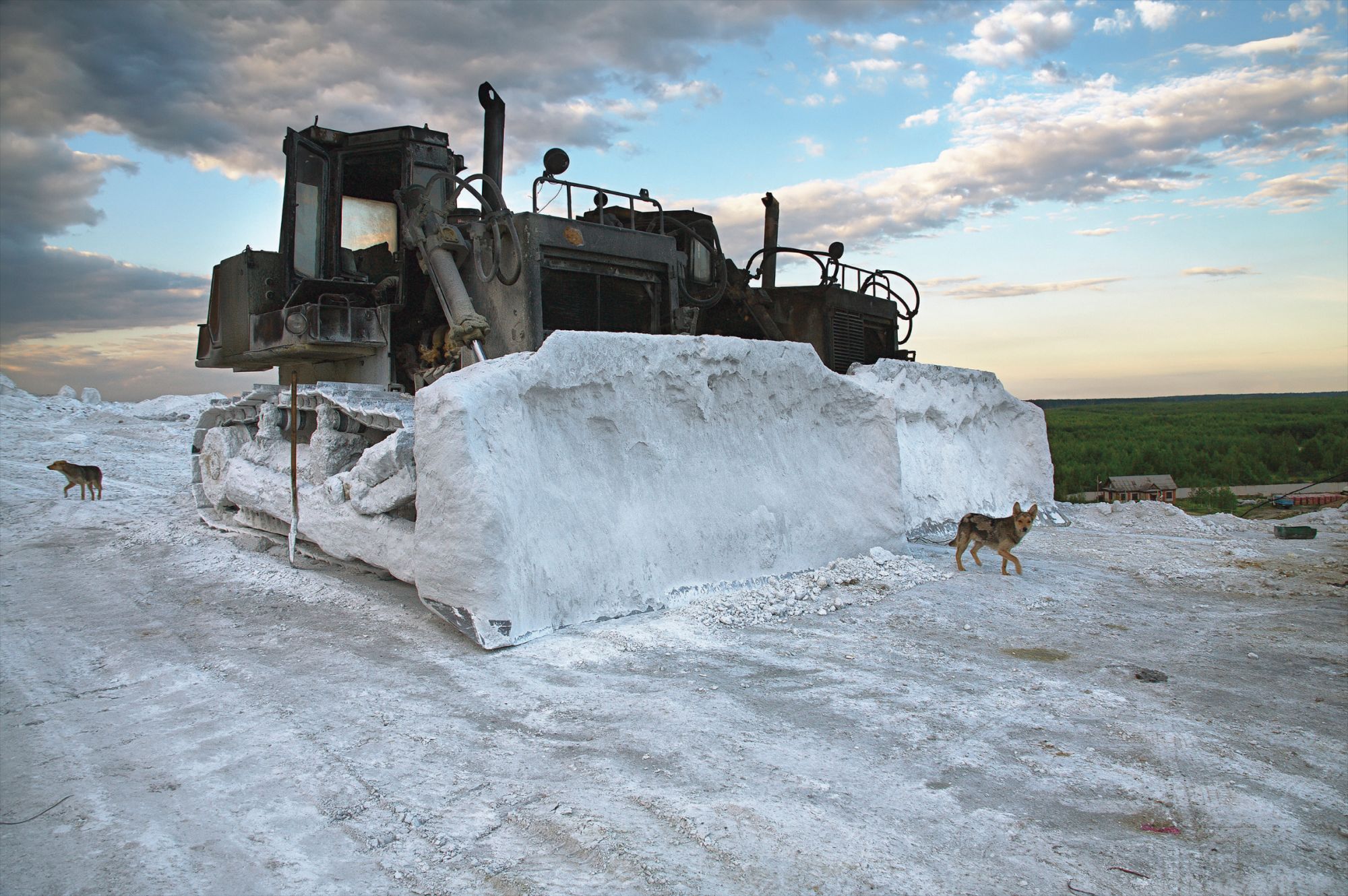
White Mountain, Moscow from Suspense
His technical choices, including the use of digital chromogenic printing and Diasec mounting, reflect an artist who understands that how an image is presented is inseparable from what it communicates. Among his most discussed bodies of work is Suspense, from which the piece White Mountain, Moscow originates. That image, delivered as a large format digital chromogenic print mounted behind Diasec, captures Moscow in a register that feels simultaneously familiar and dreamlike. The city appears not as a place of power and noise but as something softer and more enigmatic, wrapped in atmospheric light that turns the urban landscape into a kind of interior experience.
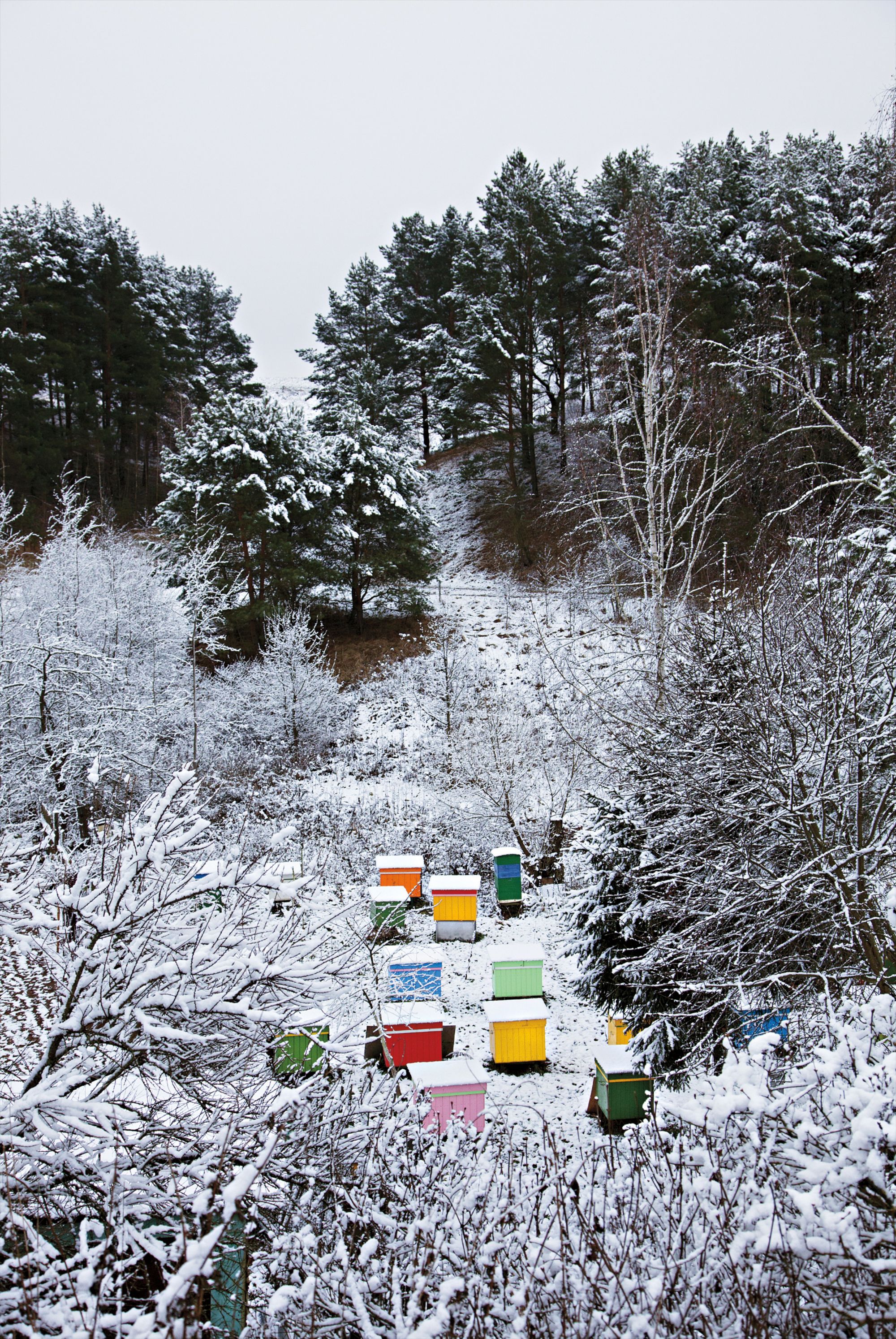
Equally compelling is the series Bizzarro, which produced Bee garden, Islavskoe, a work that finds in the Russian countryside a layered meditation on nature, stillness, and the rhythms of life lived close to the earth. Both series demonstrate how Parchikov uses landscape not as scenery but as emotional grammar. His 2011 work Burning News represents a different register of his practice, one more directly engaged with the cultural and political surfaces of contemporary life. The image pulses with a kind of urgent energy, confronting the viewer with the spectacle of information and its combustibility, both literal and metaphorical.

Tim Parchikov
Burning News, 2011
By contrast, the 2017 work Cuban Missile Crisis and the Moscow Manege Exhibition reaches back into history, weaving together threads of collective memory and institutional display. Together these works reveal an artist with a genuinely wide range, capable of moving between the intimate and the historical, the rural and the urban, without losing the unifying thread of his sensibility. For collectors, the appeal of Parchikov's work rests on several foundations that experienced advisors recognize immediately. His prints are produced with meticulous attention to material quality, and the Diasec mounting technique used across key works gives them a luminous depth that rewards prolonged looking.
Photography at this level of production and artistic ambition occupies a productive space in the contemporary market, accessible enough to welcome collectors who are building with intention, yet substantial enough to hold its ground alongside work from more established names. The appearance of his photographs at Phillips signals a growing institutional confidence in his market trajectory, which is precisely the kind of signal that careful collectors watch for. Within the broader landscape of contemporary photography, Parchikov's work invites comparison with artists who have similarly navigated the territory between documentary practice and poetic image making. The atmospheric quality of his landscapes recalls the work of photographers like Alexey Titarenko, whose long exposure images of Saint Petersburg turned the city into something spectral and deeply felt.
Tim Parchikov
Bee-garden, Islavskoe from Bizzarro
His engagement with landscape and memory also resonates with the concerns of artists like Nadav Kander, whose large scale explorations of place carry an equivalent sense of historical weight and lyric attentiveness. Parchikov sits comfortably in this company while maintaining a perspective that is rooted in specifically Russian experience and sensibility. What makes Parchikov matter today, and why his work feels so well suited to this particular cultural moment, is precisely this quality of attentiveness in an age of distraction. His photographs do not compete for attention by being louder or more sensational than the world around them.
They offer instead a different kind of proposition: that slowing down, that looking carefully at a mountain wrapped in winter light or a garden in a village outside Moscow, is itself an act of meaning. In a contemporary art world that often prizes urgency and irony above all else, there is something genuinely rare and genuinely valuable about an artist who trusts in beauty, in stillness, and in the patient accumulation of feeling. Collectors who bring his work into their homes are acquiring not just objects of visual refinement but a practice of seeing.