Tal R
Tal R: Where Memory Blooms Into Color
Artist Spotlight · The Collection Editorial
There is a particular kind of attention that Tal R commands in European contemporary art circles, one that has been building steadily for two decades and shows no sign of quieting. His solo presentations at Louisiana Museum of Modern Art in Humlebæk have drawn devoted audiences who arrive expecting paintings and leave feeling they have walked through someone's most vivid, half remembered dream. In recent years, his representation by Contemporary Fine Arts in Berlin has placed him firmly at the center of a renewed international conversation about figurative painting, at a moment when the art world is hungrier than ever for work that carries genuine emotional weight without sacrificing intellectual rigor. Tal R was born in 1967, and his identity carries the productive tension of two cultures.
Tal R
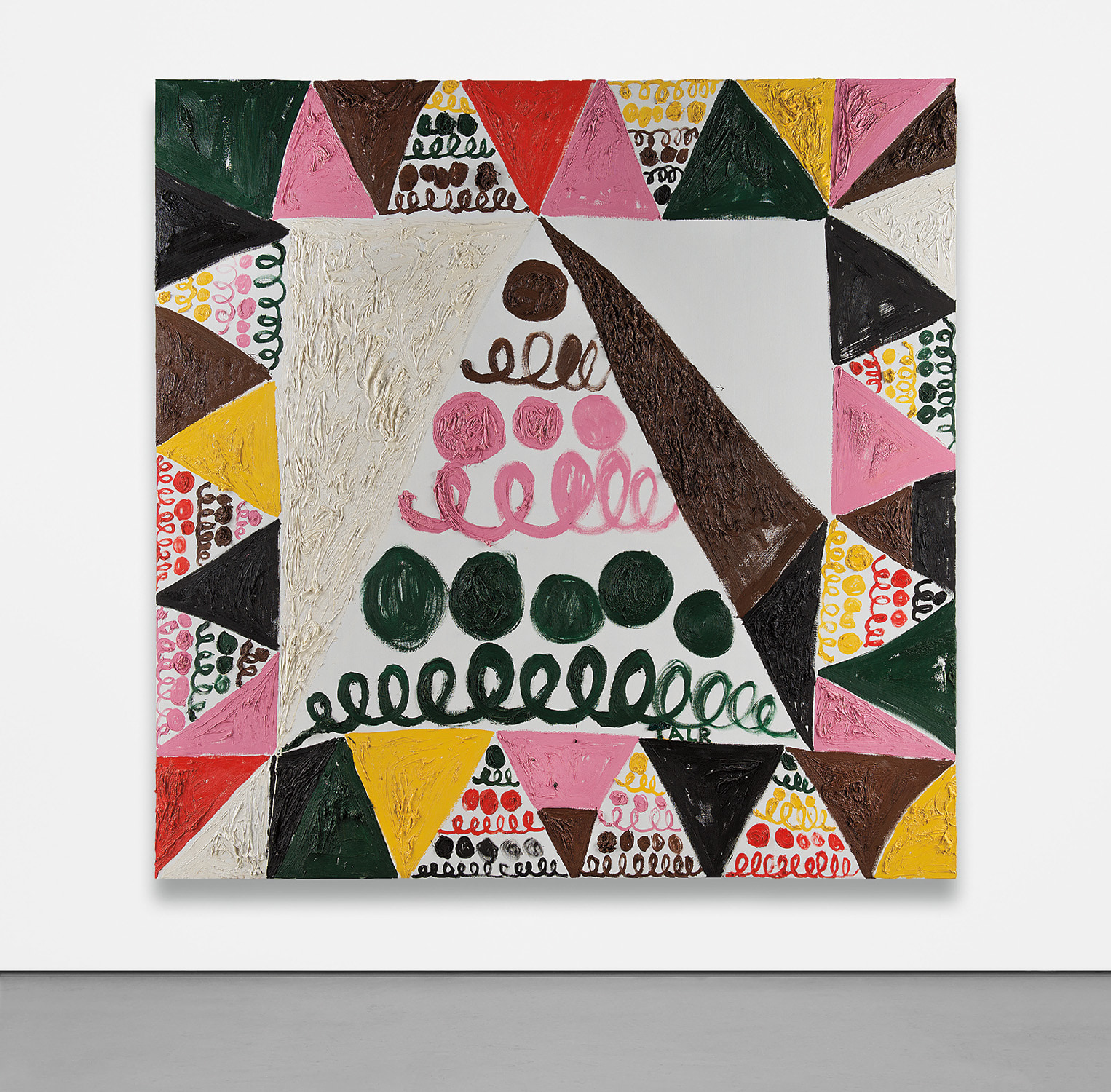
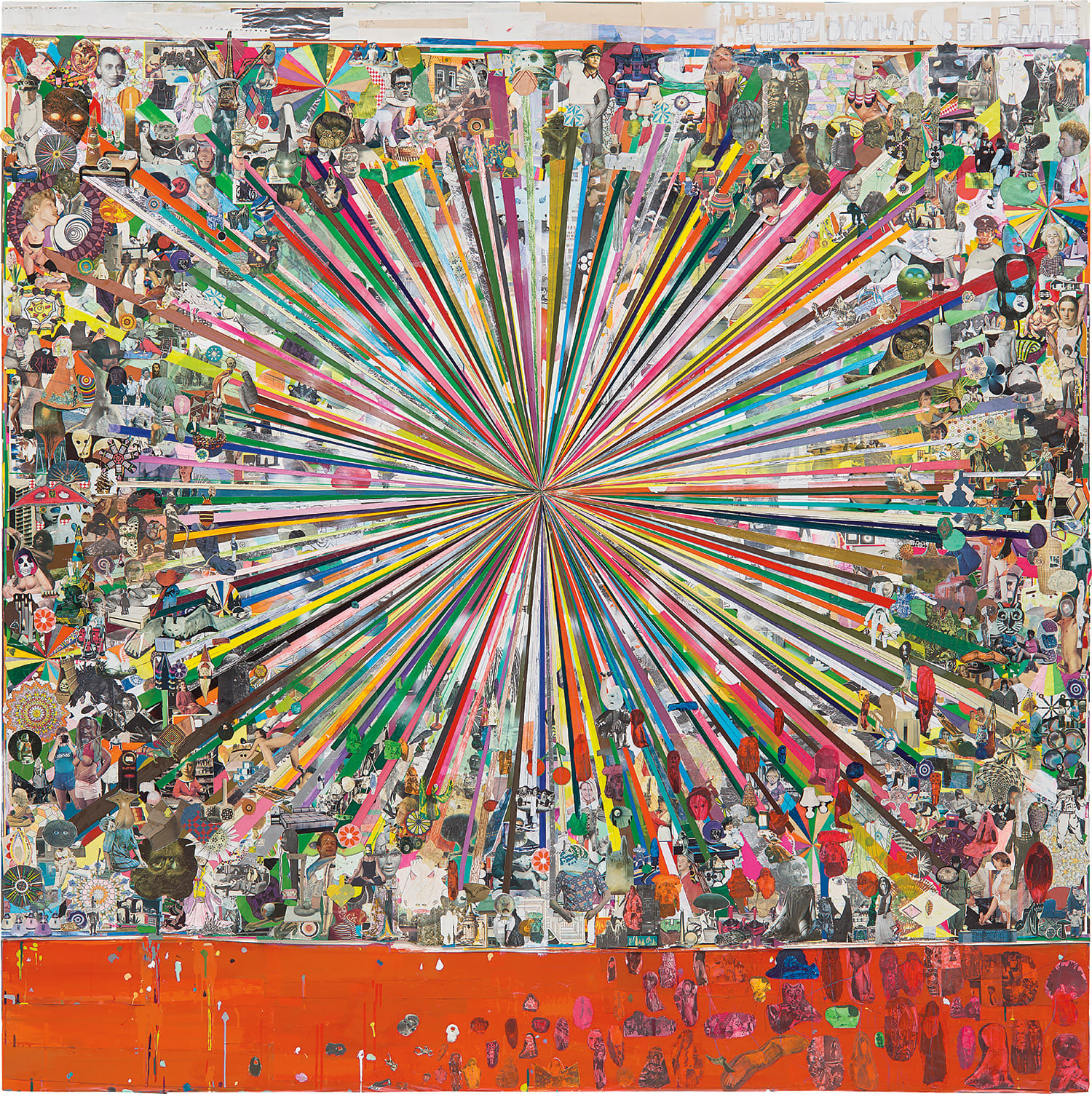
Gold is over, 2005
Raised between Israel and Denmark, he absorbed the visual languages of both worlds, the warm Mediterranean light and folk traditions of one, the cool Nordic clarity and design consciousness of the other. That duality never resolved itself into a single, tidy style. Instead, it became the engine of his practice, a permanent creative restlessness that refuses to settle into comfort. He trained and eventually established himself working across Germany and Denmark, two countries whose postwar art histories offered him very different but equally generative inheritances to push against and draw from.
His artistic development traces an arc that is easier to feel than to categorize. Early in his career, Tal R was drawn to the expressive possibilities of collage and found materials, building surfaces that accumulated meaning through layers of fabric, paper, cardboard, and pigment. He was never interested in pure abstraction, but he was equally suspicious of illustration. What emerged instead was a figurative language that felt genuinely invented, characters and spaces that seem to come from folklore or childhood memory without belonging to any single tradition.
Tal R
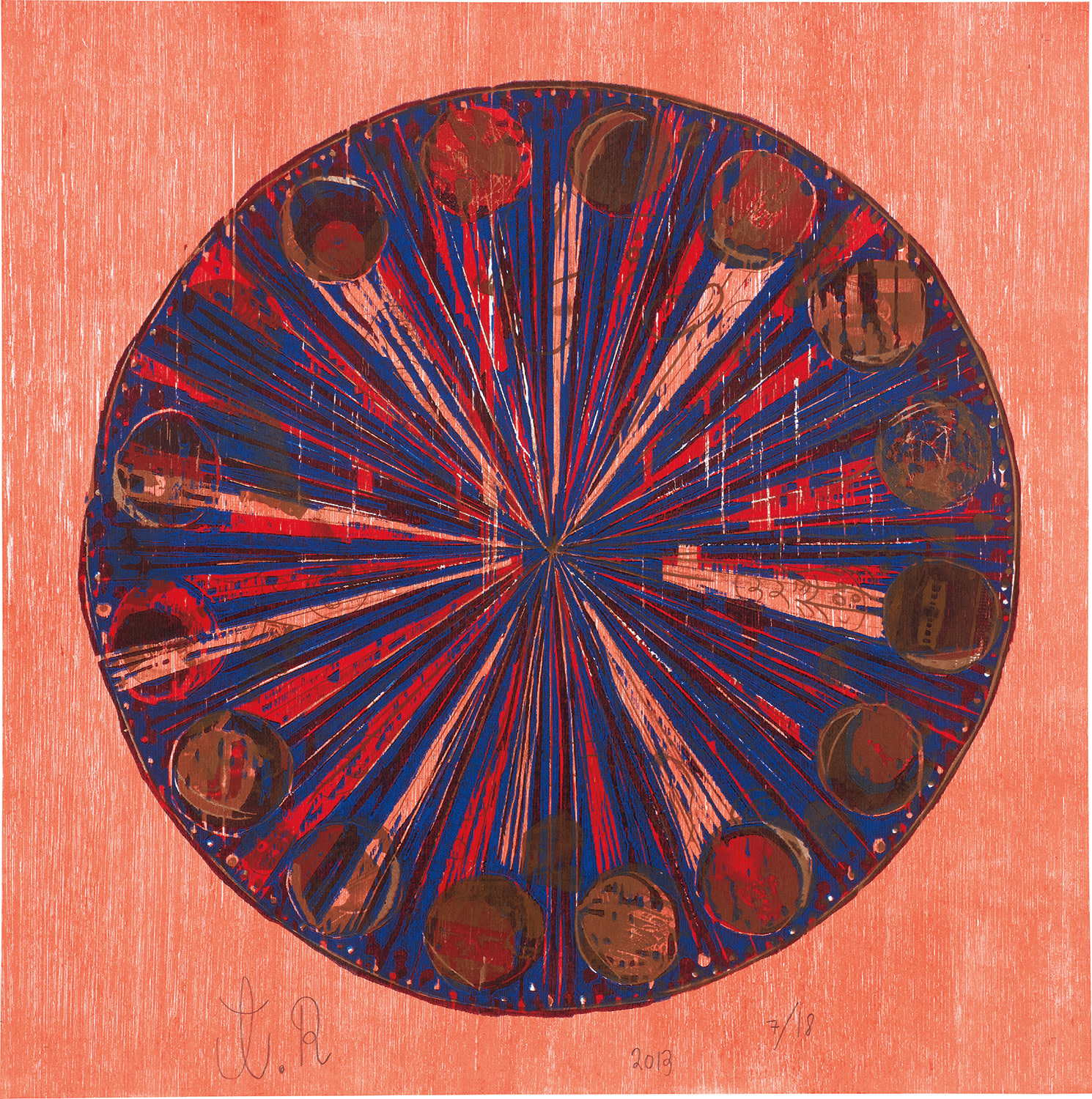
The Hour
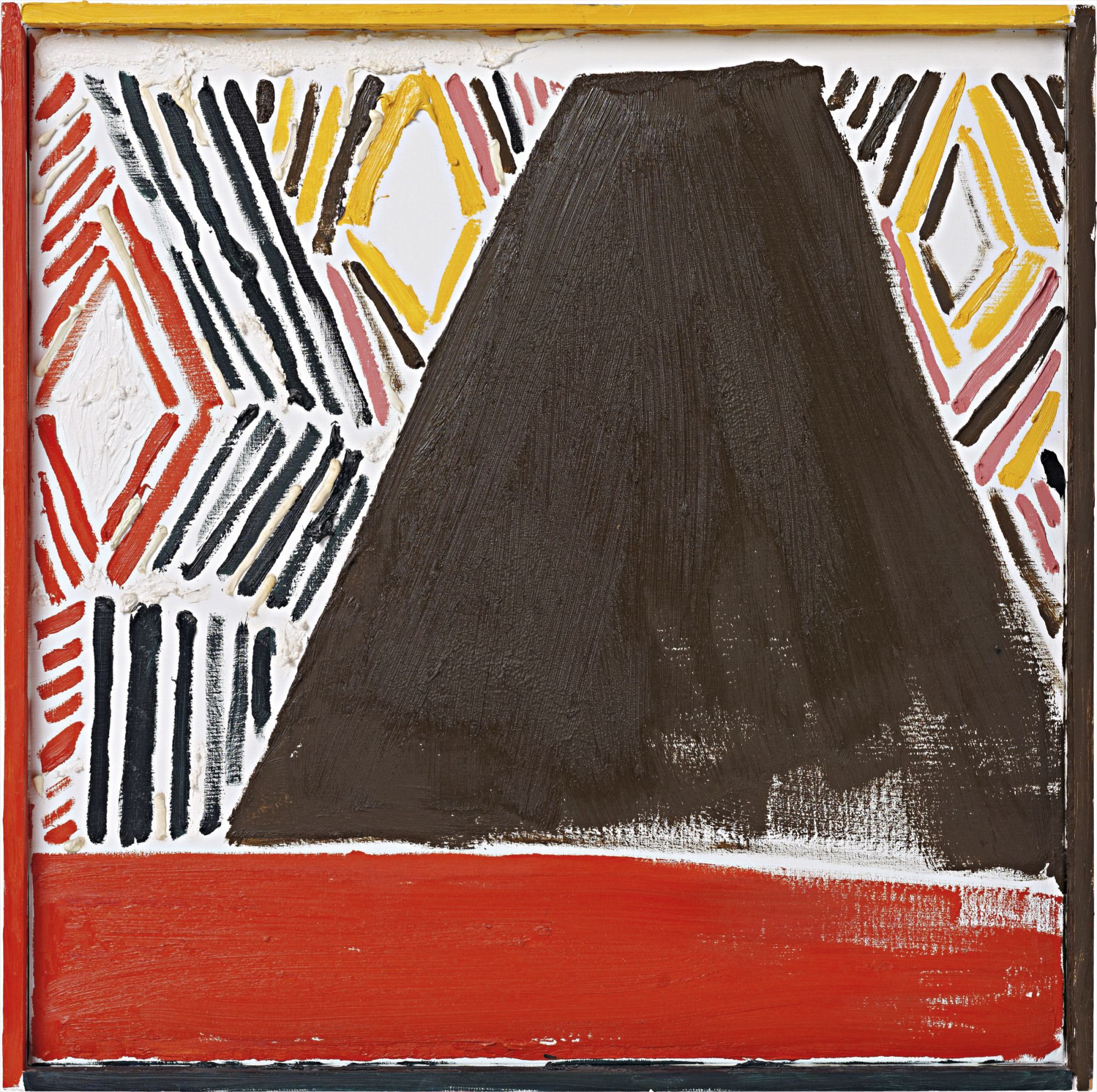
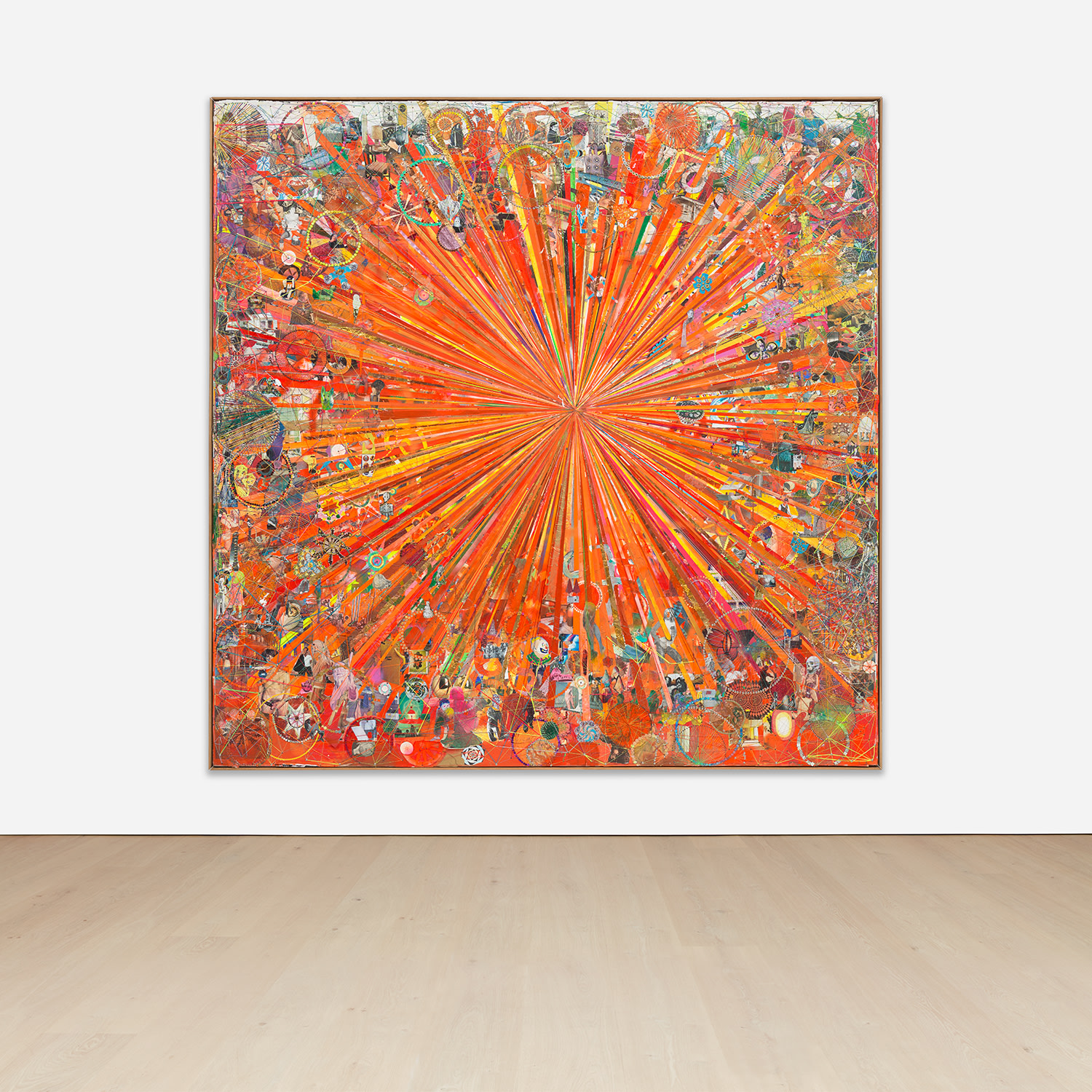
His brushwork carries the confidence of an artist who has spent years learning the rules well enough to break them with purpose rather than ignorance. The signature works that have shaped his reputation reveal just how wide his range truly is. A piece like Adieu Interessant, created in 2005, layers gold leaf, glitter, oil, paper, cardboard, and fabric collage on canvas into something that glitters with a kind of absurd, exuberant beauty. It is simultaneously serious and playful, which is perhaps the most difficult tone in contemporary art to sustain.
Girl From Wall Nut, from 2010, uses rabbit skin glue and dry pigment directly on canvas, a technique that gives the surface a matte, almost dusty warmth, as though the image has been remembered rather than observed. His Hill Out from 2003 demonstrates his commitment to the painted artist's frame as an extension of the work itself, collapsing the boundary between object and image in a way that feels wholly natural rather than conceptually forced. These are not gimmicks. They are decisions made by an artist with a deep understanding of painting's history and a genuine desire to contribute something new to it.
Tal R
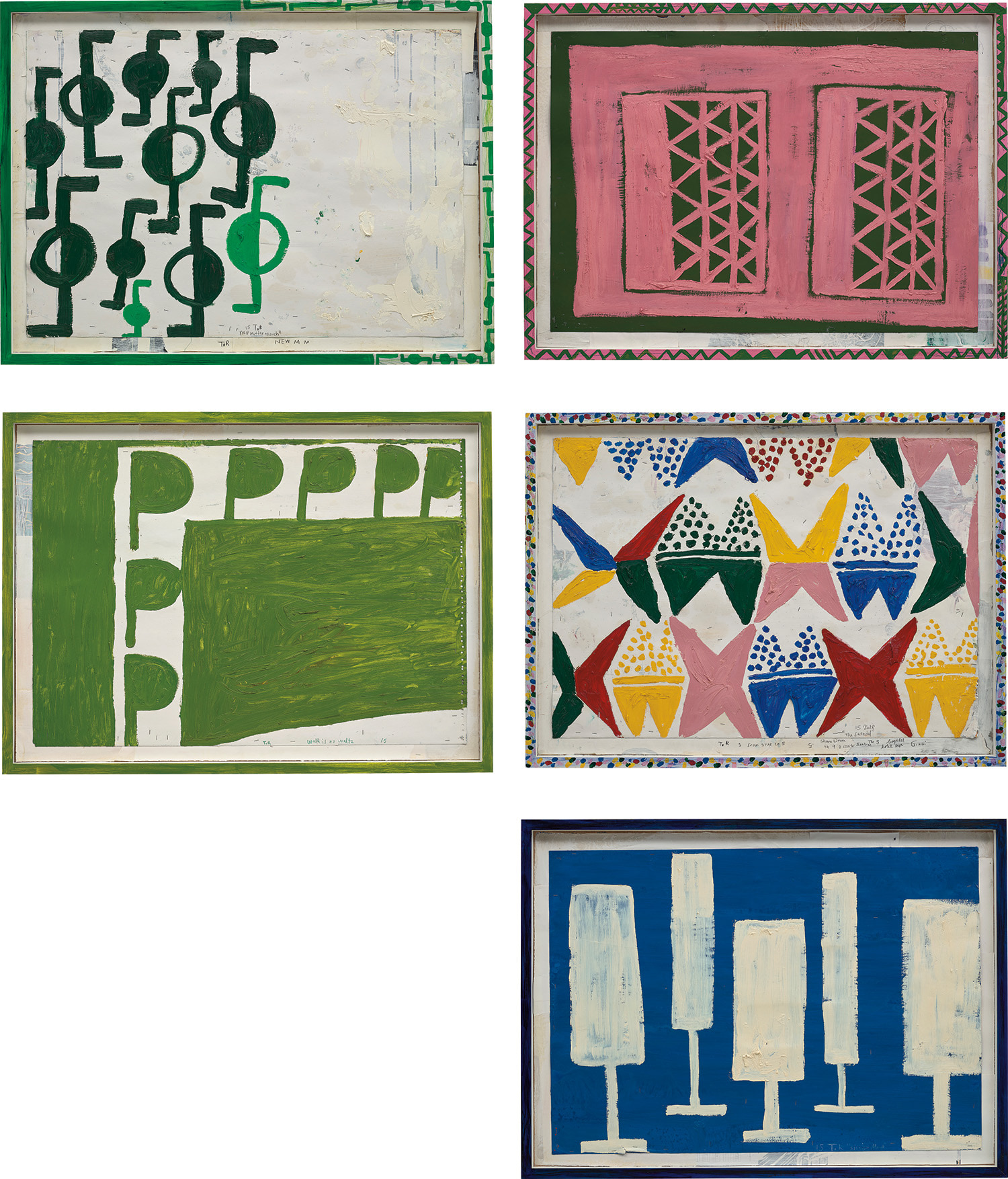
Five works: i) Swindle; ii) Walk is no Waltz; iii) Signor March; iv) Neu Mutter March; v) Double Gate, 2015
For collectors, Tal R presents a compelling and somewhat rare proposition. His work occupies a position that is both immediately pleasurable and intellectually rewarding on return visits. The surfaces reward close looking. A painting that reads at first as naïve or childlike reveals, on extended attention, a compositional sophistication and a command of pictorial space that takes years to develop.
Works like Thriftstore Painting from 2013 and Horserider from Lolly from 2012 demonstrate this quality clearly: they hold the eye without demanding a particular interpretive framework, which makes them remarkably livable alongside other works and in domestic environments of varied character. His use of unconventional materials, rabbit skin glue, lacquered bronze as in the sculpture Pommel and Pomerans from 2005, and mixed media constructions, also signals a collector that this is an artist who thinks about the physical life of objects, not just their visual impact. In the broader context of contemporary figurative painting, Tal R belongs to a loose but meaningful lineage of European painters who have insisted on the emotional and mythological possibilities of the figure at a time when such insistence required a kind of courage. He shares something with artists like Peter Doig in his willingness to treat memory and atmosphere as legitimate pictorial subjects, and with Martin Kippenberger in his embrace of the awkward and the knowingly imperfect as vehicles for genuine feeling.
Tal R
Adieu Interessant (orange), 2005
But Tal R's voice is distinctly his own, warmer than Kippenberger's irony and more rooted in material pleasure than much of his Scandinavian contemporaries. His connection to Camden Arts Centre in London, where he has shown, reflects the European institution network that has long recognized his significance, and his place within the Contemporary Fine Arts Berlin program places him alongside one of the most discerning rosters in the German gallery world. What Tal R ultimately offers, both to the history of painting and to collectors making decisions today, is a body of work that takes joy seriously. His paintings do not shy away from beauty, from decoration, from the pleasures of color and surface, and yet they carry beneath all of that a genuine meditation on how human beings carry the past forward into the present.
Domestic objects, remembered figures, fragments of folk imagery, all of these become in his hands a kind of personal mythology that feels private and universal at once. At a moment when the art world is reassessing what figurative painting can and should do, Tal R stands as evidence that the most enduring answer has always been the simplest one: to make something that feels unmistakably alive.
Featured Works
Explore books about Tal R