Sterling Ruby
Sterling Ruby: America's Most Fearless Creative Force
Artist Spotlight · The Collection Editorial
“I want the work to have many possible readings. I don't want it to be closed.”
Sterling Ruby, interview with Artforum
When the Stedelijk Museum in Amsterdam presented a major survey of Sterling Ruby's work, visitors encountered something genuinely disorienting in the best possible sense: a practice so vast, so formally restless, and so emotionally alive that it resisted easy categorization at every turn. The exhibition confirmed what collectors and curators had known for years, that Ruby is one of the most important and intellectually ambitious artists working in America today. His ability to move between painting, sculpture, ceramics, textiles, and installation without ever losing a singular, unmistakable voice places him in rare company among artists of his generation. Ruby was born in 1972 and came of age in the American Midwest, an upbringing that left deep marks on his artistic sensibility.
Sterling Ruby
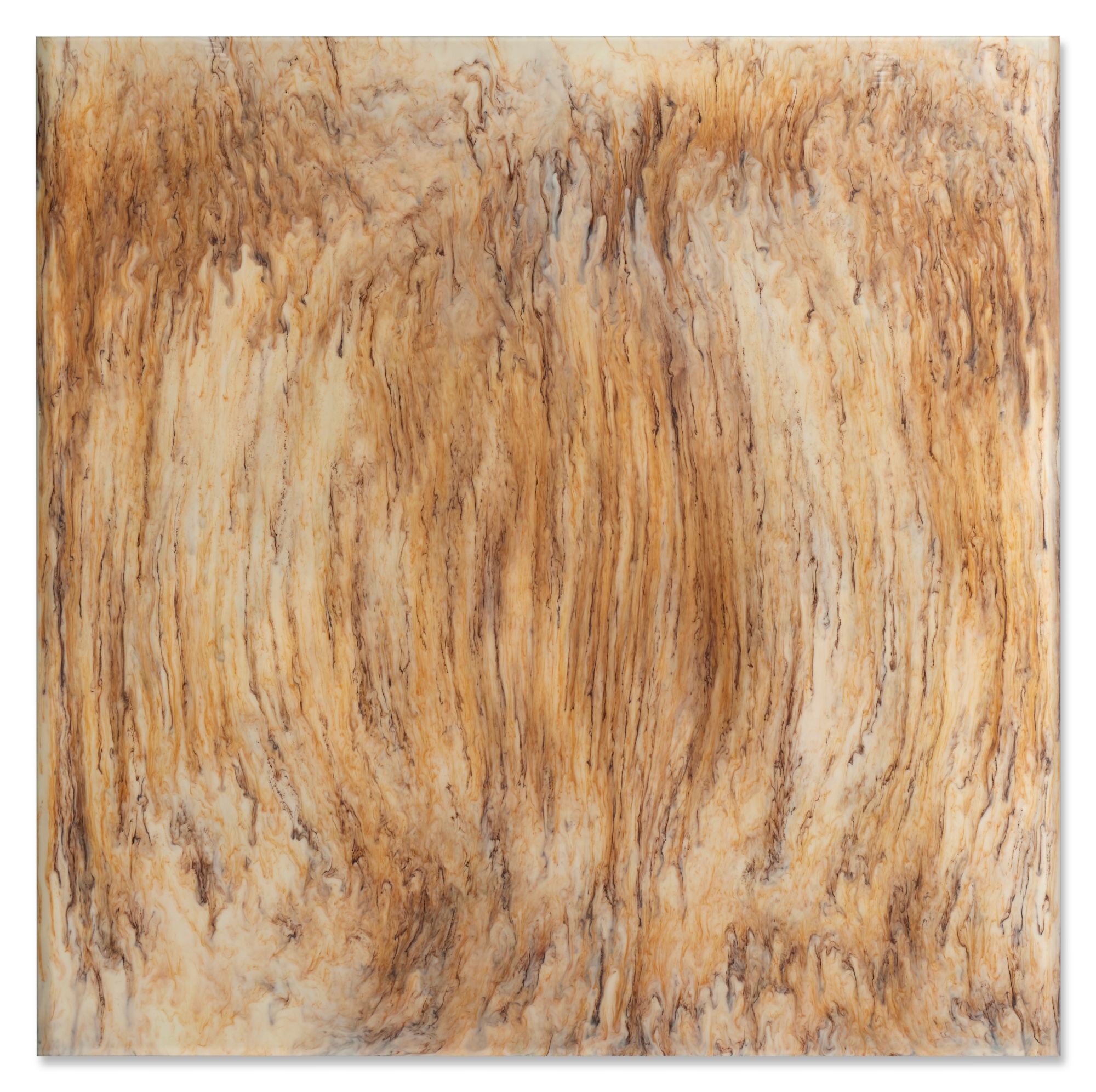
Alabaster SR10-5, 2010
The textures of working class life, the aesthetics of institutional spaces, and the visual language of American subcultures, from graffiti to prison art to craft traditions, all found their way into a practice that would eventually captivate the international art world. He studied at the Art Center College of Design in Pasadena and went on to earn his MFA from the California Institute of the Arts, where he was exposed to a rigorous conceptual framework that gave his instinctual energy a powerful intellectual architecture. His early work announced a sensibility that was genuinely unlike anything else being made at the time. Ruby was drawn to materials and processes that carried their own cultural weight: spray paint associated with graffiti and urban surfaces, soft polyurethane forms that recalled both consumer culture and bodily vulnerability, and ceramics rooted in centuries of craft tradition.
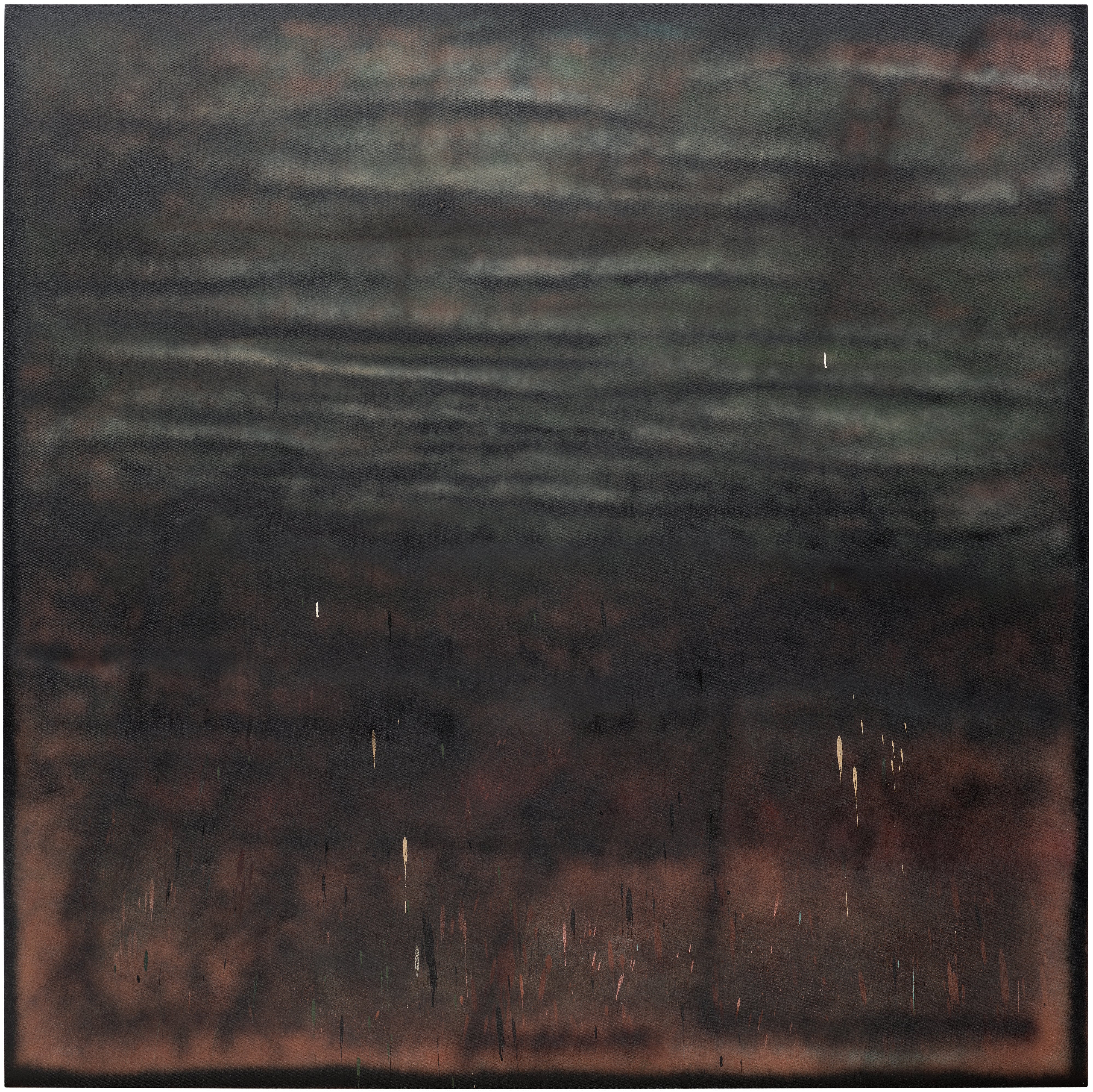
Rather than treating these as competing vocabularies, he wove them together into a coherent and deeply personal visual language. By the mid 2000s, his studio in Los Angeles had become a site of almost compulsive material experimentation, with large scale works emerging across multiple disciplines simultaneously. The spray paint canvases, works like SP37 from 2008, are perhaps the most immediately arresting entry point into Ruby's practice. These are not paintings in any conventional sense but rather explosions of chromatic intensity, where aerosol pigment is deployed with both precision and abandon across enormous canvases.
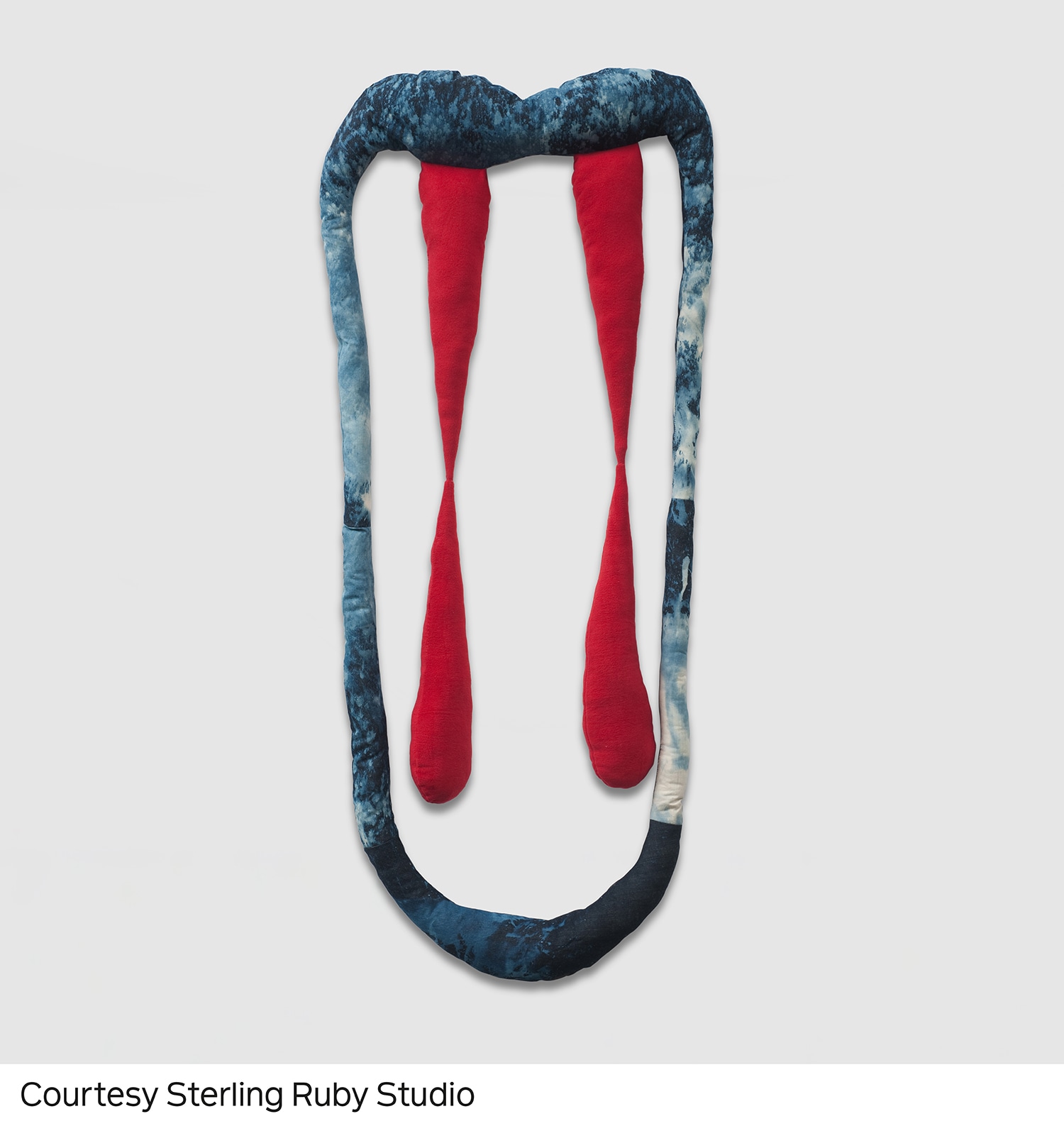
Sterling Ruby
Vampire 25, 2011
The graffiti reference is present but never illustrative; Ruby uses the spray can as a painterly tool in the tradition of the great American abstractionists while simultaneously acknowledging the street, the wall, and the social conditions that produced that form of mark making. The result is a body of work that feels simultaneously monumental and urgent. His Alabaster series, represented by works such as Alabaster SR10 from 2010, deepens this investigation with a cooler, more meditative palette that reveals Ruby's capacity for contemplative beauty alongside raw power. The ceramic works represent another extraordinary dimension of his achievement.
Pieces like Ashtray 31 from 2010 take an object of everyday American life and transform it through scale, surface treatment, and sheer formal ambition into something that hovers between the quotidian and the ceremonial. Ruby has spoken about the ceramic vessel as a site where personal history and cultural memory converge, and in his hands these works carry an emotional weight that far exceeds their modest origins. His large scale ceramic sculptures, shown at venues including Dia:Beacon, operate within a lineage that runs from ancient craft through the American studio ceramics movement of the twentieth century, but they arrive somewhere entirely their own. The Museum of Contemporary Art Chicago's presentation of his work further solidified his reputation as an artist whose ambition was matched only by his technical command.
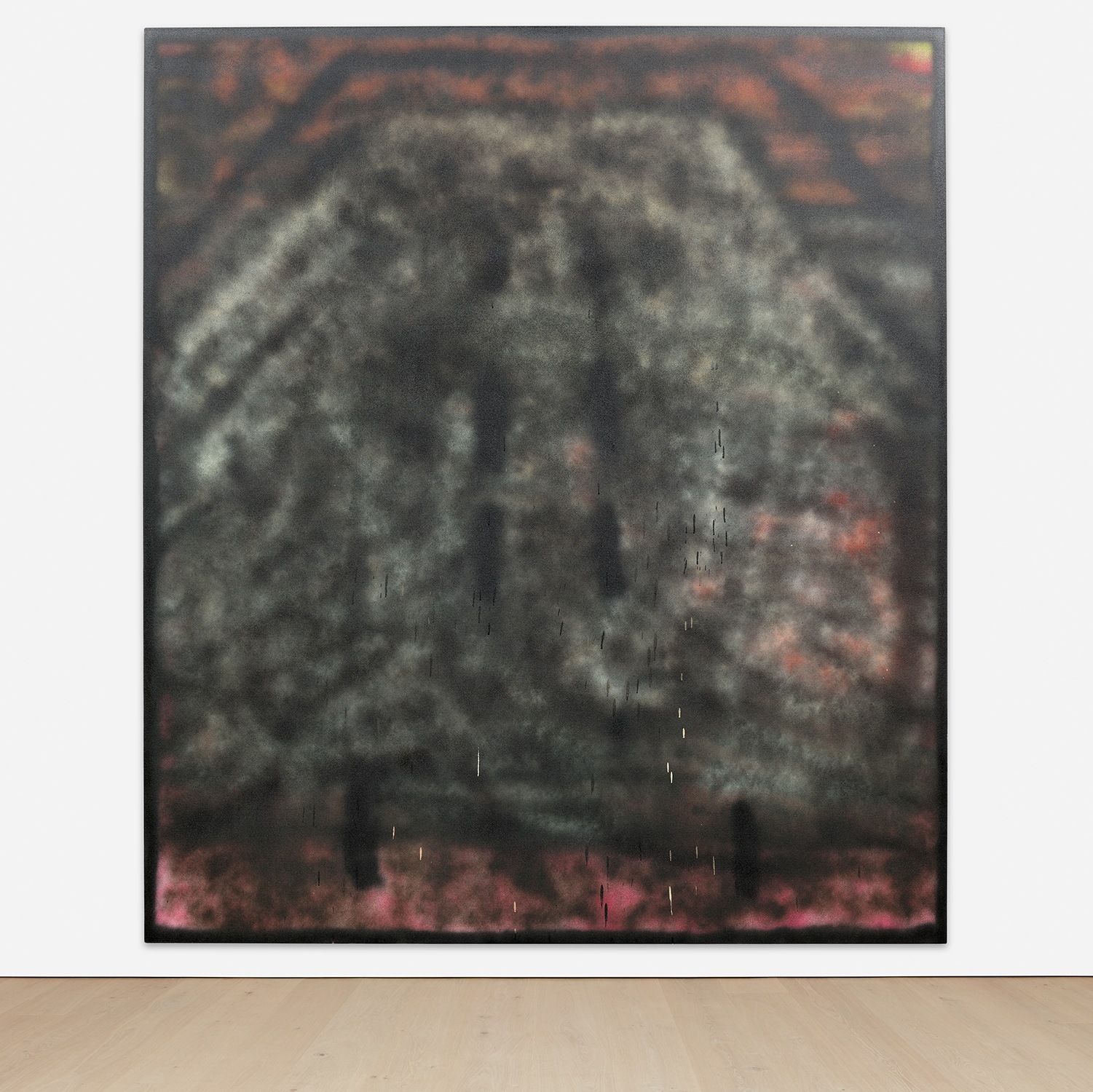
Sterling Ruby
Sp37, 2008
For collectors, the appeal of Ruby's work is inseparable from its diversity and its integrity. Each medium he works in is pursued with the same seriousness and the same commitment to pushing material possibilities to their limits. The collage works, including Transcompositional and the Spatial Facial Diptych series from 2007, demonstrate a more intimate side of the practice, one where found images and unexpected materials like nail polish on acrylic create a sense of private iconography made public. Sculptural works such as Monument Stalagmite from 2008, with its commanding combination of PVC, urethane, and spray paint on formica, exemplify his ability to build objects that feel simultaneously industrial and totemic.
Collectors who have built relationships with his work across multiple mediums find that the works speak to one another across the walls of a collection, creating a kind of ongoing dialogue rather than a series of isolated statements. Ruby's position within contemporary art history becomes clearer when considered alongside artists who share his interest in the intersection of high and low culture, craft and concept, violence and beauty. His work resonates with the material investigations of Mike Kelley, an artist who similarly excavated the emotional residue of American life through unexpected objects and processes. There are also affinities with the ceramics of Ken Price, whose elegant studio practice elevated the vessel form into fine art territory, and with the spray paint traditions of graffiti inspired painters who came before him.
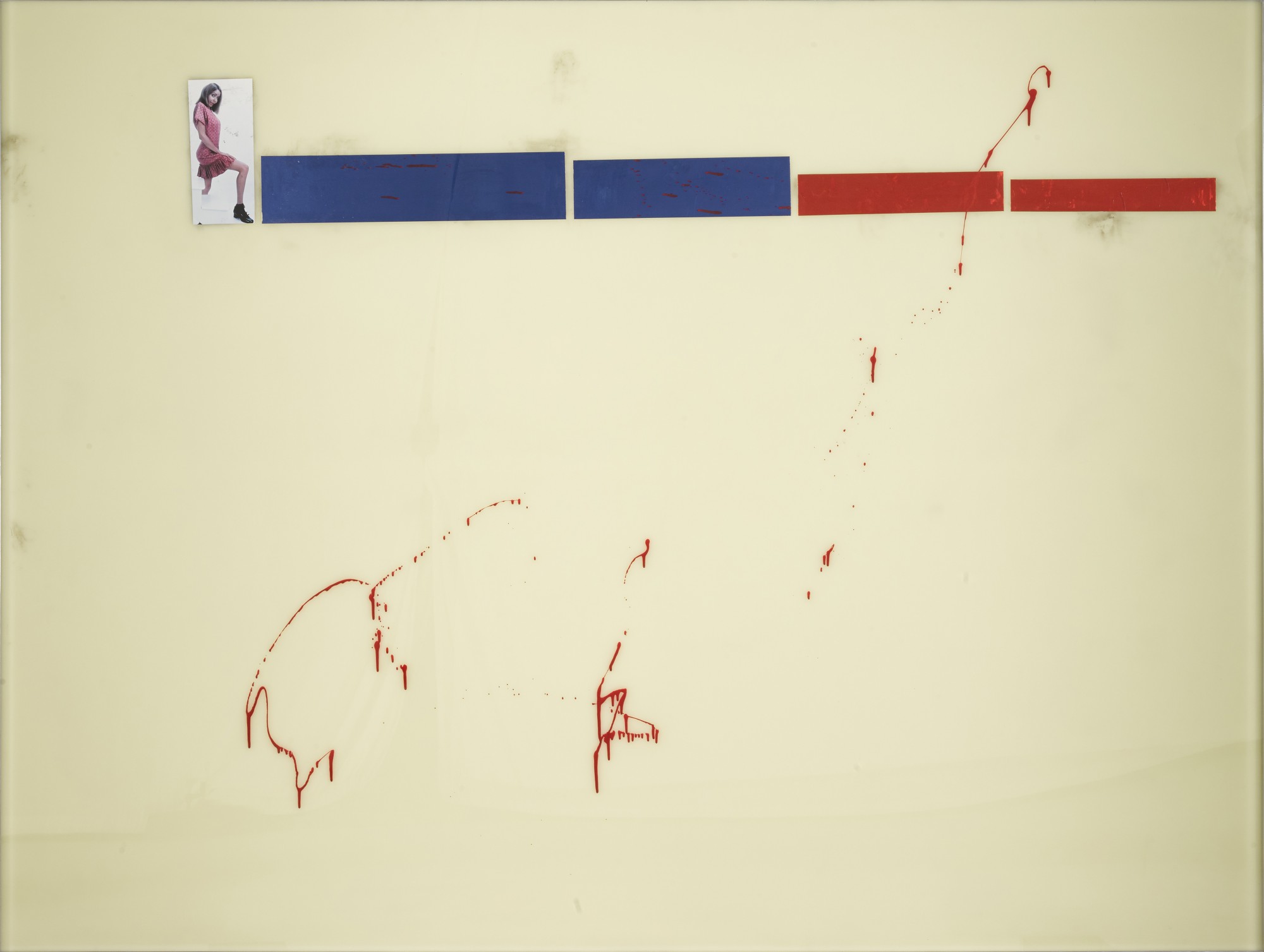
Sterling Ruby
Transcompositional/The Steps, 2010
Yet Ruby synthesizes these influences into something that belongs entirely to the cultural moment he inhabits, one defined by anxiety about American identity, the persistence of institutional power, and the radical possibility of beauty as a form of resistance. What makes Ruby's legacy so assured is the sense that his practice continues to grow and surprise even as it deepens. He has expanded into fashion and textile design through his label SR STUDIO. LA.
CA., bringing the same rigorous sensibility that governs his fine art practice into wearable form, a crossover that feels less like commercial extension and more like logical expansion of a worldview. The breadth of his achievement across painting, sculpture, ceramics, textiles, and beyond represents a genuine model for what it means to be a contemporary artist in the fullest sense: someone who refuses the limitations of any single medium and insists on the freedom to follow every idea to its most fully realized form. For those who collect his work, they are acquiring not just individual objects but fragments of an ongoing and endlessly generative vision, one that rewards sustained attention and continues to reveal new dimensions with every encounter.
Explore books about Sterling Ruby