Sam Samore
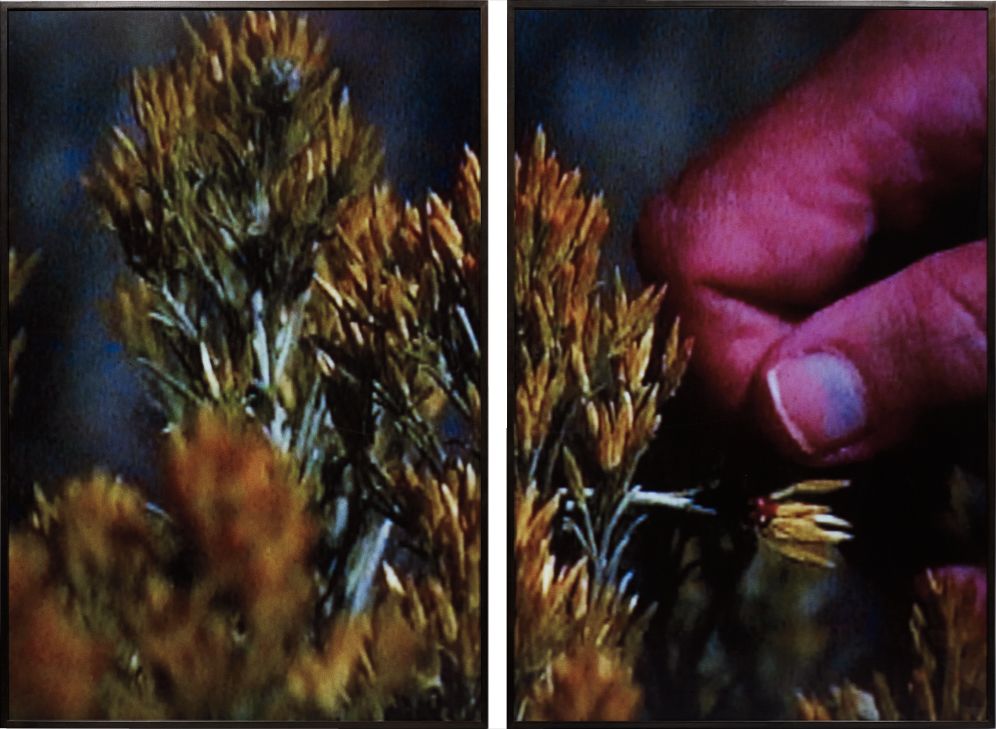
Sam Samore: Mysteries That Reward the Gaze
Artist Spotlight · The Collection Editorial
There is a particular kind of attention that certain artists demand of us, a slow, generous, and slightly unsettled looking that refuses the easy exit of a quick read. Sam Samore has been cultivating that attention for decades, and the art world is increasingly recognizing what a singular and irreplaceable contribution his practice represents. With works appearing across major international platforms and renewed collector interest in conceptually rigorous photography from the 1990s and early 2000s, Samore's quietly radical body of work feels more urgently relevant than ever. His photographs do not explain themselves.
Sam Samore
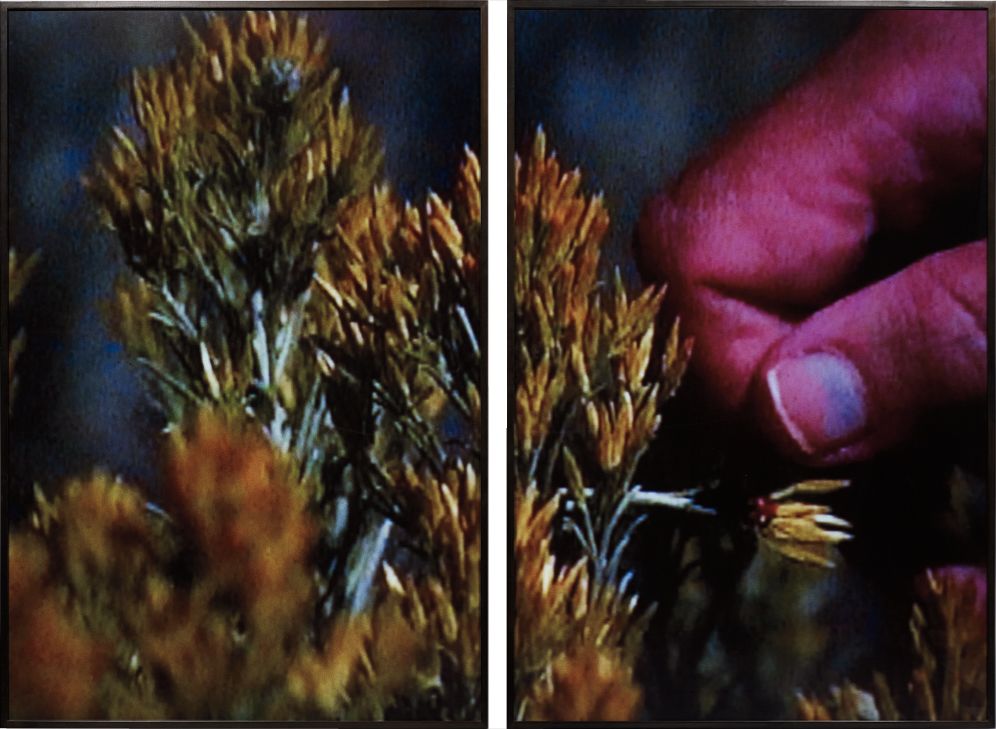
The I (#2)
They wait. Born in 1952, Samore came of age during one of the most intellectually charged periods in American cultural life, a time when the boundaries between art, theory, literature, and politics were being actively contested and redrawn. Working across New York and Europe, he absorbed the influence of French critical theory, structuralism, and the expanded debates around representation that were reshaping artistic practice on both sides of the Atlantic. This dual residency was never merely biographical convenience.
It placed Samore at the intersection of two distinct intellectual traditions, the American vernacular directness of New York conceptualism and the more philosophically dense European discourse around the image, the gaze, and the construction of meaning. That collision became the engine of his work. Samore's development as an artist resists the kind of tidy periodization that critics love and artists tend to find reductive. His practice has always moved between photography and writing, treating both as equally weighted tools for exploring how narrative is constructed, how meaning is assigned, and how images resist or invite interpretation.
Sam Samore
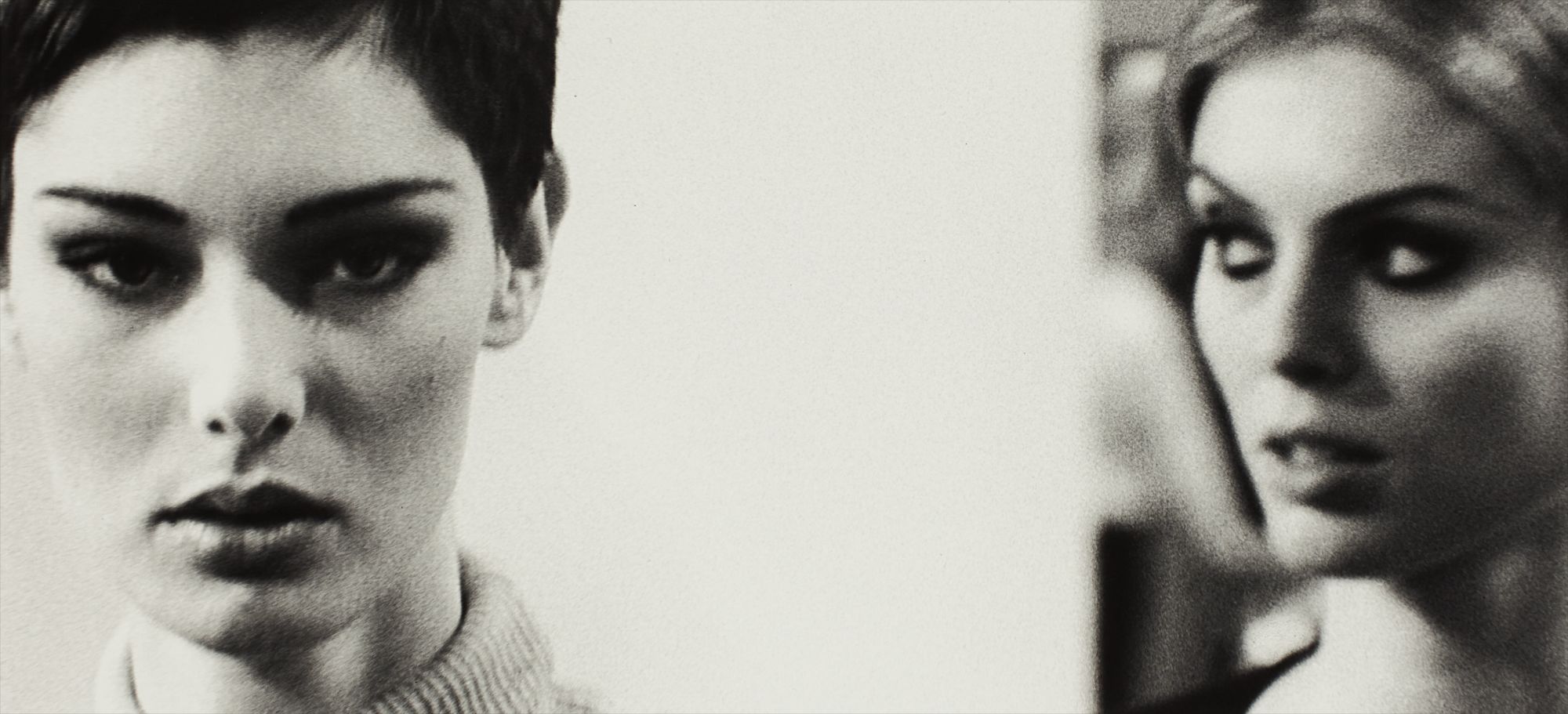
Allegories of Beauty (Incomplete) (#1)
In the 1990s, as the so called Pictures Generation was being canonized and photography's relationship to truth and representation was under intense scrutiny, Samore was doing something adjacent but distinctly his own. Where artists like Cindy Sherman or Richard Prince interrogated specific image archetypes and media systems, Samore was more interested in the phenomenology of narrative itself, in what happens in the gap between an image and a story, between a scene and its explanation. The series Allegories of Beauty (Incomplete) stands as one of the most compelling achievements of his career and a cornerstone of any serious engagement with his practice. These gelatin silver prints, several of which are available through The Collection, present figures and scenes that feel saturated with implication yet stubbornly withhold resolution.
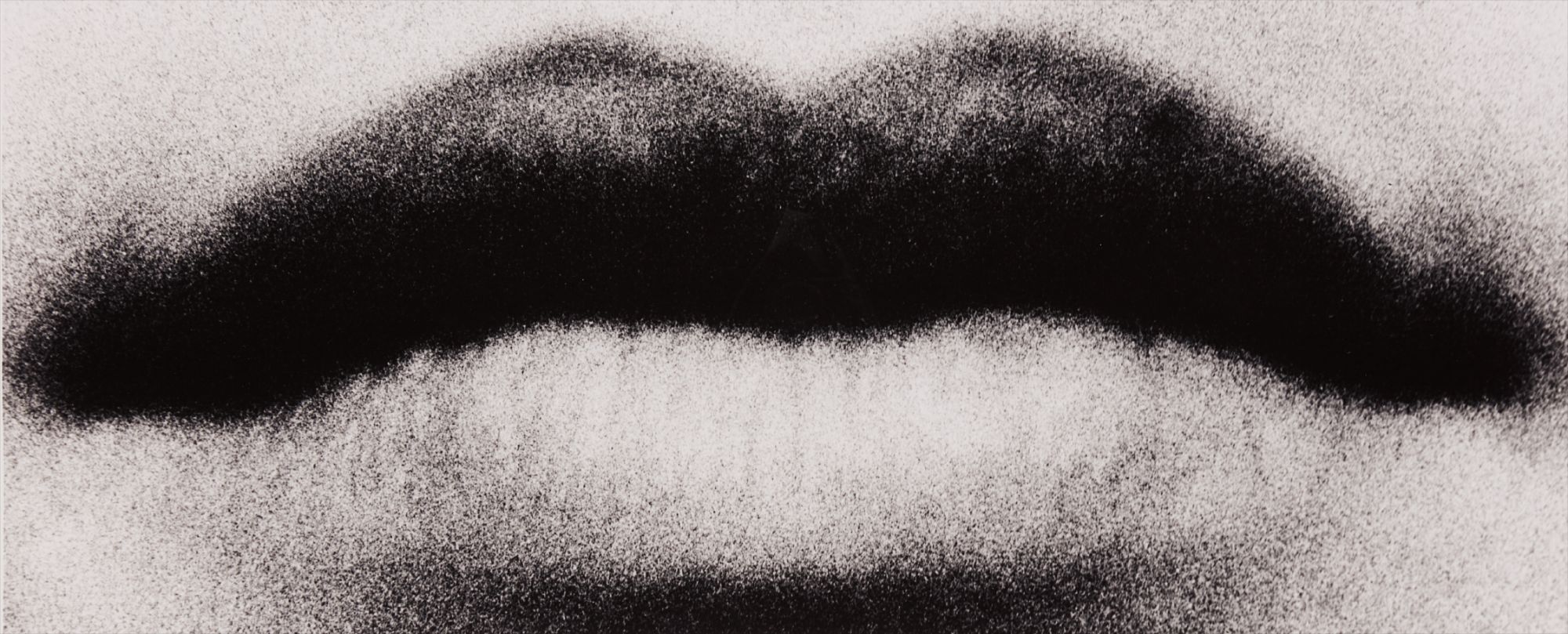
The word incomplete in the series title is not an apology or a provocation but a philosophical position. Samore is insisting that beauty, like narrative, is never a finished condition. It is always in process, always dependent on the viewer's participation. Works such as Allegories of Beauty (Incomplete) number 1 and number 13, as well as number 44, reward extended looking with a gradually deepening sense that you are not decoding a message but entering a conversation.
Sam Samore
Allegories of Beauty #44 from the series Allegories of Beauty (Incomplete)
The flush mounting of certain prints is itself a meaningful choice, collapsing the distance between the image and the wall, between the photograph and the space it inhabits. Life/Death number 124 represents another dimension of Samore's practice, one that is even more philosophically compressed. The pairing of those two words is so elemental that it might seem almost naive, yet in Samore's hands the work becomes a meditation on the impossibility of separating the two conditions, on how representation always involves both the animation of something and its fixing into a kind of permanent stillness. The screened acrylic on canvas work The I (number 2) demonstrates that his investigation extends beyond photography into questions about selfhood and the first person, about what it means to name a subject, to assert an I in a world where subjectivity is perpetually contested.
This willingness to move across media while maintaining rigorous conceptual continuity marks Samore as an artist of unusual intellectual integrity. For collectors, Samore's work occupies a genuinely distinctive position in the market for conceptual photography. He is neither underknown nor overexposed, which is precisely the kind of equilibrium that serious collectors have learned to recognize and value. The gelatin silver print format, particularly when flush mounted, carries both material elegance and art historical weight, placing Samore in dialogue with the broader tradition of fine art photography while his conceptual framework aligns him with artists working at the intersection of image and text.
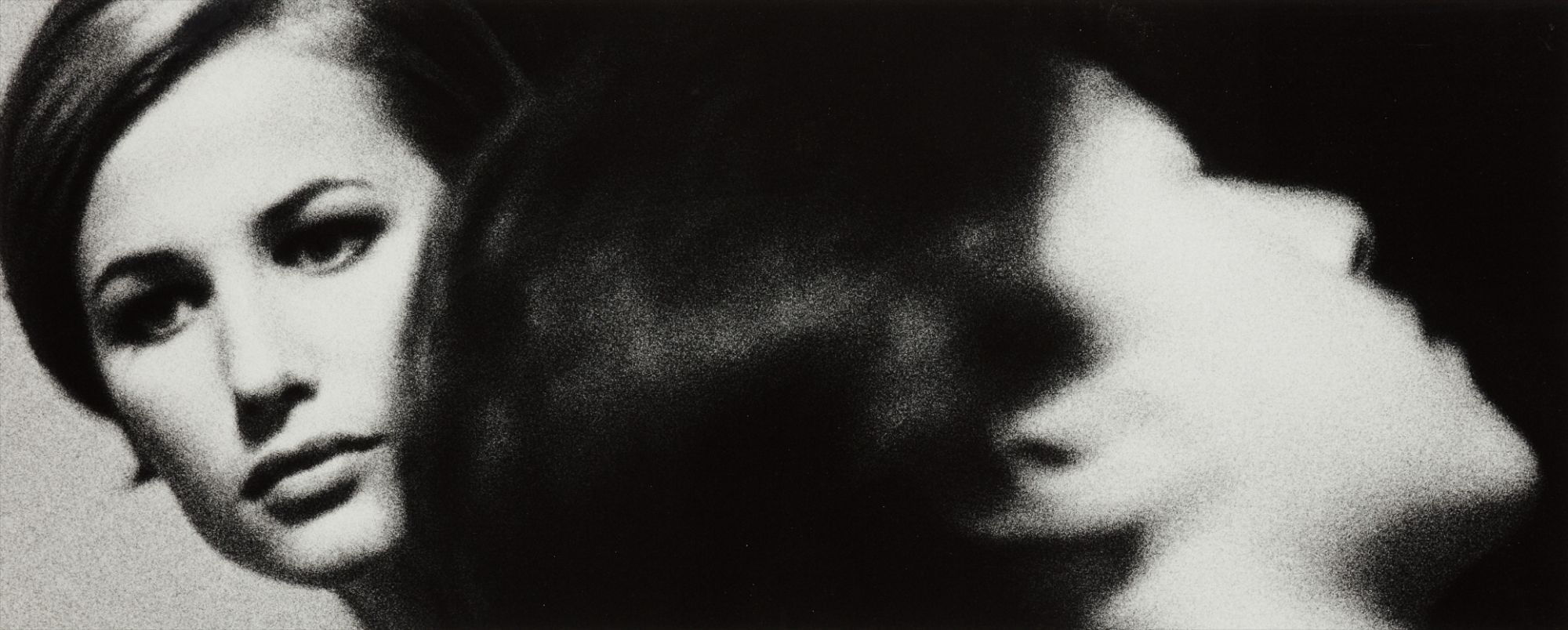
Sam Samore
Allegories of Beauty (Incomplete) #13
Collectors drawn to figures such as Taryn Simon, Wolfgang Tillmans, or the text and image investigations of Barbara Kruger will find in Samore a practice that shares certain preoccupations while arriving at entirely its own conclusions. His works are not decorative in any conventional sense, but they are deeply inhabitable. Living with a Samore is living with a question that keeps generating new answers. Samore's contribution to critical writing and discourse has compounded his influence in ways that are not always fully accounted for in market terms but that matter enormously to the broader ecology of ideas in which his work circulates.
His engagement with photography as a theoretical problem, not just a formal one, connects him to a generation of artist writers including Allan Sekula and Victor Burgin who understood that making images and thinking rigorously about images were not separate activities. This commitment to criticality without dogmatism is one of the things that makes his practice so enduring. He has never been captured by a single theoretical framework, which means his work has not dated in the way that more programmatically theoretical art sometimes can. What Samore's work ultimately offers, both to viewers encountering it for the first time and to collectors who have lived with it for years, is a model of what art can do when it trusts the intelligence of its audience completely.
There is no condescension in these images, no anxiety about being misunderstood, and no desire to overwhelm. Instead there is a calm, abiding confidence that if you bring your full attention to bear, something genuinely worth knowing will be revealed. In a cultural moment saturated with images engineered for instant legibility and maximum shareability, that kind of patience feels not old fashioned but radical. Sam Samore has always known something about looking that the rest of us are still learning.