Ruth Orkin
Ruth Orkin Saw Everything Worth Seeing
Artist Spotlight · The Collection Editorial
“Photography is a way of feeling, of touching, of loving. What you have caught on film is captured forever.”
Ruth Orkin
There is a photograph taken in Florence in 1951 that has never stopped resonating. A young American woman in a flowing dress walks along the Via Nazionale, her arms crossed with quiet composure, as a gauntlet of Italian men turns to stare, whistle, and lean toward her with theatrical intensity. Ruth Orkin made this image, titled 'American Girl in Italy,' in the space of a few unplanned minutes alongside her friend and subject Ninalee Craig. What could have been a mere document of street life became one of the defining images of the twentieth century, a picture that asks complex, enduring questions about visibility, womanhood, and public space.
Ruth Orkin
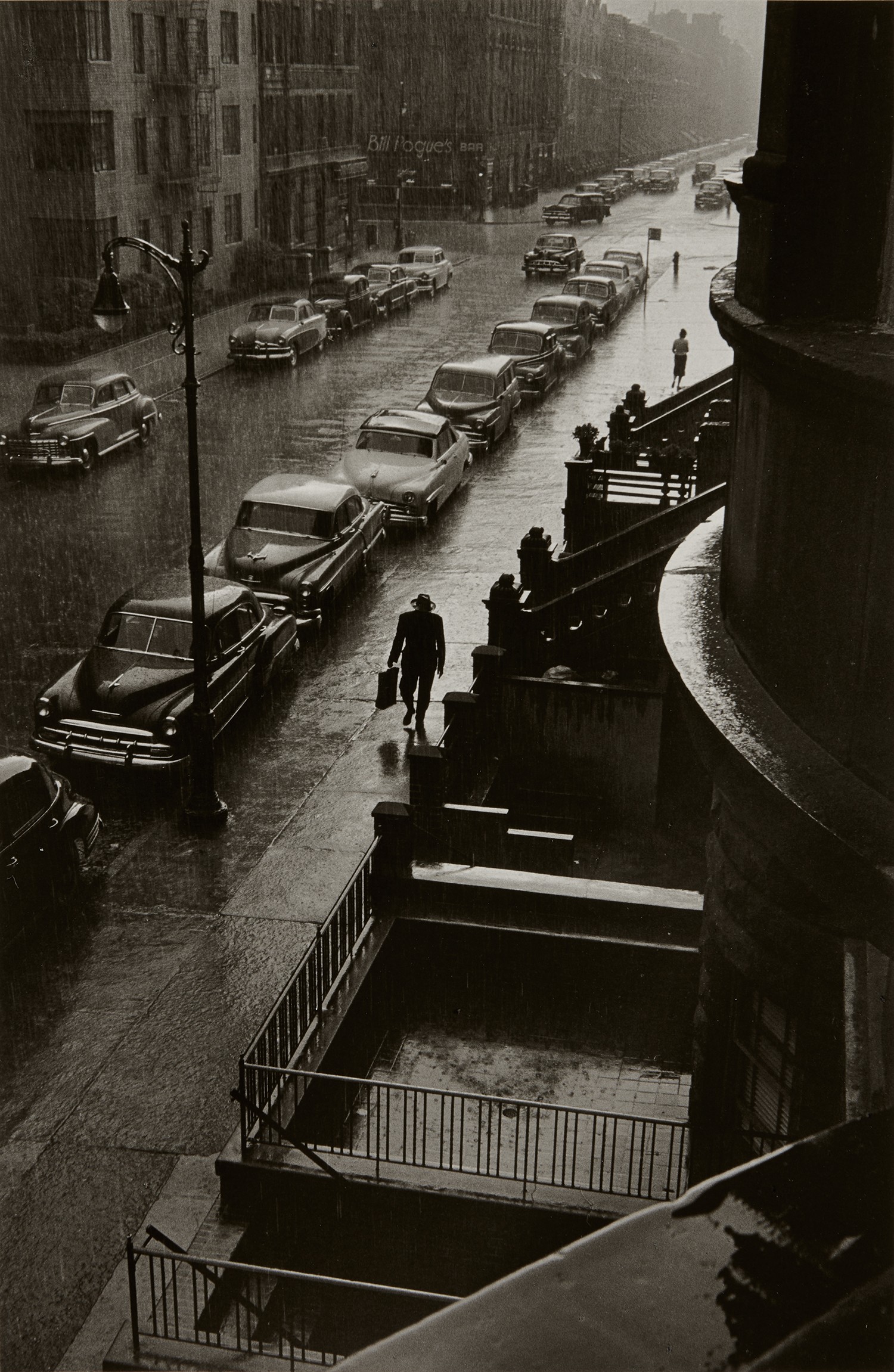
Man in Rain, W. 88th St.
More than seven decades later, the photograph continues to be debated, celebrated, and taught in classrooms from Rome to Los Angeles, and Orkin's broader body of work is finally receiving the sustained institutional and collector attention it has long deserved. Ruth Orkin was born in Boston in 1921 and raised in Hollywood, where her mother, Mary Ruby, worked as a silent film actress. Growing up in the orbit of the movie industry gave Orkin an early education in storytelling through images, and she received her first camera at the age of ten. By her teenage years she was already developing her own prints in a makeshift darkroom and cycling alone across the country at seventeen to attend the 1939 World's Fair in New York City, a journey that announced the fearless independence that would define her entire career.
She eventually settled in New York, studying photography formally and embedding herself in the city's rich postwar creative world. Orkin's development as a photographer unfolded across two deeply connected registers: the grand theater of public life and the quiet intimacy of private moments. She worked as a photojournalist throughout the late 1940s and into the 1950s, contributing to Life, Cosmopolitan, and a range of other major publications that placed her images before enormous audiences. She also covered significant cultural events, including concerts at Carnegie Hall where she photographed Leonard Bernstein, Isaac Stern, and other luminaries of the classical music world with an access and warmth that few photographers of the era matched.
Ruth Orkin
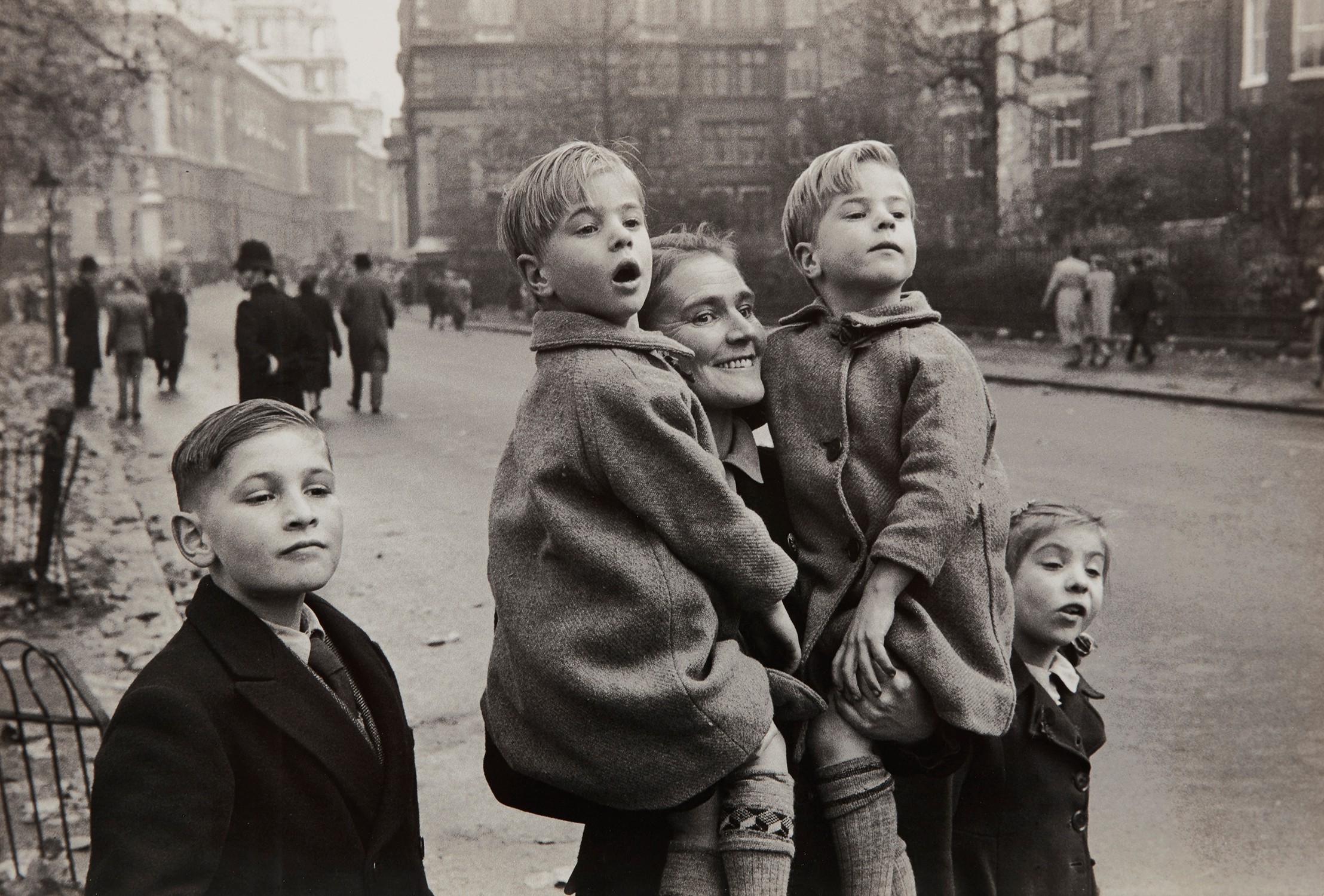
Watching Princess Margaret pass during Armistice Day ceremonies, London, November
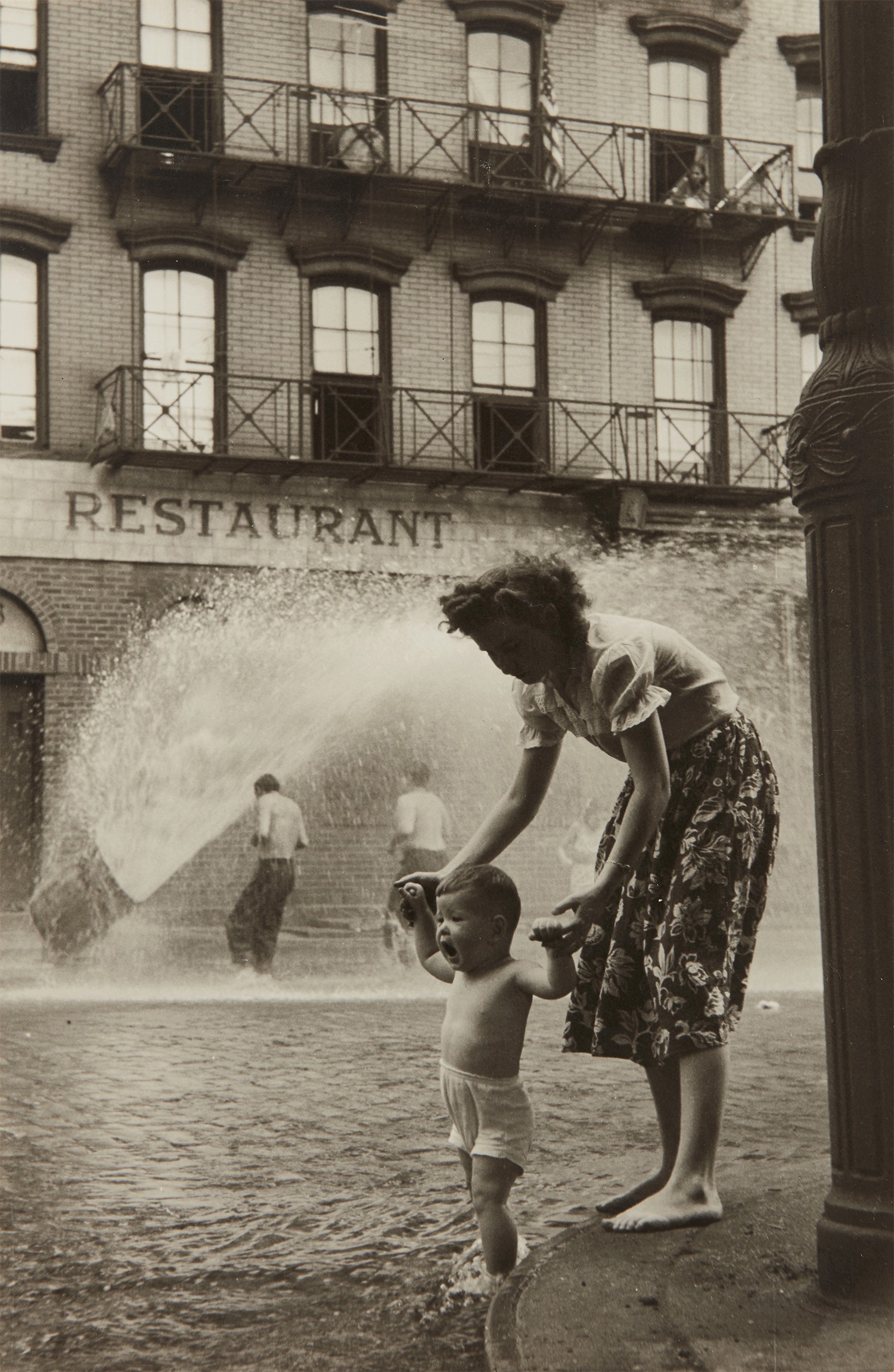
Her portraits carry a sense of genuine affection and curiosity; she was never a distant observer but always someone present in the room, trusted by her subjects. The street photographs for which Orkin is most beloved represent a particular kind of seeing: unhurried, empathetic, and alert to the small ceremonies of ordinary life. Works such as 'Man in Rain, W. 88th St.
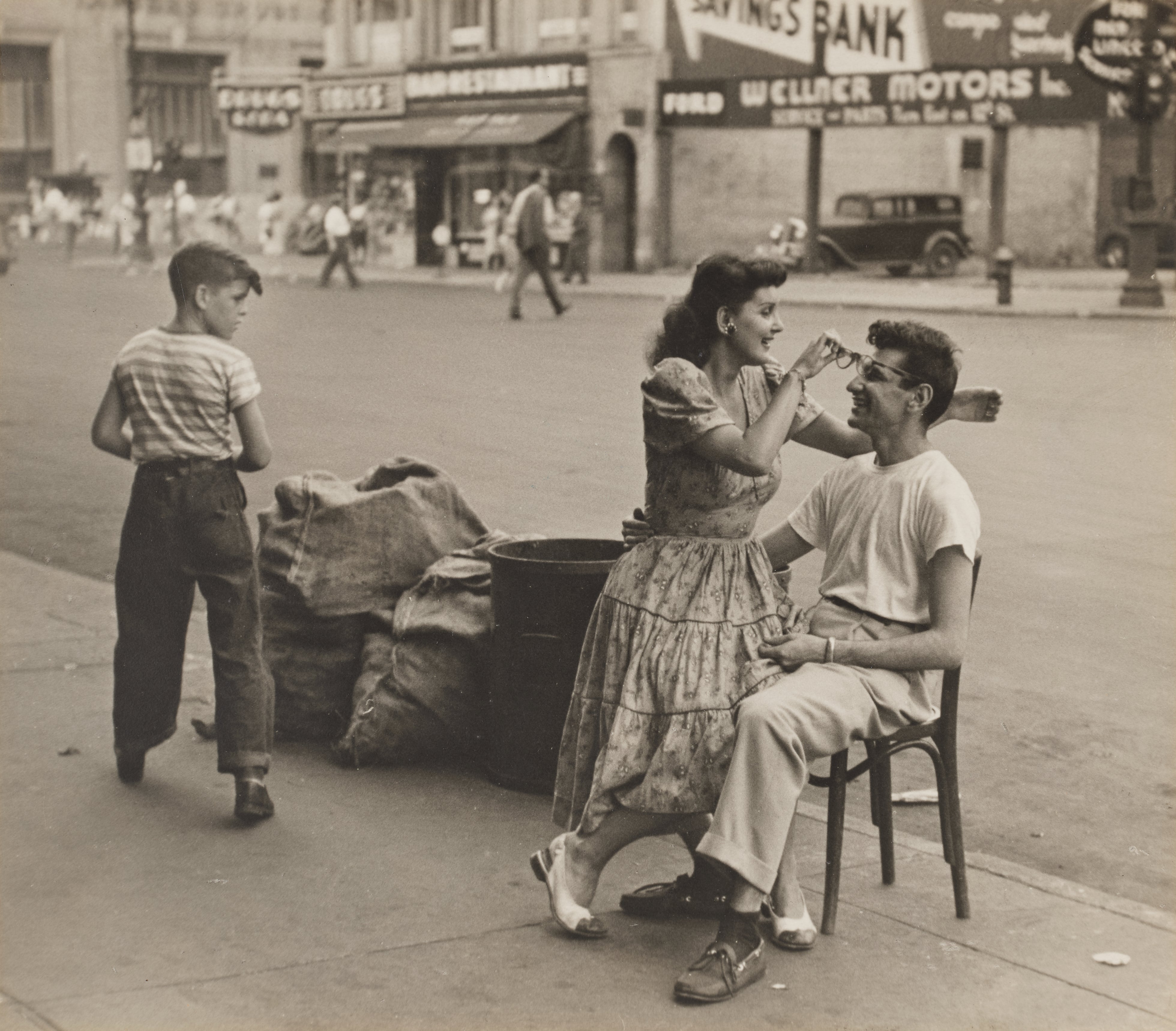
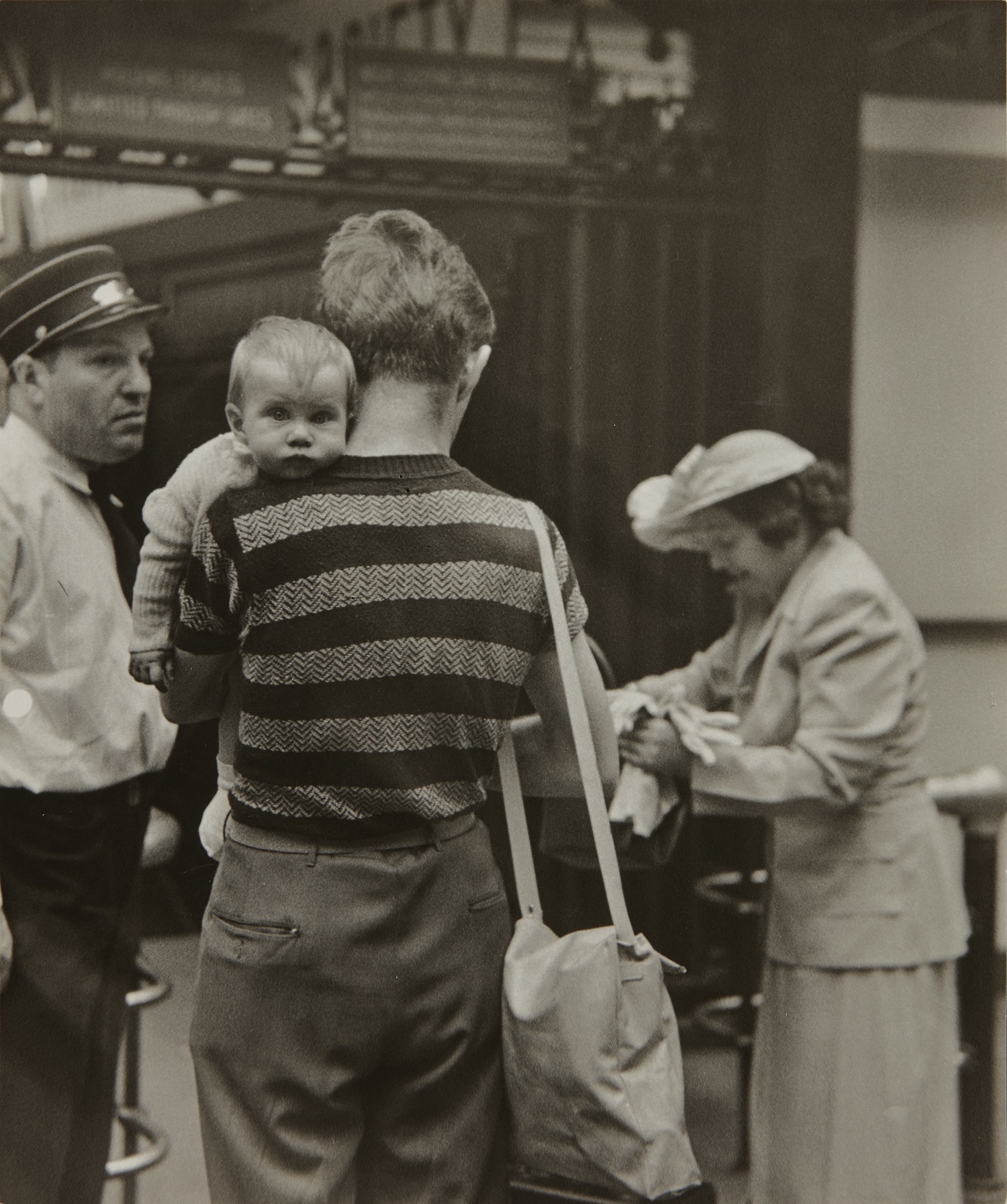
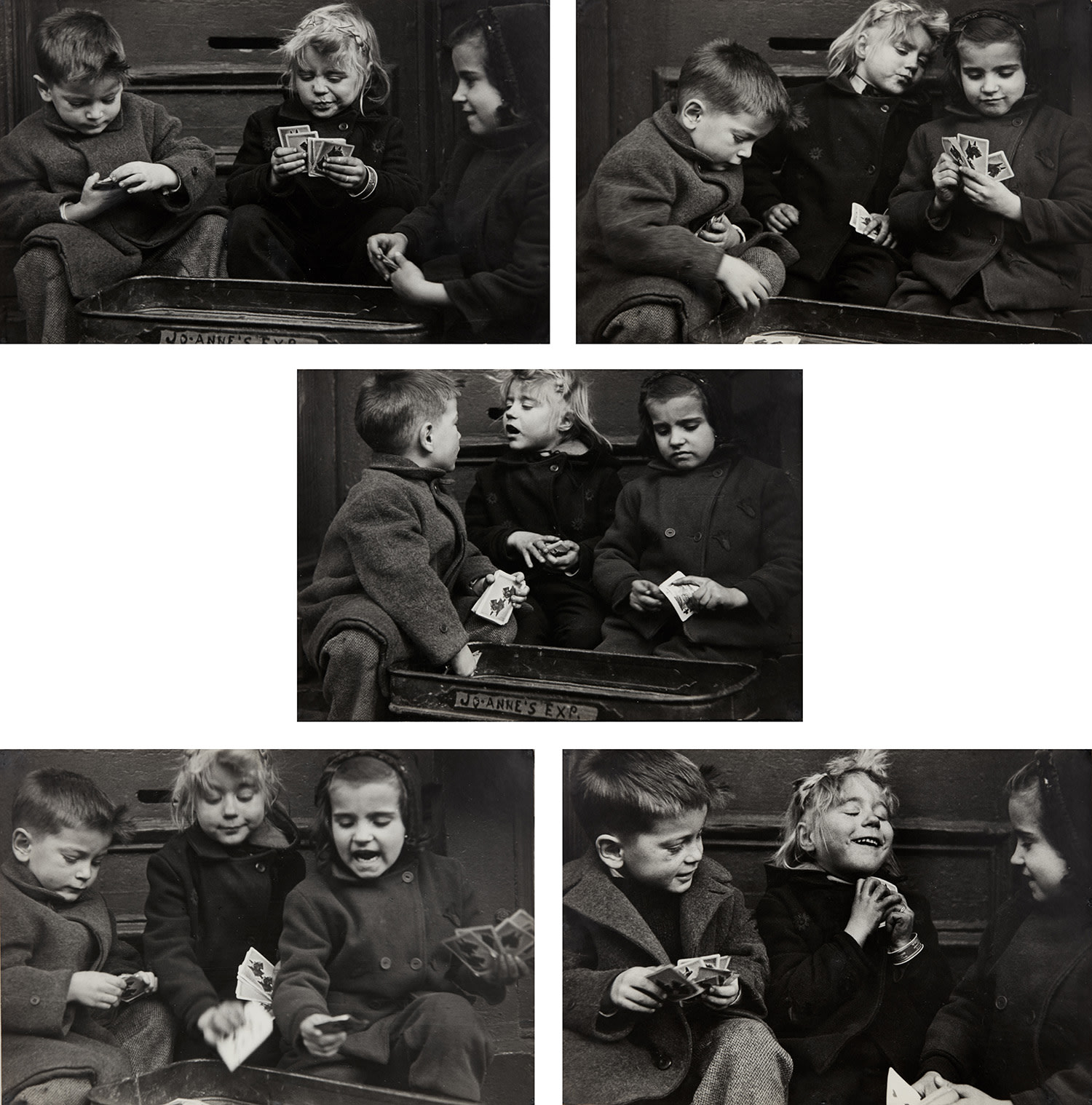
' and 'Boy and Fence, Central Park Reservoir' find lyricism in the everyday textures of New York City, where Orkin lived for most of her adult life with her husband, the filmmaker Morris Engel. 'Penn Station, New York' captures the cathedral grandeur of that lamented building with a documentary gravity that makes the photograph feel almost elegiac in retrospect. 'The Card Players, New York City,' a suite of five gelatin silver prints from the 1950s, demonstrates her gifts for sequential narrative, composing a story in stages with the patience of a novelist. These works are not simply records; they are arguments about what deserves to be looked at and remembered.
Ruth Orkin
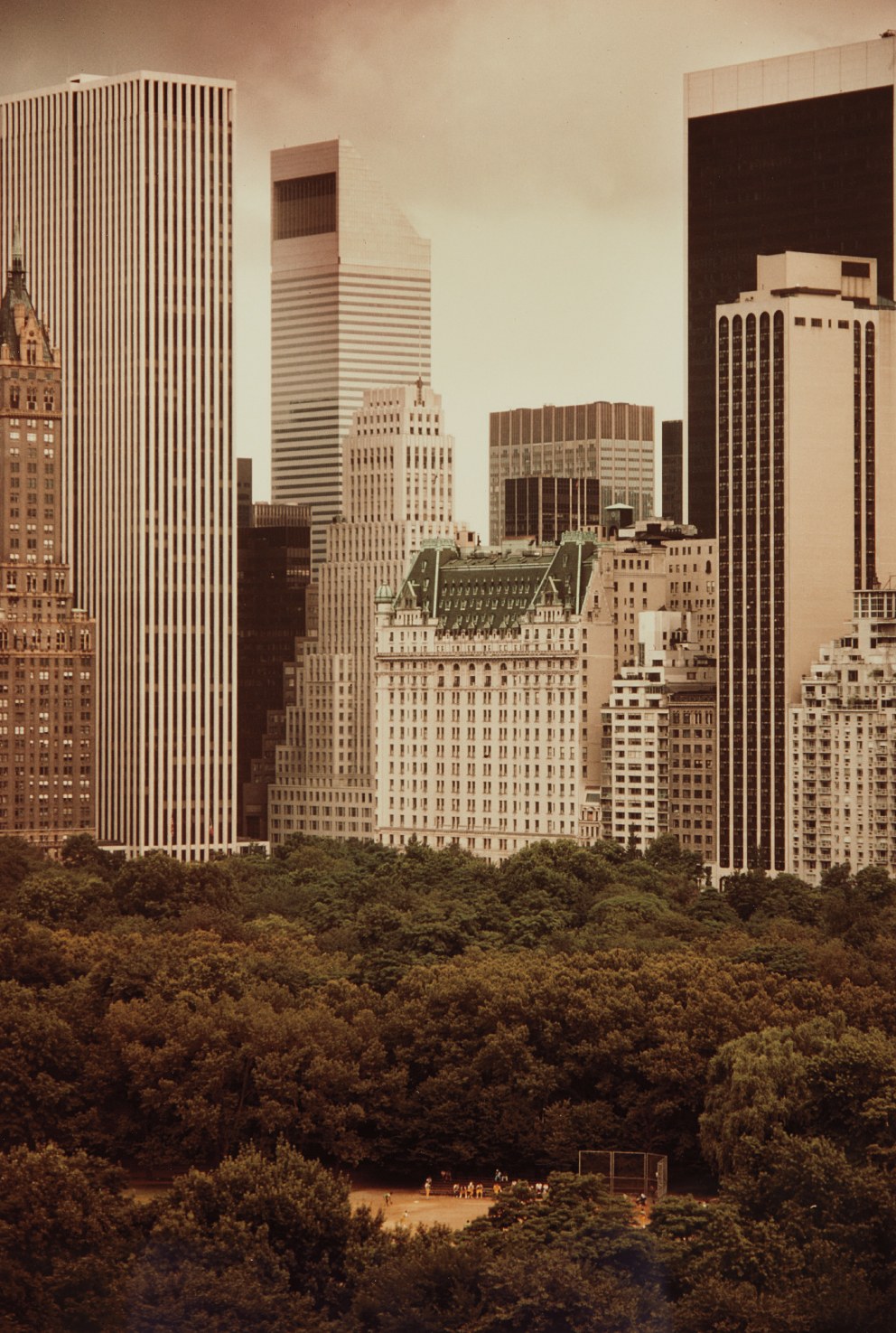
Plaza and Baseball in Central Park
From her apartment on Central Park West, Orkin spent years photographing the park and the city as seen through her window, a body of work that parallels in spirit the window studies of Edouard Vuillard or the late work of Henri Matisse in its domestication of the infinite view. She published several celebrated books, including 'A World Through My Window' in 1978 and 'More Pictures from My Window' in 1983, which found wide readership and brought her photography to audiences beyond the gallery world. That she could move fluidly between street photography, portraiture, photojournalism, and this more contemplative window practice speaks to the range of her intelligence and the consistency of her humanist vision. She and Morris Engel also co directed 'Little Fugitive' in 1953, a landmark of independent American cinema that influenced filmmakers including Francois Truffaut.
For collectors, Orkin's work offers a genuinely rare combination of historical importance, aesthetic pleasure, and relative accessibility relative to her stature. Her gelatin silver prints, many printed later under her supervision or with close attention to her intentions, hold their tonal richness beautifully and reward close looking. Works such as 'Young Married Couple, NYC' and 'Sunlit Streets in the Sixties, N.Y.
Ruth Orkin
Penn Station, New York
C.' speak directly to the emotional texture of postwar American urban life, and they carry an intimacy that larger scale documentary photography often sacrifices. Collectors who are drawn to the humanist tradition in photography, including the work of Helen Levitt, Vivian Maier, and Lisette Model, will find in Orkin a figure of comparable depth and perhaps greater formal sophistication than her current market position fully reflects. Orkin belongs to a generation of American photographers who transformed the street into a moral and aesthetic arena.
Her closest artistic relatives include Helen Levitt, whose poetry of New York childhood shares Orkin's tenderness, and Dorothea Lange, whose belief in photography as a force for social witness Orkin embodied in her own quieter register. There is also a connection to the European humanist tradition of Henri Cartier Bresson and Willy Ronis, photographers who believed that the decisive moment was always also an ethical one. Orkin's place within this constellation has sometimes been obscured by the outsized fame of a single image, but the full body of her work argues persuasively for a reputation that extends far beyond any single photograph. Ruth Orkin died in New York in 1985, but her archive, her books, and the growing institutional recognition of her achievement have kept her work in active conversation with contemporary culture.
In a moment when questions about the female gaze, about who photographs and who is photographed, are more urgent than ever, Orkin's life and practice offer a model of extraordinary intelligence and courage. She was a woman who crossed a country on a bicycle, set up a camera on a Florentine street, and spent decades finding beauty and meaning in the faces and streets of the city she loved. The photographs that survive her are an invitation to see the world with that same quality of attention, and they reward every return visit.
Featured Works
Explore books about Ruth Orkin