Roni Horn
Roni Horn: Every Moment Holds Everything
Artist Spotlight · The Collection Editorial
“Iceland is a self, it functions as a self. When I am there I know who I am.”
Roni Horn, interview with Donna De Salvo
Few artists working today ask as much of their audience as Roni Horn, and fewer still reward that attention so generously. Her retrospectives at Tate Modern in London and the Whitney Museum of American Art in New York confirmed what collectors and curators had long understood: that Horn's practice, spanning sculpture, photography, drawing, and artist's books, constitutes one of the most philosophically rigorous and emotionally alive bodies of work produced in the last half century. To stand before her art is to feel the ground shift slightly, to sense that what you thought was fixed, identity, weather, meaning, water, is in fact perpetually in motion. Horn was born in New York City in 1955 and grew up with an intellectual curiosity that resisted easy categorization from the start.
Roni Horn
Untitled ("The sensation of satisfaction at having outstared a baby."), 2013
She studied at the Rhode Island School of Design and later completed her MFA at Yale University, where the rigorous conceptual climate of the late 1970s sharpened her instincts without ever flattening her sensibility. It was her first encounter with Iceland in the late 1970s that proved genuinely transformative. The island's volcanic landscapes, its extreme and shifting light, its air of radical geological instability, became a lifelong subject and a spiritual home. Horn has returned to Iceland dozens of times, and the country has shaped her thinking about place, identity, and the way external environments mirror interior states.
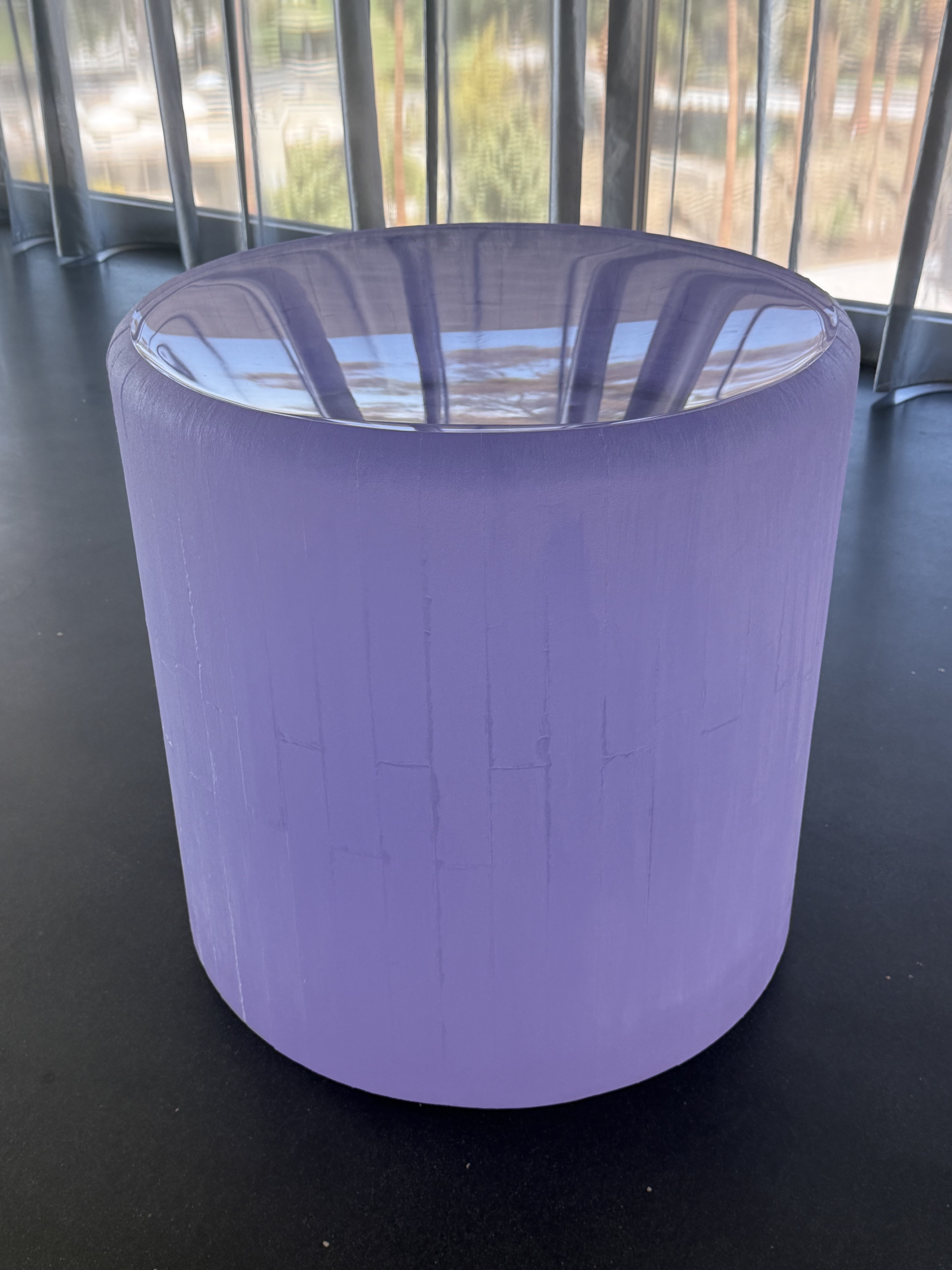
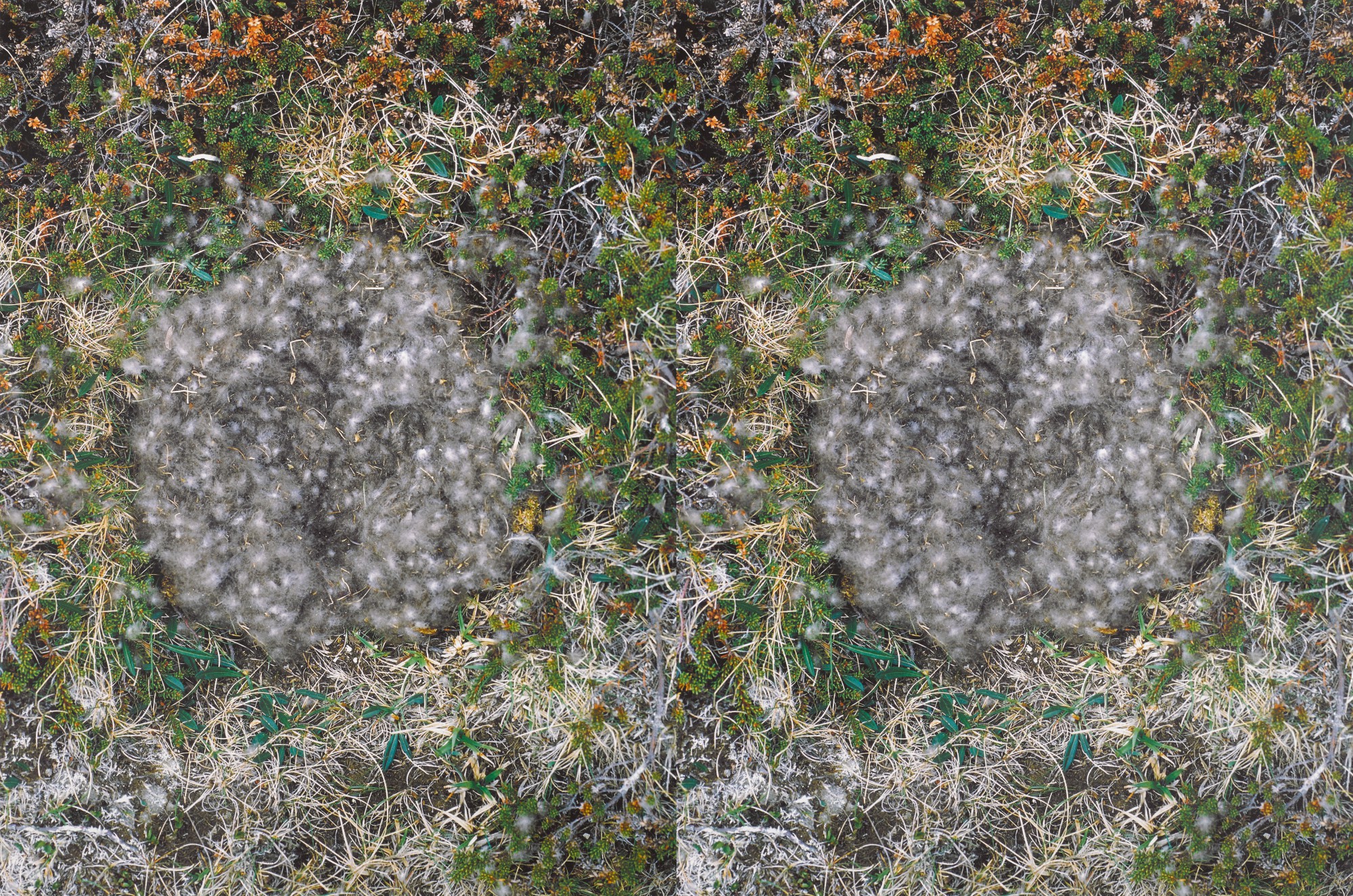
Her early work engaged directly with minimalism and conceptual art, but Horn quickly moved toward something warmer and more searching. She began developing her distinctive language of paired and doubled forms, works that insist on relation rather than singularity. Her sculptural objects in solid glass, dense cylindrical or conical forms in deep jewel tones, are among the most quietly arresting objects in contemporary art. They appear simple and are not.
Roni Horn
Doubt by Water (Why)
Their surfaces hold the light in ways that feel almost liquid, and the colors, rich amber, jade green, deep rose, seem to emanate from within rather than reflect from without. To encounter one of these pieces in a gallery is to feel the profound stillness of something that took years to make and will outlast everyone in the room. Among Horn's most celebrated works is the photographic series "You are the Weather," begun in 1994 and 1995, in which the artist photographed the same face, that of a young woman bathing in the geothermal pools of Iceland, across one hundred images. The series is a meditation on attention, on the instability of expression, and on how meaning shifts when context changes.
“You are the weather. You are what's happening. The weather is a condition of your presence.”
Roni Horn, artist statement
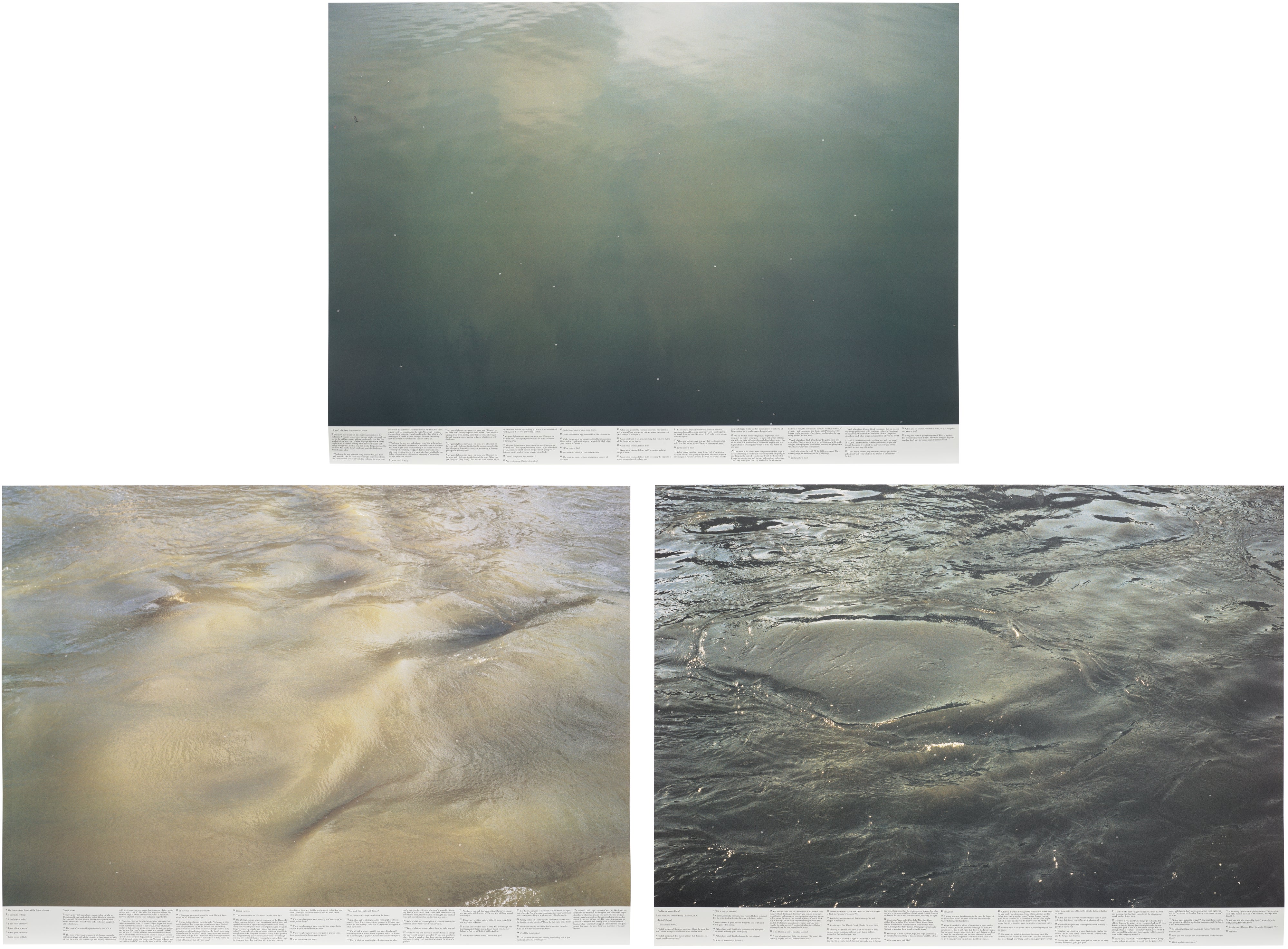
Each photograph is nearly identical and profoundly different. The project announced Horn as a major force in contemporary photography and remains a touchstone for artists and critics thinking about portraiture, repetition, and the slippage of identity. Her photographic work "Still Water (The River Thames, For Example)" from 1999 takes a different approach, pairing close, almost abstract photographs of the Thames with dense footnote texts printed on the same sheet. The texts spiral from observation into personal history into philosophical musing, creating an experience that is simultaneously intimate and vertiginous.
Roni Horn
Untitled (To Nest) #3, 2000
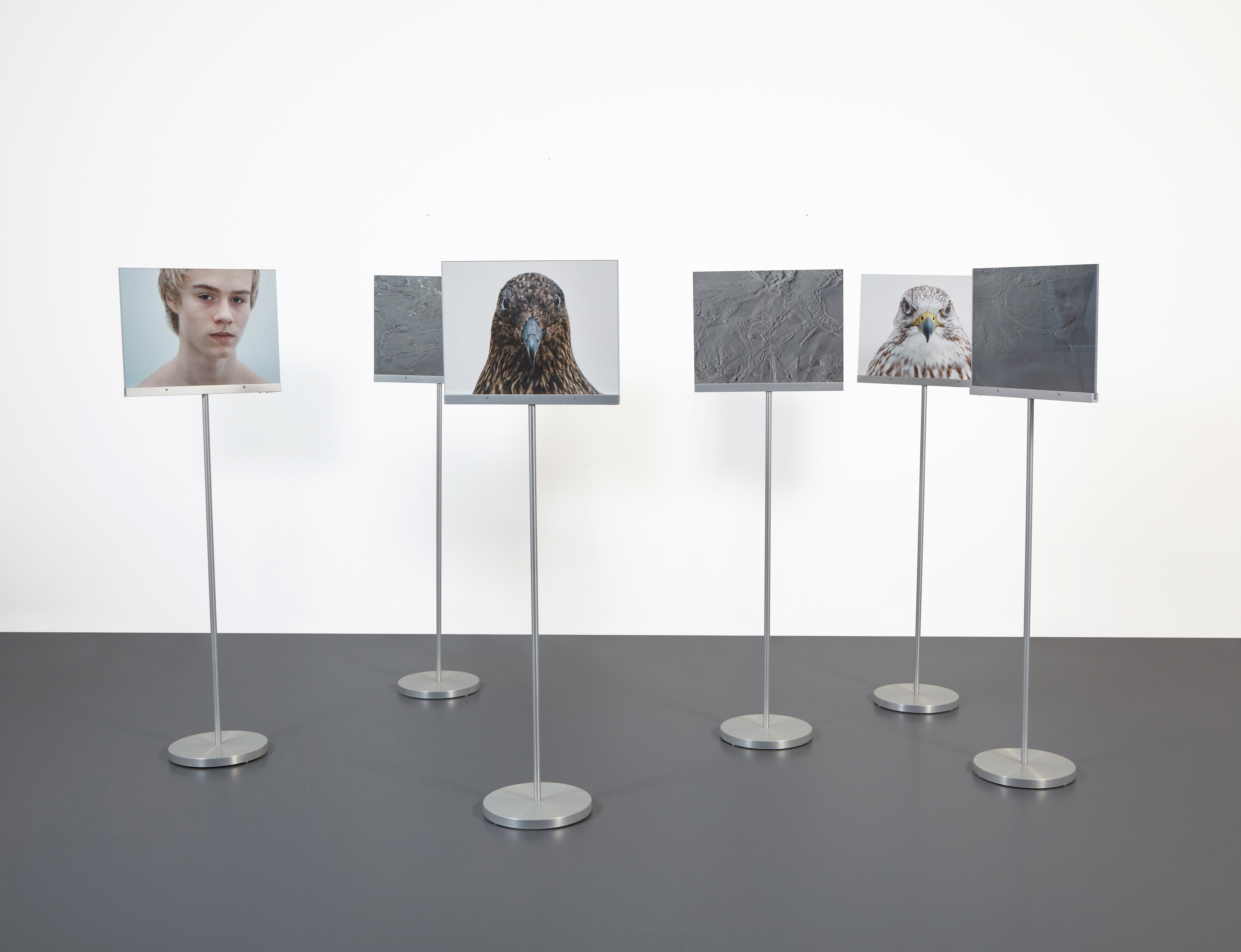
The work invites the viewer into a world where looking and reading cannot be separated. "Doubt by Water (Why)," produced between 2003 and 2004, represents another dimension of Horn's practice: works of genuine physical ambition and conceptual depth that reward prolonged engagement. Presented as double sided units mounted between UV acrylic on anodized aluminum stanchions, the twelve pigment prints exploit their own materiality to ask questions about transparency, surface, and what lies beneath. The series extends Horn's long meditation on water as both literal subject and metaphor for the mutability of all experience.
Her "Key and Cue" series of text works, including the 1994 piece "Key and Cue, No. 983 IDEALS ARE THE FAIRY OIL," draws language into this same field of instability, presenting found phrases in ways that estrange familiar meanings and generate new ones. These works owe something to the conceptual text art of Lawrence Weiner and Jenny Holzer, but Horn's handling of language is stranger, more playful, more interested in the moment when sense tips into nonsense and back again. For collectors, Horn represents a rare convergence of critical seriousness and genuine beauty.
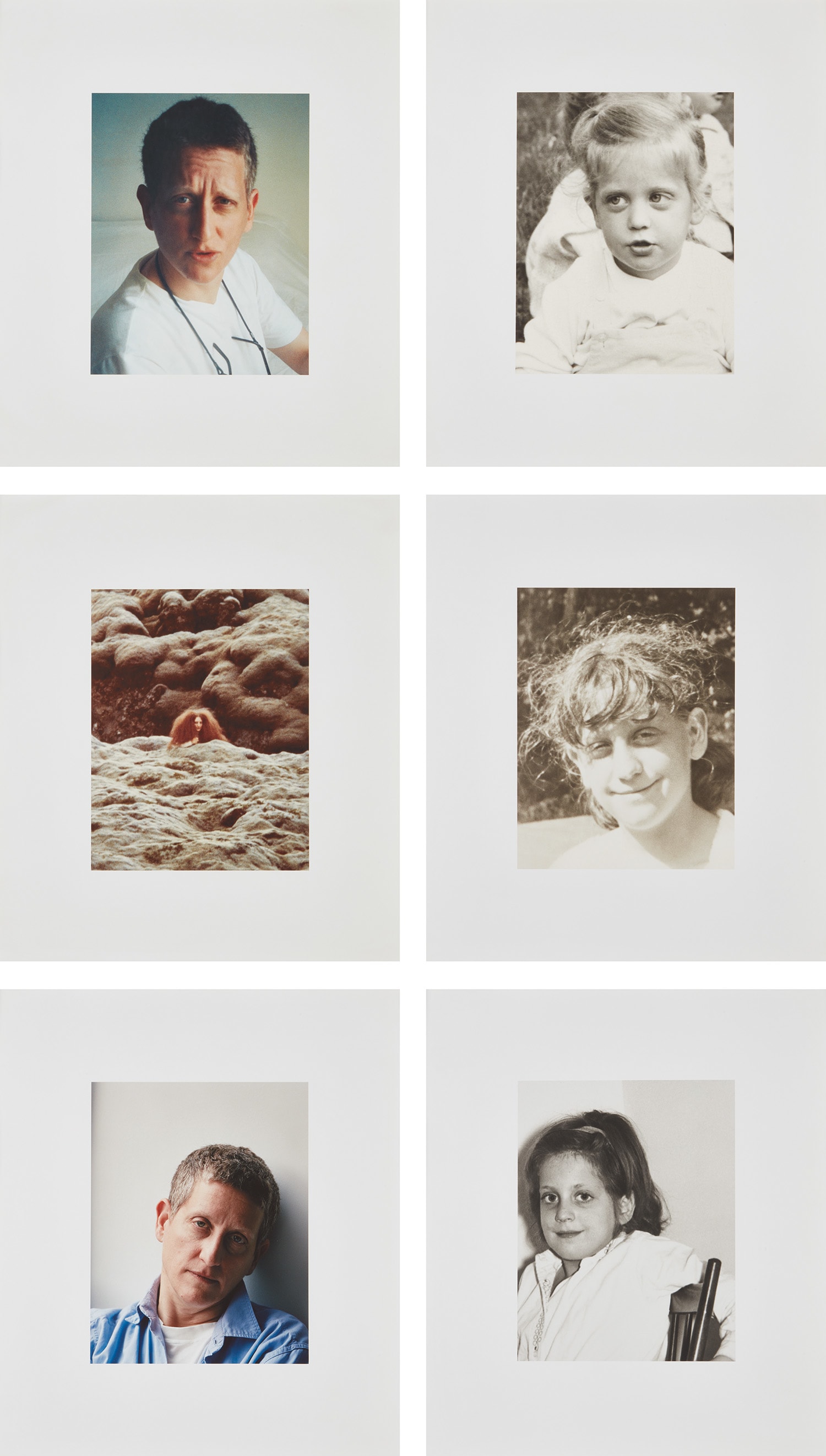
Roni Horn
a.k.a (SUBGROUP IV), 2008
Her work holds important positions in the collections of major institutions, including the Museum of Modern Art in New York, the Tate, the Dia Art Foundation, and numerous distinguished private holdings. Her glass sculptures in particular have demonstrated strong and consistent demand at auction, with collectors drawn to their combination of visual immediacy and conceptual richness. Works on paper and the photographic series offer multiple points of entry into a practice of remarkable depth. The "Still Water" series and the various photographic suites reward repeated looking and live beautifully in domestic as well as institutional settings.
Collectors new to Horn's work often find that a single piece opens into a desire to understand the full scope of her achievement, a practice that spans decades and crosses media without ever losing its essential coherence. In terms of art historical context, Horn's practice sits in productive dialogue with artists who have similarly interrogated landscape, identity, and the instability of form. Her engagement with Iceland echoes the land art traditions of Robert Smithson and Agnes Denes, though Horn brings an intimacy and a philosophical subtlety that distinguishes her approach. Her photographic work shares certain concerns with Nan Goldin and Wolfgang Tillmans, particularly around the politics of looking at bodies and faces, while her sculptural objects invite comparison with Eva Hesse and Anne Truitt, artists who transformed minimalist vocabularies into something deeply personal.
Horn herself has been a generous presence in conversations about queer identity and the politics of androgyny, and her work has influenced a generation of artists thinking about how identity can be held, questioned, and set free. The legacy of Roni Horn is still being written, which is part of what makes her work so alive and so necessary. She has never settled into a signature style in the limiting sense of that phrase; instead, she has built a practice capacious enough to hold glass and water, text and landscape, the face of a stranger and the geological memory of a volcanic island. Her artist's books, produced with extraordinary care over decades, extend this practice into yet another register, creating objects that are simultaneously art works, critical texts, and acts of love toward their subjects.
To collect Roni Horn is to acquire not just an object but a way of paying attention to the world, a practice of noticing how everything holds the potential to mean something else, something more, something richer than what first appears.
Explore books about Roni Horn
Roni Horn
Elisabeth Sussman
Roni Horn: This Is Me, This Is You
Various
Roni Horn: Strange Hotel
Various
Roni Horn: An Anthology
Roni Horn, Lynne Cooke
Roni Horn: Pink Polarities
Various

Roni Horn: Works 1978-2002
Various