Romare Bearden
Romare Bearden: A World Stitched Into Being
Artist Spotlight · The Collection Editorial
“I work out of a response and need to redefine the image of man in terms of the black experience.”
Romare Bearden, interview circa 1970
In 2011, the centennial of Romare Bearden's birth, institutions across America paused to measure the full dimensions of his achievement. The Smithsonian American Art Museum mounted celebrations, scholars released new monographs, and galleries from Harlem to Los Angeles reaffirmed what devoted collectors had long understood: that Bearden's collages are among the most emotionally alive and formally inventive objects produced by any American artist in the twentieth century. More than three decades after his death in 1988, his work continues to command rooms, command attention, and command extraordinary prices at auction. To encounter a Bearden is to feel, immediately and without argument, that you are in the presence of something essential.
Romare Bearden
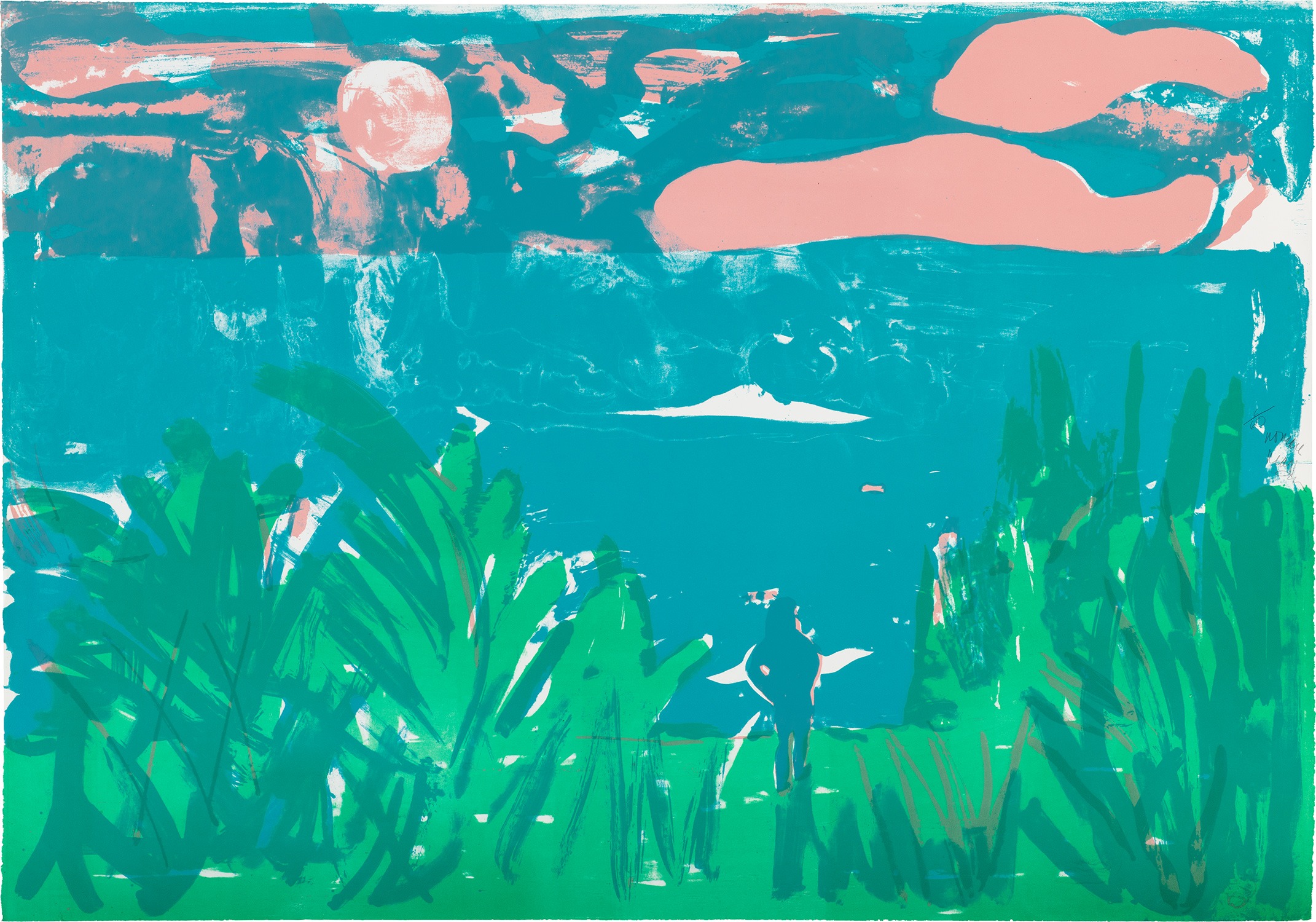
Caribbean Landscape (G. 98)
Romare Howard Bearden was born in Charlotte, North Carolina, in September 1911, and his family moved to Harlem when he was a young child, part of the vast northward migration reshaping Black American life. His grandmother's boarding house became a kind of informal salon, receiving jazz musicians, writers, and artists who were building what the world would come to call the Harlem Renaissance. Bearden grew up knowing Langston Hughes and Aaron Douglas not as historical figures but as neighbors and family friends. He studied at New York University and later at the Art Students League, where he worked under the German Expressionist George Grosz, an encounter that deepened his understanding of caricature, social critique, and the expressive potential of the drawn line.
His early career moved through several distinct phases, and Bearden had the patience and intellectual seriousness to let each one teach him fully before moving to the next. He worked as a political cartoonist for the Baltimore Afro American newspaper in the 1930s, developing a sharp visual vocabulary for social commentary. He painted oils in a figurative and then increasingly abstract mode through the 1940s and 1950s, showing with the Samuel Kootz Gallery in New York and engaging deeply with the European modernism flooding into American museums and galleries in those postwar years. He traveled to Paris on the GI Bill, absorbing Cubism and the work of Matisse with the thoroughness of someone who intended to use what he learned rather than simply admire it.
Romare Bearden
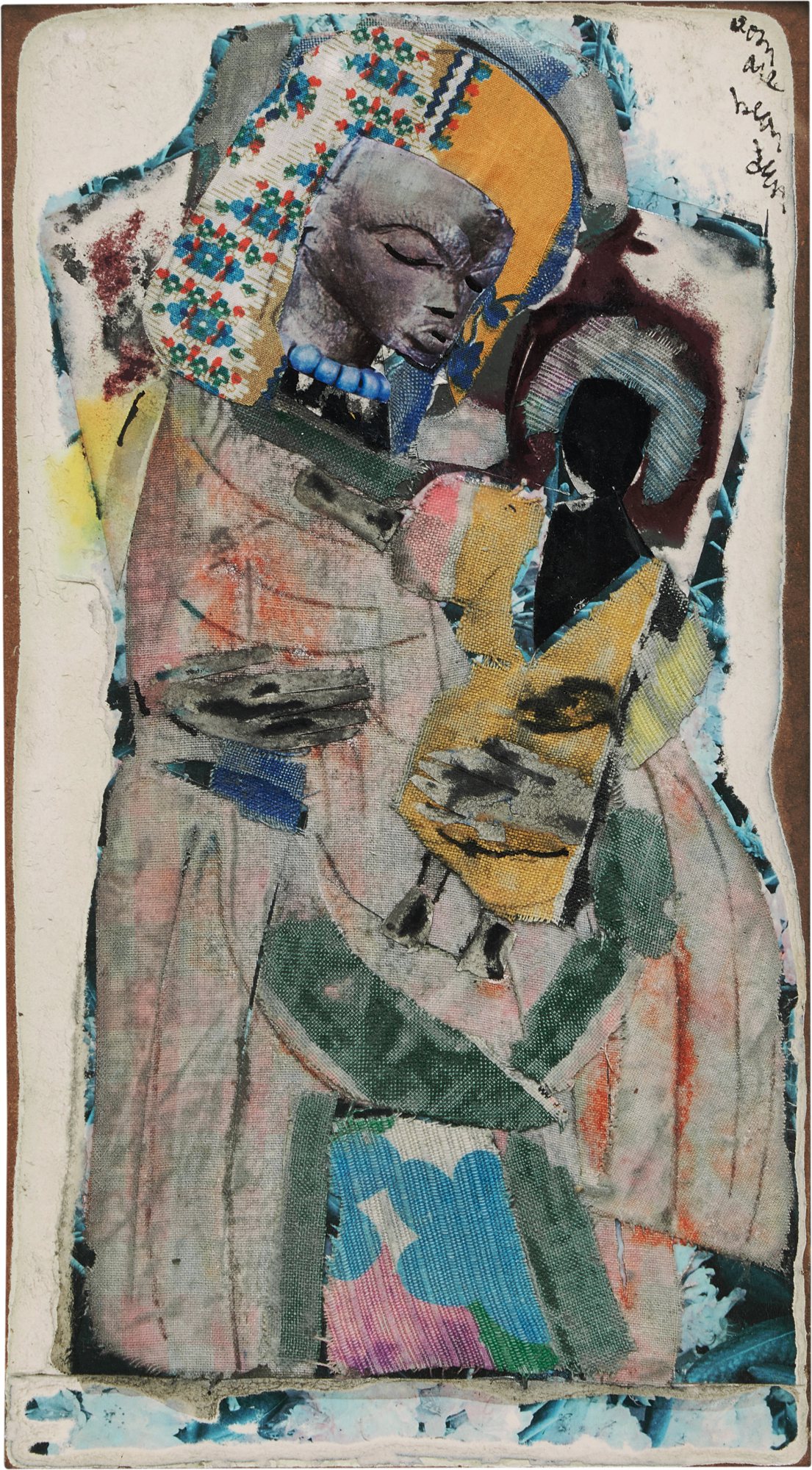
Untitled, 1988
The true breakthrough came in 1964, when Bearden gathered with a group of Black artists in Harlem to discuss civil rights and the role of African American artists in a changing America. The collective, eventually known as Spiral, became the context in which Bearden began cutting and assembling photographs from magazines, creating small photomontages that he initially photographed and enlarged. The resulting works, exhibited at the Cordier and Ekstrom Gallery in New York in 1964 under the title Projections, announced an entirely new artistic voice. Collage, in Bearden's hands, was not assemblage for its own sake.
“Art celebrates a victory. The things I want to show are universal values that can be appreciated by everyone.”
Romare Bearden
It was a way of thinking about fragmentation and wholeness, about the layered and discontinuous nature of memory and Black American experience, about the way a life is composed of pieces that never quite resolve into a single smooth surface. The works that followed over the next two decades represent one of the richest sustained bodies of work in postwar American art. The Block, completed in 1971 and now held by the Metropolitan Museum of Art in New York, unfolds across six panels to render a Harlem street with the compressed vitality of a neighborhood fully alive: storefronts, rooftops, figures caught mid gesture, the whole urban world rendered in torn magazine imagery and painted paper. His Jazz series of the late 1970s and early 1980s celebrated the musicians whose sound had shaped his childhood, translating improvisation into visual terms with a brilliance that feels genuinely reciprocal rather than illustrative.
Romare Bearden
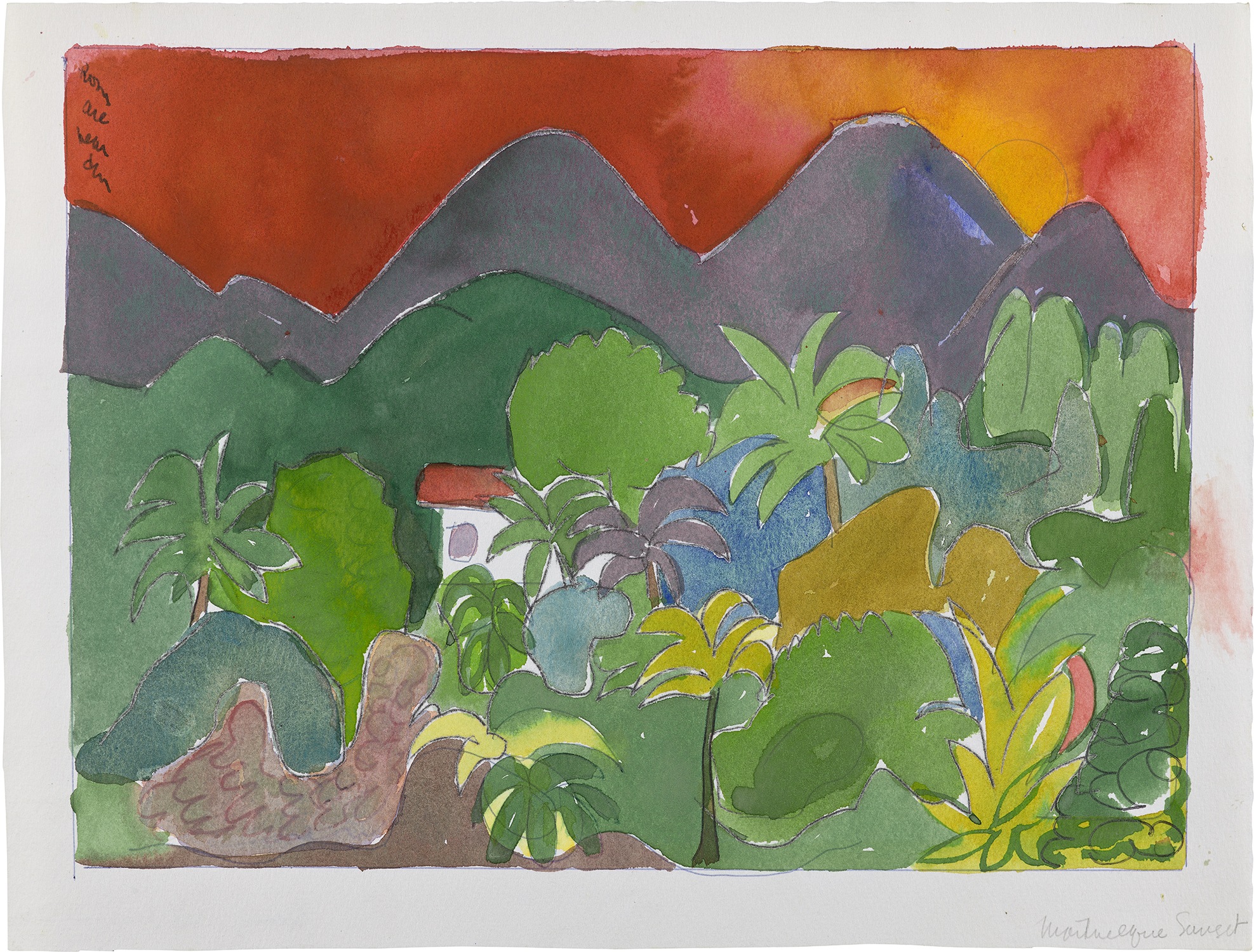
Martinique Sunset, 1976
Works like Encore from 1980, combining collage and mixed media on masonite, carry the rhythmic syncopation of bebop into purely visual experience. His Caribbean landscapes, inspired by travels to the island of Saint Martin where he spent significant time later in life, brought luminous watercolor and a dreamlike warmth to his already rich formal vocabulary. For collectors, the range and consistency of Bearden's production across mediums makes him a genuinely rewarding subject of sustained engagement. His collages on board represent the core of his achievement, but his works on paper, including watercolors, graphite drawings, and mixed media pieces, offer access to his process and his sensibility in ways that feel intimate and revelatory.
Works from his Caribbean period, such as Martinique Sunset from 1976 and Rain Forest Martinique from the same year, demonstrate the extraordinary delicacy of his touch as a colorist, qualities that can be obscured when his work is discussed primarily in social and historical terms. His screenprints, including Caribbean Landscape and Jazz II produced in collaboration with master printmakers, brought his imagery to a broader audience and remain highly sought by collectors building thoughtful holdings. At auction, major collages from the late 1960s through the 1980s regularly achieve six and seven figure results, with institutional competition keeping prices for significant works firmly elevated. Bearden's place in art history sits at a genuinely productive intersection.
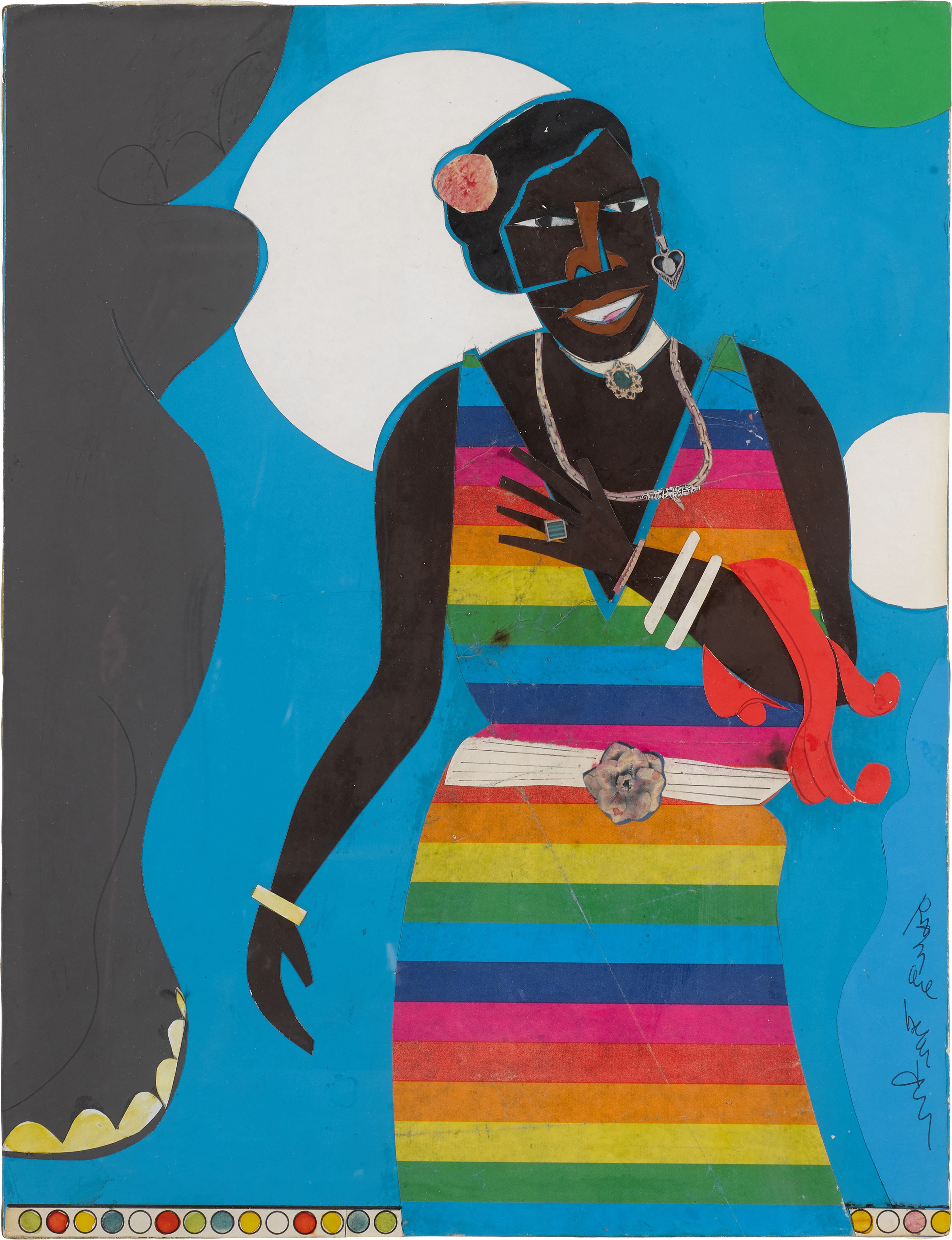
Romare Bearden
Encore (from the Jazz series), 1980
His engagement with Cubism and with Matisse's cut paper works connects him to the great formal experiments of European modernism, while his subject matter and social consciousness place him firmly within an African American cultural tradition running from the Harlem Renaissance through the Black Arts Movement. Collectors who admire Jacob Lawrence for his narrative compression, or Alma Thomas for her chromatic invention, or the social engagement of Elizabeth Catlett will find in Bearden an artist who shares their ambitions and surpasses none of them in depth of achievement. He was equally admired by Abstract Expressionist peers and by figuration committed artists, a position of rare bridge building within a contentious art world. What endures most powerfully about Bearden is the quality of his attention to ordinary life rendered extraordinary.
Mothers and daughters, musicians in smoky rooms, women in gardens, men on stoops, children watching the world from windows: these are the subjects he returned to across decades because he understood them to carry, when looked at with sufficient care and love, the full weight of human experience. His late work, including the acrylic and fabric collages he was completing almost until his death in March 1988, shows no diminishment of that attention. To collect Bearden is to invest in a vision of American life that is more honest, more generous, and more visually alive than almost any other available. He made the world larger by insisting on the fullness of lives that others had rendered invisible, and the best way to honor that insistence is to live with the work.
Explore books about Romare Bearden
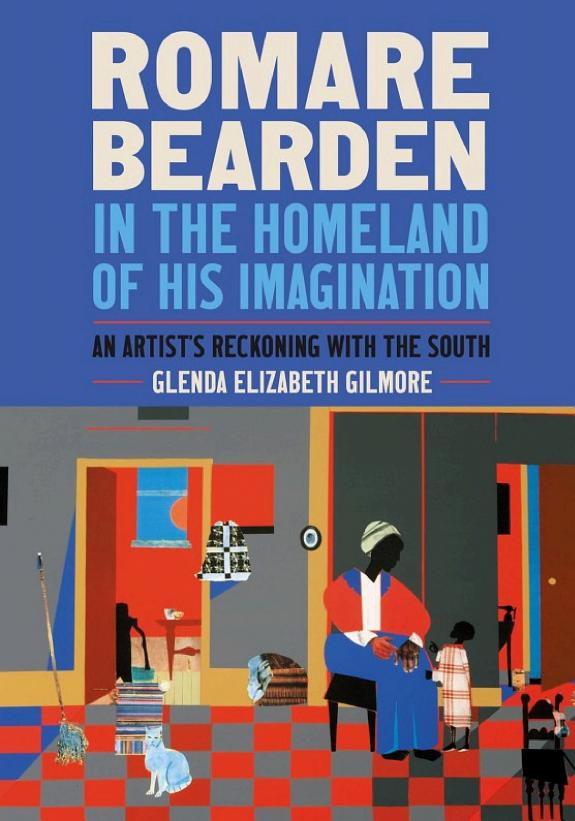
Romare Bearden: A Black Odyssey
Myron Schwartzman
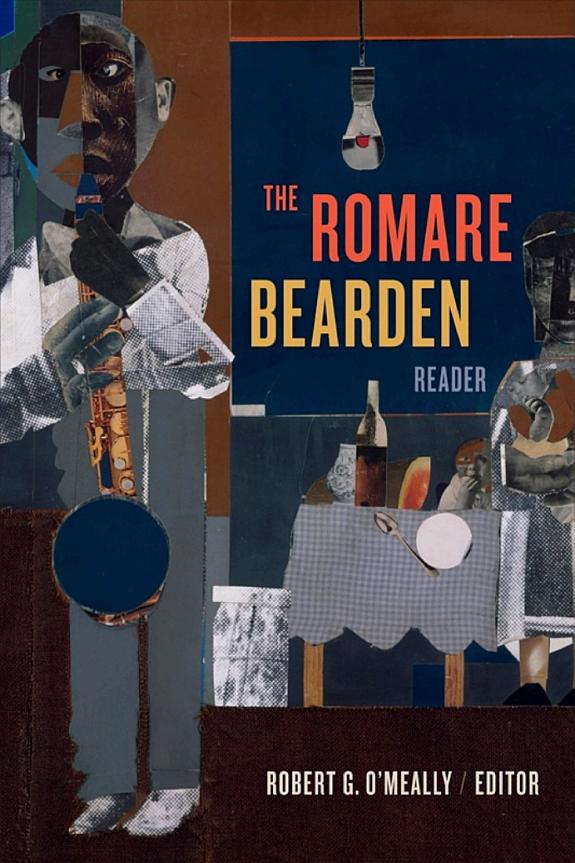
Romare Bearden (1911-1988)
Alvia Wardlaw
The Art of Romare Bearden
Carroll Greene Jr.
Romare Bearden: Collage
Ruth Fine

Romare Bearden: An American Master
Graham W. J. Beal
The Prevalence of Ritual: A Thousand Celebrations of 3 X 4 Feet
Romare Bearden and Harry Henderson
Romare Bearden: Origins and Progressions
Paul Thalheimer

Six Black Masters of American Art
Elton C. Fax