Roberto Obregón
Roberto Obregón, Time Made Visible
Artist Spotlight · The Collection Editorial
There is a particular kind of artist whose work seems to grow more urgent with each passing year, whose ideas about memory and material feel less like aesthetic choices and more like prophecy. Roberto Obregón was that kind of artist. Born in Venezuela in 1946 and active across decades that saw Latin American art move from the margins of the international conversation to its very center, Obregón built a practice rooted in transformation, impermanence, and the strange persistence of things we assume are lost. His death in 2019 marked the close of a singular career, and yet the years since have brought a quiet, sustained reappraisal of his work, with institutions and collectors recognizing in his experiments with organic materials and photographic processes a vision that was, in many ways, ahead of its moment.
Roberto Obregón
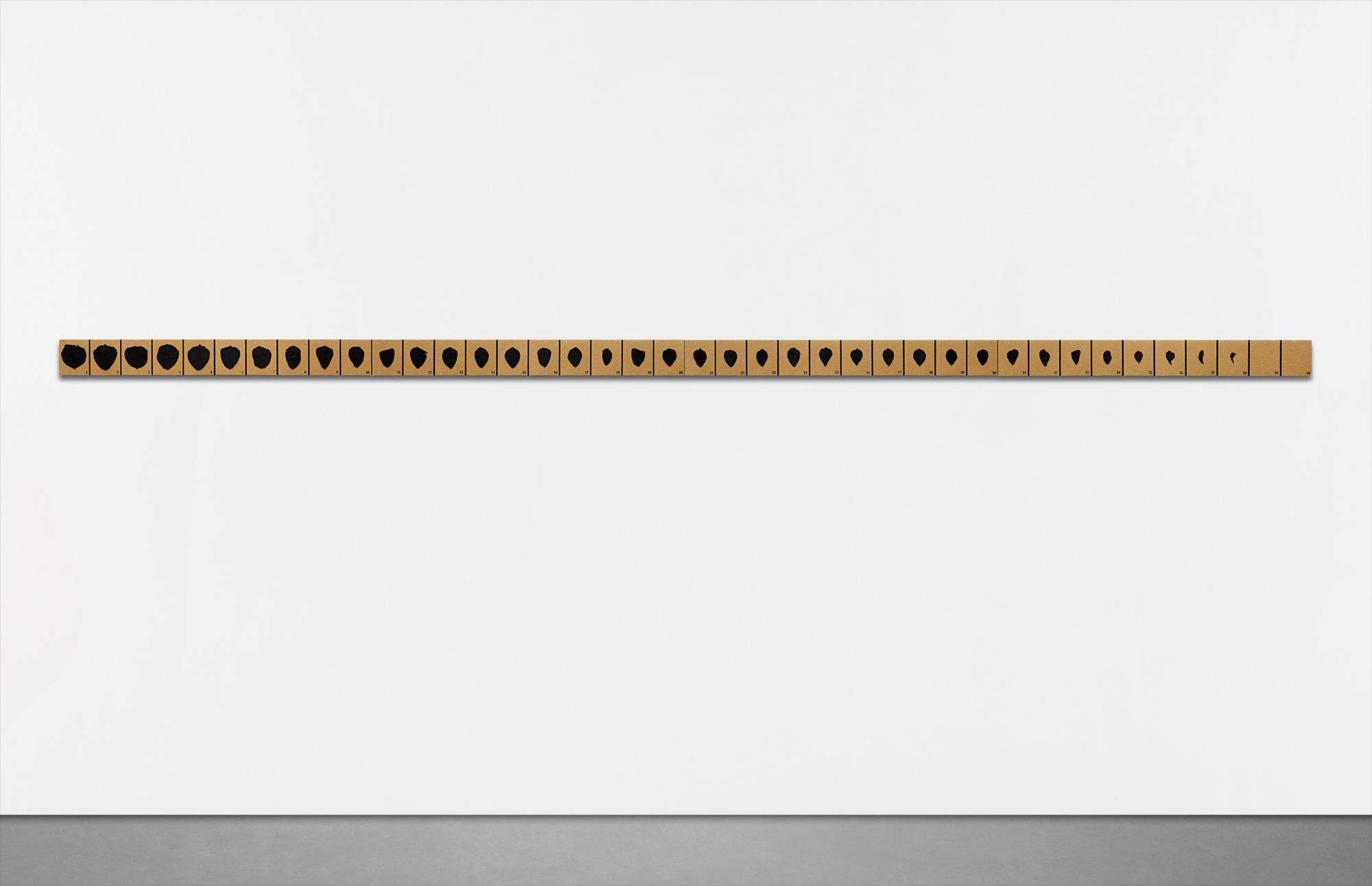
Disección
Venezuela in the postwar decades was a country in the middle of its own transformation. The oil economy had reshaped Caracas into a modernist city of ambition, and the cultural institutions that grew alongside that prosperity were genuinely adventurous. The Museo de Bellas Artes and the broader ecosystem of galleries and cultural centers in Caracas were engaged with international currents in ways that might surprise those who think of Latin American art primarily through the lens of muralism or magical realism. Obregón came of age in this context, absorbing the legacy of European conceptualism and Kinetic art, a movement in which Venezuela had already produced world figures like Jesús Rafael Soto and Carlos Cruz Diez.
But where those artists pursued the optical and the kinetic, Obregón turned inward, toward process, toward time itself as a medium. His artistic development followed a trajectory that placed him firmly within the international conceptual art movement while maintaining a sensibility that was distinctly his own. Working with photography, rubber, ink, organic materials, and mixed media processes, he developed a body of work that used the mechanics of transformation as its central subject. Rather than depicting change or representing decay, Obregón staged it, creating conditions in which materials would shift, react, and record themselves over time.
Roberto Obregón
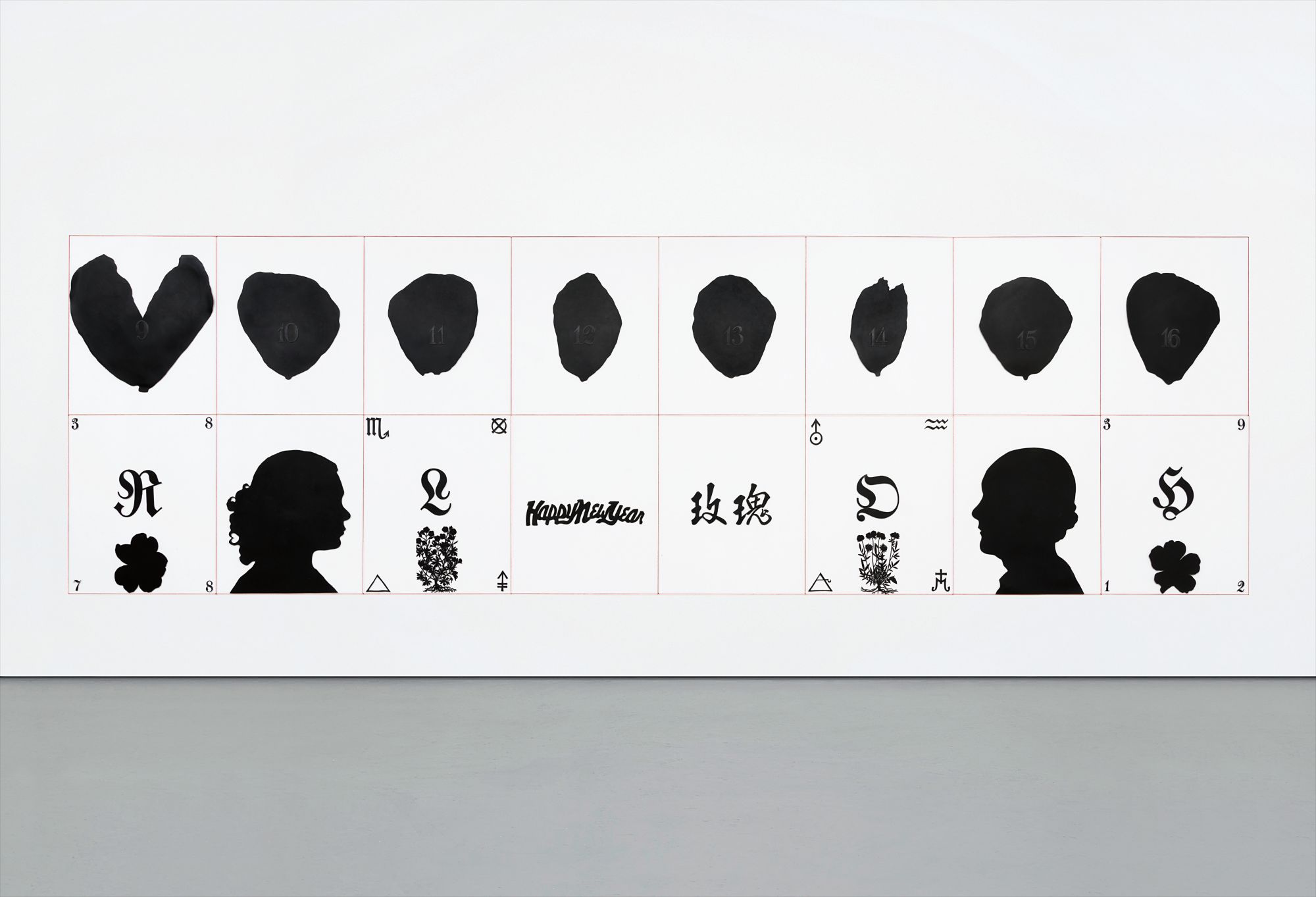
Niagara II (Ele Erre y Hache O)
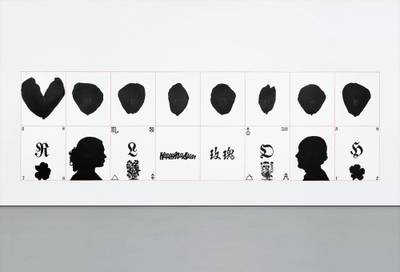
This interest in process over object, in duration over the static image, aligned him with figures like Robert Smithson and Hans Haacke, artists who were similarly preoccupied with entropy and the passage of time as active forces rather than background conditions. Obregón's work carried its own regional and cultural specificity, however, grounded in a Latin American intellectual tradition that had long understood time and memory not as abstract philosophical problems but as lived, political realities. Among his most compelling works is "Disección," a piece executed in rubber and ink on particle board and presented in four parts. The work exemplifies his approach with precision.
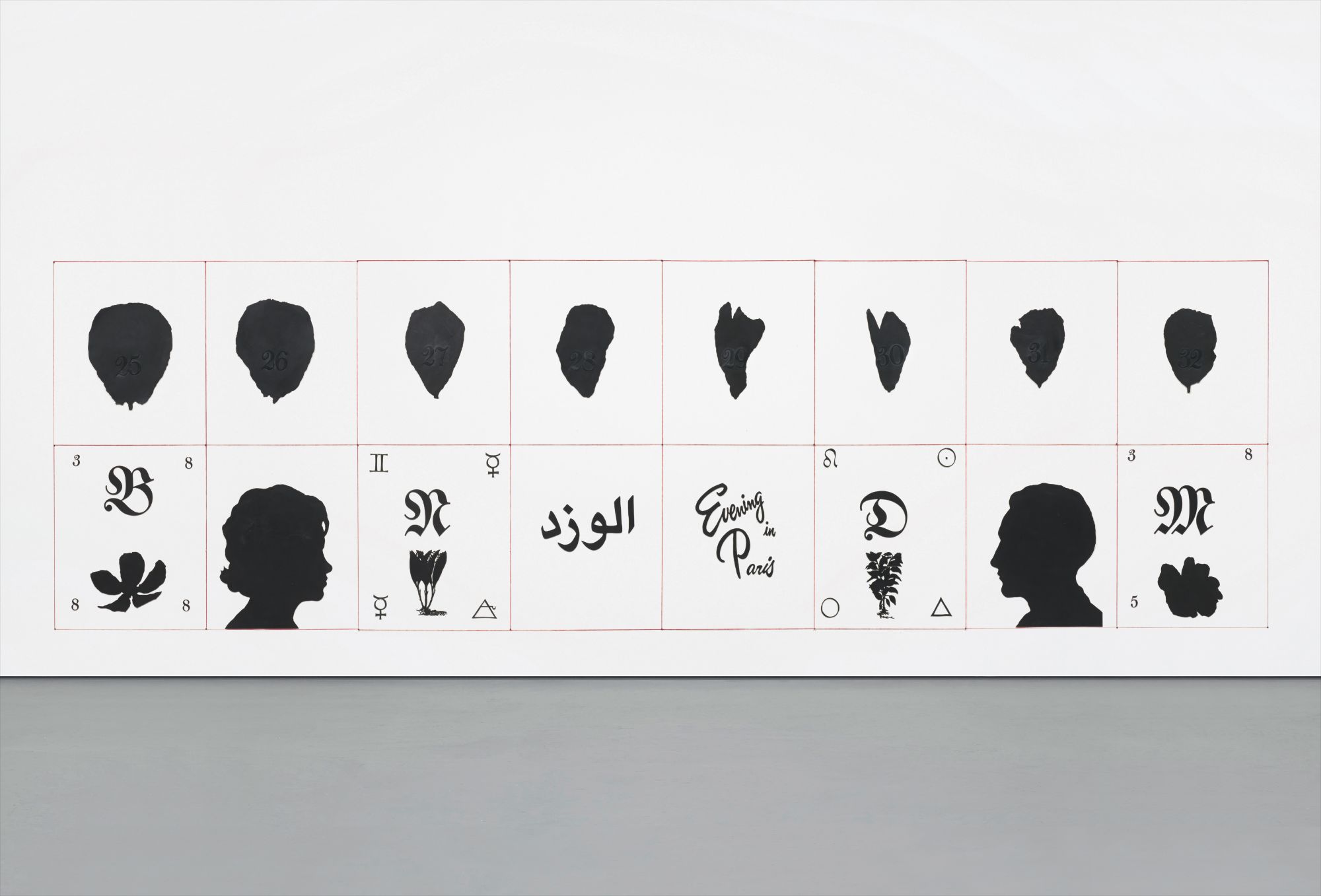
Rubber is a material with deep associations in the Americas, a substance extracted, traded, and transformed across centuries of economic history, and Obregón deploys it with full awareness of those resonances. The four part structure creates a kind of visual argument, each panel a stage in an unfolding process, inviting the viewer to read time spatially. His works "Niagara II (Ele Erre y Hache O)" and "Ene Eme y Ene De" demonstrate another dimension of his practice, works in which language itself becomes material. The titles, spelling out letters phonetically in Spanish, dissolve proper nouns into pure sound, gesturing toward meaning while simultaneously withholding it.
Roberto Obregón
Ene Eme y Ene De
This linguistic play connects Obregón to a broader tradition of Latin American conceptualism that engaged seriously with semiotics and the instability of signs. For collectors, Obregón's work presents a genuinely compelling proposition. His output was not large in commercial terms, as his practice prioritized experimentation over production, and works that have entered private and institutional collections tend to remain there. The relative scarcity of his work on the primary and secondary markets is matched by a growing critical consensus around his importance within Latin American modernism and conceptual art.
Collectors drawn to artists who worked at the intersection of photography, materiality, and ideas will find in Obregón a figure who navigated that territory with rare intelligence. His work holds particular appeal for those who have built collections around Arte Povera or process based American art of the 1960s and 1970s, as his concerns rhyme closely with those traditions while offering a perspective that is genuinely distinct. To place Obregón within art history is to see him in productive dialogue with several generations of thinkers and makers. His Venezuelan roots connect him to the extraordinary Kinetic art tradition that Soto and Cruz Diez established, though his response to that inheritance was to question its faith in the optical and the immediate.
His engagement with photography as a medium for tracing rather than depicting aligns him with conceptual photographers working internationally during the same period. And his use of organic and industrial materials in states of transformation invites comparison with Arte Povera figures such as Jannis Kounellis and Mario Merz, artists who similarly asked what happens when the materials of ordinary life are allowed to behave according to their own logic. Within Latin America, he stands alongside figures like Luis Camnitzer and Cildo Meireles as an artist who used conceptual strategies to engage with questions of cultural identity, historical memory, and political reality without reducing his work to illustration. What Obregón leaves behind is a body of work that asks us to slow down and pay attention to processes we ordinarily ignore.
In a cultural moment saturated with images and objects produced for immediate consumption, his practice of staging transformation, of making visible the work that time does on materials and on memory, feels not only relevant but necessary. His work reminds collectors and viewers alike that the most durable art is often that which takes impermanence as its subject, that in watching something change we learn something essential about what it means to look and to remember. The ongoing reexamination of Latin American conceptualism continues to bring artists like Obregón into sharper focus, and there is every reason to believe that the next decade will see his reputation consolidated further among the figures who defined what contemporary art could be.