Robert Thornley
Robert Thornley, Painter of England's Quiet Light
Artist Spotlight · The Collection Editorial
There are artists who chase the grand gesture, and there are those who understand that the truest poetry lives in the ordinary. Robert Thornley belonged emphatically to the second company. Born in 1915 and working through some of the most turbulent decades of the twentieth century, Thornley turned his attention not to upheaval but to the enduring rhythms of the English countryside, finding in its hedgerows, meadows, and gentle horizons a subject worthy of a lifetime's devotion. Today, as collectors and curators increasingly reassess the rich middle ground of British modernism, the work of painters like Thornley commands fresh attention and genuine respect.
Robert Thornley
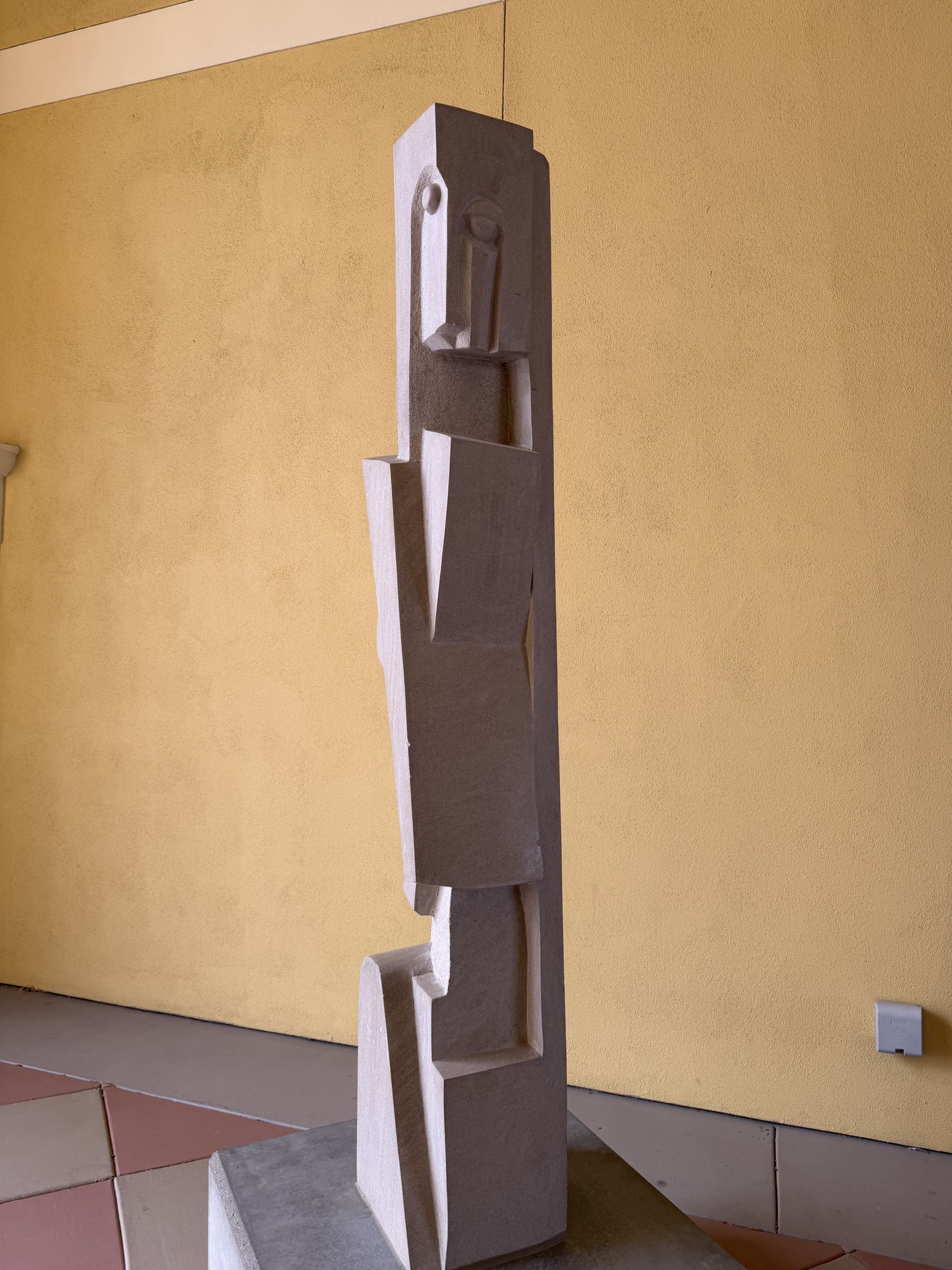
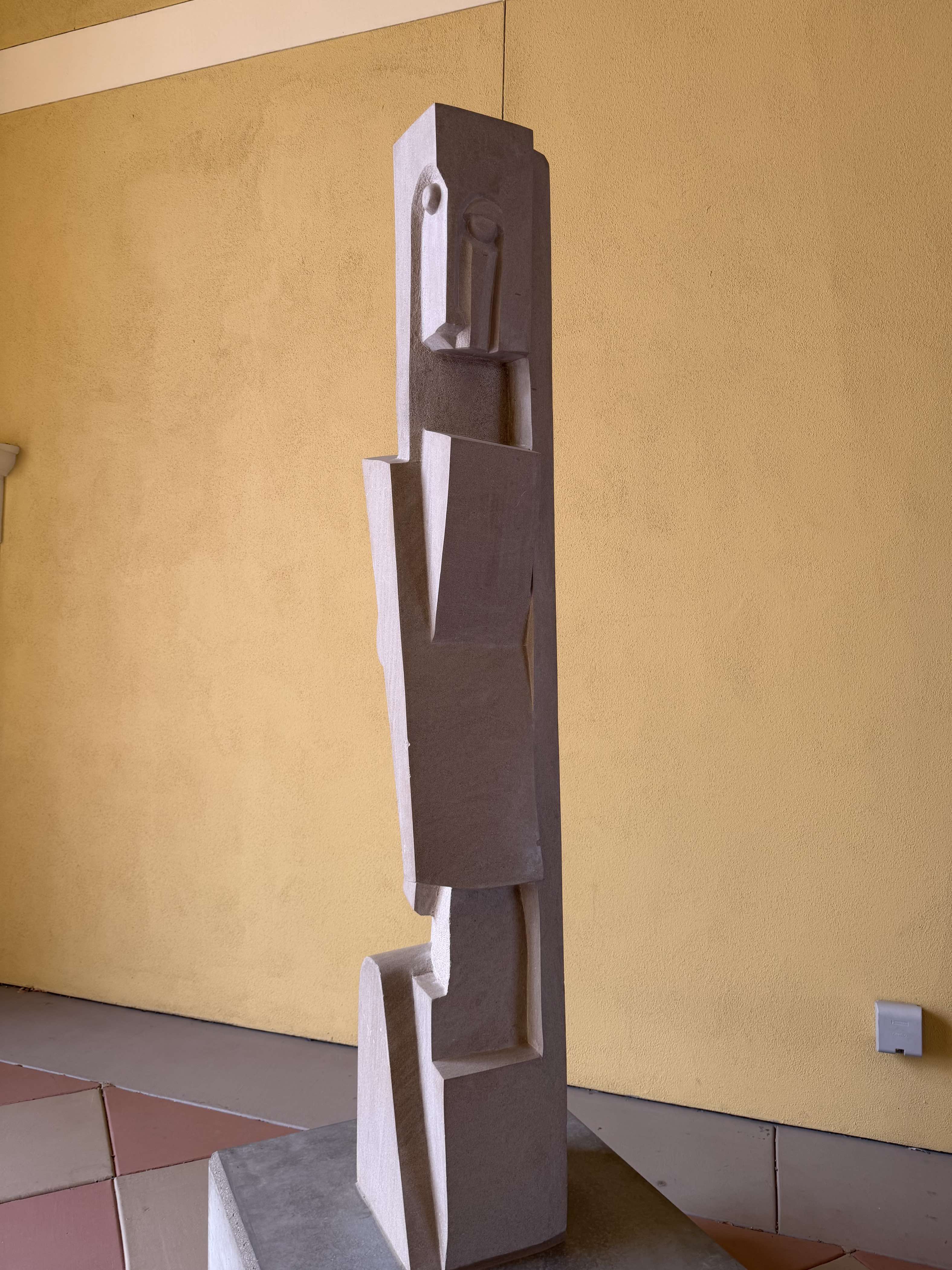
Friends of the Heart, 2005
Thoroughly shaped by the cultural world of interwar Britain, Thornley came of age at a moment when the landscape tradition still carried enormous moral weight. The generation before him had witnessed figures like Walter Sickert, Wilson Steer, and the artists of the Newlyn School transform the way British painters engaged with observed reality. Thornley absorbed these lessons deeply, drawing on the Impressionist attention to transient light while remaining rooted in the sturdier, more earthbound sensibility that characterises British painting at its most honest. The countryside was not merely scenery for him.
It was a living subject, something that breathed and changed with the seasons and the hours of the day. His working method reflected this seriousness of purpose. Thornley worked primarily in oils and watercolours, two traditions that demanded very different disciplines and rewarded very different virtues. In oils he could build and layer, constructing a surface that held complexity and depth, while watercolour demanded confidence and immediacy, a willingness to commit to a mark and let the medium do some of the thinking.
That Thornley moved fluently between both speaks to a painter of genuine technical range. His pastoral scenes in particular demonstrate an unusual sensitivity to atmosphere, capturing the particular quality of light over an English field in early morning or late afternoon in ways that feel observed rather than imagined. The question of influence is always interesting with a painter of Thornley's generation and temperament. He worked in a tradition that stretched back through John Constable and J.
M.W. Turner, through the Victorian watercolourists, through the Edwardian plein air movement, and forward into the quieter strands of British modernism that never entirely abandoned representation. Collectors and scholars who look closely at his work will find echoes of these connections, but also something distinctly his own: a compositional instinct that valued stillness over drama, and a palette that found richness in subtlety rather than spectacle.
These are not qualities that announce themselves loudly. They reward sustained looking. Among the works associated with Thornley, "Friends of the Heart" occupies a particularly intriguing position. Executed in limestone, it represents a departure from the painted surfaces that defined most of his career, and invites reflection on how artists of his generation sometimes moved across disciplines in ways that conventional art historical categories can obscure.
The title itself has the quality of a quiet declaration, speaking of connection, warmth, and the bonds that sustain a life in art. For collectors encountering this work, it offers an entry point into the sensibility of a painter who understood that making art was, at its core, an act of attention and of care. From a market and collecting perspective, artists of Thornley's period and orientation represent one of the genuinely rewarding areas for thoughtful acquisition. The mid twentieth century British landscape and figurative tradition has been subject to sustained critical and commercial reassessment over the past two decades, with figures who were once considered purely regional or conservative now recognised as sophisticated contributors to a broader international conversation about representation and observation.
Collectors who position themselves early in this reassessment tend to build collections of both cultural depth and long term value. With Thornley, the appeal is the authenticity of vision, a painter who worked without apparent anxiety about fashion and left behind work that carries the authority of genuine conviction. To place Thornley properly within art history is to understand the particular achievement of a certain kind of British painter, one who held to the value of looking carefully at the world and rendering what was seen with skill and feeling. His closest comparisons might be found among painters like Edward Seago, whose sensitivity to East Anglian light shares something of Thornley's atmospheric delicacy, or the quieter works of Rowland Hilder, whose pastoral compositions demonstrate a similar dedication to the poetry of the ordinary English scene.
These were painters who understood that there was nothing small about their ambitions, even if those ambitions expressed themselves in intimate subjects and measured scales. The legacy of Robert Thornley, who died in 1976, is still being properly understood. He worked in a period that produced enormous variety within the British tradition, and the full richness of that variety is only now receiving the scholarly and collecting attention it deserves. For those who discover his work today, there is the particular pleasure of encountering a painter whose priorities feel increasingly relevant in a cultural moment that values authenticity, craft, and a deep engagement with place.
Thornley gave his working life to the English landscape, and the English landscape, rendered through his particular eye and hand, repays that devotion with interest. To collect his work is to participate in the ongoing act of keeping a genuine artistic vision alive.