Robert Polidori
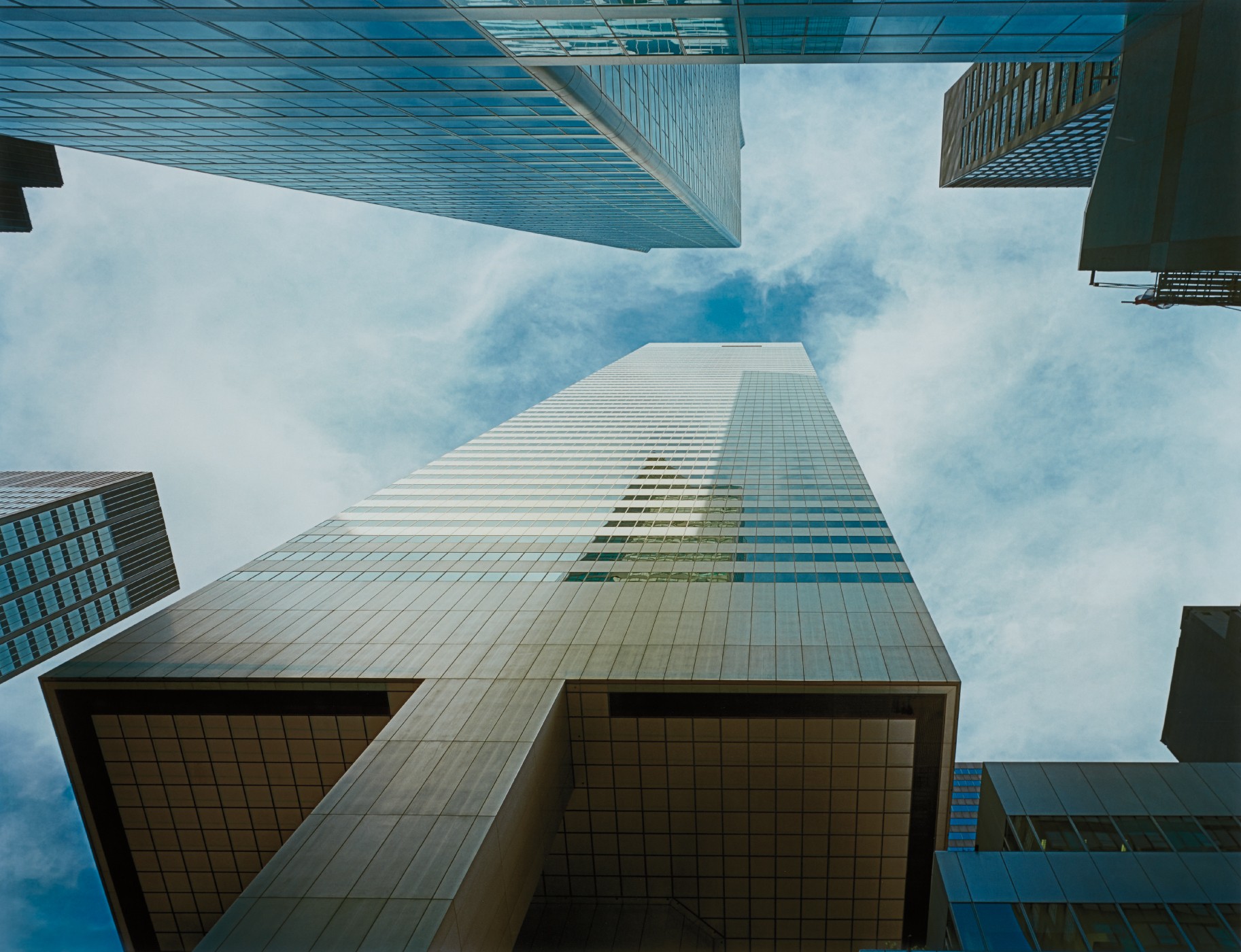
Robert Polidori: Witness to Time's Beautiful Remains
Artist Spotlight · The Collection Editorial
“Buildings are biographical. They have their own lives, their own memories.”
Robert Polidori, interview with The New Yorker
When the Musée du Louvre and major international institutions began reconsidering how photography could serve as serious historical document, Robert Polidori was already decades ahead of that conversation. His long association with The New Yorker, where his images have appeared with consistent regularity since the 1990s, cemented his reputation not merely as a photographer but as a cultural archivist of the highest order. In recent years, sustained interest from museum collections and the secondary market alike has brought renewed attention to a body of work that feels, if anything, more urgent now than when it was first made. Polidori was born in Montreal in 1951, and his early formation was shaped by a restless intellectual curiosity that resisted easy categorization.
Robert Polidori
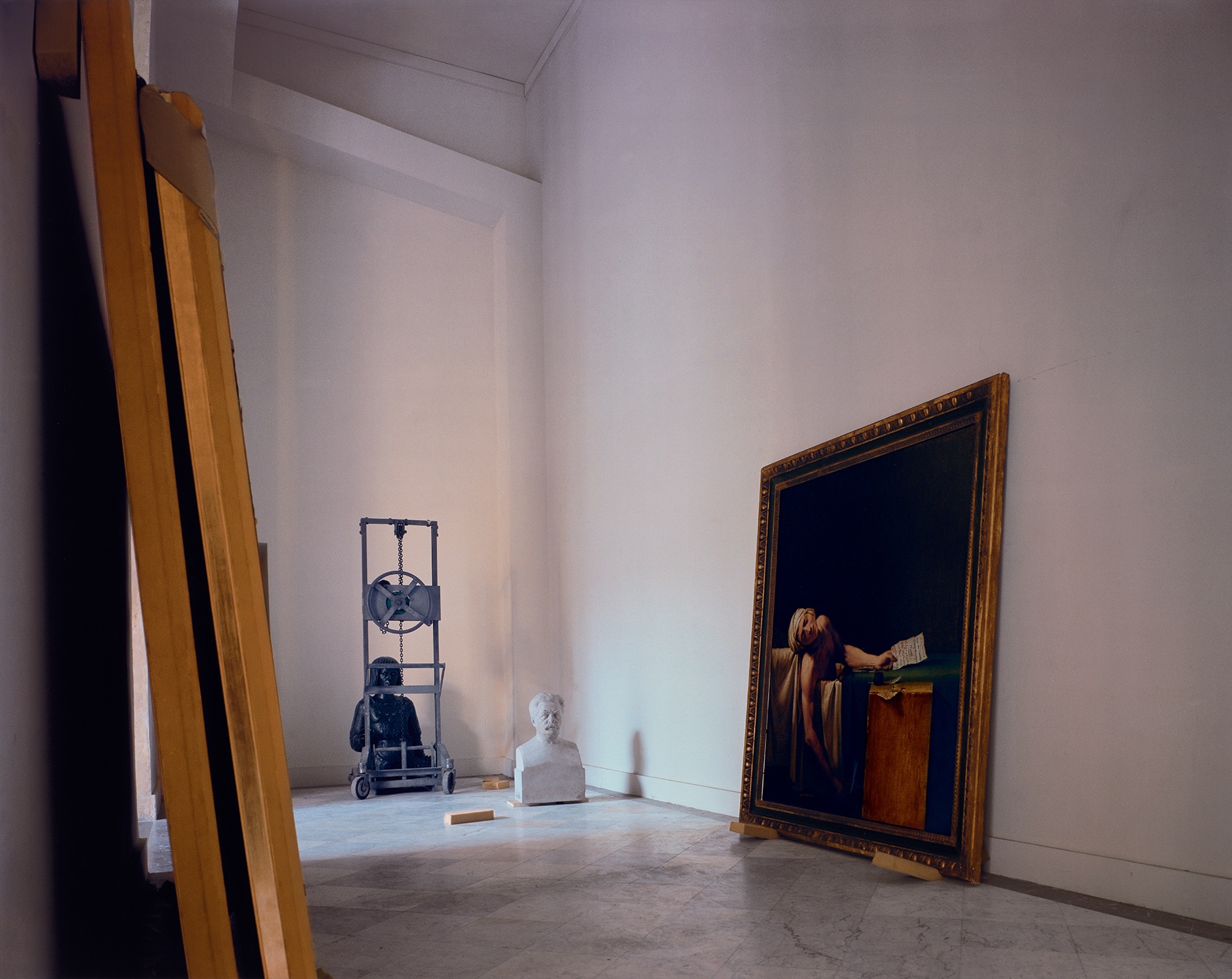
Death of Marat, Rez-de-Chaussée, Château de Versailles
He studied film at the University of Quebec and later in New York, and that cinematic sensibility never left him. His eye was always drawn to the frame as a stage, to interiors as actors carrying the weight of everything that had happened within their walls. Before establishing himself as a photographer, he worked as an assistant to avant garde filmmaker Jonas Mekas in New York, an experience that deepened his understanding of time as a subject, not merely a backdrop. His photographic practice took root in the 1980s when he began his monumental project documenting the restoration of the Château de Versailles.
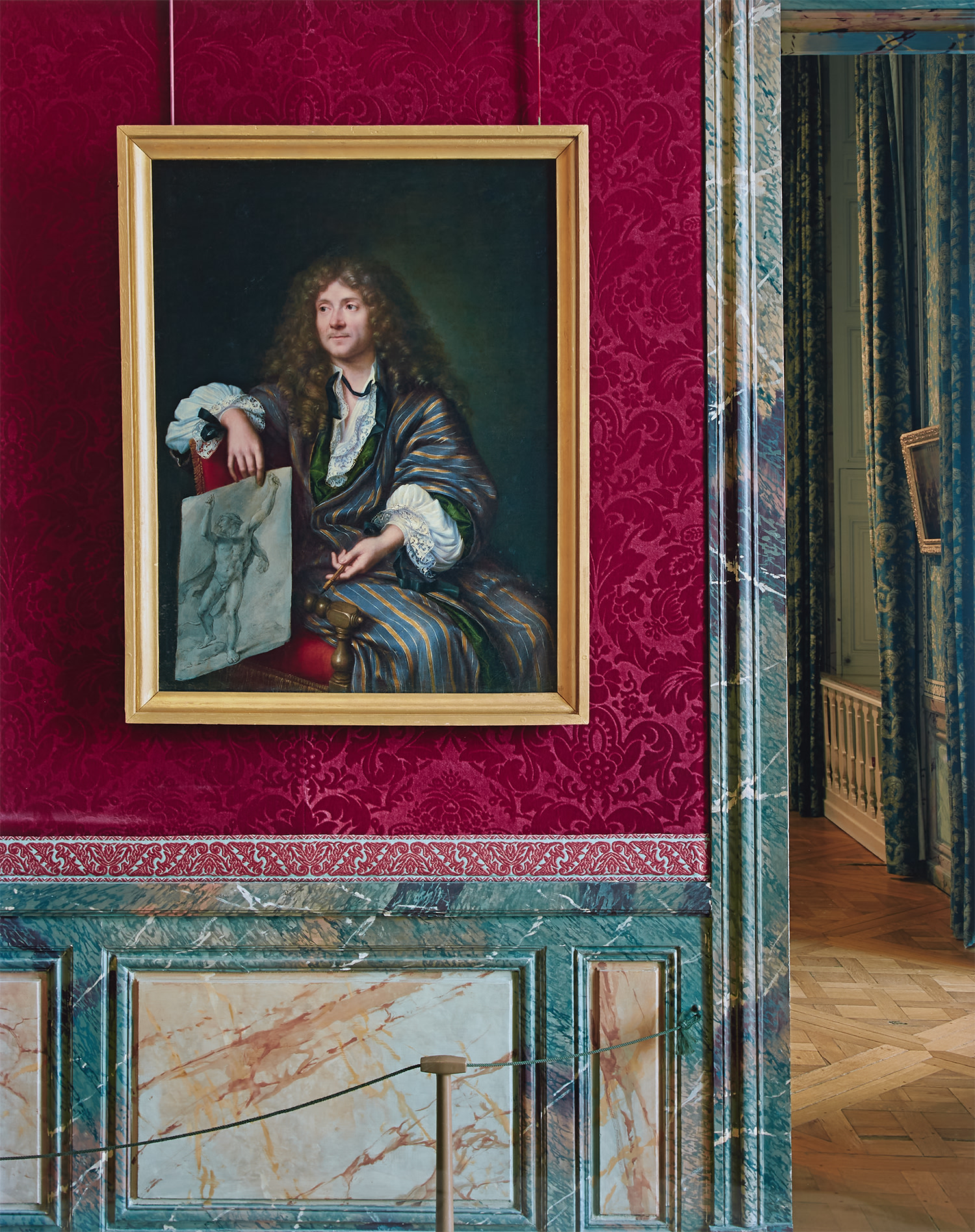
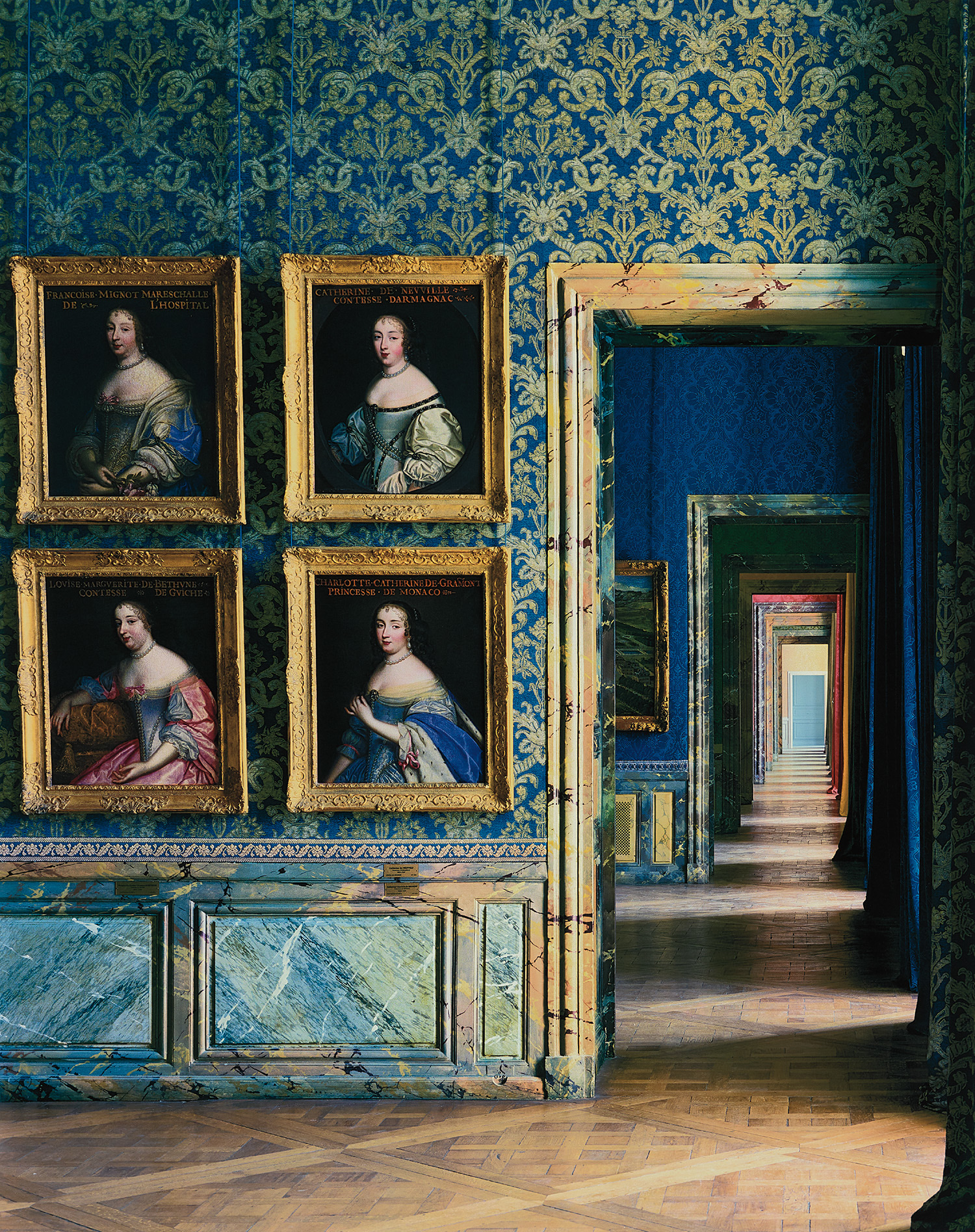
This was not a commission driven by nostalgia or mere aesthetic appreciation. Polidori was drawn to Versailles precisely because it was in motion, caught between states of grandeur and repair, between the authority of history and the indignity of deterioration. He returned to the palace over the course of many years, producing images that rank among the most formally extraordinary architectural photographs ever made. Works such as Cabinet de Beautées and Reserves des Bustes, both chromogenic prints that appear in distinguished private collections, demonstrate his mastery of light and his ability to find within a single interior an entire argument about power, beauty, and impermanence.
Robert Polidori
Salle la création de l'académie de Peinture et de sculpture, (II) ANR.01.011, Sale du XVII, Aile du Nord - RDC, Château de Versailles, France
The Versailles project gave way to equally ambitious undertakings. Polidori brought his large format camera to Havana, producing a body of work that captured the Cuban capital in a state of suspended animation, its colonial architecture both luminous and exhausted. His photograph of the Teatro Capitolo, later known as Campoamor, on Industria 411 in Habana Vieja is a masterclass in his approach: the building is not a ruin, nor is it intact, but exists in some third state that feels genuinely alive. Then came Chernobyl, and then, with tremendous emotional consequence, post hurricane New Orleans in 2005.
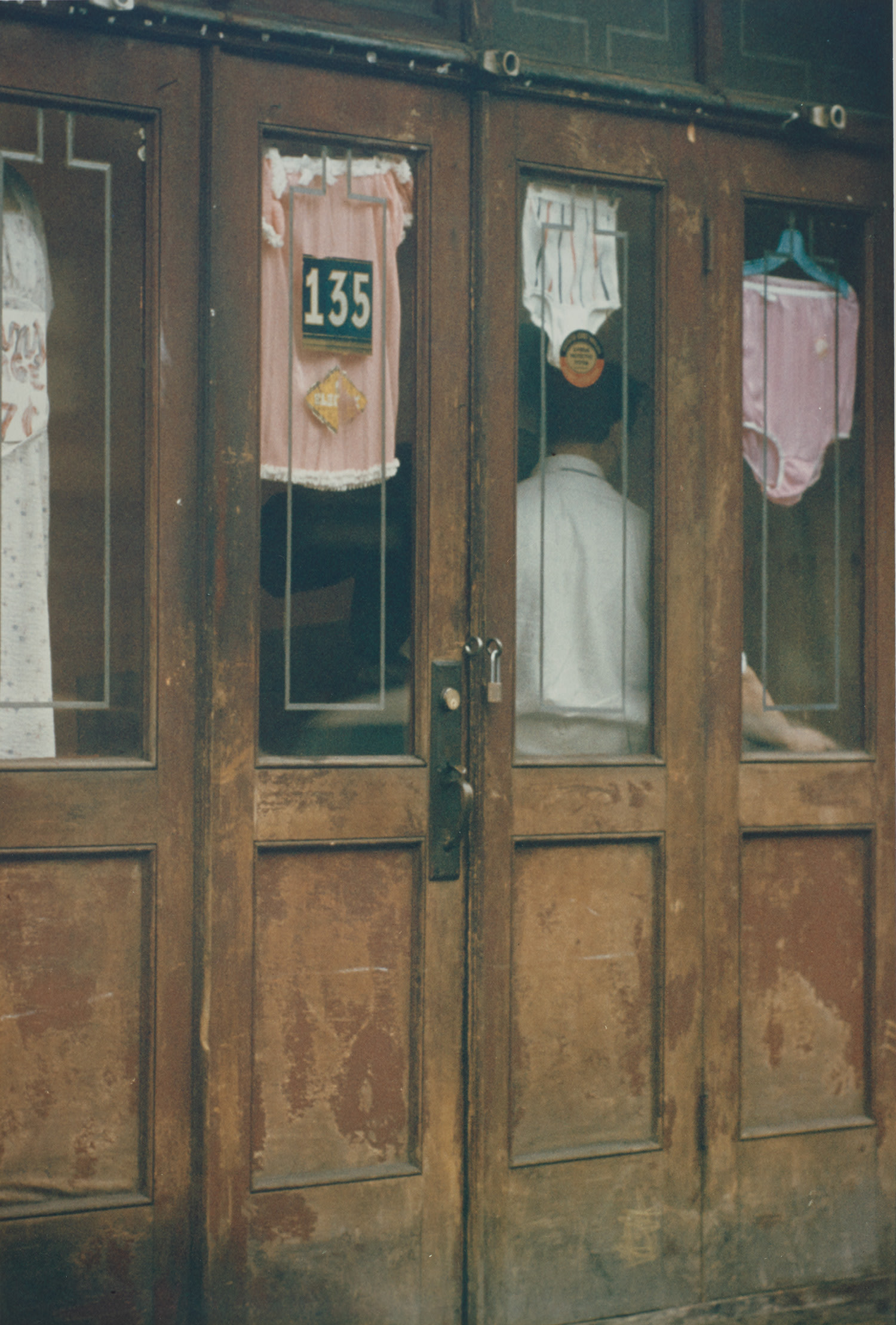
The New Orleans images, including searing works such as 5417 Marigny Street and 2732 Orleans Avenue, were published in The New Yorker and later exhibited widely, bringing Polidori to a broader public who recognized in those flooded, abandoned interiors something both particular to that disaster and universal to the human condition. What distinguishes Polidori from his contemporaries is the quality of his attention. He shoots on large format film, a commitment that demands patience and produces images of extraordinary tonal depth and resolution. His chromogenic and archival pigment prints are objects of considerable physical presence.
Robert Polidori
5417 Marigny Street, New Orleans
Standing before a Polidori at full scale, the viewer is not looking at a record of a place but inhabiting it. The absence of people in his images is never melancholy for its own sake. It is instead a formal strategy that allows architecture and interior space to speak as primary subjects, unburdened by the distraction of human figures. His image of the Kuwait Stock Exchange, a chromogenic print mounted and held in private collections, extends this sensibility beyond the expected European or postcolonial contexts and into the global landscape of institutional power and its material culture.
For collectors, Polidori's work presents a compelling case on both aesthetic and market grounds. His editions are typically small, often limited to ten prints plus artist's proofs, and works that passed through major auction houses in the 2000s and 2010s established a firm and rising market. Works from the Versailles and New Orleans series in particular attract serious attention at auction and through private sale. The Death of Marat, Rez de Chaussée, Château de Versailles, a signed work numbered from an edition of ten plus artist's proofs, is among the most sought after of his Versailles images, combining his architectural mastery with an almost theatrical reference to art history.
Robert Polidori
Cabinet de Beautées, Château de Versailles
Collectors are drawn to Polidori because his work rewards long acquaintance. These are not images that exhaust themselves on first viewing. They deepen over time, which is perhaps the most reliable quality to look for in any photographic work intended for a serious collection. In the broader context of art history, Polidori occupies a singular position that connects documentary photography's ethical imperatives with the formal ambitions of fine art photography.
His work invites comparison with photographers such as Andreas Gursky, whose large scale architectural images similarly interrogate space and human systems, and with the Düsseldorf School tradition more broadly. He shares with Candida Höfer an obsessive focus on institutional interiors and with Joel Sternfeld a deep commitment to America's social landscape as photographic subject. Yet Polidori's practice has a literary quality that sets it apart, a sense that each image is a chapter in a longer meditation on what civilizations build, neglect, and eventually lose. Polidori's legacy is already secure, and it continues to grow in relevance.
At a moment when questions of preservation, climate vulnerability, historical memory, and the fate of built environments are pressing cultural concerns, his decades of sustained attention to exactly these themes feel prophetic. His images of New Orleans remind us what is at stake when infrastructure fails and communities are abandoned. His Versailles photographs remind us that even the most extravagant monuments to human ambition require constant tending. And his images from Havana and Chernobyl remind us that history does not end.
It settles into walls, accumulates in the grain of old paint, and waits for someone with the patience and the vision to bring it into the light. Polidori has spent his career being that person, and the work endures.