Rirkrit Tiravanija
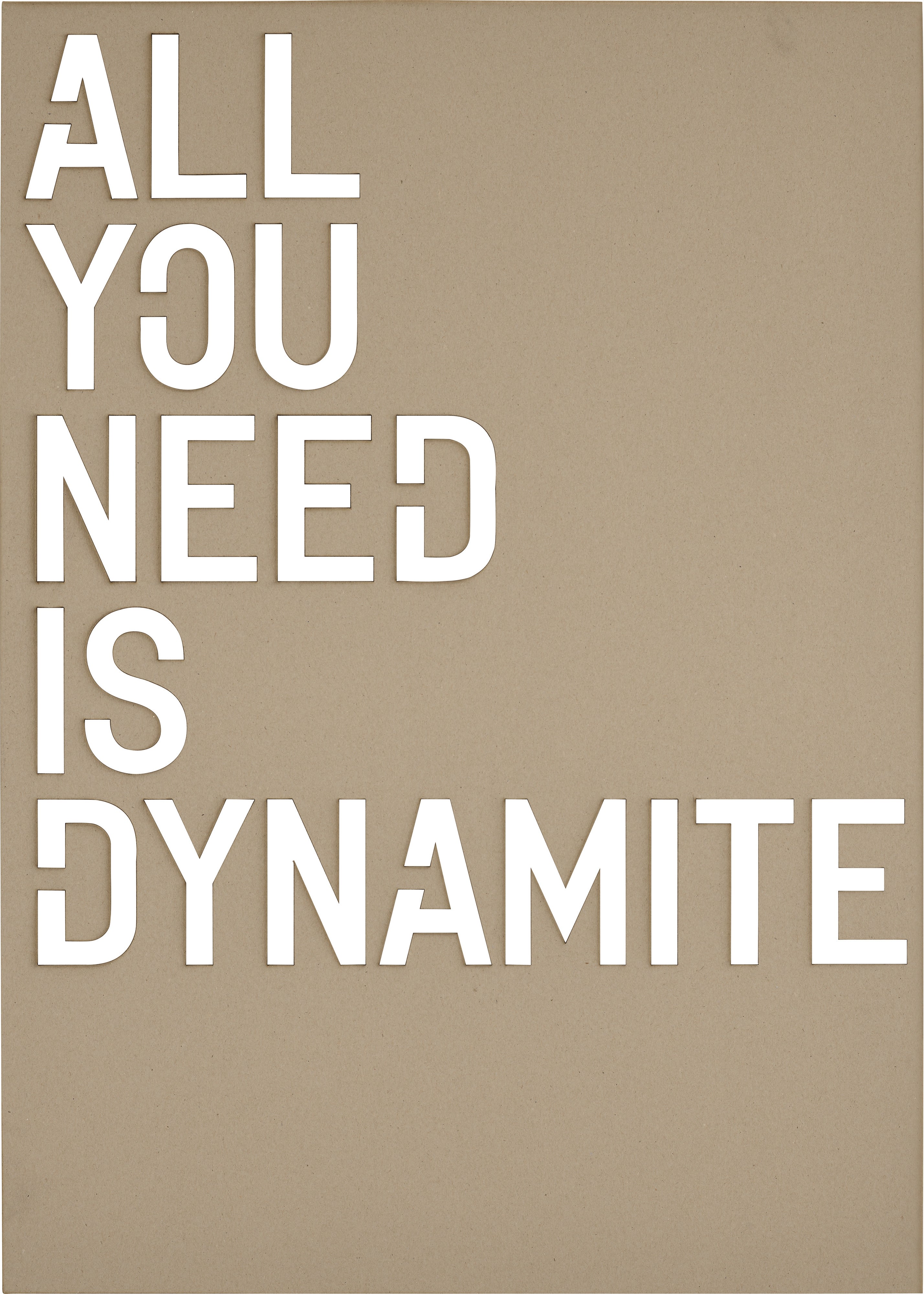
Rirkrit Tiravanija Feeds the World
Artist Spotlight · The Collection Editorial
“The work is not the food. The work is what happens between people when food is there.”
Rirkrit Tiravanija
There is a particular kind of magic that happens when Rirkrit Tiravanija enters a gallery space. The smell arrives first: garlic softening in oil, the bright steam of Thai curry, the communal warmth of something being prepared for strangers who are about to become, for an hour or an afternoon, something closer to friends. In recent years, as institutions from the Guggenheim Bilbao to the Museum of Modern Art have revisited and celebrated the foundational gestures of relational aesthetics, Tiravanija's practice has never felt more urgent or more necessary. At a cultural moment when the art world is asking hard questions about accessibility, community, and the social function of creativity, his work stands as both an answer and an invitation.
Rirkrit Tiravanija
Rirkrit Tiravanija
Rirkrit Tiravanija was born in Buenos Aires in 1961 to Thai parents, and his early life unfolded across an extraordinary geography of cultures. He grew up in Thailand, Ethiopia, and Canada, a trajectory that gave him an intimate understanding of displacement, hospitality, and the ways in which food functions as a universal language across borders. He studied at the Ontario College of Art in Toronto, then at the Banff Centre, and eventually at the School of the Art Institute of Chicago, before completing his graduate studies at the Whitney Independent Study Program in New York. This education, scattered across continents and disciplines, left its mark on a practice that would come to resist categorization from the very beginning.
The breakthrough that announced Tiravanija to the art world came in 1992 at 303 Gallery in New York, where he cooked and served Thai curry to visitors in a work that has since become legendary. He moved the gallery's storage materials into the main exhibition space and set up a makeshift kitchen, turning the white cube inside out and offering something as humble and radical as a meal. This gesture, deceptively simple and philosophically dense, asked a question that the art world is still working to answer: what if the art was not the object on the wall but the encounter between people, the exchange, the shared experience of nourishment? That show, and the series of cooking performances and installations that followed, placed Tiravanija at the center of what the critic Nicolas Bourriaud would later theorize as relational aesthetics, a movement that understood artworks not as autonomous objects but as generators of social relations.
Rirkrit Tiravanija
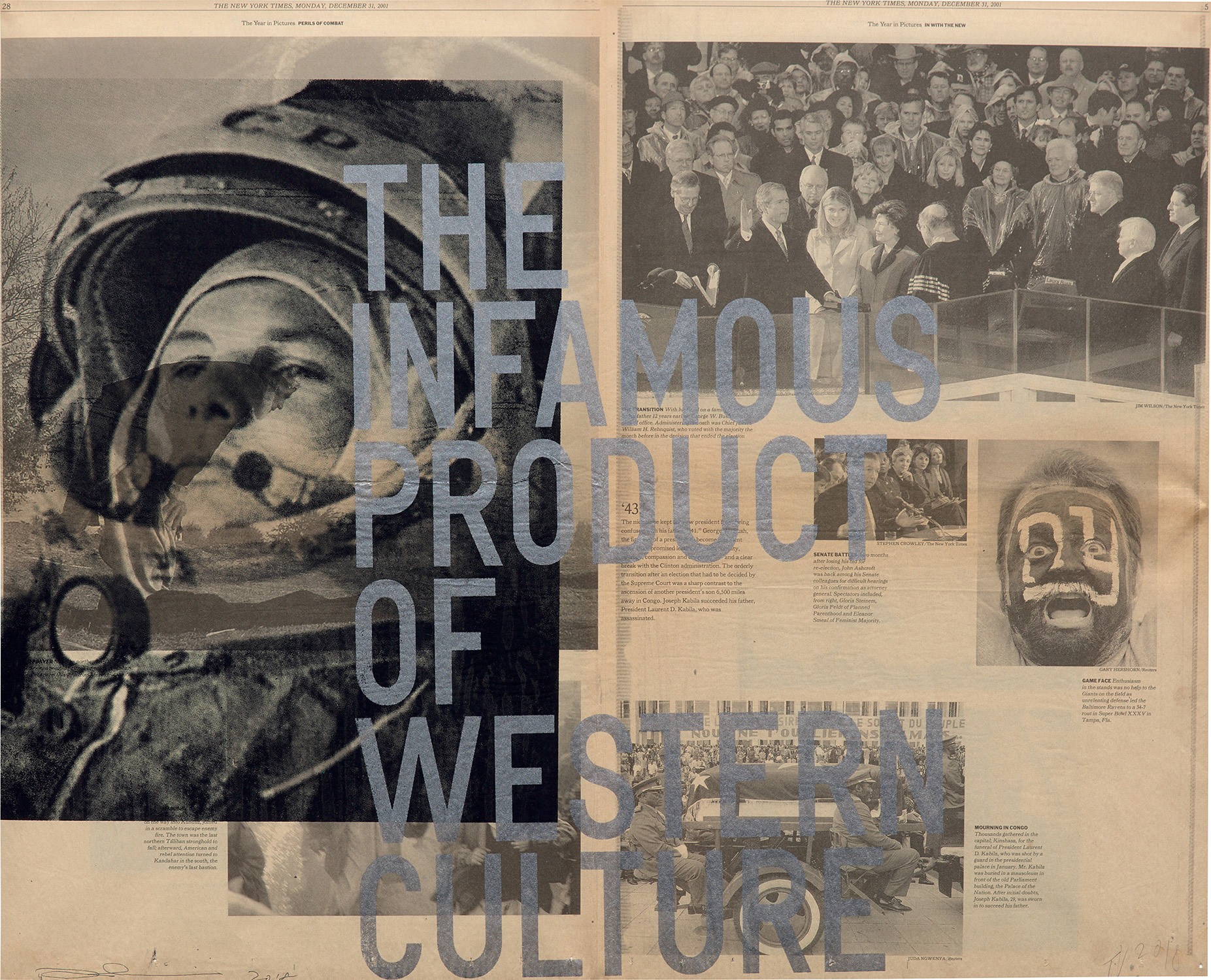
The Infamous Product of Western Culture, 2018
Through the 1990s and into the 2000s, Tiravanija expanded his practice with characteristic generosity and wit. He cooked pad thai in museums across Europe and North America. He built functional replicas of his own New York apartment inside galleries in Paris and Cologne, inviting visitors to sleep, cook, and live within the installation. He collaborated with architects, musicians, and fellow artists, treating collaboration itself as a medium.
“I want to make art that is not about looking but about doing, about being together.”
Rirkrit Tiravanija
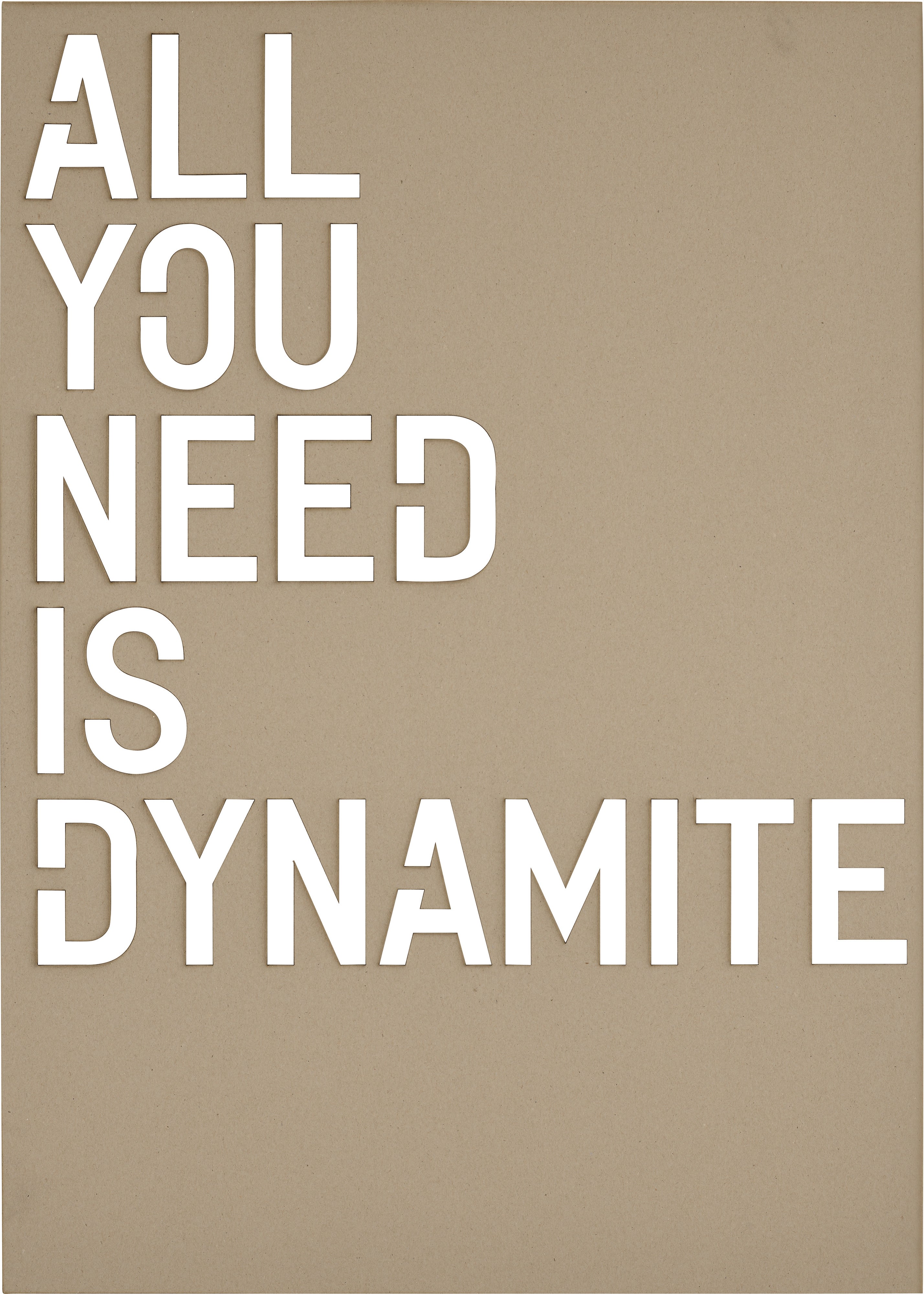
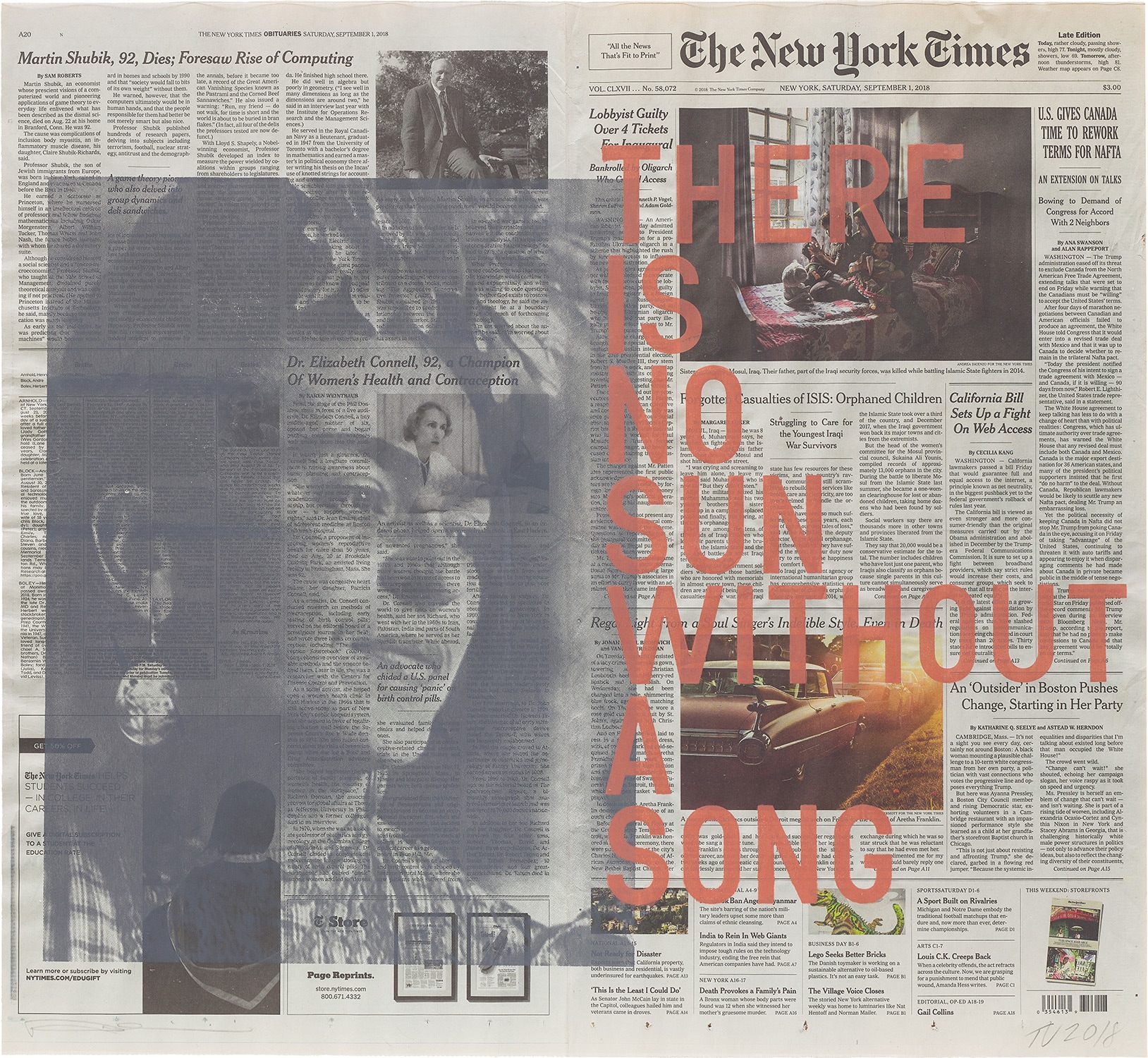
His participation in major international biennials, including the Venice Biennale and the São Paulo Biennial, brought his work to global audiences and cemented his reputation as one of the defining figures of his generation. He received the Hugo Boss Prize from the Guggenheim Foundation in 2004, recognition from one of the art world's most prestigious award programs that confirmed what his peers already knew: that Tiravanija had changed the terms of what contemporary art could be and do. The works available through The Collection offer a revealing window into a dimension of Tiravanija's practice that exists alongside his performance and installation work: his engagement with print, newspaper, and the language of political imagery. Works such as The Infamous Product of Western Culture and There Is No Sun Without A Song, both silkscreens on newspaper from 2018, demonstrate his long fluency with printed matter as a vehicle for commentary and beauty simultaneously.
Rirkrit Tiravanija
There Is No Sun Without A Song, 2018
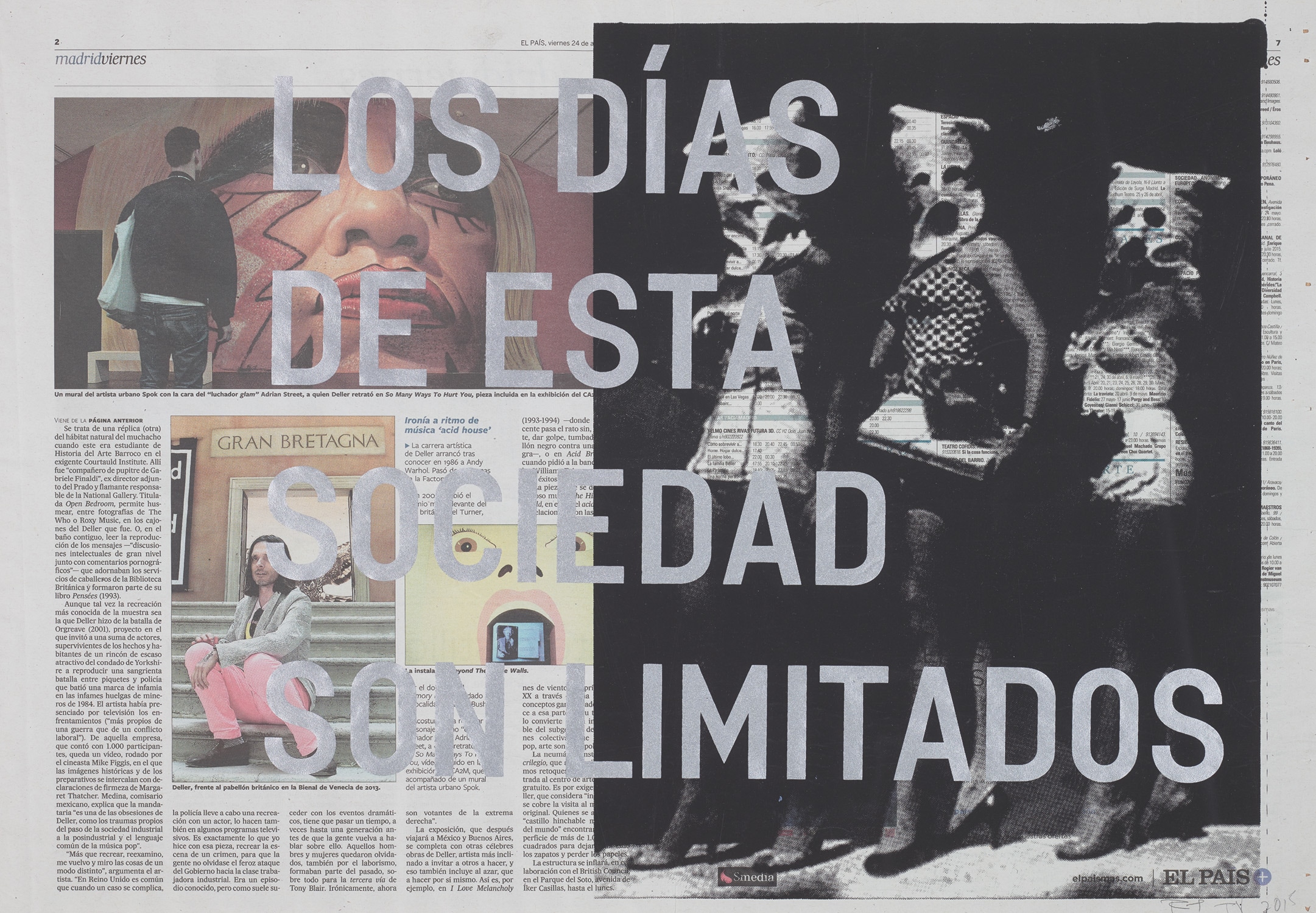
The newspaper silkscreens are characteristic of an artist who understands how to work with the grain of a material, letting the existing text and imagery of the broadsheet press coexist with his own interventions in ways that feel accidental and deliberate at once. His 2015 work Los Días de Esta Sociedad. Pussy Riot engages directly with political solidarity, memorializing the Russian feminist collective in a format that speaks to both the urgency of the message and the accessibility of the medium. These are works that want to be in the world, not sealed away from it.
For collectors, Tiravanija's work presents a genuinely unusual proposition. Much of what he is most celebrated for cannot be owned in any conventional sense: you cannot hang a meal on a wall or insure a conversation. But his prints, photographs, drawings, and multiples carry the conceptual weight of the larger practice while offering the tangibility that collecting requires. The Ultra Glossy Chromogenic print on vinyl from 1997 to 1999, presented in the original artist's frame, is a superb example of how Tiravanija thinks through materiality even when working in more traditional formats.
Rirkrit Tiravanija
Los Dìas de Esta Sociedad. Pussy Riot, 2015
The artist's frame is not incidental but integral: the object arrives already contextualized, already shaped by the artist's hand and intention. Collectors drawn to Arte Povera, to Fluxus, or to the social practice movements of the 1960s and 1970s will find in Tiravanija a figure who synthesizes those histories while remaining entirely of the present. His work is sought by sophisticated private collectors and institutions alike, and prints and multiples represent an accessible entry point into a practice whose influence on contemporary art cannot be overstated. In the wider landscape of postwar and contemporary art, Tiravanija's work is best understood alongside artists who have similarly interrogated the relationship between art and everyday life.
The Fluxus artists of the 1960s, particularly George Maciunas and Yoko Ono, share his interest in blurring the boundary between art and social experience. Felix Gonzalez Torres, whose candy piles invite viewers to participate in the work's own transformation, occupies adjacent territory. Among his own generation, artists such as Carsten Höller and Liam Gillick were named alongside him in Bourriaud's writings as practitioners of relational aesthetics, though Tiravanija's warmth and directness have always set him apart from more coolly conceptual approaches. What Rirkrit Tiravanija has given to art is not simply a set of works but a way of thinking about what art is for.
He has insisted, across four decades of practice, that the most profound thing a work of art can do is make space for human beings to be present with one another. In a world that grows more fragmented and more mediated with every passing year, that insistence feels less like nostalgia and more like a form of wisdom. To collect his work is to participate in that project, to bring into your home or your institution a trace of an artistic vision that has always understood generosity as its highest ambition.
Explore books about Rirkrit Tiravanija
Rirkrit Tiravanija
Robert Storr
Rirkrit Tiravanija: Tomorrow Is Another Fine Day
various authors
Rirkrit Tiravanija
Nicolas Bourriaud
Rirkrit Tiravanija: A Brief History of Equipment
various curators
Rirkrit Tiravanija: Cooking, Eating, Thinking
curators and critics