Richard Wathen
Richard Wathen Renders the Human Soul Luminous
Artist Spotlight · The Collection Editorial
There is a particular kind of attention that Richard Wathen pays to the people he paints. It is not the attention of documentation, nor of flattery, but something rarer and more searching: a sustained, patient gaze that seems to ask what it truly means to inhabit a body, a room, a moment. That quality has been drawing collectors and curators toward his work with growing intensity, as his paintings continue to appear at auction houses including Phillips, where they have attracted serious interest from buyers who recognize in Wathen a painter of uncommon psychological depth. In a contemporary art landscape often dominated by spectacle and irony, his commitment to the quiet drama of figurative painting feels not merely refreshing but quietly essential.
Richard Wathen
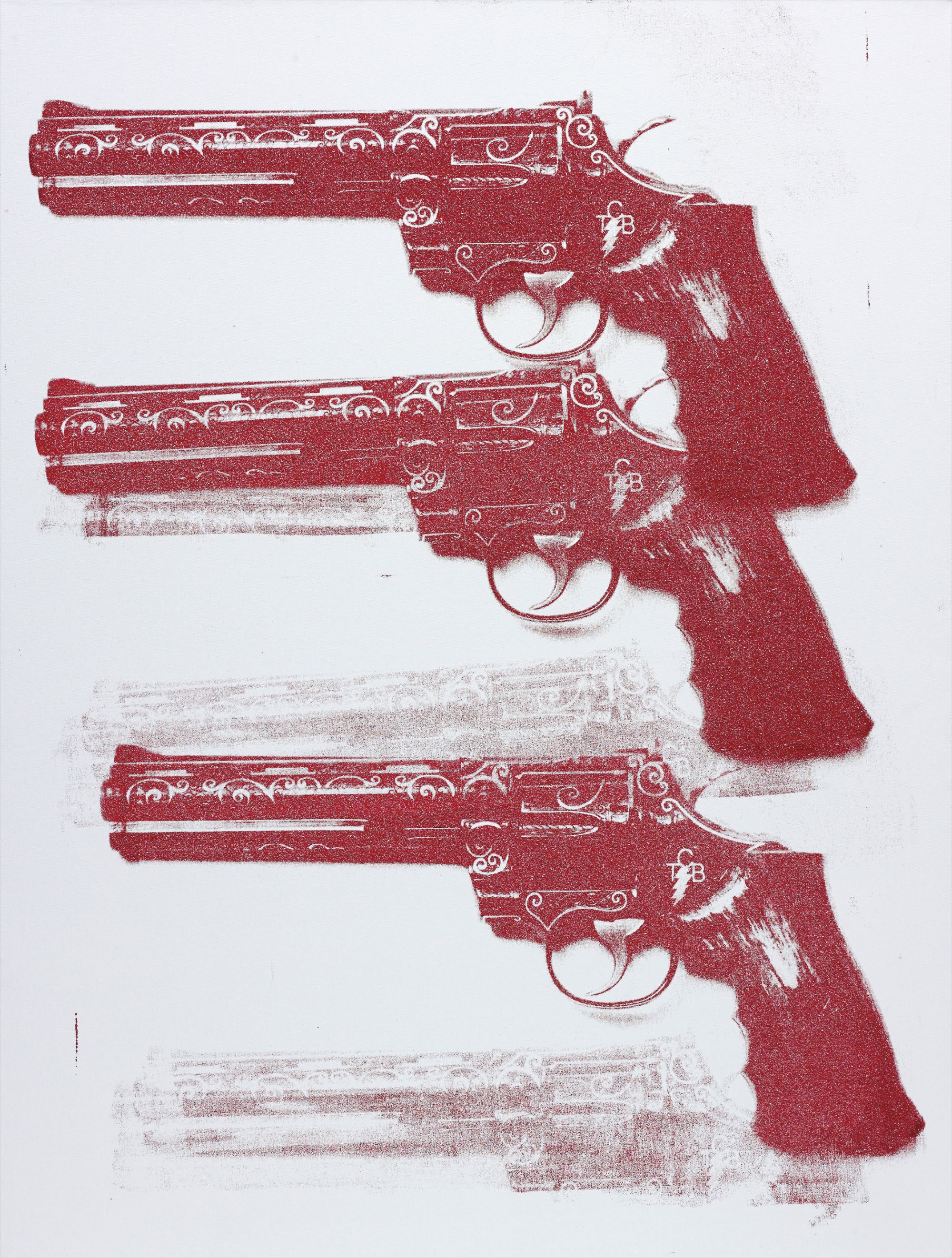
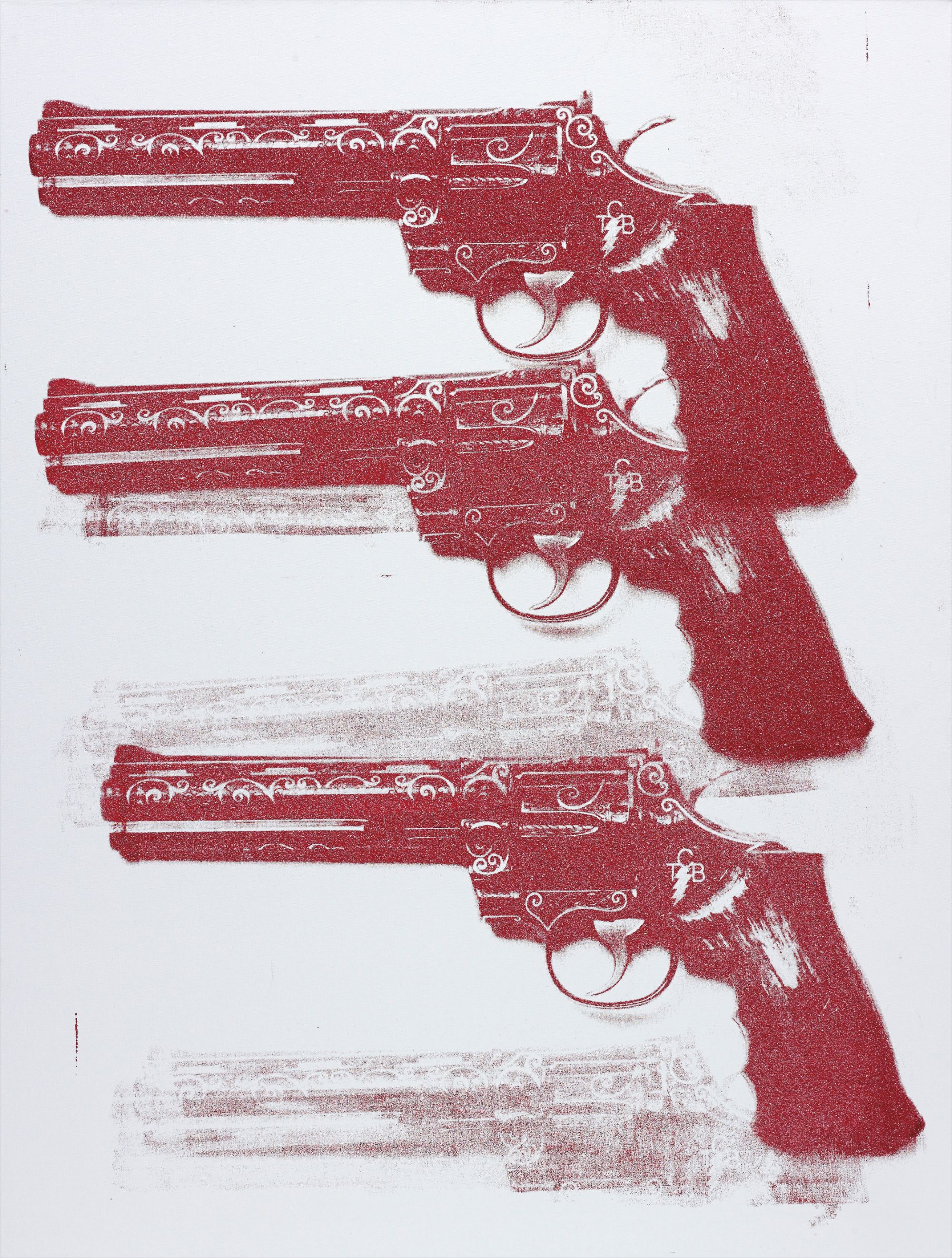
Greta
Wathen was born in 1964 in Britain, and his formation as a painter took place against the backdrop of a rich and contentious moment in British art. The figurative tradition was under pressure from conceptual movements, yet it was also being renewed by painters who refused to abandon the canvas and the loaded brush. The lineage of British figurative painting, stretching from Walter Sickert through Francis Bacon and Lucian Freud, was very much alive and debated, and it clearly shaped the imaginative world that Wathen would come to inhabit. He absorbed those influences not as constraints but as permissions, as evidence that paint applied to a surface could still reveal something irreducible about human experience.
His development as a painter reflects a deepening rather than a radical shifting of concerns. Over the years, Wathen has refined a practice centered on solitary figures placed in domestic or ambiguous interior settings, environments that feel both familiar and strangely unmoored from ordinary time. The palette he has cultivated is muted and atmospheric, built from tones that seem to hold light rather than emit it, grays and ochres and soft flesh tones that lend his canvases an almost cinematic stillness. What is striking about his evolution is that it has moved consistently inward, toward greater concentration and psychological intensity rather than outward expansion of subject matter.
Richard Wathen
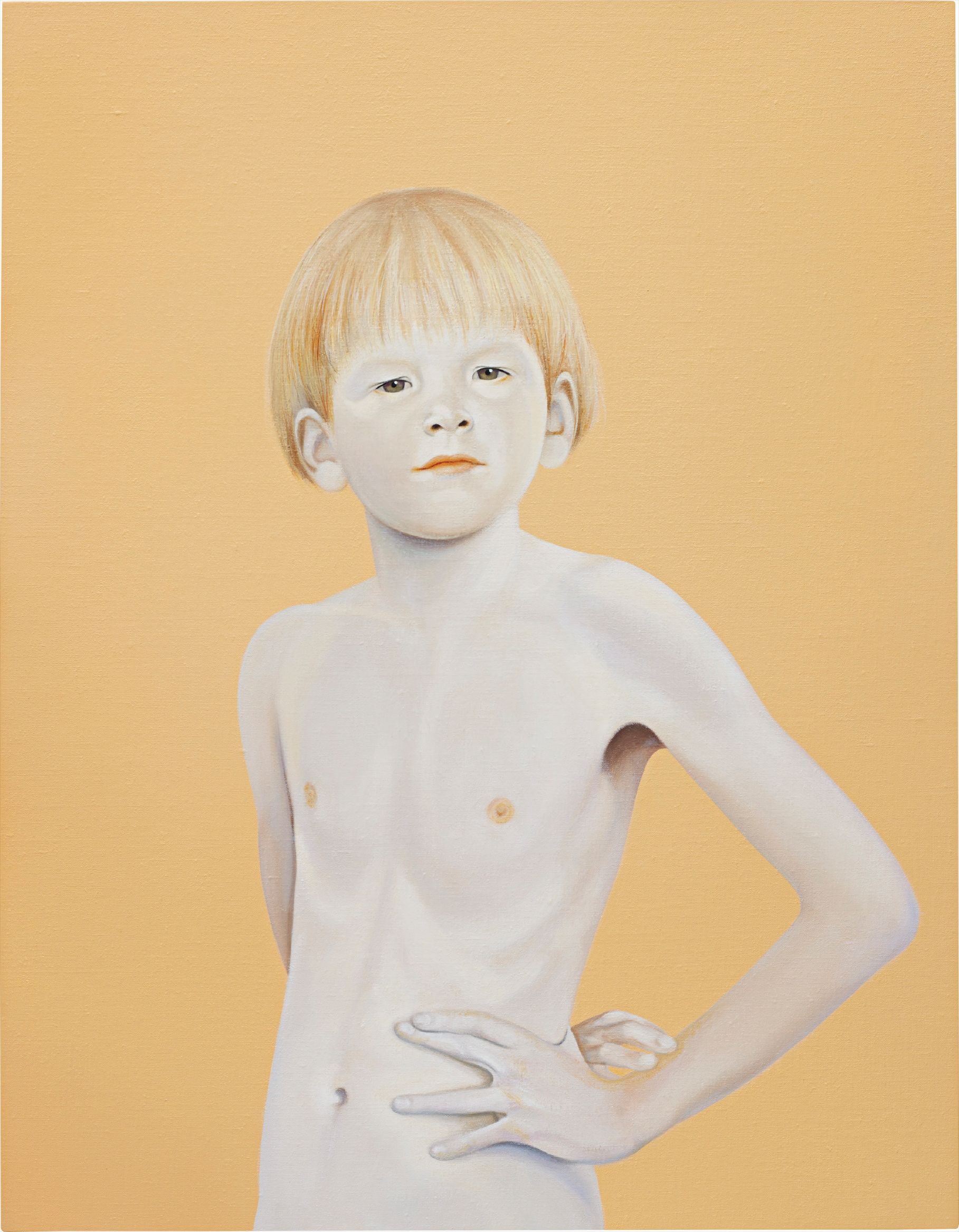
Philip
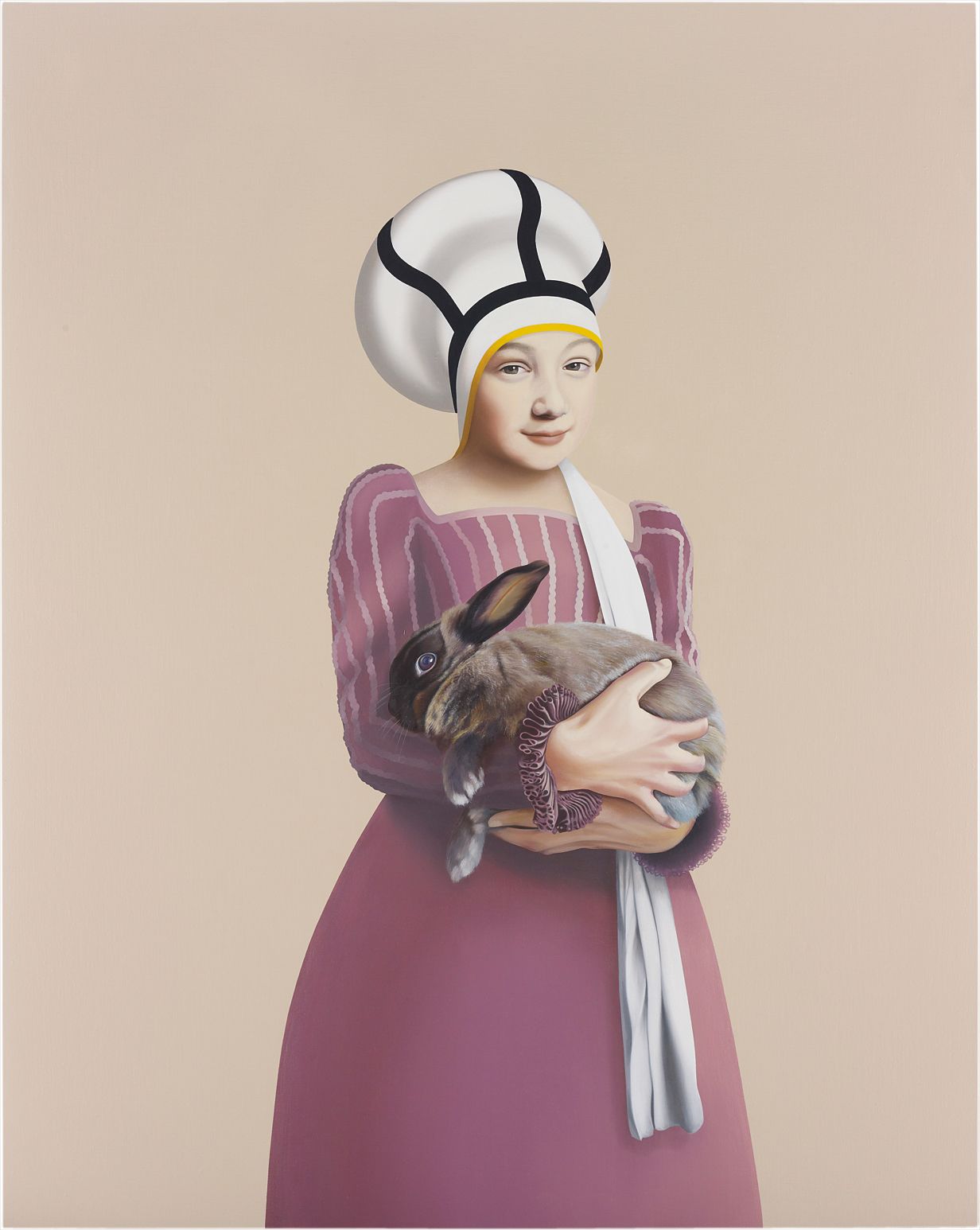
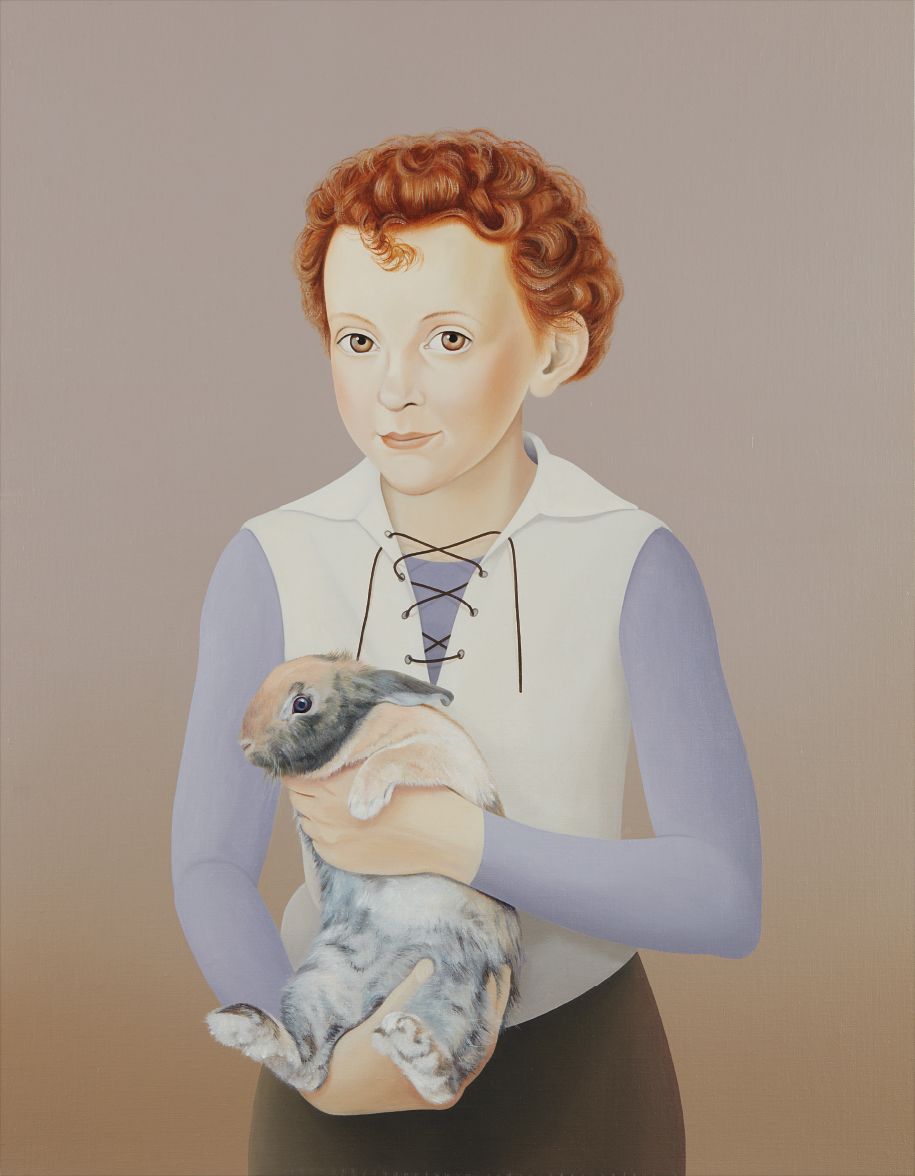
The works that have come to define his reputation each carry a name that functions almost as a dedication. "Greta," executed in oil on linen laid on aluminium, presents its subject with the kind of unguarded honesty that only the most trusting of sitter and painter relationships can produce. "Philip" and "Hebe" belong to the same careful tradition of named, individuated portraits in which the title insists on the particularity of the person rendered. "Ludo," dating from 2010 and created in oil on linen mounted on aluminum, demonstrates how Wathen uses his chosen supports to lend the painted surface a particular quality of tension, a slight resistance that seems to push back against the paint and create depth.
"Effacement" and "Mantle III" suggest a more inward turn, works in which the figure seems to negotiate with the space it occupies, half emerging and half retreating from legibility. Together these paintings constitute a body of work that is coherent and quietly commanding. The choice of linen mounted on aluminium is worth dwelling on because it reveals something about Wathen's sensibility as a craftsman as well as an artist. These are not casual decisions.
Richard Wathen
Hebe
The rigidity of the aluminium support prevents the kind of subtle warping that canvas on stretcher can produce over time, while the linen surface retains its particular receptivity to oil paint. The result is a painting object of considerable physical integrity, one that will age with stability and that signals to collectors a seriousness of intent about longevity. For those building a thoughtful collection, this kind of attention to material craft is a meaningful indicator of an artist who thinks carefully about the relationship between making and meaning. In terms of art historical context, Wathen sits within a distinguished and recognizable tradition while remaining distinctly himself.
The comparisons to Lucian Freud are not merely superficial: both painters share an insistence on the physical reality of the figure, a refusal to idealize or aestheticize the body into abstraction. Yet where Freud often worked with a kind of relentless clinical intensity, Wathen's approach is more atmospheric and perhaps more compassionate, more interested in the inner weather of his subjects than in the unsparing inventory of surface. One might also think of the quiet force of artists such as Gwen John, whose interiors and solitary figures share something of Wathen's contemplative mood, or indeed of the American painter Fairfield Porter, who found in domestic scenes an inexhaustible source of emotional and formal complexity. For collectors approaching Wathen's work for the first time, there are several things worth holding in mind.
Richard Wathen
Ludo, 2010
The relatively small scale of many of his paintings is not a limitation but an invitation to close looking, to the kind of sustained engagement that his imagery rewards. The works function beautifully in intimate domestic settings, not because they are decorative but because they speak to the same conditions of interiority and private life that they depict. His presence at auction through Phillips confirms that his market is active and that there is genuine demand among informed buyers. Those who have already acquired his work tend to speak of it with the particular warmth reserved for objects that seem to grow richer with time and familiarity.
The question of legacy is always premature for a living artist, but it is not too soon to say that Wathen occupies a position of genuine importance within the current moment of British figurative painting. At a time when painting itself has been repeatedly declared finished and repeatedly proven otherwise, his sustained and disciplined practice offers a model of what commitment to a difficult set of problems can produce. The figures in his paintings are not statements or provocations. They are presences, specific and irreplaceable, held in paint with a tenderness and acuity that accumulates meaning the longer one looks.
That is a rare thing, and it is exactly what great figurative painting has always promised.