Richard Cosway
Richard Cosway: Miniature Worlds, Magnificent Lives
Artist Spotlight · The Collection Editorial
To hold a miniature portrait by Richard Cosway is to understand something profound about intimacy and power. These small, luminous ovals, often no larger than a palm, contain entire worlds: the flush of a cheek rendered in translucent watercolor, the glint of a jewel, the studied nonchalance of a Georgian aristocrat at the very height of the age of elegance. The Victoria and Albert Museum in London holds some of the finest examples of his work in its permanent collection, and periodic displays there continue to draw new audiences to an artist who was, in his own lifetime, nothing short of a sensation. Cosway was not merely a painter of small things.
Richard Cosway
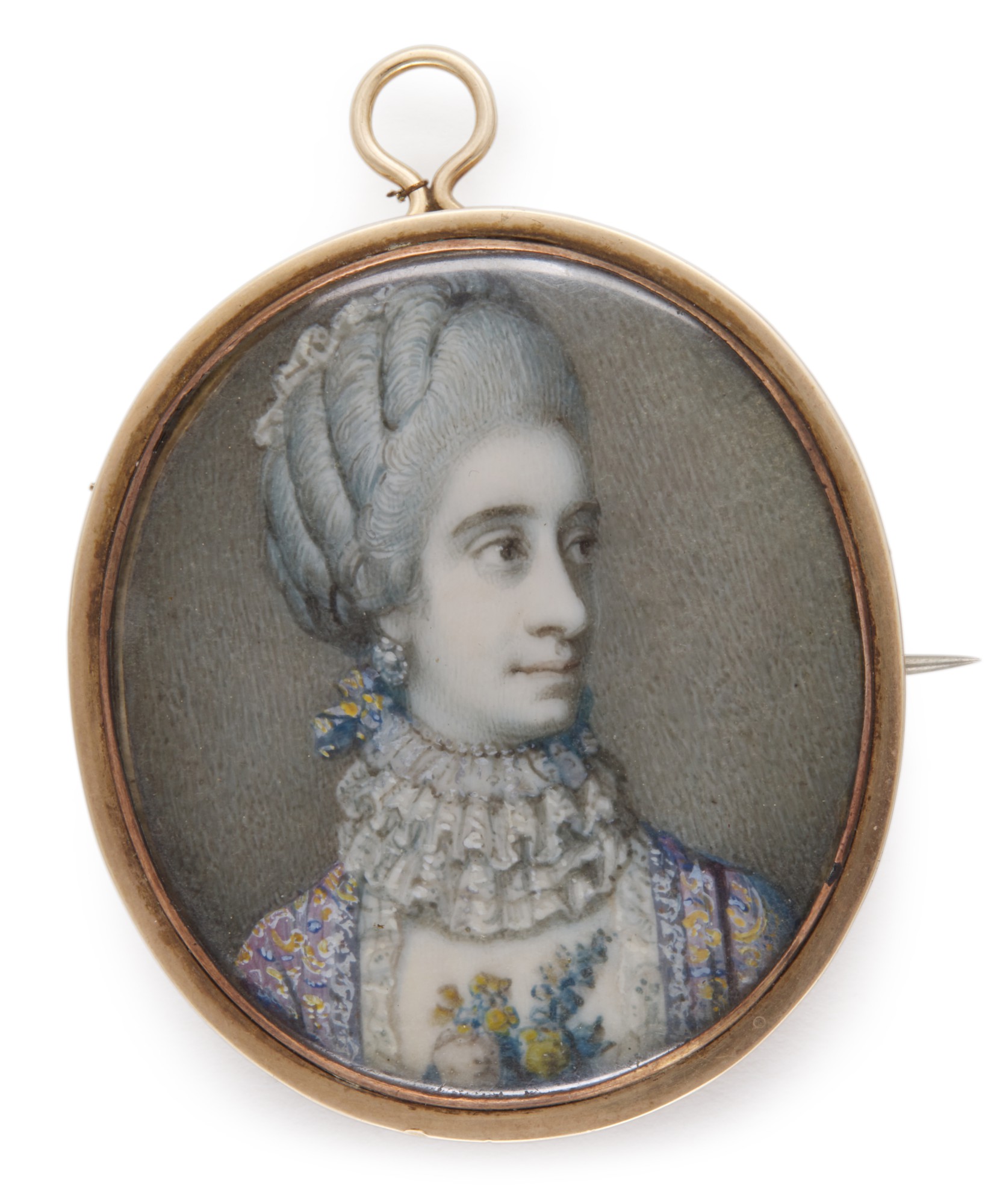
Portrait of a lady, traditionally identified as Queen Charlotte (1744-1818), circa 1765
He was the portraitist of an era. Richard Cosway was born in 1742 in Tiverton, Devon, the son of a schoolmaster. He showed exceptional artistic talent from an early age, and his family recognized that talent deserved a larger stage than rural England could offer. He came to London as a young man and enrolled at William Shipley's drawing school, where he quickly distinguished himself.
From there he entered the orbit of the Royal Academy Schools, becoming a figure in the most ambitious artistic circles of the capital at a moment when London was rapidly asserting itself as a cultural rival to Paris. The city's appetite for portraiture was insatiable, and Cosway, with his quick eye and social ease, was perfectly positioned to satisfy it. His rise was swift and genuinely remarkable. By the 1760s he was already receiving commissions from wealthy patrons and making his mark at Royal Academy exhibitions.
Richard Cosway
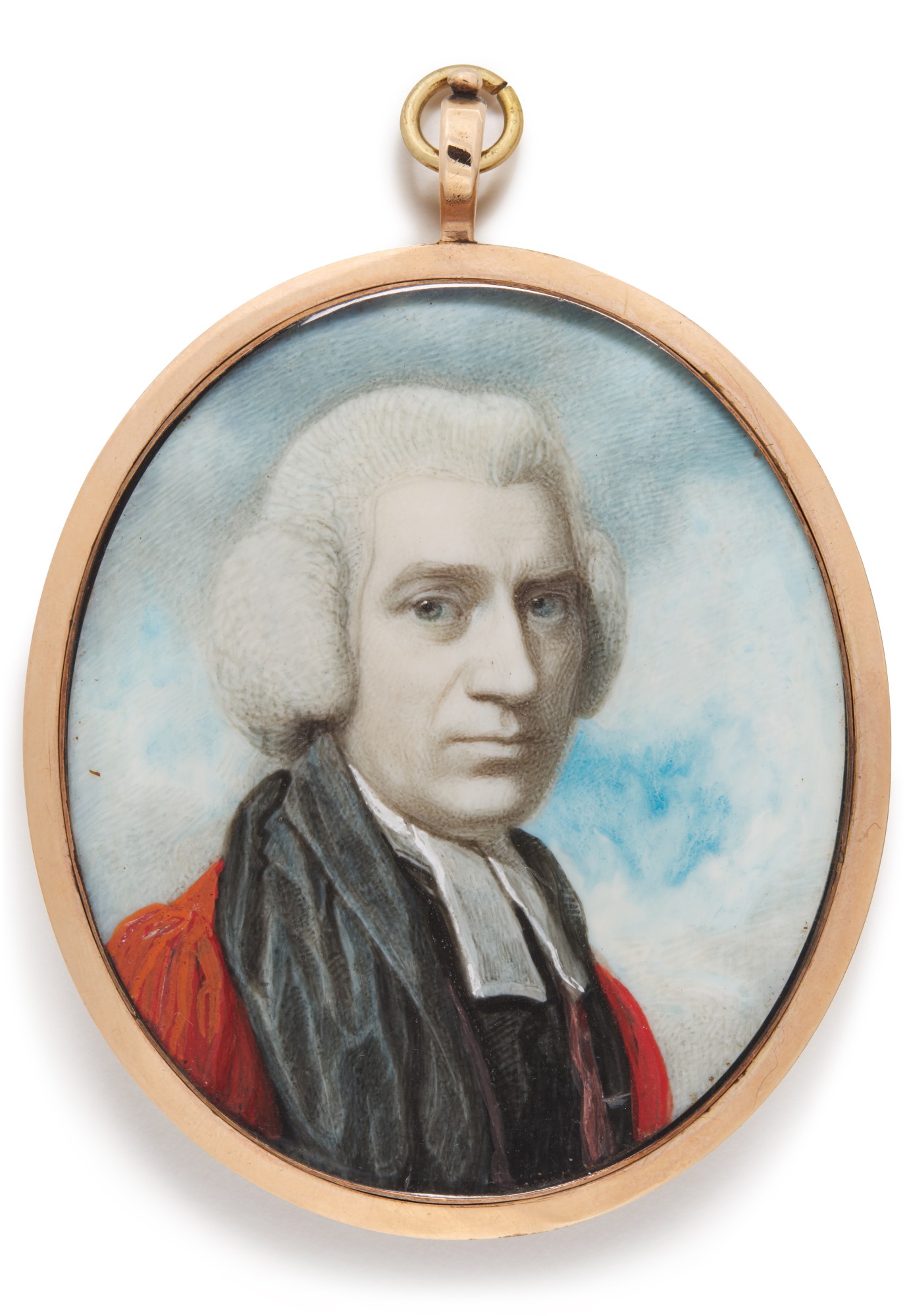
Portrait of Thomas Postlethwaite, D.D. (1731-1798), 1794
He became a full Academician in 1771, one of the founding generation of that institution, which lent his career a prestige that opened every important door in British society. His studio at Schomberg House on Pall Mall became one of the most fashionable addresses in London, a gathering place for artists, writers, and members of the beau monde. His marriage to the accomplished Italian artist and writer Maria Hadfield in 1781 brought further glamour to his circle, and together they presided over a salon that was among the most glittering in the capital. Cosway's technique was the product of extraordinary discipline married to seemingly effortless grace.
Working primarily in watercolor on ivory, a support that he was among the first British artists to adopt with real fluency, he achieved a luminosity and softness that set his work apart from every contemporary. His portraits possess a quality that is almost impossible to describe without resorting to the word magical: the skin of his sitters seems to glow from within, their expressions caught in a moment of relaxed self possession rather than formal stiffness. His Portrait of a Lady, traditionally identified as Queen Charlotte and dating to around 1765, demonstrates this gift at its earliest and already fully realized flowering. The work shows his command of likeness, of atmosphere, and of the delicate social register that portraiture of this kind demanded.
Richard Cosway
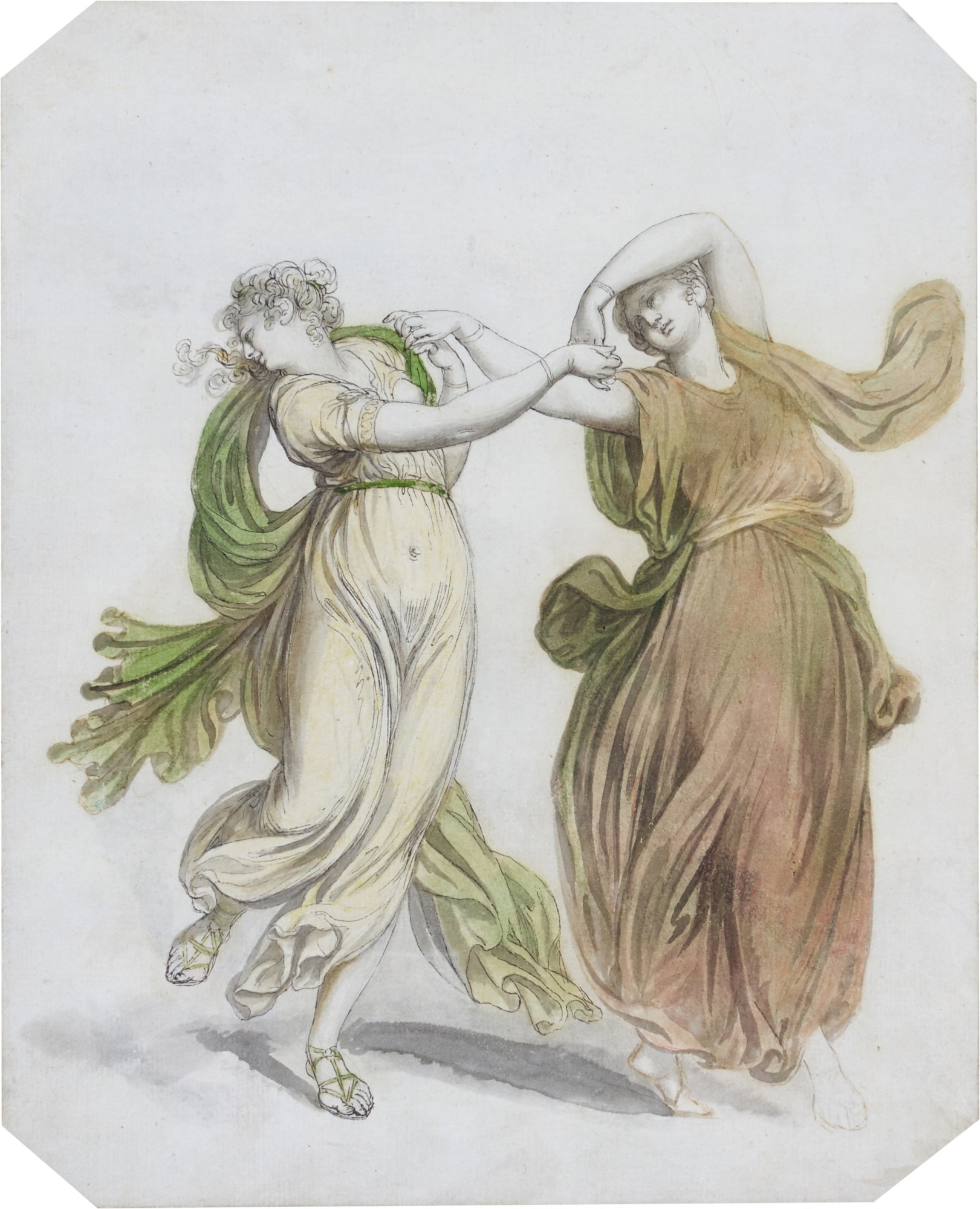
The Comic and Tragic Muses
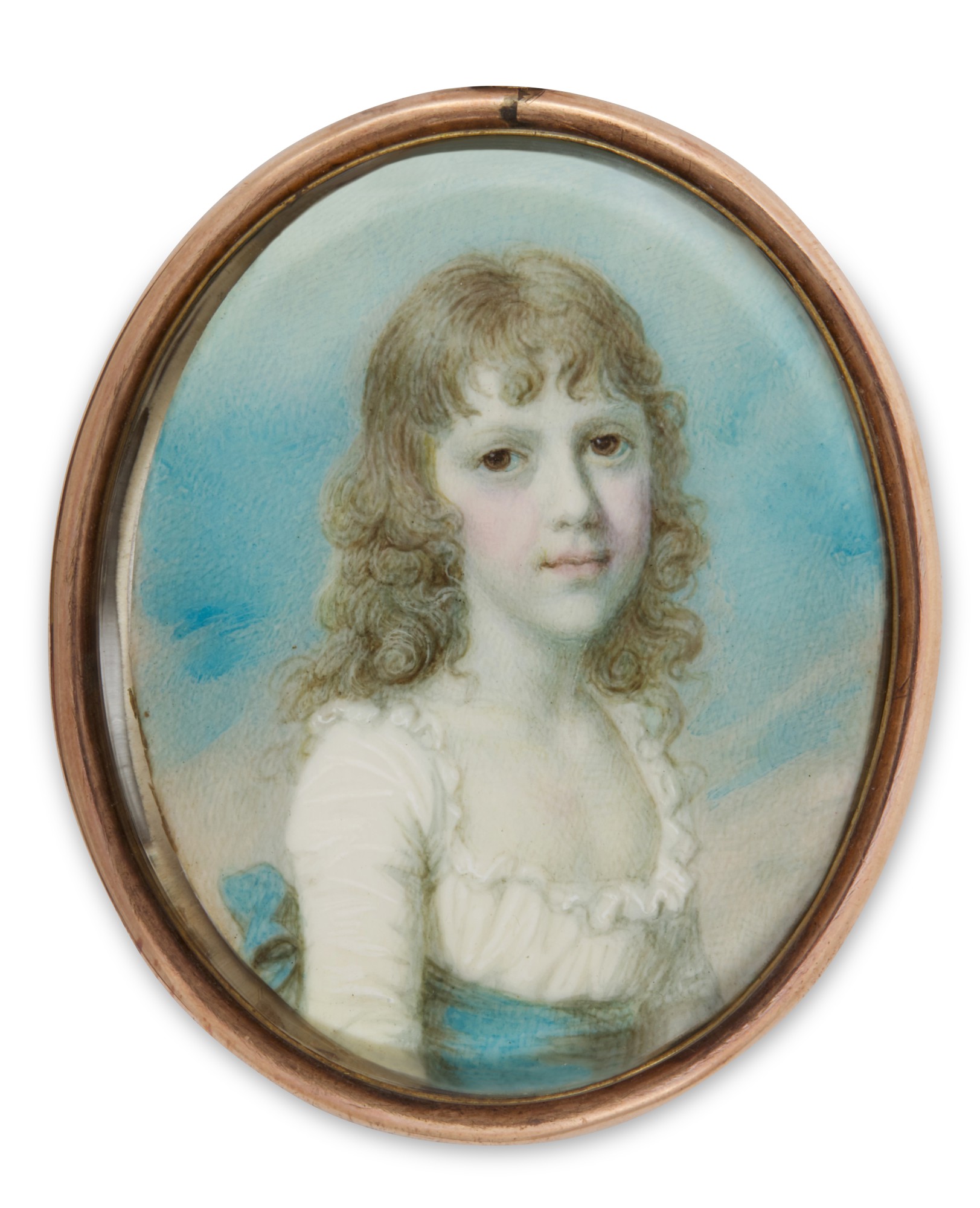
His 1804 Portrait of Louis Philippe, Duke of Orleans, later King of the French, painted in watercolor on ivory and set in a gold locket frame, shows how his art traveled across courts and continents, serving both intimacy and dynastic ambition simultaneously. The subjects Cosway chose, or rather the subjects who chose him, tell us as much about Georgian society as any historical text. His Portrait of Elizabeth Chudleigh, Duchess of Kingston, rendered in watercolor and pencil on its original wash line mount, captures one of the most notorious women of the age, a figure whose bigamy trial scandalized polite society and fascinated it in equal measure. His portrait miniatures of young women and children, such as the exquisite Portrait of a Young Girl, traditionally identified as Mary Spencer Shirley and dating to around 1795, demonstrate his sensitivity to vulnerability and youth, the work set in a gold frame with a reverse glazed with opalescent glass and hair work that transforms the object into a reliquary of personal devotion.
His mythological and allegorical drawings, including the pen, ink, and watercolor study The Comic and Tragic Muses and the pencil and grey wash Cupid Punishing Venus of around 1805, reveal a second, less widely known dimension of his practice: a refined classical imagination shaped by his deep engagement with Neoclassical aesthetics and his admiration for the antique. For collectors today, Cosway represents one of the most rewarding areas of the Georgian market. His miniatures appear regularly at auction at Christie's, Bonhams, and Sotheby's, where exceptional examples have achieved prices well into the tens of thousands of pounds. What draws sophisticated collectors is not merely the beauty of the objects themselves but their dual status as both works of art and historical documents.
Richard Cosway
Portrait of a young girl, traditionally identifed as Mary Spencer Shirley (1784-1820), circa 1795
Each miniature is a window into a specific life, often accompanied by provenance that connects it to the great families of Britain, France, and beyond. The gold locket frames, split pearl borders, and hair work reverses that frequently accompany his portraits add layers of meaning and material value that make Cosway's miniatures genuinely irreplaceable as objects. Collectors should look for works with strong, confident flesh tones, minimal fading to the background sky washes that he favored, and, where possible, clear provenance linking the work to a named sitter or family. Cosway belongs to a tradition of British miniature painting that runs from Nicholas Hilliard and Samuel Cooper in earlier centuries through to Andrew Plimer and George Engleheart among his own contemporaries.
Within that company, his work stands out for its lightness of touch and its social brilliance. He shares something with his French contemporaries Jean Baptiste Isabey and Pierre Adolphe Hall, particularly in the elegance of his compositions and his feel for the special social function that miniatures served in an age before photography. Like Thomas Gainsborough in oil, Cosway understood that portraiture was a form of collaboration with the sitter, a negotiation between truth and flattery that, at its best, produced something more valuable than either. Cosway died in 1821, having witnessed the world he had so magnificently served begin to dissolve around him.
The Georgian age gave way to the Regency and then to the Victorian era, and the culture of the miniature, so intimately connected to a world of private correspondence, of tokens exchanged between lovers and soldiers departing for war, gradually yielded to the new technology of photography. But the objects he made endure with a vitality that photography has never diminished. They remind us that the desire to hold a beloved face in the palm of one's hand is one of the oldest and most human of impulses, and that in Cosway's hands, that impulse was elevated to something genuinely sublime.
Explore books about Richard Cosway
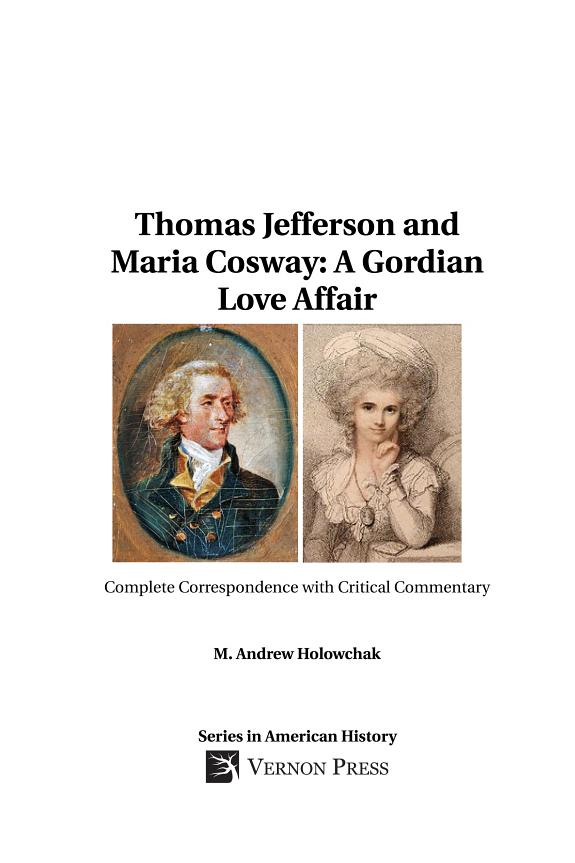
Richard Cosway: A Biographical Study
George C. Williamson
Richard Cosway and his Contemporaries
Basil S. Long
The Miniature Paintings of Richard Cosway
Peter Robertson
Richard Cosway: A Prince of Painters
Katharine Baetjer and J. G. Links
The Life and Work of Richard Cosway
Sydney H. Pavière