Rebecca Brodskis
Rebecca Brodskis Paints the Pulse of Connection
Artist Spotlight · The Collection Editorial
There is a particular kind of attention that only painting can hold. In the studio practice of Rebecca Brodskis, that attention settles on bodies in motion, on the tender negotiations between people, on the charged silence that exists between one gesture and the next. Her work has been gaining meaningful traction among discerning private collectors across Europe and beyond, and a growing audience of advisors and curators have taken note of what she is doing with oil on linen and canvas: building a quietly radical body of work that insists on the emotional life of figuration at a moment when the art world is hungry for exactly that. Brodskis works primarily in oil, and her choice of support, often linen rather than canvas, speaks to an understanding of how surface and pigment communicate.
Rebecca Brodskis
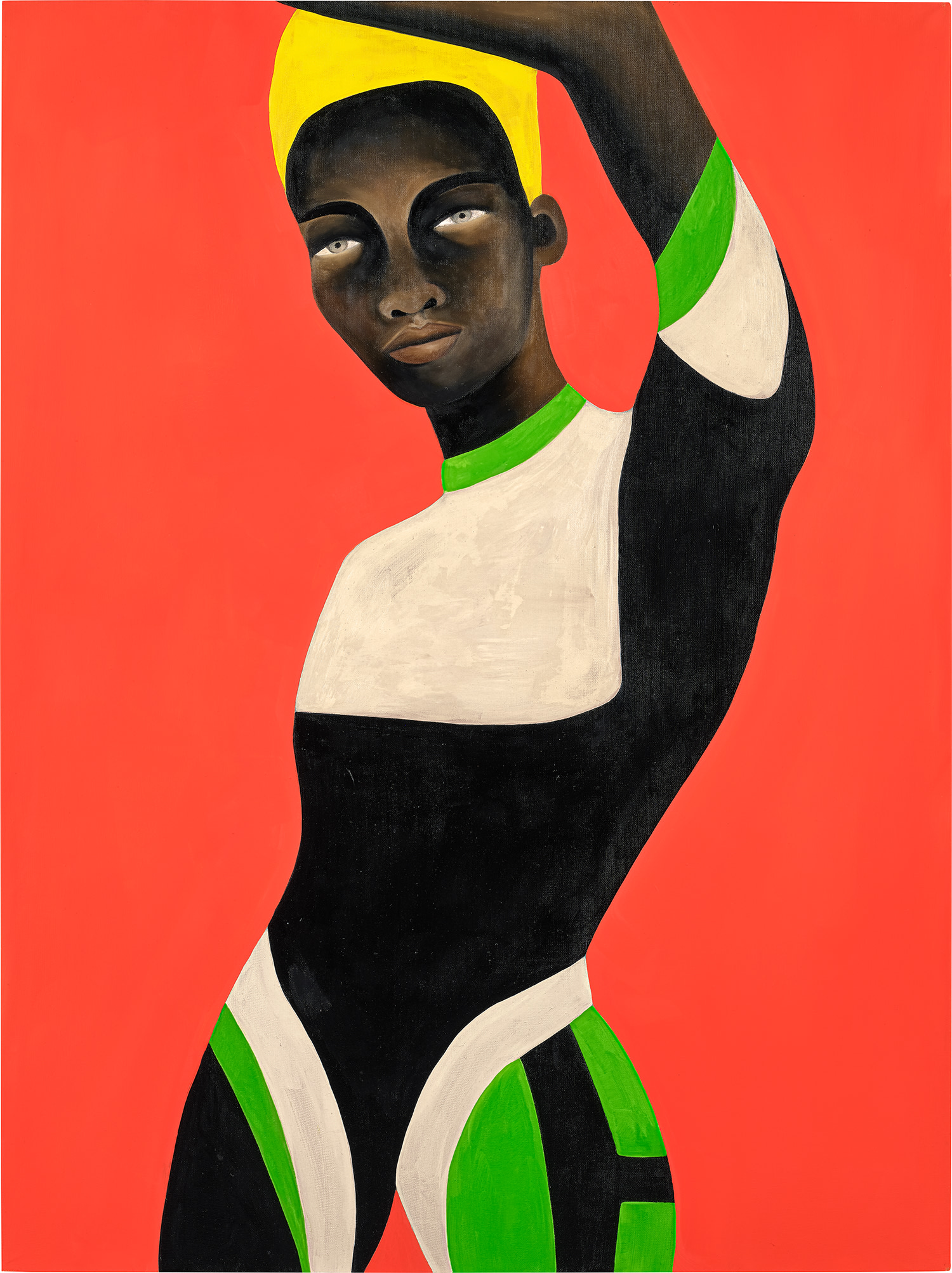
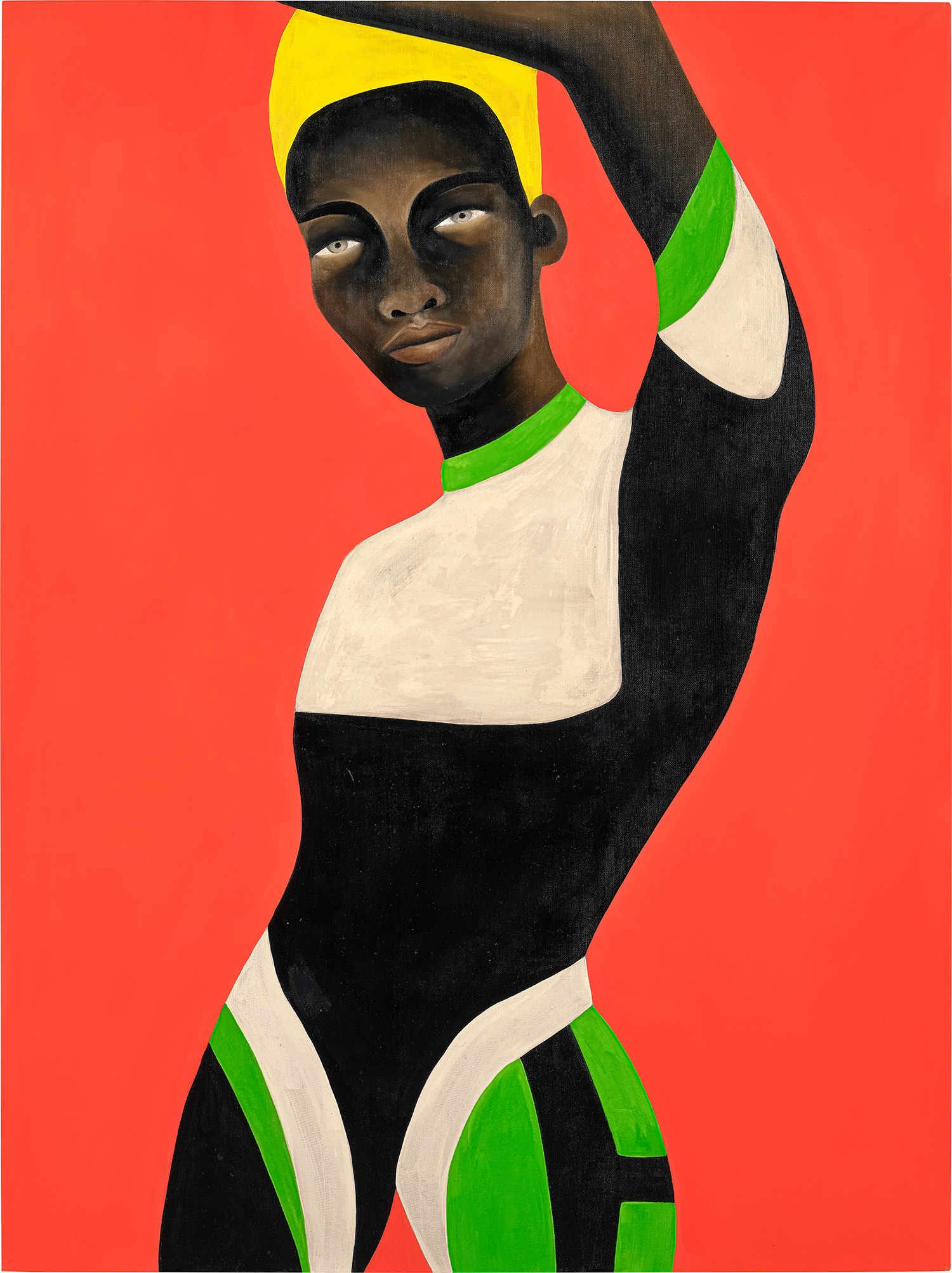
Eclectic Dance Part 3, 2022
Linen carries light differently. It breathes. It lends her scenes a warmth that feels almost bodily, as if the material itself is participating in the intimacy she depicts. Her compositions are rarely crowded or declarative.
Instead they hold their subjects with a kind of respectful restraint, letting gesture and proximity carry the narrative weight that a lesser painter might have discharged through theatrical staging or obvious symbolism. The titles of her works offer a first clue to the sensibility at play. French and Chinese characters appear alongside English phrases, sometimes within the same title, as in "Insouciance Improvisée (Improvised Carelessness) 即興的魯莽". This multilingual approach is not decorative.
Rebecca Brodskis
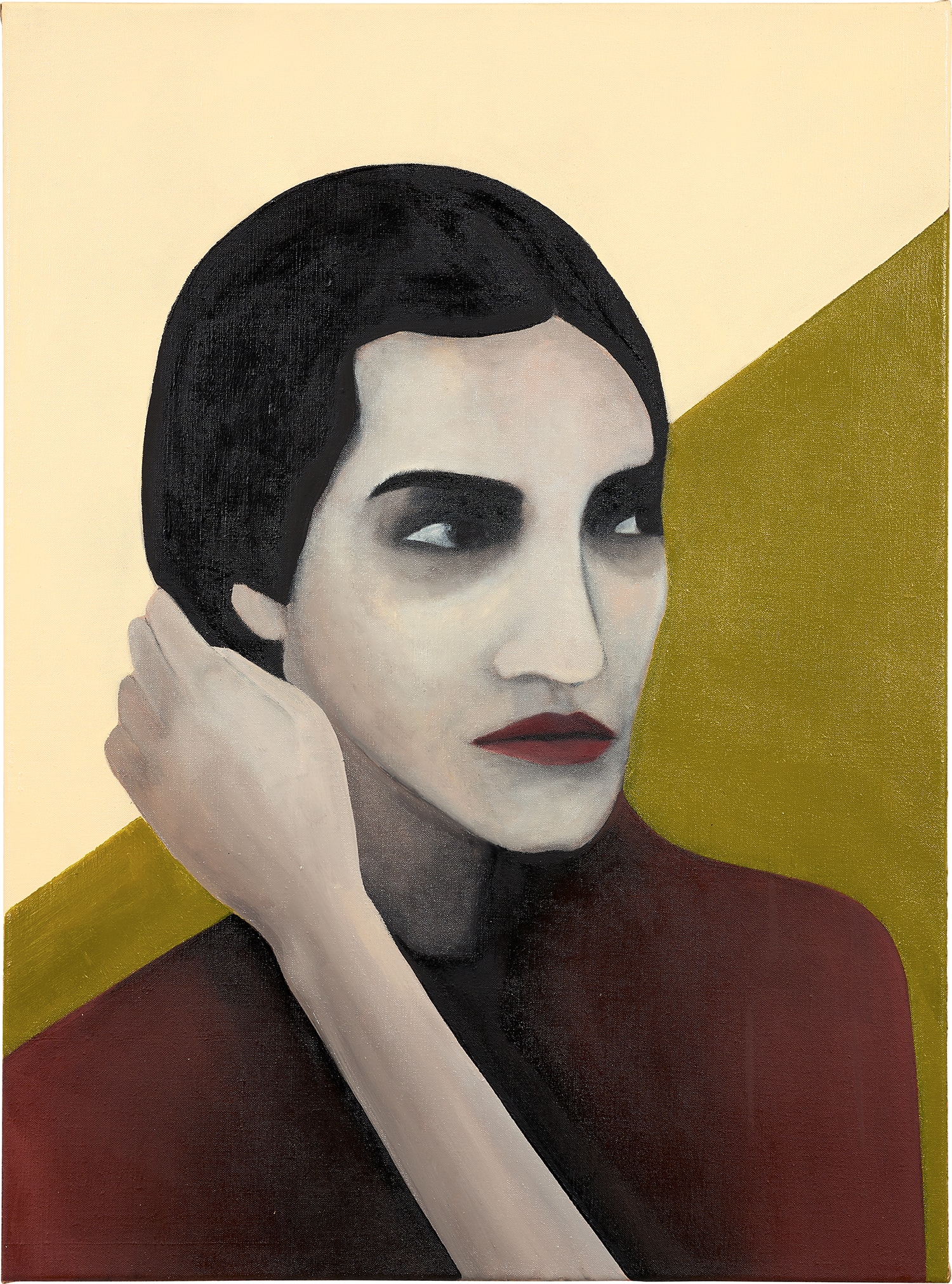
Tania-Maria, 2019
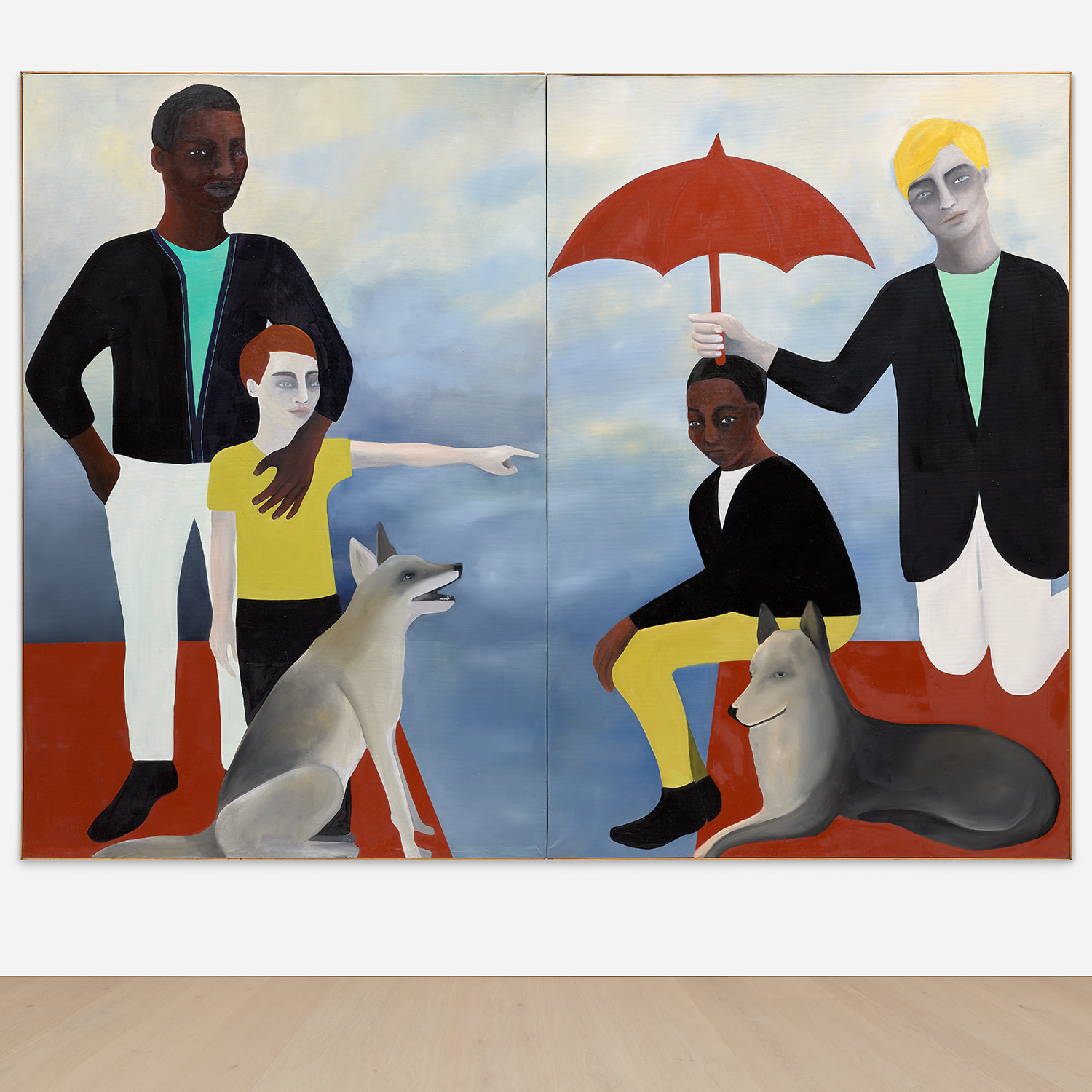
It reflects a genuine cultural and intellectual range, a refusal to plant a single flag of belonging. Brodskis is a painter who moves across languages and traditions with the ease of someone who has inhabited more than one world, and her paintings carry that fluid, cosmopolitan intelligence in every compositional choice she makes. Among her most discussed works is the diptych "Chassé croisé (1) and (2)" from 2020, presented in an artist designed frame. The term chassé croisé describes a figure from classical dance in which two people exchange positions, passing each other in opposite directions.
As a metaphor it opens outward beautifully, touching on missed connections, on the choreography of relationships, on the strange symmetry of people moving through each other's lives without quite meeting. That Brodskis chose to encode this meaning in a term drawn from dance is entirely characteristic. Movement, whether literal or implied, is central to her visual language. Her 2022 painting "Eclectic Dance Part 3" extends this interest, its title suggesting an ongoing series, a sustained meditation on what it means to be a body among other bodies, improvising a shared rhythm.
Rebecca Brodskis
Chassé-croisé (1) / (2), 2020
"Tania Maria", painted in 2019 on linen, is one of the works that collectors return to most often when discussing her practice. The naming of a subject, the decision to give a painting a person's name rather than a concept or a description, is an act of portraiture that goes beyond likeness. It is an act of witness. Brodskis does this with a specificity that feels earned rather than sentimental.
Similarly, "Amour Propre (Self Respect)" from 2020, housed in an artist designed frame, takes a phrase that sits interestingly between self love and vanity, acknowledging the complexity of interiority without resolving it into a simple moral position. The artist's frames, which appear across several works, are worth noting as an element of the practice. When an artist frames their own work, they are making a statement about where the painting ends and the world begins, and in Brodskis's case that threshold feels considered and intentional. "The light at the end of the tunnel", a 2022 diptych in oil on canvas, arrived at a cultural moment when that phrase had been worn nearly to exhaustion by the global experience of the pandemic years.
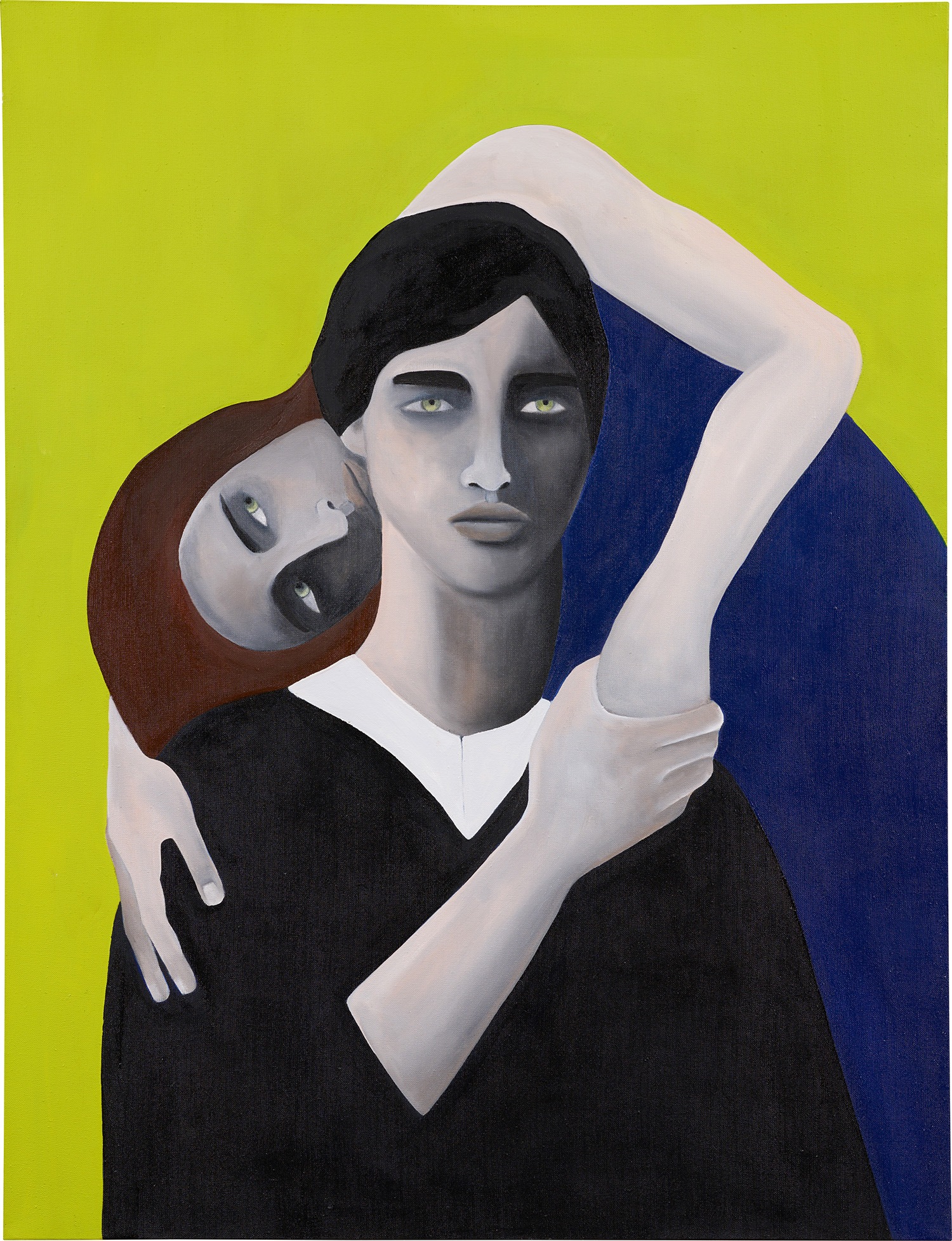
Rebecca Brodskis
Amour Propre (Self-Respect), 2020
That Brodskis engaged with it anyway, and in the expansive format of a diptych, suggests a confidence in painting's ability to restore meaning to language that has been emptied out. The work does not illustrate the cliché. It interrogates it, holds it up to the light, and finds within it something worth preserving. "La paternité 2" from 2020, and "Le lien" from the same year, extend her interest in relational themes, in what binds people to one another across time and biology and circumstance.
"Le lien" translates simply as "the bond" or "the link", and in that simplicity there is enormous painting ambition. The collectors drawn to Brodskis tend to be people who collect with their whole attention rather than with their portfolio alone. They are the kind of collectors who want to live with a painting, to find something new in it each morning. Her work rewards that kind of sustained looking.
The surfaces are layered with the quiet confidence of a painter who understands that a well made painting does not give everything up at once. For advisors building collections with genuine depth, her works at this stage of her career represent a compelling opportunity. She occupies a lineage that includes painters deeply committed to figuration and to the psychological content of human encounter, and she shares something with artists such as Cecily Brown in her attention to bodies in motion, or with Luc Tuymans in her restrained palette and her interest in what images withhold as much as what they reveal. There is also an affinity with the intimist tradition in European painting, with Édouard Vuillard's interest in the domestic emotional field and the way environments absorb and reflect the feelings of the people within them.
What Brodskis is building, across works in both diptych and single panel formats, in French and Chinese and English, across subjects ranging from dance to paternity to the bonds between people, is a sustained argument for painting as a practice of empathy. At a moment when figuration has reasserted itself across the art market with enormous force, she represents something more durable than a trend. She represents a genuine point of view, carefully developed and honestly expressed in paint. Her place in the conversation about contemporary European figurative painting is already secure among those paying close attention.
For everyone else, now is the time to look.