Ray K. Metzker
Ray Metzker, Master of Light and Shadow
Artist Spotlight · The Collection Editorial
“I am always looking for the unexpected. I want to be surprised by what I find in the darkroom.”
Ray K. Metzker
There is a moment in the darkroom, suspended between intention and discovery, when a photograph becomes something other than a record of the world. Ray K. Metzker lived for that moment. His prints, held today in the permanent collections of the Art Institute of Chicago, the Museum of Modern Art in New York, and the Philadelphia Museum of Art, continue to reward close looking with a kind of visual electricity that feels as urgent now as when he first began experimenting with the medium in the late 1950s.
Ray K. Metzker
In Situ
A recent resurgence of scholarly and collector interest in postwar American photography has returned Metzker to the center of conversations about what the photograph, as an object, can truly be. Ray Kassar Metzker was born in Milwaukee, Wisconsin, in 1931. He came of age in the Midwest with an early sensitivity to the visual world but no obvious path toward the fine arts. That path opened at Beloit College in Wisconsin, where he studied and began to understand photography not as journalism or documentation but as a formal language in its own right.
The decisive turn came when he enrolled at the Institute of Design in Chicago, the school that carried forward the Bauhaus tradition on American soil. There, under the instruction of Harry Callahan and Aaron Siskind, two of the most consequential figures in twentieth century photography, Metzker found both a rigorous methodology and a liberating permission to experiment. Callahan in particular modeled a practice of quiet, sustained attention to the world immediately at hand, while Siskind showed how a photograph could become an almost purely abstract proposition. Metzker completed his studies at the Institute of Design in 1959 and quickly established himself as a photographer of uncommon ambition.
Ray K. Metzker
Chicago (59 AF-1 S6-2)
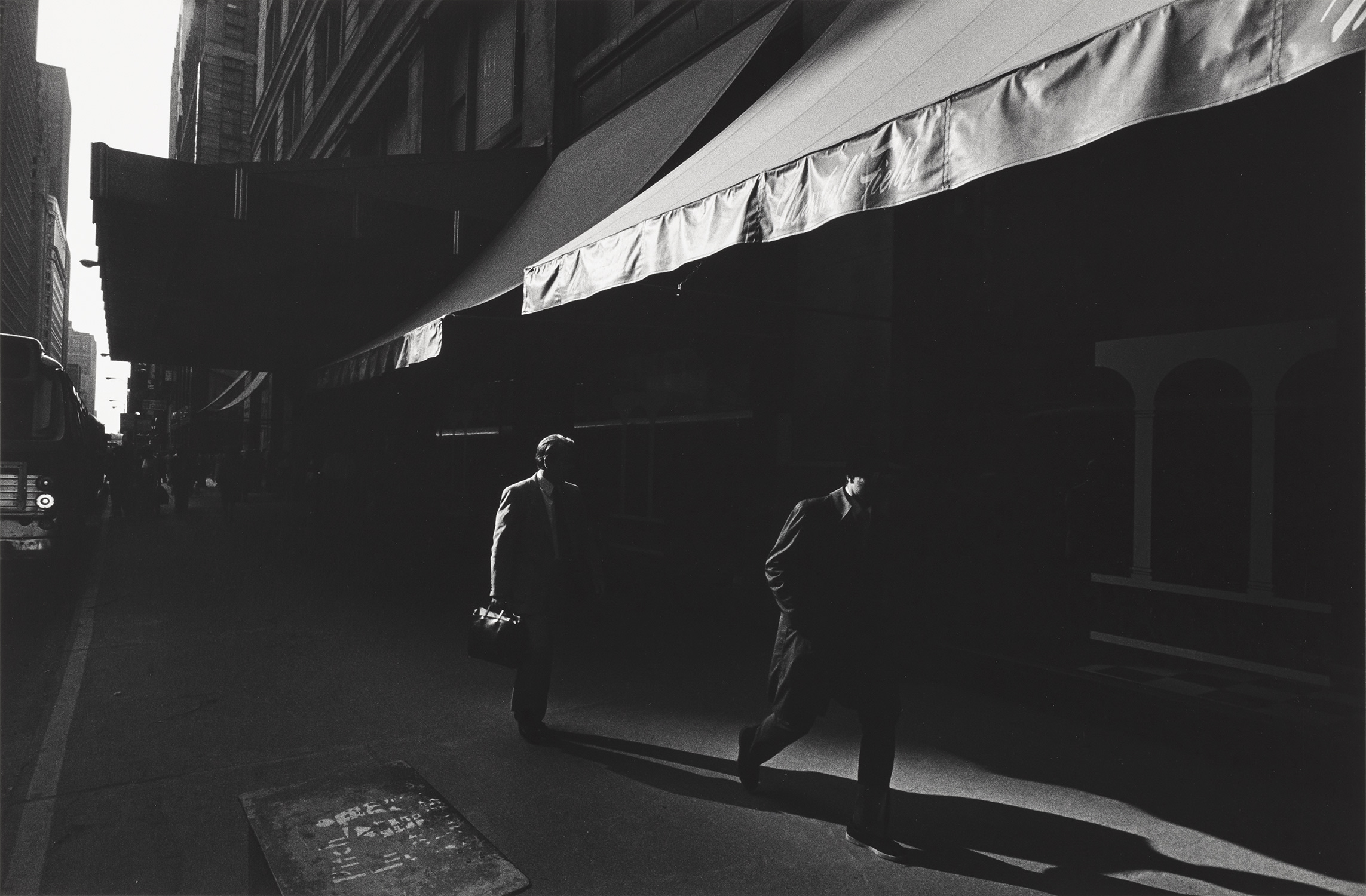
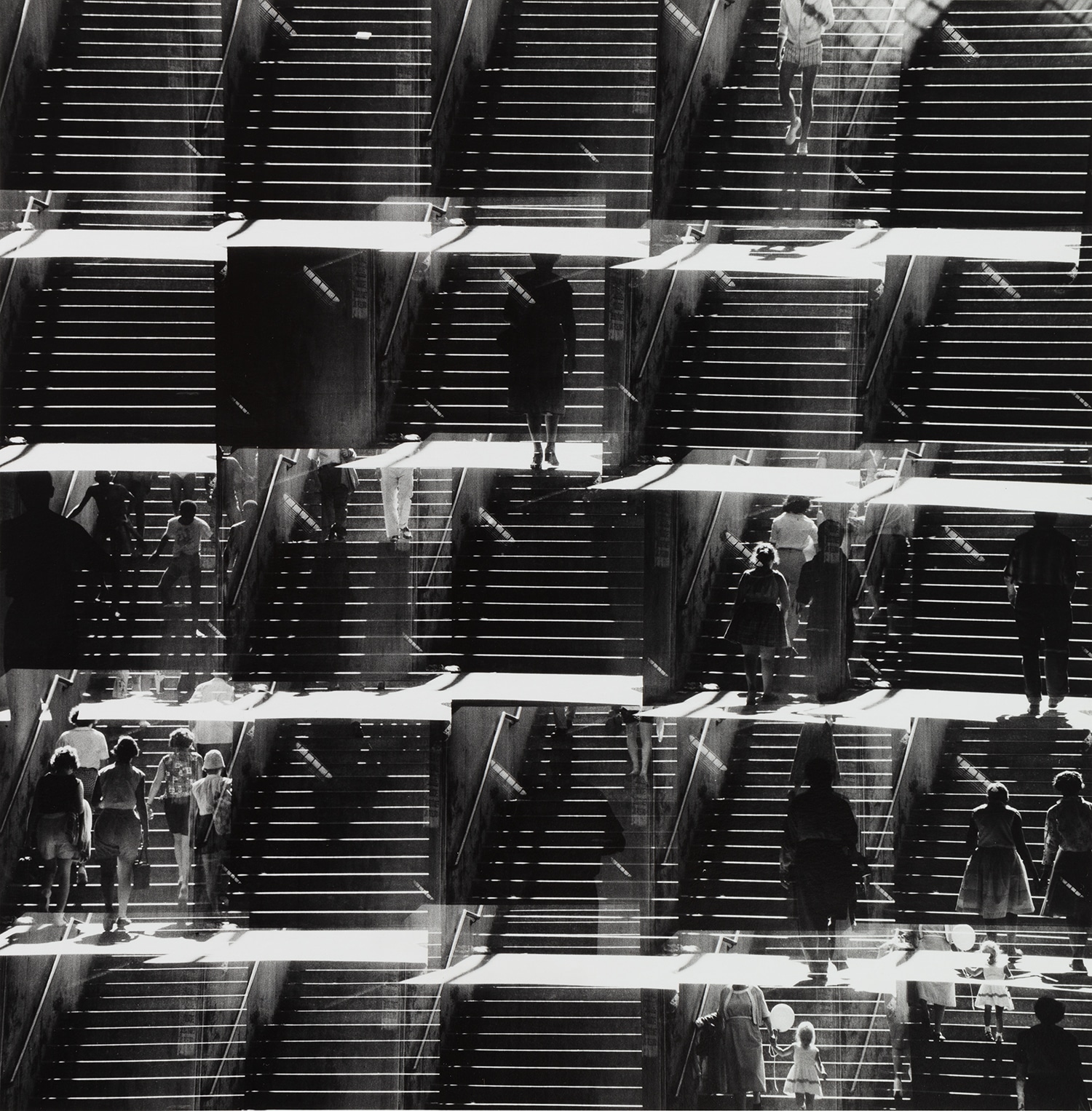
His earliest mature work focused on the streets and elevated train lines of Chicago, and those images already announced the sensibility that would define his career. He was drawn to the extreme contrasts of urban light, to the way a figure caught beneath an overpass could dissolve into near total darkness while a sliver of sky above burned with almost painful brightness. These were not street photographs in the documentary tradition of Henri Cartier Bresson or Robert Frank. They were studies in formal tension, in the drama of tonal opposition, in what happens to the human figure when it is absorbed into the architecture of light itself.
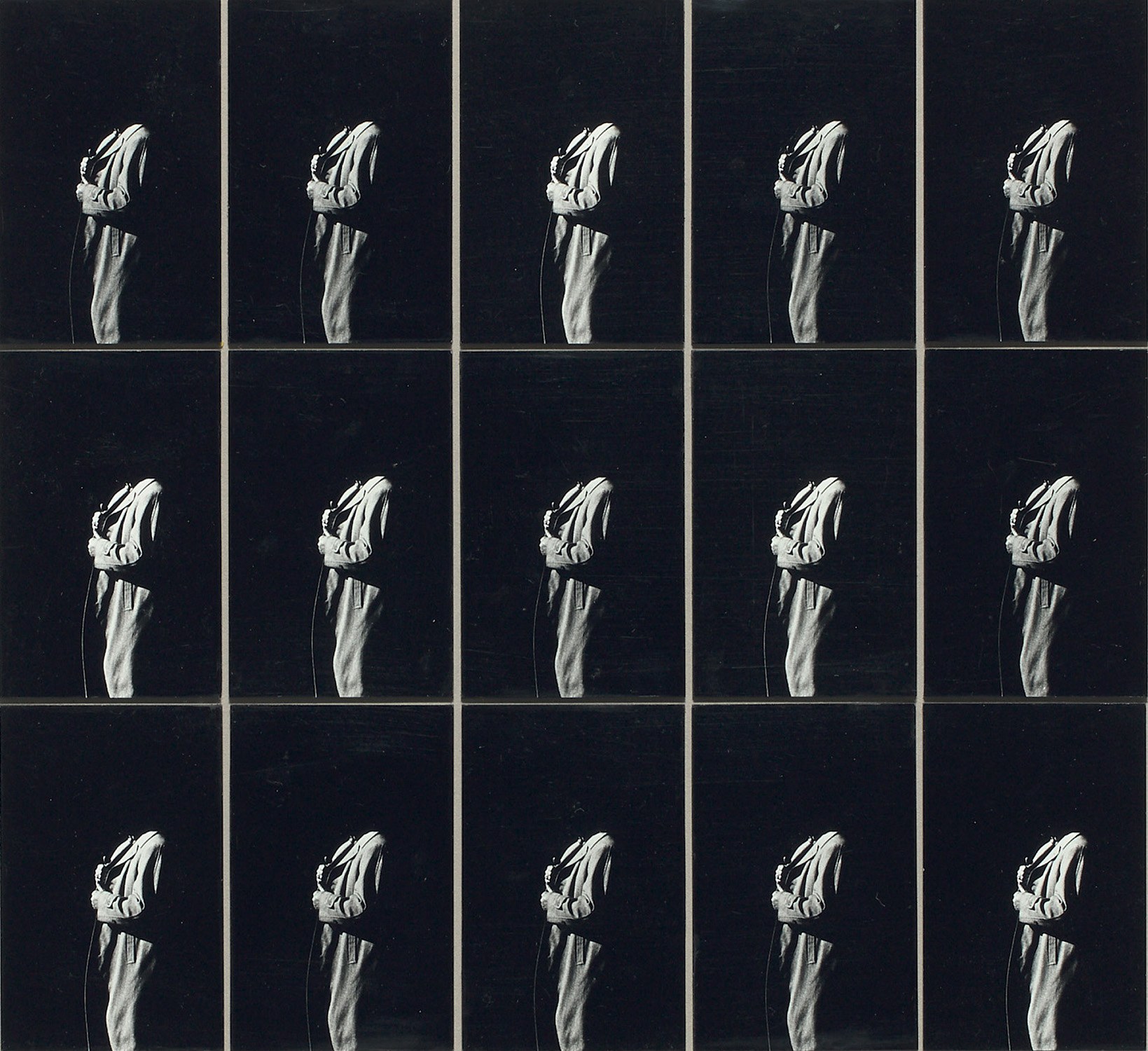
Through the 1960s and 1970s Metzker developed his most technically adventurous work, including his celebrated composite prints and his experiments with multiple exposures. Works such as Leapin zzz and In Situ, the latter a unique composite assembled from fifteen gelatin silver prints and flush mounted to board, represent the full flowering of this approach. Rather than presenting a single decisive moment, these composites accumulate time and space, tiling fragments of experience into a larger visual argument. The effect is somewhere between a musical score and an architectural plan, ordered and yet alive with internal movement.
Ray K. Metzker
Chicago (58N-20)
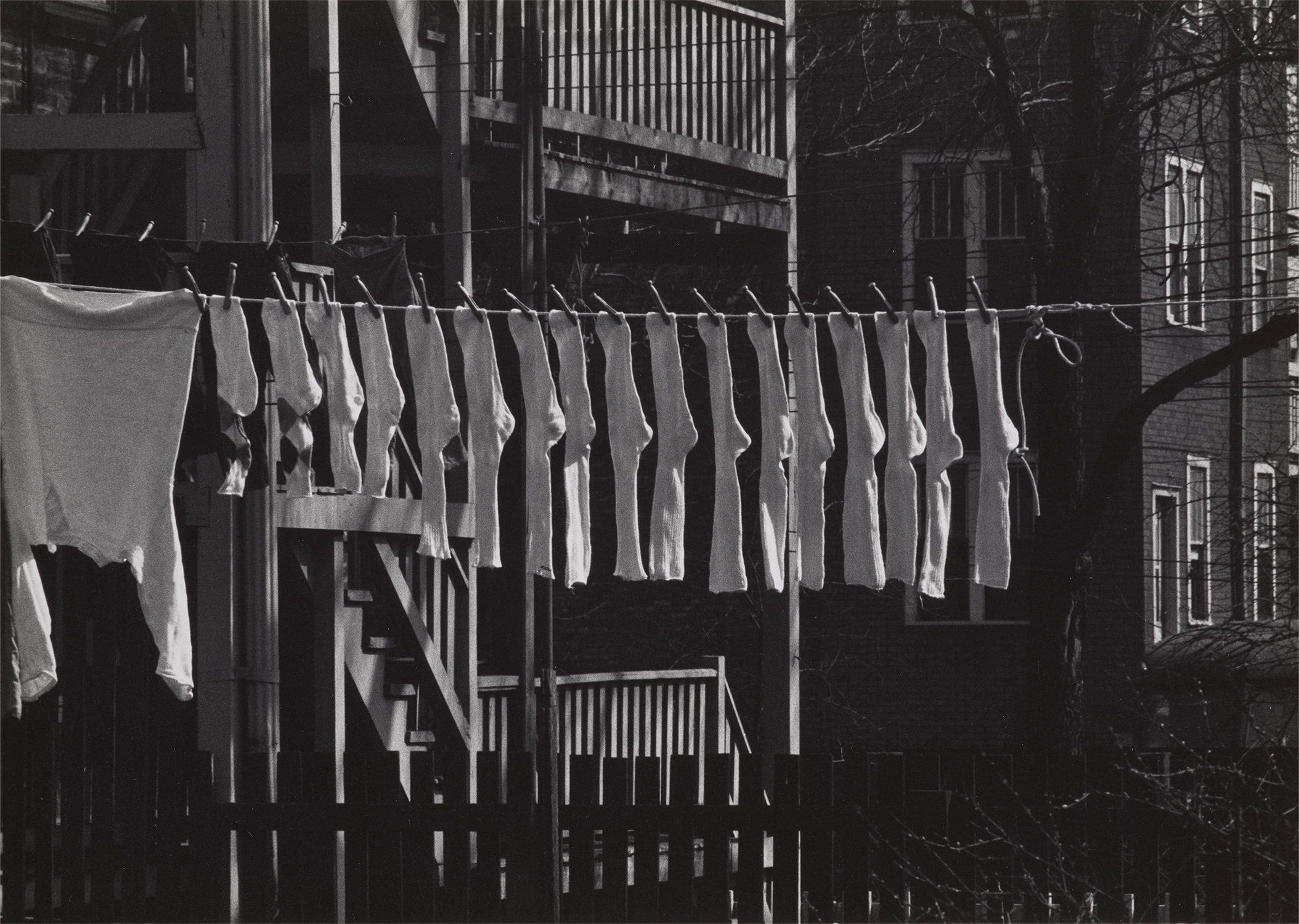
In Philadelphia, where Metzker settled and taught at the Philadelphia College of Art for many years, he found the dense urban fabric that fed this work, the layered shadows and human silhouettes that appear throughout his My Philadelphia series. For collectors, the range of Metzker's output offers genuinely exciting points of entry. His gelatin silver prints from the Chicago period, including works such as Chicago (58N 20) and The Loop: Chicago (58 DX 25), are prized for their formal severity and their historical importance as documents of postwar American photography finding its aesthetic footing. The composite works, including the four print Whimsy series, are rarer and more physically complex objects, demanding a considered approach to installation and display.
Print condition and the presence of the artist's signature and numbering, as with the 1997 work Sailor, numbered 2 of 40 in pencil, are significant factors in assessing value. Metzker was a careful and exacting printer, and the quality of his darkroom work is a consistent pleasure across his output. Auction results over the past decade have reflected growing institutional and private appetite for his work, with composite pieces in particular attracting strong attention when they appear on the market. To place Metzker within art history is to understand him as a figure who bridged several worlds simultaneously.
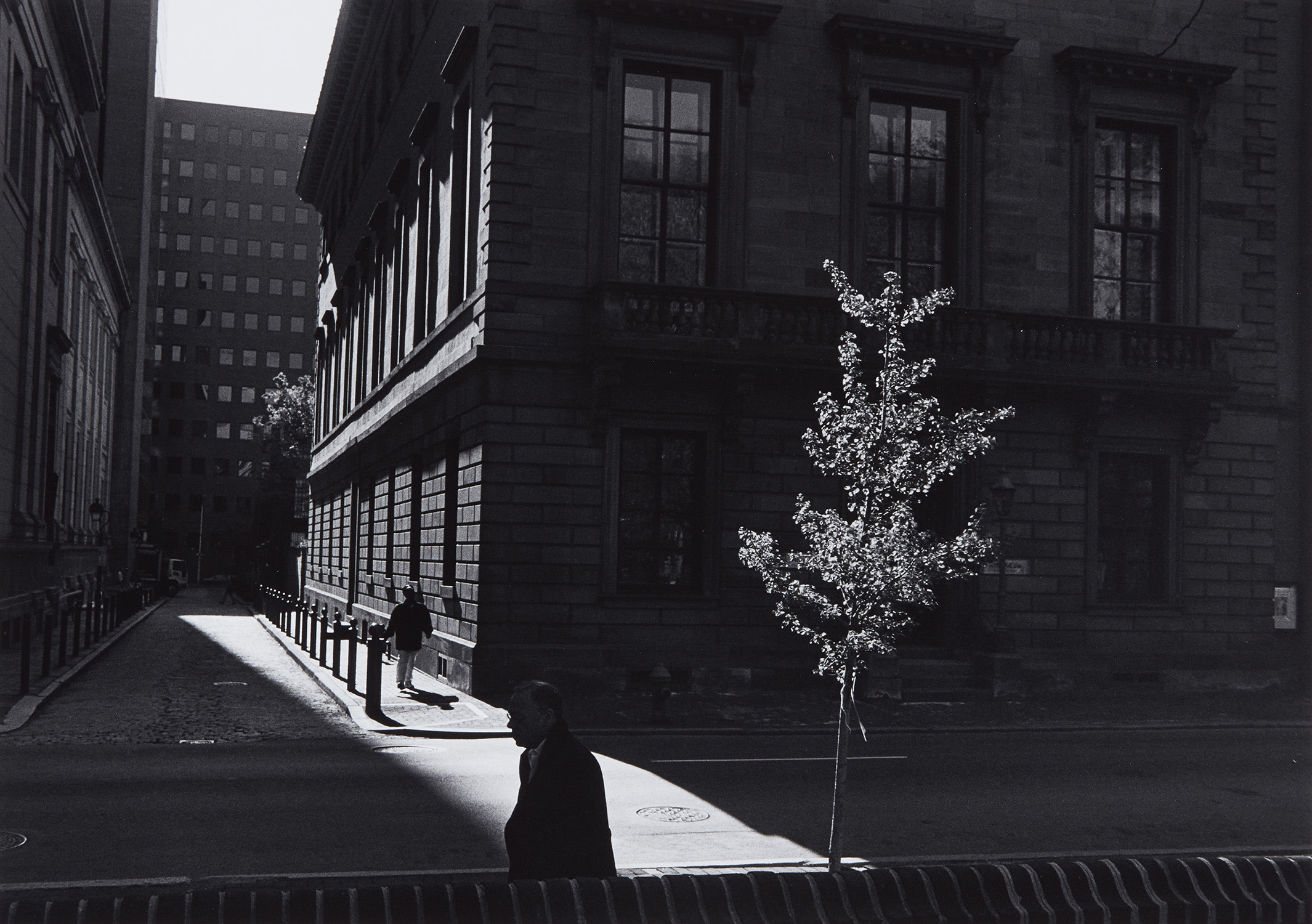
Ray K. Metzker
My Philadelphia! (01-AG-42)
He shared with his teachers Callahan and Siskind a deep commitment to photography as a medium capable of abstraction and formal invention, a commitment that aligned him with contemporaries such as Minor White and Frederick Sommer. At the same time, his engagement with the urban environment and the human figure in motion placed him in productive dialogue with the street photography tradition embodied by Lisette Model and Garry Winogrand. Yet Metzker belonged fully to neither camp, which may be exactly why his work has aged so well. He was not a polemicist or a documentarian but a visual thinker, and his best photographs ask questions about perception itself.
Metzker spent his later decades in Philadelphia and continued to produce new work with sustained vitality, including his Alicante series made in Spain, which brought his tonal investigations to the intense Mediterranean light of the Spanish coast. He received a Guggenheim Fellowship and was recognized repeatedly by the arts community as a figure of central importance to American photography. When he died in 2014 at the age of eighty three, the tributes from fellow photographers, curators, and collectors reflected the depth of affection and respect he had earned over a career of more than five decades. The grief was real, but so was the sense that his photographs would go on doing their work indefinitely.
What draws collectors and curators back to Metzker again and again is something that resists easy description but is immediately felt in the presence of one of his prints. There is a joy in his work, a joy in the act of seeing, in the willingness to take the most ordinary corner of a city and find within it a composition of almost classical power. He reminds us that the camera is not simply a recording device but a philosophical instrument, a tool for asking what the world looks like when we truly pay attention. In that sense, Ray K.
Metzker remains not a historical figure to be appreciated from a respectful distance but a living presence in every print he left behind.
Explore books about Ray K. Metzker