Ralph Humphrey
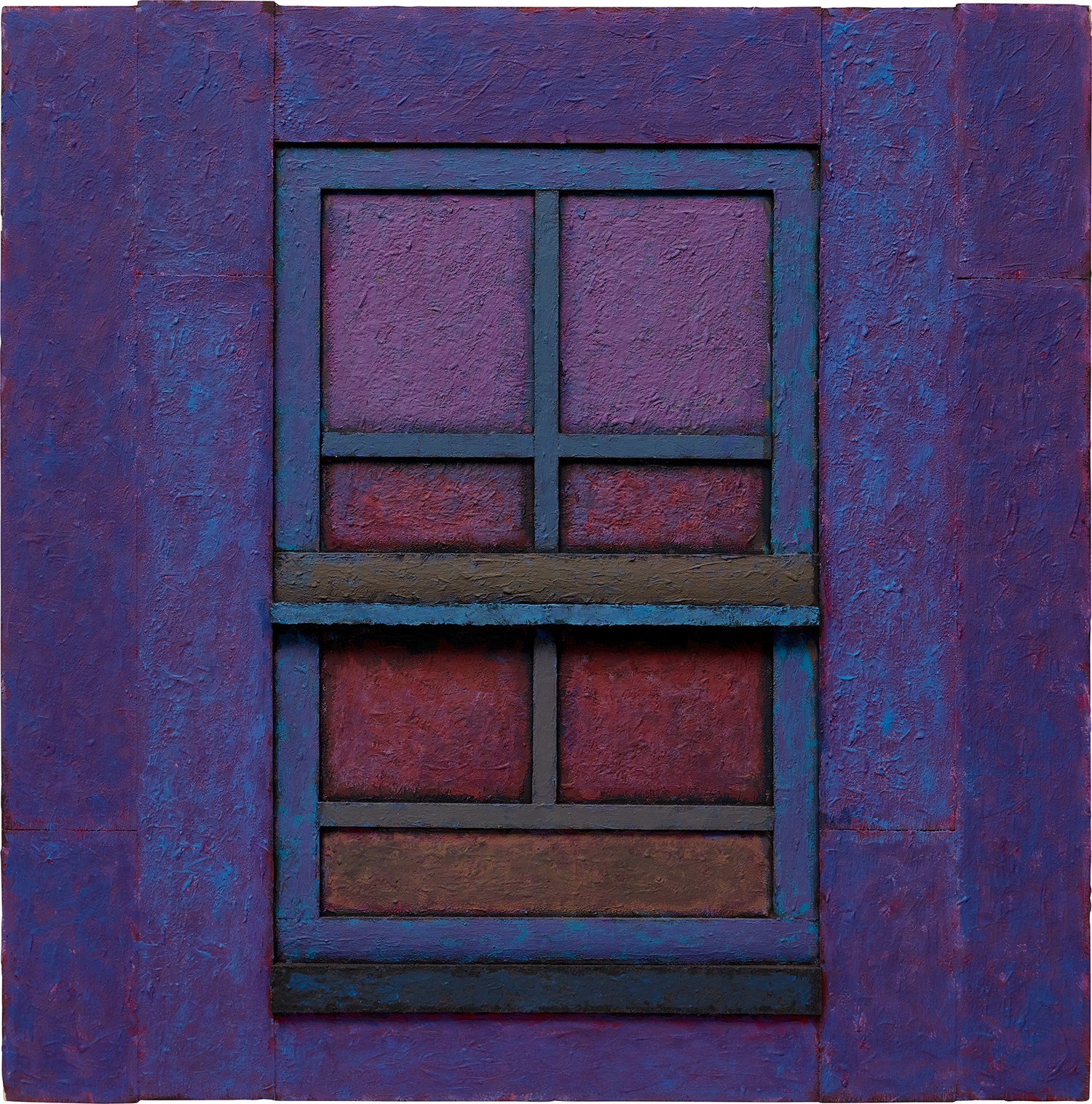
Ralph Humphrey: The Quiet Power of Stillness
Artist Spotlight · The Collection Editorial
There are painters who announce themselves loudly, and there are painters whose work requires you to slow down, to lean in, to let your eyes adjust. Ralph Humphrey was emphatically the latter. When the Whitney Museum of American Art presented selections from its permanent collection in the early 1980s, Humphrey's canvases held their own quietly but with unmistakable authority alongside the era's more voluble voices. To encounter one of his paintings is to understand that restraint, applied with genuine intelligence and deep feeling, can be among the most radical gestures in art.
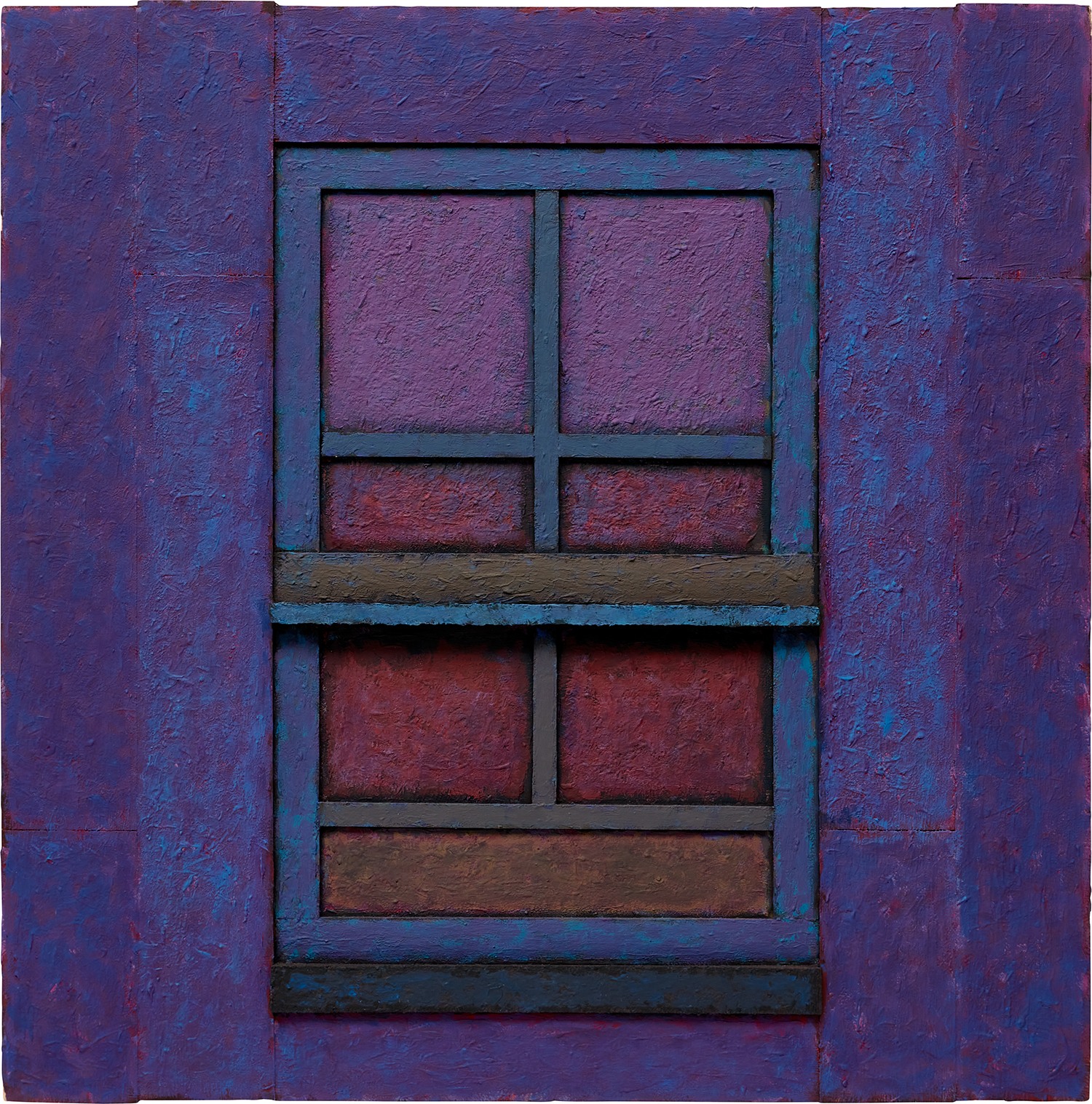
Ralph Humphrey
Blocks, 1982
Humphrey was born in Youngstown, Ohio in 1932, a city shaped by steel and industry, by the kind of American working life that values durability and craft. He studied at Youngstown University before making his way to New York, where the city's postwar art world was in full, electric transformation. He arrived as Abstract Expressionism was cresting and the next generation was already beginning to ask hard questions about gesture, surface, and emotional excess. Humphrey absorbed what the older painters had achieved while quietly charting a different course, one that would carry him toward something more considered and more still.
By the late 1950s, Humphrey had developed an approach that placed him within the broad current of what critic Clement Greenberg would famously identify as Post Painterly Abstraction. This tendency, celebrated in Greenberg's landmark 1964 exhibition of the same name at the Los Angeles County Museum of Art, prized clarity, openness, and a willingness to let color and form breathe without the drama of loaded brushwork. Humphrey's early canvases, including oils from around 1959 such as "Armanda," demonstrate a painter already deeply committed to the idea that a painting could hold space without filling it, that presence could be achieved through what was withheld as much as what was offered. These works are luminous, meditative objects that reward prolonged looking.
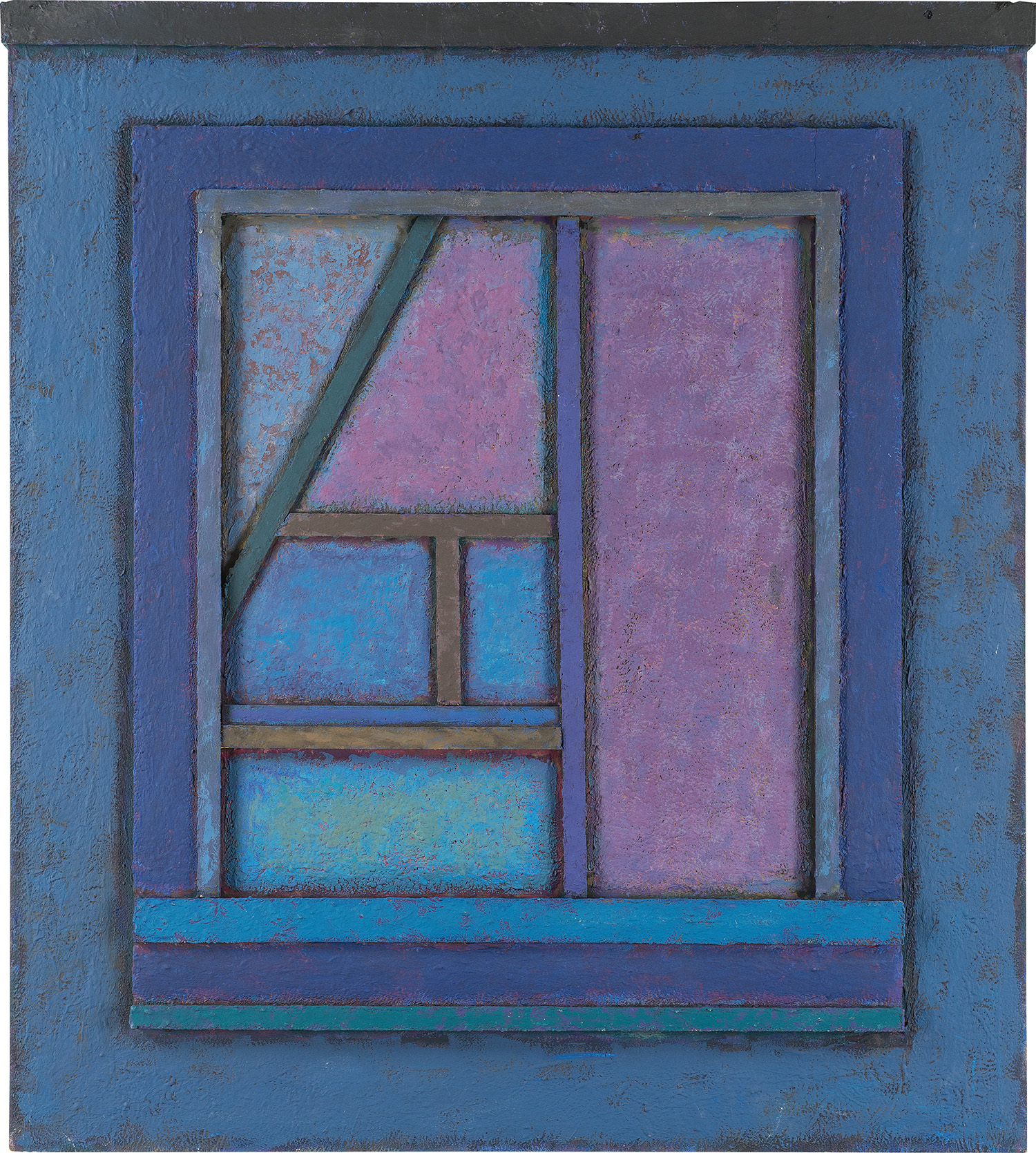
Ralph Humphrey
Station, 1982
Through the 1960s and into the 1970s, Humphrey's practice underwent a genuine evolution. He moved steadily toward a more rigorous engagement with surface and support, exploring the physical substance of the painted object rather than treating the canvas as simply a ground for illusion. His 1973 untitled work in graphite and paper collage on paper shows a painter alert to the expressive possibilities of humble materials, using layering and texture to create depth that operates more like geological time than pictorial space. By the late 1970s, works such as "For Norman" from 1977 reveal a sensibility at once more intimate and more resolved, a painter who had found his language and was speaking it with growing confidence.
The works Humphrey produced in the early 1980s represent what many consider the fullest flowering of his achievement. Pieces like "Blocks," "Station," and "Year," all from 1982, and "October Light" from 1983, demonstrate a mature command of the particular medium he had made his own: casein, modeling paste, and acrylic modeling paste on panel. These materials gave his surfaces an almost architectural quality, dense and tactile, with a matte luminosity quite unlike the slick finish of much minimalist work of the period. The geometric forms in these paintings are minimal but never cold.
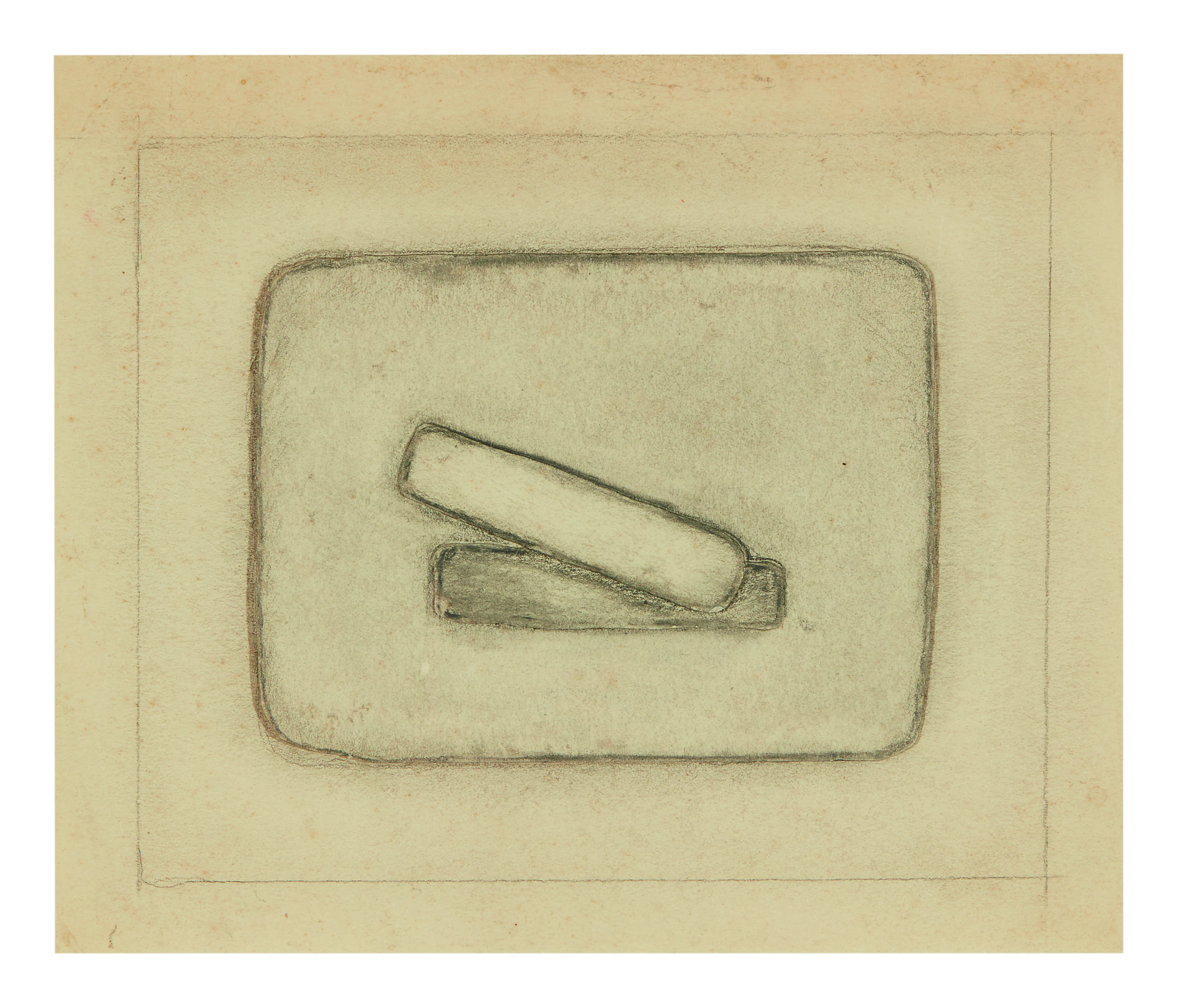
Ralph Humphrey
Untitled, 1973
They feel earned, like forms that have settled into their positions after long deliberation. "Station" in particular, with its casein, modeling paste, and wood collage on panel, exemplifies Humphrey's ability to make a painting feel both completely resolved and somehow still in motion, holding its breath. For collectors, Humphrey's work represents one of the more compelling opportunities within the postwar American field. His association with major institutions including the Museum of Modern Art, the Whitney, and the Guggenheim confirms both his historical standing and the institutional appetite for his work.
Yet he remains less loudly celebrated than many of his contemporaries, which has historically meant that serious examples of his practice have been accessible to collectors who are looking beyond the obvious names. Works on paper and panel from the late 1970s and early 1980s offer particularly strong entry points, combining the full range of his material investigation with a scale that works beautifully in residential and private settings. Collectors drawn to artists like Agnes Martin, Robert Ryman, or Brice Marden will find in Humphrey a kindred spirit, a painter equally serious about the phenomenology of the painted surface and equally uninterested in spectacle for its own sake. Historically, Humphrey belongs to a distinguished lineage of American painters who pursued what might be called the contemplative strand of abstraction.
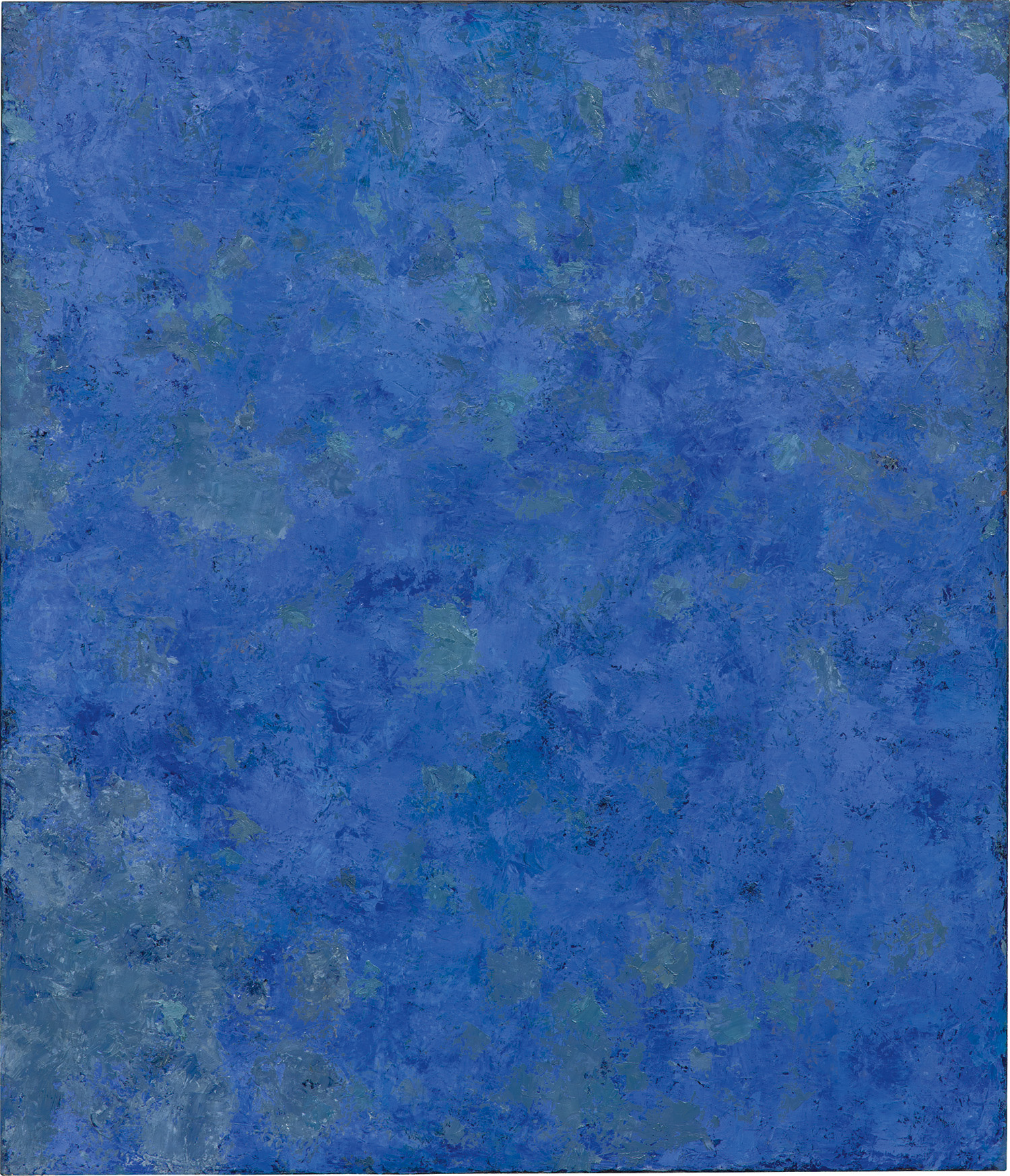
Ralph Humphrey
Armanda, 1959
Where artists like Frank Stella and Kenneth Noland moved toward declarative boldness, Humphrey and peers such as Ryman and Martin held to a more inward path. His long tenure teaching at Parsons School of Design in New York meant that his thinking shaped generations of younger artists, many of whom went on to significant careers of their own. He was a painter who took his responsibilities to the practice seriously, and who communicated that seriousness in the studio and the classroom alike. Ralph Humphrey died in 1990 at the age of 57, leaving a body of work that has only grown in stature in the decades since.
The renewed critical and market interest in postwar American abstraction, particularly in its quieter and more materially focused expressions, has brought fresh attention to painters like Humphrey who were never household names but who produced work of genuine and lasting quality. In an art world that sometimes mistakes noise for significance, his paintings remain a reminder that the most profound statements are often made in a low voice. To live with a Humphrey is to understand this slowly, and with gratitude.
Explore books about Ralph Humphrey