Pol Bury
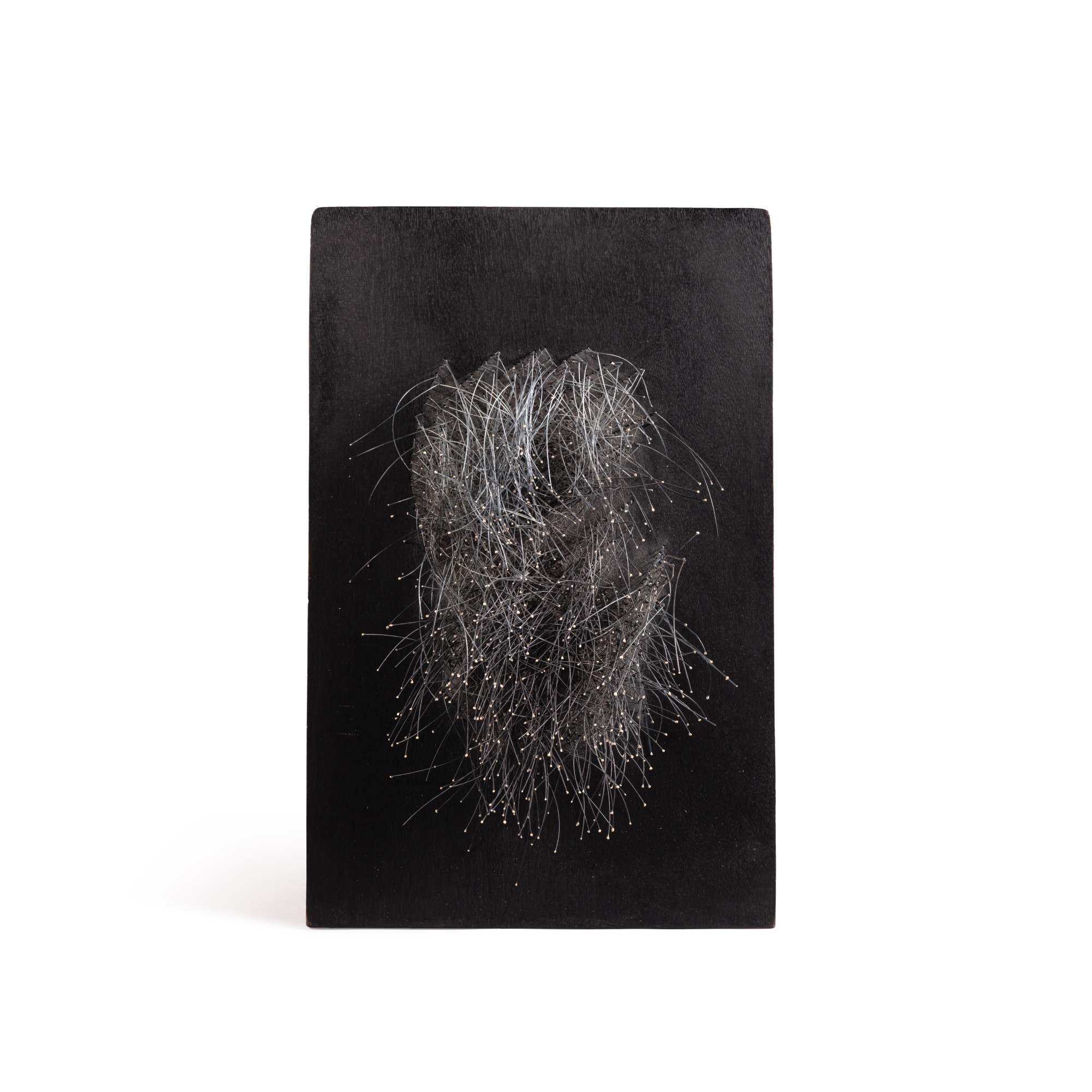
Pol Bury: Motion, Mystery, and Quiet Wonder
Artist Spotlight · The Collection Editorial
There is a particular kind of magic that happens when you stand before a work by Pol Bury. The surface trembles. A cluster of steel balls shifts almost imperceptibly across a polished plane. A forest of slender rods sways in near silence, like reeds at the edge of a slow river.
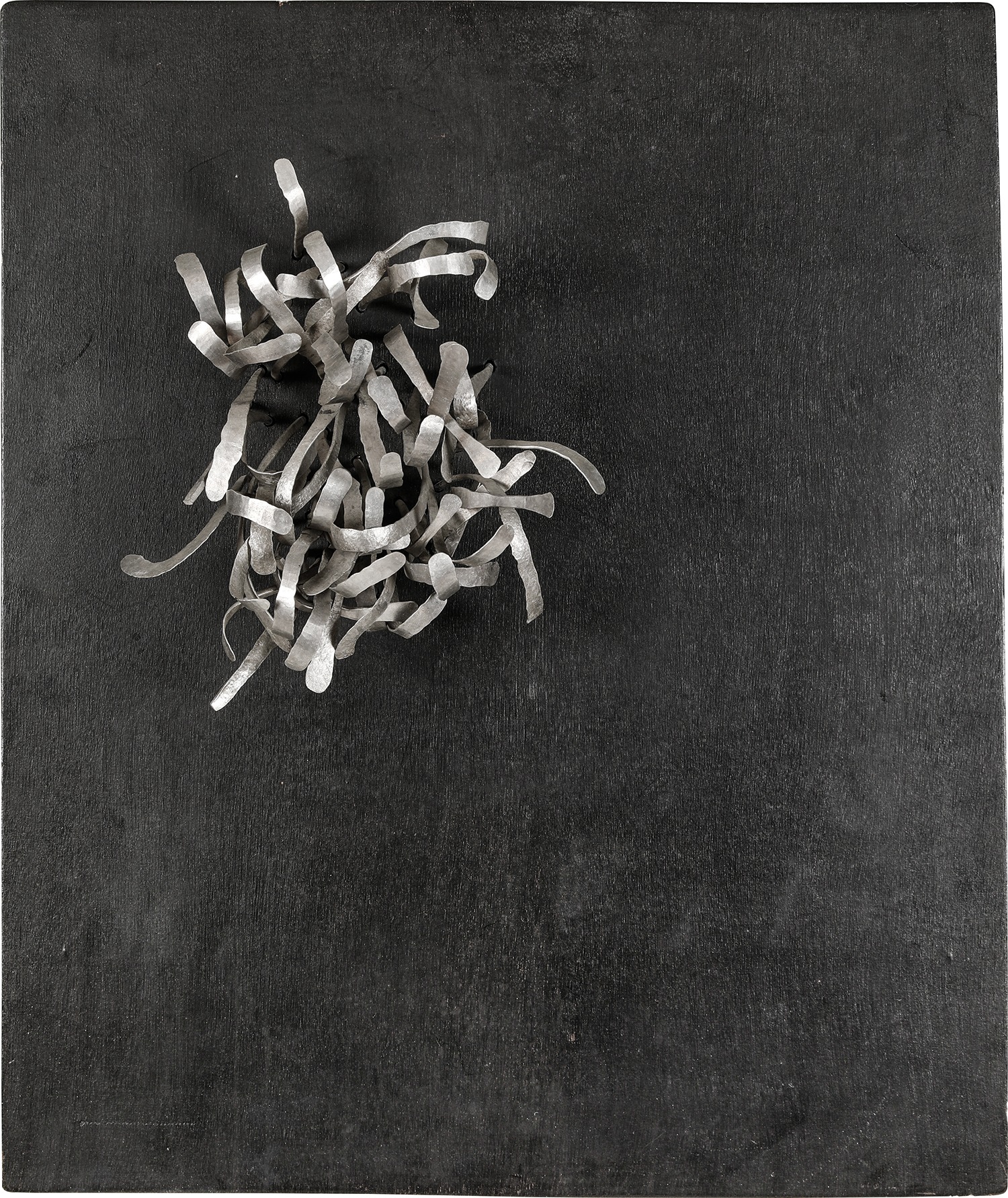
Pol Bury
Entité Érectile, 1963
You look away, look back, and the world has rearranged itself. It is sculpture that breathes, that thinks, that invites you to question what stillness actually means. In recent years, major retrospective attention and robust auction performance across European and American salerooms have confirmed what devoted collectors have long understood: Bury is one of the most genuinely original artists of the twentieth century, and his work feels more alive today than ever. Pol Bury was born in Haine Saint Pierre, Belgium, in 1922, into a world that was still absorbing the cultural shockwaves of Surrealism and the early European avant garde.
He studied at the Académie des Beaux Arts in Mons during the late 1930s and early 1940s, where painting consumed his early energies. His formative encounter with the work of René Magritte and the broader Surrealist circle in Belgium left a lasting impression, and in 1945 he became associated with the CoBrA movement, that vital and unruly coalition of artists from Copenhagen, Brussels, and Amsterdam who sought to liberate art from cold intellectualism and return it to something raw and instinctive. This early immersion in both Surrealist poetry and CoBrA expressiveness gave Bury a sensibility that was always partly playful, partly philosophical, never entirely serious and never entirely joking. The decisive turn came in 1953, when Bury encountered an exhibition of Alexander Calder's mobiles in Brussels.
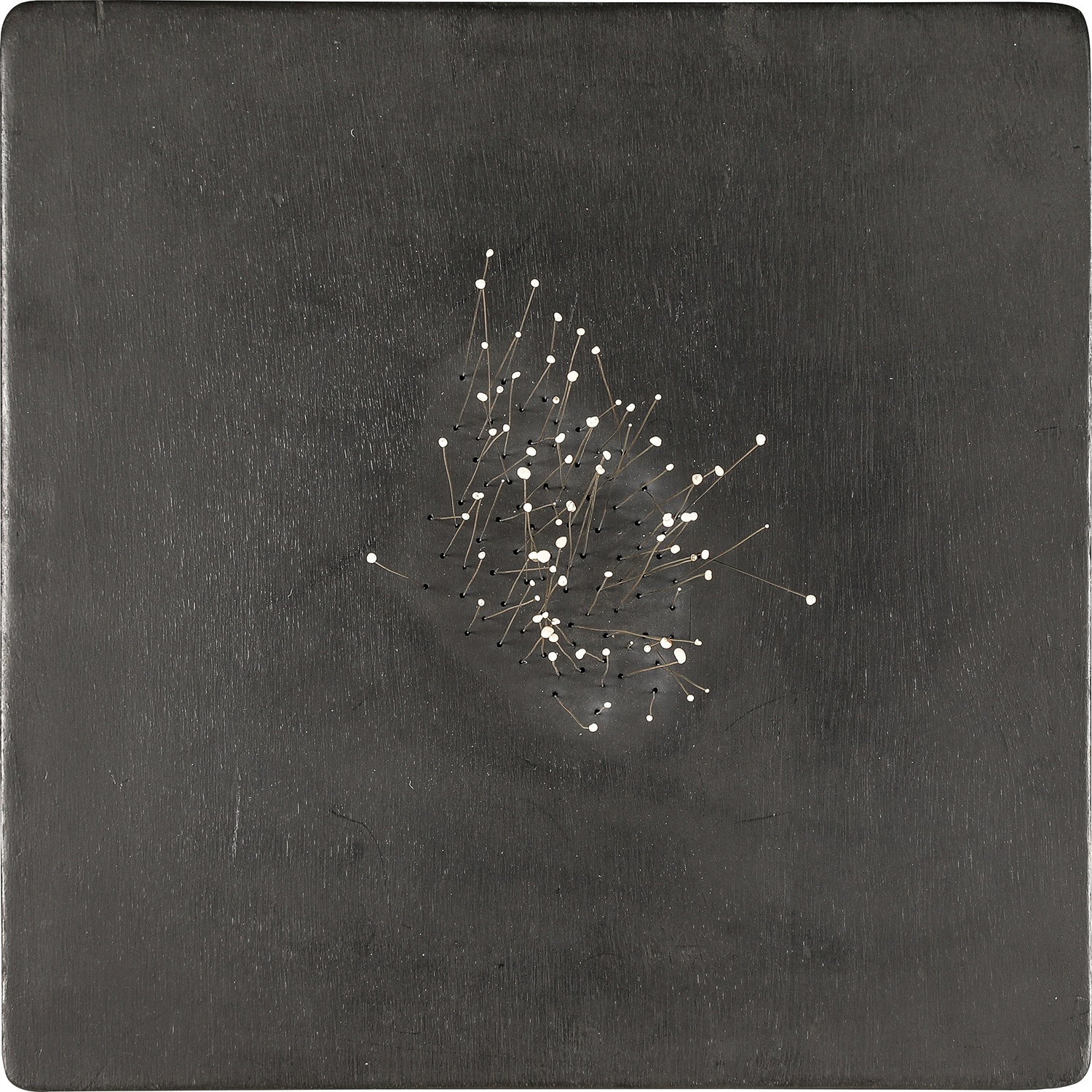
Pol Bury
Ponctuation molle, 1963
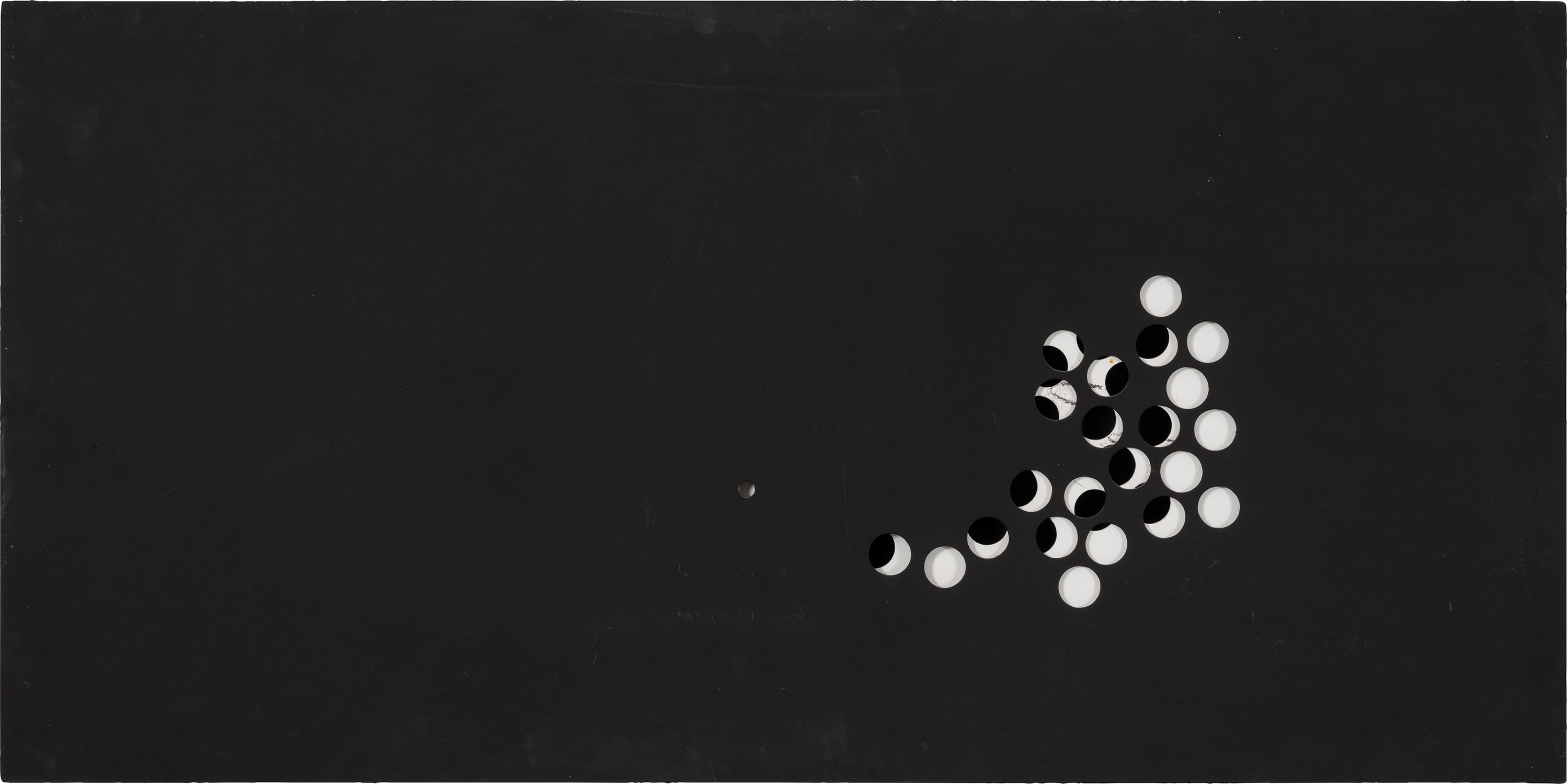
The revelation was immediate and profound. If Calder had put sculpture in motion through the agency of air and chance, Bury sensed that there was an entirely different and more intimate kind of movement waiting to be explored, one that unfolded so slowly, so quietly, that the viewer could barely confirm it was happening at all. He abandoned painting entirely and began constructing what he would come to call his Mobiles then his Punctuations and ultimately his extraordinary kinetic environments. He harnessed small electric motors, concealed within painted wooden forms, to produce movements of such deliberate, almost agonizing slowness that they seemed to operate at the threshold of perception itself.
This was not spectacle. This was patience made physical. The works that define Bury's reputation emerged across a fertile decade stretching from the late 1950s through the 1960s. Ponctuation, created in 1959 using painted masonite and an electrical motor, announced his mature vocabulary with quiet authority.
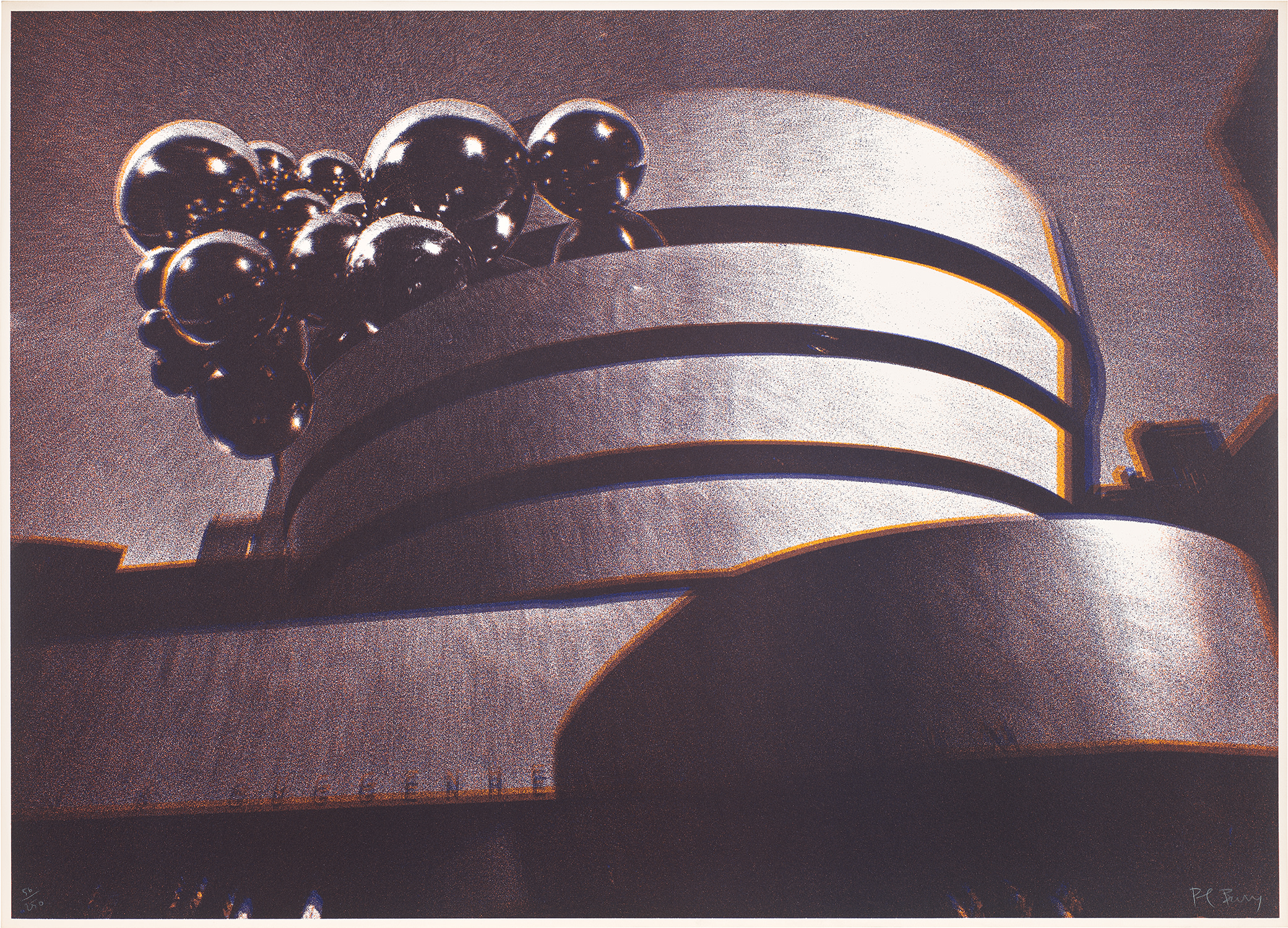
Pol Bury
Guggenheim
By 1963, works like Ponctuation molle and Entité Érectile demonstrated his ability to combine painted wood, aluminium, metal rods, and concealed motors into objects of startling formal elegance. These pieces belong to a tradition of constructed sculpture that reaches back through Constructivism, yet they carry none of Constructivism's ideological rigidity. They are warmer, stranger, more amused by their own existence. The mid 1960s brought works of expanded ambition: 865 Points blancs from 1966, with its nylon threads animated by hidden motors, and 18 Boules superposées from the same year, in which stacked wooden spheres perform their barely visible negotiations of gravity and momentum.
Then came 730 billes sur un plateau in 1968, a tour de force in stainless steel in which hundreds of ball bearings drift across a reflective plane under the influence of a magnet and motor, the whole piece shimmering like a living organism. Bury's work defies easy categorization, which is part of what makes it so enduring. He is rightly placed within the Kinetic Art movement alongside artists like Jean Tinguely, Yaacov Agam, and Jesús Rafael Soto, all of whom were exploring how time and movement could become integral sculptural materials rather than incidental effects. He showed with the Galerie Denise René in Paris, one of the most important galleries of the period for kinetic and geometric art, and participated in the landmark 1955 exhibition Le Mouvement, which also featured Calder, Duchamp, and Tinguely and is now recognized as a foundational moment in the history of kinetic art.
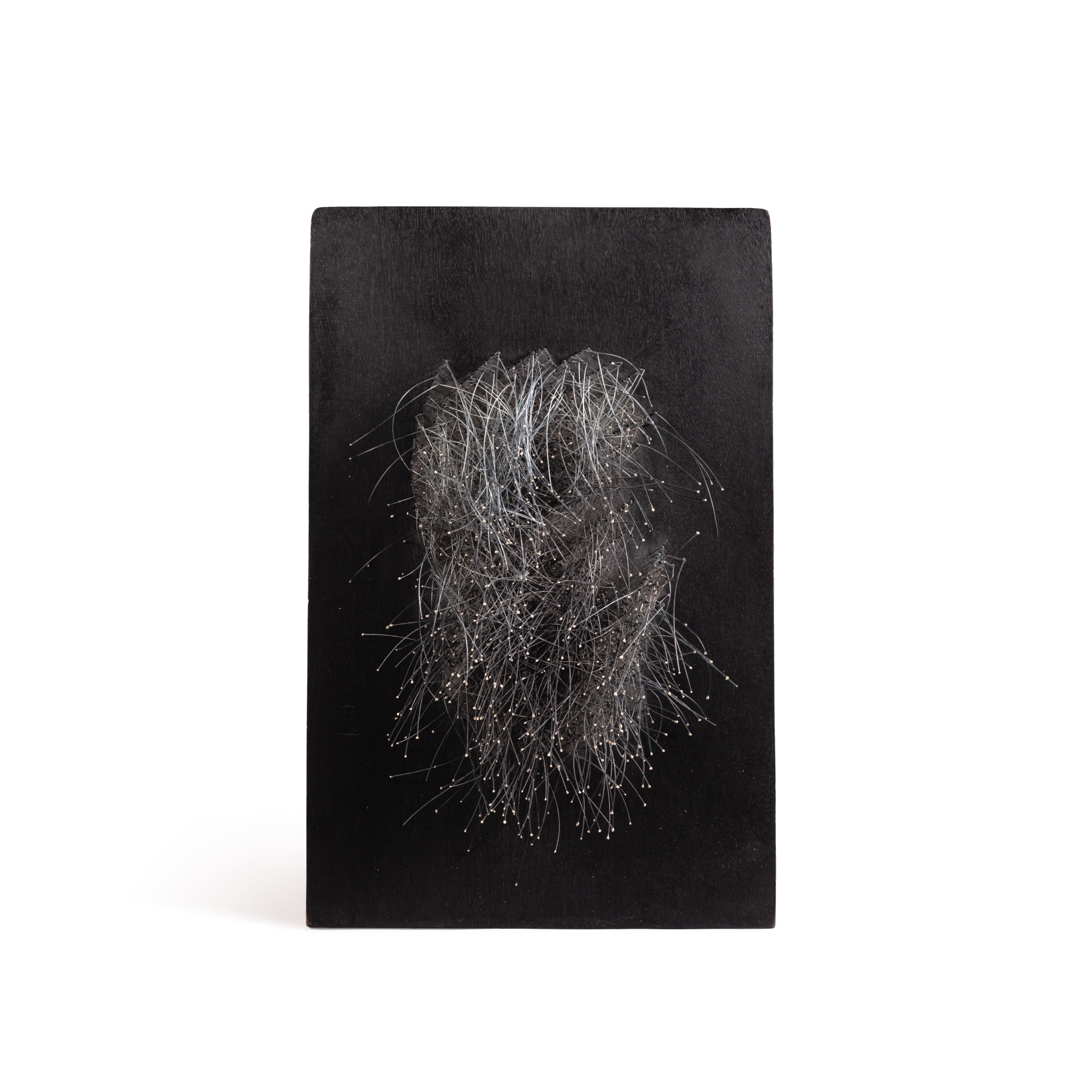
Pol Bury
865 Points blancs, 1966
Yet Bury always sat slightly apart from his contemporaries. Where Tinguely built chaotic mechanical theater, Bury cultivated ambiguity. Where Soto pursued optical vibration, Bury pursued stillness at the edge of motion. His closest spiritual relative may be neither a kinetic artist nor a sculptor at all, but rather someone like John Cage, for whom duration, silence, and the barely perceptible were the richest territories of artistic experience.
For collectors, Bury presents an extraordinary opportunity and a genuinely distinctive experience of ownership. His works span an impressive range of media and scale, from intimate painted wood constructions of the late 1950s and early 1960s to monumental stainless steel public installations, and they have been collected by major institutions including the Museum of Modern Art in New York, the Centre Pompidou in Paris, and the Solomon R. Guggenheim Museum. His Guggenheim lithograph, produced as a numbered edition in vivid colour on wove paper, stands as one of his most accessible and collectible multiples, while the bronze editions such as Volume figé E 20, cast by the Barelier foundry and published by the distinguished Galerie Louis Carré and Cie, demonstrate the institutional weight behind his editioned work.
At auction, Bury's kinetic sculptures have achieved consistent results at major houses including Christie's and Sotheby's, with strong interest from European collectors in particular. Works from the 1963 to 1968 period command the greatest attention, as this era represents both the peak of his formal invention and the historical moment when kinetic art was at its most culturally charged. Bury moved to Paris in 1961 and later spent significant time in the United States, where his work found enthusiastic audiences. He also expanded into jewelry design and fountain sculpture, creating animated water installations for public spaces in cities including New York and Paris, where his fountain at the Palais Royal became a beloved fixture.
He received the honorary degree of Doctor of Fine Arts from the University of Maryland and continued working with remarkable creative consistency until late in his life, passing away in Paris in 2005. His late bronze work shows an artist still deeply engaged with the formal questions that had animated his entire practice: mass, surface, time, and the uncanny threshold between the inanimate and the alive. What Bury offers the collector, the museum goer, and the casual observer alike is something genuinely rare in contemporary art: a slowing down. His sculptures insist on duration.
They reward attention. They change in relation to your patience, your willingness to stand still long enough to notice that the world around you is always, quietly, in motion. In an era of relentless visual stimulus, Bury's work feels not like a relic of the 1960s but like a necessary corrective, a reminder that the most profound experiences are often the ones that arrive so gently you almost miss them.
Featured Works
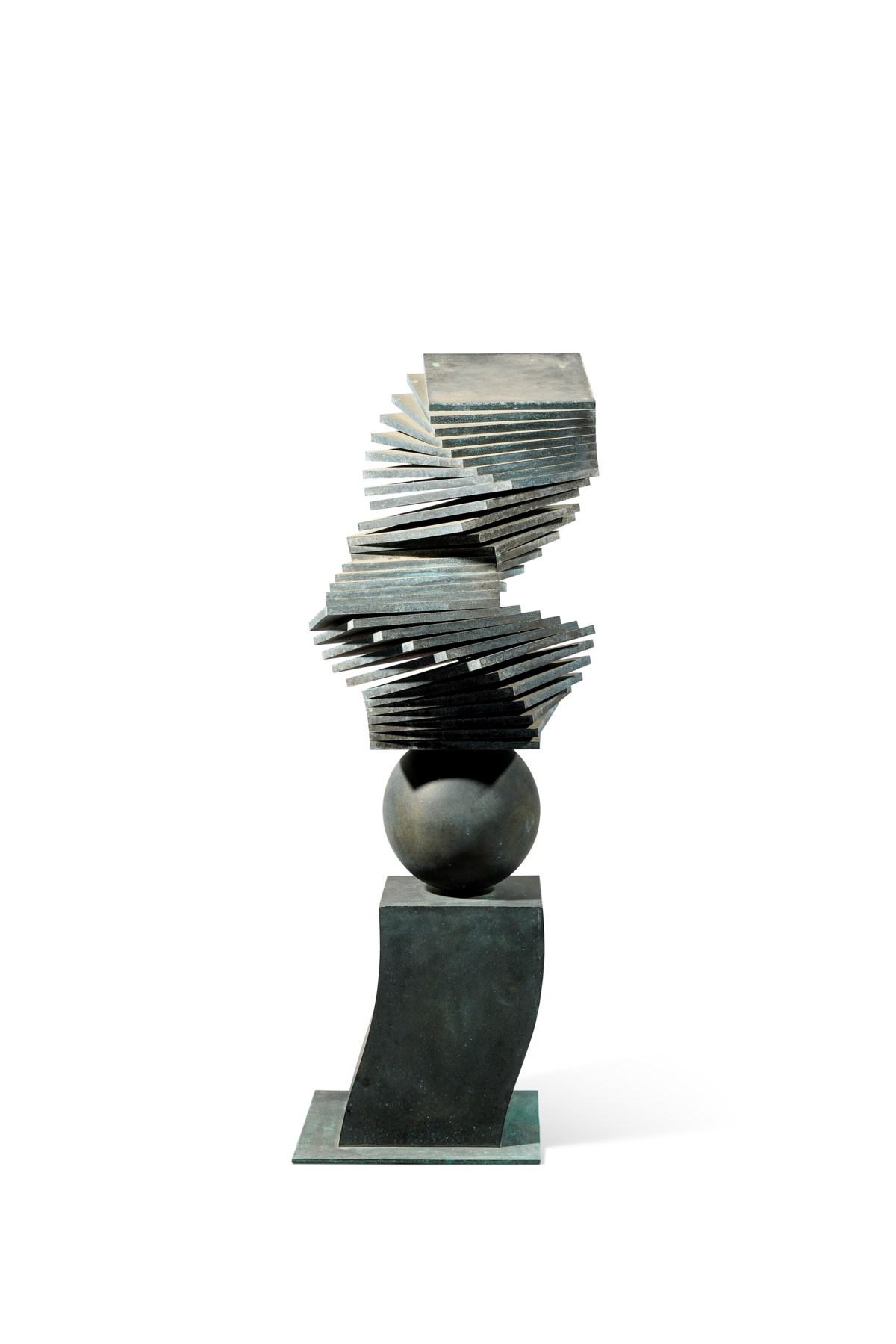
Explore books about Pol Bury
Pol Bury
Michel Tapié
Pol Bury: Catalogue Raisonné
Godelieve Bury-Brouwers
Pol Bury: Sculptures and Reliefs 1951-1995
Musée d'Art Moderne et d'Art Contemporain de Liège

Pol Bury: Retrospective
Pontus Hulten
Pol Bury: Cinétique et Poésie
Julien Blaine