Philippe Halsman
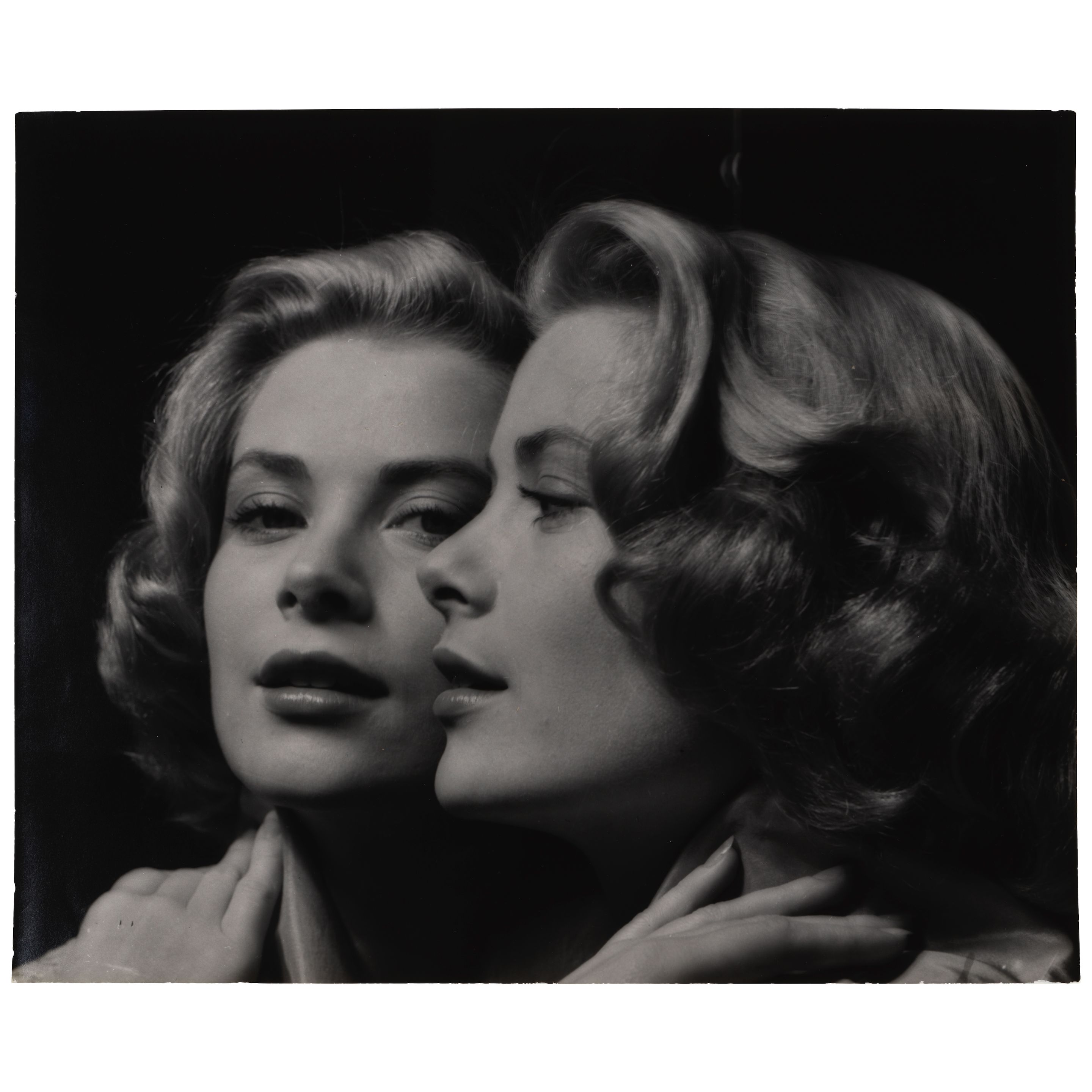
Philippe Halsman, The Eye Behind Greatness
Artist Spotlight · The Collection Editorial
“Each person has a secret world inside. If you want to photograph a person, you must enter their world.”
Philippe Halsman
There is a photograph of Albert Einstein taken in 1947 that stops people in their tracks. The physicist sits quietly, his gaze turned toward the camera with an expression that holds equal measures of exhaustion, wonder, and hard won wisdom. It is not a formal portrait in any conventional sense. It is something closer to a confession, a moment of genuine emotional transparency pulled from one of the most guarded intellects of the twentieth century.
Philippe Halsman
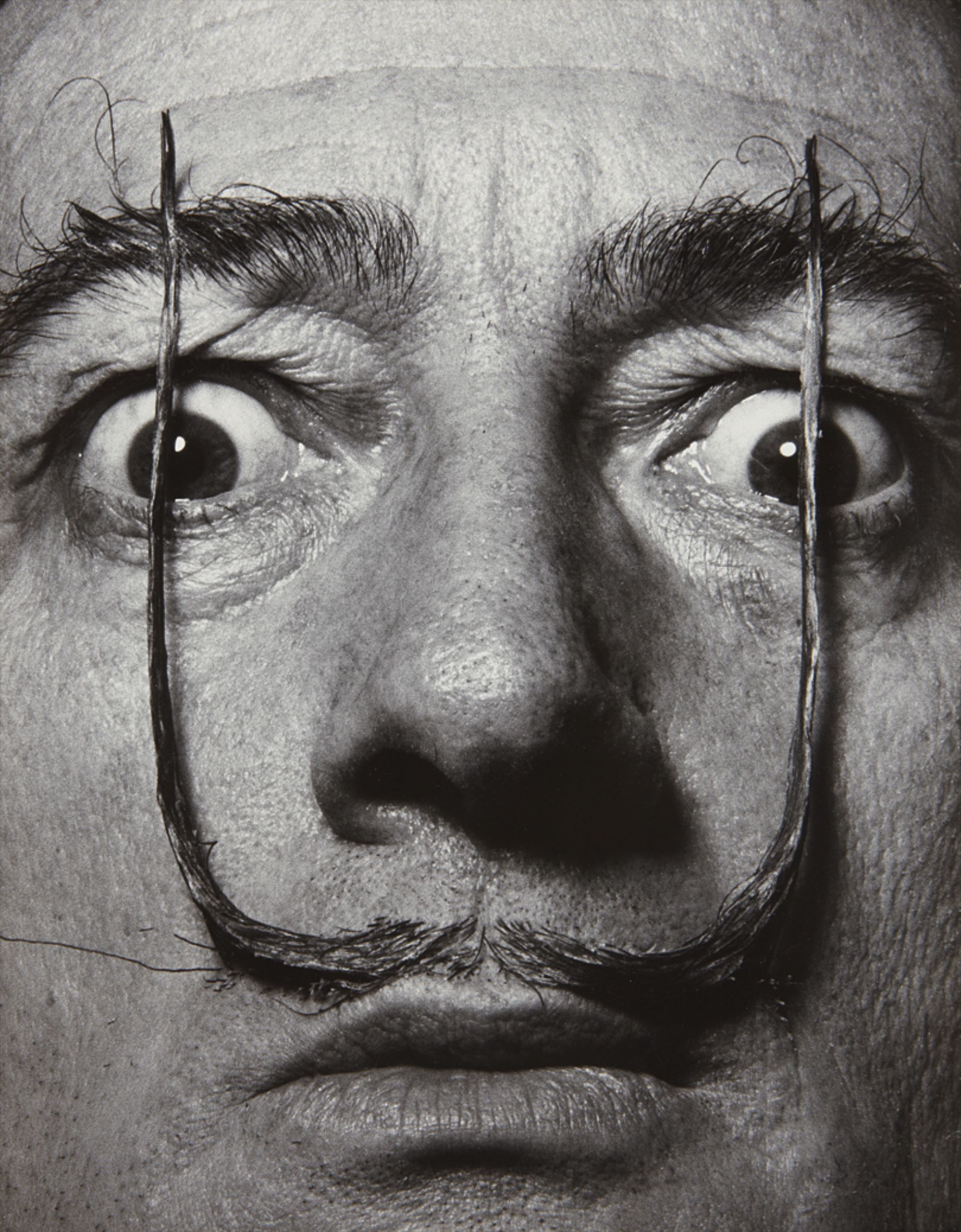
Dali's Mustache
The man responsible for that image was Philippe Halsman, and the fact that Einstein himself called it his favorite portrait of all time tells you almost everything you need to know about what made Halsman singular among the great photographers of his era. Halsman was born in Riga, Latvia, in 1906, into a family that valued education and culture. His father was a dentist, his mother a schoolteacher, and the household was one in which ideas were taken seriously. He studied electrical engineering in Dresden before tragedy reshaped his path entirely.
In 1928, his father died in a hiking accident in the Austrian Alps, and Halsman, who had been present, was accused of the murder by local authorities in what many observers and advocates at the time believed to be a deeply unjust prosecution, colored by antisemitism. He was convicted and imprisoned, though an international campaign supported by luminaries including Sigmund Freud ultimately secured his early release. The experience left an indelible mark on his understanding of human nature, power, and the fragility of justice, themes that would surface again and again in the quiet intensity of his portrait work. After his release, Halsman moved to Paris, where he built a reputation as a portrait photographer of considerable skill throughout the 1930s.
Philippe Halsman
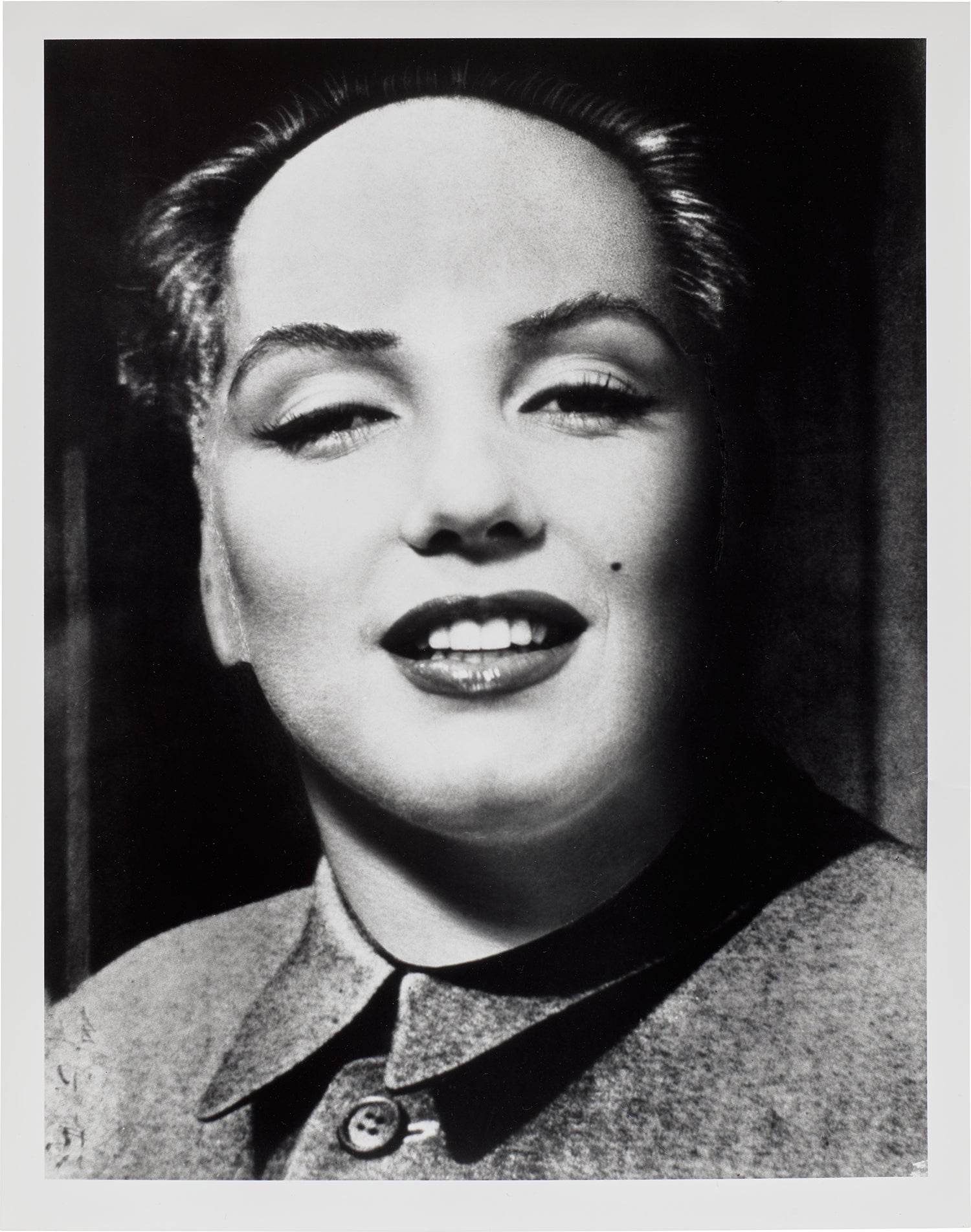
Marilyn Mao, A Plate from the Halsman/Marilyn Portfolio, 1981
He photographed writers, artists, and intellectuals in the ferment of interwar Parisian culture, developing a working method rooted in extended conversation with his subjects. He believed that a portrait could not be made in a single decisive moment alone, but rather had to be earned through genuine human exchange. When the Second World War made life in Europe untenable, he fled to the United States in 1940 with the help of Albert Einstein, who signed an emergency visa application on his behalf. That act of solidarity between the two men deepened into a friendship and a remarkable creative partnership that spanned decades.
“When you ask a person to jump, their attention is mostly on the act of jumping and the mask falls so that the real person appears.”
Philippe Halsman, on the Jump series
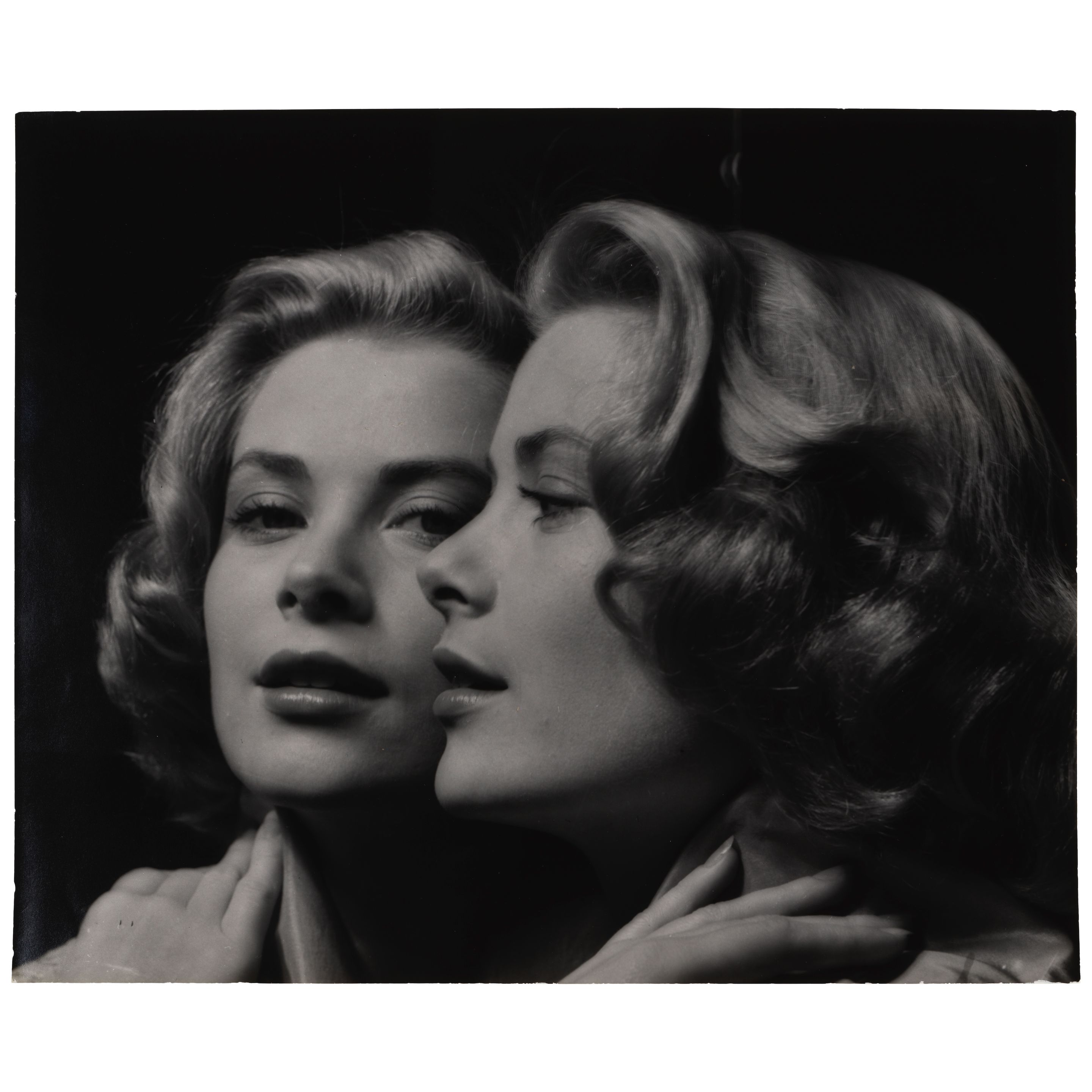
In America, Halsman found an audience hungry for the kind of psychologically penetrating portraiture he had been refining for years. His relationship with LIFE magazine became the defining professional chapter of his career. Over the course of his life he produced 101 covers for the publication, a record that no other photographer has matched. The roster of his subjects reads like a compressed history of twentieth century cultural life: Marilyn Monroe, Salvador Dalí, Winston Churchill, Audrey Hepburn, Richard Nixon, Grace Kelly, and dozens more.
Philippe Halsman
Grace Kelly
What unified these images was not a single visual style so much as a consistent depth of seeing. Halsman was not interested in surfaces. He wanted to locate something true inside a person, and he had an extraordinary gift for creating the conditions in which that truth would reveal itself. His collaboration with Salvador Dalí stands as one of the most celebrated partnerships in the history of photography.
The two men first met in 1941 and immediately recognized in each other a shared appetite for the surreal and the psychologically charged. Their work together produced images that blur the boundary between fine art photography and conceptual staging, none more famously than Dalí Atomicus from 1948, in which cats, water, and the painter himself appear suspended in midair in a single extraordinary frame that required twenty eight separate attempts to achieve. The Dalí series, including works such as Dali's Mustache and Cosmic Dali, demonstrates Halsman's willingness to treat photography not as a neutral recording medium but as a space for invention and philosophical play. These images remain among the most reproduced and exhibited photographs of the postwar period.
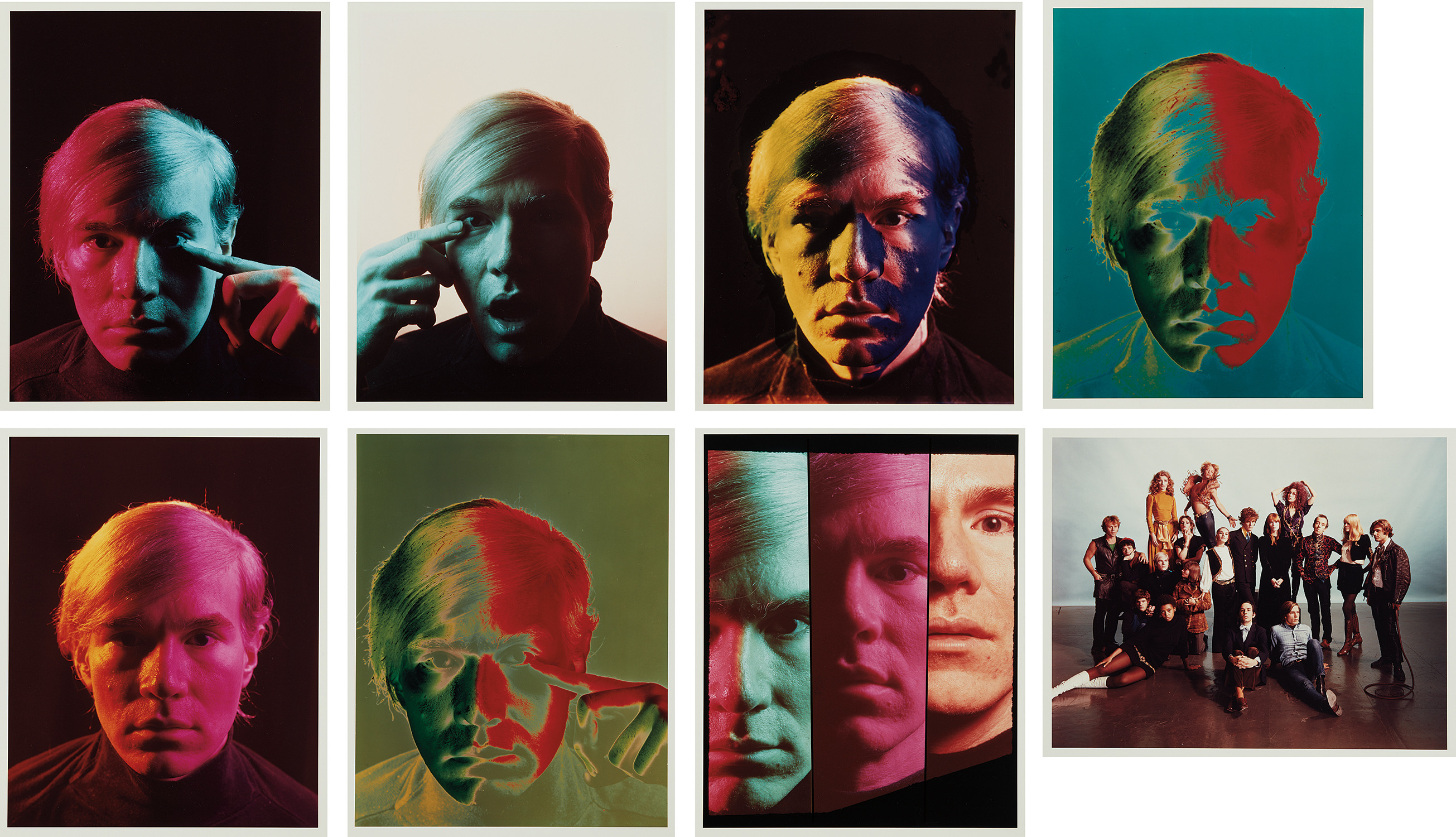
Philippe Halsman
Warhol, 1968
Halsman's Jump series, begun in 1952, opened another dimension of his practice entirely. His premise was deceptively simple: ask a subject to jump, and in that unguarded moment of airborne abandon, the mask slips and the true personality emerges. He photographed the Duke and Duchess of Windsor, Richard Nixon, and the entire Rockefeller family in mid leap, among many others. The resulting images are both formally exhilarating and quietly revealing, studies in how the body expresses what the face conceals.
The series was published as a book in 1959 and has since become a touchstone for photographers and critics thinking about spontaneity, performance, and identity. His portrait of Marilyn Monroe, among the most recognizable images of the actress in existence, captures something similarly undefended, a warmth and vulnerability that transcended the manufactured iconography surrounding her at the height of her fame. For collectors, Halsman's work represents a genuinely compelling confluence of cultural history, technical mastery, and art historical significance. Gelatin silver prints from his lifetime, particularly those made before 1964, carry particular weight for serious collectors, as they represent the closest material connection to the artist's own hand and darkroom sensibility.
Works from the Dalí collaborations consistently perform strongly at auction, as do vintage prints of his LIFE magazine subjects. The Halsman/Marilyn Portfolio, produced posthumously in 1981 and presented in a limited edition format, has attracted sustained interest from collectors drawn to the intersection of photography and celebrity culture. Institutions including the International Center of Photography in New York, where Halsman was a founding member, have championed his legacy, and retrospective exhibitions have appeared at major venues across Europe and North America in recent decades. Halsman occupies a specific and important position within the broader history of twentieth century photography.
His work sits in productive conversation with that of Yousuf Karsh, whose formal studio portraits of world leaders share Halsman's ambition to reveal character through controlled conditions, and with Diane Arbus, who pushed further into psychological territory through a rawer and more confrontational approach. He was also a contemporary and sometime collaborator of Man Ray, and the surrealist sensibility evident in the Dalí work connects his practice to a broader movement in which photography was understood as a medium capable of transforming reality rather than simply documenting it. What endures in Halsman's work is a quality that is genuinely difficult to manufacture: the sense that the people in his photographs are truly present, not performing for a camera but revealing themselves to another human being who happened to be holding one. In an era saturated with images, that quality feels more rare and more valuable than ever.
His photographs remind us that the greatest portraits are acts of empathy as much as acts of vision, and that the camera in the right hands is not a machine for capturing surfaces but an instrument for understanding souls.
Explore books about Philippe Halsman
Philippe Halsman: A Retrospective
Halsman, Philippe
Halsman: An Illustrated Biography
Halsman, Yvonne
Philippe Halsman's Jump Book
Halsman, Philippe
The Art of Portrait Photography
Halsman, Philippe
Philippe Halsman: Master of Light
Various