Paul Strand
Paul Strand, Photography's Most Devoted Truth Teller
Artist Spotlight · The Collection Editorial
“The artist's world is limitless. It can be found anywhere, far from where he lives or a few feet away.”
Paul Strand
There are photographs that document the world, and then there are photographs that remake how we see it entirely. Paul Strand belongs to the second, rarer category. When the Museum of Modern Art mounted its landmark retrospective of his work in 1945, audiences encountered something that felt simultaneously ancient and startlingly new: images of faces, coastlines, village churches, and tangled fishing nets that carried the full moral weight of painting while remaining unmistakably, rigorously photographic. That exhibition helped cement Strand's reputation not merely as a great photographer but as one of the defining artists of the twentieth century, a figure whose ambitions for the medium never wavered across more than six decades of work.
Paul Strand
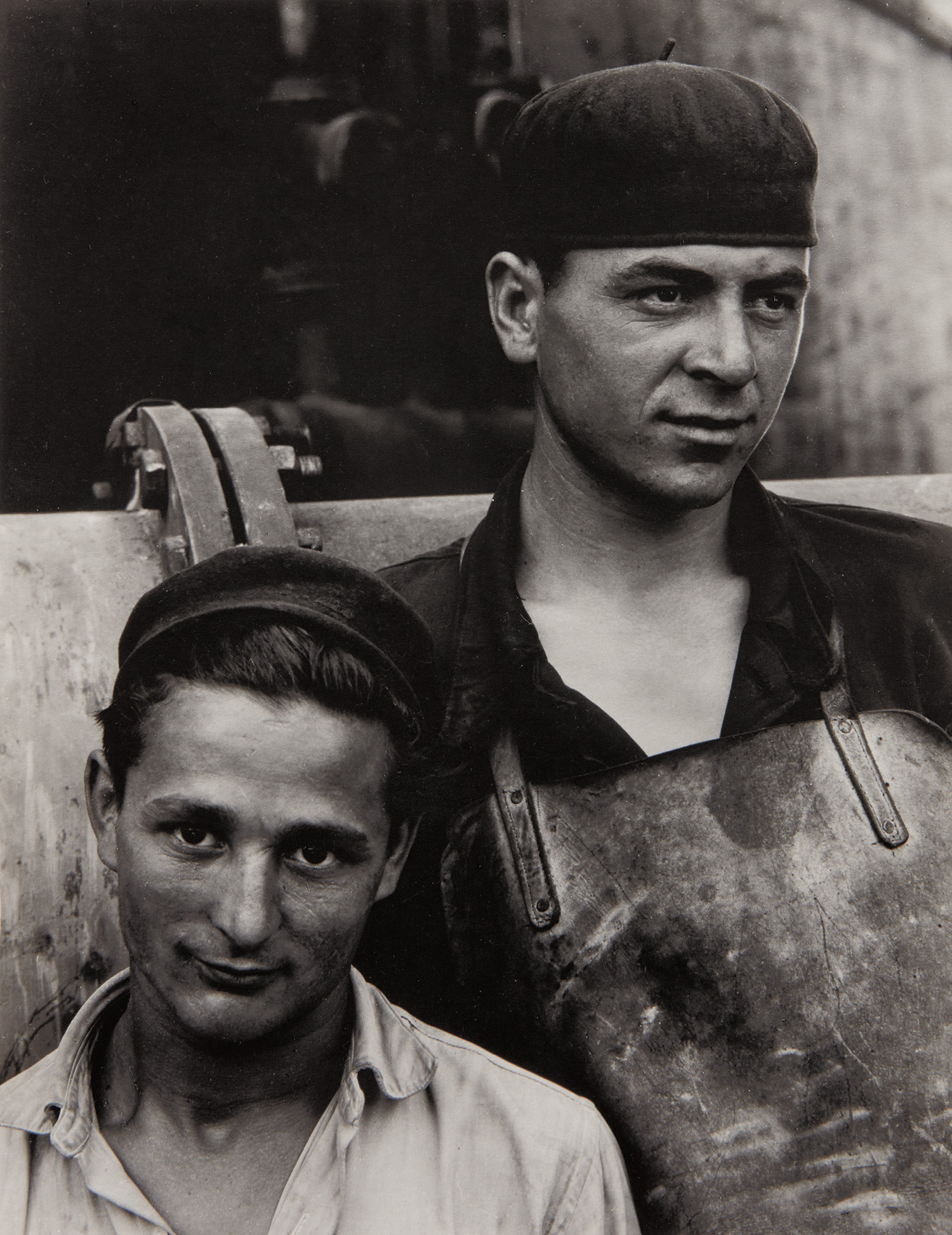
Ion Diaconu and Illie Costache, Sapinesti, Romania
Strand was born in New York City in 1890, and the city shaped him from the beginning. He attended the Ethical Culture School, where the photographer and social reformer Lewis Hine first introduced him to a camera and, more importantly, to the idea that photography could serve both beauty and conscience at once. That combination of the aesthetic and the ethical would remain the animating tension of Strand's entire career. As a young man he became a regular presence at Alfred Stieglitz's legendary gallery 291 on Fifth Avenue, absorbing the avant garde paintings, drawings, and photographs on its walls.
Stieglitz recognized Strand's gifts early and devoted the final issue of his journal Camera Work, in 1917, entirely to Strand's photographs, a gesture that amounted to a formal coronation. The work Stieglitz championed in those pages included some of the most radical photographs yet made in America. Strand's street portraits, taken with a camera whose lens was deliberately angled away from his subjects so they would not know they were being photographed, caught ordinary New Yorkers with a directness that felt almost confrontational. His abstract studies of kitchen bowls, porch railings, and the facades of buildings pushed photography toward a formal language that rhymed with Cubism without copying it.
Paul Strand
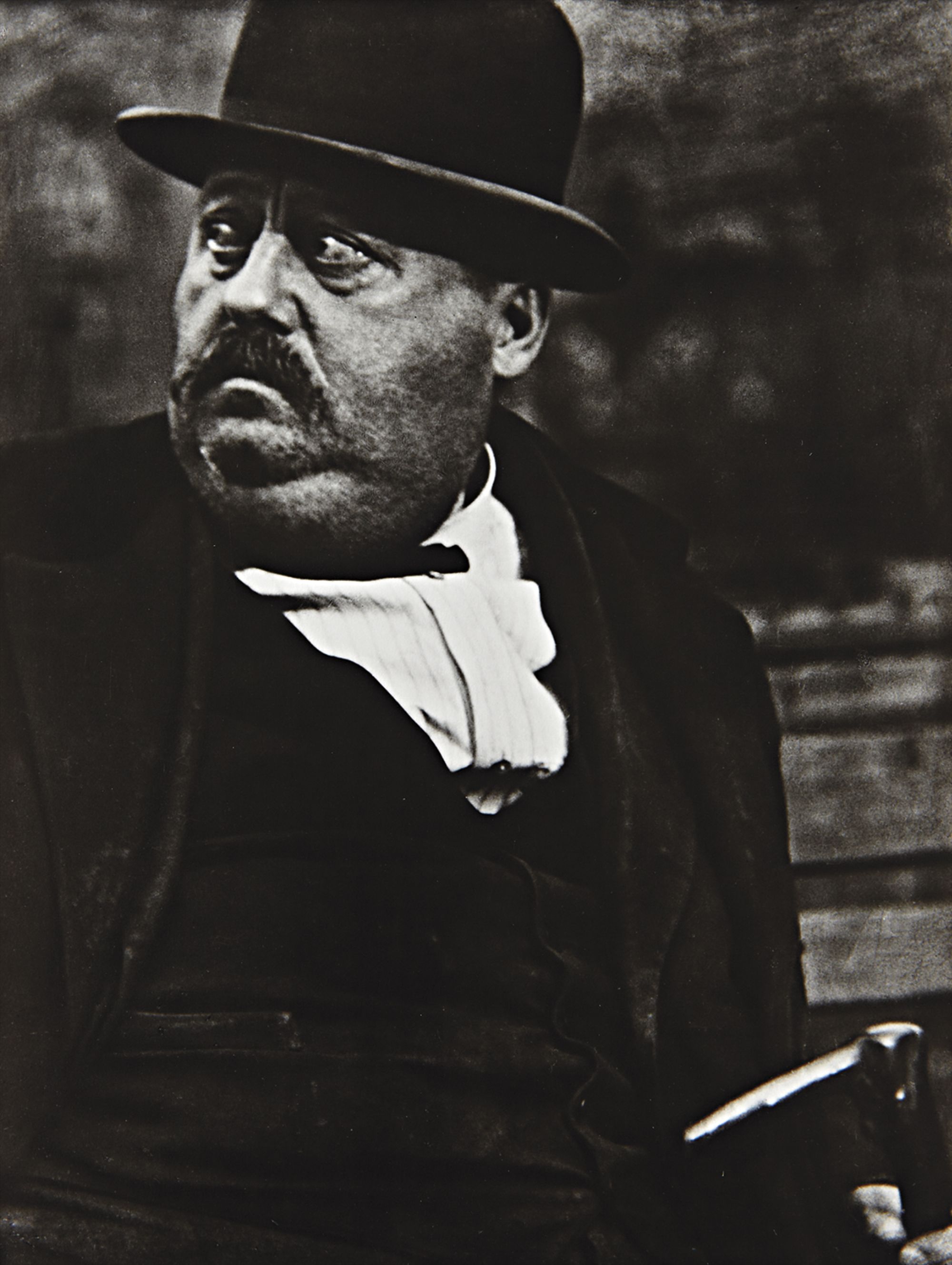
Man in a Derby, New York
He was not illustrating a movement; he was discovering photography's own native capacity for abstraction, its way of breaking the visible world into planes of light and shadow that carried meaning beyond description. Through the 1920s and into the 1930s Strand's vision expanded geographically and deepened politically. A trip to the Gaspé Peninsula in Quebec in 1929 produced some of his most beloved landscape work, images of fishing villages, weathered boats, and the broad St. Lawrence that have the stillness of meditation.
“Photography is not an art. Neither is painting, nor sculpture, literature, or music. They are only different media for the individual to express his aesthetic feelings.”
Paul Strand, interview with Milton Brown, 1944
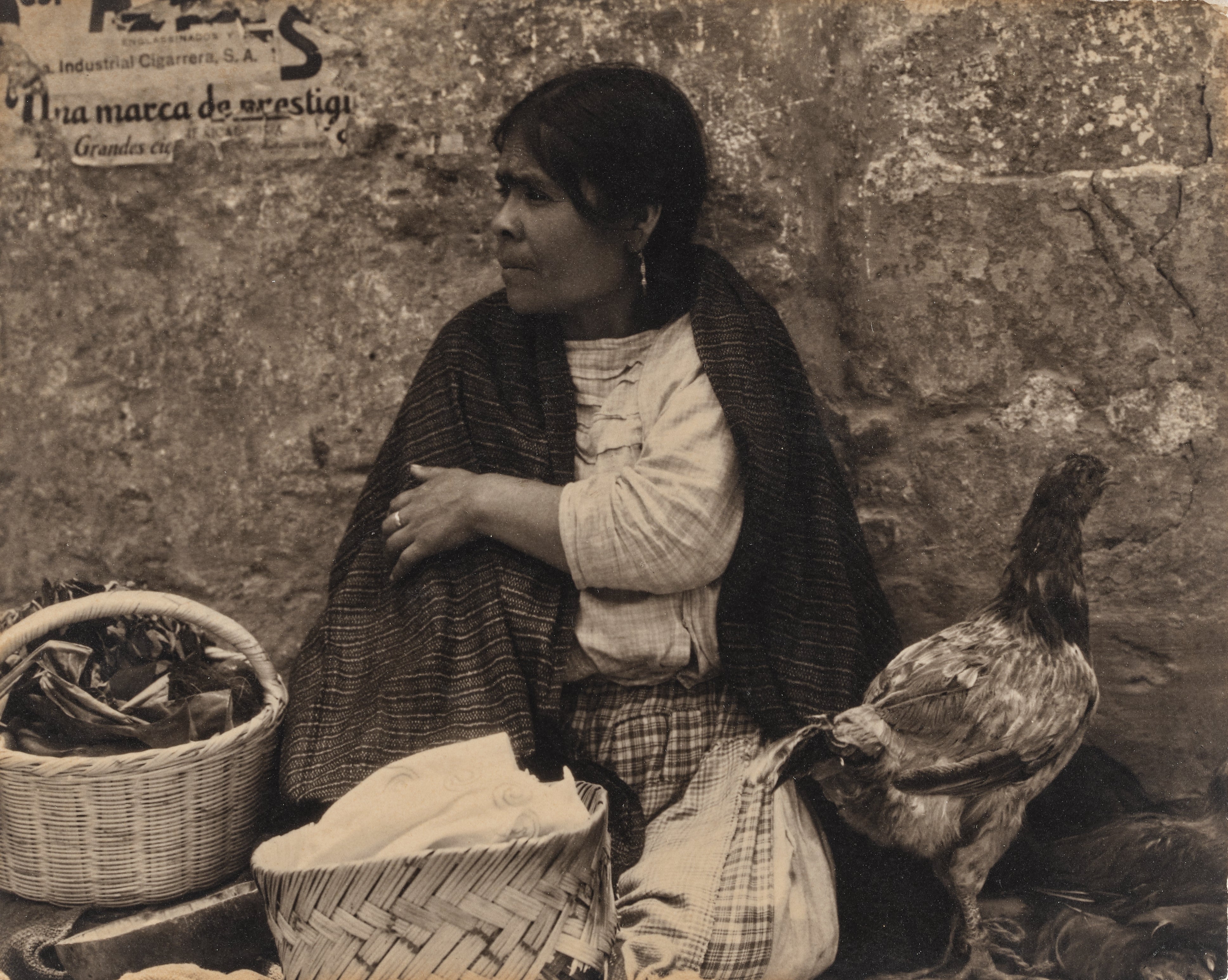
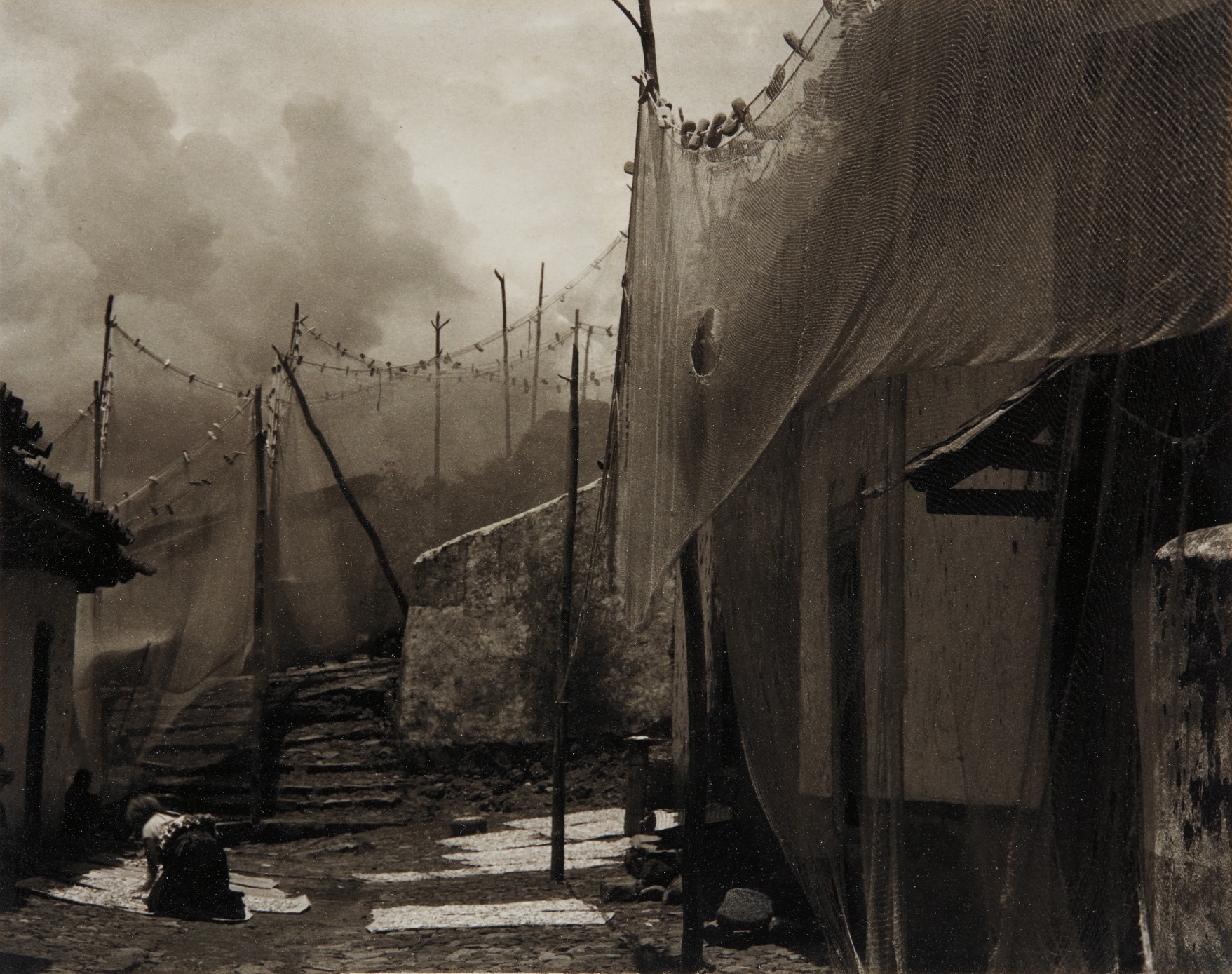
His time in Mexico in the early 1930s, where he worked under the auspices of the Mexican government making educational films, immersed him in a culture whose textures and faces he found endlessly compelling. The portfolio Photographs of Mexico, first published in 1940 in a limited edition of 250 copies, stands as one of the great achievements of the photobook form, each plate a study in dignified presence, from market women to colonial churches to the light falling across ancient walls. Works from this series, including Woman with Hen, Tenancingo, Mexico and The Nets, Janitzio, Lake Pátzcuaro, Michoacán, México, reveal a photographer at the height of his powers, composing with geometric certainty while never losing sight of human warmth. Strand's American work deserves equal attention.
Paul Strand
The Nets, Janitzio, Lake Pátzcuaro, Michoacán, Mexico
His photographs of New England, from the pine forests of Connecticut to the weathered barns of Vermont and the white clapboard severity of Ranchos de Taos Church in New Mexico, locate something essential about the relationship between landscape and identity in North America. Dead Tree, Vermont is characteristic: a single bare form against open sky, rendered with such tonal precision that it achieves something close to elegy without a trace of sentimentality. His portraits, including Man in a Derby, New York, carry a similar quality of absolute attention, as though the camera's gaze were itself a form of respect. Later in his career, major monograph projects on the Outer Hebrides, Egypt, Ghana, Romania, and Morocco extended this practice of deep, place bound looking to communities across the globe, always with the same combination of formal rigour and human generosity.
For collectors, Strand represents one of the most significant and still genuinely rewarding areas of the photography market. Vintage prints from the 1910s and 1920s are rare and command serious attention at auction, while later prints, many made in collaboration with his third wife Hazel Strand and bearing her initialed credits on the reverse, offer more accessible entry points without sacrificing quality. Works such as Connecticut Pines, Twin Lakes, CT and Fishing Village, Gulf of the St. Lawrence, Gaspé, with their flush mounts and careful presentation, reflect Strand's insistence that the physical object of the photograph mattered as much as the image itself.
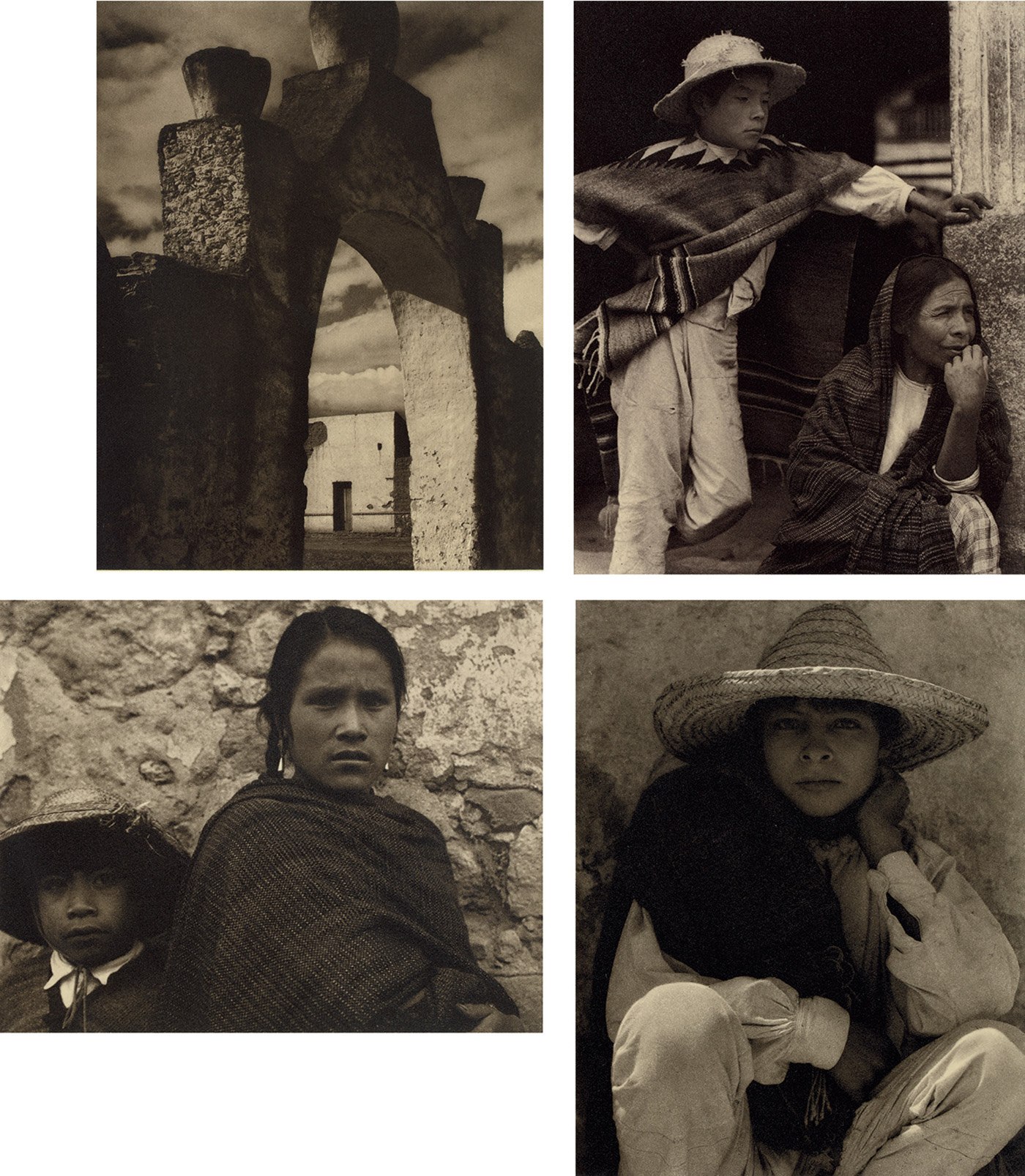
Paul Strand
Photographs of Mexico
Portfolio Three, published posthumously in 1981, brings together ten gelatin silver prints that offer an excellent survey of his mature aesthetic. His Romanian work, including portraits such as Ion Diaconu and Illie Costache, Sapinesti, Romania, represents some of his most emotionally penetrating late photography and remains underappreciated relative to his American and Mexican output. Strand's place in art history is most meaningfully understood alongside a constellation of peers and successors who shared his conviction that the camera was a tool of both art and conscience. His early relationship with Stieglitz aligns him with Edward Weston and Ansel Adams, fellow travelers in the project of elevating photography's formal ambitions, though Strand's social commitments always kept him closer to the humanist tradition represented by Dorothea Lange and Walker Evans.
The documentary seriousness of his later monograph projects anticipates the work of photographers such as Henri Cartier Bresson and Sebastião Salgado, artists for whom the world's peoples and landscapes constituted an inexhaustible subject worthy of a lifetime's devotion. What makes Strand matter today, nearly fifty years after his death in 1976, is the quality of presence his photographs insist upon. In an era of images made and discarded at extraordinary speed, his work asks us to slow down, to look with care, and to accept that the world in front of a thoughtful eye is always more than sufficient. He believed photography could be great art without apology, and he spent his life proving it.
For collectors who care about the history of the medium and its ongoing vitality, Strand is not a historical footnote but a living standard, a measure of what seriousness, craft, and genuine feeling can achieve.
Explore books about Paul Strand
Paul Strand: A Retrospective Monograph
Paul Strand
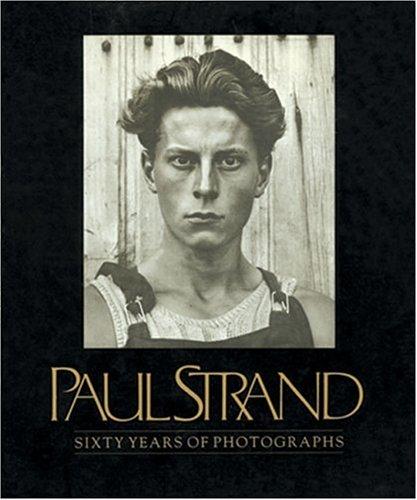
Paul Strand: Sixty Years of Photographs
Paul Strand
Paul Strand: The Years 1915-1946
Sarah Greenough
Paul Strand: Essays on His Life and Work
Maren Stange, editor
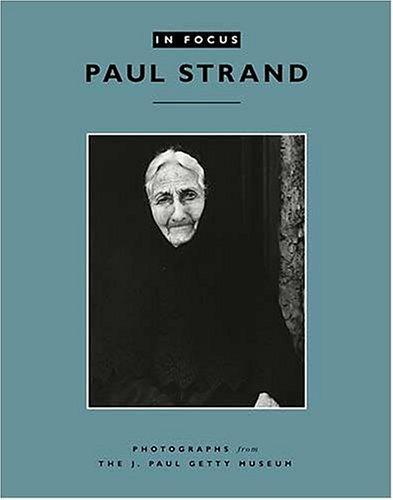
Paul Strand: Photography
Naomi Rosenblum, editor
Paul Strand: The Selected Photographs
Paul Strand
Paul Strand: Modernism and the Artist
Mike Weaver