Paul Dupré-Lafon
The Master Who Made Luxury Feel Inevitable
Artist Spotlight · The Collection Editorial
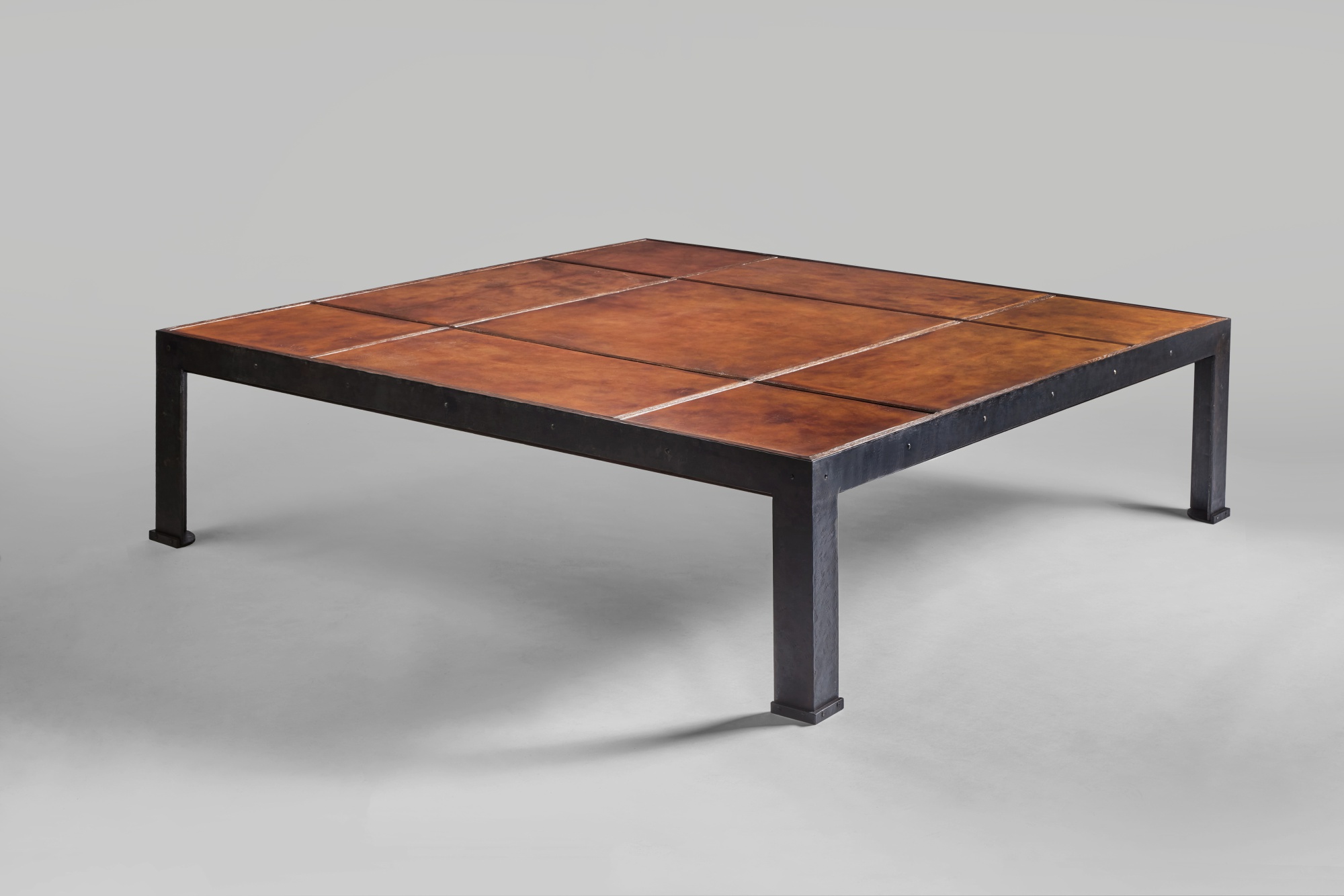
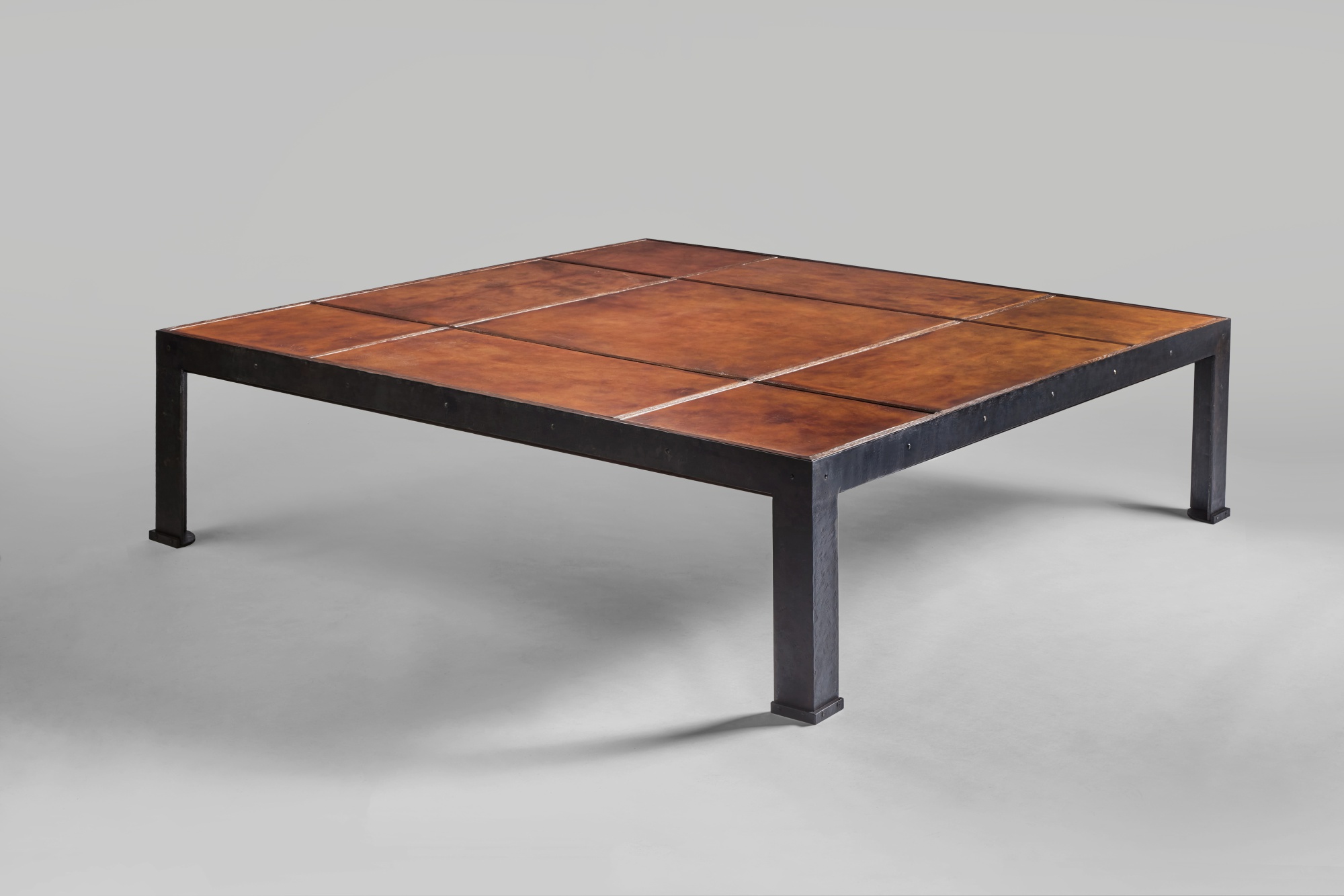
When a Paul Dupré Lafon coffee table surfaced at auction wrapped in its original Hermès leather, the room went quiet in that particular way that only happens when an object transcends its category. The piece was not merely furniture. It was a philosophical statement about what luxury could be when stripped of ostentation and rebuilt from the inside out. That moment, repeated across the great auction houses of Paris, London, and New York in recent decades, has cemented Dupré Lafon's reputation not as a footnote in the decorative arts but as one of the twentieth century's most quietly radical designers.
Paul Dupré-Lafon
An Important Coffee Table
Paul Dupré Lafon was born in 1900, into a France that was still negotiating the distance between the ornamental excess of the Belle Époque and the cleaner, more purposeful language of modernism that would define the century ahead. Marseille, where he was raised, gave him a sensibility rooted in craft and materiality rather than theoretical abstraction. He came of age during the years when Paris was reinventing itself as the capital of modern taste, and he arrived in that city carrying a maker's instinct that would prove far more durable than any passing aesthetic fashion. His formation was deeply practical.
Dupré Lafon trained as an interior decorator, absorbing the traditions of the great French ébénistes while simultaneously watching the Art Deco movement reshape the visual grammar of Parisian interiors. By the late 1920s and into the 1930s, he had established himself as a decorator of rare seriousness, one who understood that a room was an argument made in three dimensions. His clients were drawn from the highest levels of Parisian society, and word traveled quickly that here was a designer who could be trusted with the most intimate spaces of a distinguished life. What separated Dupré Lafon from his contemporaries was his absolute command of materials.
Paul Dupré-Lafon
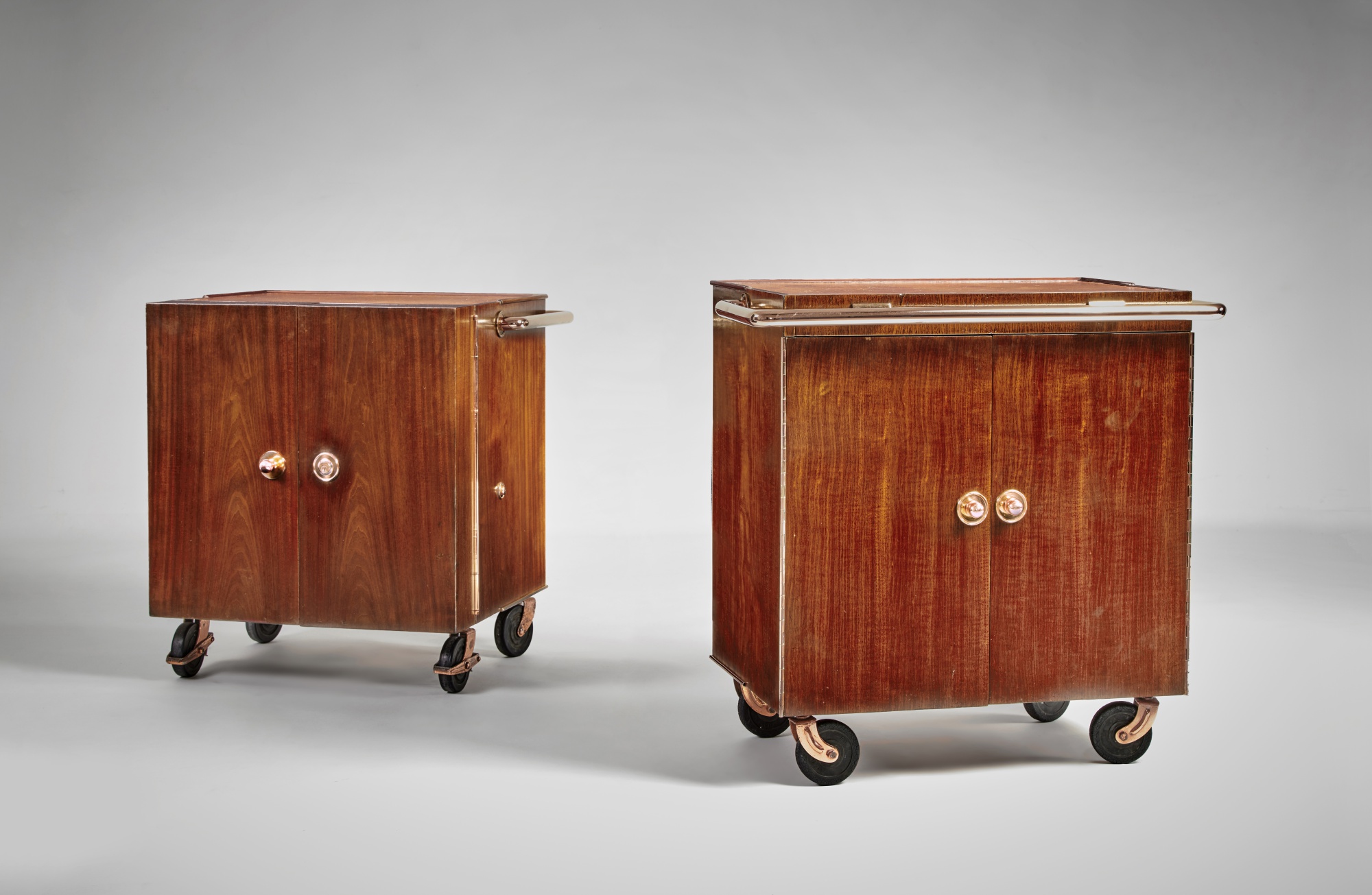
Two Cabinets
Where others of his era favored the theatrical, he pursued the precise. He worked with leather in ways that no other furniture designer of his generation attempted, understanding its warmth, its durability, and its capacity to age into something more beautiful than it began. He paired leather with exotic woods, patinated metals, bronze, brass, and glass in combinations that felt inevitable rather than invented. His pieces share a quality that is difficult to name but immediately recognizable: a sense that nothing could be added and nothing removed.
The Bar Ski, rendered in lacquered and varnished mahogany with vellum and patinated bronze and brass, demonstrates this perfectly. It is functional, sumptuous, and entirely without vanity. His relationship with the Hermès family placed him in one of the most rarefied creative partnerships in twentieth century French decorative arts. The connection was not simply commercial.
Paul Dupré-Lafon
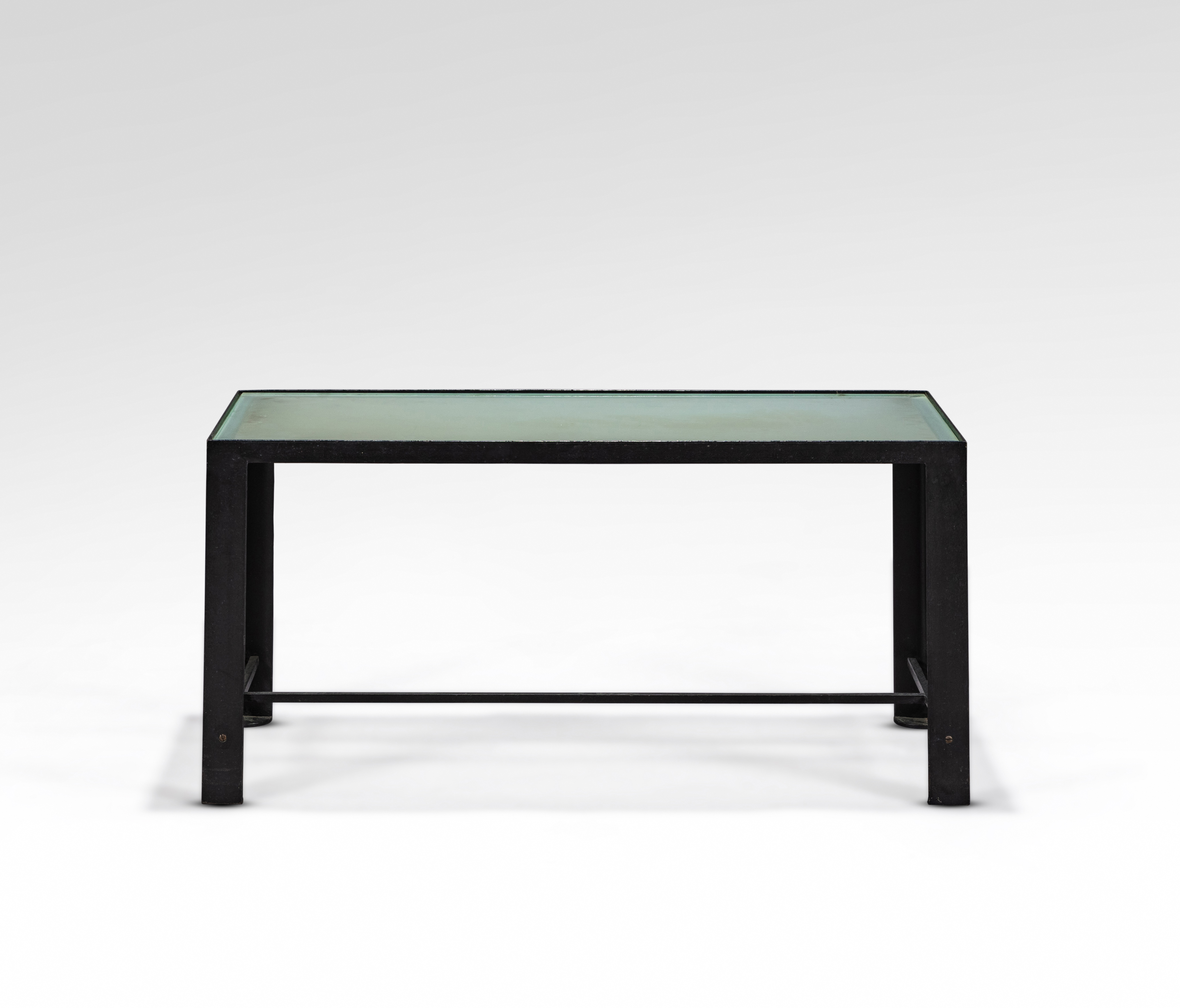
Table basse
It reflected a shared philosophy about the nature of fine objects: that they should be made to last, that materials should be honored rather than disguised, and that the person who lives with a beautiful thing should feel its quality every time they encounter it. Works created for and associated with that world carry a particular pedigree that collectors recognize immediately, and pieces such as the Hermès leather coffee table represent the fullest expression of a design intelligence that was as much about ethics as aesthetics. The range of Dupré Lafon's output is itself remarkable. His daybed in patinated iron, oak, bronze, fabric upholstery, and glass on casters is a masterclass in the reconciliation of opposites: hard and soft, industrial and sensuous, modern and classical.
His valet de nuit, that most intimate of bedroom furnishings, transforms a purely practical object into something one would be reluctant to leave behind in any house move. His lamps, table lamps and floor lamps alike, carry the same DNA: considered proportion, exceptional material, and a refusal to court attention through anything other than inherent quality. Even his ashtray, in leather, glass, brass, and stainless steel, insists on being looked at carefully. For collectors, Dupré Lafon represents a particularly compelling proposition.
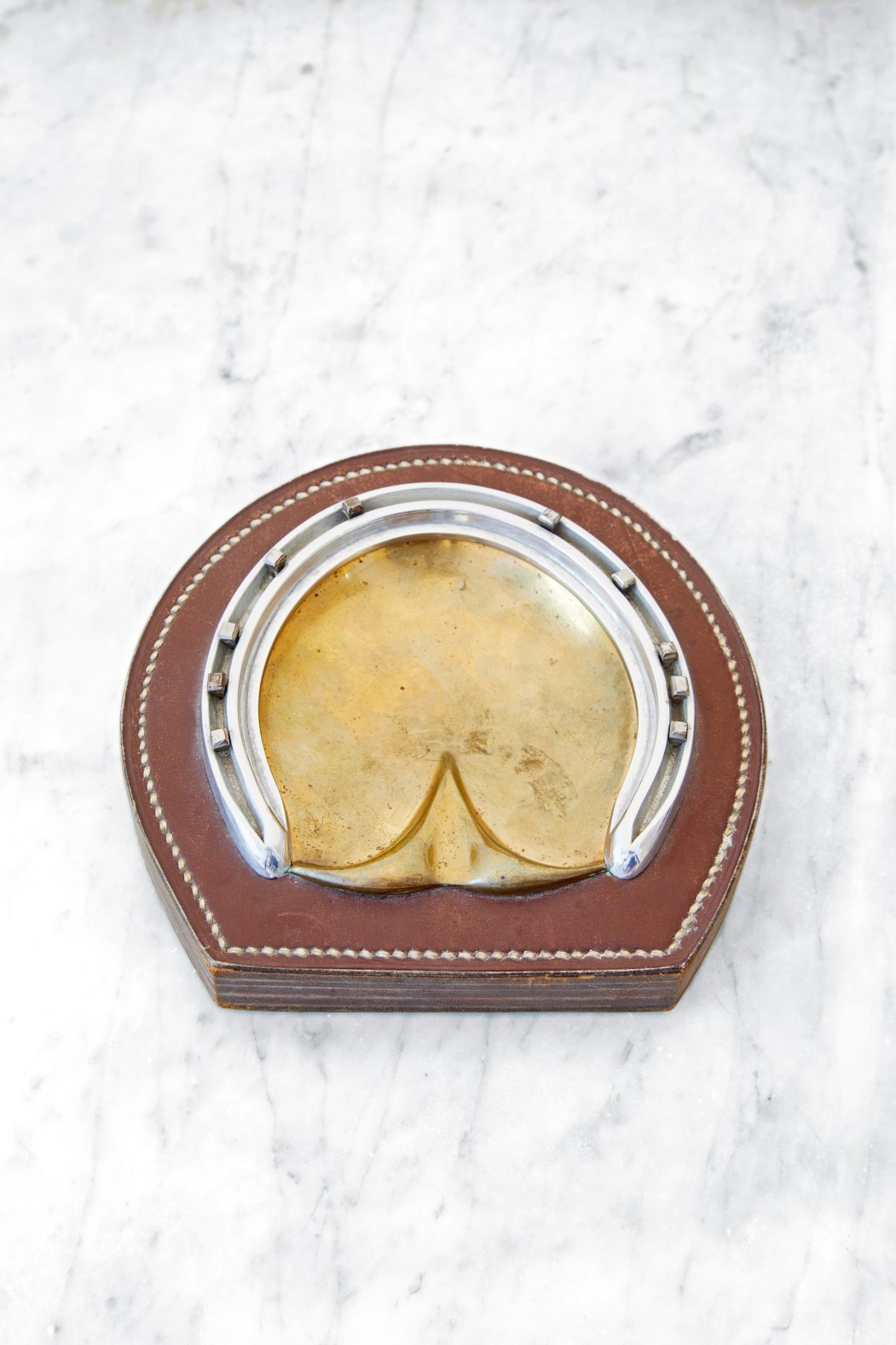
Paul Dupré-Lafon
Ashtray
His work has appeared consistently at Christie's and Sotheby's, where individual pieces have drawn serious international attention. What distinguishes a strong example is the integrity of its materials and the clarity of its construction. Patination should be even and honest. Leather, where original, should show the particular depth that only comes with age and proper care.
Provenance from distinguished Parisian collections adds significantly to the interest of any piece, and works that can be traced to documented interiors of the 1930s, 1940s, and 1950s carry the additional weight of historical context. The market for mid century French decorative arts has matured considerably, and Dupré Lafon sits comfortably among the most admired names in that conversation. In terms of artistic kinship, Dupré Lafon belongs to a generation that includes Jean Michel Frank, whose radical simplicity reshaped the interior, and Émile Jacques Ruhlmann, whose mastery of precious materials and proportion set the standard for Art Deco furniture at its most elevated. Like Ruhlmann, Dupré Lafon understood that the decorative arts were not a lesser form of creative expression but a discipline requiring the same rigor, the same vision, and the same willingness to pursue an idea to its furthest conclusion.
He shares with Jean Royère a gift for making the functional feel joyful, and with André Arbus a commitment to elegance that never mistakes elaboration for richness. Dupré Lafon died in 1971, leaving behind a body of work that has only grown in stature with the passing decades. At a moment when the design world is reconsidering the value of slowness, of hand skill, of objects made to outlast their owners, his furniture speaks with renewed urgency. There is something deeply sustaining about an object that asks nothing of you except your attention, that rewards daily use by becoming more itself over time.
That is what Paul Dupré Lafon made, across a career of quiet conviction and extraordinary achievement. To own one of his pieces is to participate in a standard of living that has nothing to do with display and everything to do with genuine discernment.