Patrick Demarchelier
Patrick Demarchelier: Beauty Caught in Light
Artist Spotlight · The Collection Editorial
“I try to make people look as beautiful as they are.”
Patrick Demarchelier
There is a photograph of Princess Diana taken in 1990 that stops you cold. She is looking directly into the lens, her expression neither performing nor retreating, simply present in a way that feels almost impossible given the circumstances of her life. The photographer behind that image was Patrick Demarchelier, and the trust visible in Diana's gaze was not accidental. It was the product of a particular gift: the ability to make the people in front of his camera feel genuinely seen.
Patrick Demarchelier
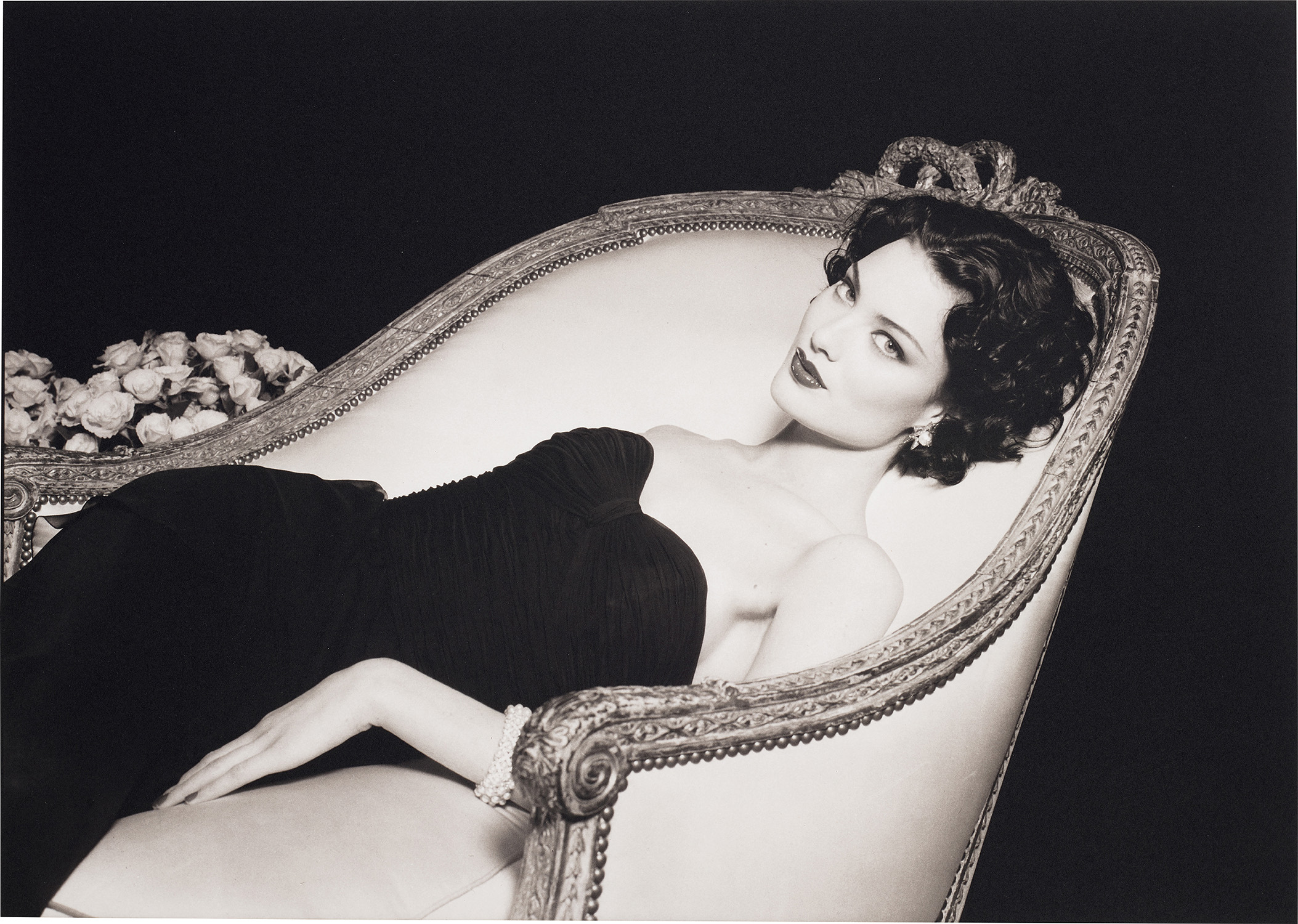
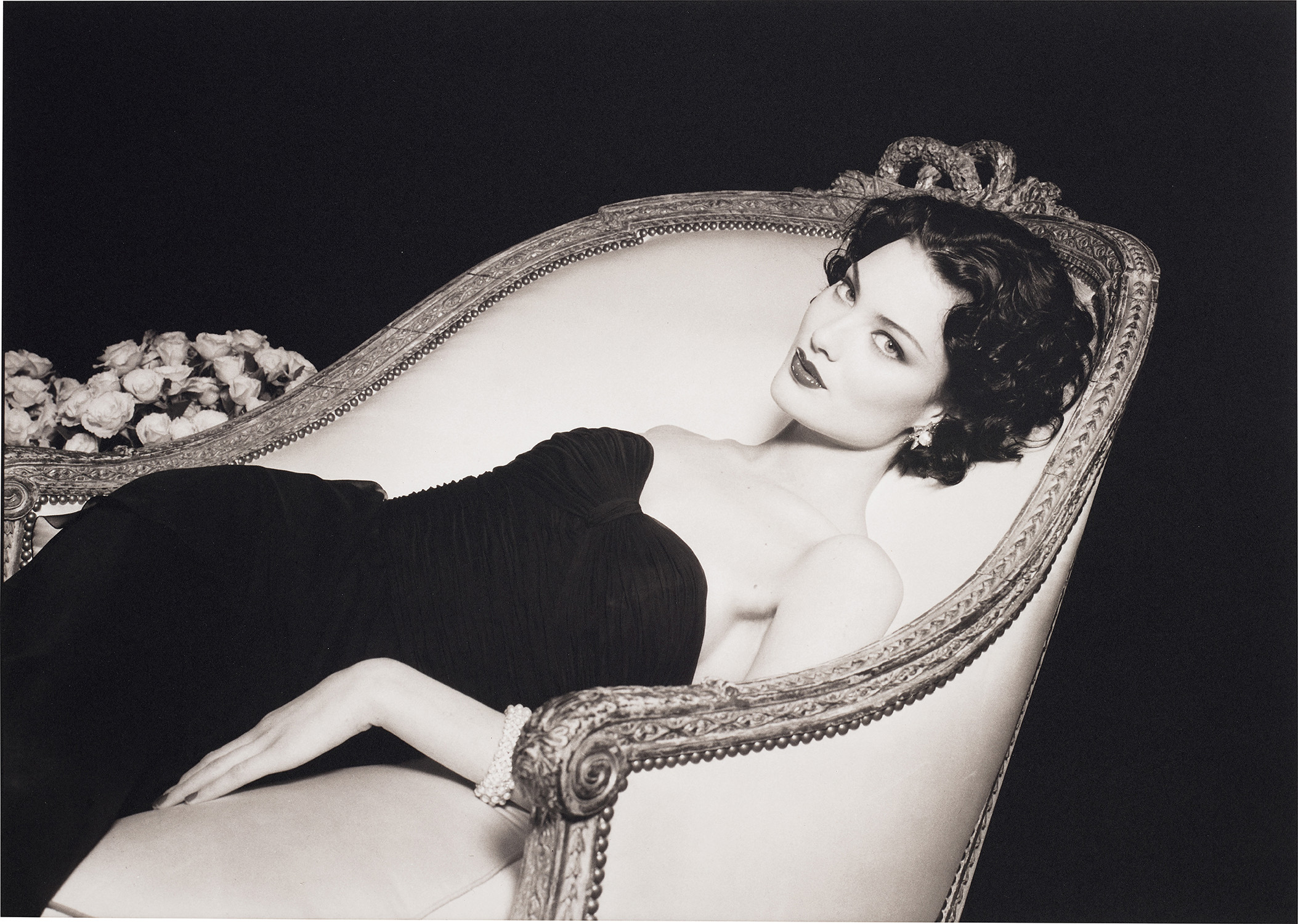
Shalom Harlow, Paris
When Demarchelier passed away in March 2022 at the age of 78, the world of photography lost one of its most quietly radical practitioners, a man who had spent six decades proving that elegance and honesty are not opposites. Demarchelier was born in Le Havre, France, in 1943, a port city whose postwar atmosphere shaped in him a certain directness, an appreciation for the unadorned and the real. His introduction to photography came through a stepfather who gave him his first camera at the age of seventeen, and the young Demarchelier was immediately captivated. He moved to Paris to pursue the craft seriously, assisting established photographers and absorbing the visual culture of a city in the midst of one of its most electrifying creative moments.
The Paris of the early 1960s was a crucible of fashion, cinema, and portraiture, and Demarchelier proved an exceptionally attentive student. His decision to relocate to New York in 1975 marked the decisive turning point of his career. The city's energy, its mix of ambition and informality, aligned perfectly with the aesthetic he was developing. He began shooting for American publications and quickly attracted attention for work that felt simultaneously polished and spontaneous.
Patrick Demarchelier
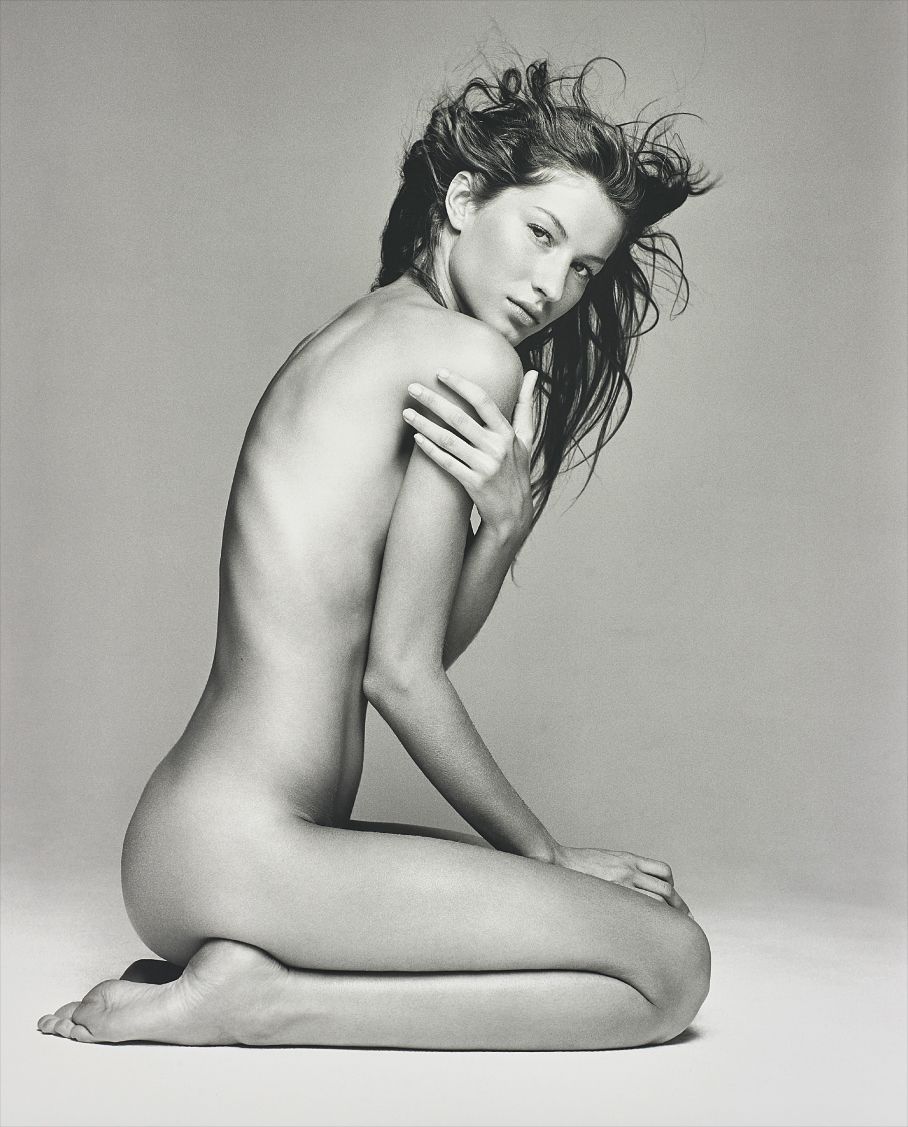
Gisele
Where contemporaries like Helmut Newton were constructing elaborate theatrical scenarios charged with provocation, Demarchelier was moving in the opposite direction, stripping away artifice to find the luminous core of his subjects. By the early 1980s he was a fixture at Harper's Bazaar and on his way to becoming one of the most sought after portrait and fashion photographers on earth. The appointment in 1989 as Princess Diana's official photographer elevated his public profile to a new register entirely. The portraits he made of her during that period remain among the most studied and reproduced images of the late twentieth century, not because they flatter in the conventional sense but because they are genuinely intimate.
Diana had famously struggled with photographers who treated her as an icon to be arranged rather than a person to be encountered. Demarchelier approached her differently, and the resulting images carry a warmth and directness that feel, even now, like a small act of grace. His work with Diana is a useful lens through which to understand his entire practice: he was always more interested in character than in spectacle. The works available on The Collection reflect the full range of his vision across the peak decades of his career.
Patrick Demarchelier
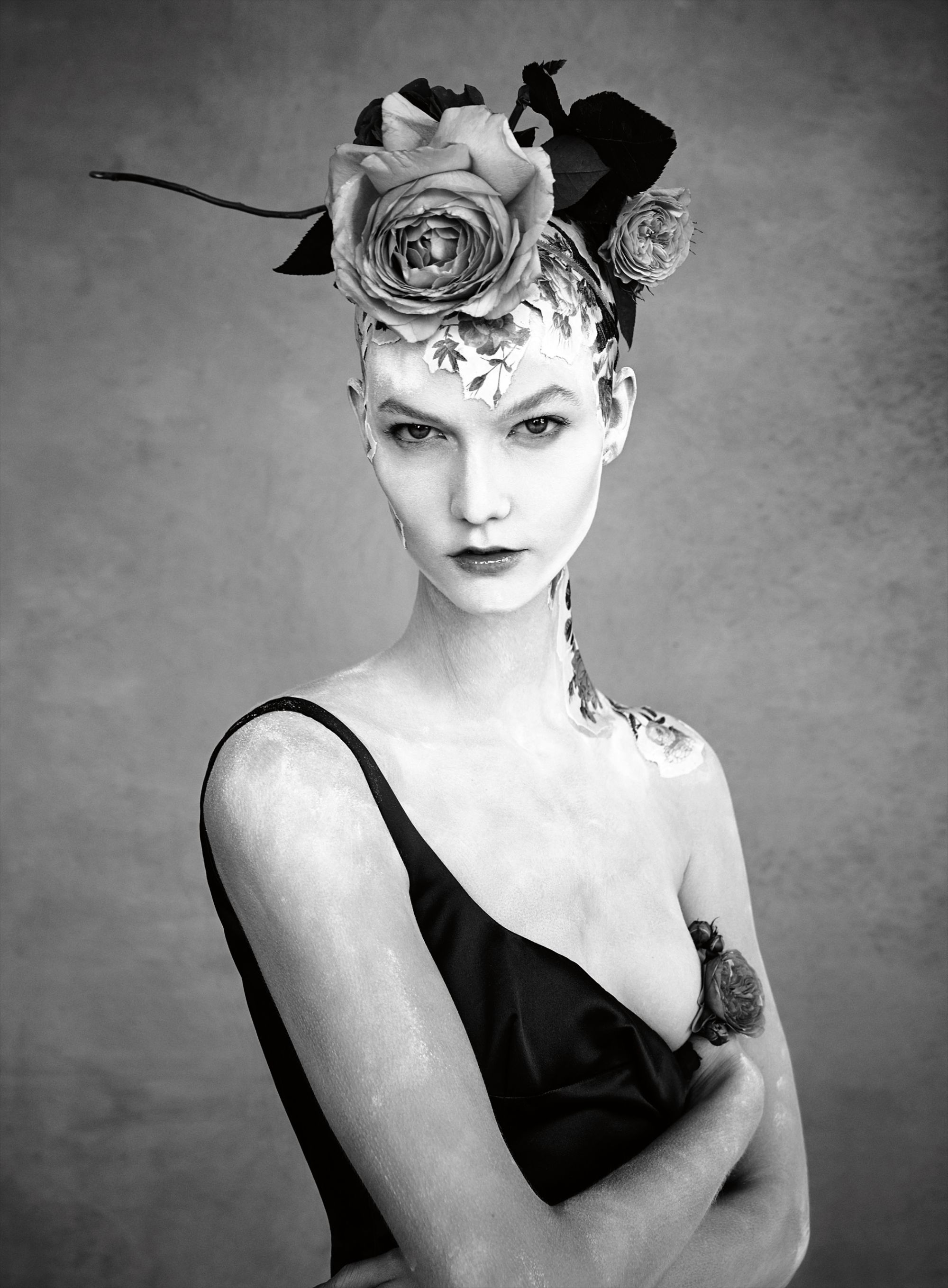
Karlie Kloss, New York
Photographs such as Shalom Harlow, Paris, Gisele, and Karlie Kloss, New York each demonstrate his mastery of tone and light, his instinct for the precise moment when a subject is neither posing nor unaware but occupying some charged middle territory. The gelatin silver and archival pigment prints that characterize his output are technically immaculate, with a tonal range that rewards close looking. Works such as Christy Turlington, New York and Naomi Campbell document his relationships with the supermodels who defined the visual culture of the late 1980s and 1990s, figures he photographed repeatedly across years of collaboration. These are not simply fashion documents.
They are portraits in the fullest sense, attentive to personality and presence in ways that elevate them well beyond their commercial contexts. For collectors, Demarchelier's work occupies a particularly appealing position in the photography market. His prints exist at the intersection of art photography and cultural history, carrying the weight of genuine iconography alongside strong formal qualities. Limited editions such as the Shalom Harlow, Paris print, one from an edition of 5 plus 1 printer's proof, represent the kind of scarcity that the serious photography market rewards.
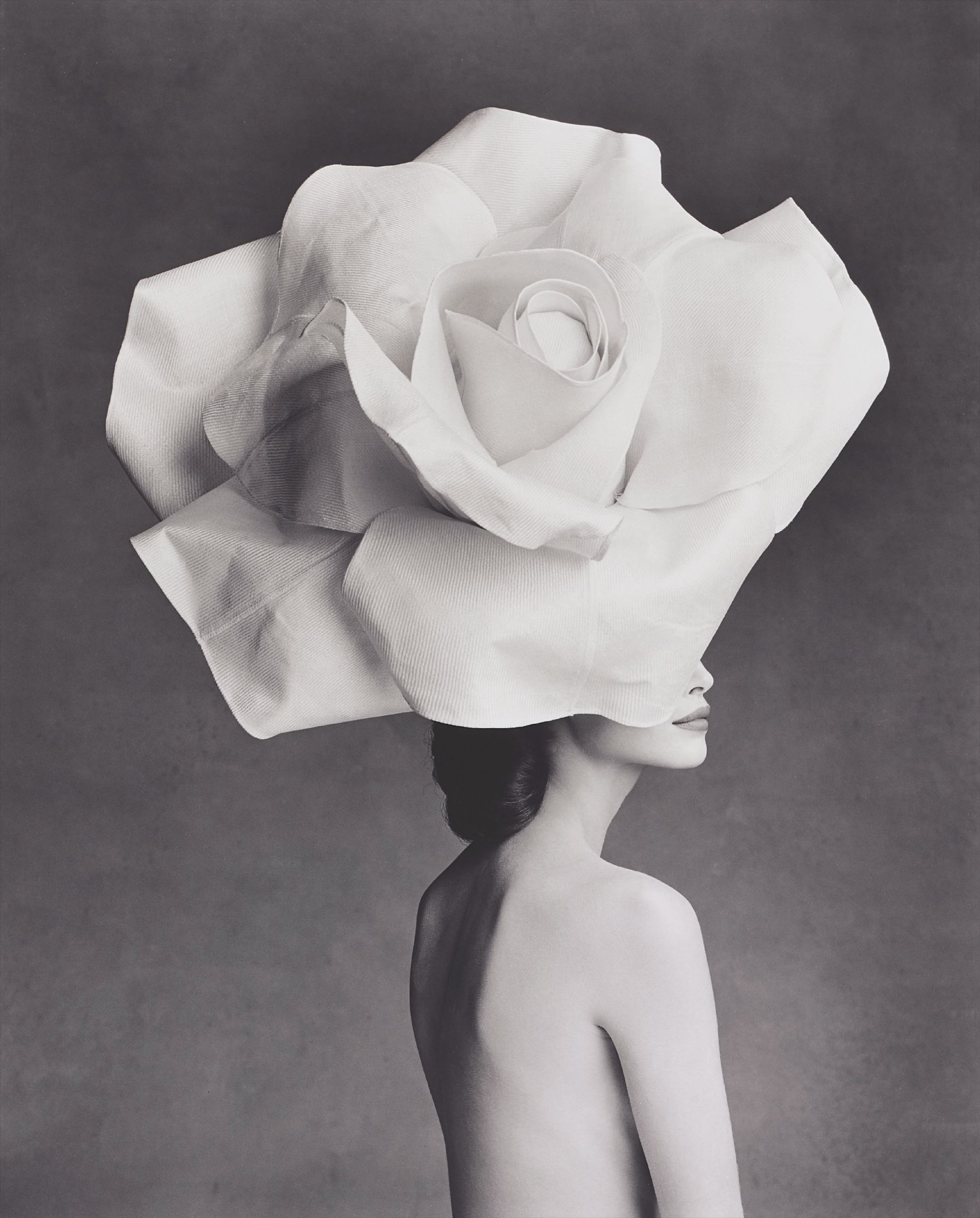
Patrick Demarchelier
Christy Turlington, New York
Gelatin silver prints from his most celebrated period, particularly those mounted to linen or presented with selenium or sepia toning, demonstrate both archival care and aesthetic intentionality. The photography auction market has grown substantially over the past two decades, with institutions including Christie's and Phillips consistently achieving strong results for works by photographers of Demarchelier's stature. His passing in 2022 has, as is often the case, brought renewed critical and collector attention to his body of work. Demarchelier belongs to a generation of photographers who transformed fashion and portrait work into something that demanded consideration as fine art.
His peers and contemporaries in this conversation include Irving Penn, whose classical rigour shares something of Demarchelier's commitment to the essential, and Herb Ritts, whose California light and sculptural sensibility overlapped with Demarchelier's naturalism during the same fertile period. Peter Lindbergh, another European transplant who found his fullest voice in conversation with American subjects and publications, pursued a similarly humanistic approach and is a natural point of comparison. These photographers collectively made the case, during the 1980s and 1990s, that the camera trained on a beautiful subject in service of a magazine spread could produce images of genuine and lasting consequence. What makes Demarchelier's legacy feel vital today is partly the quality of the archive and partly something harder to quantify.
We live in an era saturated with images of famous faces, and the ease with which photographs are produced and consumed has made genuine photographic intimacy rarer and more precious. Looking at Demarchelier's best work is a reminder of what it means to be truly looked at, and truly seen. The trust his subjects placed in him produced images that continue to move and surprise across the distance of decades. For collectors and admirers of photography, his body of work is both a historical record of extraordinary richness and an ongoing invitation to consider what a photograph, at its finest, is actually capable of doing.