Pam Evelyn
Pam Evelyn Paints the World Luminous
Artist Spotlight · The Collection Editorial
Something quietly significant has been happening in British painting over the past several years, and Pam Evelyn sits at its warm and radiant centre. Her oils on linen have been appearing with increasing frequency at prominent London auction houses and galleries, drawing the attention of collectors who recognise in her work a rare combination of intellectual rigour and sensory generosity. In a contemporary art landscape that often prizes conceptual distance, Evelyn's paintings ask you to stand close, to breathe with them, to feel the accumulated weight of their making. That invitation is being answered with growing enthusiasm, and the moment feels ripe to look carefully at what she has built.
Pam Evelyn
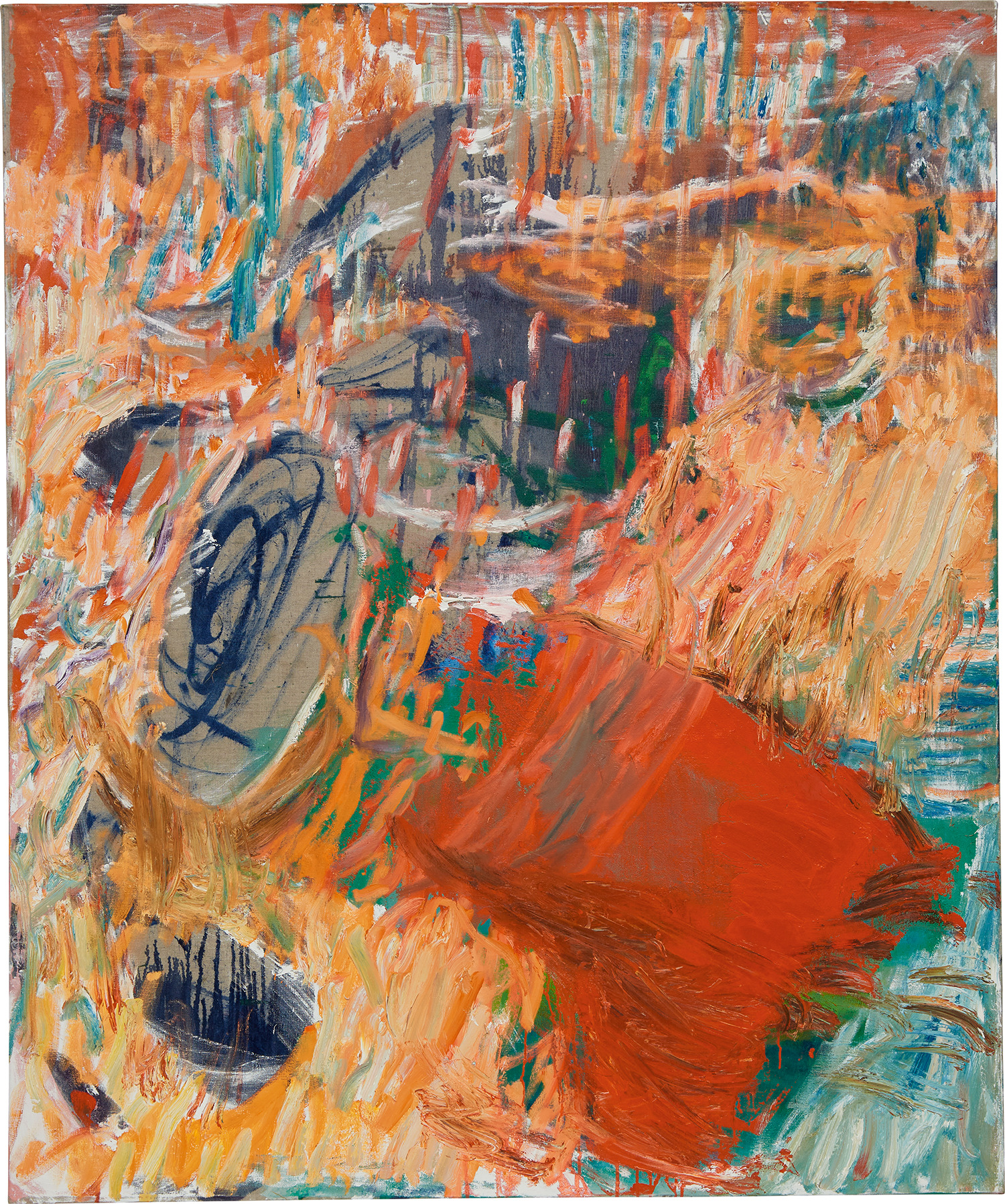
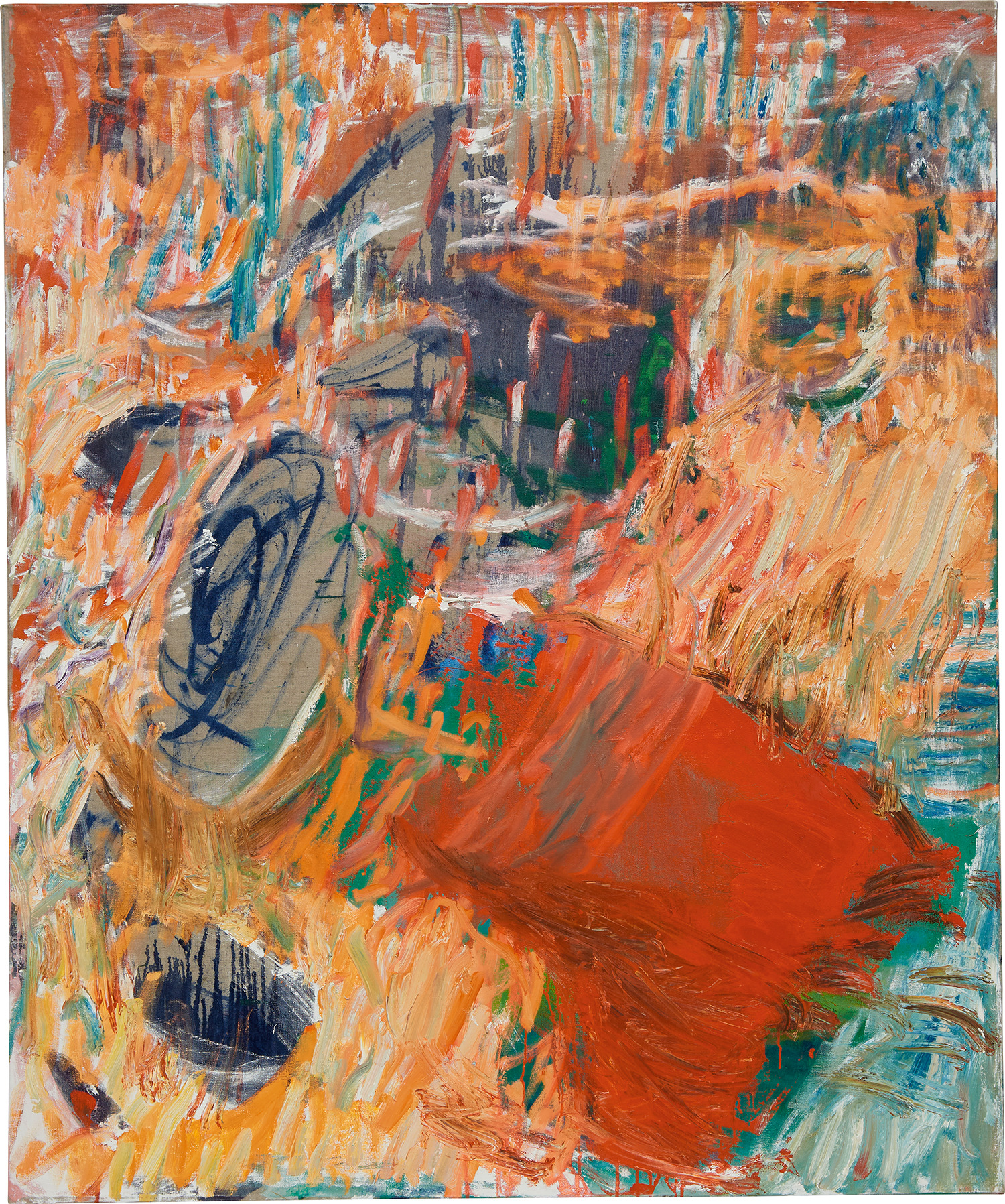
Evening Rain, 2020
Born in 1977, Evelyn came of age as a painter during a period of enormous creative ferment in British art. The late 1990s and early 2000s were years when figuration and abstraction were being renegotiated with fresh urgency, and the conversation happening in London studios was genuinely alive with possibility. While the louder voices of the YBA generation dominated headlines, a quieter strand of painters was developing something more meditative and materially focused. Evelyn belongs to that strand, and her formation as an artist reflects a deep engagement with the physical act of painting rather than with any particular movement or moment defined by cultural spectacle.
Her development as a painter has been shaped by a sustained commitment to what paint itself can do when given time and attention. Evelyn builds her compositions through multiple applications of oil, each layer contributing to a surface that seems to hold light from within rather than simply reflect it. This process is neither hurried nor accidental. There is a genuine negotiation happening on the canvas between what the artist intends and what the medium offers in return, and it is precisely that tension between control and spontaneity that gives her work its distinctive energy.
Pam Evelyn
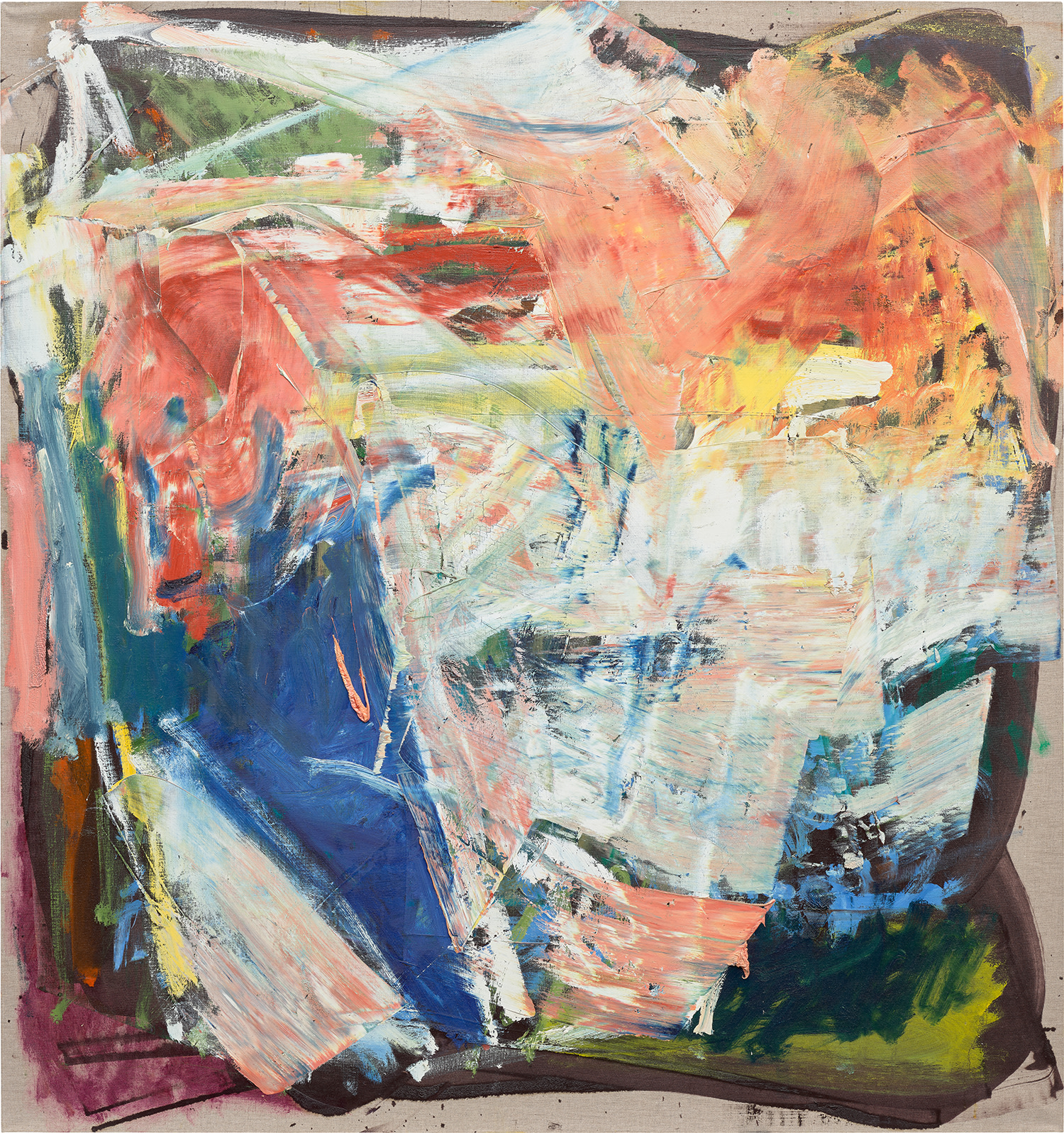
Crowd, 2021
Over time, her practice has moved toward compositions that sit at the productive edge between landscape evocation and pure abstraction, refusing to resolve into either one entirely. The titles of her key works offer a suggestive map of her sensibility. Evening Rain, painted in 2020 on linen, carries that specific quality of late light filtered through water, a luminosity that is both atmospheric and entirely painterly in its construction. Crowd, from 2021, introduces something more kinetic and social, a sense of bodies and presences gathered together without any literal depiction of figures.
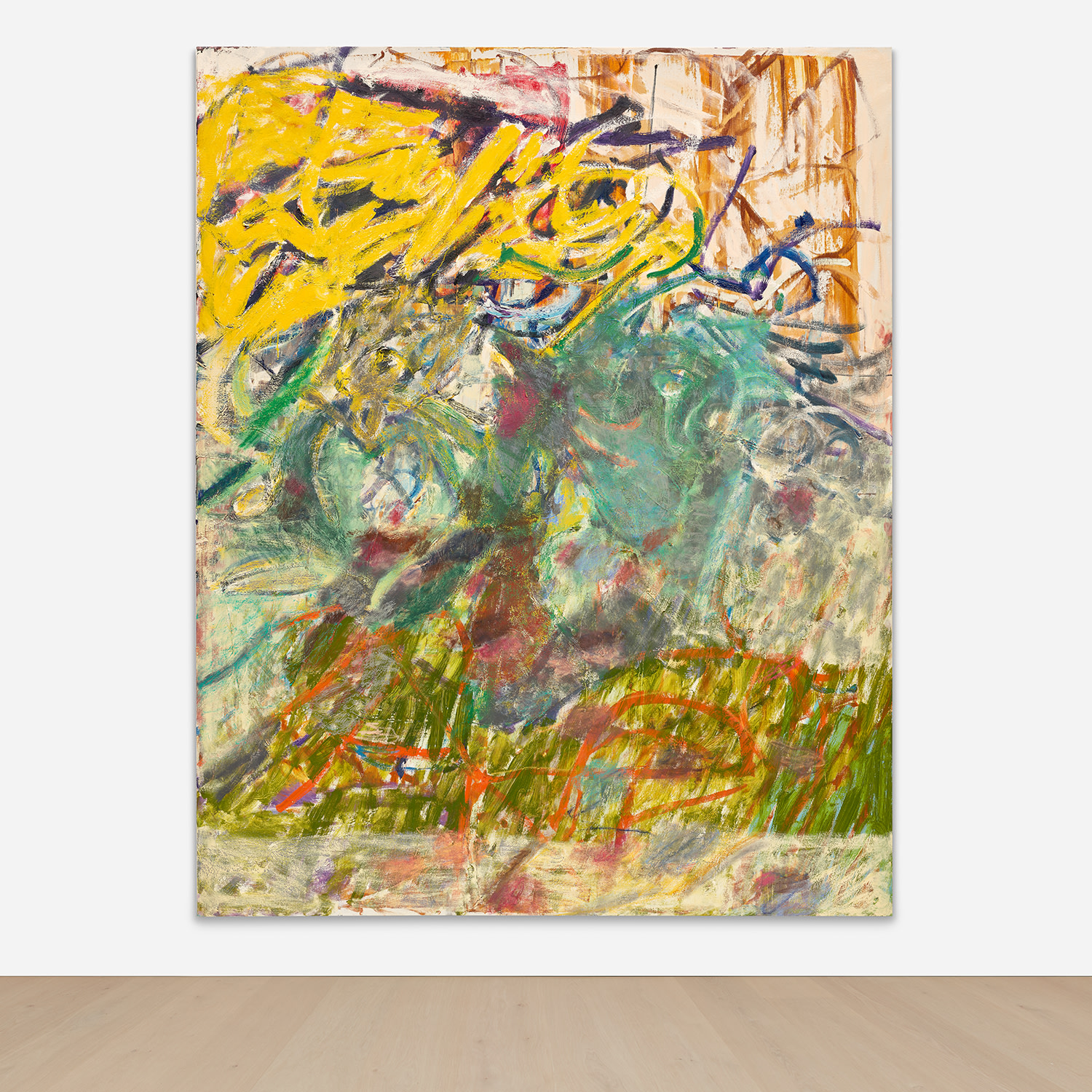
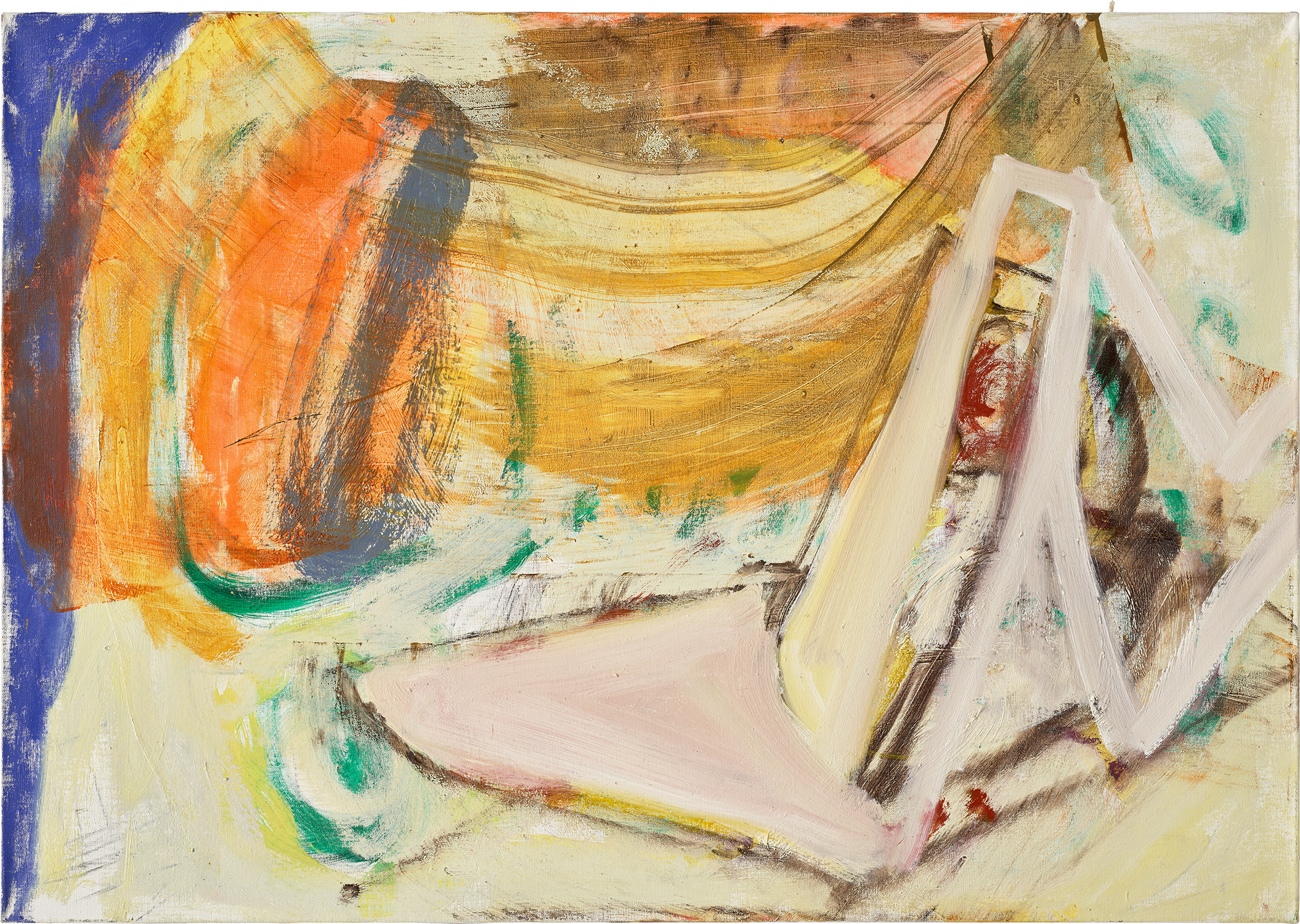
Anchor, also from 2021, suggests weight and rootedness, a counterpoint to the more atmospheric works. Reclaimed Wall, completed in 2022, brings a feeling of surfaces marked by time and use, of history visible in layers. Night Fog, another 2021 work, moves into a darker register while retaining that characteristic inner glow. Together these paintings form a body of work that is emotionally varied and technically consistent, which is a combination that collectors and curators find genuinely compelling.
Pam Evelyn
Reclaimed Wall, 2022
For collectors considering Evelyn's work, several things distinguish it as a serious long term proposition. The oil on linen support she favours is among the most enduring and prestigious in the history of Western painting, and the material quality of her surfaces rewards close and repeated looking in a way that reproduces poorly but lives richly on a wall. Her compositions are large enough in feeling to command a room without requiring enormous physical scale. The work also occupies a position in the British abstract painting tradition that connects her to artists such as Cecily Brown, whose similarly gestural and layered approach has seen significant market appreciation, and to the broader lineage of painters who learned from the materiality of Frank Auerbach and the chromatic intelligence of Howard Hodgkin.
Evelyn's work does not imitate these precedents but it speaks to them knowledgeably, which gives it genuine art historical depth. The contemporary British painting scene in which Evelyn operates has found renewed international attention in recent years, with collectors from Europe, North America, and Asia increasingly looking to London for painters who combine formal seriousness with emotional directness. Evelyn fits that profile with remarkable precision. Her work is neither fashionably austere nor sentimentally decorative.
Pam Evelyn
Anchor, 2021
It occupies a middle ground that is actually quite difficult to achieve, where the intelligence of the making is evident without becoming the only thing on offer. That balance is what distinguishes lasting painting from merely accomplished painting, and it is what makes Evelyn's work worth watching carefully as her market continues to develop. In terms of context within art history, Evelyn's practice participates in a tradition of lyrical abstraction that has run as a vital current through British painting for decades. The gestural surface and the evocation of landscape without literal depiction connect her to painters like Peter Lanyon, whose Cornish abstractions dissolved horizon and sky into pure paint, and to the atmospheric emotionalism of artists such as Albert Irvin.
More recently, her generation has absorbed the lessons of American painters like Joan Mitchell, whose large scale gestural oils demonstrated that emotional intensity and painterly intelligence are not opposites but allies. Evelyn has synthesised these influences into something that feels distinctly her own, rooted in the particular quality of British light and the British landscape imagination. What Pam Evelyn represents, considered as a whole, is a painter who has committed fully to the difficult and rewarding work of developing a genuine pictorial language. She has not chased trends or sought shortcuts through conceptual positioning.
She has painted, revised, layered, and looked, and the result is a body of work that grows more interesting the longer you spend with it. For collectors who value that kind of sustained artistic integrity, and who understand that the most rewarding acquisitions are often those made before the wider market fully catches up with an artist's achievement, Evelyn's work presents a genuinely compelling opportunity. The luminous surfaces and carefully held tensions of her paintings are the product of a singular sensibility, and that sensibility is, by any serious measure, one worth knowing.