Otani Workshop
Otani Workshop Builds Worlds From Ordinary Things
Artist Spotlight · The Collection Editorial
Something remarkable happens when you step into a space transformed by Otani Workshop. The air feels different, as though the room itself has been rewoven from the inside out. In recent years, the Japanese collective has brought this sensation to audiences across Asia, Europe, and the United States, earning a reputation as one of the most inventive and physically generous practices working in installation art today. Their work does not merely occupy a gallery; it colonizes it, reshapes it, and sends visitors back into the world with a quietly altered sense of what materials can mean.
Otani Workshop
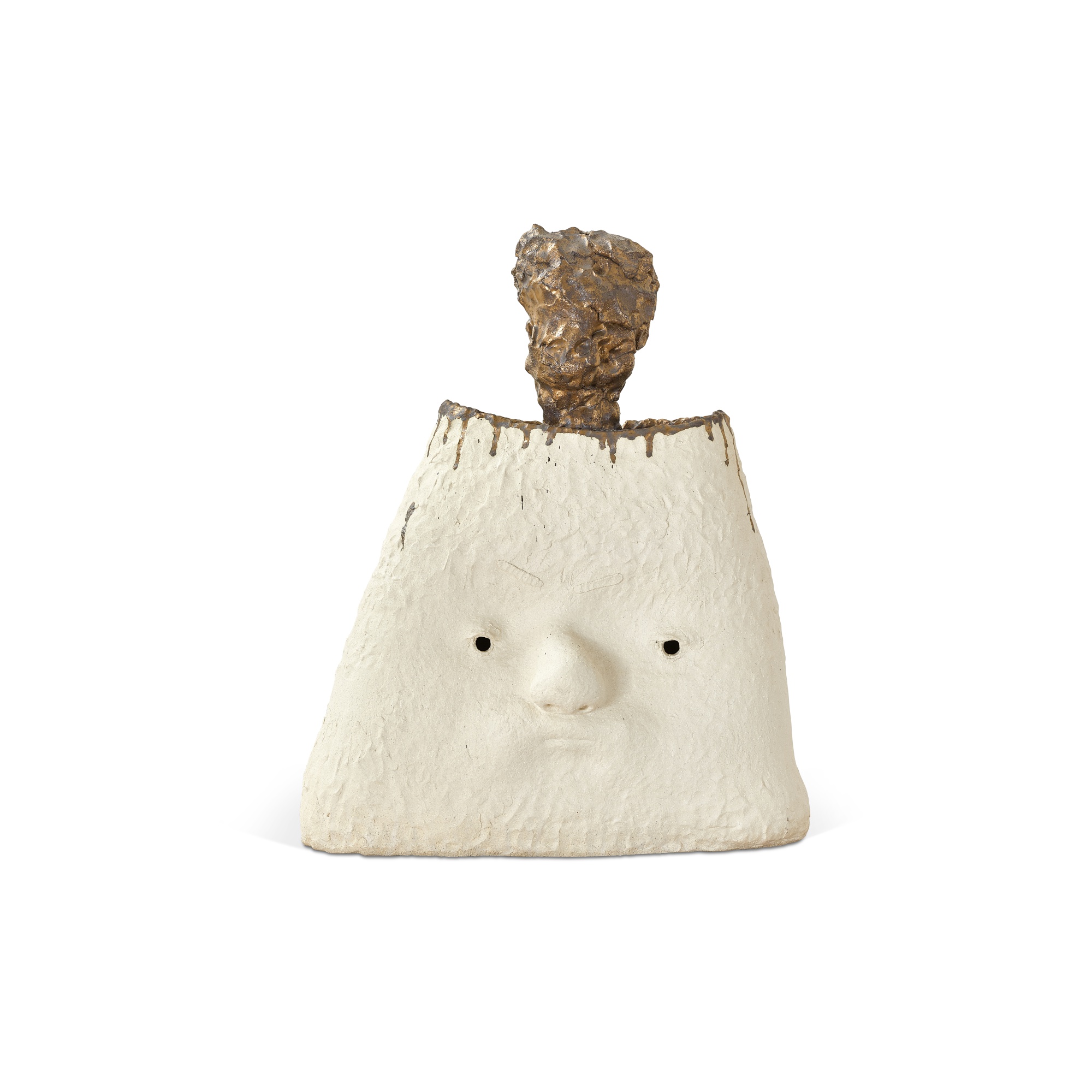
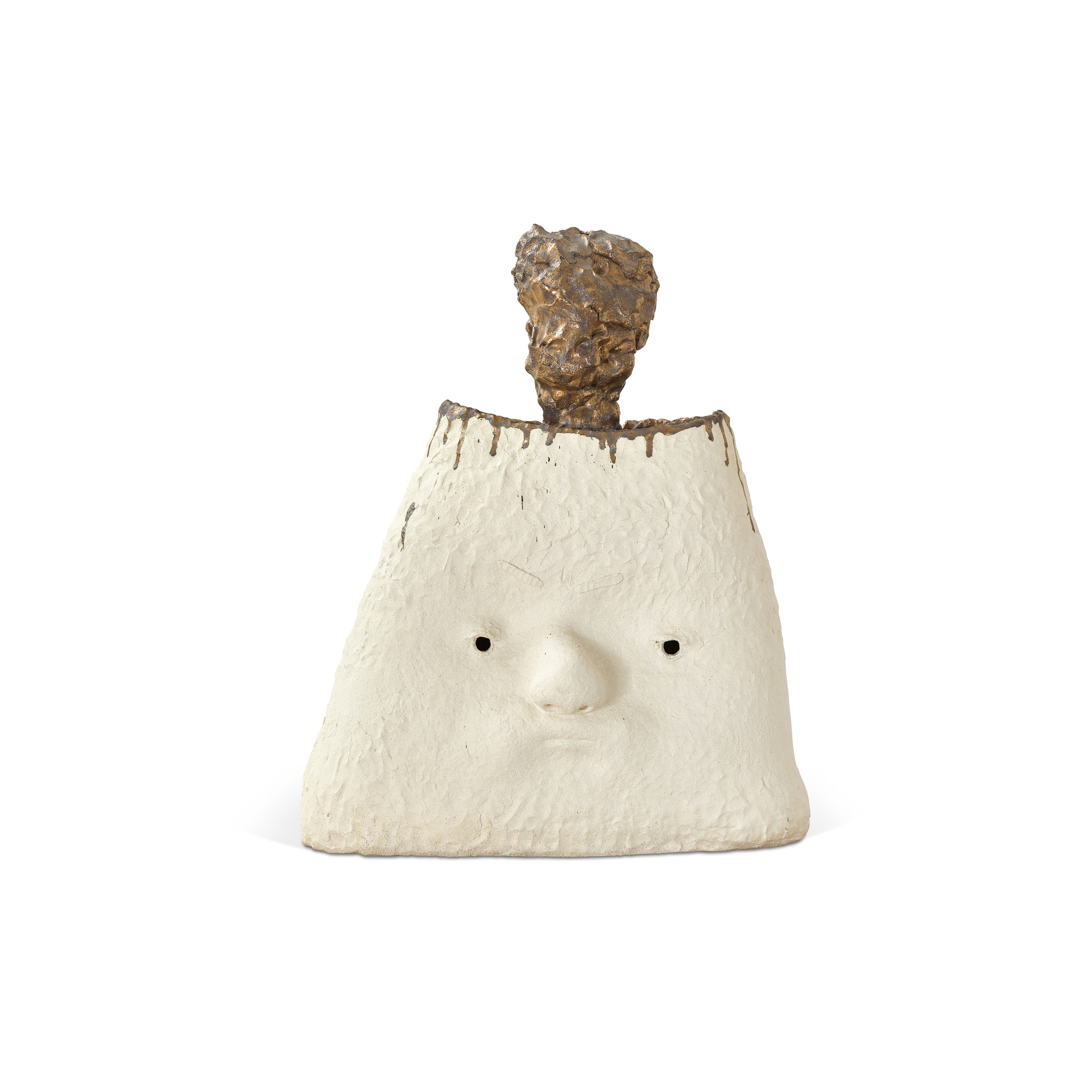
Mount Fuji 富士山, 2016
Otani Workshop was founded by Akiko Otani, an artist whose formation in Japan gave her a keen sensitivity to the poetry of the overlooked and the ordinary. Japan has a long cultural tradition of finding beauty and meaning in humble materials, from the wabi sabi aesthetic that celebrates imperfection and transience to the craft traditions that elevate everyday objects into things of contemplation. Otani absorbed these sensibilities and channeled them into a contemporary practice that is entirely her own. The collective structure she established around her vision allowed for a kind of collaborative labor that became central to the work itself, the process of making inseparable from the meaning of what is made.
The development of Otani Workshop's practice has been defined by a fascination with accumulation. Where many artists work by subtraction, Otani and her collaborators build up, layer by layer, strip by strip, piece by piece. Tape, paper, found objects, ceramic, and paint all appear across their body of work, sometimes within the same installation. This promiscuous relationship with materials is not accidental.
Otani Workshop
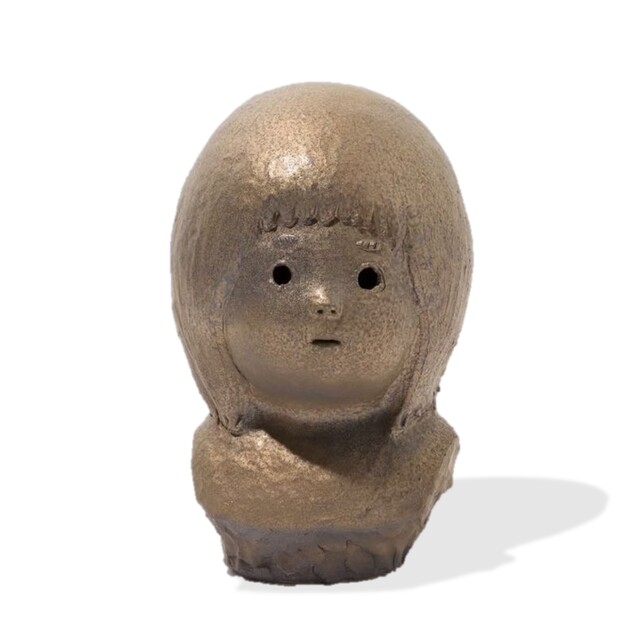
Girl, 2020
It reflects a genuine curiosity about what happens when something as simple as a roll of tape or a sheet of paper is given enough time, enough attention, and enough repetition to become something monumental. The collective pushes materials past their original purpose until they surrender into something new. Among their most discussed works is "Mount Fuji" from 2016, a piece that uses Japan's most iconic natural form as both subject and metaphor. Mount Fuji has occupied the Japanese imagination for centuries, appearing in woodblock prints, poetry, and religious iconography, and Otani Workshop's engagement with it feels like a conversation with that entire history.
The work demonstrates the collective's ability to hold cultural weight lightly, to approach a symbol so loaded it risks becoming cliché and find within it something fresh and felt. "Girl" from 2020, realized in ceramic, shows a different register entirely. Ceramic is an ancient medium, one of the oldest forms of human making, and Otani Workshop's use of it connects their practice to something primal and enduring even as the imagery and sensibility remain unmistakably contemporary. The ceramic works feel like discoveries, objects that seem to have always existed and only recently been found.
Otani Workshop
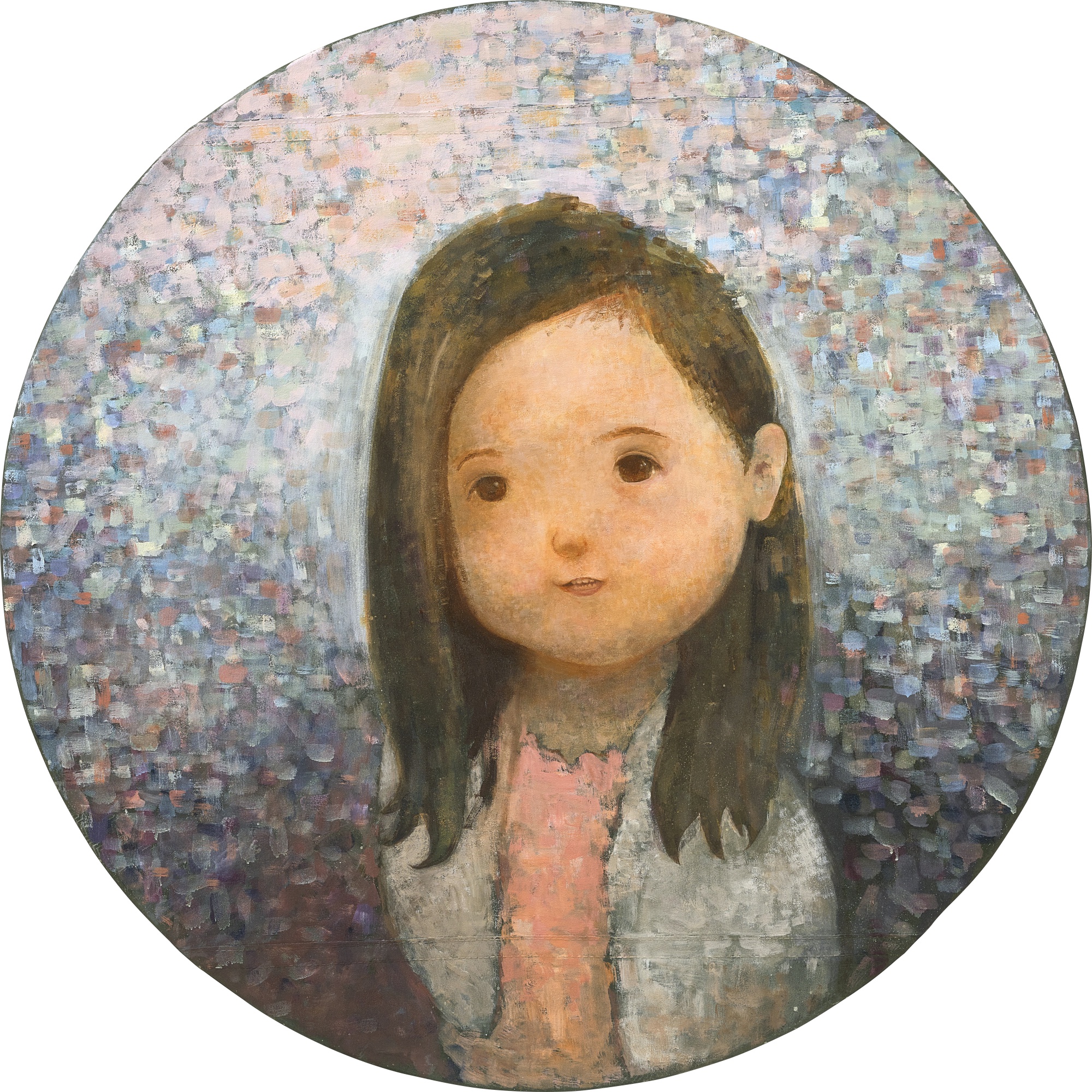
Untitled 無題
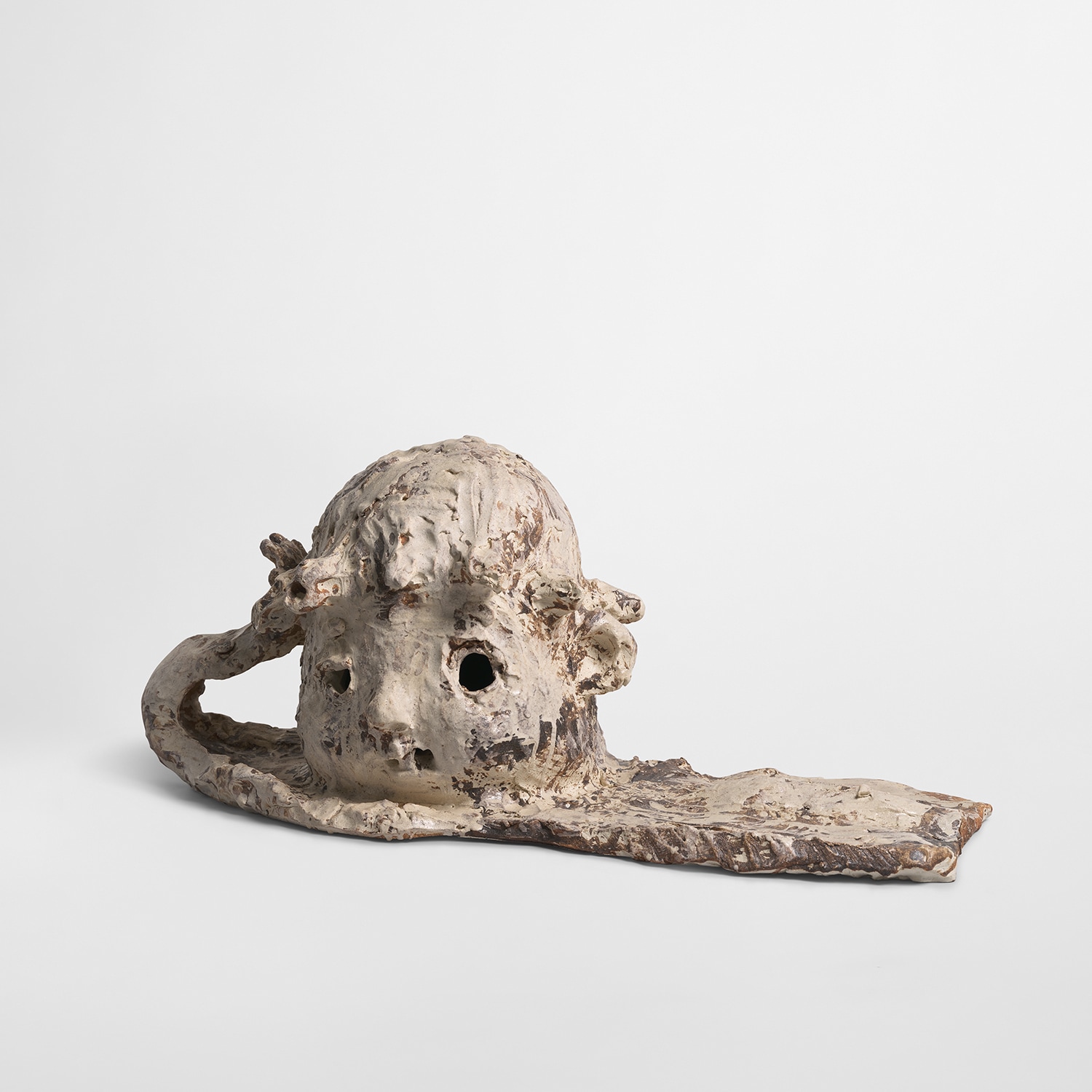
The oil on canvas work titled "Untitled" is a quieter proposition, and all the more arresting for it. Painting is a medium that demands a different kind of trust than installation, because it cannot overwhelm through scale or surround the viewer through presence in the same physical way. That Otani Workshop brings the same spirit of patient accumulation and material curiosity to the painted surface speaks to the depth and flexibility of their conceptual commitments. "Lazy" from 2019, another ceramic piece, continues this strand of the practice with warmth and a touch of wit.
The title alone suggests an artist comfortable enough in her vision to be playful, to allow humor and ease to coexist with serious artistic intention. For collectors, Otani Workshop represents a genuinely distinctive proposition. Their works exist across multiple scales and media, meaning that a collector working with modest space can engage with the practice through a ceramic or a canvas, while those with the resources and the ambition to commission or acquire large scale installation works can pursue something truly transformative. The labor intensive nature of the collective's process means that each work carries with it an enormous weight of human time and attention, qualities that connoisseurs of contemporary art increasingly value in an era of mechanized production and digital fabrication.
Otani Workshop
Lazy, 2019
There is nothing algorithmic about an Otani Workshop piece. Every centimeter of it has been touched by a human hand with intention. In terms of artistic context, Otani Workshop belongs to a lineage of artists who have expanded the definition of drawing and sculpture through installation and accumulation. Their practice invites comparison with figures like Tara Donovan, whose large scale works built from humble manufactured materials explore the transformation of the ordinary into the sublime.
The interest in labor, material, and the boundaries between two dimensional and three dimensional work also connects them to artists like Monika Sosnowska and Ernesto Neto, both of whom have built international reputations by treating space itself as a medium. Within the Japanese context, the influence of the Mono ha movement, which in the 1960s and 1970s explored the relationship between materials and the spaces they inhabit, feels present as a kind of distant ancestor to Otani Workshop's concerns, even as their work moves in its own direction. What makes Otani Workshop matter today is precisely what makes them unusual. At a moment when the art world often rewards spectacle that arrives quickly and exhausts itself just as fast, they have built a practice rooted in slowness, in the quiet drama of accumulation, and in the belief that the most ordinary materials carry within them an extraordinary potential.
Their installations ask visitors to slow down, to look carefully, and to consider the relationship between effort and beauty. That is not a minor gift to offer a culture moving at the speed it currently moves. It is, in fact, an essential one. Collectors and institutions who bring Otani Workshop into their spaces are not simply acquiring art; they are making a statement about the kind of attention they believe the world deserves.