Nicolas de Staël
Nicolas de Staël: A Master Finds the Light
Artist Spotlight · The Collection Editorial
“I do not oppose abstract and figurative painting. A painting should be both at once.”
Nicolas de Staël, letter to Jacques Dubourg, 1952
In the spring of 2023, a luminous oil by Nicolas de Staël sold at Christie's Paris for well above its high estimate, drawing a room full of collectors who had traveled specifically for the occasion. It was a reminder, if one were needed, that de Staël occupies a singular place in the canon of postwar European painting. His works carry an almost physical pull, an urgency that feels fresh regardless of the decade in which you encounter them. That enduring magnetism is not a matter of fashion.
Nicolas de Staël
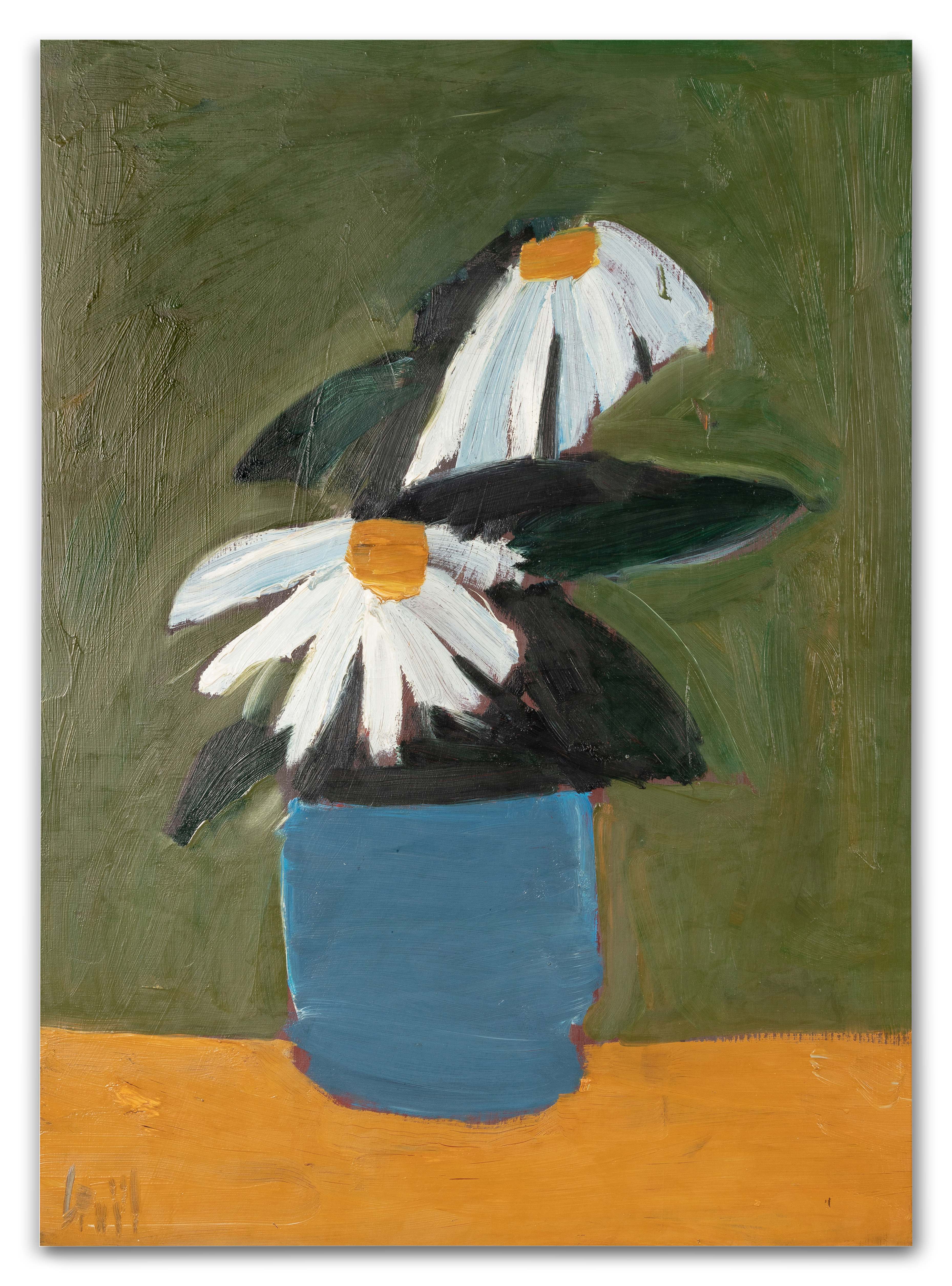
Fleurs au pot bleu, 1954
It speaks to something deeper, a rare confluence of formal intelligence and raw emotional presence that very few painters in history have managed to sustain. Nicolas de Staël was born in Saint Petersburg in 1914, the son of a high ranking military official in Tsarist Russia. The Revolution and its aftermath shattered his world early. Orphaned by 1922 and subsequently taken in by a Belgian family, de Staël grew up navigating displacement and reinvention with a resilience that would later define his art.
He studied at the Académie Royale des Beaux Arts in Brussels, where a rigorous classical training gave him the structural foundations that would remain visible even in his most abstract work. Travels through Morocco, Spain, and France in the 1930s deepened his understanding of color and light in ways that no European studio could fully replicate. He eventually settled in Paris, becoming part of a generation of artists who would rebuild the meaning of painting in the shadow of catastrophe. De Staël's early years in Paris were genuinely difficult, marked by poverty and a dogged commitment to working through ideas that resisted easy resolution.
Nicolas de Staël
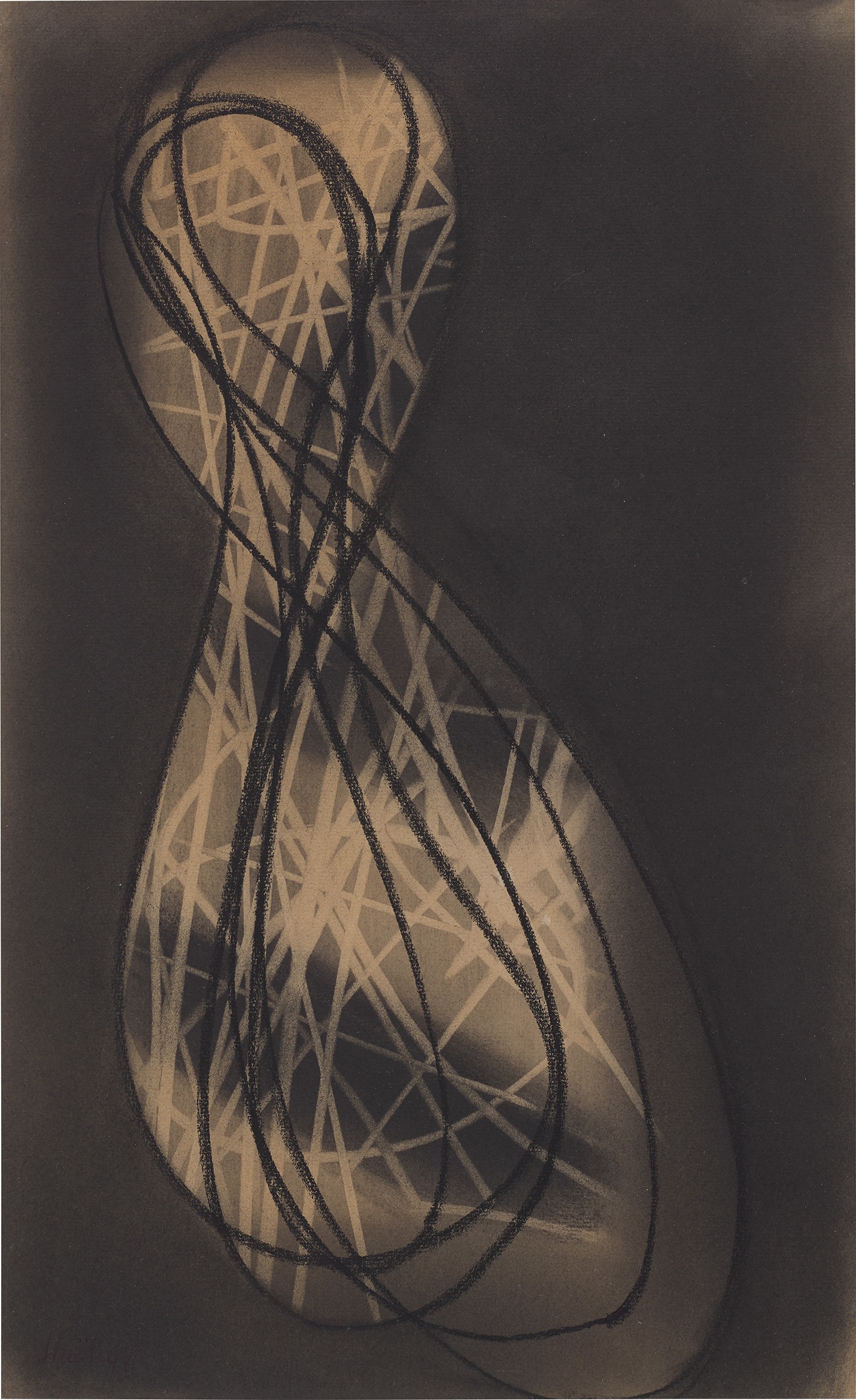
Figure, 1945
He became close with Georges Braque, a friendship that offered both encouragement and a model of seriousness about the craft. By the late 1940s, his work had entered a period of ambitious abstraction, with dense compositions built from richly loaded pigment applied with a palette knife in broad, overlapping planes. These were paintings that felt architectural, almost geological, as if color itself had weight and consequence. Galerie Louis Carré and later Galerie Jacques Dubourg in Paris became important venues for his work during this period, helping to establish his reputation among the most discerning collectors of the era.
“One must never be in a hurry to finish. A painting carries within itself its own necessity.”
Nicolas de Staël, correspondence
The early 1950s brought a pivotal shift. A legendary football match at the Parc des Princes in Paris, watched under floodlights in 1952, is said to have unlocked something in de Staël. The resulting series of paintings, the celebrated Footballeurs, marked a turning back toward figuration, though figuration of a wholly original kind. The recognizable world, figures, landscapes, bottles on a table, the Mediterranean coastline, began to reappear in his canvases, but filtered through the same dense, mosaic like blocks of color that had defined his abstract phase.
Nicolas de Staël
Nicolas de Staël
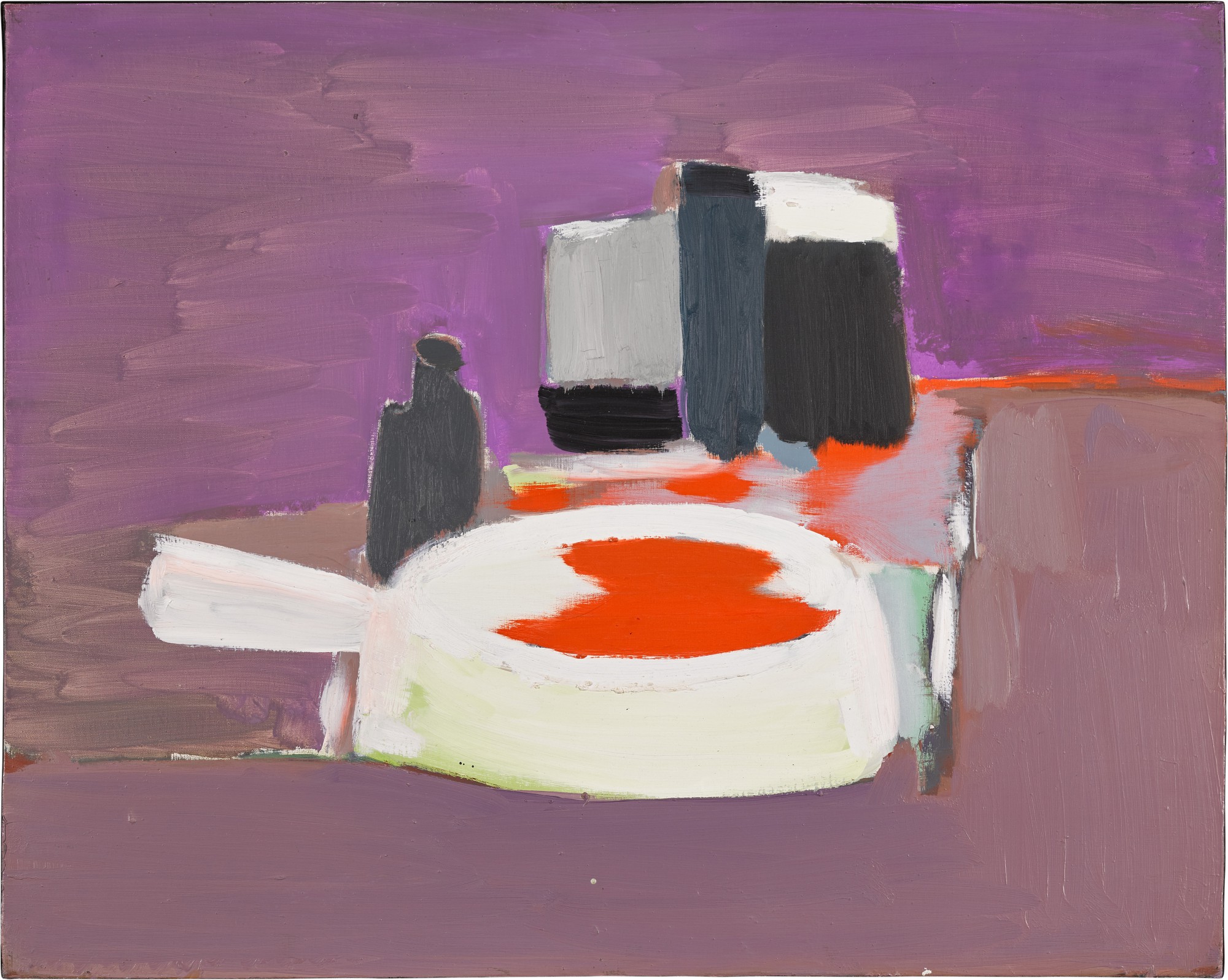
The tension between these two impulses, the urge to name things and the desire to let paint be only itself, became the engine of his most powerful work. His move to Antibes in 1954 brought new light and new subjects, and the paintings from this final southern period have a radiance that collectors continue to find irresistible. The works available through The Collection span precisely this arc of development and offer a remarkable opportunity to trace the full range of de Staël's achievement. Nature morte au poelon from 1955, painted in the final months of his life, demonstrates the extraordinary economy he had arrived at, form and color fused into something that feels both casual and completely resolved.
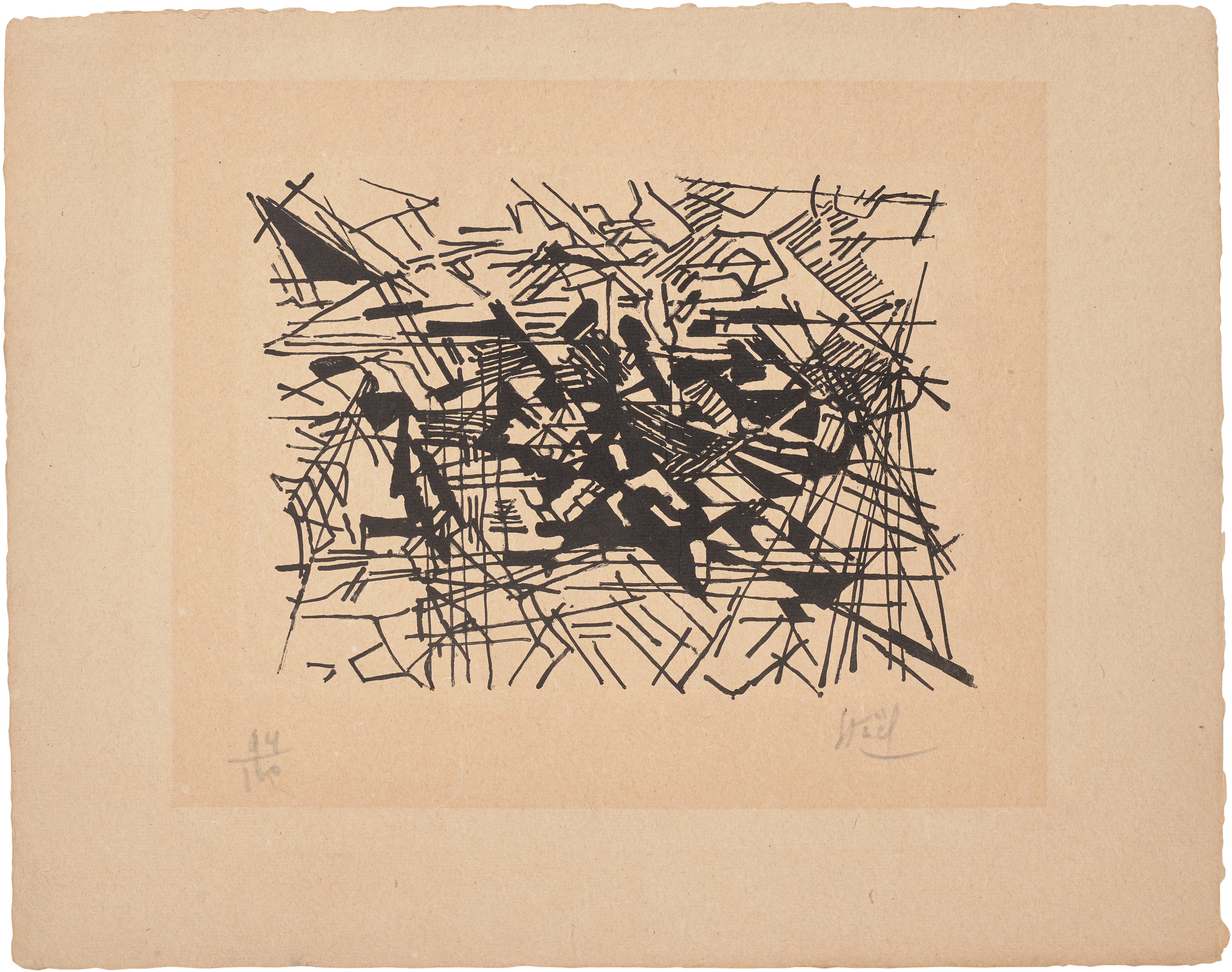
Marine from 1954 captures the particular quality of Mediterranean light that animated his Antibes period, the sea reduced to serene horizontal bands of blue and grey that shimmer with restrained intensity. Le Fort Carré à Antibes, also from 1955, shows de Staël at his most architecturally assured, the ancient fort rendered in slabs of warm ochre and stone that seem to breathe. Bouteilles en brun, ocre et rose from 1952 sits right at the inflection point of his return to figuration, the bottles barely declared yet utterly present. Across media, from the felt pen Sans Titre of 1951 to the early charcoal Figure of 1945, this group of works reveals a painter whose thinking was consistently rigorous and whose hand was consistently alive.
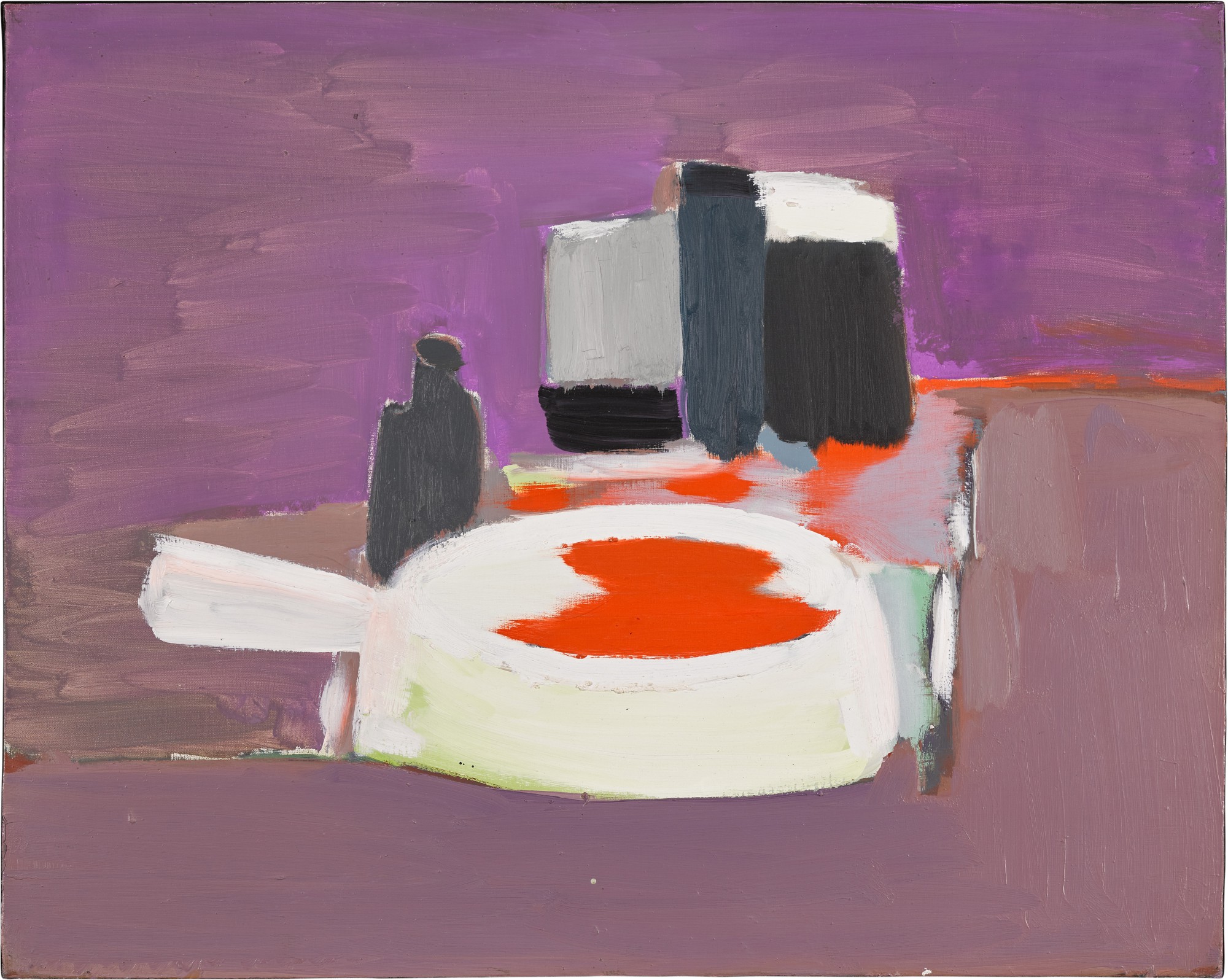
Nicolas de Staël
Nature morte au poelon, 1955
For collectors, de Staël represents one of the most compelling propositions in the postwar market. His output was concentrated into roughly a decade of mature work, and the supply of paintings on the open market is genuinely limited. Works from the Antibes period and from the key years of 1952 to 1955 command particular attention, though the earlier abstract compositions have their own devoted following. Auction highlights over the past two decades have confirmed consistent demand at the very top of the market, with major canvases achieving prices in the multi million euro range at Sotheby's, Christie's, and Artcurial.
Works on paper and smaller format oils offer a more accessible point of entry while still carrying the full signature of his approach. Provenance matters enormously in this market, and works that can be traced through established French collections or the galleries that represented him in his lifetime carry additional weight. De Staël belongs to a generation of painters who reshaped European abstraction after the Second World War, and his closest peers help illuminate what made him distinctive. Pierre Soulages pursued an equally committed investigation of paint and surface but arrived at a very different resolution, one of absolute darkness and light.
Jean Dubuffet was equally preoccupied with the materiality of the painted surface but in service of an entirely different set of ideas. Alberto Burri in Italy was working with similar urgency around texture and material presence. What sets de Staël apart is the degree to which he remained attached to the visible world even as he dismantled it, holding figuration and abstraction in productive suspension rather than choosing between them. That position feels remarkably contemporary, anticipating debates about painting's relationship to representation that continue to animate the art world today.
De Staël died in Antibes in March 1955 at the age of forty one. The brevity of his career has inevitably shaped his reputation, but it would be a mistake to let the circumstances of his death overshadow the magnitude of what he achieved. He produced a body of work of astonishing formal invention and emotional depth, work that changed what painting was understood to be capable of. Museums from the Pompidou in Paris to the Tate in London to the Guggenheim in New York hold his paintings in permanent collection, and major retrospectives over the decades have consistently confirmed his stature as one of the essential figures of the twentieth century.
To collect de Staël is to participate in a conversation about painting that shows no sign of ending, a conversation about the gap between sensation and form, between what we see and what we feel when we look.
Featured Works
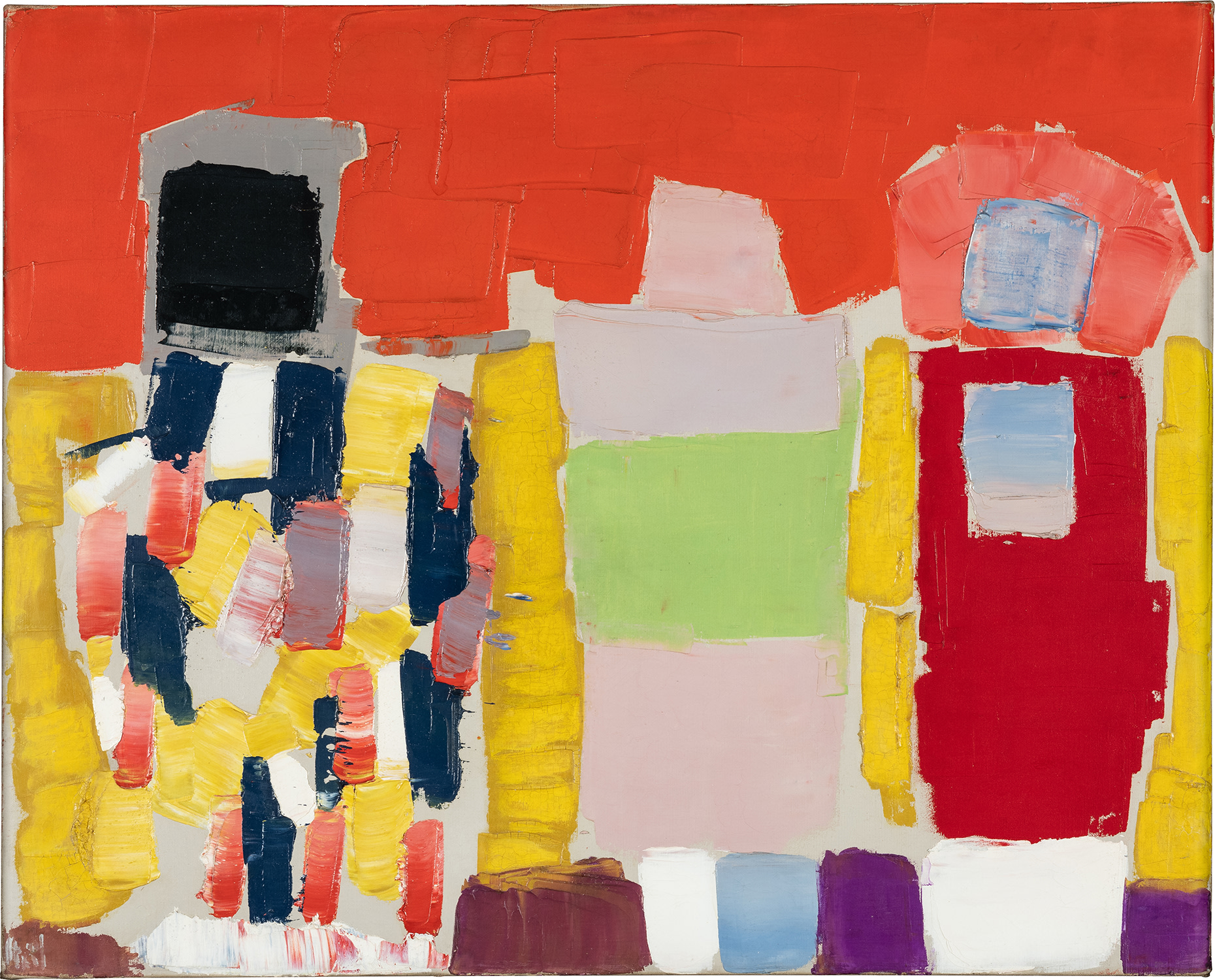
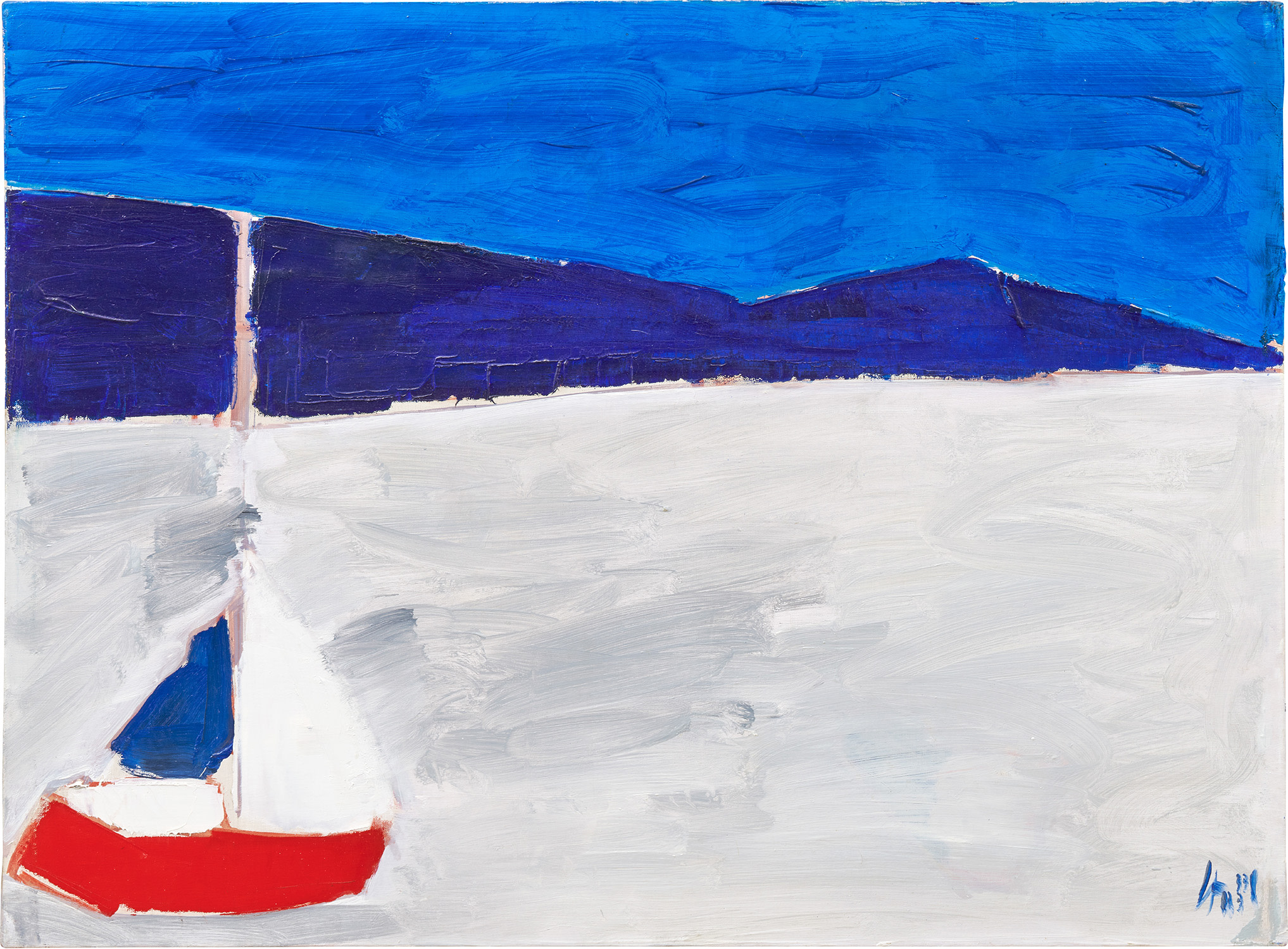
Explore books about Nicolas de Staël
Nicolas de Staël
François Marquet
Nicolas de Staël: A Life
Debra Bricker Balken
Nicolas de Staël: Catalogue Raisonné
Francoise de Staël and Jean Leymarie
De Staël
Pierre Descargues
Nicolas de Staël: 1914-1955
Jean Leymarie