Nick Darmstaedter
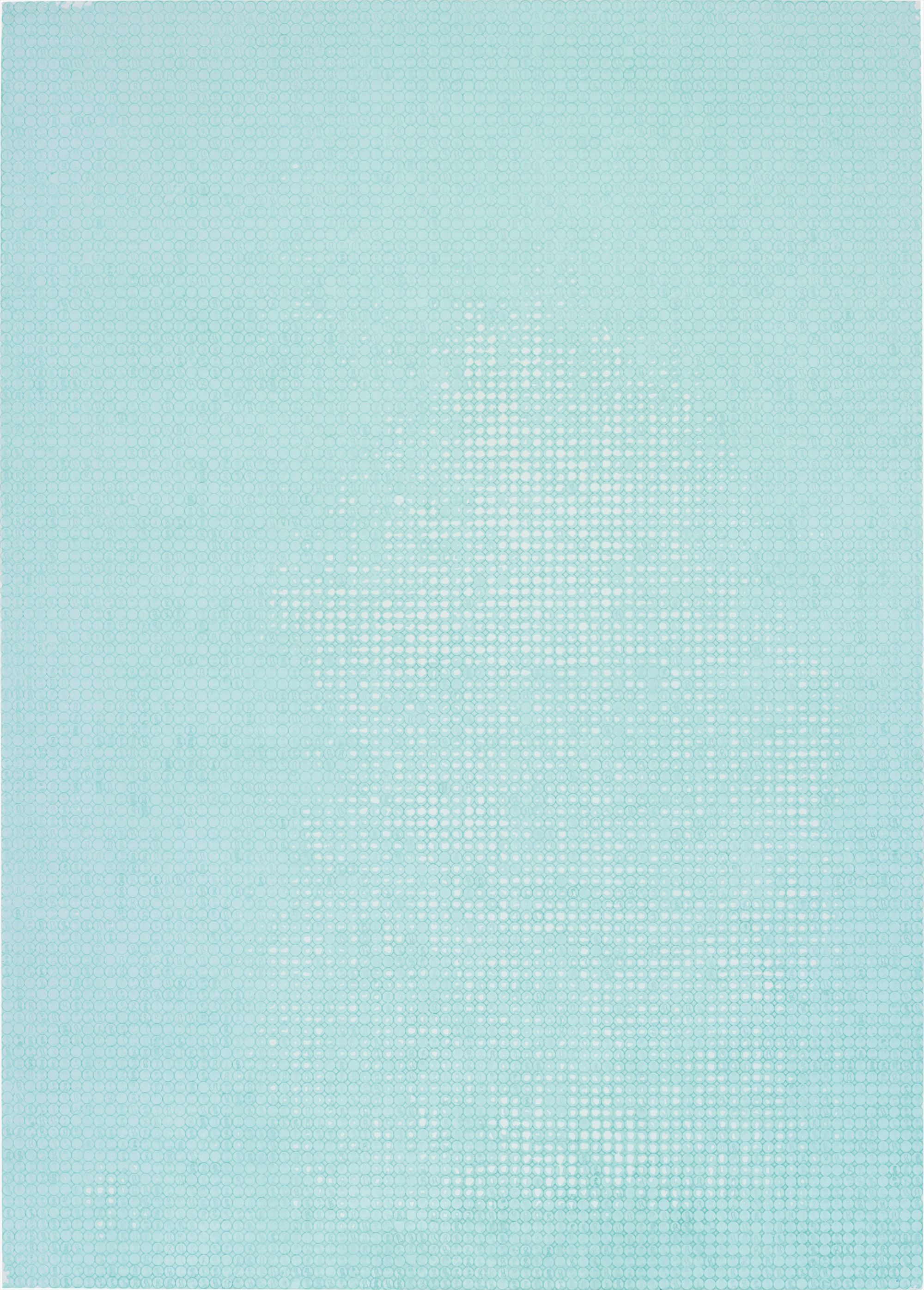
Nick Darmstaedter Turns Everything Into Painting
Artist Spotlight · The Collection Editorial
Something quietly radical has been happening in contemporary painting for the better part of two decades, and Nick Darmstaedter has been at the center of it. The New York based American artist has built a body of work that refuses easy categorization, threading together humor, material invention, and a deep if irreverent love of painting's own history. His canvases feel alive in the way that the best paintings do: not because they announce themselves loudly, but because they reward sustained looking and leave you slightly unsure of where the joke ends and the sincerity begins. Darmstaedter was born in 1984, and his formation as an artist coincided with a particularly fertile moment in American art, one in which the boundaries between fine art, graphic culture, and vernacular imagery were being renegotiated with new urgency.
Nick Darmstaedter
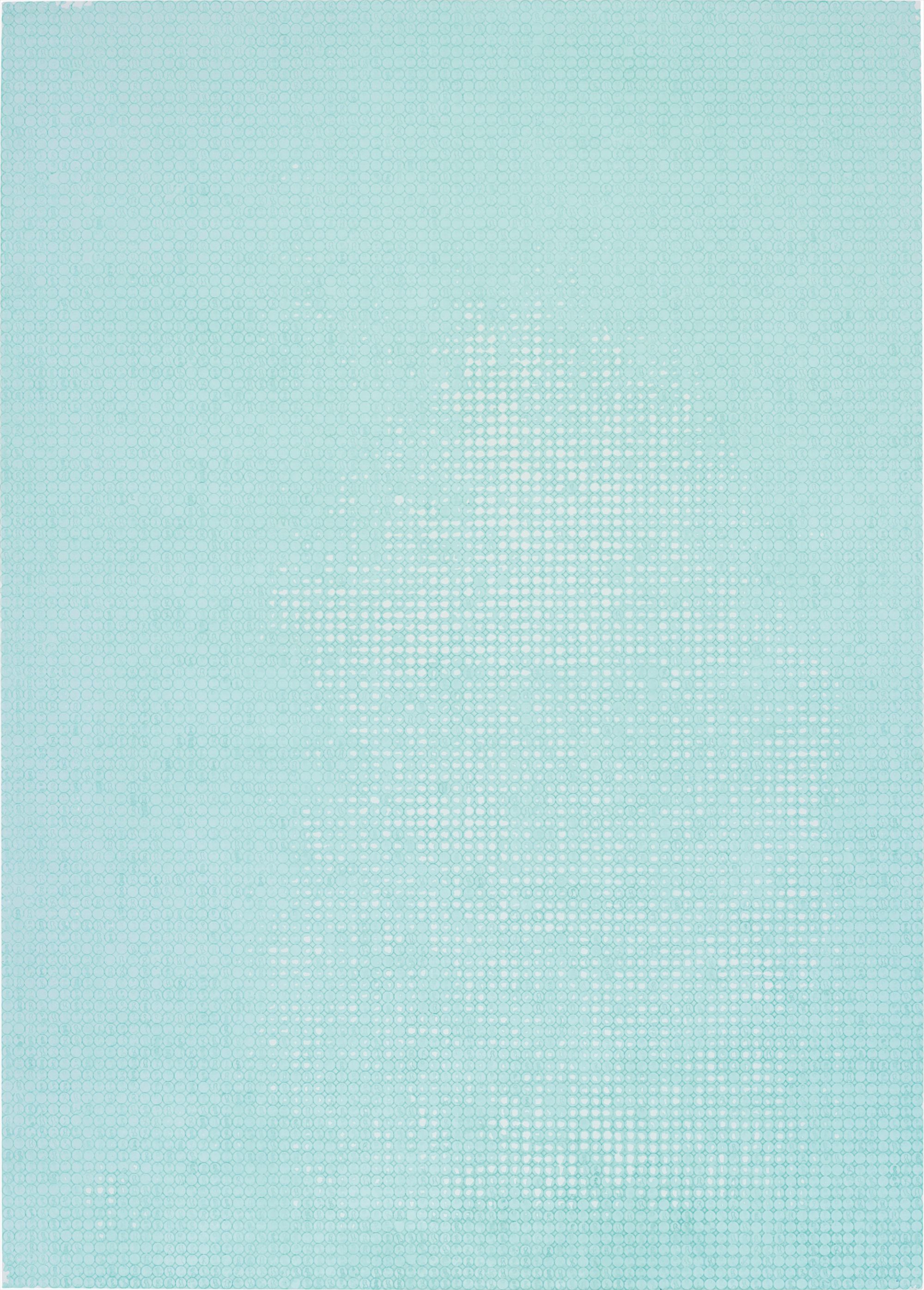
Norma Desmond
Coming of age in a visual landscape saturated with consumer goods, pop iconography, and the residue of late twentieth century American culture, he absorbed those influences not as raw material to be critiqued from a distance but as something genuinely beloved and worth transforming. That dual sensibility, affectionate and subversive at once, would come to define everything he made. His practice is built around process as much as image, and the two are rarely separable in his work. Darmstaedter has long favored unconventional materials, bringing silkscreen ink, fabric, acrylic, and oil into conversation on the same canvas in ways that feel intuitive rather than programmatic.
The gestures in his paintings are loose and confident, carrying the memory of action painting without any of its solemnity. There is something of the studio improviser in his approach, a willingness to let materials speak and to follow the work wherever it insists on going, and this quality gives even his most mediated and image heavy pieces an undeniable sense of presence. Among the works that best capture his range, the 2013 piece titled V8, executed in silkscreen ink, acrylic, oil, and fabric on canvas in two parts, stands as a strong example of how he holds contradiction together. The use of a recognizable commercial image within a rigorously painterly framework raises questions about value, reproduction, and the status of the handmade without ever resolving them tidily.
Nick Darmstaedter
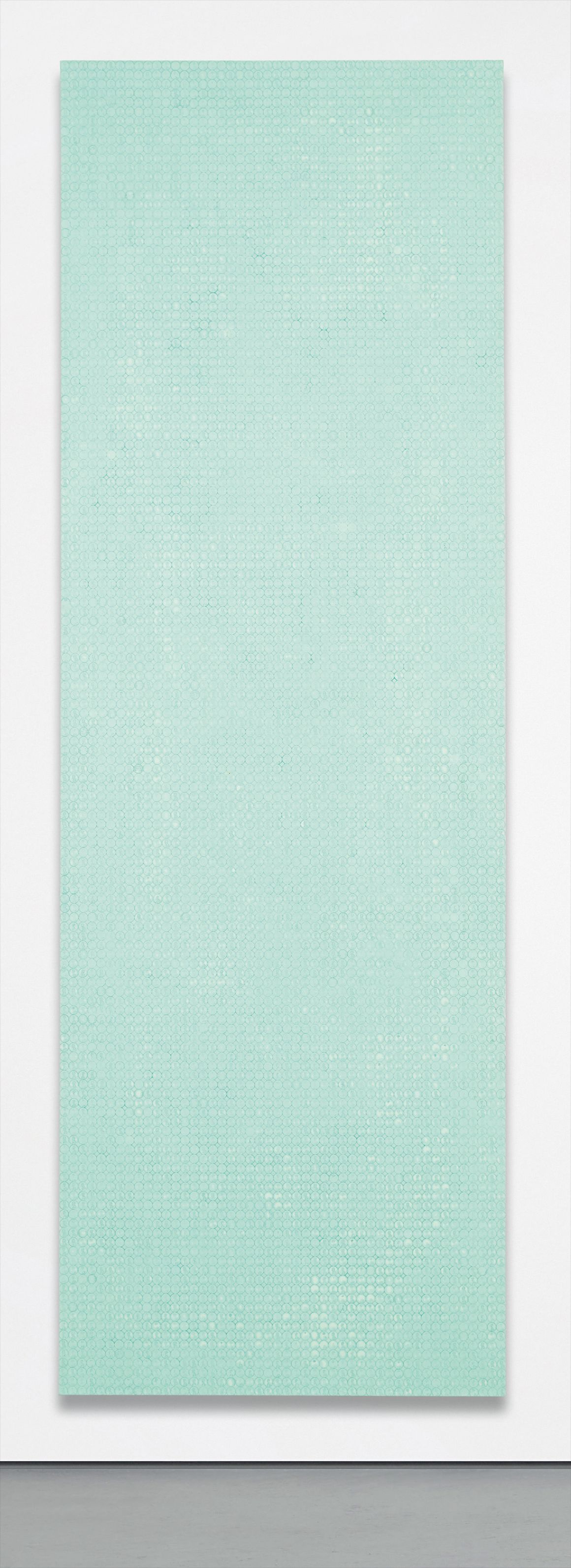
The French Connection II and the Temple of Doom
Similarly, the 2014 work Scam Mail (Barbara), silkscreen on canvas, takes throwaway ephemera and elevates it through careful formal attention, suggesting that the detritus of everyday correspondence carries as much emotional weight as any mythological subject. His 2012 work Scattering of their semen freely and the enigmatic piece titled The Grid Contains the Liquid demonstrate his range across registers both visceral and cerebral. Works like Rodney King and The French Connection II and the Temple of Doom reveal an artist unafraid to bring cultural history, film, and social memory directly into the studio. For collectors, Darmstaedter offers something genuinely rare in the current market: a practice that is immediately readable as his own while remaining formally adventurous enough that each new encounter surprises.
His works on canvas, particularly those that combine silkscreen and fabric application, have attracted serious attention from collectors who prize the intersection of conceptual rigor and material pleasure. The multi part works are especially compelling propositions for a collection because they create dialogue within themselves, demanding a kind of spatial attention that single panel works do not. Collectors drawn to artists such as Matthew Cerletty, Austin Lee, or the irreverent material intelligence of someone like Shana Moulton will find in Darmstaedter a kindred sensibility operating at a particularly high level. His works also reward those who admire the legacies of Mike Kelley and the Pictures Generation artists, given his deft handling of found imagery and commercial detritus as painterly subject matter.
Nick Darmstaedter
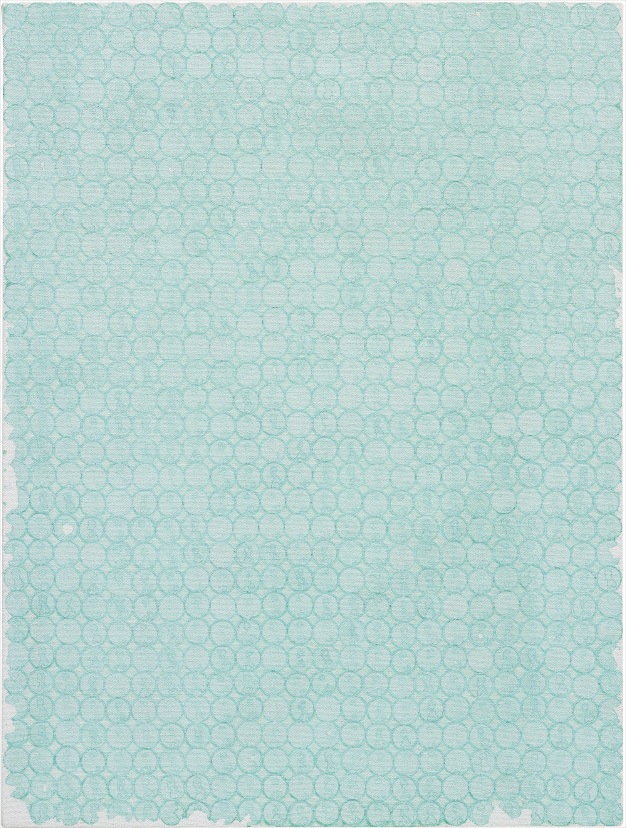
I'm, 2013
Darmstaedter has exhibited regularly in New York and internationally, building a reputation through consistent gallery presentations that have brought his work to the attention of a discerning and growing audience. His participation in group exhibitions alongside other artists working at the intersection of painting and conceptual practice has helped situate him within one of the most intellectually engaged conversations currently happening in contemporary art. The New York scene in particular has been generous to him, recognizing in his practice something that feels native to the city's restless, promiscuous relationship with art history and popular culture alike. There is a knowing quality to his work that New York audiences respond to, a sense that the artist is in on every joke but is also entirely serious about the work being good.
What makes Darmstaedter matter in 2024 and beyond is precisely his resistance to the kind of branding that can calcify a practice too early. He has continued to evolve, adding layers of reference and material complexity without abandoning the gestural directness that made early works like Kano (2012) and I'm (2013) so immediately striking. In an era when painting is frequently declared either dead or triumphant with equal exaggeration, his work makes a quieter and more durable argument: that painting is simply ongoing, that it absorbs everything the culture throws at it and keeps going, changed but undefeated. For collectors who want to understand where that argument is being made most intelligently right now, Darmstaedter's studio is one of the essential addresses.