Nathaniel Currier
2
Works
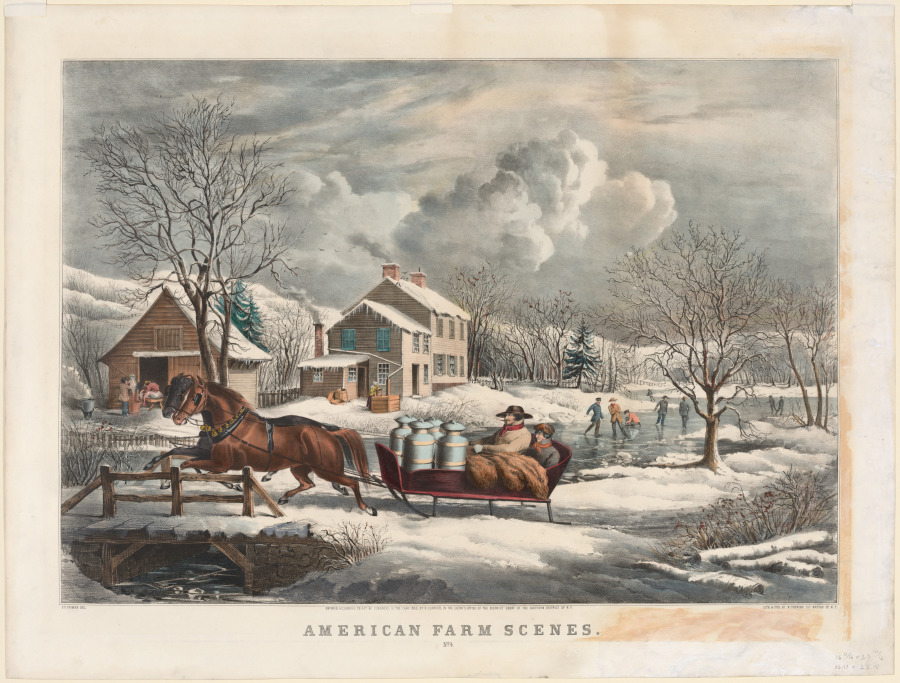
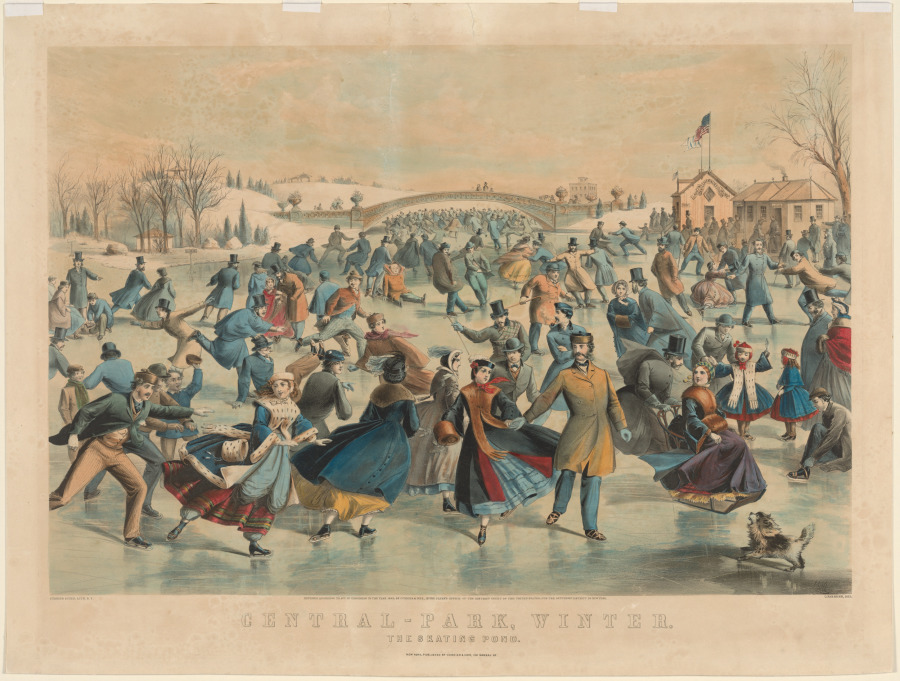
# Nathaniel Currier: American Printmaker and Visual Artist Nathaniel Currier (1813-1888) was a pioneering American printmaker who fundamentally transformed popular visual culture in the nineteenth century. Born in Roxbury, Massachusetts, Currier apprenticed under William and John Pendleton, prominent lithographers in Boston, before establishing his own print shop in New York City in 1835. He became one of the most prolific and commercially successful artists of his era, democratizing fine art by producing affordable, colorful lithographs that brought images of current events, landscapes, and domestic scenes into American homes. His business acumen and understanding of public taste enabled him to create a vast catalog of prints that captured the spirit and anxieties of the American people during a period of rapid social and industrial change. Currier's artistic legacy was cemented when he partnered with James Merritt Ives in 1857, forming the iconic firm Currier and Ives, which would continue producing popular prints for decades. His key works include patriotic scenes, disaster imagery, sporting events, and sentimental domestic subjects that resonated deeply with middle and working-class audiences. Notable series encompassed American landscapes, clipper ships, and political campaigns, each executed with vibrant color and accessible imagery. Though he worked in the commercial sphere rather than fine art academies, Currier was instrumental in the American genre of popular printmaking and the broader tradition of lithography in the United States. Currier's lasting influence on art history extends far beyond his lifetime, as he essentially created the template for mass-produced American visual culture. His prints served as a crucial medium through which ordinary Americans could engage with contemporary events and national identity during the antebellum and Civil War periods. Today, Currier and Ives prints remain highly collectible, and their work is recognized as essential documentation of nineteenth-century American life and values, elevating commercial printmaking to a respected and studied artistic practice within the broader canon of American visual arts.
Spotted by
Artists in conversation