Nate Lowman
Nate Lowman Makes America Look At Itself
Artist Spotlight · The Collection Editorial
When Nate Lowman's work appeared at the Whitney Museum of American Art, it felt less like an exhibition opening and more like a confrontation with a mirror held up to the national psyche. His canvases, dense with bullet holes, corporate insignia, smiley faces, and the wreckage of everyday American visual culture, do something quietly radical: they make the familiar feel menacing, and the menacing feel strangely beautiful. For collectors and curators alike, Lowman has emerged as one of the most searching painters working in the United States today, an artist whose practice refuses to let its audience look away. Lowman was born in 1979 and came of age in an America already saturated with the imagery that would become the raw material of his art.
Nate Lowman
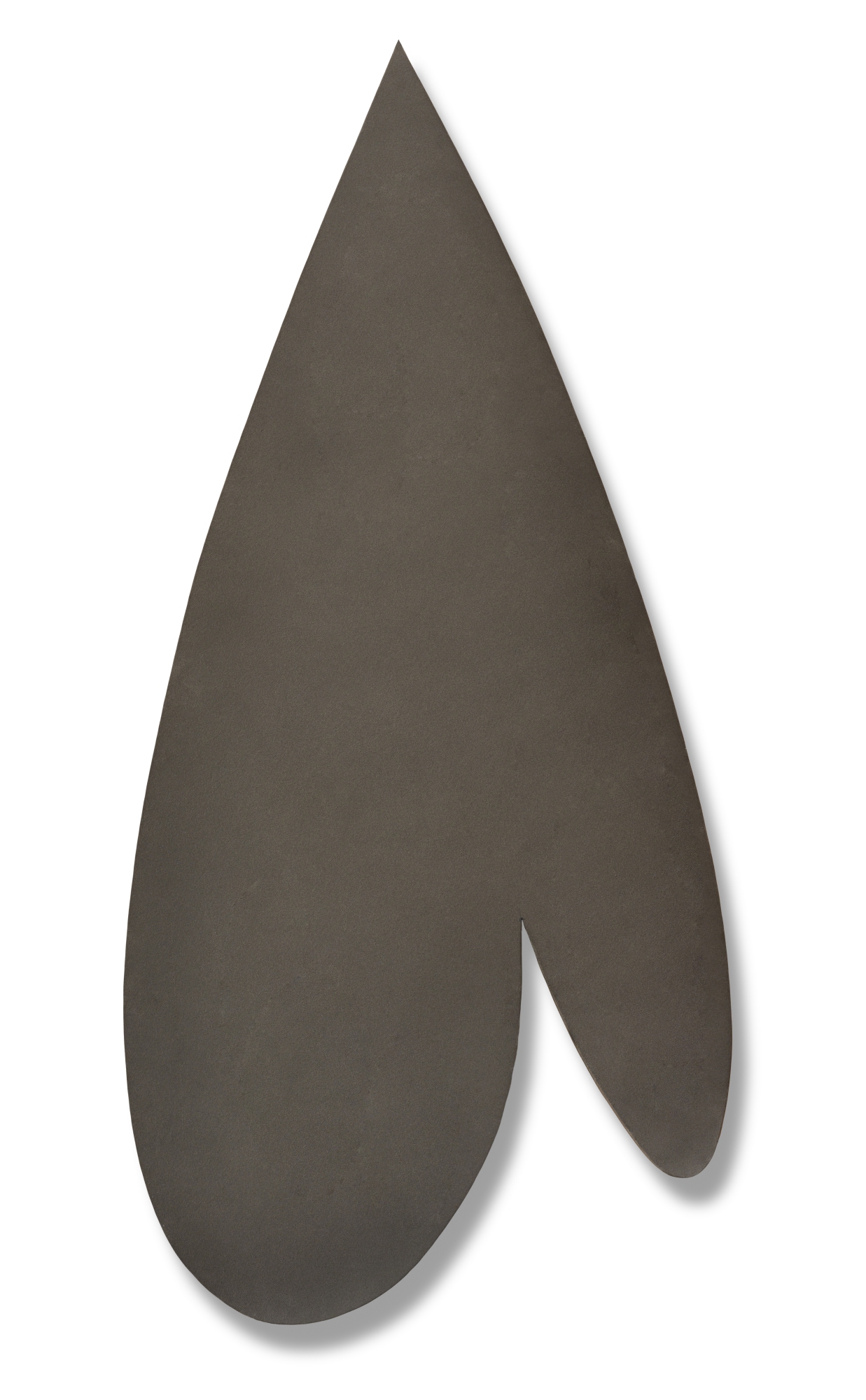
Bullet Hole
The logos, the tabloid photographs, the roadside slogans and bumper stickers: these were not abstractions to him but the wallpaper of daily life. His formation as an artist drew deeply from the New York downtown scene of the early 2000s, a moment when painting was being reconsidered and reclaimed by a younger generation determined to reintroduce content, irony, and cultural weight into the medium. That generational energy shaped Lowman's instinct for image appropriation and his understanding of the canvas as a space where pop culture could be both celebrated and interrogated. Lowman's practice is built on a sophisticated tension between technique and subject matter.
He works with screenprinting, gestural oil painting, and unconventional materials including dirt, dental floss, nylon thread, and aluminum paint, allowing the physical substance of a work to carry as much meaning as its imagery. This layering of process mirrors the layering of American culture itself, where the commercial and the violent, the banal and the urgent, are compressed together until they become nearly indistinguishable. His early recognition came through his association with a circle of painters and conceptualists who were reexamining what it meant to make pictures in an age of infinite image reproduction, and he has remained committed to that question throughout his career. Among Lowman's most iconic bodies of work are his bullet hole paintings and prints.
Nate Lowman
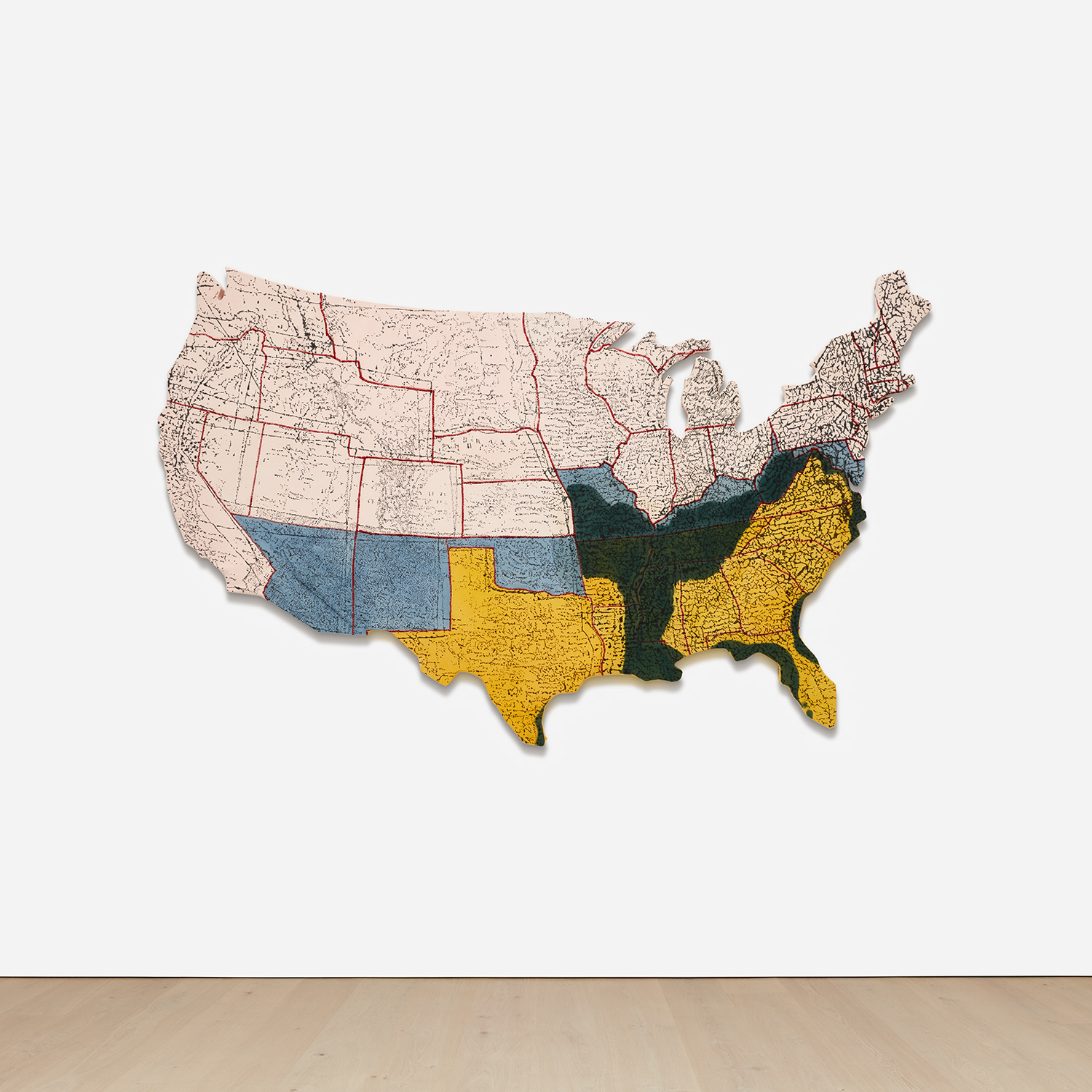
Conglomerate Influx, 2018
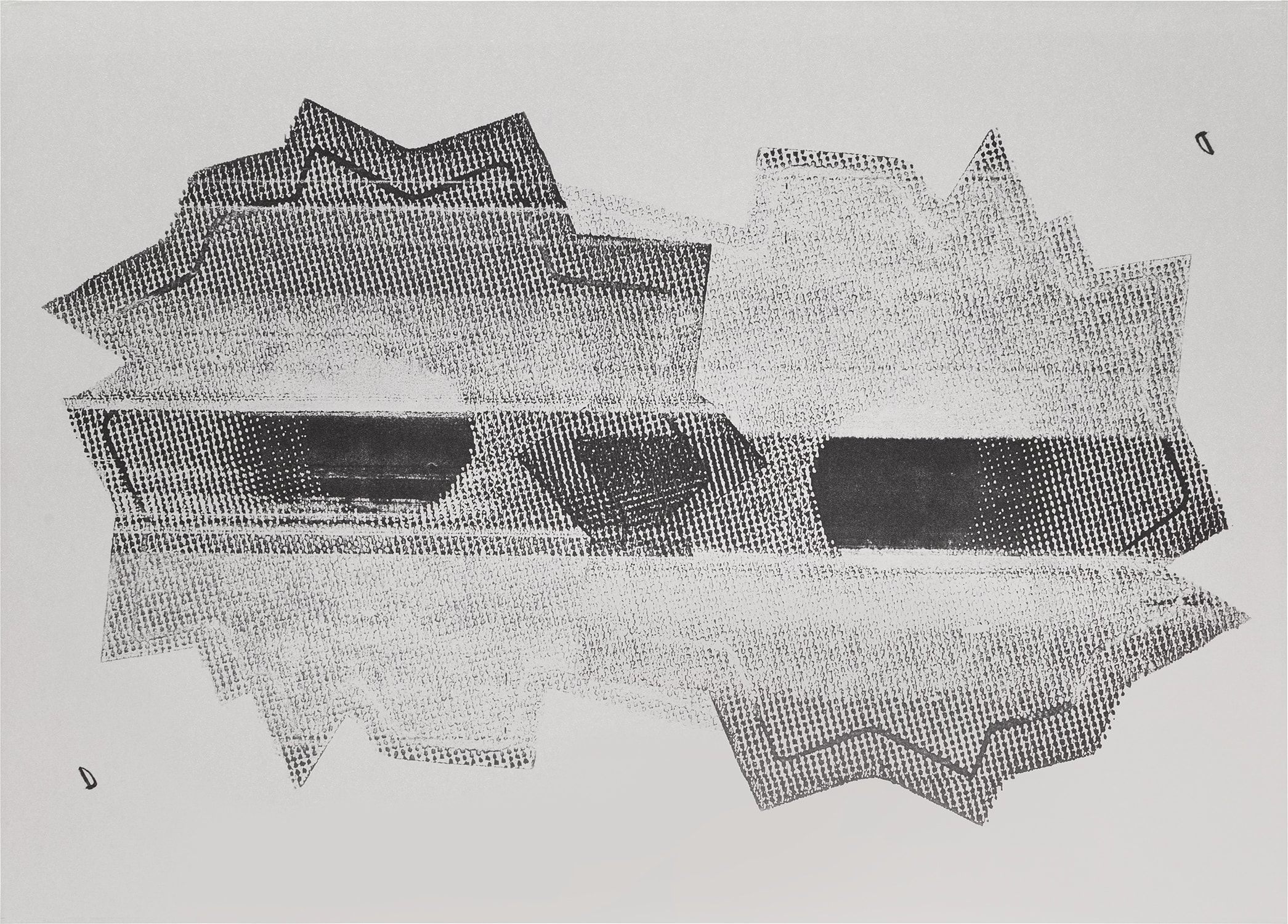
The bullet hole, rendered in screenprint on silver metallic paper and mounted to Plexiglas, is at once an abstraction and a document: it looks like a formal circle, a target, a puncture in the surface of civilization. The work operates in multiple registers simultaneously, asking the viewer whether they are looking at a fact or a symbol, a wound or a design. His Green Escalade and White Escalade works, silkscreen ink on canvas, bring the American SUV into the gallery as both trophy and emblem of excess, treating the vehicle's silhouette with the same cool detachment Warhol once applied to Campbell's soup cans. These are paintings that understand advertising and fine art as two languages that have been speaking to each other for decades.
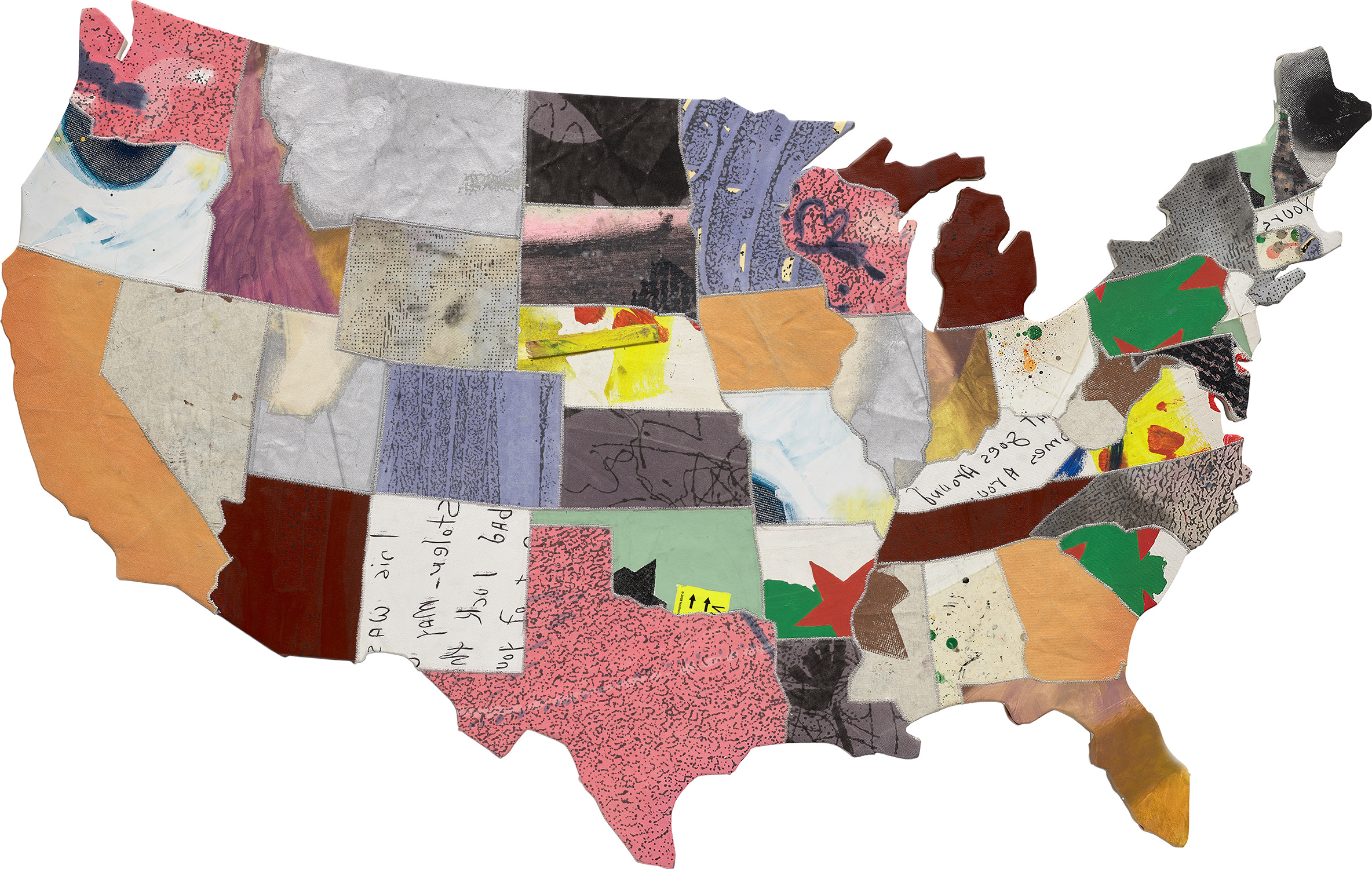
The more complex, material works such as Dirty Dancing from 2011, made with oil, dirt, and dental floss on canvas, and Conglomerate Influx from 2018, in oil, alkyd, and nylon thread, reveal a painter willing to push well beyond the crisp surfaces of his screenprint work. The Studio Visit, also from 2018, incorporates oil, alkyd, latex, ink, silkscreen, flashe, aluminum paint, a wooden stick, a bumper sticker, dirt, and nylon thread on a single canvas: it reads as an inventory of American material life as much as a painting. Works like these reward extended looking. They are not easily consumed, and their resistance to easy consumption is itself a form of critique.
Nate Lowman
The Studio Visit, 2018
An Academic Study in Hair Products, rendered in acrylic, brings the same analytical gaze to the consumer products that promise transformation and identity, finding in their packaging a kind of compressed mythology. From a collecting perspective, Lowman occupies a compelling position in the contemporary market. His editioned prints, including the signed and numbered My Favorite Part of My Favorite Painting published by Exhibition A in New York, offer an accessible entry point for collectors beginning to engage with his work, while his unique paintings carry the full weight of his material investigations and command serious attention at auction and in private sales. Collectors drawn to artists working within the traditions of appropriation and neo conceptual painting, those who admire the work of Richard Prince, Raymond Pettibon, or Christopher Wool, will find in Lowman a painter who shares their rigor while maintaining his own distinctly American vernacular.
The photographic works, including Rubberneck as a chromogenic print, extend his image vocabulary into another medium and round out a practice that rewards breadth of engagement. Lowman sits within a lineage that runs from Warhol and Rauschenberg through the Pictures Generation and into the present, but his sensibility is unmistakably shaped by the specific textures of post millennial America. Where earlier appropriation artists were often responding to the birth of mass media culture, Lowman works in its full maturity, at a moment when the image overload those artists anticipated has become total. His critical relationship to violence in American life, explored through the bullet hole motif across years of sustained practice, feels not only formally inventive but historically necessary.
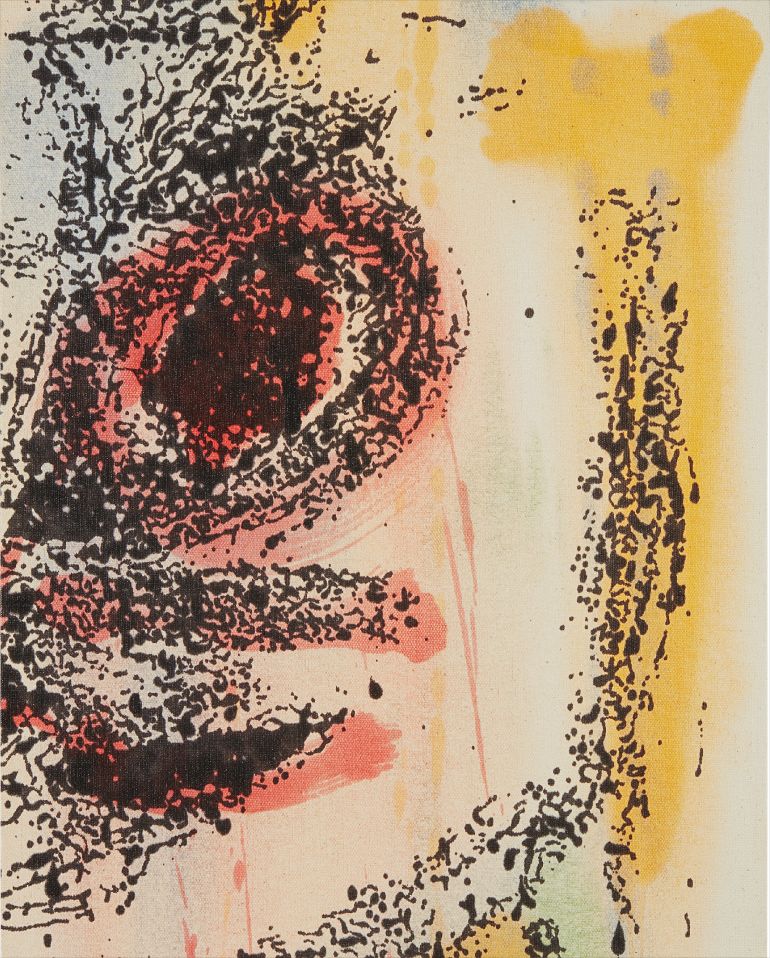
Nate Lowman
My Favorite Part of My Favorite Painting
He has exhibited internationally, including at the Astrup Fearnley Museum of Modern Art in Oslo, a program known for its discerning eye for American contemporary practice, cementing his reputation well beyond the New York context in which his work first gained visibility. What ultimately distinguishes Nate Lowman is his seriousness of purpose beneath an apparently cool, even seductive surface. His paintings look like they might be easy, might be ironic wallpaper for a certain kind of knowing collector, and then they refuse that reading. They insist on being about something: about the cost of American mythology, the aesthetics of damage, the strange beauty of corporate forms, and the way a culture drowns itself in its own symbols.
For collectors who want work that will continue to speak across years and decades, who want canvases that hold their ground in a room and in a conversation, Lowman's practice offers exactly that sustained return. He is an artist for the long look.
Explore books about Nate Lowman