Monkey Kingdom
Myth, Memory, and Joyful Digital Worlds
Artist Spotlight · The Collection Editorial
Something quietly remarkable is happening at the intersection of classical Chinese mythology and contemporary digital art, and Monkey Kingdom sits at its beating heart. The project has gathered a devoted following among collectors who recognize in its work a rare capacity to hold two worlds at once: the ancient and the algorithmic, the ceremonial and the playful. With pieces now circulating among discerning private collections and finding a home on platforms dedicated to serious digital collecting, Monkey Kingdom represents one of the more compelling arguments for why digital illustration deserves a permanent seat at the table of fine art discourse. The Monkey Kingdom project draws its imaginative fuel from the deep wells of Chinese literary and folk tradition, most centrally from the sixteenth century classic Journey to the West, the epic novel attributed to Wu Cheng'en that introduced the world to Sun Wukong, the irrepressible Monkey King.
Monkey Kingdom
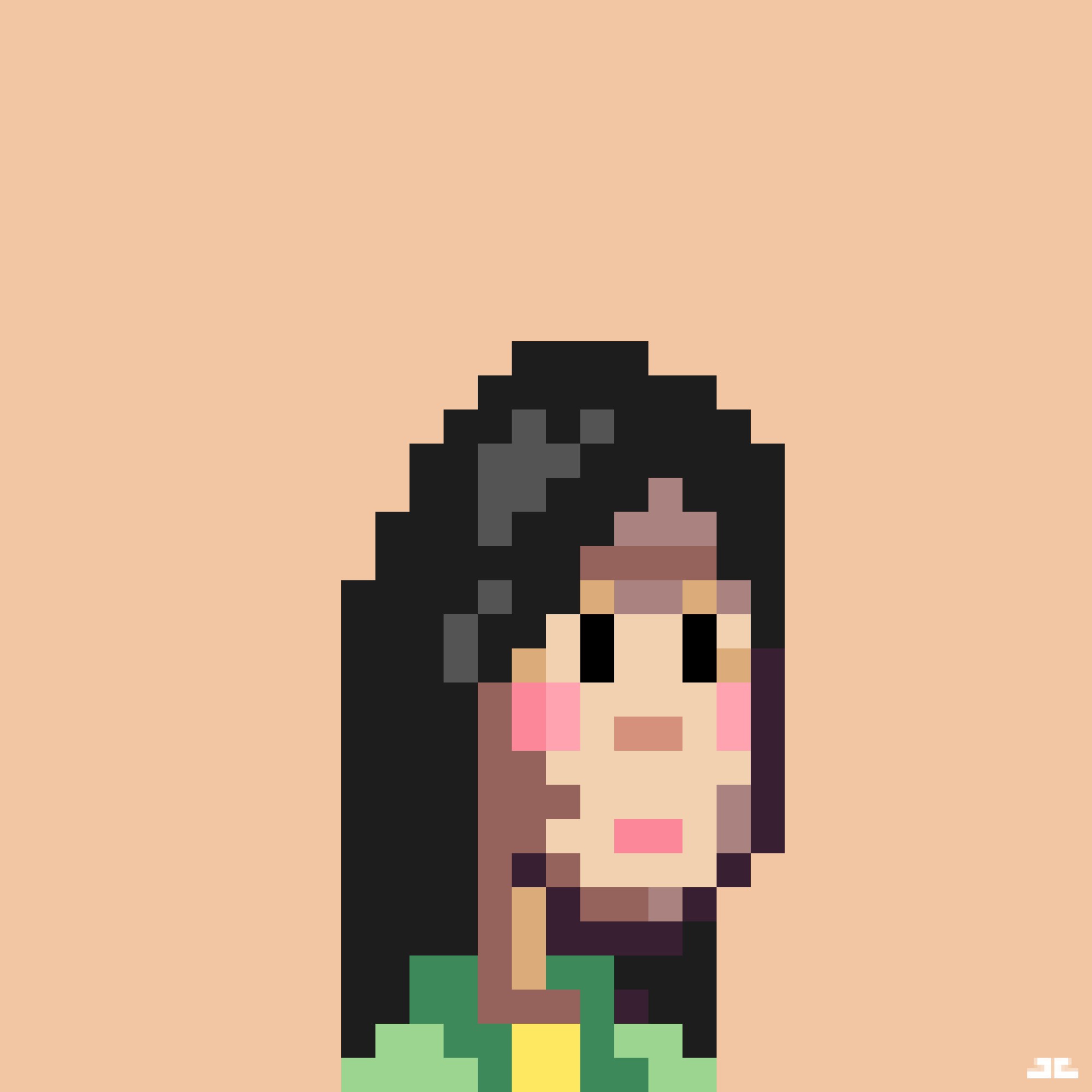
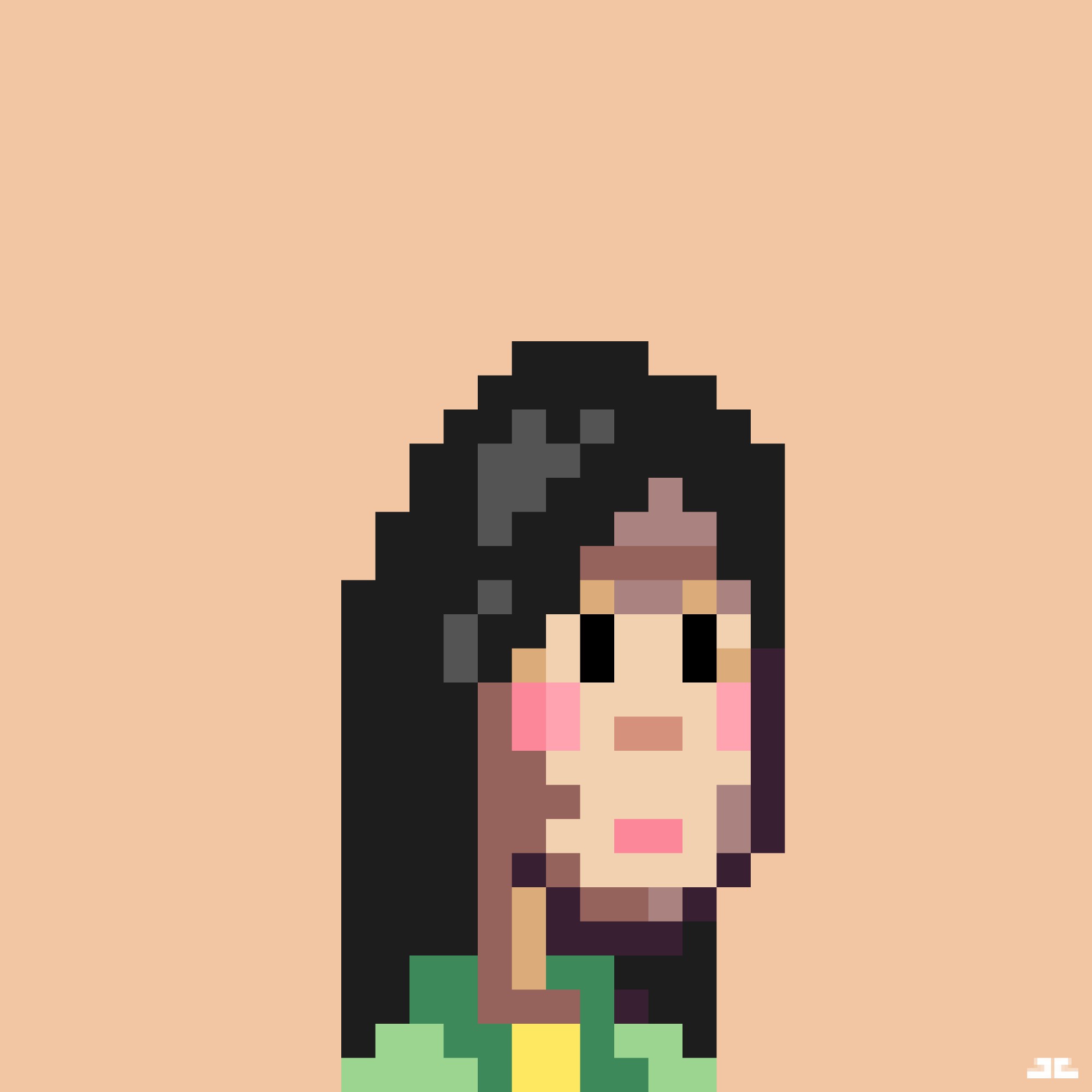
Diamond Baepe #1044 花木蘭
Sun Wukong is one of the great archetypal figures in world literature: a trickster, a warrior, a seeker, a shape shifter who overcomes heaven itself through sheer audacity and wit. To work with this figure is to inherit centuries of cultural resonance, and what distinguishes Monkey Kingdom is the seriousness with which that inheritance is carried alongside the genuine lightness and humor that the source material demands. The artistic practice at the core of Monkey Kingdom is rooted in digital illustration with a distinctive visual language that blends the compositional logic of traditional Chinese painting and woodblock print aesthetics with the chromatic possibilities of contemporary digital tools. There is an attention to costume and historical textile detail that speaks to genuine research into dynastic dress, court regalia, and folk ornamentation.
The figures are rendered with warmth and specificity, each one feeling like a character with an interior life rather than a mere icon or avatar. This is character design elevated to portraiture. Among the most celebrated works in the Monkey Kingdom body of work is Diamond Baepe number 1044, titled 花木蘭, which brings the legendary warrior Hua Mulan into the project's distinctive visual universe. Mulan, who disguised herself as a man to take her elderly father's place in the imperial army, is one of the most enduring heroines of Chinese literary tradition, and her presence here signals that Monkey Kingdom's ambitions extend well beyond a single mythological figure.

Monkey Kingdom
Monkey Kingdom #1325 瓜皮帽悟空
The work demonstrates an extraordinary facility with layered symbolism: armor and femininity, duty and individuality, historical gravitas and contemporary graphic sensibility all coexist within a single image. Collectors who have encountered this piece consistently speak of its emotional immediacy, the way it communicates something true about heroism and sacrifice without a word of text. Monkey Kingdom number 1325, titled 瓜皮帽悟空, is equally instructive as a signature work. The title references the guapimao, the traditional skullcap of late imperial and Republican era Chinese fashion, and its placement on Sun Wukong is a stroke of playful anachronism that somehow feels entirely right.
Wukong has always been a figure who breaks the rules of time and hierarchy, who wears the emperor's stolen robe without permission, who rewrites the ledger of heaven itself. Placing him in a guapimao is a joke that is also a meditation, a costume detail that opens into questions about cultural continuity, transformation, and the enduring mischief of the tradition. The visual execution is meticulous, the palette rich and jewel like, and the characterization full of the irreverent energy that makes Wukong so beloved across generations. From a collecting perspective, Monkey Kingdom occupies a genuinely interesting position.
Digital illustration as a collecting category has matured considerably over the past decade, and works that demonstrate both technical mastery and deep cultural fluency tend to hold their appeal most durably. Monkey Kingdom rewards close attention in the way that the best prints and illustrated works always have: there is always another detail to discover, another reference to decode, another layer of craft to appreciate. Collectors drawn to the intersection of East Asian cultural heritage and contemporary digital practice will find in Monkey Kingdom a body of work that is both accessible on first encounter and inexhaustible on sustained engagement. The project sits in natural conversation with other artists working at the boundary of traditional iconography and digital means, including those exploring the visual vocabularies of Japanese woodblock tradition or South Asian miniature painting in contemporary contexts.
The broader art historical context for Monkey Kingdom's practice is rich and worth sitting with. The tradition of illustrating the great Chinese literary epics has a lineage stretching back through painted handscrolls, woodblock illustrated editions, opera costume design, and twentieth century animation. The 1964 Shanghai Animation Film Studio production of Havoc in Heaven, with its revolutionary approach to Wukong's visual design drawn from Peking opera aesthetics, is a landmark that any serious engagement with this material implicitly acknowledges. Monkey Kingdom is part of a contemporary generation of artists who are reckoning with that legacy not through nostalgia but through genuine creative conversation, asking what these stories mean now, who they belong to, and how they can be remade without being diminished.
What ultimately makes Monkey Kingdom matter, both within the current moment of digital art collecting and in the longer arc of art history, is precisely this quality of genuine cultural investment. There is no shortage of work that deploys Asian iconography as surface decoration or exotic appeal. Monkey Kingdom is doing something more demanding and more rewarding: treating the traditions it draws from as living systems of meaning that require active interpretation and creative responsibility. The result is work that collectors return to, that sparks conversation, and that seems to deepen rather than exhaust itself over time.
That is the definition of lasting value, in any medium.