Mona Kuhn
Mona Kuhn Illuminates the Human Form
Artist Spotlight · The Collection Editorial
In recent years, Mona Kuhn has ascended to a position of rare distinction in the world of contemporary photography, her luminous figure studies attracting serious institutional and private attention across Europe, the United States, and beyond. Her solo exhibitions at venues including the Fahey Klein Gallery in Los Angeles and the prestigious Flowers Gallery in London have confirmed what devoted collectors have long understood: that Kuhn is working at the very highest level of photographic art. The broader art world has caught up with what those early collectors already knew, and the momentum around her practice shows no sign of slowing. Kuhn was born in São Paulo, Brazil, in 1969, and her upbringing in a country of extraordinary natural beauty and physical openness left a lasting imprint on her sensibility.
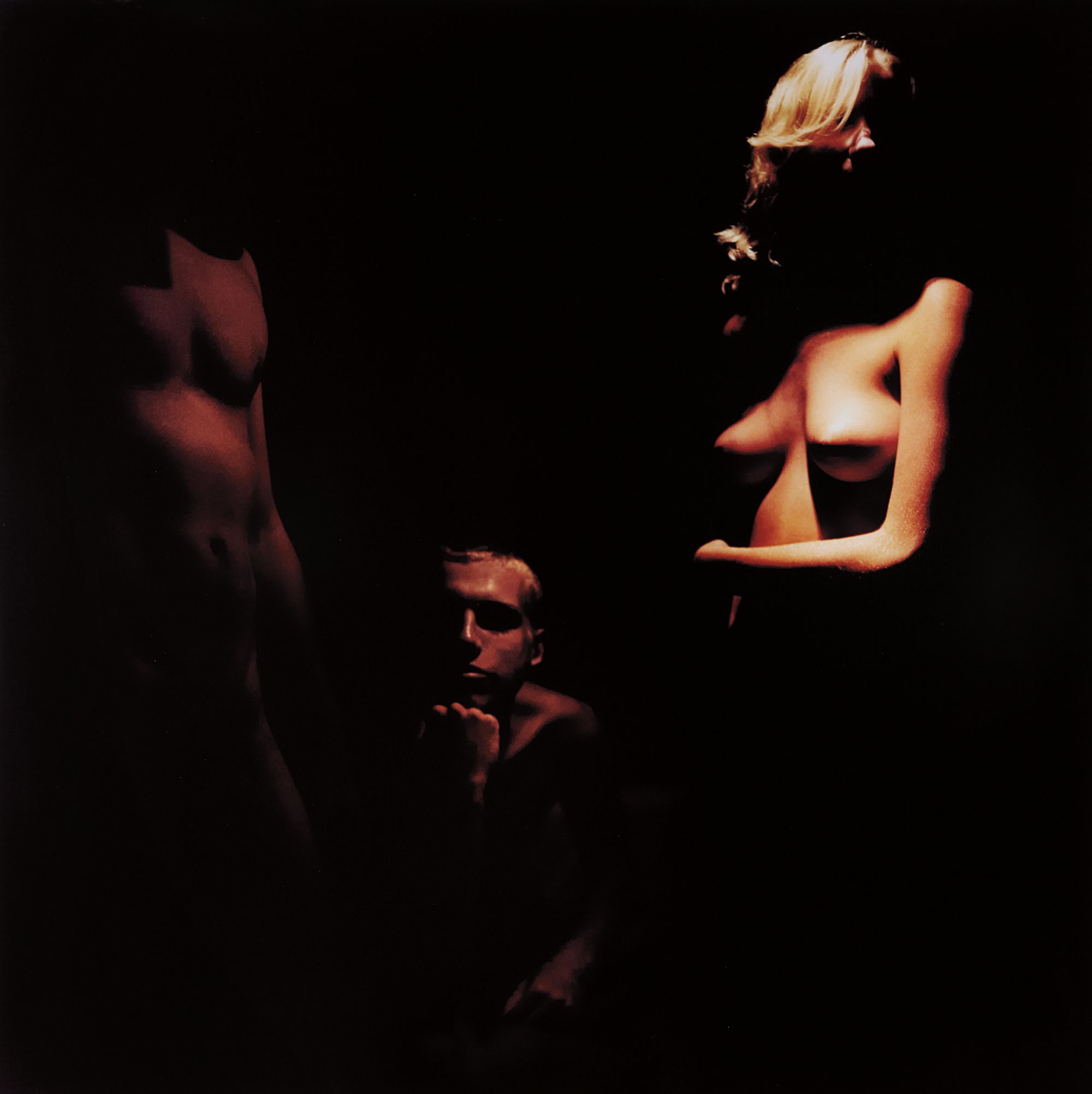
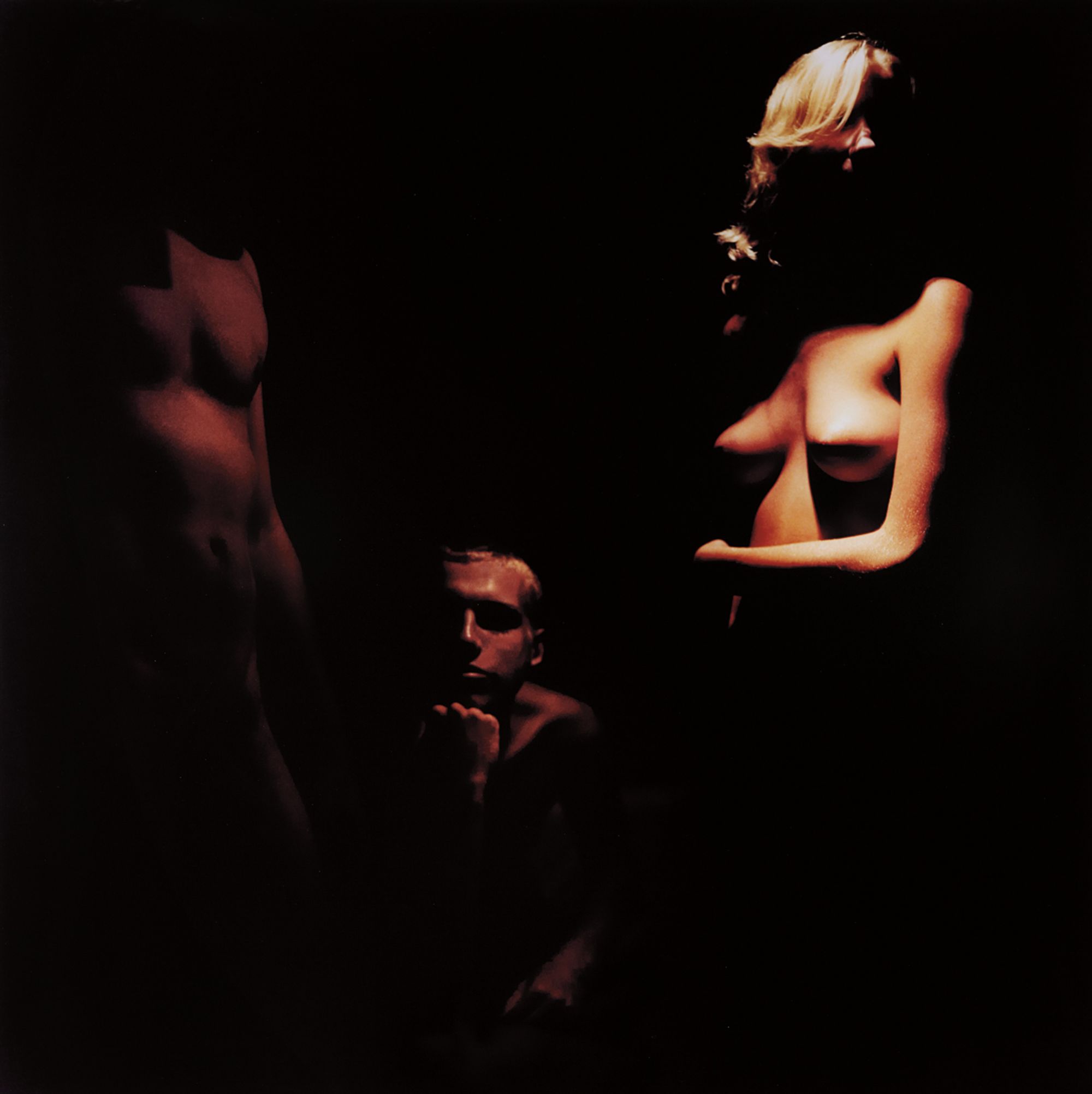
Mona Kuhn
Mermaid and Two Others
She later studied at the San Francisco Art Institute, where she developed her foundational relationship with the photographic medium, and went on to pursue graduate work at the Getty Research Institute in Los Angeles. That combination of Brazilian warmth and California light would prove to be a formative alchemy, shaping the particular quality of ease and luminosity that defines her images. Her artistic development has moved through several distinct and rewarding phases, each one deepening her exploration of the figure in space and light. Her early work established the essential vocabulary: the nude human form photographed in natural environments, bathed in soft diffused light, stripped of social artifice and returned to something elemental.
Over time, Kuhn became increasingly sophisticated in her use of glass, water, and architectural surfaces as refracting elements, introducing layers of visual complexity without ever sacrificing the meditative calm that is her signature. Each series has felt like a genuine evolution rather than a repetition, the mark of an artist genuinely committed to inquiry. Among her most celebrated works are those gathered in her monograph series, including the landmark 2004 publication that brought her international attention. That clothbound hardcover volume, with its twenty color plates and thirty three tritone plates presented in a cloth slipcase, remains a touchstone object for serious collectors of photographic books and a testament to Kuhn's belief that the book form is itself a valid space for artistic experience.
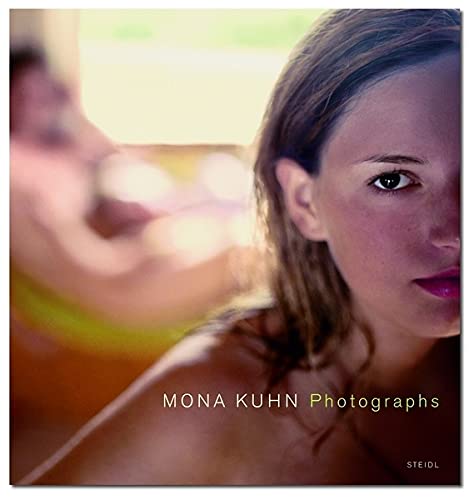
Mona Kuhn
Photographs, 2004
Works such as Refractions, Mirage from Private, and the hauntingly tender Fatale demonstrate the full range of her formal ambition, from the cool geometry of light passing through glass to the warm, oceanic mood of her figurative studies. George and Mermaid and Two Others reveal her gift for transforming the photographic portrait into something closer to myth, figures that feel timeless rather than documented. What makes Kuhn's work so compelling to collectors is precisely the quality that resists easy categorization. She occupies a rare space between fine art photography and painting, her chromogenic prints carrying the tonal richness and surface warmth of old master canvases while remaining unmistakably photographic in their relationship to light and time.
Collectors who acquire her work frequently describe the experience of living with it as deeply sustaining, images that reward prolonged attention and seem to change with the quality of the light in a room. Her prints, often produced in small numbered editions, hold their value with the confidence of a practice that has been consistently celebrated rather than suddenly discovered. Within the broader history of art photography, Kuhn belongs to a lineage that includes figures such as Sally Mann, whose intimate studies of the body and landscape share Kuhn's commitment to vulnerability as a form of strength, and Francesca Woodman, whose exploration of the female figure in space anticipated many of the questions Kuhn continues to ask. One might also look to the painterly tradition of the California Light and Space movement for a sense of how Kuhn's preoccupation with luminosity connects her to a wider West Coast artistic inheritance.
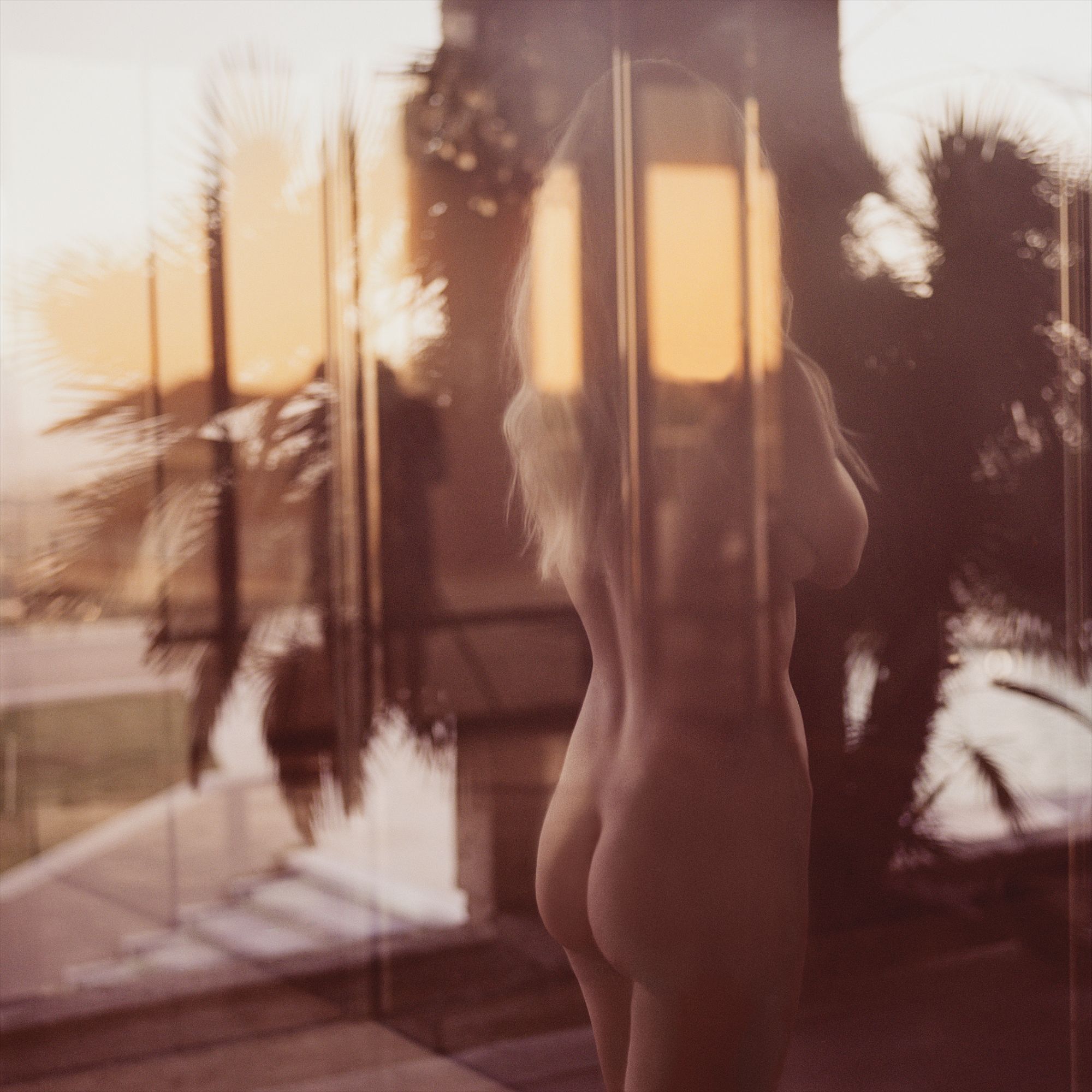
Mona Kuhn
Mirage from Private
She is, in the best sense, a photographer's photographer, admired by peers and emerging artists alike for the rigorous tenderness of her vision. The market for Kuhn's work has matured steadily and thoughtfully, reflecting the seriousness with which institutions and private collectors have engaged with her practice. Her signed and numbered editions, particularly those from her most celebrated series, are increasingly sought after, and the appearance of her works in carefully assembled photography collections signals the kind of long term confidence that serious art advisors look for. For collectors entering her work now, the chromogenic prints represent an outstanding opportunity to acquire images that have already demonstrated their cultural staying power.
Mona Kuhn matters today because she insists on the body as a site of grace rather than spectacle, returning again and again to the radical proposition that to be seen honestly is a form of freedom. In an era saturated with images of the human form rendered as commodity or provocation, her photographs offer something genuinely counter cultural: stillness, tenderness, and an abiding faith in beauty as a mode of truth. Her legacy is still being written, but its outlines are already clear. She is an artist of the first order, and to collect her work is to participate in one of the most sustained and searching meditations on human presence in contemporary photography.
Explore books about Mona Kuhn
Mona Kuhn: The Photographs
Mona Kuhn
Mona Kuhn: a state of flux
Mona Kuhn
Mona Kuhn: The Body and the Landscape
Mona Kuhn
Mona Kuhn: Photographs
Mona Kuhn
Mona Kuhn: The Stage
Mona Kuhn