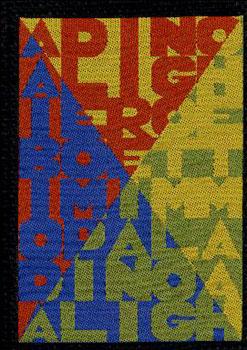
Mimmo Paladino
Mimmo Paladino, Where Ancient Worlds Sing
Artist Spotlight · The Collection Editorial
In the winter of 2024, the Museo e Real Bosco di Capodimonte in Naples mounted a sweeping survey of Mimmo Paladino's work that drew thousands of visitors through rooms dense with totemic figures, archaic horses, and the haunted stillness that has defined his practice for five decades. The show served as a reminder, if any were needed, that Paladino remains one of the most consistently vital presences in contemporary Italian art. Standing before his large canvases, viewers feel the pull of something older than painting itself, a sense that the marks being made are less invention than remembrance. Mimmo Paladino was born in 1948 in Paduli, a small town in the Campania region of southern Italy, not far from Benevento.
Mimmo Paladino
Arciere, 1999
This detail matters enormously. The south of Italy is a landscape layered with Greco Roman ruins, Italic warrior tombs, and the memory of civilizations that predate the Renaissance by millennia. Paladino absorbed all of this before he ever set foot in an art school. He studied at the Liceo Artistico in Benevento and later moved through the world of Italian contemporary art at a moment when conceptualism and Arte Povera dominated the conversation.
He was attentive to those movements but never fully claimed by them, and that independence would prove to be his great asset. By the late 1970s, Paladino had found his voice as part of a generation of Italian painters who turned away from conceptual austerity and back toward the charged, emotive territory of figuration. In 1979, the critic Achille Bonito Oliva named this tendency the Transavanguardia, identifying Paladino alongside Francesco Clemente, Enzo Cucchi, Sandro Chia, and Nicola De Maria as artists forging a new path that was at once deeply Italian and genuinely international in its ambitions. The Transavanguardia was not a manifesto movement so much as a recognition of shared instincts: a willingness to embrace myth, irrationality, the hand, and the fragment.
Mimmo Paladino
Mimmo Paladino
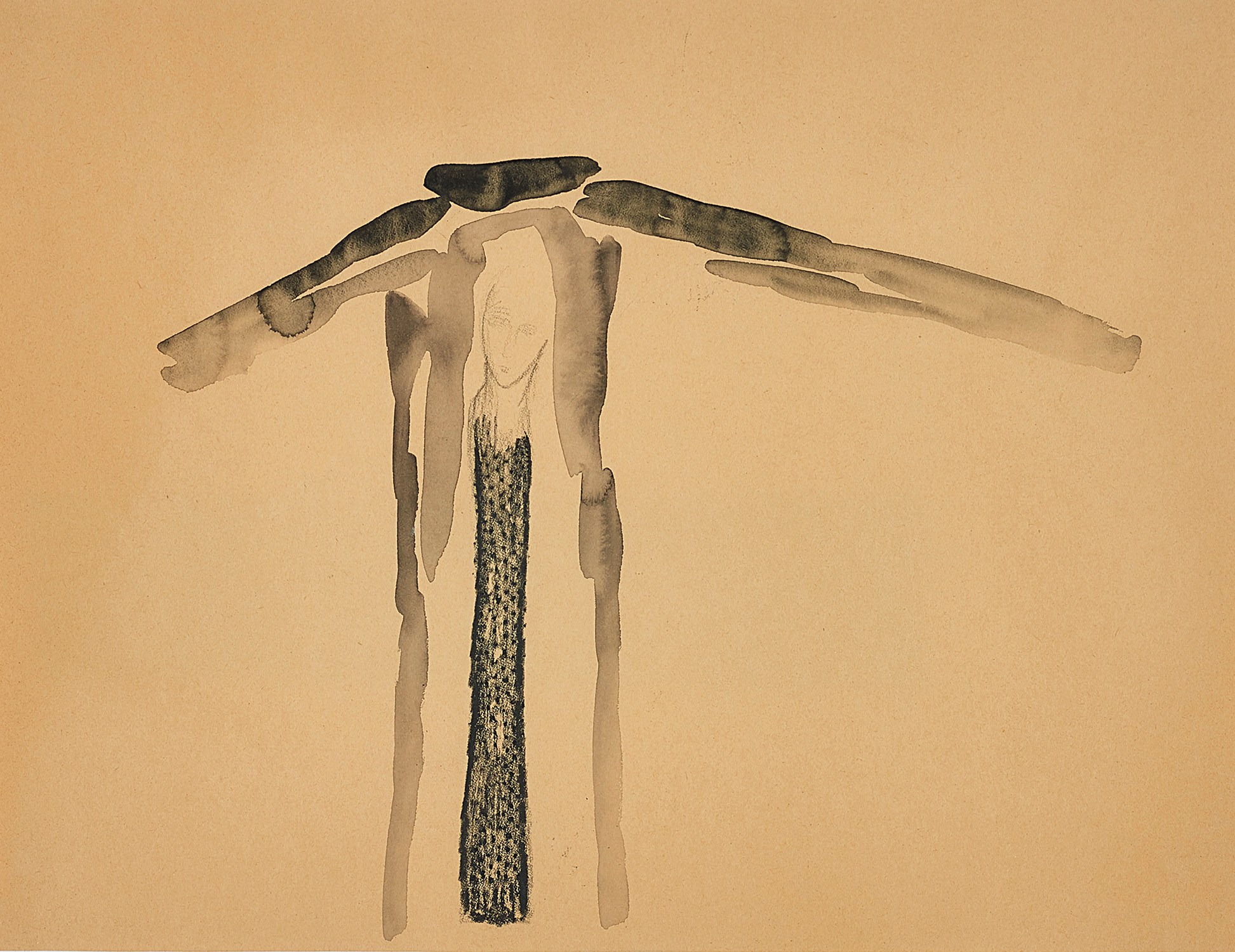
Paladino embraced all of these, and he did so with a gravity that set him somewhat apart from his peers. Paladino's mature practice is built around a repertoire of images that feel simultaneously invented and primordial. Masks, horses, sleeping figures, warriors, and geometric symbols populate his canvases and sculptures in configurations that resist easy narrative but insist on meaning. His palette leans toward muted ochres, deep umbers, and cool greys, occasionally punctuated by flashes of red or the luminous quality of gold leaf.
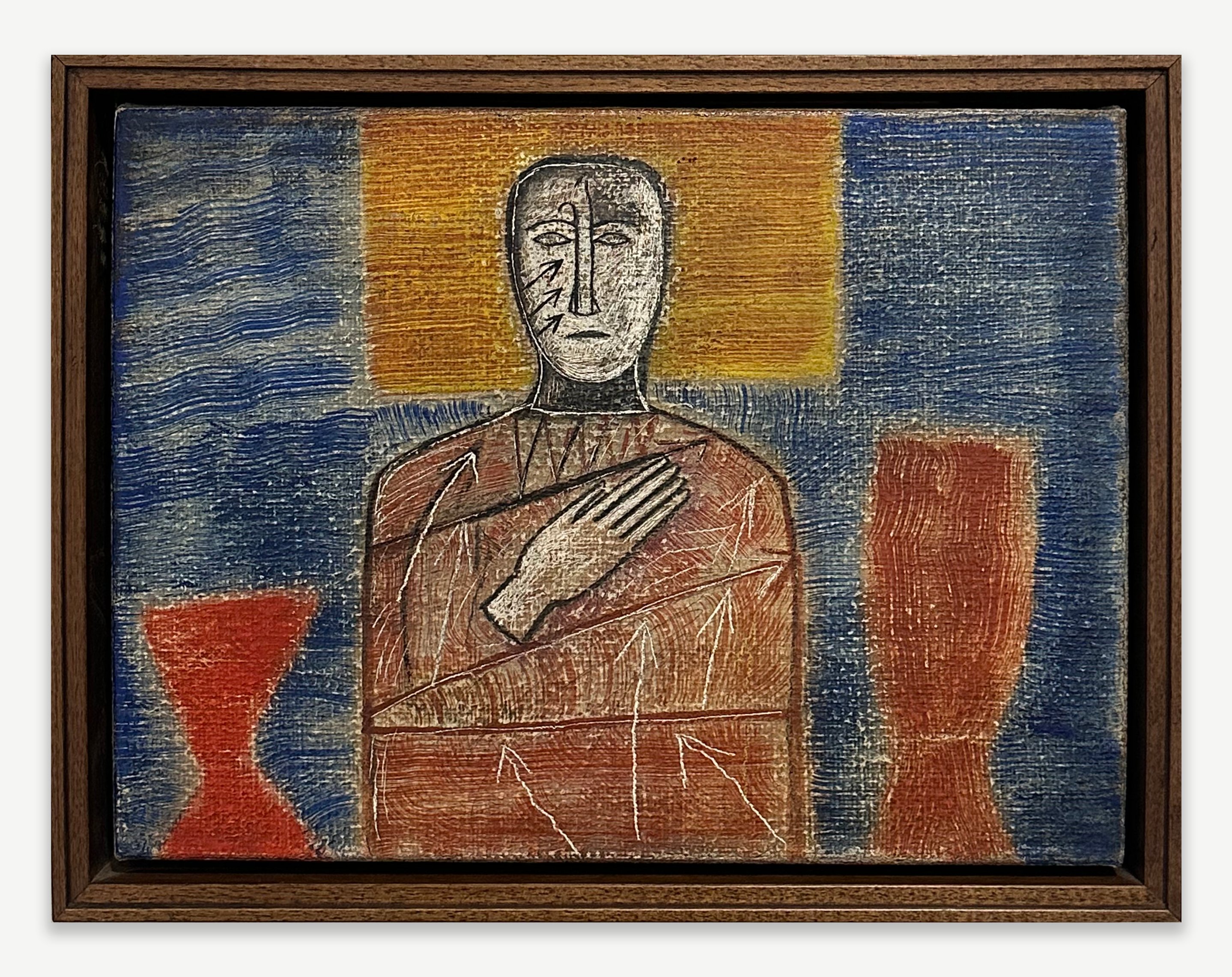
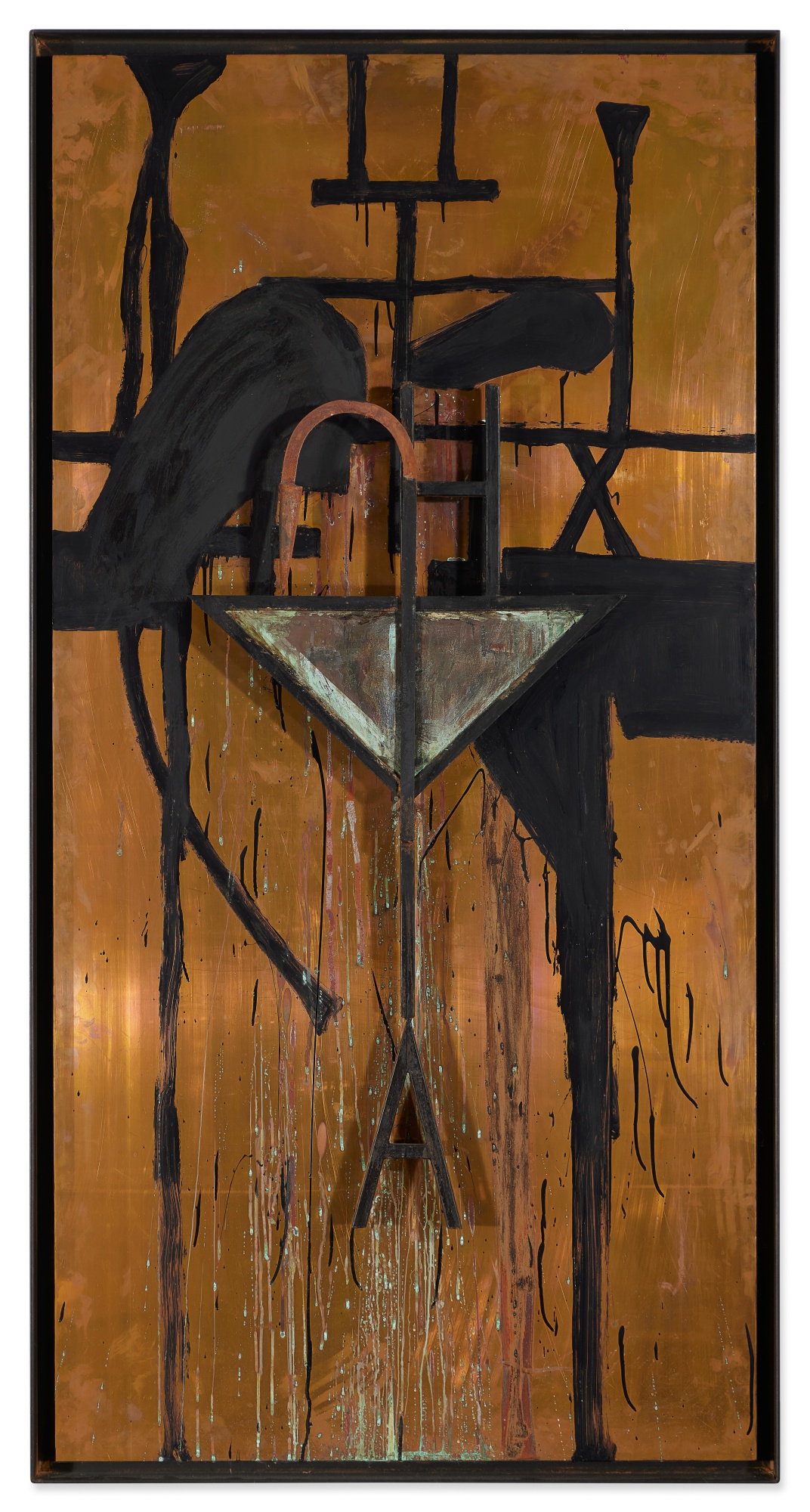
The surface of a Paladino painting rewards close attention: encaustic, metal, and mixed media are layered in ways that give his works a physical presence closer to archaeological artifact than decorative object. Works like the 1987 oil, metal and encaustic on copper, held in an artist's frame, demonstrate how completely he has merged material and imagery into a single statement. The copper ground is not merely a support but a participant in the meaning, carrying associations with antiquity, with ritual vessels, with the idea of preservation itself. His printmaking practice deserves particular recognition and has earned admiration among collectors who understand the medium's demands.
Mimmo Paladino
Untitled, 1987
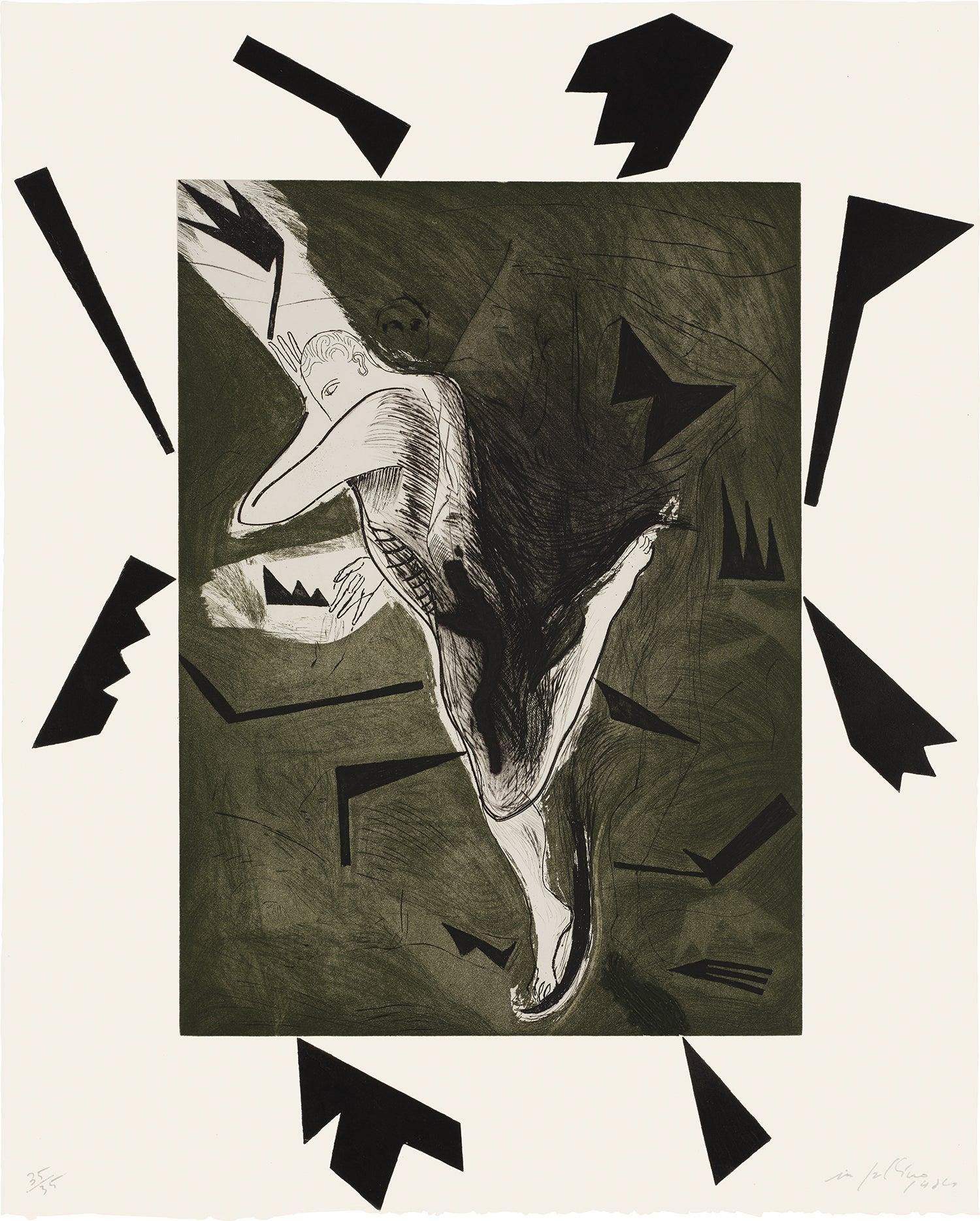
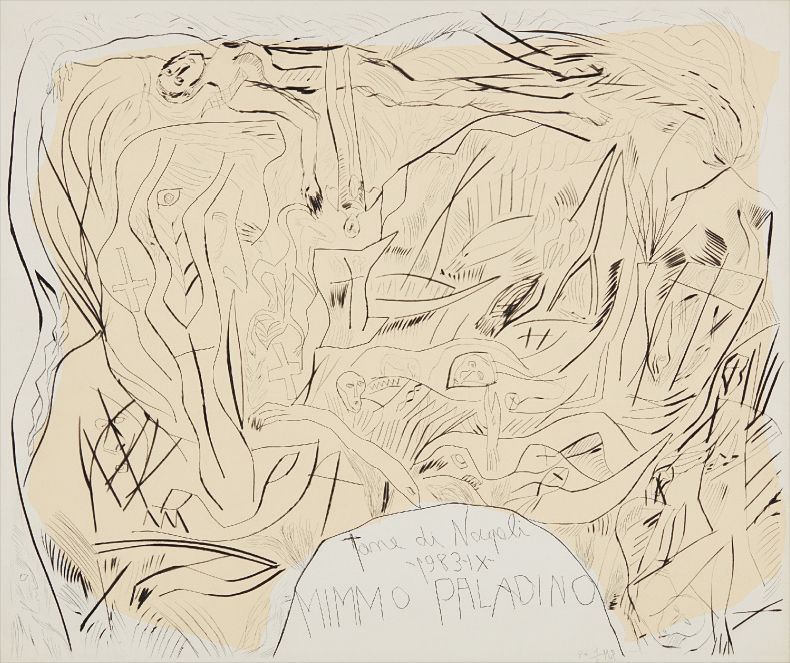
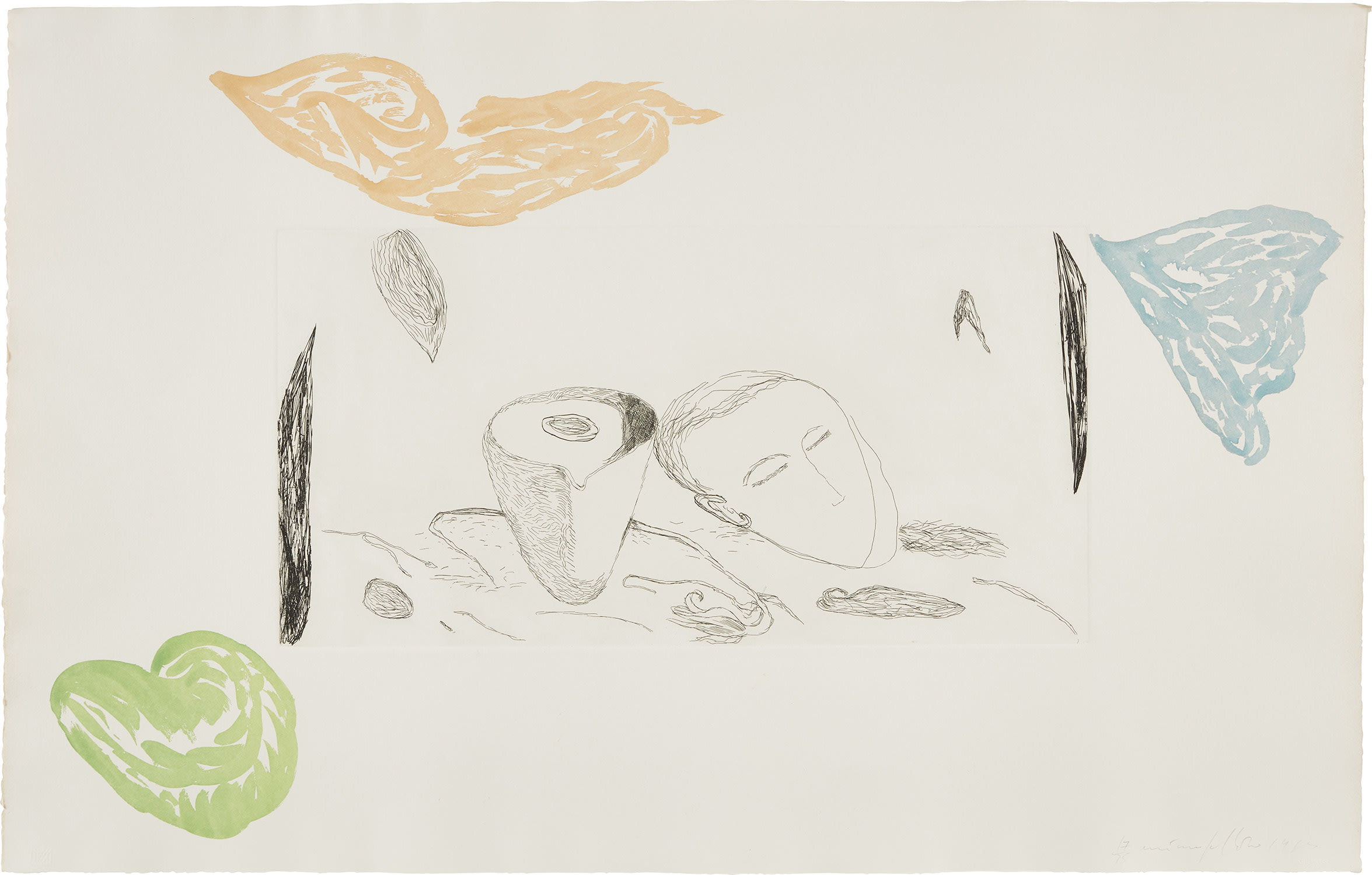
Works such as "Il Pattinatore (The Skater)" and "Acqua di stagno (Pond Water)" show Paladino deploying etching, aquatint, carborundum, and color with a sophistication that places him in the company of the great painter printmakers of the twentieth century. The "Alceo, from The Greek Poets" series, combining screenprint, woodcut, etching, and drypoint, is a tour de force of collaborative technical achievement, produced with master printers who understood that the artist's imagery required every tool available. These prints are not reproductions of paintings but fully realized works in their own right, carrying the same mythic weight as his canvases at a scale and price point that has drawn an enthusiastic and discerning collecting community. Sculpture has been central to Paladino's output since the 1980s, and his bronze works represent some of the most powerful objects he has made.
The 2000 "Cavallo" is a fine example of his sculptural intelligence: the horse as a subject is ancient, universal, and inexhaustible, and Paladino's treatment strips the animal to its essential form while preserving all of its mystery. His public sculpture has brought his imagery into plazas and institutions across Europe and beyond. The monumental work created for the Piazza del Plebiscito in Naples in 1995, one of the defining cultural events of that city's modern history, placed 133 terracotta and bronze figures across a vast public square and transformed the space into something between a field and a ceremony. It remains one of the most memorable large scale installations of the last thirty years.
Mimmo Paladino
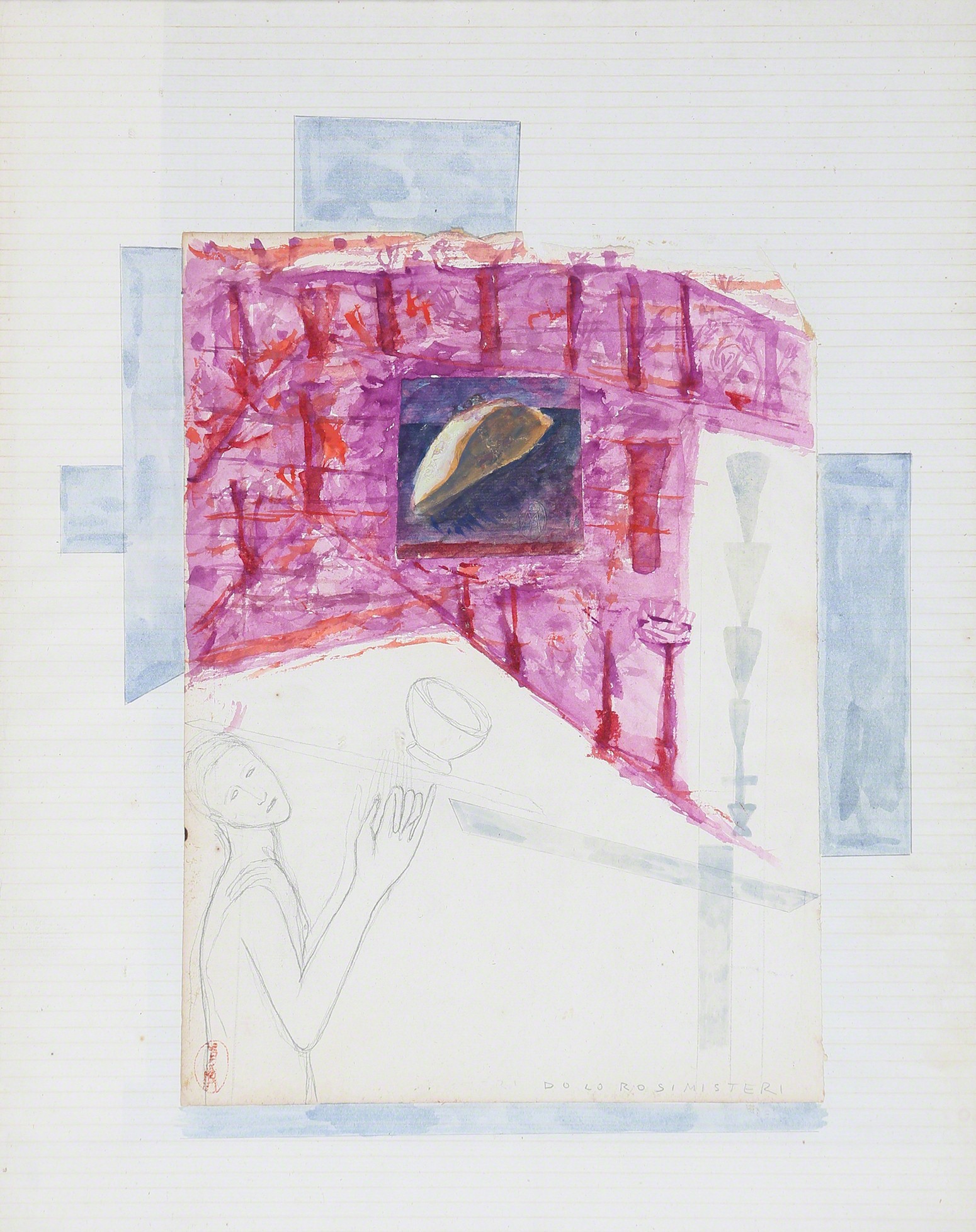
Dolorosi misteri
For collectors, Paladino offers a rare combination of historical importance and continued productivity. He is an artist whose early works from the late 1970s and 1980s are firmly established within the canon of late twentieth century art, held by institutions including the Solomon R. Guggenheim Museum in New York and major European collections. At the same time, his recent paintings on canvas, including works from 2006 and 2016 that incorporate iron frames as integral elements, demonstrate that his formal thinking continues to evolve.
The iron frame is not decoration but argument: it declares the painting's objecthood, its resistance to being merely an image on a wall. Collectors who have followed his career across decades understand that each period offers its own coherent vision, and that acquiring a Paladino from any era is acquiring a work rooted in one of the deepest traditions in Western and Mediterranean art. In the broader context of art history, Paladino occupies a position analogous to that of artists like Georg Baselitz and Anselm Kiefer in Germany, or Jean Michel Basquiat in America: figures who restored urgency and density to painting at a moment when its relevance was being questioned. The comparison with Kiefer is particularly instructive, since both artists draw on layers of historical and mythic imagery to create works that function simultaneously as personal expression and collective memory.
Where Kiefer reaches toward Germanic myth and the weight of European catastrophe, Paladino reaches toward the Mediterranean and the long, layered civilization of the Italian south. The result is art that feels earned rather than borrowed, rooted in genuine knowledge of place and time. Paladino's legacy is that of an artist who trusted the deep past to illuminate the present. In a culture that prizes novelty and speed, his insistence on slowness, on the mask and the ruin and the sleeping body, has proven not nostalgic but prophetic.
His work reminds us that the most urgent questions human beings ask have been asked before, in other materials, in other languages, and that art is one of the few places where those conversations across time remain possible. For collectors who seek works that endure, that hold their ground across decades of changing taste, Paladino is an artist whose importance only deepens with time.
Featured Works
Explore books about Mimmo Paladino