Milo Matthieu
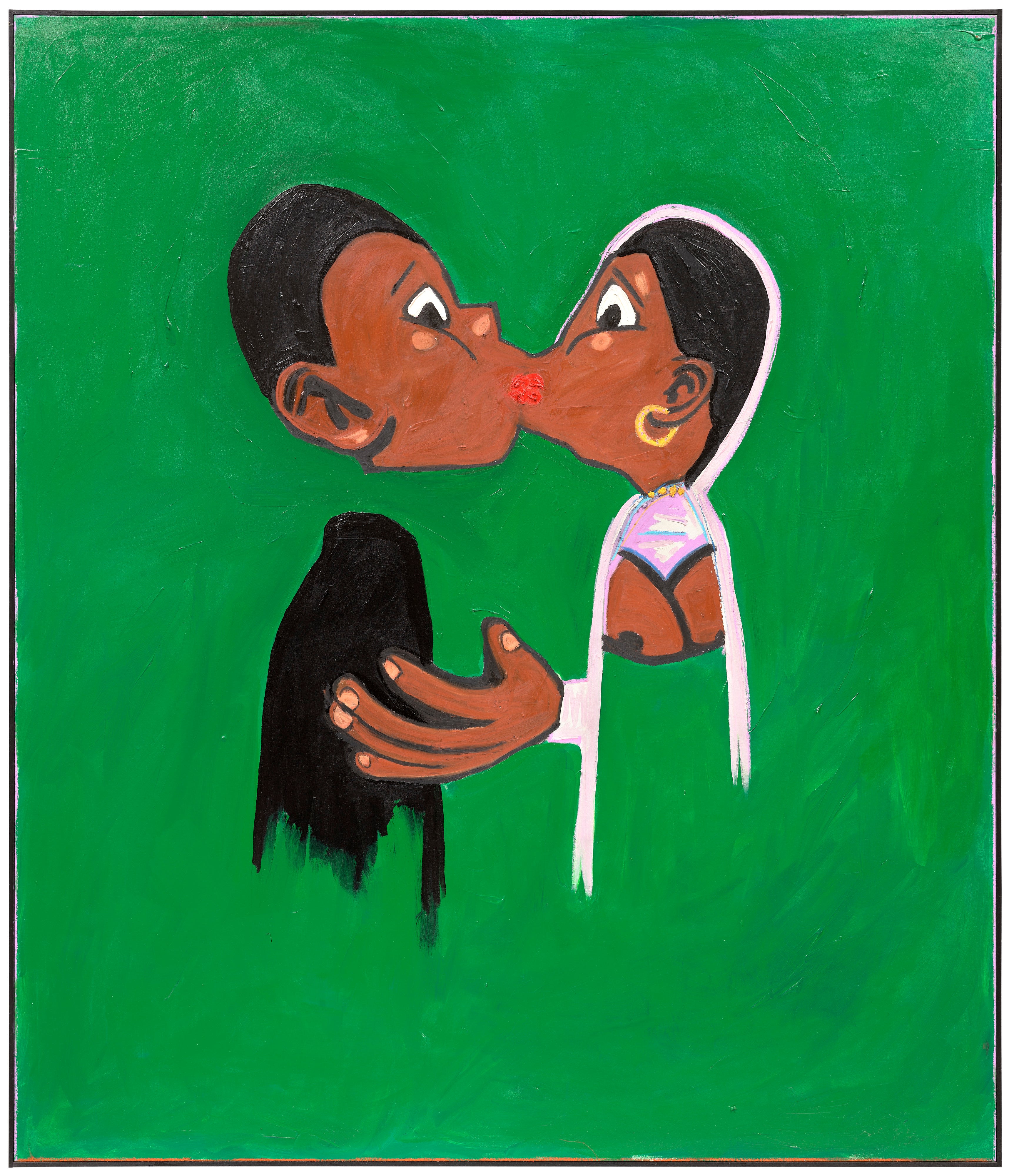
Milo Matthieu Builds Worlds From Feeling
Artist Spotlight · The Collection Editorial
There is a particular kind of attention that gathers around an artist when collectors begin to sense that the work is ahead of the conversation. That is precisely the atmosphere surrounding Milo Matthieu right now. With a growing body of work appearing across auction platforms and private collections, and with sustained interest from discerning buyers who prize both emotional directness and formal intelligence, Matthieu has arrived at a moment where the art world is catching up to what his most loyal admirers have long understood: this is a painter of rare expressive power, one whose canvases feel simultaneously intimate and monumental. Matthieu's practice draws from a rich and genuinely cross cultural inheritance.
Milo Matthieu
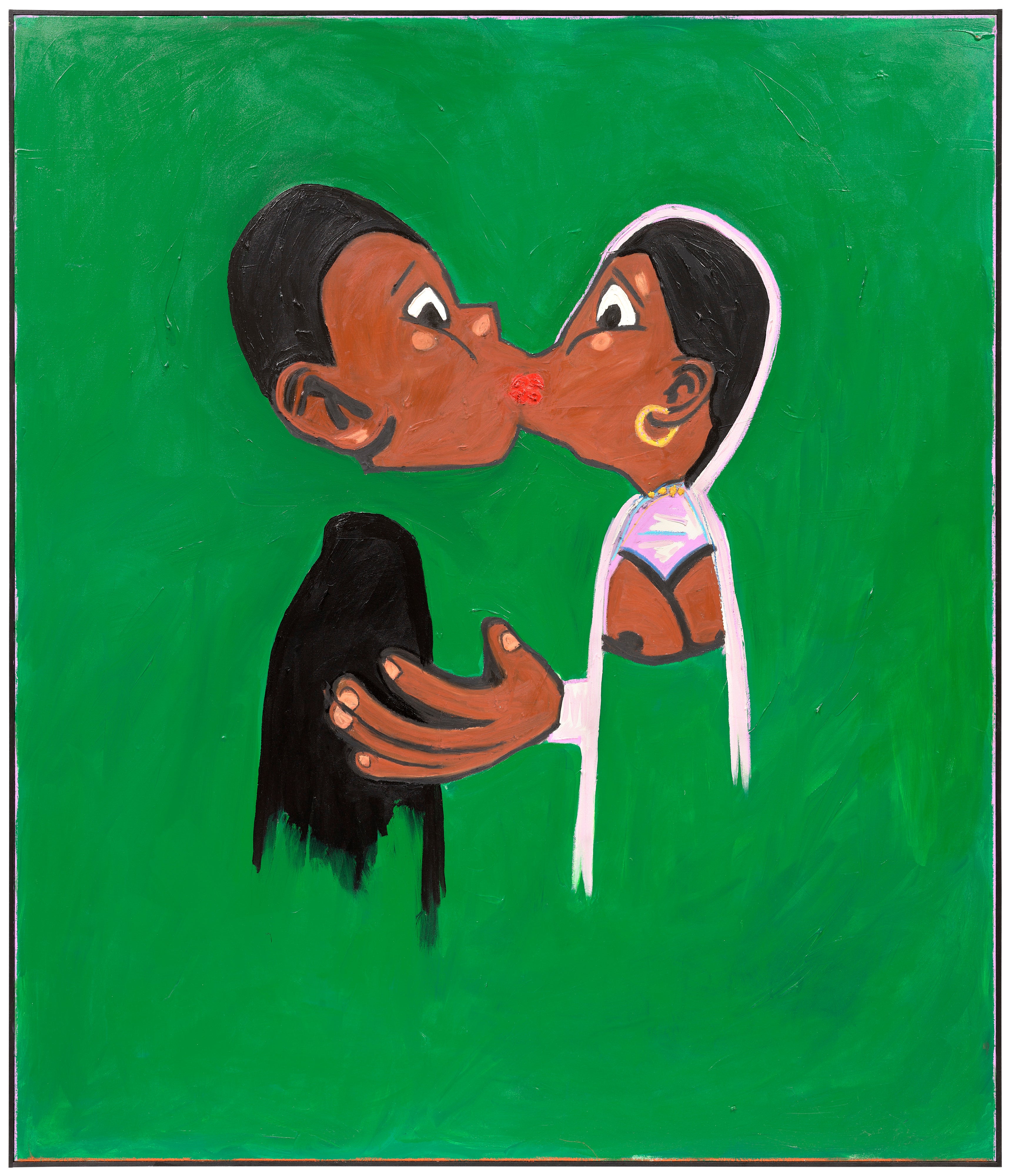
A Love Supreme, 2020
His work reflects influences drawn from European painterly traditions as well as broader global artistic conversations, suggesting a formation shaped by travel, close looking, and a restless intellectual curiosity. He belongs to a generation of artists who came of age in a moment of radical expansion in what painting could mean and who it could speak to. Rather than align himself with a single movement or school, Matthieu has pursued a personal synthesis, one that privileges sensation and identity over doctrine. At the core of his artistic development is a commitment to material experimentation.
Looking across his output from 2018 onward, one observes an artist who refuses to be confined by a single medium or surface. Works on panel, on canvas, on linen, and on wood demonstrate a restless appetite for different grounds and different textures. He layers oil paint with acrylic, introduces oilstick for its waxy directness, incorporates collaged paper and foam core as structural elements, and seals surfaces in resin to lock in a sense of frozen luminosity. This is not eclecticism for its own sake.
Milo Matthieu
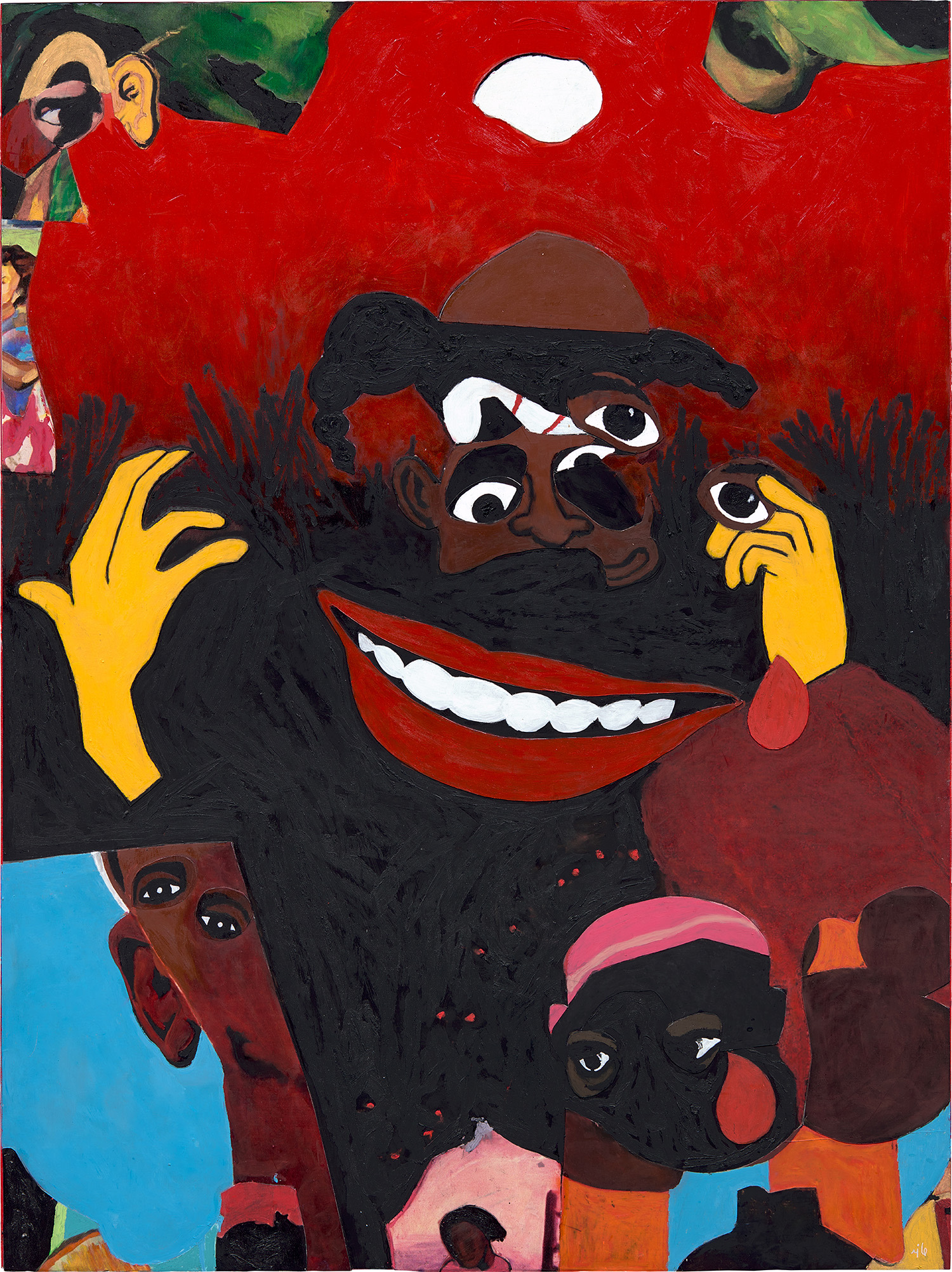
Deconstruction, 2018
It is the mark of a painter who understands that the meaning of a work lives as much in its physical substance as in its imagery. Among the works that best illuminate the range and depth of his practice, "A Love Supreme" from 2020 stands as a touchstone. The title, borrowing its name from one of the most celebrated recordings in jazz history, signals Matthieu's comfort with high cultural reference and his desire to position his painting within a lineage of expressive transcendence. Executed in oil and acrylic on canvas and presented in the artist's chosen frame, the work declares its own terms from the moment of encounter.
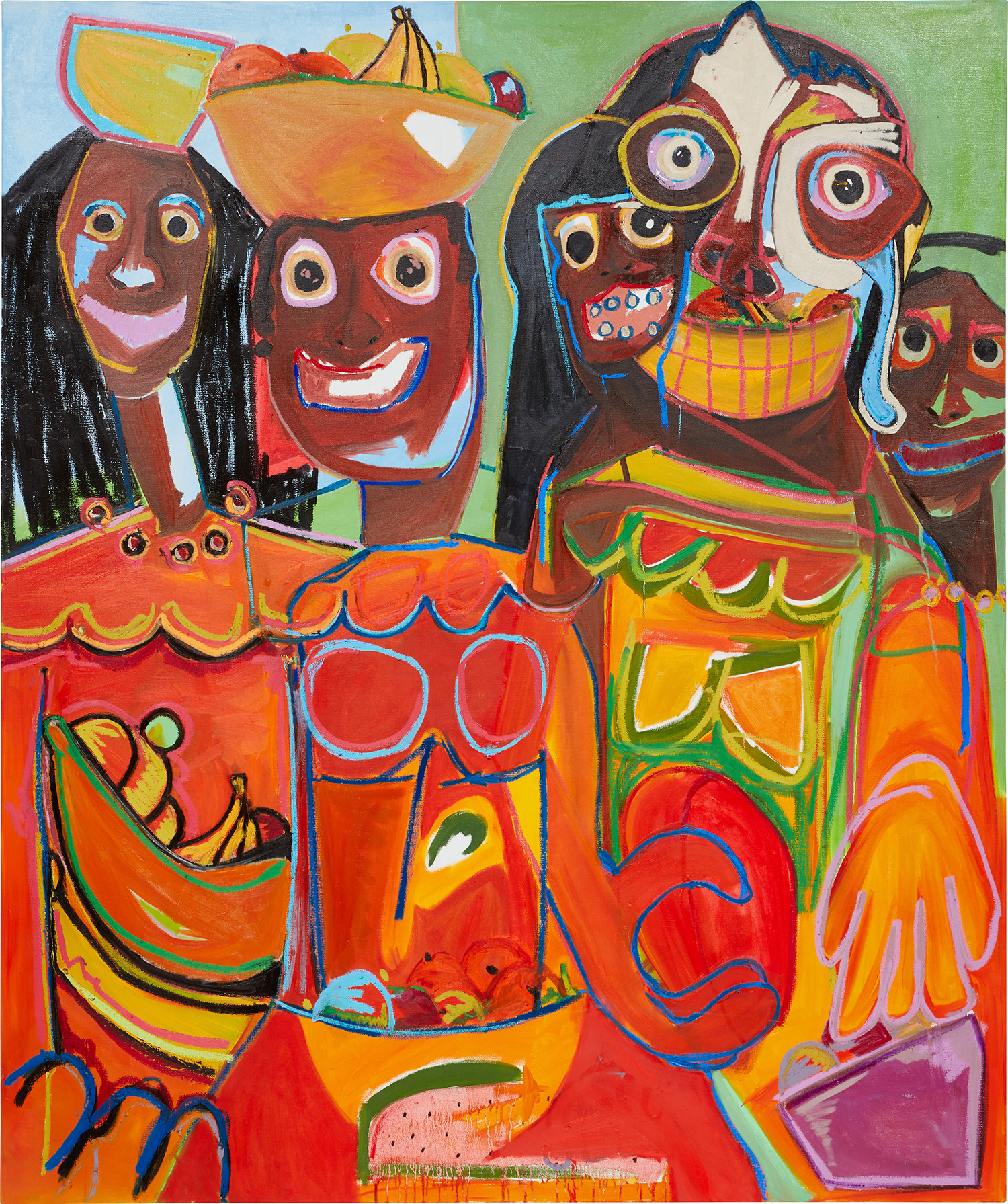
The choice to specify the frame as part of the work is itself a statement: Matthieu understands that the presentation of a painting is inseparable from its meaning. "Los Siete Infantes," a 2021 oil on linen, brings a different register, its title drawn from medieval Iberian legend and its surface carrying the weight of historical consciousness. "18th Arr.," from 2018, references the arrondissement in Paris long associated with artists, migrants, and bohemian life, its resin coated paper collage and oilstick on wood panel building a surface that feels like a city street: layered, weathered, and alive with competing voices.
Milo Matthieu
Los Siete Infantes, 2021
The year 2020 proved particularly fertile. Works including "A Letter," "Mislead Youth," and "Writings on the Wall" all emerged in that period, a time of collective reckoning and personal reflection for artists working across every discipline. These paintings carry the density of that moment without being weighed down by it. "Mislead Youth," with its oil, acrylic, and collaged canvas on canvas, treats the picture plane as a site of accumulation and revision, a painted argument with itself that arrives at something luminous.
"Flowers Beyond the Sunset," completed in 2021, extends this sensibility into more lyrical territory, its title evoking the kind of hard won optimism that distinguishes the most enduring work from the merely accomplished. For collectors, Matthieu's practice offers a number of compelling entry points. The consistency of his formal concerns across works on panel, canvas, and linen means that even pieces from different years feel coherent as a group, making collection building genuinely rewarding. His mixed media works carry particular interest from a connoisseurship standpoint: pieces such as "Psi" from 2019, which combines oil stick, foam core, paper collage, and acrylic on panel, reward sustained close looking in ways that reproductions cannot fully convey.
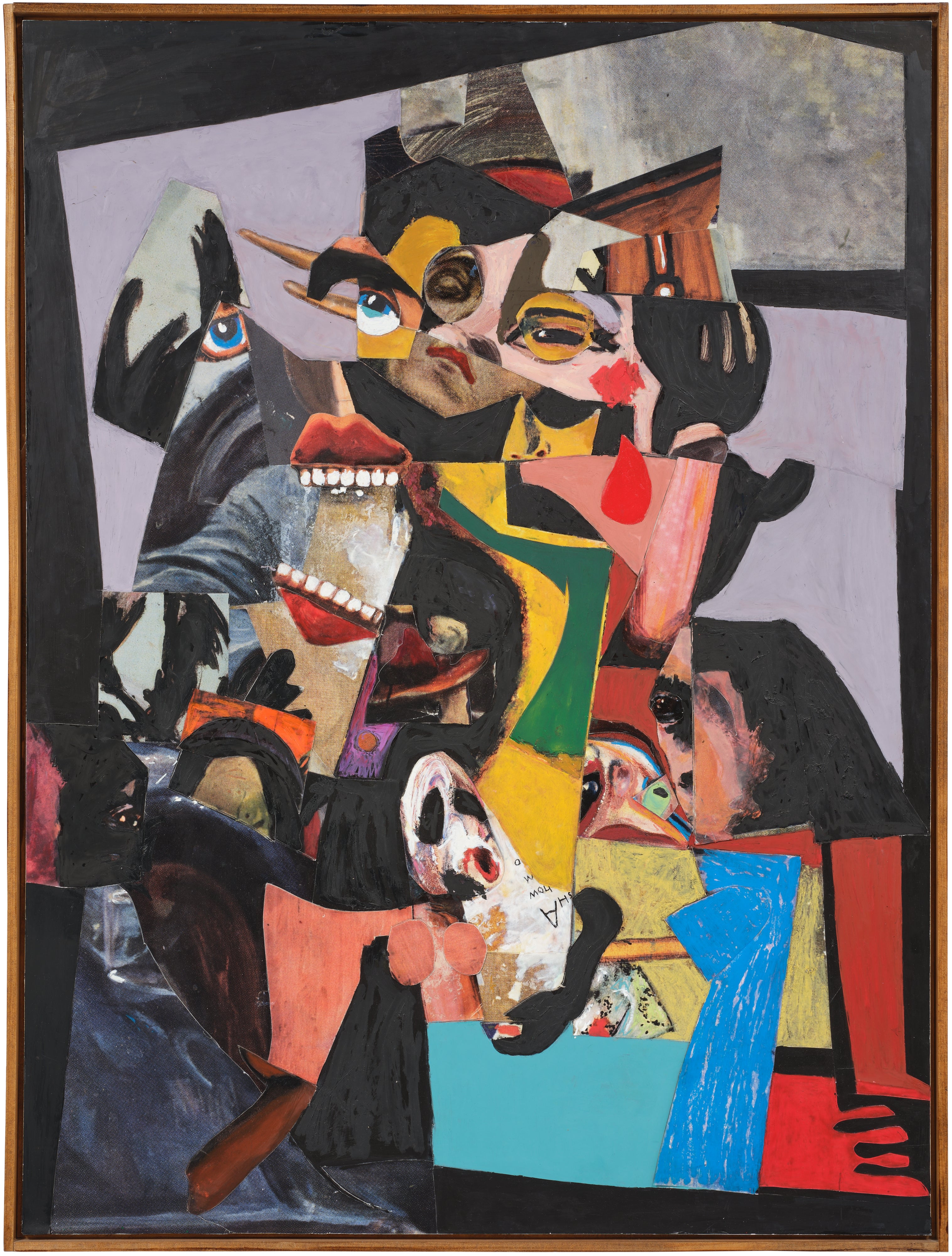
Milo Matthieu
18th Arr., 2018
The physical complexity of these surfaces, their depth and layering, belongs to the experience of standing before the actual object. Collectors who have had the opportunity to acquire works from this period have found them to be among the most discussable and visually alive pieces in their holdings. Contextually, Matthieu's work invites comparison with a broader generation of painters who have reinvigorated the relationship between abstraction and personal narrative. Artists who share his interest in layered surfaces, cultural hybridity, and the integration of collage and paint as equally weighted languages come to mind, and Matthieu holds his own in that company.
His willingness to move between the gestural and the more composed, between the raw mark and the sealed and finished surface, places him in a lineage that stretches from Jean Michel Basquiat's paper and canvas accumulations to the rigorously material investigations of Theaster Gates and the chromatic intensity of Mark Bradford. These are artists who understand that painting can carry social and biographical weight without sacrificing its fundamental sensory pleasure. What makes Matthieu matter today, beyond the immediate pleasure of his surfaces, is the seriousness with which he treats the question of what a painting can hold. His titles alone constitute a kind of intellectual autobiography: jazz icons, medieval legends, Parisian neighborhoods, universal emotional experiences.
He is building a body of work that is in genuine conversation with art history while remaining rooted in the specificity of a lived life. For collectors and institutions beginning to map the most significant painters of his generation, Matthieu is a name that belongs near the center of that map. The work is present, generous, and genuinely hard to forget.