Michael Staniak
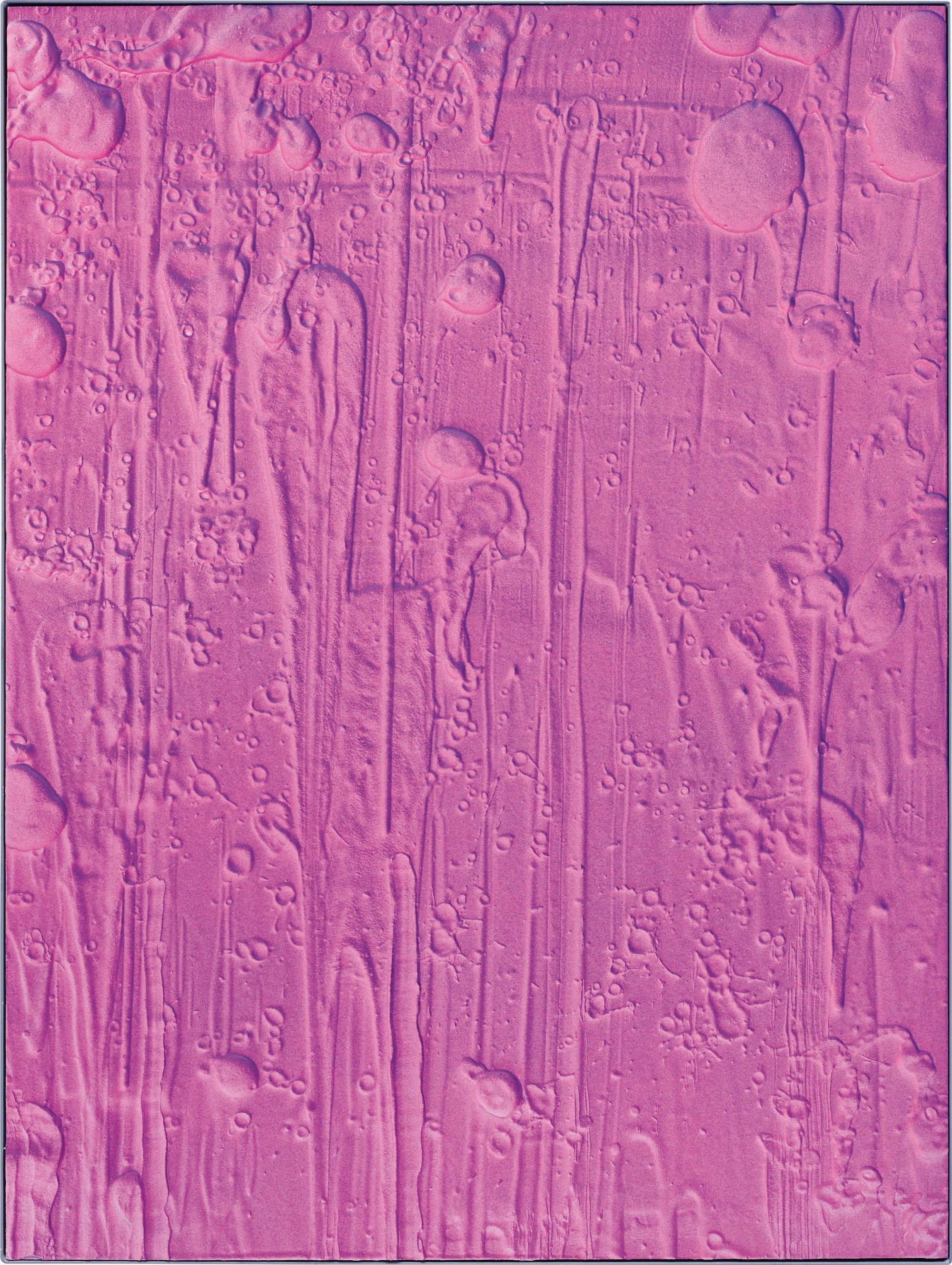
Michael Staniak Paints the World We Live In
Artist Spotlight · The Collection Editorial
In the past several years, a quiet but unmistakable shift has taken place in the conversation around painting and technology. Collectors and curators who once spoke of digital art as a category apart from the painted object have begun looking more carefully at artists who refuse that separation entirely. Among those artists, Michael Staniak occupies a singular and increasingly coveted position. His work has appeared at major international art fairs and passed through the rooms of prominent auction houses including Phillips, where his paintings have attracted the attention of a new generation of collectors who grew up inside the visual language he so precisely renders.
Michael Staniak
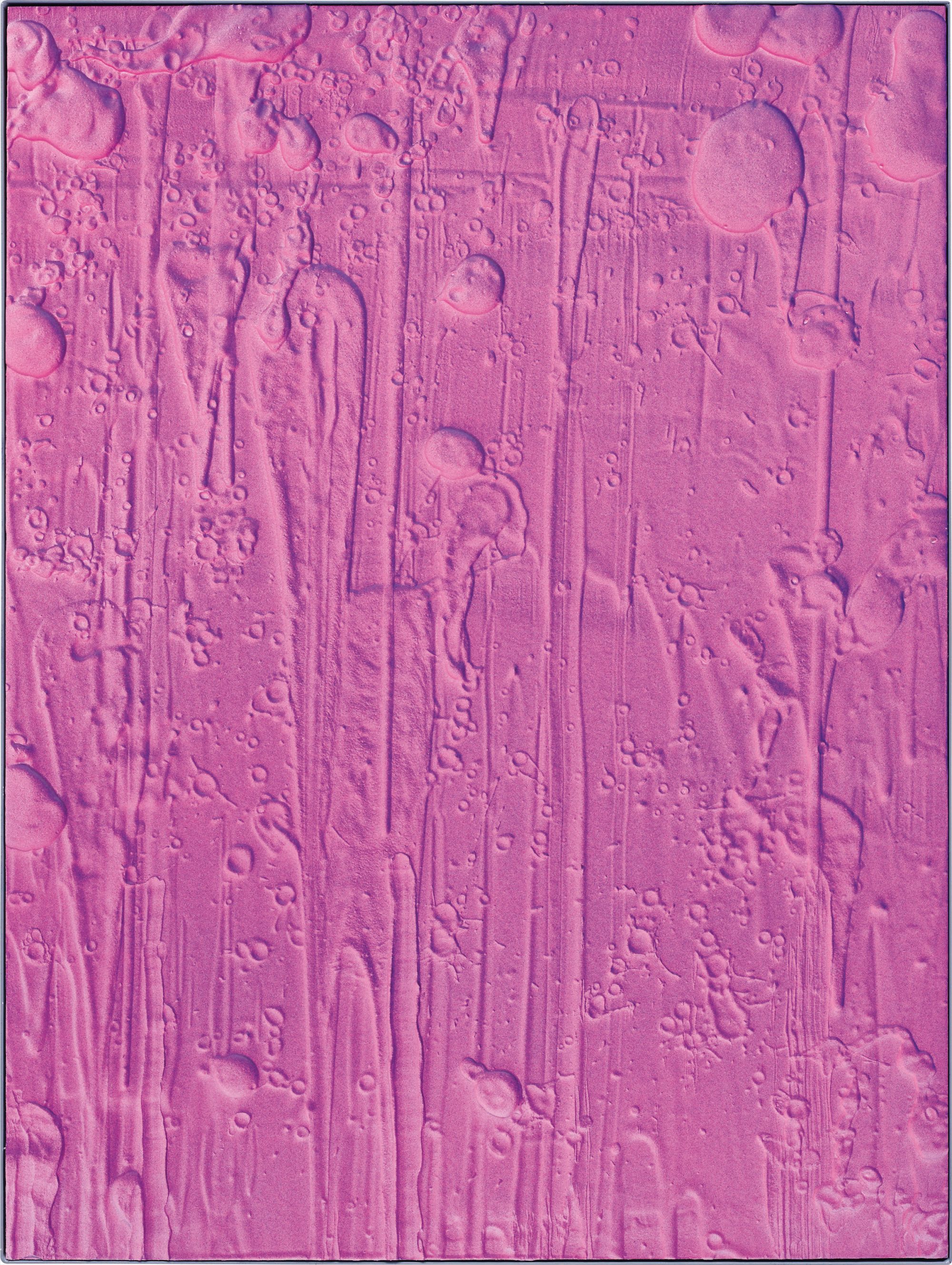
Img-023
Staniak was born in Australia in 1982, coming of age in a cultural moment defined by the rapid acceleration of personal computing, the early internet, and the proliferation of graphic design software that would reshape how human beings see and organize visual information. Australia, despite its geographic distance from the traditional centers of the Western art world, proved a generative starting point. The country has a strong tradition of artists who develop independent practices before engaging the international scene, and Staniak followed a version of that path, eventually extending his reach into galleries and fairs across Europe, Asia, and North America. His formation was shaped not by a single mentor or movement but by an acute sensitivity to the surfaces of everyday digital life.
The development of his practice maps closely onto the maturation of the aesthetic he investigates. Early in his career, Staniak began working with industrial materials that carry none of the romantic associations of traditional fine art media. Automotive lacquers, UV cured inks, and casting compounds applied to aluminum and board became his primary vocabulary. These are materials borrowed from manufacturing, from signage, from the language of industrial production rather than the atelier.
Michael Staniak
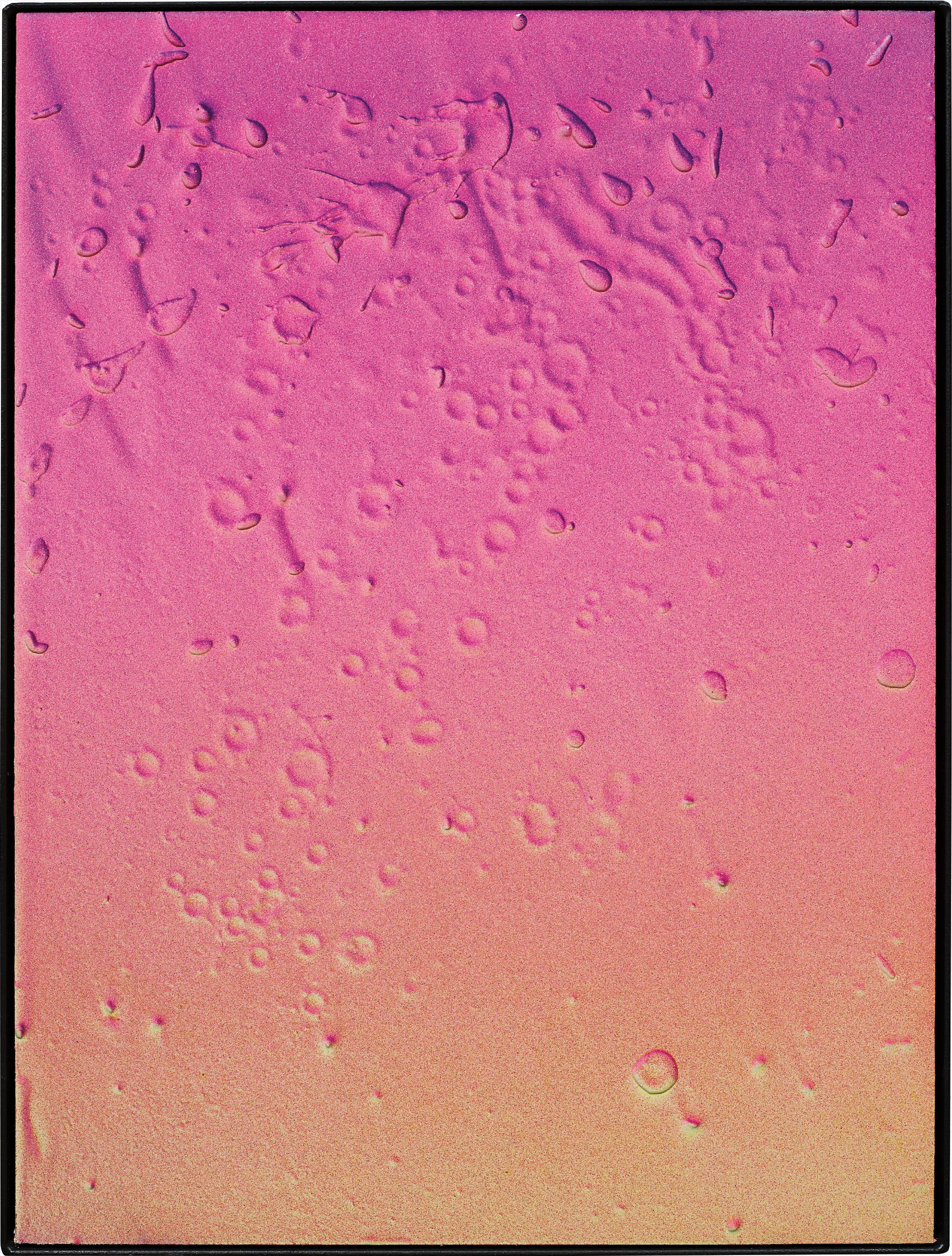
Cb/mg_025
The choice was not arbitrary. By working with substances that mimic the sheen and finish of screens and interfaces, Staniak created a feedback loop between the physical object and the digital environment it references, allowing each to comment on the other without either resolving into pure illustration. What emerged from this approach is a body of work that genuinely earns the word distinctive. The algorithmically generated compositions that underpin his paintings draw from the aesthetics of data visualization, software interfaces, and the particular chromatic logic of screen culture, where color exists as a function of light emission rather than pigment absorption.
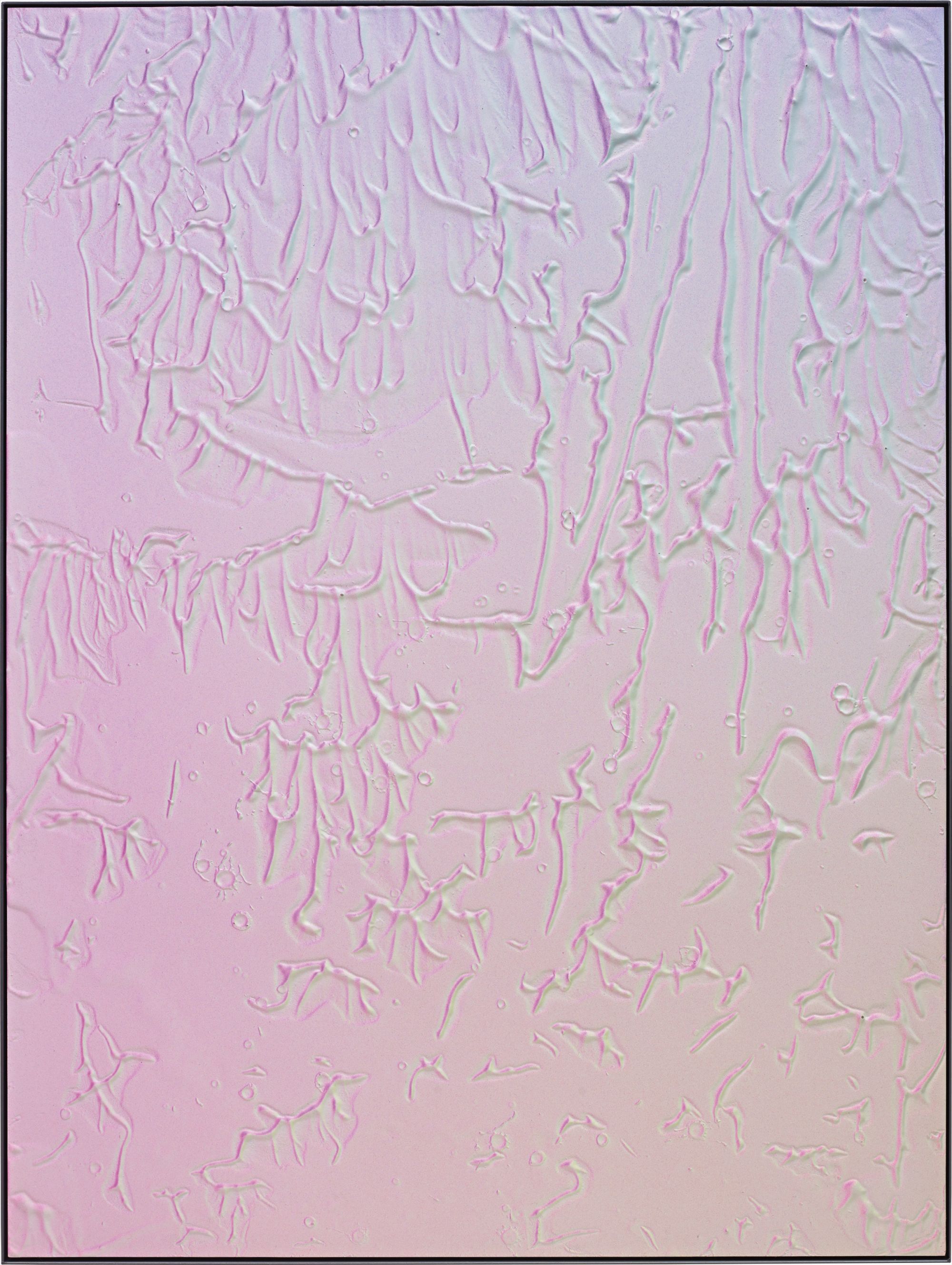
Works such as IMG 686 (holographic) and the Internet Blue series, including IMG 814, IMG 852, and IMG 853, demonstrate how Staniak translates the peculiar luminosity of digital color into acrylic and casting compound on board, housed in his signature steel frames. The frames themselves are not incidental. They function as part of the work, referencing both the literal frame of a screen and the designed containers through which we encounter information architecture every day. The Internet Blue series is particularly instructive for understanding where Staniak sits in the history of painting.
Michael Staniak
IMG_686 (holographic)
Blue has carried enormous symbolic and art historical weight, from Yves Klein's trademarked International Klein Blue to the cobalt fields of Ellsworth Kelly. But Staniak's Internet Blue is something different in kind, not just in degree. It is a color that belongs to the network, to the hyperlink, to the default palette of browsers and operating systems. By elevating it into a painting series with the rigor and material specificity of serious studio practice, he performs a kind of quiet canonization of digital vernacular.
Works like Img 023 and Cb/mg 025 carry similar logic, their titles rendered in the filename conventions of digital asset management, refusing the romantic titling traditions of art history in favor of the naming systems of the folder and the export queue. For collectors, the appeal of Staniak's work operates on several levels simultaneously. On a purely visual register, the paintings are stunning objects. The casting compound creates surfaces of considerable physical interest, with relief and texture that catch light in ways that reward sustained looking and change with viewing angle.

Michael Staniak
IMG_814 (Internet Blue)
The steel frames give each work a precision and self sufficiency that makes them feel resolved rather than provisional. Beyond the object itself, there is the question of historical positioning. Staniak is working at a moment when the relationship between computational processes and painted surfaces is one of the central conversations in contemporary art, and his practice is among the most coherent and sustained engagements with that conversation. Collectors who have followed his work recognize that his prices have moved upward with his profile, and those who acquired early have been rewarded.
Within the broader art historical context, Staniak invites comparison with a constellation of artists engaged with similar questions, though his answers are distinctly his own. The post internet generation of painters, including artists like Rafaël Rozendaal and others working at the intersection of network culture and physical media, share some of his preoccupations. The legacy of process based abstraction, from the systematic practices of Bridget Riley and Frank Stella through to the data driven compositions of more recent practitioners, provides another frame. But Staniak is not reducible to any single lineage.
He has forged a practice that is coherent precisely because it takes the digital environment seriously as a source of genuine visual culture, not merely as a tool or a subject for ironic commentary. What makes Staniak matter today, at this particular cultural juncture, is his insistence on the dignity of the screen as a site of aesthetic experience. At a time when much critical discourse positions the digital as a threat to presence, depth, and authentic perception, he argues through the work itself that the visual language of the interface is as rich, as complex, and as worthy of rigorous artistic attention as any that preceded it. His paintings do not mourn the analog nor celebrate the digital in any naive sense.
They simply attend to the world as it actually looks, with intelligence, craft, and a deep commitment to the material object as the place where that attention becomes permanent. For collectors who want work that speaks honestly to the present moment while demonstrating genuine longevity of vision, Michael Staniak is an artist worth knowing well.
Explore books about Michael Staniak