Michael Manning
Michael Manning Paints the World Anew
Artist Spotlight · The Collection Editorial
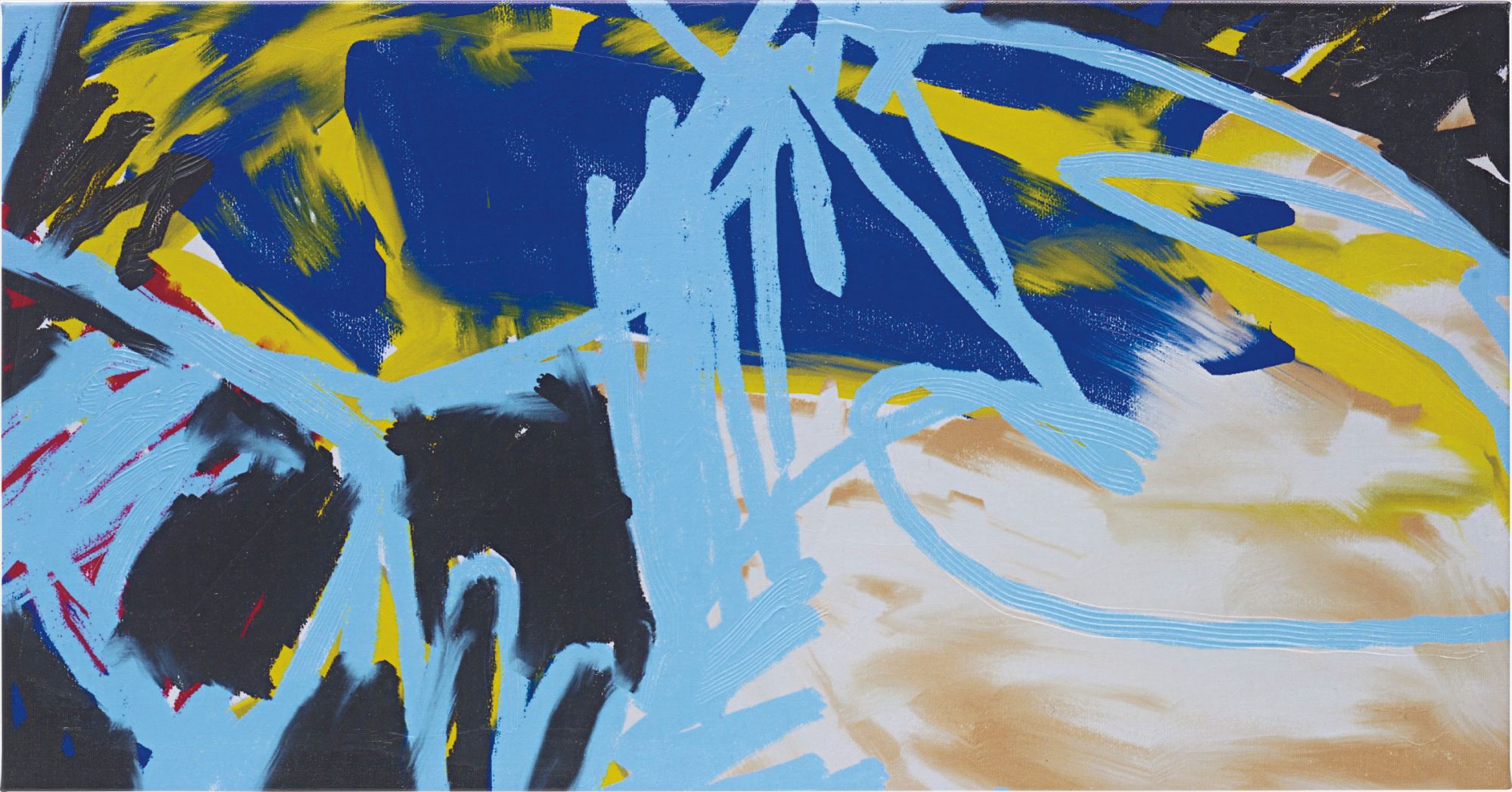
When Michael Manning walked into a Microsoft Store sometime around 2014, he did not see a retail space. He saw a studio. The resulting works, now among the most talked about pieces in his growing body of work, were painted directly onto the touchscreen display devices lining the store floor, fingertip to glass, the artist working in full view of passing shoppers and curious onlookers. That Manning could transform a consumer electronics showroom into a site of genuine artistic production tells you everything you need to know about his practice.
Michael Manning
Microsoft Store Painting
He is an artist who finds the sacred in the overlooked, the painterly in the pixelated, and the deeply human in the machinery of modern life. Born in 1988, Manning came of age during a pivotal moment in American culture, one defined by the rise of the internet, the democratization of the smartphone, and the slow, irreversible blurring of the physical and digital worlds. He is, in the truest sense, a product of that transition. Where older generations of painters were shaped by the smell of oil paint and the texture of stretched linen, Manning was equally formed by the glow of a screen, the scroll of a feed, and the particular intimacy of a touchscreen device responding to the pressure of a bare finger.
These were not distractions from art for Manning. They were the art. His practice emerged from a genuine rethinking of what painting could be in the twenty first century. Rather than treating the tablet or smartphone as a tool for making sketches that would later be translated into a more legitimate medium, Manning insisted on the device itself as the primary site of creative action.
Michael Manning
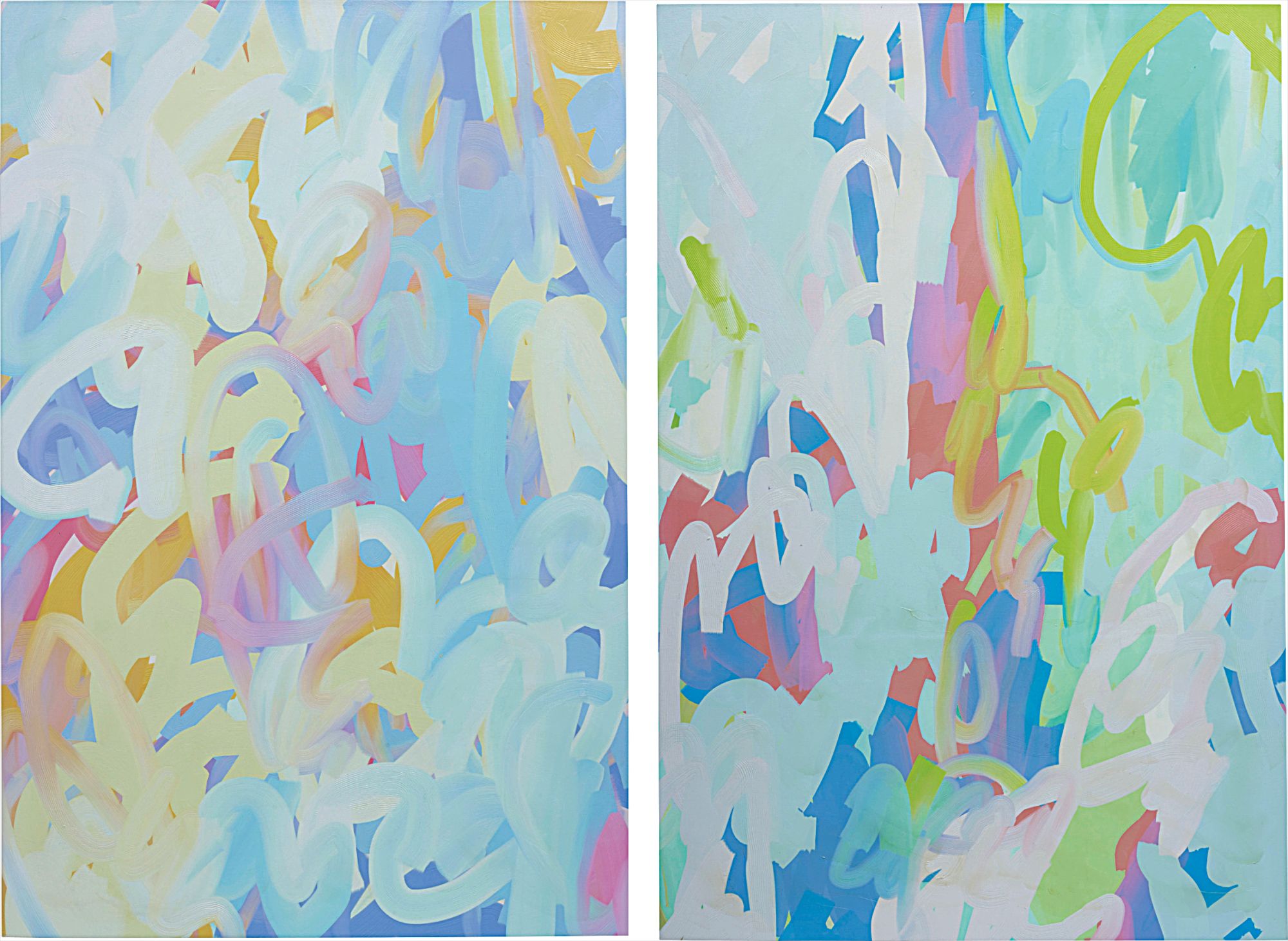
Two Works: (i) Breakdown, 2014; (ii) Undertow, 2014
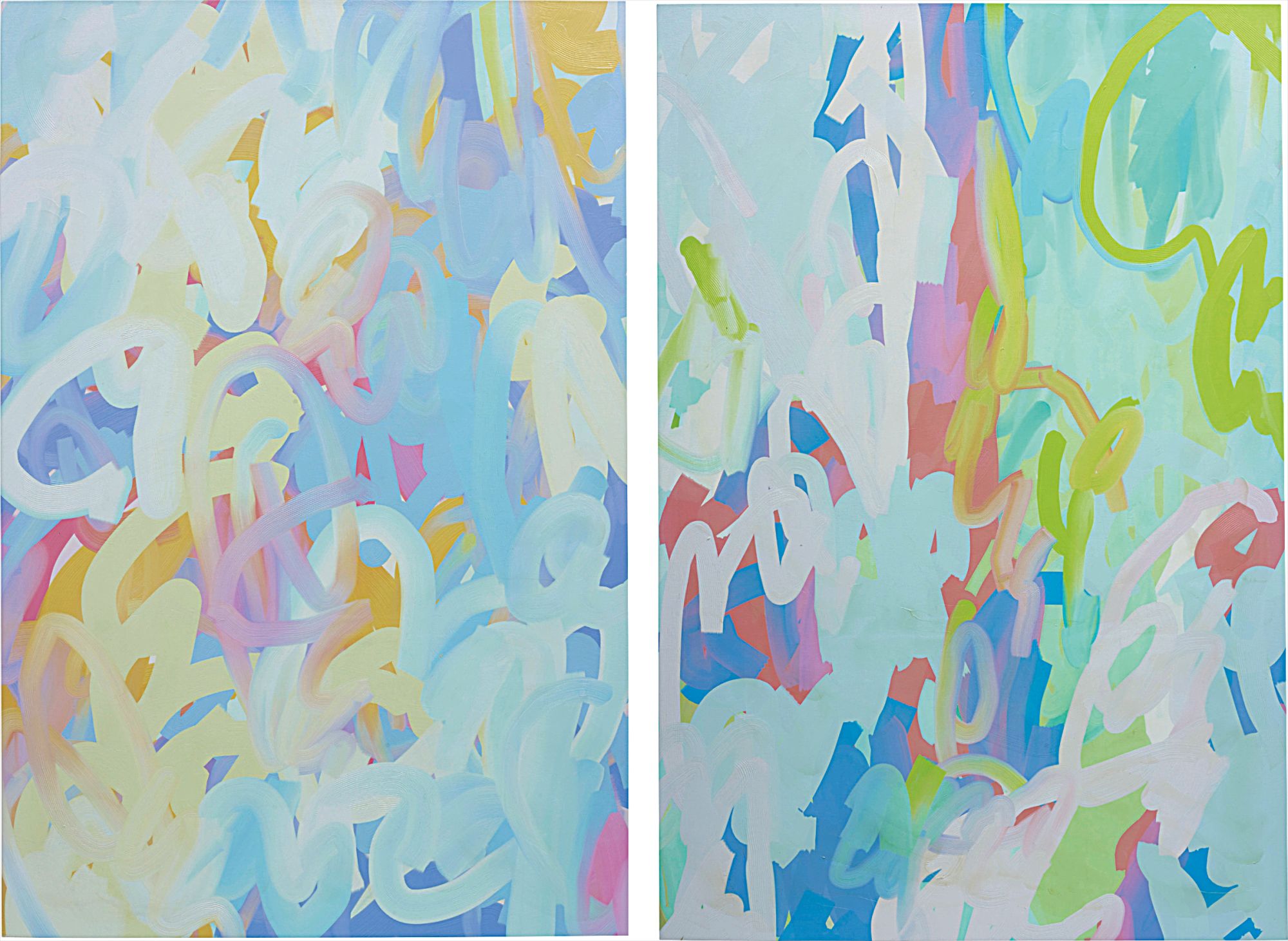
He paints with his fingers directly on the glass surface, embracing the sensitivity of capacitive touch, the lag of certain apps, and the specific visual language that emerges from digital gesture. The resulting works possess an energy that is unmistakably his own: vibrant, loose, and radiating a kind of joyful intelligence. His canvases, which combine digital printing with layers of physical acrylic paint applied by hand, occupy a genuinely new space between the reproduced and the handmade. The breakthrough in Manning's work came through a series of pieces that brought his digital paintings into dialogue with the material world of acrylic on canvas.
Works such as Breakdown and Undertow, both from 2014, exemplify this synthesis. In each, a digitally created image is printed onto canvas and then worked over with physical paint, creating a layered surface where the two modes of making are inseparable and yet distinct. The viewer is always aware that something mediated and something immediate are in conversation, and that tension is generative rather than unresolved. It is part of what makes the works so compelling to return to.
Michael Manning
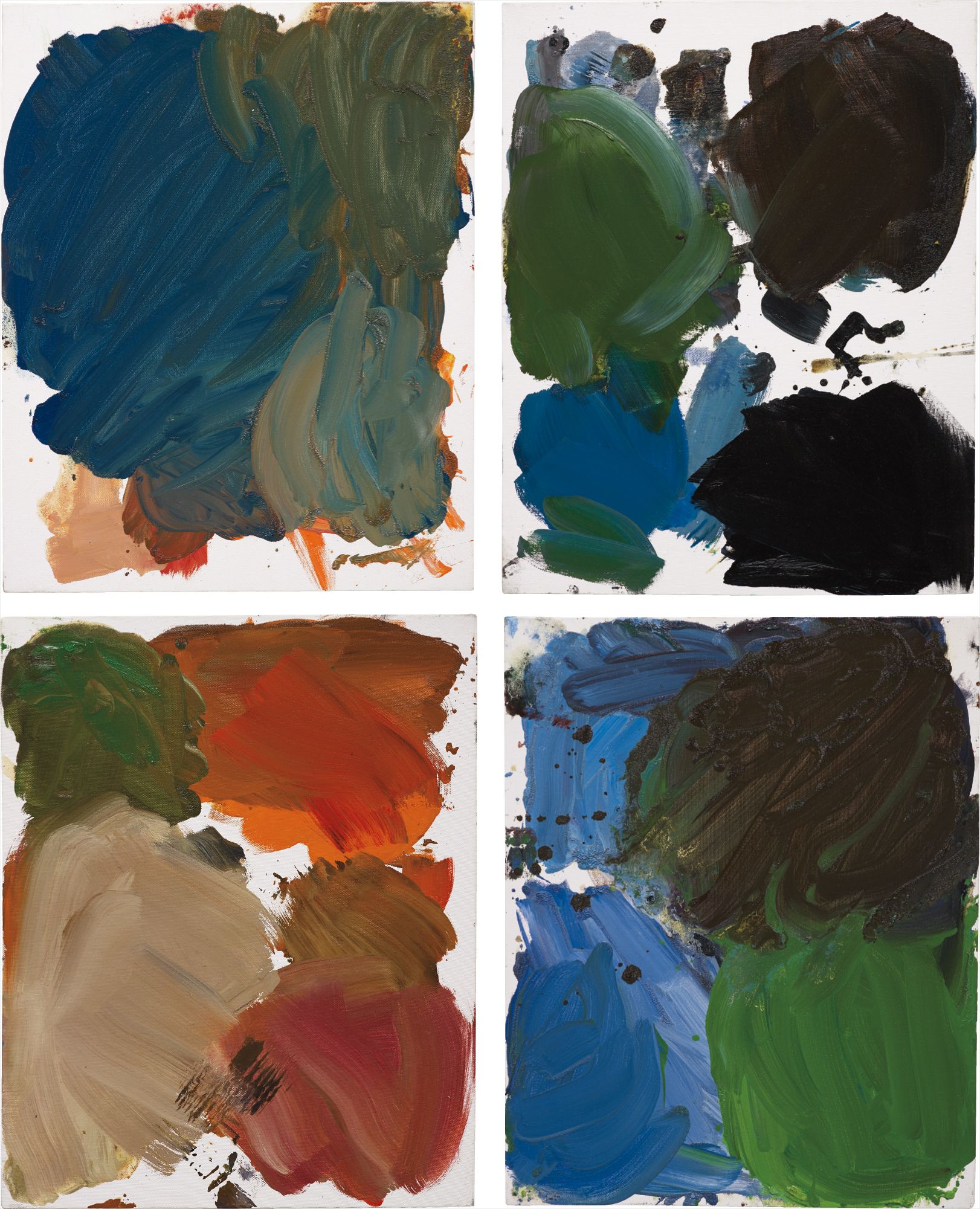
Banh Mi Fries
They reward close looking in the way that great paintings always have, but they also carry with them the logic of the screen, the speed of the swipe, the casualness of the post. His food paintings deserve particular attention as a body of work within his broader practice. Pieces such as Banh Mi Fries, Spicy Carnitas Samosa, and Al Pastor Pakoras engage with the cultural landscape of contemporary urban eating in America, where cuisines overlap and fusion is not an exception but a daily reality. These works are painted with the same gestural freedom that defines all of Manning's output, but they carry an additional charge: they are portraits of a moment in American consumer culture that is specific, celebratory, and entirely unsentimental.
Manning does not moralize about fast food or fusion cuisine. He paints it with appetite and affection, and the results feel like documents of a particular kind of twenty first century abundance. The Sheryl Crow Pandora Paintings, a series also dated to 2014, are among the most conceptually elegant works in Manning's catalogue. Created while listening to a Sheryl Crow station on the streaming service Pandora, works including Love Fool, Fortunate Son, and Wide Open Spaces take their titles from the songs that played as Manning painted.
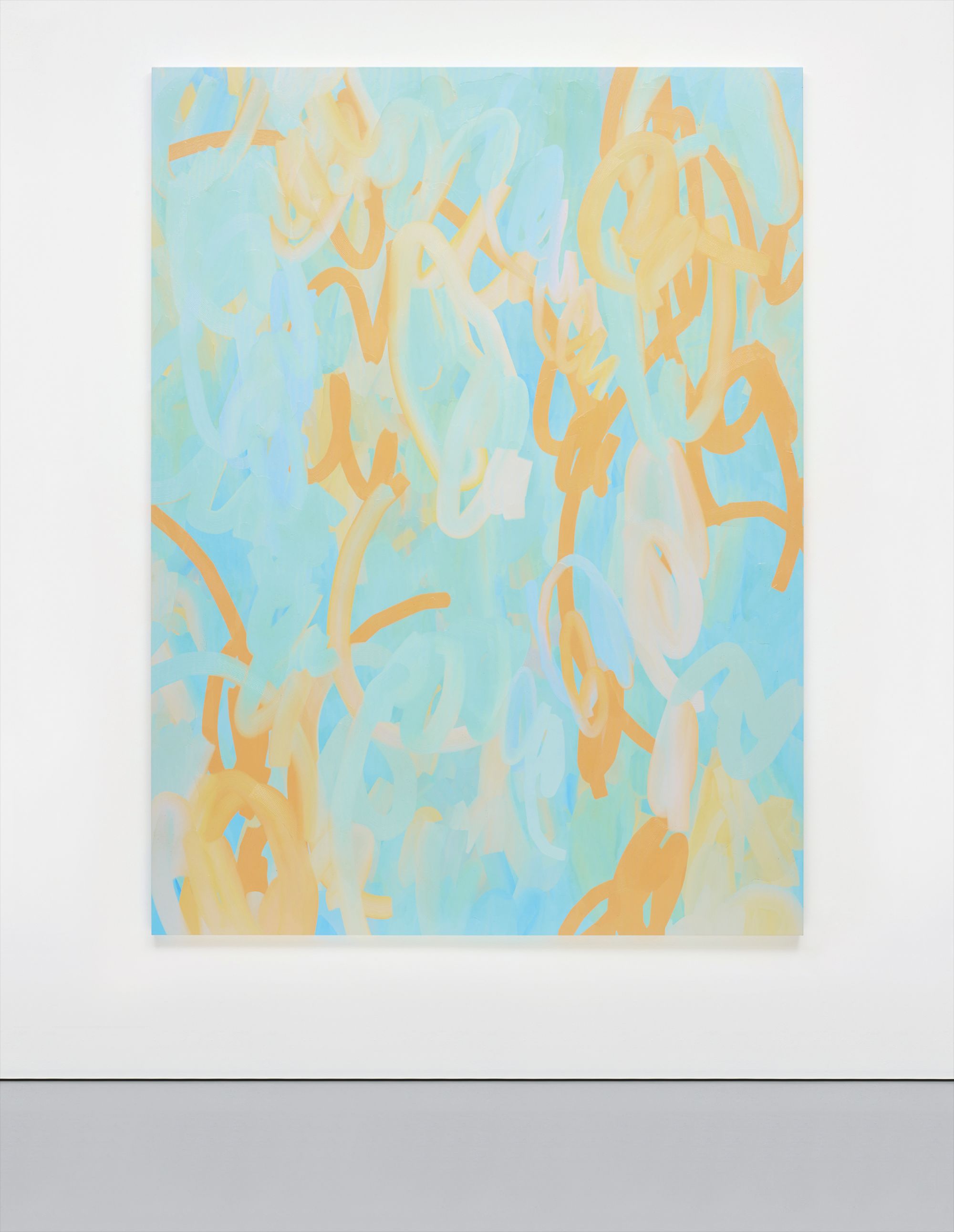
Michael Manning
Little Lies
The gesture is deceptively simple but rich with implication. It acknowledges the role of algorithmic culture in shaping creative experience, it documents a specific and ephemeral moment in the history of music consumption, and it situates the act of painting within the flow of everyday digital life rather than apart from it. These are paintings made in the stream of things, not removed from it. From a collecting perspective, Manning represents exactly the kind of artist whose work benefits from early and sustained attention.
His gallery relationship with Mitchell Innes and Nash, one of the most respected contemporary art galleries in New York, has brought his work to serious collectors and international audiences. The mixed media canvases, combining archival digital printing with physical acrylic, present beautifully and hold their presence on a wall in ways that purely digital works often do not. For collectors interested in the history of how painting has responded to technological change, Manning's work offers a remarkably coherent and intellectually satisfying answer to that question. He is not a painter who uses technology as a gimmick.
He is a painter for whom technology is simply the condition of being alive and making work right now. Manning exists in productive dialogue with a generation of artists who have taken seriously the question of what happens to painting in the age of the image feed and the touchscreen. His work resonates alongside artists who have examined the intersection of consumer culture and fine art, and who have treated everyday commercial imagery as worthy of sustained aesthetic attention. The legacy of Pop Art is relevant here, as is the influence of artists who have foregrounded process and gesture, but Manning's work is not nostalgic for any prior movement.
It is fully of its moment, fluent in the visual language of now. What makes Manning matter today, and what will continue to make him matter, is the clarity of his conviction that the smartphone is a legitimate heir to the brush, and that painting is not a medium in decline but one in glorious, ongoing transformation. His work is generous, technically inventive, and rooted in a genuine love of the world as it actually is: loud, connected, delicious, and endlessly paintable.