Michael Dweck
Michael Dweck Finds Beauty in Hidden Worlds
Artist Spotlight · The Collection Editorial
Something remarkable happens when a Michael Dweck photograph enters a room. The image seems to carry its own atmosphere, a density of lived experience that pulls the viewer in before they have quite registered what they are looking at. This quality has made Dweck one of the most quietly compelling figures in contemporary American photography, an artist whose work has found its way into serious private collections, onto the walls of major auction houses including Phillips and Bonhams, and into the pages of monographs that feel less like art books and more like portals into worlds most of us will never know. In recent years, as collectors have grown increasingly drawn to large format photography with genuine anthropological weight, Dweck's reputation has moved steadily from cult admiration to something closer to canonical appreciation.
Michael Dweck
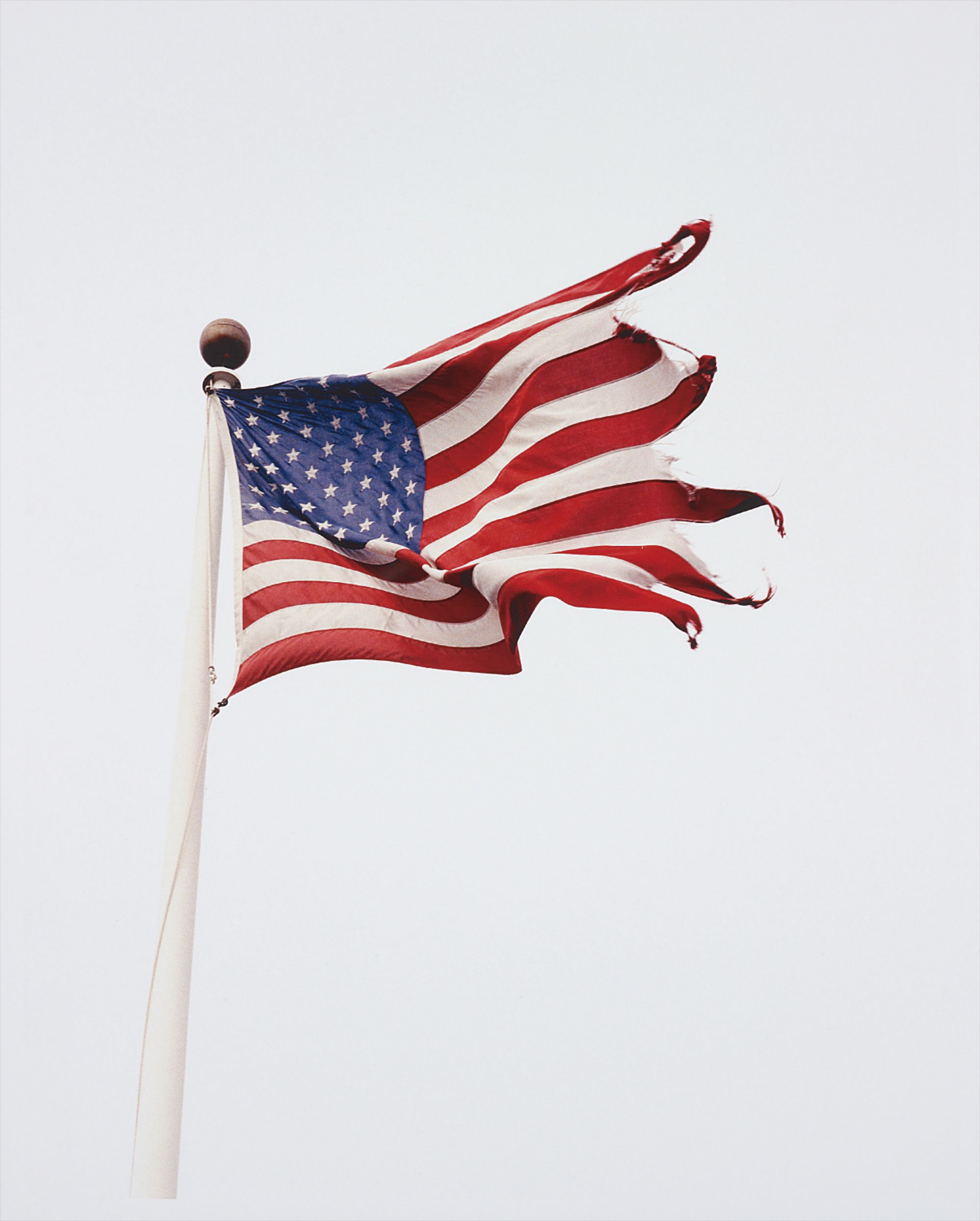
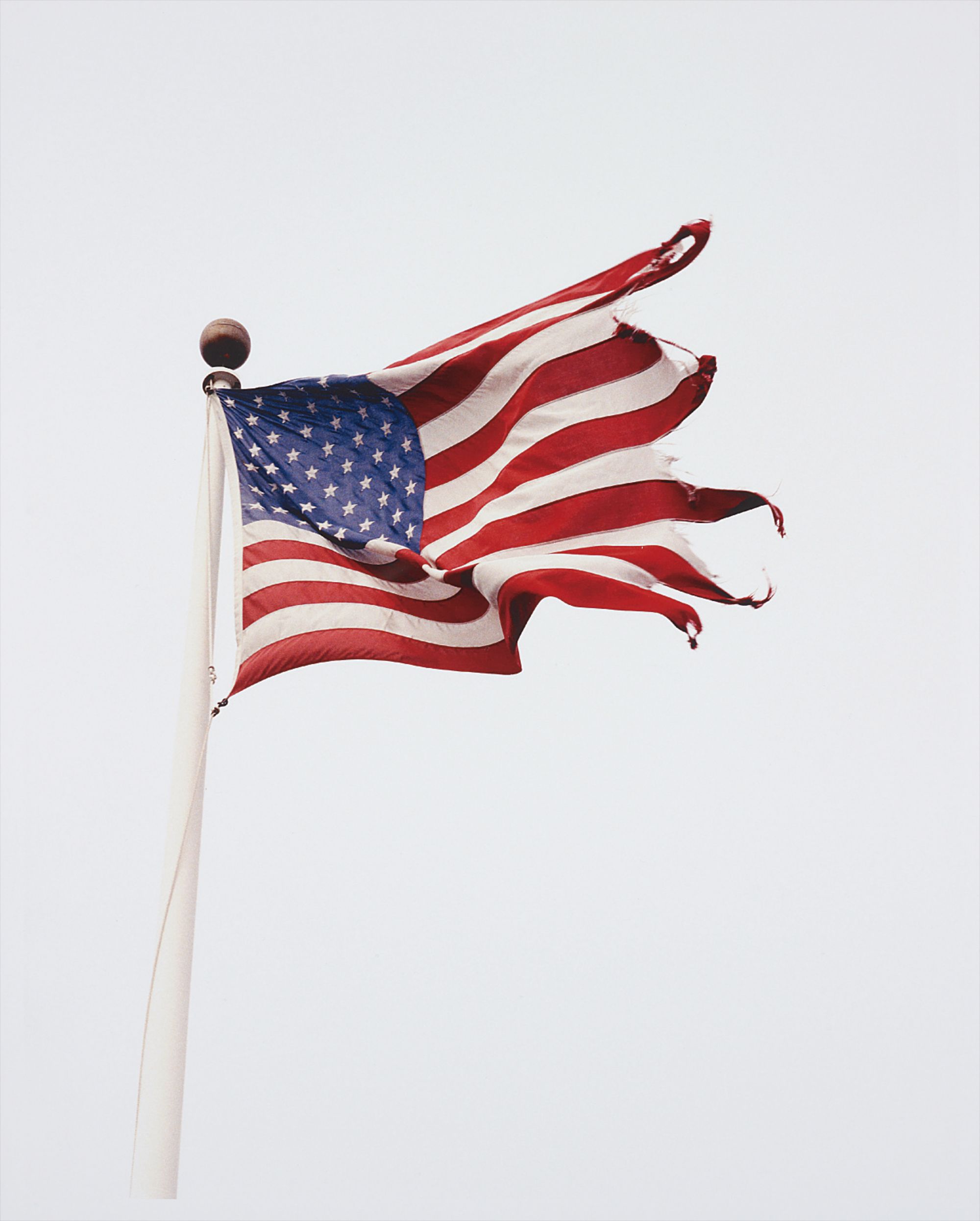
Flag at Snug Harbor, Montauk, New York
Born in 1961, Michael Dweck came of age in America at a moment when photography was in the midst of its long negotiation with fine art status. The influence of photographers such as Diane Arbus, who found extraordinary dignity in marginal communities, and later the cinematic social observation of Nan Goldin, created a lineage into which Dweck would eventually step with his own distinct sensibility. His background was rooted in commercial and advertising work, a training ground that gave him an unusually refined understanding of light, composition, and the grammar of the arresting image. Rather than diminishing his fine art ambitions, this commercial fluency sharpened them, teaching him how to construct a photograph that holds the eye while allowing the deeper emotional content to surface gradually.
Dweck's emergence as a serious fine art voice came with his extended immersion in the Hamptons surf subculture, a project that would become his debut monograph, published in 2001 under the title The End. The book documented the fading world of Montauk surfers, a community that existed in near total obscurity from the fashionable Hamptons social scene just miles away. What Dweck captured was something genuinely rare: a portrait of American subcultural identity that was neither romanticized beyond recognition nor flattened by sociological detachment. The gelatin silver prints from this period, including works such as Sonya, Poles, Montauk, N.
Michael Dweck
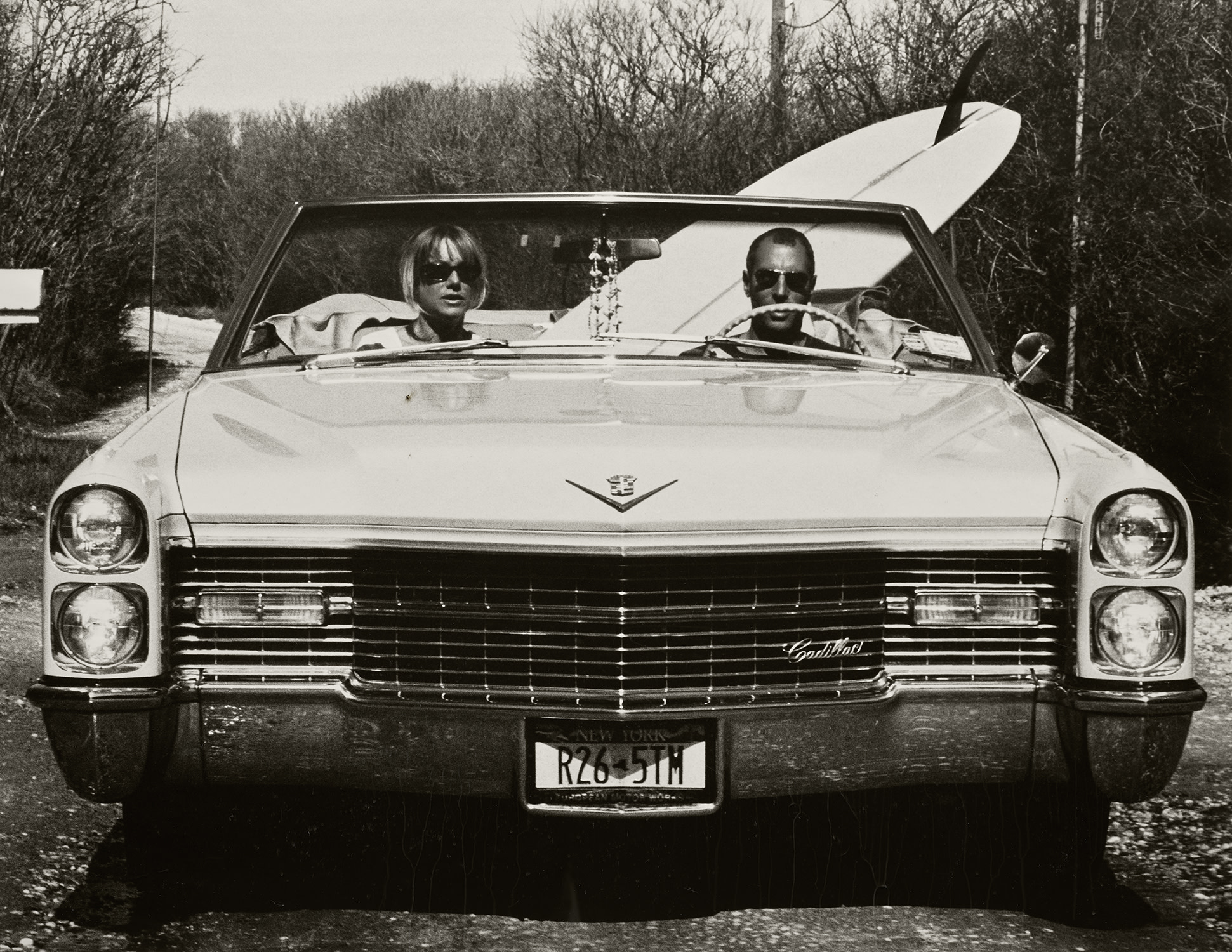
Dave and Pam in their Caddy, Trailer Park, Montauk, New York
Y. and the tender double portrait Jacqueline and Friend, Montauk, New York, demonstrate his gift for establishing trust with his subjects and then photographing them as though the camera were simply another presence in the room. The Montauk work also introduced collectors to Dweck's mastery of the chromogenic print, a format he would continue to develop with great intentionality. Flag at Snug Harbor, Montauk, New York, printed in 2006, is among the finest examples of his large format color work from this period, combining documentary specificity with a painterly attention to atmosphere and light.
The image carries the mood of a particular kind of American afternoon, unhurried, slightly elegiac, saturated with the particular quality of coastal light that Dweck has returned to throughout his career. Dave and Pam in their Caddy, Trailer Park, Montauk, New York, rendered in gelatin silver, shows a different register of the same community: affectionate, precise, and utterly without condescension. As Dweck's practice evolved through the 2000s and into the following decade, he turned his attention to subjects of increasing exoticism and wonder. His celebrated Mermaid series, which documented the professional mermaids of Weeki Wachee Springs in Florida, demonstrated that his eye for hidden Americana was not limited to surf culture but extended to any community existing on the beautiful fringes of mainstream life.
Michael Dweck
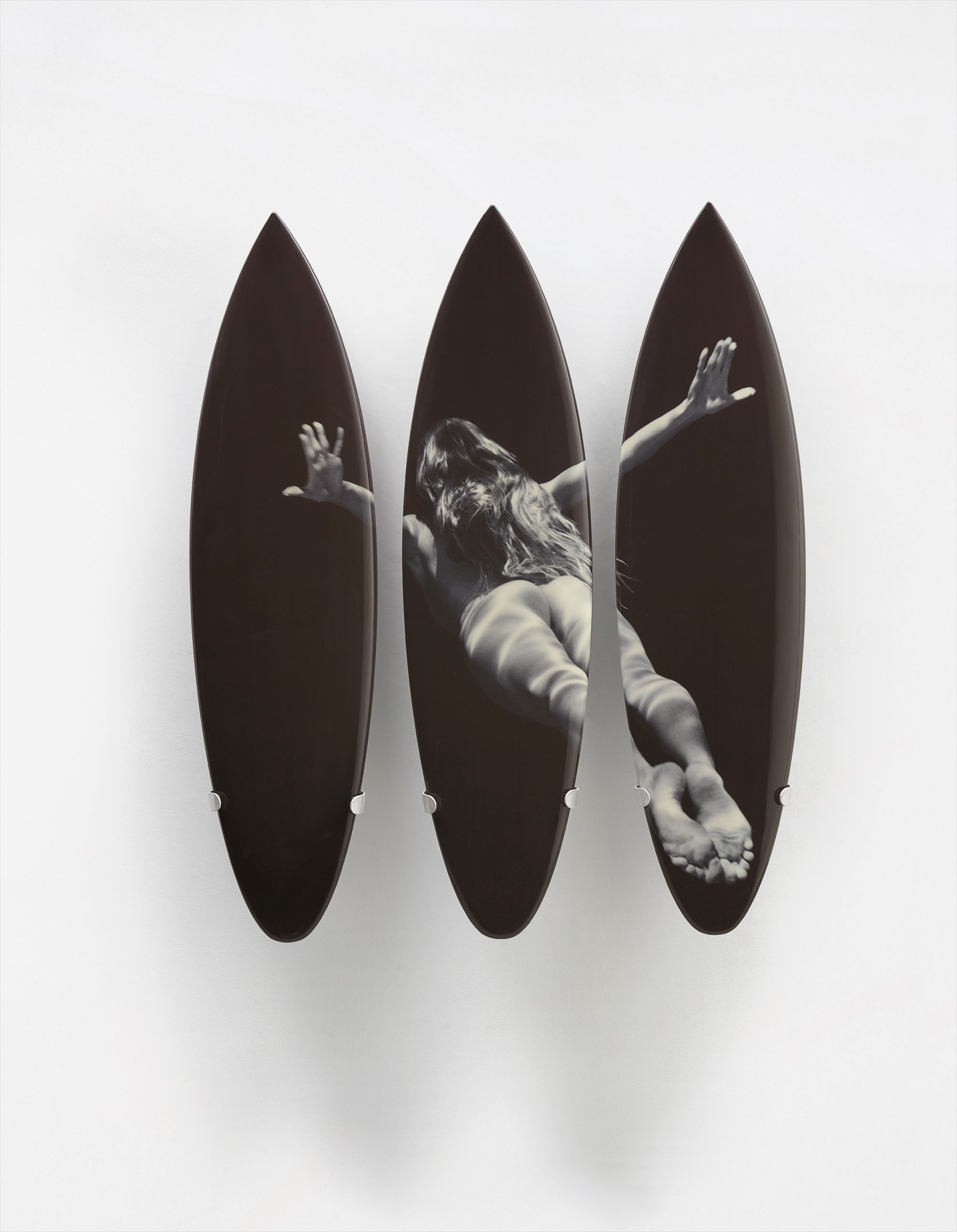
Triple Gidget from Sculptural Forms
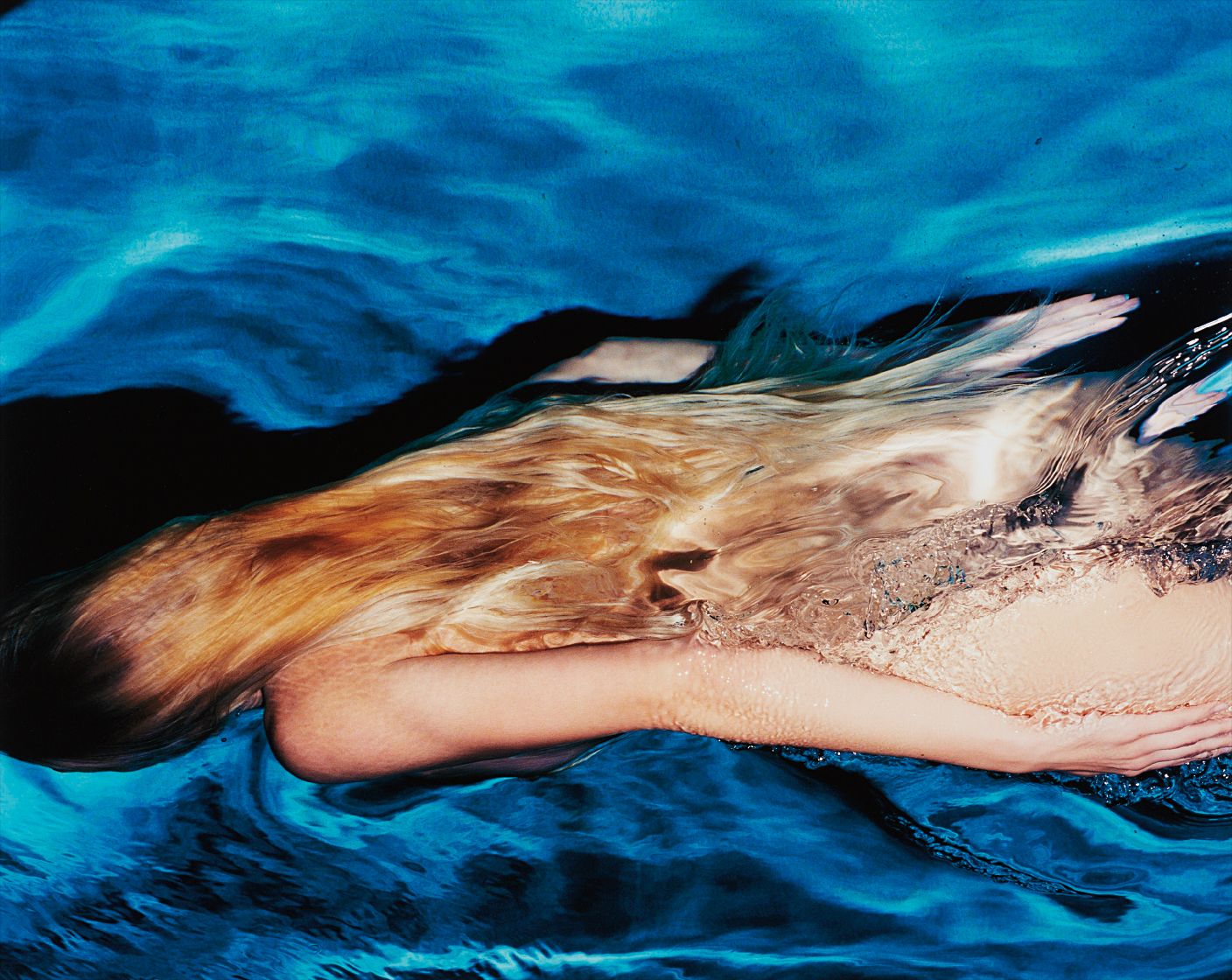
Works such as Mermaid 18b, Weeki Wachee, Florida and Mermaid 128, Aripeka, FL occupy a space between documentary and dream, their flush mounted chromogenic and gelatin silver surfaces giving the underwater imagery a jeweled intensity. The Miami extension of the series, represented by Mermaid 106, Miami, shows Dweck's willingness to transport his subjects into new contexts while preserving the essential intimacy that defines his approach. Collectors drawn to this body of work often speak of the sense that Dweck has found something that was always there, waiting to be seen. Perhaps the most technically ambitious evolution in Dweck's practice is the development of his sculptural print works, which push the boundaries of what photography as an object can be.
Triple Gidget from Sculptural Forms is a triptych comprised of three archival pigment prints on silk, set into polyurethane, resin, and fibreglass, accompanied by the artist's own aluminium wall mounting brackets. Similarly, The Duke's Mermaid (Sapphire) from Sculptural Form takes the archival pigment print on silk and encases it within a surfboard shaped fibreglass and resin form. These works transform the photograph from a framed window into a fully dimensional object, collapsing the boundary between fine art photography and sculpture. They represent Dweck's most explicit engagement with the collecting experience as a physical and material one, objects that command space rather than simply occupying wall surface.
Michael Dweck
Mermaid 106, Miami
Within the broader context of art history, Dweck's practice sits in productive conversation with a tradition of American documentary humanists. The community based intimacy of his early Montauk work invites comparison to the social portraiture of Bruce Davidson, while the dreamlike quality of the Mermaid series carries echoes of the staged yet earnest world of Les Krims. His cinematic sensibility also draws him into dialogue with filmmakers and photographers such as William Eggleston, whose democratization of the color photograph elevated the vernacular to the poetic. Dweck has additionally worked in documentary filmmaking, most notably with his 2021 film The Truffle Hunters, co directed with Gregory Kershaw, which brought his anthropological gifts to a global cinema audience and introduced his name to an entirely new generation of admirers.
For collectors, Dweck's work offers something increasingly rare in the contemporary market: a coherent and deeply felt body of work across multiple series, each one building on the last without ever feeling repetitive. His prints at auction, represented at houses including Phillips and Bonhams, have attracted sustained interest from collectors who value large format photography with genuine emotional and historical resonance. The sculptural works in particular represent a significant opportunity, as they exist at the intersection of photography and object based art in ways that remain underappreciated relative to their ambition. Whether approached through the early gelatin silver prints of Montauk, the luminous Mermaid chromogenics, or the extraordinary dimensional sculptural works, a collection that includes Michael Dweck carries within it a commitment to seeing the world with generosity, precision, and unaffected wonder.