Miaz Brothers
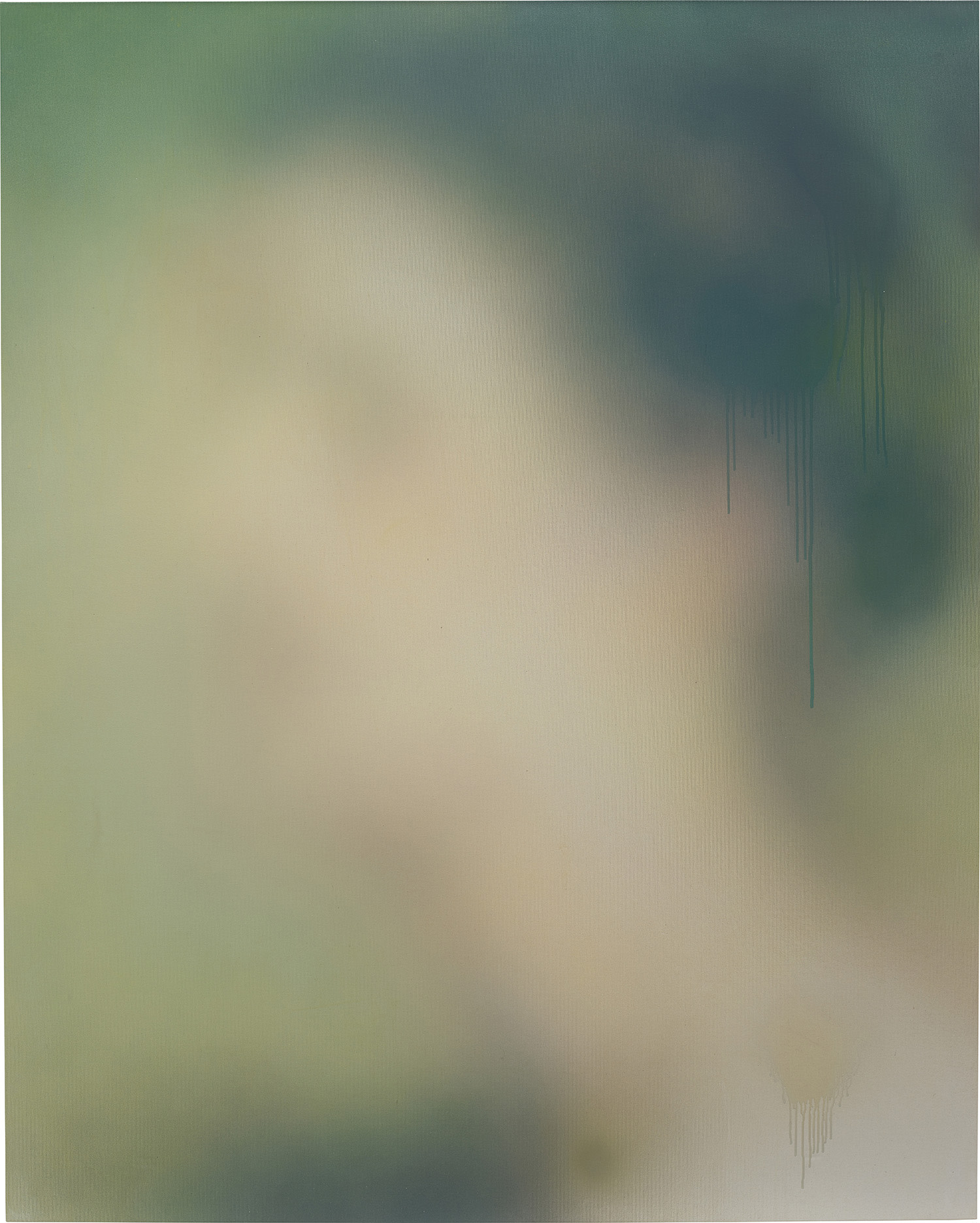
Between Clarity and Dreams, Everything Is Revealed
Artist Spotlight · The Collection Editorial
When the Miaz Brothers unveiled a new body of figurative work to an audience of collectors and critics in Milan, the room fell into an unusual quiet. It was not the silence of indifference but of recognition, the feeling that something genuinely rare was happening on those canvases. Roberto and Renato Miaz have spent years cultivating this response, and they have earned it through a sustained commitment to a visual language that feels simultaneously of the moment and timeless. Their presence in the international art world has grown steadily and meaningfully, with their paintings now held in private collections across Europe, the United States, and beyond.
Miaz Brothers
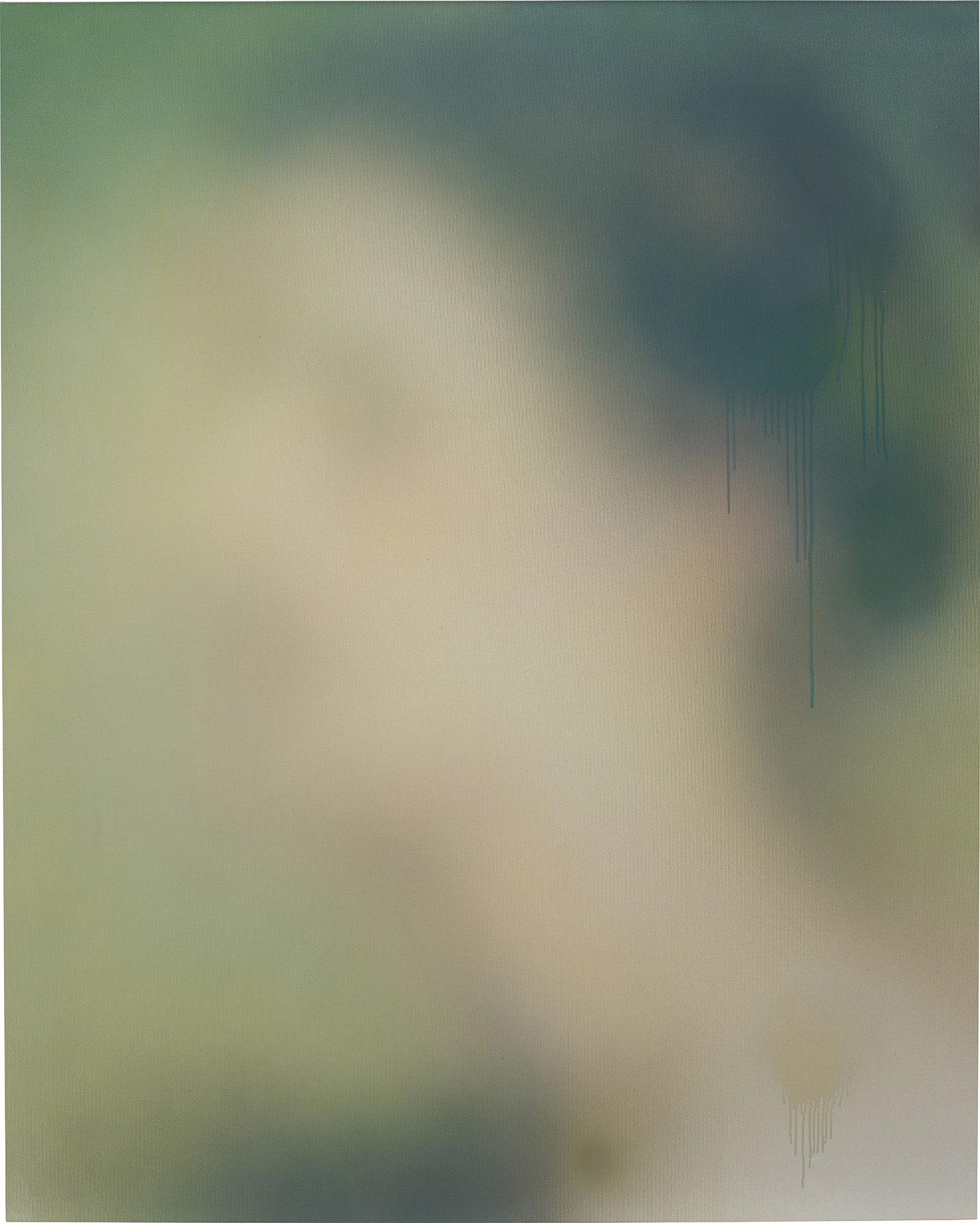
Lady H, 2015
The two brothers were born and raised in Italy, shaped by a culture that treats the human figure as a subject of inexhaustible spiritual and philosophical weight. The Italian tradition of portraiture, running from the Renaissance masters through the psychological intensity of the twentieth century, is present in their formation, but never as a burden or obligation. Instead, it functions as a kind of inheritance they have chosen to transform. Growing up with access to that visual history, and later working from their Milan studio, they developed a shared artistic sensibility that is unusual in collaborative practices: genuinely unified, yet perpetually searching.
Their early work established a commitment to the figure that has never wavered, but the manner in which they render the figure has evolved into something entirely their own. The Miaz Brothers developed what can fairly be described as one of the most distinctive and philosophically loaded techniques in contemporary painting. They work in acrylic, building their portraits through a process that grants certain passages of the canvas extraordinary sharpness and presence while allowing others to dissolve into soft, vaporous fields of color. The result is not simply a stylistic gesture.
Miaz Brothers
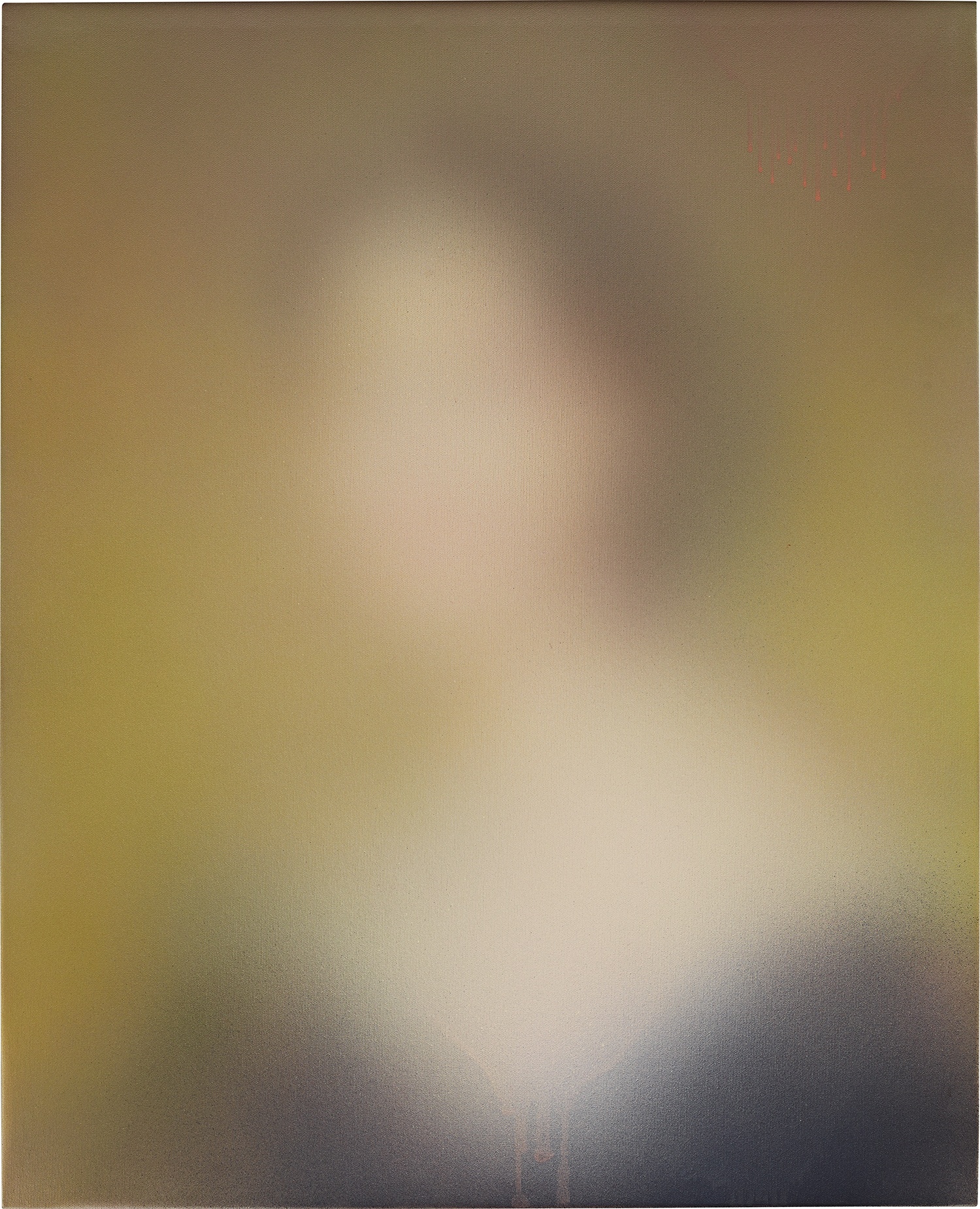
Young Lady, 2016
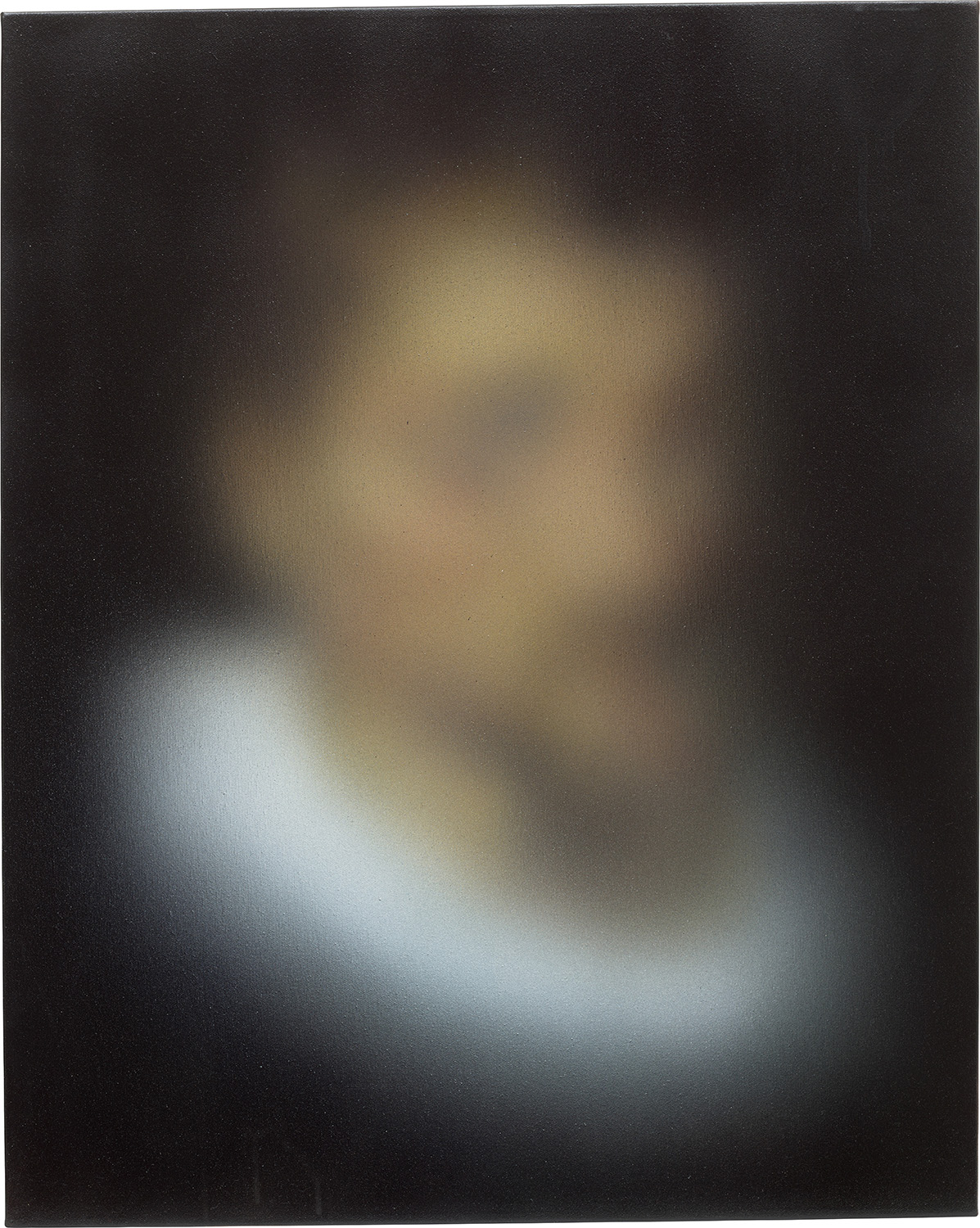
It is a sustained argument about what painting can and cannot tell us about another human being. This tension between the legible and the lost is at the heart of everything they make. A collar rendered with almost photographic precision gives way to a face obscured by luminous mist. Eyes that might reveal everything recede into blur.
The Miaz Brothers understand that portraiture has always been an act of interpretation rather than transcription, and they make that interpretive gap visible. In doing so, they place their work in conversation with artists such as Gerhard Richter, whose photo paintings interrogated the nature of memory and photographic representation, and Francis Bacon, who used distortion to expose emotional truths that realism alone could not reach. The Miaz Brothers occupy their own distinct position within this lineage, bringing a warmth and a kind of tender uncertainty that is entirely their own. Among their most celebrated works, Lady H from 2015, rendered in acrylic on canvas, demonstrates the full range of their approach.
Miaz Brothers
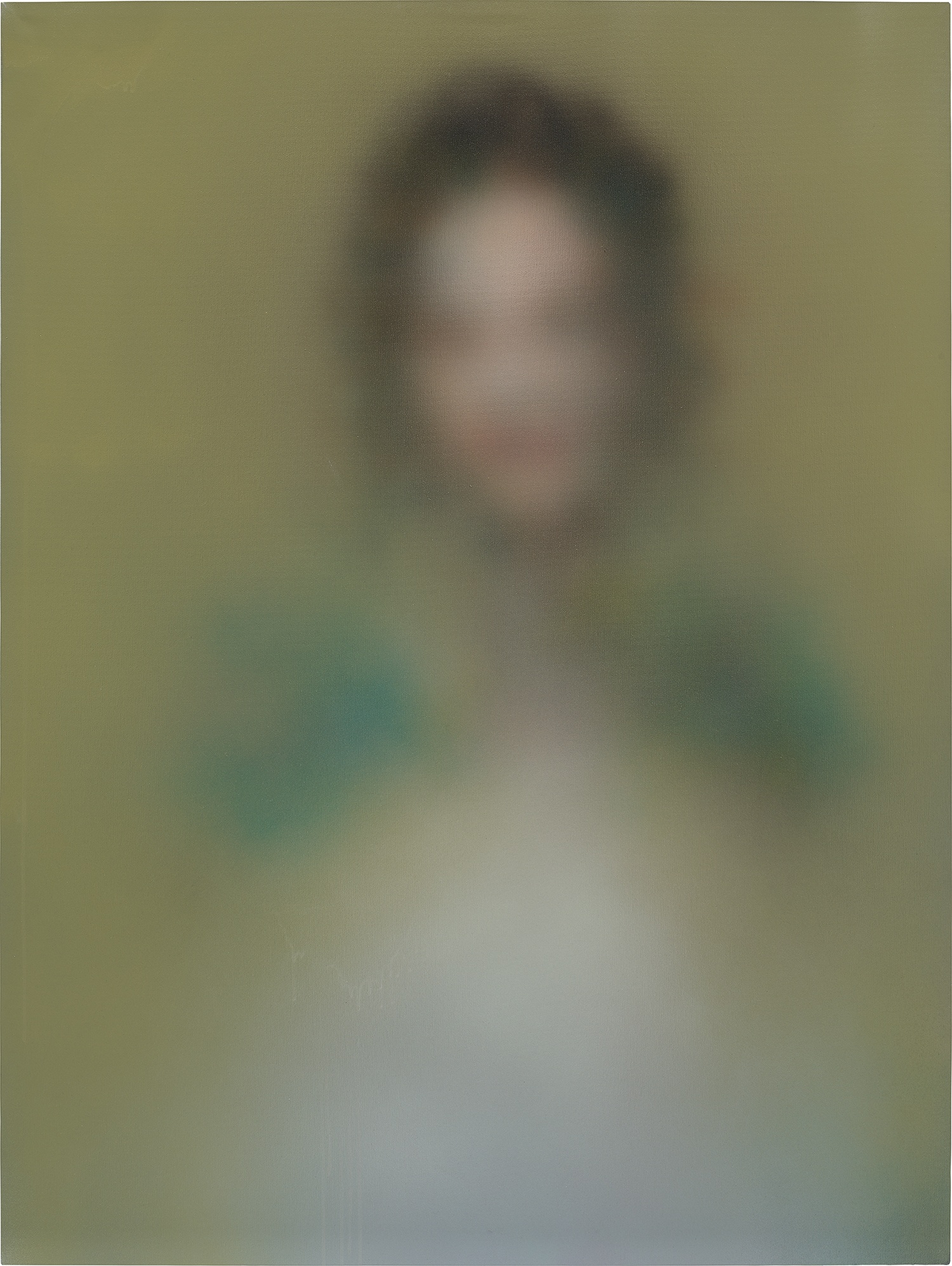
Lady 1, 2019
The subject is simultaneously present and elusive, dressed with enough specificity to suggest a particular world and a particular moment, yet surrounded by an atmospheric dissolution that makes her feel universal. Young Lady from 2016 continues this dialogue, the youth of the subject rhyming poignantly with the impermanence the technique evokes. Gentleman F from 2017 extends their practice to a male subject with equal grace, while Lady 1 from 2019, executed on linen rather than canvas, shows their ongoing willingness to introduce material variation into a practice that might otherwise risk predictability. Each of these works rewards prolonged attention, yielding more with every encounter.
For collectors, the appeal of the Miaz Brothers operates on several levels simultaneously. There is the immediate visual pleasure of work that is genuinely beautiful and emotionally resonant. There is the intellectual satisfaction of engaging with paintings that have something real to say about perception, identity, and the limits of representation. And there is the practical assurance that comes from following work that has achieved serious recognition at international auction houses, demonstrating a market appetite that reflects genuine critical esteem rather than speculative momentum.
Miaz Brothers
Gentleman F, 2017
Collectors who have acquired their paintings describe them as works that change depending on the light, the mood, and the viewer, a quality that speaks to their lasting power within a domestic or institutional setting. The scale at which the Miaz Brothers work is also significant. Their large format canvases create an immersive encounter that smaller works simply cannot replicate. Standing before one of their portraits, the viewer is not looking at a representation of a person but entering into a relationship with one.
The figure feels present in the room in a way that collapses the distance between painting and lived experience. This quality has made their work particularly compelling in the context of contemporary collecting, where the ability of a work to command and hold physical space is increasingly valued. Placed within the broader context of contemporary figurative painting, the Miaz Brothers occupy a position of growing importance. The past decade has seen a remarkable resurgence of interest in painting as a medium, and particularly in figurative and portrait based work.
Artists such as Richter, Jenny Saville, and Marlene Dumas helped lay the groundwork for a renewed understanding of what the painted figure could express in an era dominated by photography and digital imagery. The Miaz Brothers have entered this conversation with their own clear and confident voice, one rooted in Italian cultural tradition but speaking fluently to an international audience. What ultimately makes the Miaz Brothers matter, not just now but into the future, is their fidelity to a question that painting has always asked and can never fully answer: what does it mean to truly see another person. Their work does not pretend to resolve this question.
It lives inside it, returning again and again to the face, the figure, the gesture that almost communicates everything before dissolving back into beautiful uncertainty. In an art world that often rewards novelty above depth, their sustained and deepening engagement with a single great problem is genuinely moving. To collect their work is to commit to that question too, and to find in it a source of meaning that only grows richer over time.