McDermott and McGough
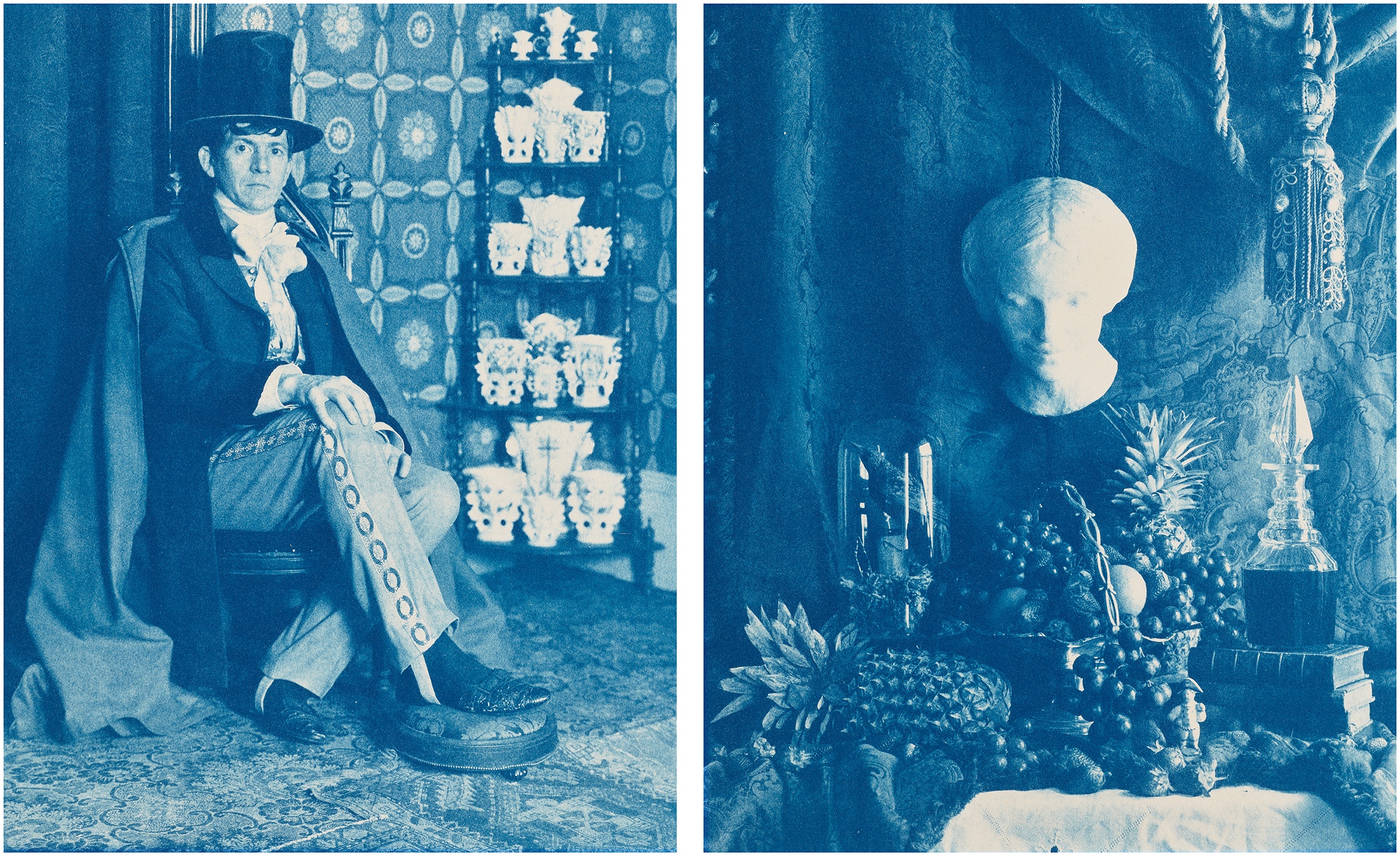
Two Artists, One Magnificent Timeless Vision
Artist Spotlight · The Collection Editorial
“We are not interested in what is fashionable. We are interested in what is true and beautiful and lasting.”
David McDermott, Interview Magazine
There is a particular kind of devotion that goes beyond artistic preference and becomes something closer to a philosophy of existence. For David McDermott and Peter McGough, the pair known to the art world simply as McDermott and McGough, that devotion has always been to another era entirely. The duo surfaced with extraordinary force in the New York art scene of the 1980s, arriving not as products of their moment but as deliberate, joyful fugitives from it, and their influence has only deepened with time. Recent years have seen renewed institutional and collector interest in their work, as contemporary culture's relationship with technology, authenticity, and historical longing has made their lifelong project feel more urgent and resonant than ever.
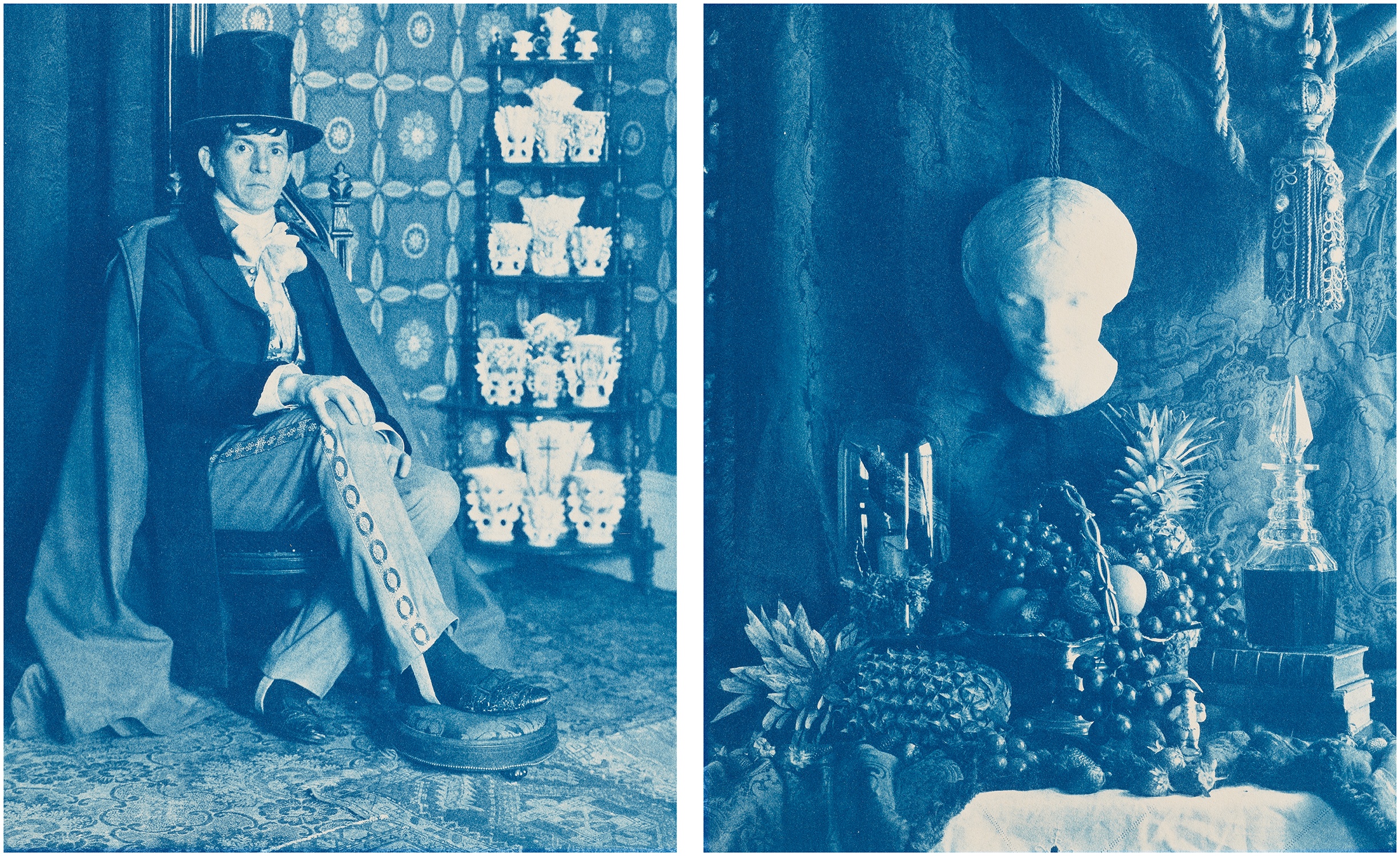
McDermott and McGough
Selected Images
David McDermott was born in 1952 and Peter McGough in 1958, and their partnership began in New York City in the early 1980s, a place and time crackling with creative possibility. Yet where their peers were charging headlong into neon and noise, McDermott and McGough turned their backs on the present with a thoroughness that was both radical and romantic. They famously refused modern conveniences, living without electricity and dressing in period clothing, treating their rejection of modernity not as performance but as sincere conviction. This was not nostalgia for its own sake.
It was a fully theorized stance, an argument that the past held truths and beauties that the accelerating present was recklessly discarding. Their artistic development unfolded across painting, photography, and film, with each discipline approached through the lens of historical craft and archaic process. In photography they embraced the daguerreotype and other early photographic techniques, producing images that seem genuinely retrieved from the nineteenth century rather than made in deliberate homage to it. Their paintings, executed in period styles with a command of technique that demanded serious attention, carried dates from earlier decades as a conceptual statement about the fluidity of time and the arbitrary nature of the present tense.
McDermott and McGough
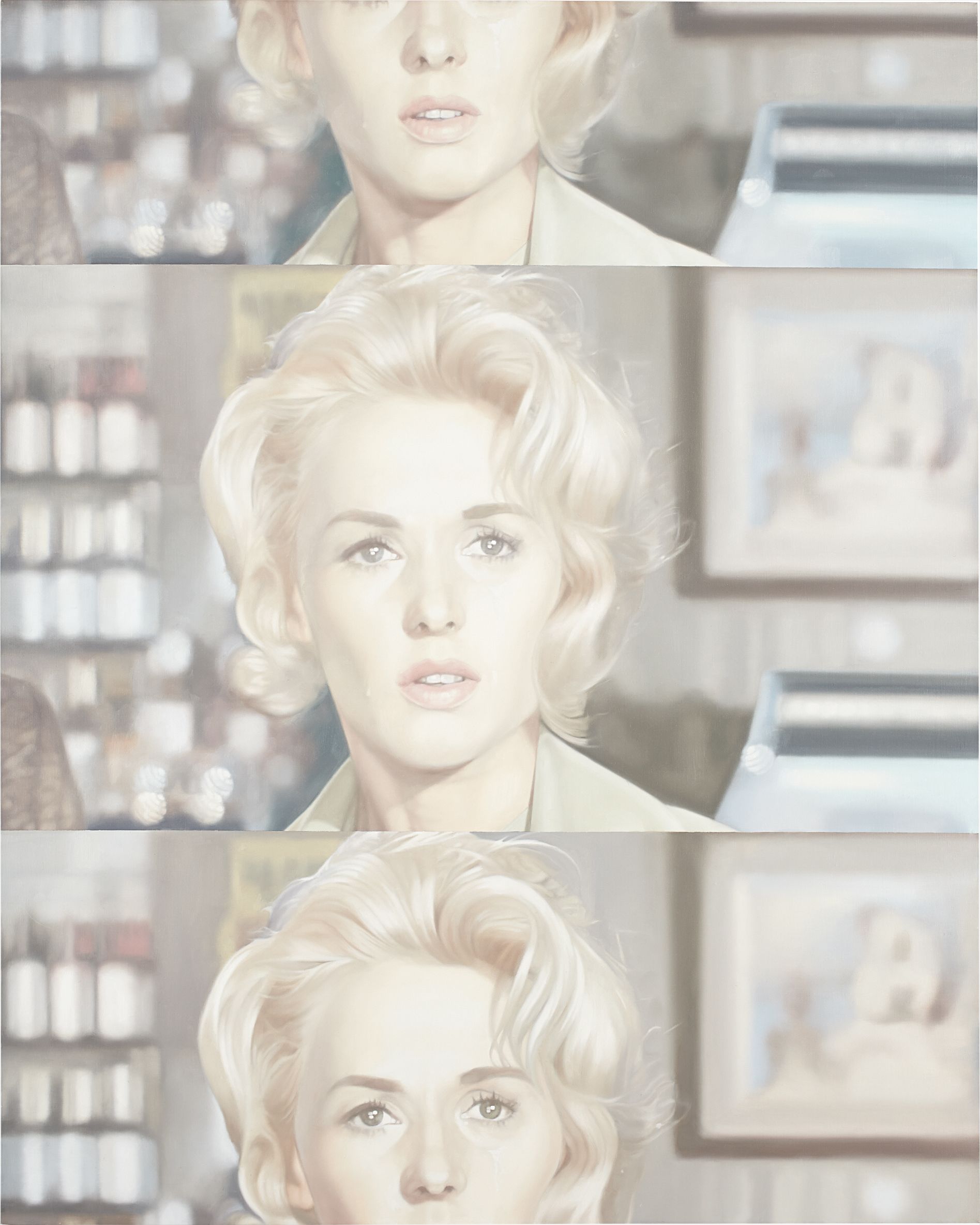
I Tumbled Out Of Paradise, 1967 (from the series Without You I Am Nothing)
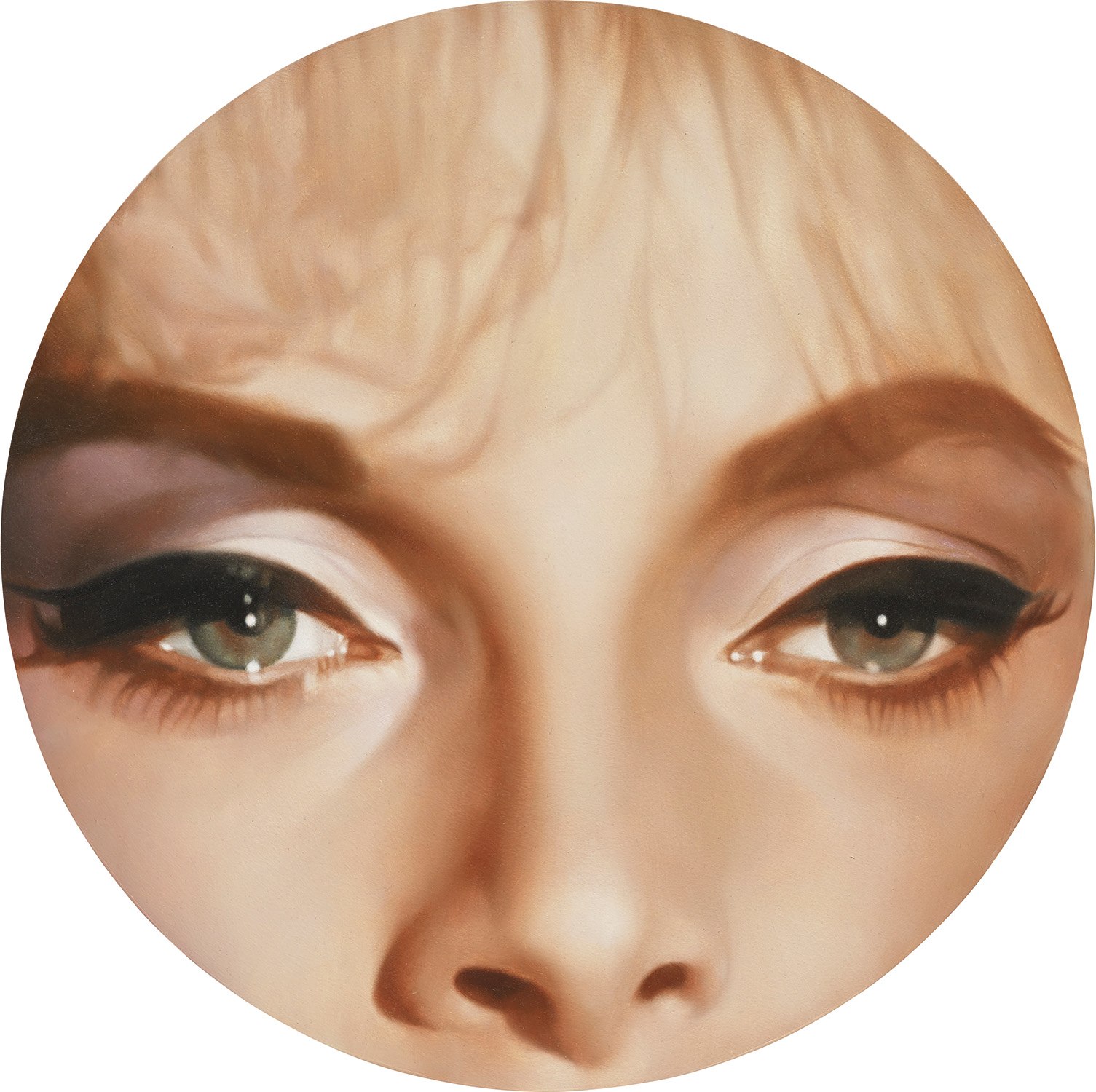
To encounter their work is to feel the ground shift slightly beneath you, to question what era you are standing in and why that question matters at all. Among the works that define their practice, the oil on linen paintings stand as particularly compelling documents of their sensibility. Works such as "I Tumbled Out Of Paradise" and "By The Look In My Eyes" demonstrate the duo's extraordinary technical fluency, their surfaces carrying the warmth and weight of nineteenth century academic painting while their subjects speak to desire, identity, and the ache of longing across time. "Fate is Written in the Face," painted in 2015 but dated 1967 within the work itself, exemplifies their long running conceptual game with chronology, insisting that a painting's emotional and aesthetic truth exists outside the calendar.
The series "Without You I Am Nothing" extends this into something deeply personal, a meditation on connection and loss filtered through a visual language borrowed from an era when such feelings were expressed with unguarded sentiment. The collecting community has responded to McDermott and McGough with consistent enthusiasm, drawn by the rarity of their commitment and the sheer beauty of the objects they produce. Their work occupies a singular position in the market: it cannot be easily categorized alongside the Pictures Generation artists who were their contemporaries, nor does it fit neatly into the revival of painting that dominated the 1980s art world. This resistance to categorization, which once made them difficult to place, now reads as a mark of genuine originality.
McDermott and McGough
Fate is Written in the Face, 1967, 2015
Collectors who have built relationships with their work tend to regard it with particular affection, understanding that each piece represents not just a skilled execution but an entire world view made physical. Works from the "Selected Images" series, with their letterpress labels and careful editorial annotations, reward close attention and speak to collectors who value the relationship between object and documentation. Within art history, McDermott and McGough invite comparison with artists who have used anachronism and historical pastiche as serious critical tools. Their engagement with Pictorialism in photography echoes the concerns of fin de siecle photographers who argued for the medium's status as fine art.
Their paintings recall the sensibility of the Aesthetic Movement, with its belief in beauty as an end in itself and its suspicion of industrial modernity. Yet their practice also sits in conversation with the Conceptual art tradition, since their dating strategies and their performed way of life are as much ideas as they are images. Artists such as Sigmar Polke, with his playful subversion of painting's conventions, or Gilbert and George, with their transformation of daily life into total artistic practice, offer useful points of comparison, though McDermott and McGough's particular brand of temporal displacement remains entirely their own. What makes McDermott and McGough genuinely important to the story of late twentieth and early twenty first century art is precisely their refusal to be of their time.
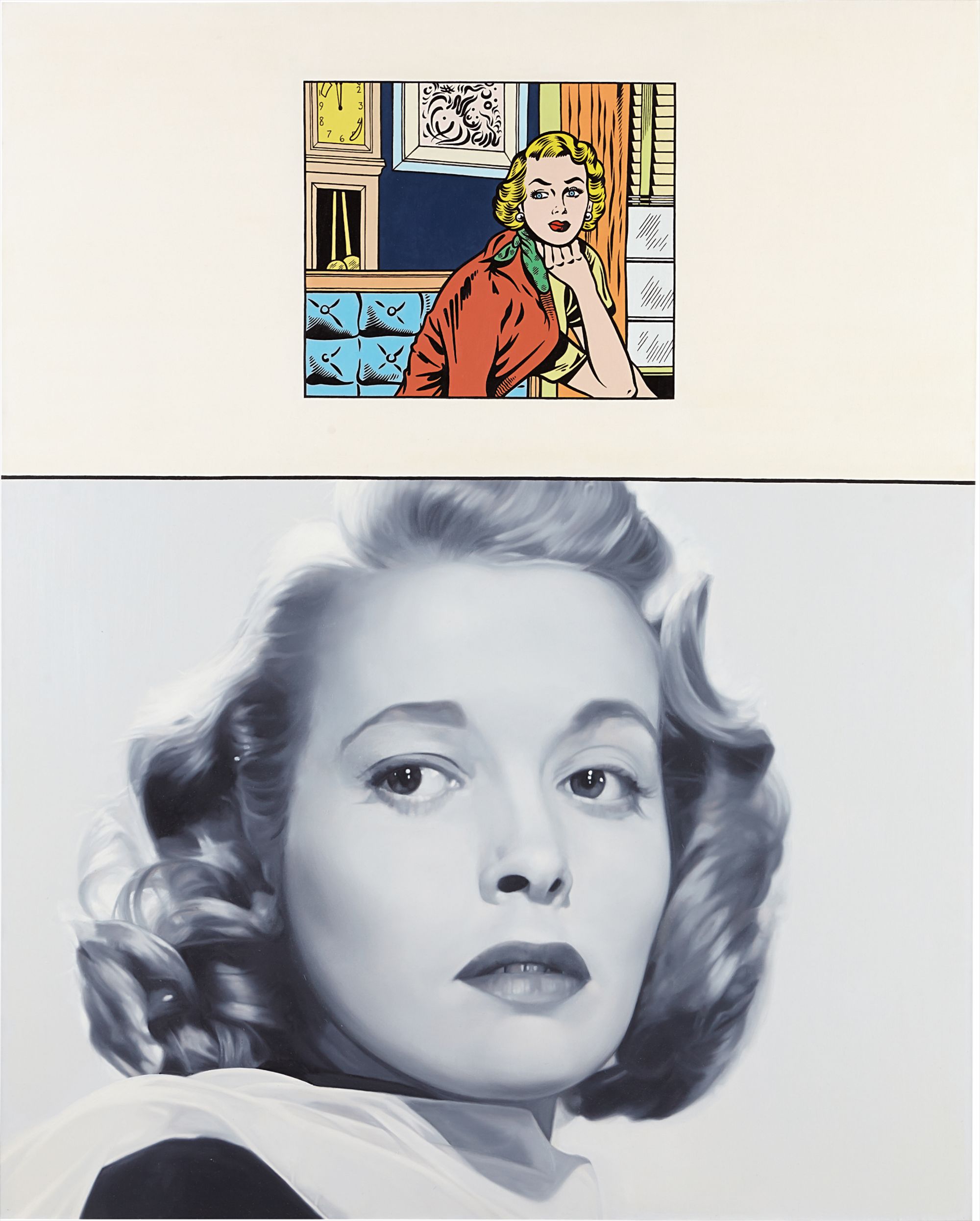
McDermott and McGough
By The Look In My Eyes
In an era that fetishized the new, they made a sustained, gorgeous argument for the old. In a culture increasingly mediated by screens and speed, they worked by hand, by candlelight, by processes that demanded patience and accumulated skill. Their legacy is not simply the body of work they have produced, remarkable as that is, but the example they set of total commitment: the idea that an artistic vision, pursued with enough love and enough nerve, can create its own reality. For collectors who encounter their paintings and photographs today, the experience remains what it has always been: a passage into a world that never quite existed, rendered with such conviction that you are grateful, for the duration of your visit, to believe in it completely.
Explore books about McDermott and McGough
McDermott & McGough: A History of Photography
Russell Ferguson
McDermott & McGough: Flowers of Evil and Good
McDermott & McGough
McDermott & McGough: Ten Years
Various
McDermott & McGough: 1975-1995
Peter Halley
McDermott & McGough: Photography and Beauty
Linda Weintraub