Mattia Preti
Light, Shadow, and Eternal Grandeur
Artist Spotlight · The Collection Editorial
In the gilded halls of the Museo del Prado and the sun bleached stone corridors of Valletta's ancient city gates, the name Mattia Preti commands a reverence that few Baroque painters outside the canonical triumvirate of Caravaggio, Rubens, and Velázquez have managed to sustain across centuries. Recent years have seen renewed scholarly and institutional attention paid to this remarkable Calabrian master, with major European collections reattributing works and mounting focused displays that place his canvases alongside the greatest names of the seventeenth century. The momentum is unmistakable, and for collectors and enthusiasts approaching his work for the first time, the timing could not be more rewarding. Mattia Preti was born in 1613 in Taverna, a small hilltop town in Calabria, the southernmost reach of the Italian peninsula.
Mattia Preti
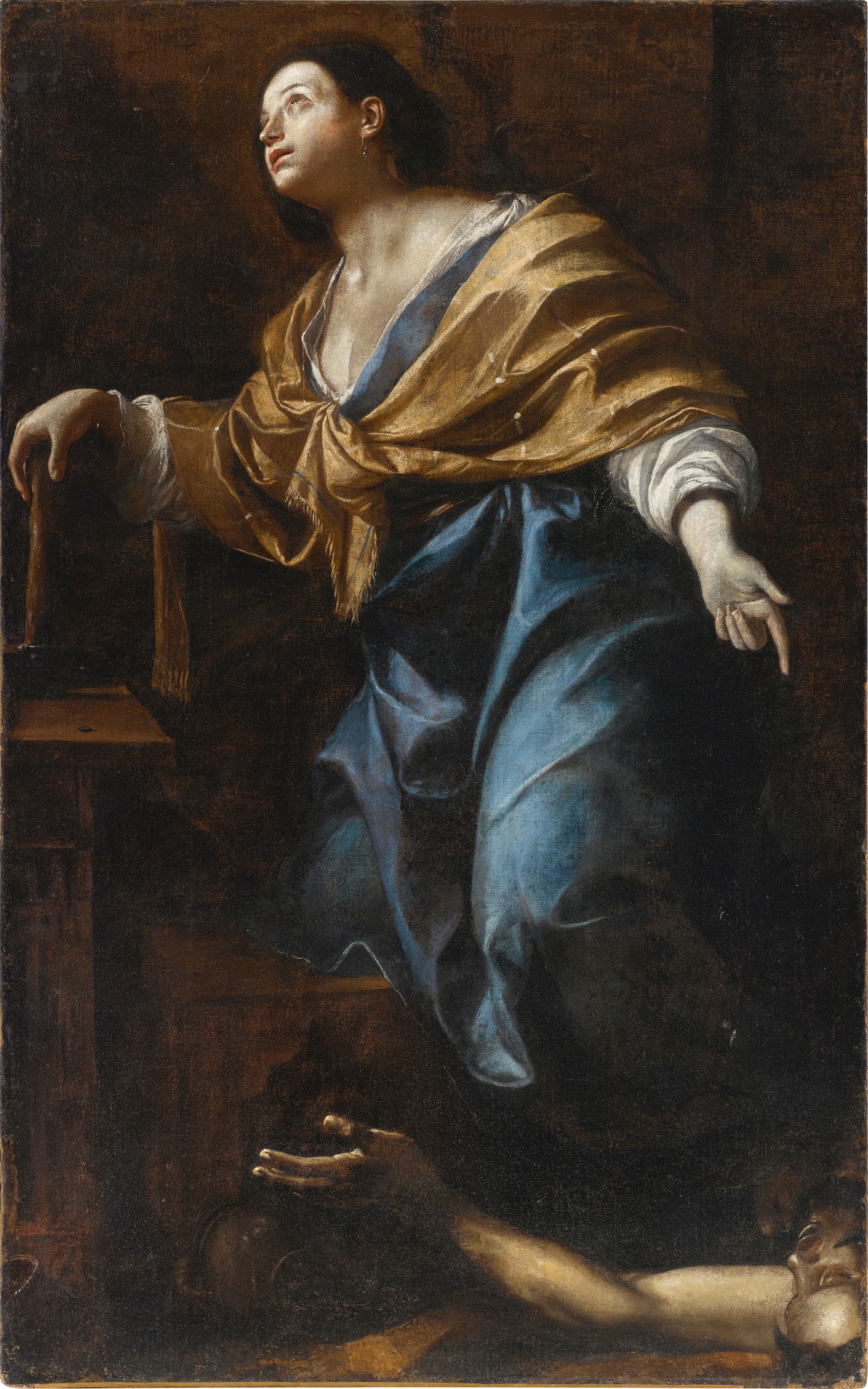
Jael and Sisara
The region was remote but not without cultural ambition, and the young Preti showed gifts that quickly outgrew his provincial surroundings. He made his way north to Rome as a young man, entering an artistic world electrified by the lingering shock of Caravaggio's revolutionary vision. Rome in the 1630s was a crucible of competing influences, and Preti absorbed them all with exceptional intelligence, studying not only the tenebrism of Caravaggio's followers but also the monumental compositional strategies of Giovanni Lanfranco and Guercino. The synthesis he developed would prove to be entirely his own.
His early career unfolded across the great artistic centers of Italy. Naples proved especially formative, a city already steeped in Caravaggesque tradition through the work of Jusepe de Ribera, and Preti arrived there in the 1650s to a reception that acknowledged his singular authority. He worked on large fresco cycles in Neapolitan churches, most notably his celebrated contributions to San Pietro a Maiella, demonstrating a command of architectural scale that separated him from painters confined to the intimacy of the easel. His ability to animate vast surfaces with figures caught in spiritual crisis or moments of divine revelation marked him as one of the supreme decorators of his age.
Mattia Preti
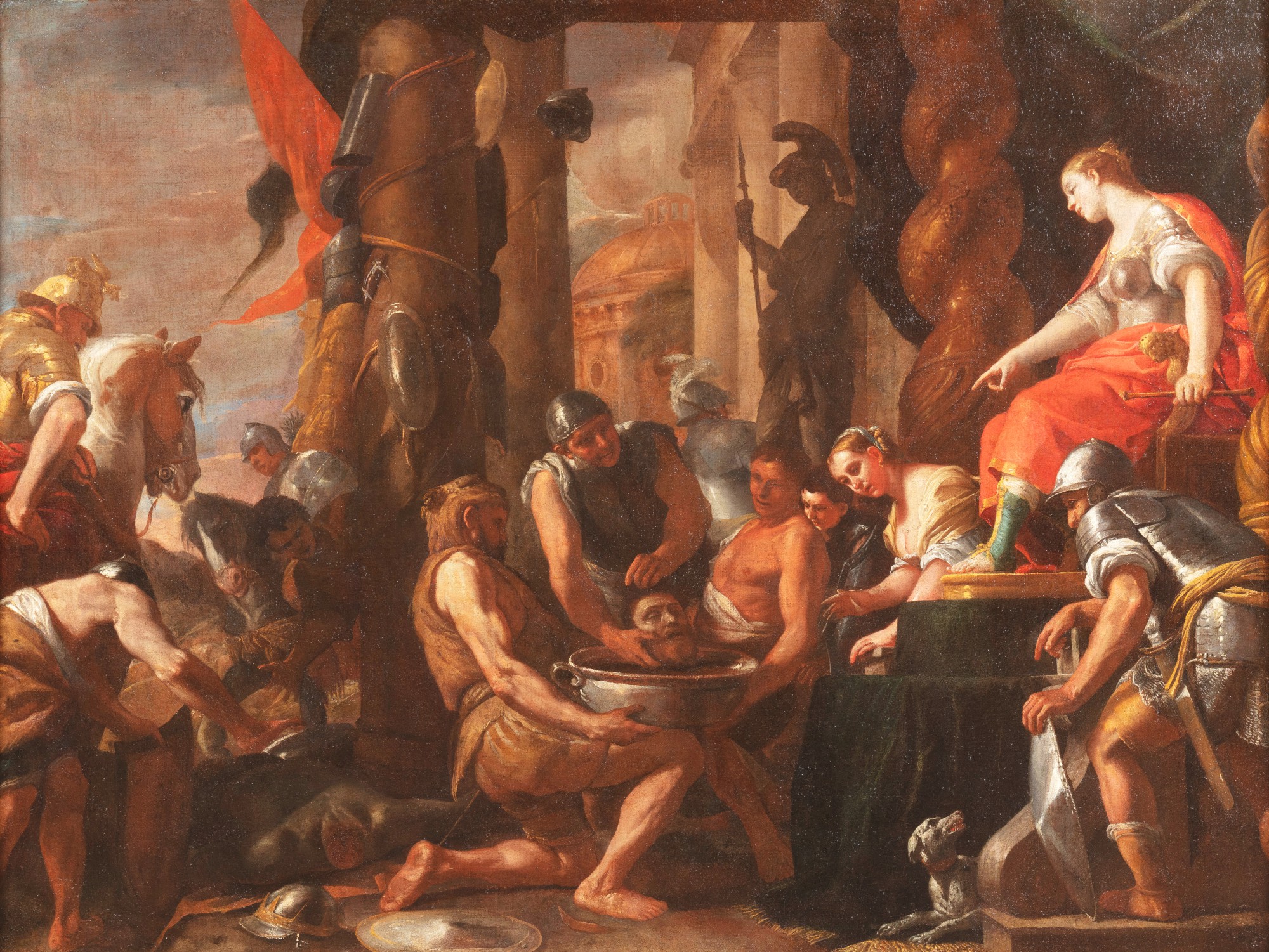
La reine Thomyris recevant la tête de Cyrus, roi de Perse
By the time he departed Naples he had earned the nickname il Cavalier Calabrese, the Calabrian Knight, a title that carried genuine weight in the competitive culture of Italian Baroque patronage. In 1661 Preti made the journey that would define the remainder of his long life. He settled in Malta, where he was received into the Order of Saint John as a Knight of Grace, a distinction that conferred both social standing and an extraordinary platform for his talents. The Grand Masters of the Order proved to be among the most enlightened patrons of the age, and Preti responded with work of sustained magnificence.
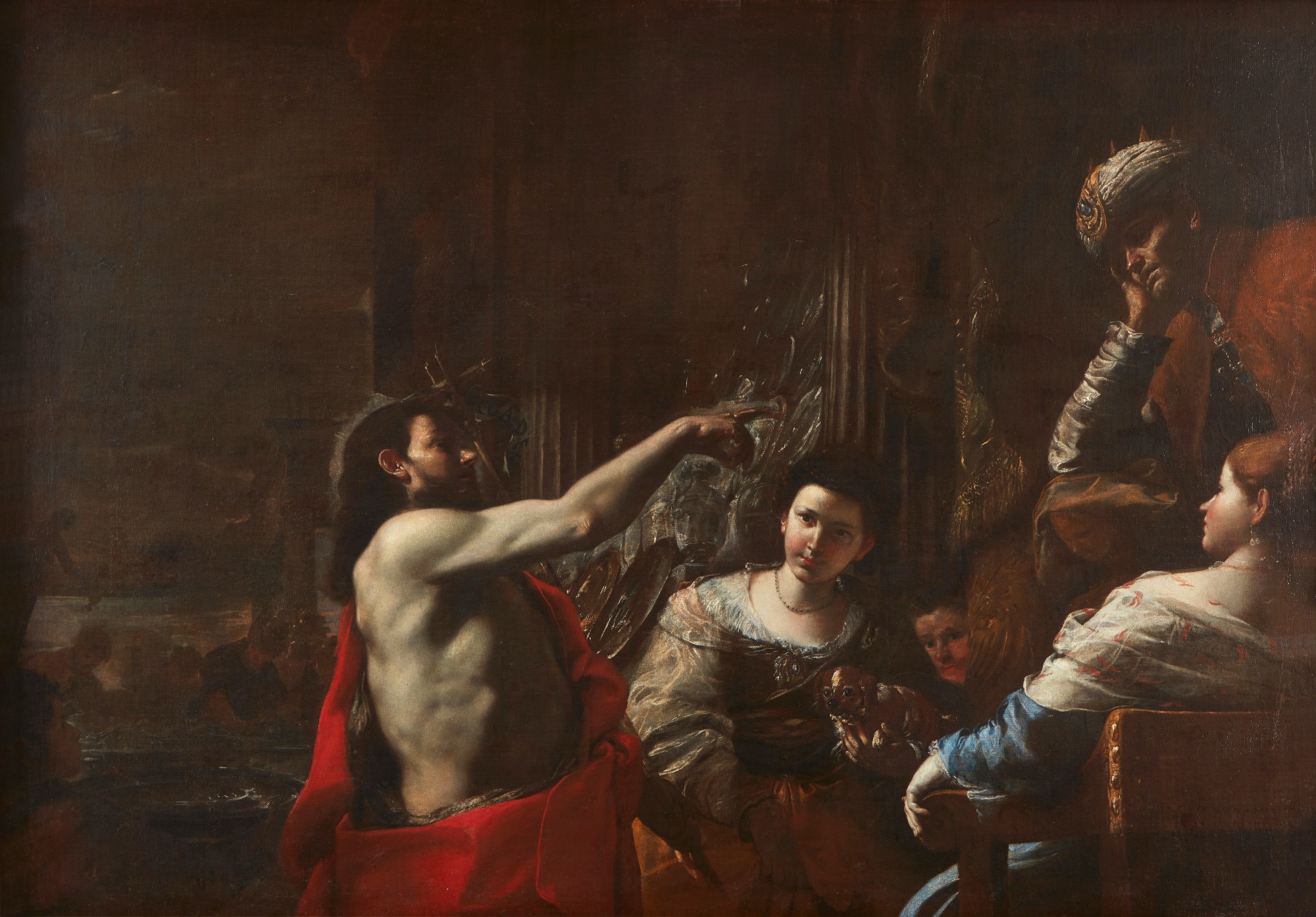
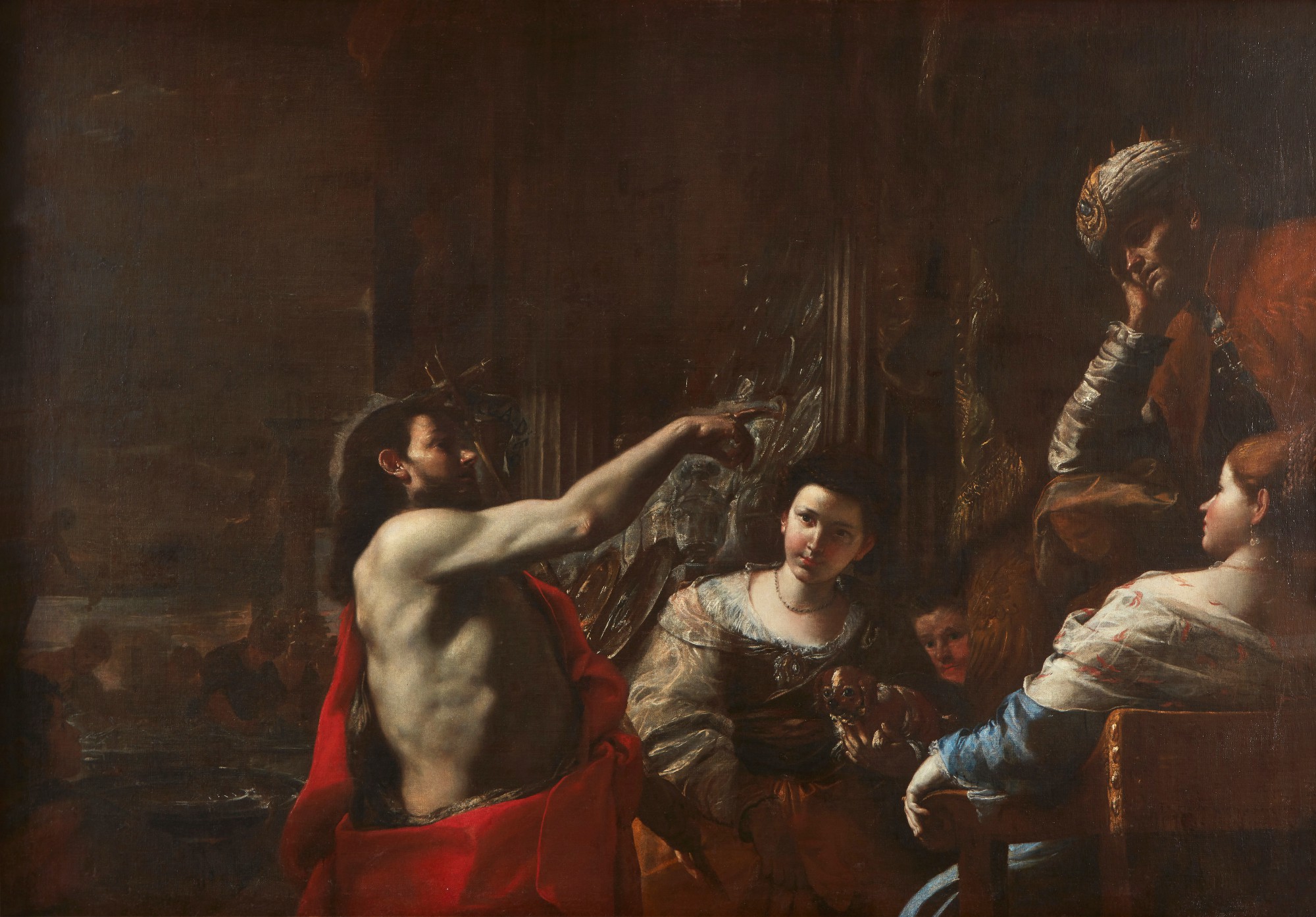
His frescoes on the vaulted ceiling of Saint John's Co Cathedral in Valletta remain among the most breathtaking decorative achievements of the entire Baroque period, a swirling panorama of episodes from the life of Saint John the Baptist rendered with the full force of his mature command of light, drapery, and human emotion. He would remain in Malta until his death in 1699 at the remarkable age of eighty six, a life as long and productive as any in the history of European painting. The works available through The Collection offer a compelling window into the range and power of Preti's mature practice. Saint John the Baptist Admonishing Herod places the viewer inside one of the great confrontations of the biblical narrative, Preti using his characteristic concentrated light to isolate the prophet's gesture of accusation against the moral darkness of the court.
Mattia Preti
Saint John the Baptist Admonishing Herod
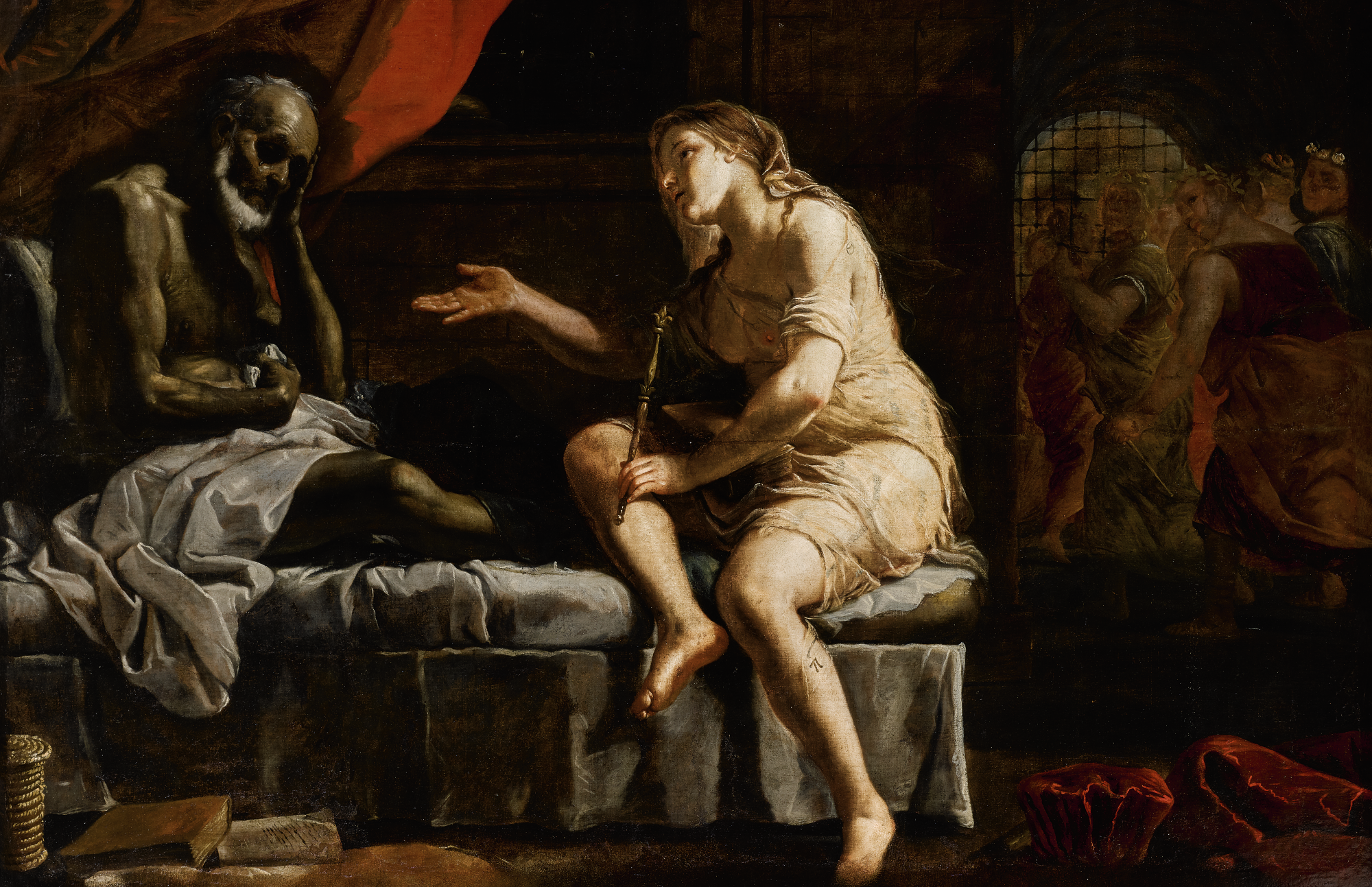
Jael and Sisara is a tour de force of dramatic tension, the composition drawn tight around the moment of decisive action with a psychological intensity that Preti understood better than almost any of his contemporaries. La reine Thomyris recevant la tête de Cyrus, roi de Perse reaches into classical antiquity for a subject that allowed him to explore the intersection of power, vengeance, and grief with genuine complexity. Boethius and Philosophy brings a more introspective register to his range, pairing the condemned philosopher with the allegorical figure of Wisdom in a composition that rewards sustained contemplation. Each work is painted in oil on canvas with the confident authority of a master at the height of his abilities.
For collectors, Preti occupies a position of considerable interest at the intersection of historical significance and market accessibility. Old Master paintings of his quality and period have seen sustained international demand, particularly among collectors who recognize the comparative value offered by artists of the second Baroque generation relative to the prices commanded by Caravaggio or Artemisia Gentileschi. Auction houses including Christie's and Sotheby's have handled important examples of his work over the past two decades, with strong results reflecting growing institutional recognition. What to look for in a Preti is first and foremost the light: the way it enters the picture plane from a single concentrated source and falls across flesh and fabric with an almost physical weight.
Mattia Preti
Boethius And Philosophy
The drawing beneath the paint, visible in X ray studies of his major canvases, reveals a draughtsman of considerable precision, and works that display his full command of foreshortening and anatomical structure represent the best of what this tradition produced. To understand Preti fully is to understand the entire ecosystem of seventeenth century Italian and Spanish painting. His closest artistic relations include Luca Giordano, whose own Neapolitan formation produced a similar facility with large scale narrative, and Giovanni Battista Langetti, whose Venetian tenebrism shares Preti's appetite for dramatic shadow. The Spanish connection runs through Ribera, whose influence on the Neapolitan school gave Preti some of his most important early lessons in the expressive power of suffering rendered with unflinching directness.
Looking north, the influence of Guercino's warm, golden light is also present in Preti's palette, particularly in the more lyrical passages of his religious compositions. The question of legacy is one that Preti answers with unusual authority for a painter so long underappreciated outside specialist circles. His Malta frescoes alone would secure his place in any serious account of European Baroque painting, but the breadth of his easel production across eight decades of continuous work tells an equally compelling story. He was an artist who combined intellectual ambition with extraordinary technical facility, who could move between the intimate drama of a single figure study and the vast ambition of a cathedral ceiling without loss of conviction or energy.
As collecting culture continues to rediscover the richness of the seventeenth century beyond its most famous names, Preti stands ready to claim the recognition that the quality of his work has always deserved.
Featured Works
Explore books about Mattia Preti
Mattia Preti
Mina Gregori
Mattia Preti: 1613-1699
Keith Christiansen
The Paintings of Mattia Preti
Gianni Papi
Mattia Preti tra Napoli e Malta
Various Contributors
Mattia Preti and the Problem of Caravaggism
Benedict Nicolson