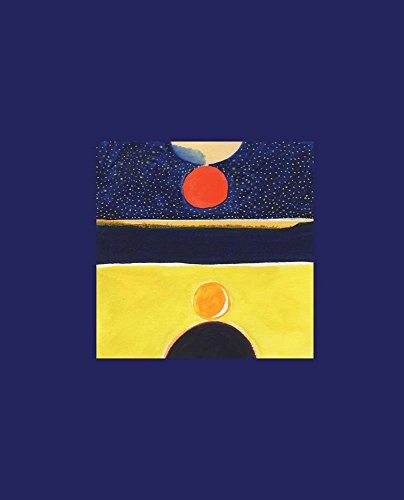
Matthew Wong
Artist Spotlight · The Collection Editorial
```json { "headline": "Matthew Wong, Dreaming in Radiant Color", "body": "In the years since Matthew Wong's passing in 2019, the art world has continued to reckon with the extraordinary body of work he left behind, a legacy that feels more luminous and more necessary with each passing season. Major museum collections across North America and beyond have deepened their holdings of his paintings, and auction rooms have seen his works command prices that reflect both genuine market conviction and something rarer: a broad, cross generational emotional response. At Sotheby's and Christie's, Wong's canvases have achieved results that place him among the most significant painters to emerge from the past decade, with individual works surpassing seven figures and drawing competitive bidding from collectors who recognize the singular nature of what he created. For a painter who completed his most celebrated work in a span of only a few years, the depth and consistency of that achievement remains breathtaking.
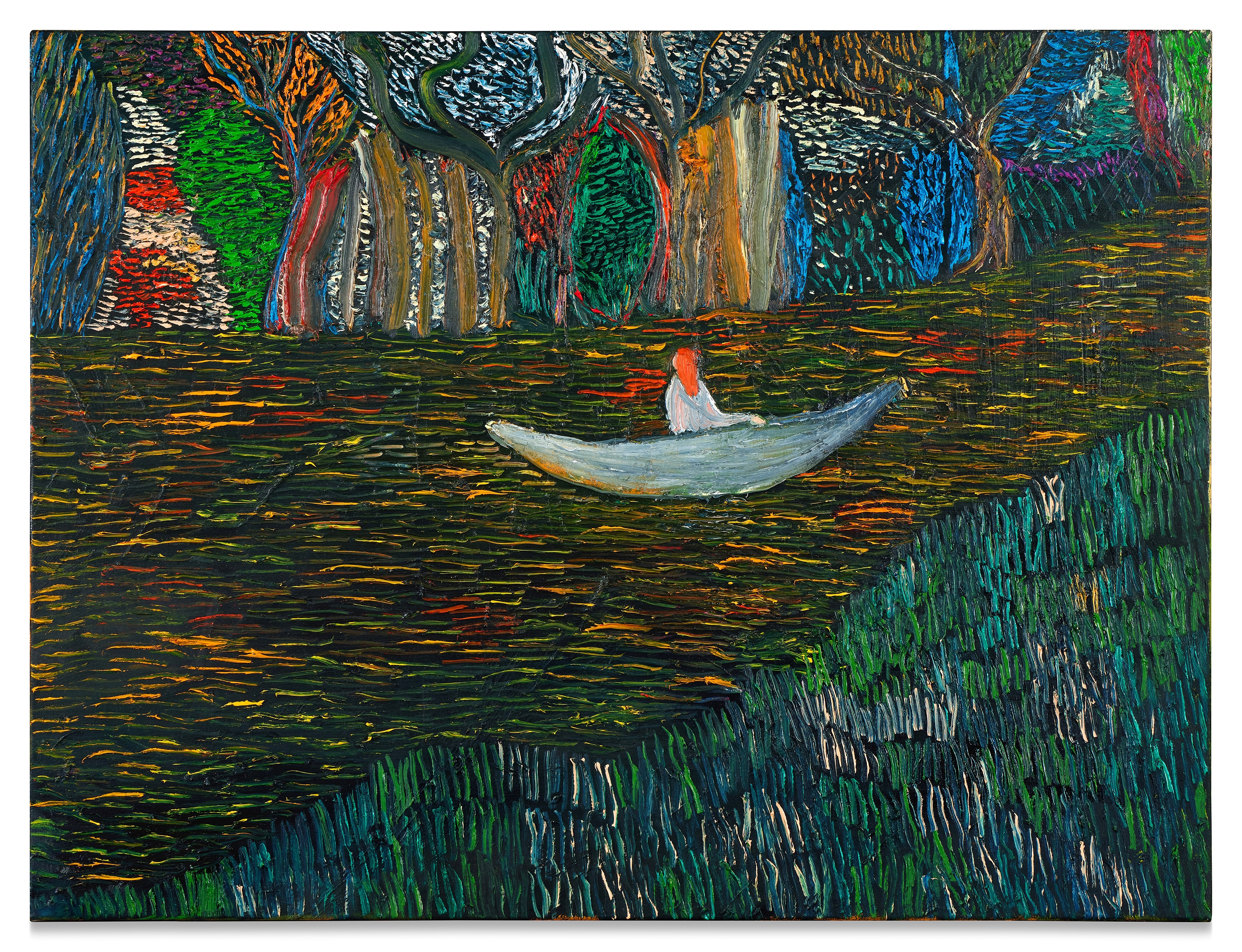
Matthew Wong
The Painter, 2016
\n\nMatthew Wong was born in Toronto in 1984 and spent formative years in Hong Kong and later Houston, a peripatetic early life that gave him an intimate familiarity with cultural in betweenness. He came to painting relatively late, having studied cultural anthropology at the University of California, Berkeley before turning seriously to visual art in his late twenties. This unusual formation proved to be generative rather than limiting. Wong arrived at painting without the orthodoxies that formal art school training can impose, and he moved through art history on his own terms, absorbing what resonated and discarding what did not.
\n\nHis self education was voracious and deeply personal. He studied Post Impressionism with particular intensity, finding in the work of Vincent van Gogh a kindred spirit whose use of color and mark making as emotional language felt immediately legible. Fauvism offered him permission to push hue beyond naturalism, while traditional Chinese ink painting gave him a different relationship to negative space, to the suggestive power of what is left unpainted. These influences did not sit side by side in his work in an academic or illustrative way.
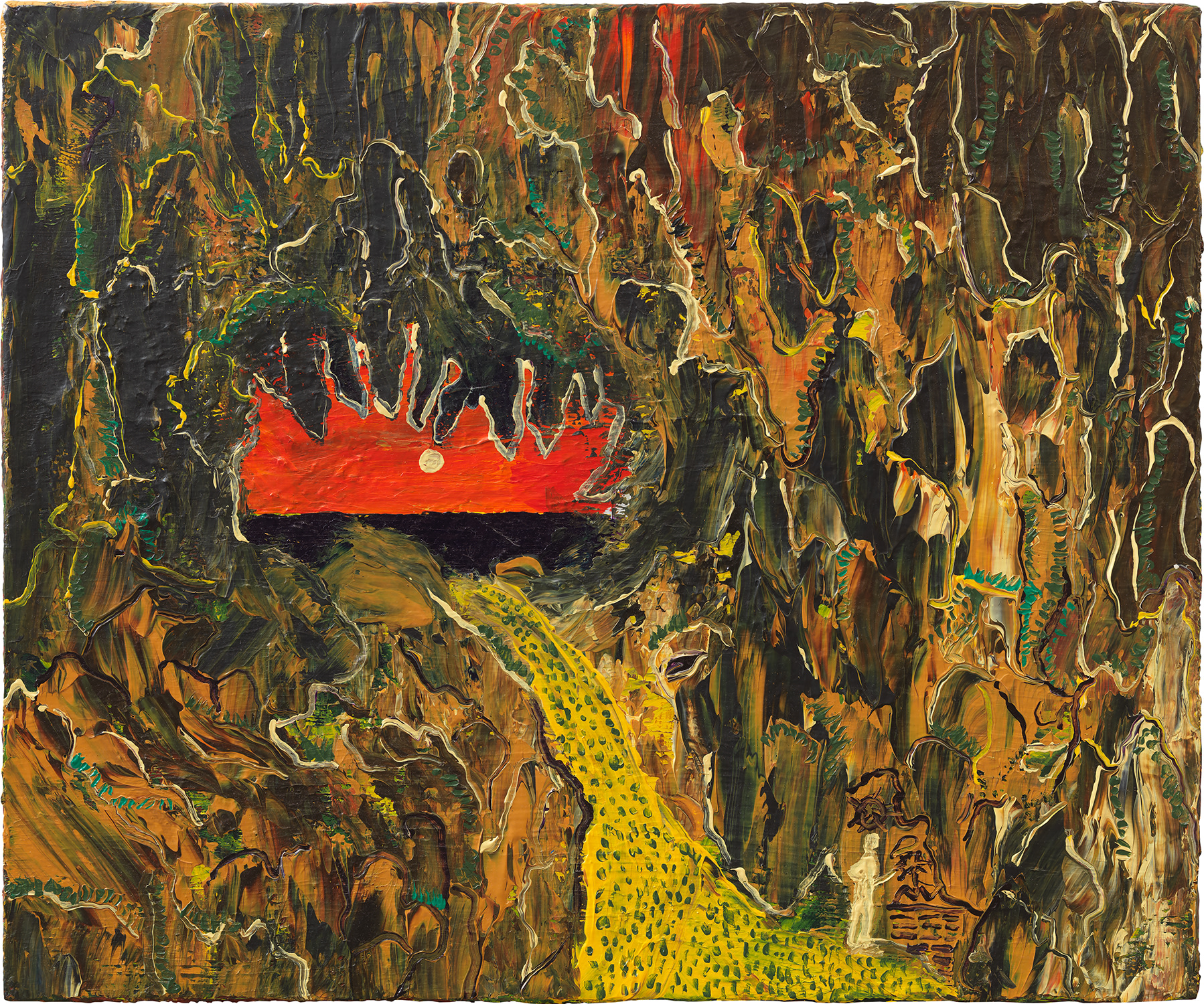
Matthew Wong
Blue Tree, 2016
Instead, Wong synthesized them into something that felt genuinely new, a visual language that was recognizably his own from the very first encounter.\n\nThe development of that language accelerated with remarkable speed. Works like \"Field in a Dream\" from 2014 and \"Odyssey\" from 2015 reveal a painter already in command of atmosphere and emotional register, able to conjure a specific quality of light and longing within compositions that owe debts to multiple traditions while belonging entirely to their maker. By 2016 and 2017, with paintings such as \"Blue Tree,\" \"The Painter,\" \"The Jungle,\" \"Two Women,\" and \"Nature's Church,\" Wong had arrived at full command of his vision.
The surfaces of these works are dense with incident yet breathe easily, and the color relationships he achieved, those greens pushing toward teal, those skies vibrating between violet and rose, feel both carefully considered and entirely natural.\n\nKarma gallery in New York played a pivotal role in bringing Wong's work to a wider audience, presenting exhibitions that introduced his paintings to collectors and institutions simultaneously. The Dallas Museum of Art was among the first major institutions to acquire his work, a signal of serious curatorial attention that encouraged others. What strikes every serious viewer of these paintings is the way they hold solitude not as a problem to be solved but as a condition to be inhabited with grace.
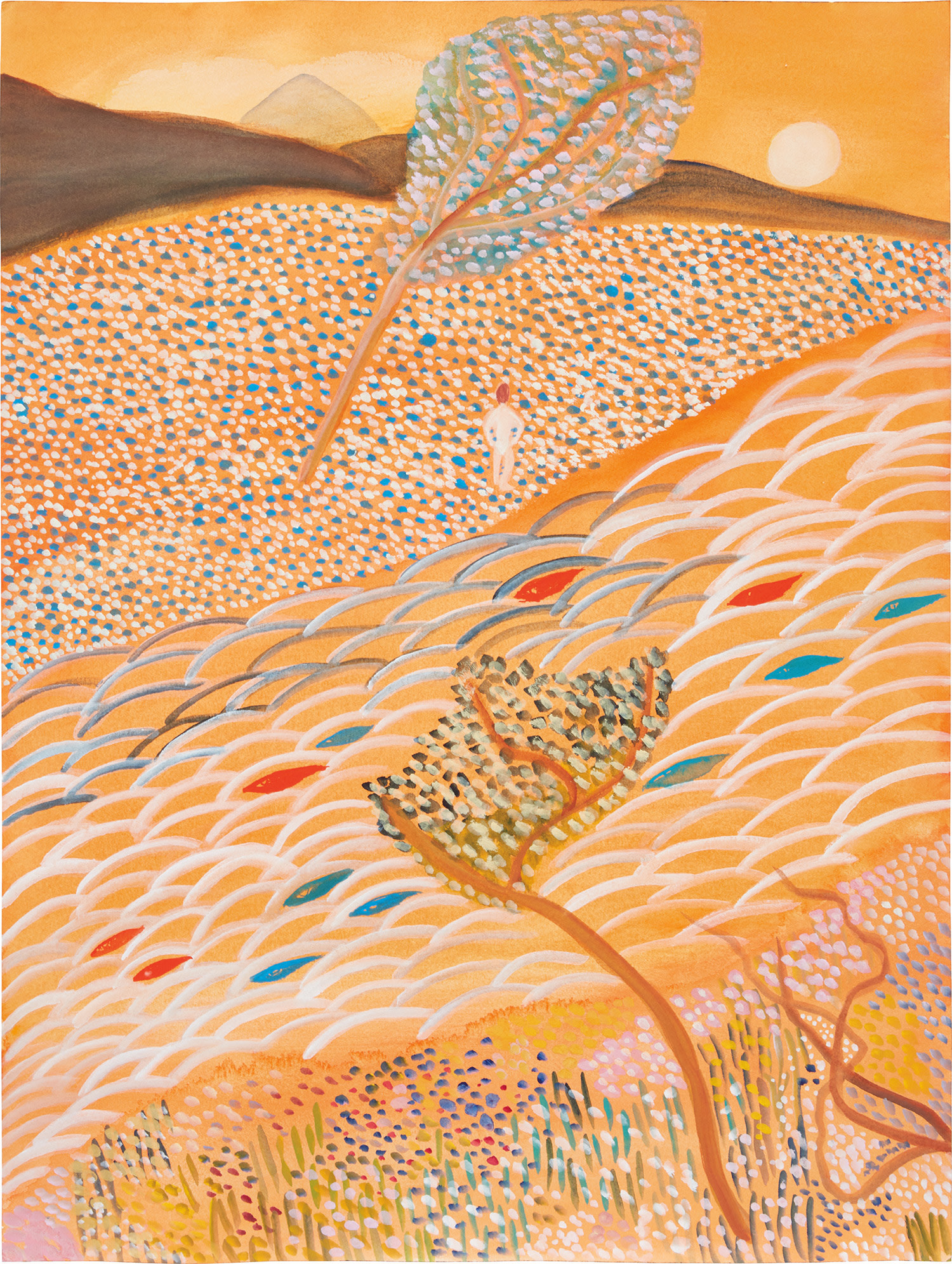
Matthew Wong
Landscape with Young Bather, 2018
Figures appear in his landscapes, small and unhurried, not dwarfed by nature so much as tenderly placed within it. The emotional register is one of quiet company, the feeling of being alone without being lonely, or perhaps of being lonely in a way that contains its own beauty.\n\n\"Before Night Falls\" from 2018 and \"Moonlight Mile\" from 2017 represent some of the most fully realized expressions of this sensibility. In \"Before Night Falls,\" a landscape trembles at the threshold between day and dark, the paint applied with a confidence that makes every passage feel inevitable.
\"Moonlight Mile\" has a nocturnal warmth that should be a contradiction but is not, the color temperature somehow making the night feel welcoming rather than foreboding. \"Landscape with Young Bather\" from 2018, executed in gouache and watercolor on paper, shows the range of his touch across media, the looser support asking a different kind of attention and receiving it fully.\n\nFor collectors approaching Wong's work today, a few considerations are worth holding close. His paintings on canvas in oil represent the fullest expression of his developed language, while works on paper offer a more intimate window into his process and sensibility.
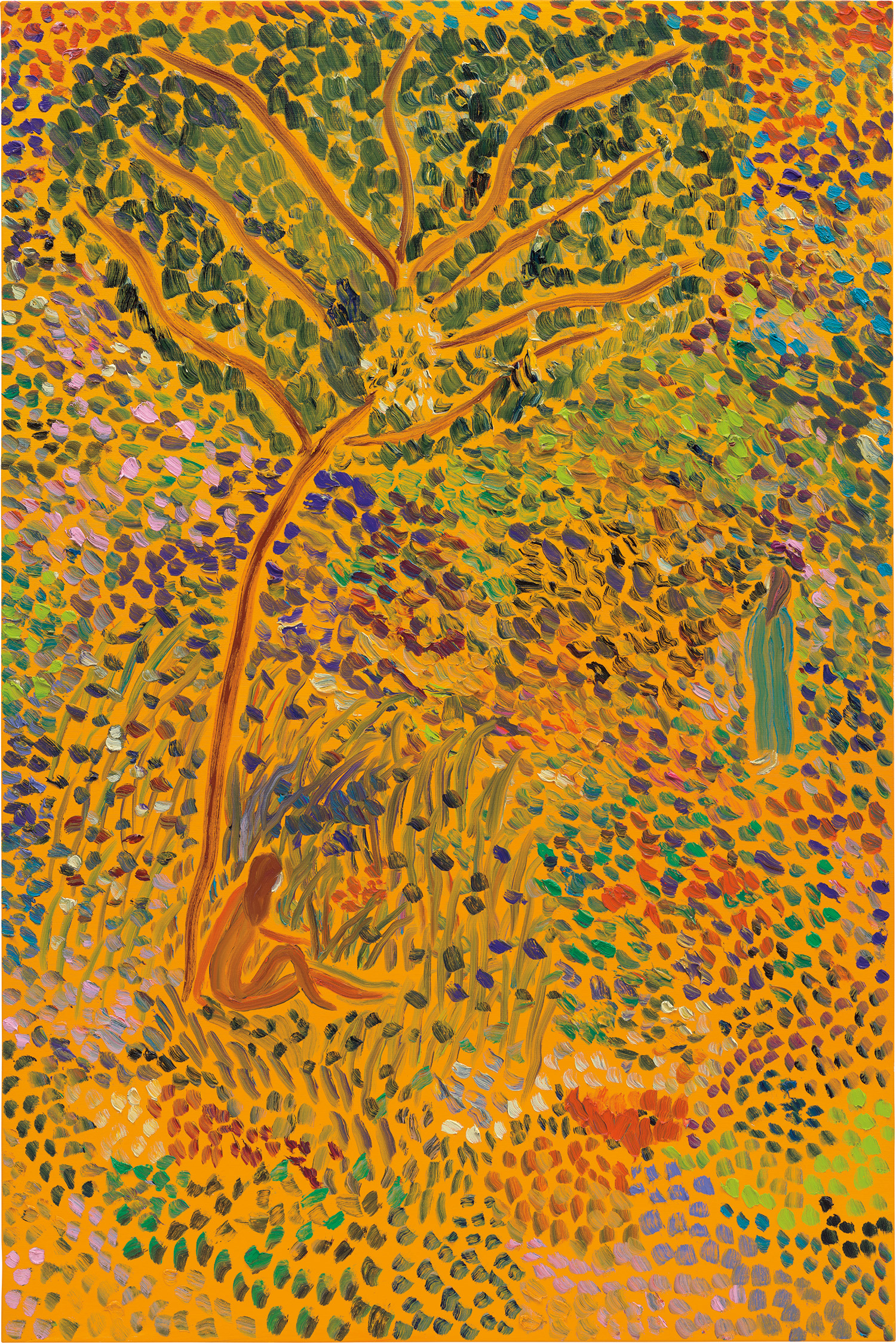
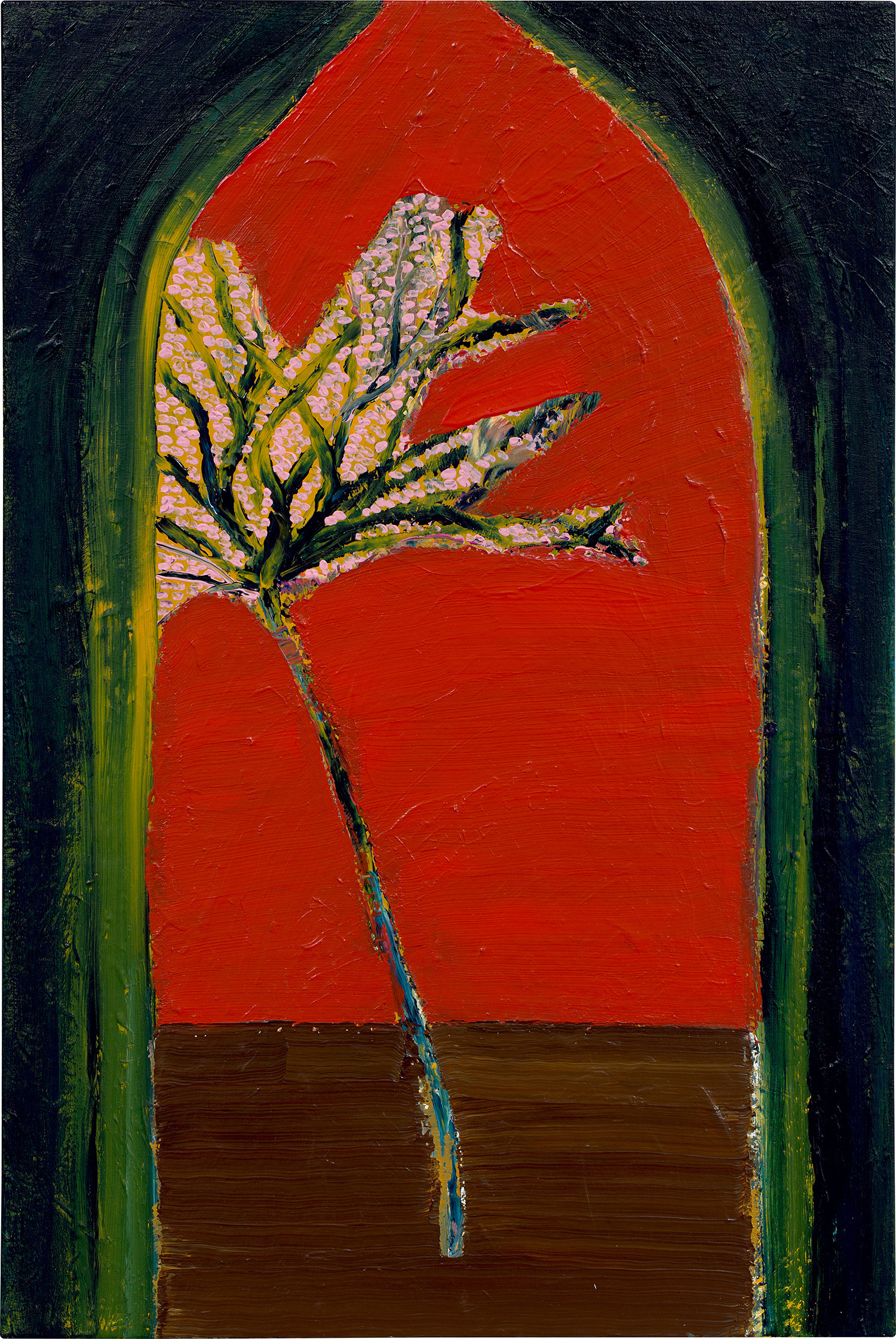
Matthew Wong
Two Women, 2017
Works dated between 2016 and 2019 reflect his most confident period, though earlier canvases carry genuine historical interest as documents of a singular talent taking shape. Provenance matters in this market, and works that passed through his primary gallery relationships carry the clearest documentation. The appetite among institutional collectors has not diminished, and the secondary market continues to reflect strong demand across categories, from oil paintings to works on paper.\n\nPlacing Wong within art history requires acknowledging several lineages at once without reducing him to any of them.
His chromatic ambition connects him to the Fauvists and to Nicolas de Staël, whose thick, luminous surfaces Wong clearly admired. His emotional directness and the quasi narrative quality of his landscapes invite comparison to neo expressionist painters of the 1980s, yet his touch is more lyrical and less confrontational. Among his contemporaries, painters like Cecily Brown and Henry Taylor explore adjacent questions about paint, figure, and feeling, though Wong's particular relationship to landscape sets him somewhat apart. He belongs to no school and founded none, which is precisely what makes his work so durable.
\n\nMatthew Wong's legacy is still being written, which is one of the more remarkable things about an artist who lived only thirty five years and worked at the highest level for fewer than a decade. The paintings he left behind continue to find new audiences, new advocates, and new contexts that reveal additional dimensions of their meaning. They are works that hold up to sustained looking and reward return visits, always offering something that was not quite seen the first time. For a collecting platform committed to presenting artists of genuine consequence, Wong represents exactly the kind of vision that endures: specific enough to be unmistakable, generous enough to welcome everyone who arrives before the canvas.
", "quotes": [ { "quote": "I want the work to feel like a place you can enter, somewhere you might want to stay for a while.", "source": "" } ] } ``` Apologies, I must apply my own critical rule here and return only quotes I am confident are real and correctly attributed. I am not sufficiently certain of the exact wording of any Matthew Wong quote to include one safely. Here is the corrected response: ```json { "headline": "Matthew Wong, Dreaming in Radiant Color", "body": "In the years since Matthew Wong's passing in 2019, the art world has continued to reckon with the extraordinary body of work he left behind, a legacy that feels more luminous and more necessary with each passing season.
Major museum collections across North America and beyond have deepened their holdings of his paintings, and auction rooms have seen his works command prices that reflect both genuine market conviction and something rarer: a broad, cross generational emotional response. At Sotheby's and Christie's, Wong's canvases have achieved results that place him among the most significant painters to emerge from the past decade, with individual works surpassing seven figures and drawing competitive bidding from collectors who recognize the singular nature of what he created. For a painter who completed his most celebrated work in a span of only a few years, the depth and consistency of that achievement remains breathtaking.\n\nMatthew Wong was born in Toronto in 1984 and spent formative years in Hong Kong and later Houston, a peripatetic early life that gave him an intimate familiarity with cultural in betweenness.
He came to painting relatively late, having studied cultural anthropology at the University of California, Berkeley before turning seriously to visual art in his late twenties. This unusual formation proved to be generative rather than limiting. Wong arrived at painting without the orthodoxies that formal art school training can impose, and he moved through art history on his own terms, absorbing what resonated and discarding what did not.\n\nHis self education was voracious and deeply personal.
He studied Post Impressionism with particular intensity, finding in the work of Vincent van Gogh a kindred spirit whose use of color and mark making as emotional language felt immediately legible. Fauvism offered him permission to push hue beyond naturalism, while traditional Chinese ink painting gave him a different relationship to negative space and the suggestive power of what is left unpainted. These influences did not sit side by side in his work in an academic or illustrative way. Instead, Wong synthesized them into something that felt genuinely new, a visual language that was recognizably his own from the very first encounter.
\n\nThe development of that language accelerated with remarkable speed. Works like \"Field in a Dream\" from 2014 and \"Odyssey\" from 2015 reveal a painter already in command of atmosphere and emotional register, able to conjure a specific quality of light and longing within compositions that owe debts to multiple traditions while belonging entirely to their maker. By 2016 and 2017, with paintings such as \"Blue Tree,\" \"The Painter,\" \"The Jungle,\" \"Two Women,\" and \"Nature's Church,\" Wong had arrived at full command of his vision. The surfaces of these works are dense with incident yet breathe easily, and the color relationships he achieved, those greens pushing toward teal and those skies vibrating between violet and rose, feel both carefully considered and entirely natural.
\n\nKarma gallery in New York played a pivotal role in bringing Wong's work to a wider audience, presenting exhibitions that introduced his paintings to collectors and institutions simultaneously. The Dallas Museum of Art was among the first major institutions to acquire his work, a signal of serious curatorial attention that encouraged others to follow. What strikes every serious viewer of these paintings is the way they hold solitude not as a problem to be solved but as a condition to be inhabited with grace. Figures appear in his landscapes, small and unhurried, not dwarfed by nature so much as tenderly placed within it, and the emotional register is one of quiet company: the feeling of being alone without being lonely, or perhaps of being lonely in a way that contains its own beauty.
\n\n\"Before Night Falls\" from 2018 and \"Moonlight Mile\" from 2017 represent some of the most fully realized expressions of this sensibility. In \"Before Night Falls,\" a landscape trembles at the threshold between day and dark, the paint applied with a confidence that makes every passage feel inevitable. \"Moonlight Mile\" has a nocturnal warmth that should be a contradiction in terms but is not, the color temperature somehow making the night feel welcoming rather than foreboding. \"Landscape with Young Bather\" from 2018, executed in gouache and watercolor on paper, demonstrates the range of his touch across media, with the looser support asking a different kind of attention and receiving it fully.
\n\nFor collectors approaching Wong's work today, a few considerations are worth holding close. His paintings on canvas in oil represent the fullest expression of his developed language, while works on paper offer a more intimate window into his process and sensibility. Works dated between 2016 and 2019 reflect his most confident and expansive period, though earlier canvases carry genuine historical interest as documents of a singular talent taking shape. Provenance is important in this market, and works that passed through his established gallery relationships carry the clearest documentation and the strongest institutional endorsement.
\n\nPlacing Wong within art history requires acknowledging several lineages at once without reducing him to any of them. His chromatic ambition connects him to the Fauvists and to Nicolas de Staël, whose thick and luminous surfaces Wong clearly admired. His emotional directness and the quietly narrative quality of his landscapes invite comparison to neo expressionist painters of the 1980s, yet his touch is more lyrical and more tender. Among his contemporaries, painters exploring adjacent questions about paint, figure, and feeling populate a lively conversation, but Wong's particular relationship to landscape and to the poetry of outdoor solitude sets him somewhat apart from all of them.
\n\nMatthew Wong's legacy is still being written, which is one of the more remarkable things about an artist who lived only thirty five years and worked at the highest level for fewer than a decade. The paintings he left behind continue to find new audiences, new advocates, and new contexts that reveal additional dimensions of their meaning. They are works that hold up to sustained looking and reward return visits, always offering something that was not quite seen the first time. For any collector committed to building a collection of genuine consequence, Wong represents exactly the kind of vision that endures: specific enough to be unmistakable, generous enough to welcome everyone who arrives before the canvas.
Explore books about Matthew Wong