Matthew Chambers
Matthew Chambers: Form, Wonder, and Beautiful Precision
Artist Spotlight · The Collection Editorial
There is a moment, standing before a Matthew Chambers sculpture, when the mind quietly refuses to accept what the hands have made. The ceramic forms before you, interlocking spheres nested and balanced with the confidence of a mathematical theorem, look as though they were generated by algorithm or conjured by some ancient cosmological logic. That they were shaped by a single pair of human hands, turning and refining clay with painstaking deliberation, is part of what makes Chambers one of the most quietly radical figures working in British ceramics today. His reputation has grown steadily through a committed gallery relationship with the prestigious Flow Gallery in London, where his work has drawn serious attention from collectors, curators, and design institutions alike, cementing his place at the intersection of contemporary craft and fine art.
Matthew Chambers
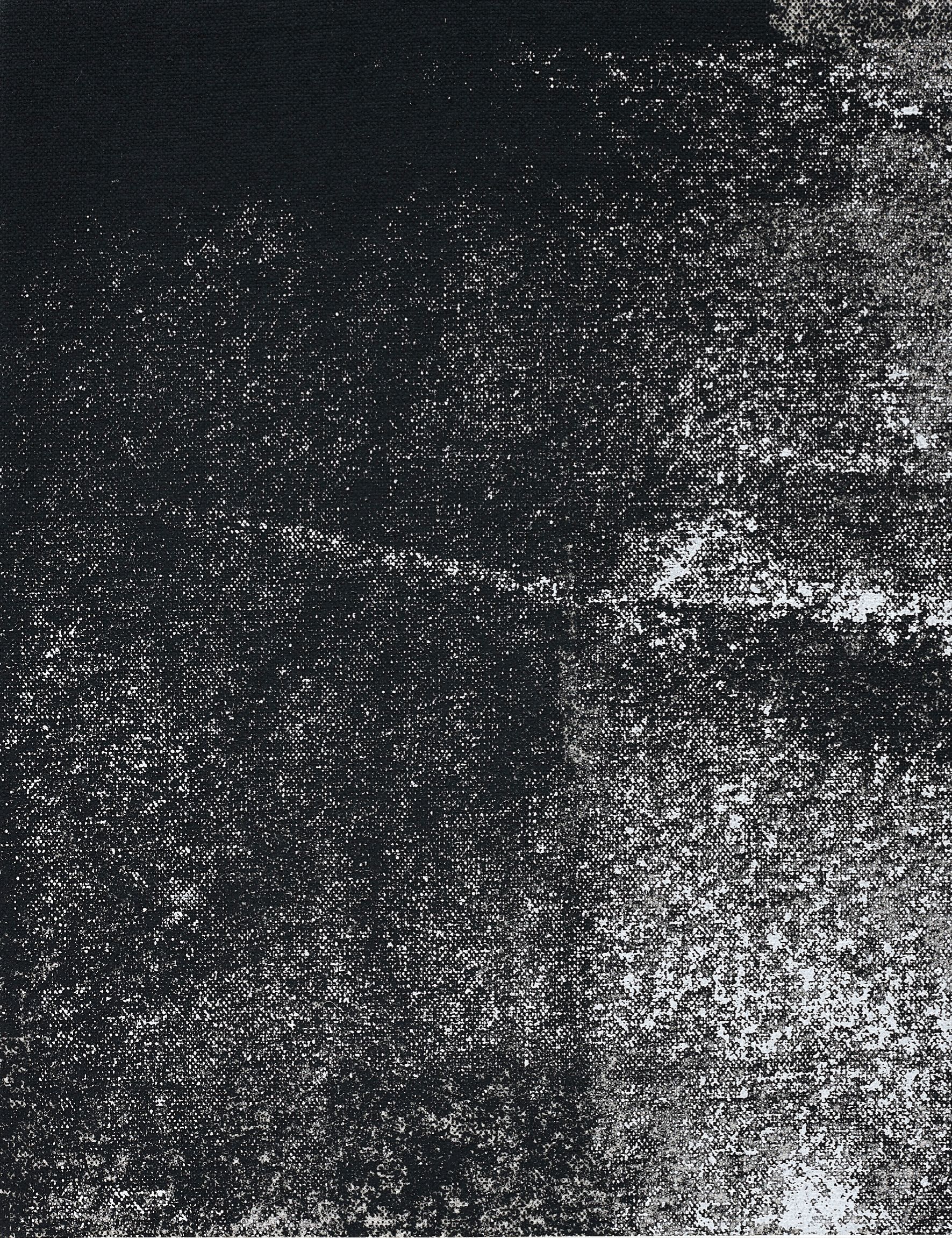
That It Is Possible For Intelligence To Move
Chambers was born in 1974 and grew up in Britain during a period when ceramics as a discipline sat in an awkward position between art and craft, often celebrated in one breath and dismissed in the next. That tension, between the functional and the purely contemplative, between the handmade and the conceptually rigorous, would become the very ground on which his practice is built. His formation as an artist brought him into contact with a long tradition of British studio pottery, from the spare elegance of Lucie Rie to the more expressive energies of Hans Coper, and yet Chambers would ultimately chart a course that departed from both predecessors in important ways. Where Rie and Coper worked largely with vessel forms that maintained at least a conceptual relationship to utility, Chambers moved decisively into pure sculptural territory.
The development of his practice is a story of deepening formal obsession. Over years of sustained studio work, Chambers arrived at the vocabulary of interlocking spheres and orbicular forms that now define his output. These are not found solutions but invented ones, the product of an artist working through geometry the way a composer works through counterpoint, finding new combinations and tensions within a self imposed system of constraints. The precision required to execute these works is extraordinary.
Matthew Chambers
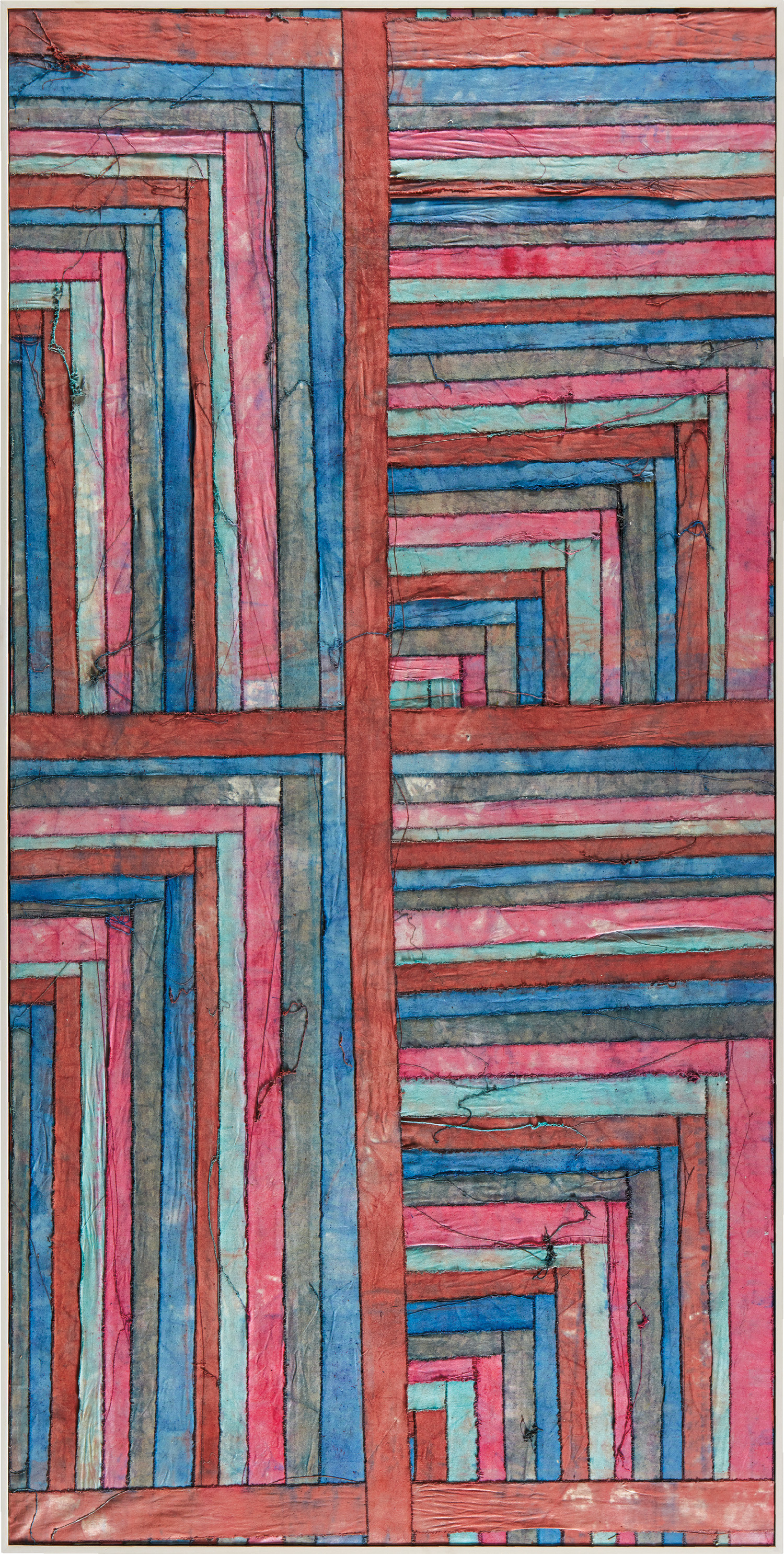
Providing Superbly Articulate Answers while not Raising Questions, 2013
Each form must be constructed to tolerances that challenge the very nature of clay as a material, a substance that shrinks, warps, and moves in the kiln according to its own inscrutable will. The fact that Chambers coaxes it into such architectural exactitude speaks to a technical mastery that has few parallels in contemporary ceramics anywhere in the world. Among his most celebrated works are the large orb assemblages that seem to defy gravity as much as expectation. These pieces occupy a curious temporal space, simultaneously evoking ancient astronomical instruments, Japanese puzzle balls, and the renderings of a science fiction concept artist.
They carry no obvious cultural iconography and yet feel deeply human in scale and intention, as though they record some private act of measuring and understanding the universe. The titles of works in his wider practice often carry a philosophical weight, suggesting an artist interested not only in form for its own sake but in the conceptual territory that formal precision can open up. Paintings attributed to his hand, including works such as That It Is Possible For Intelligence To Move and Providing Superbly Articulate Answers while not Raising Questions from 2013, suggest an artist whose thinking extends across media and whose interest in intelligence, perception, and the nature of understanding runs as a continuous thread through everything he makes. From a collecting perspective, Chambers represents a genuinely compelling proposition.
Matthew Chambers
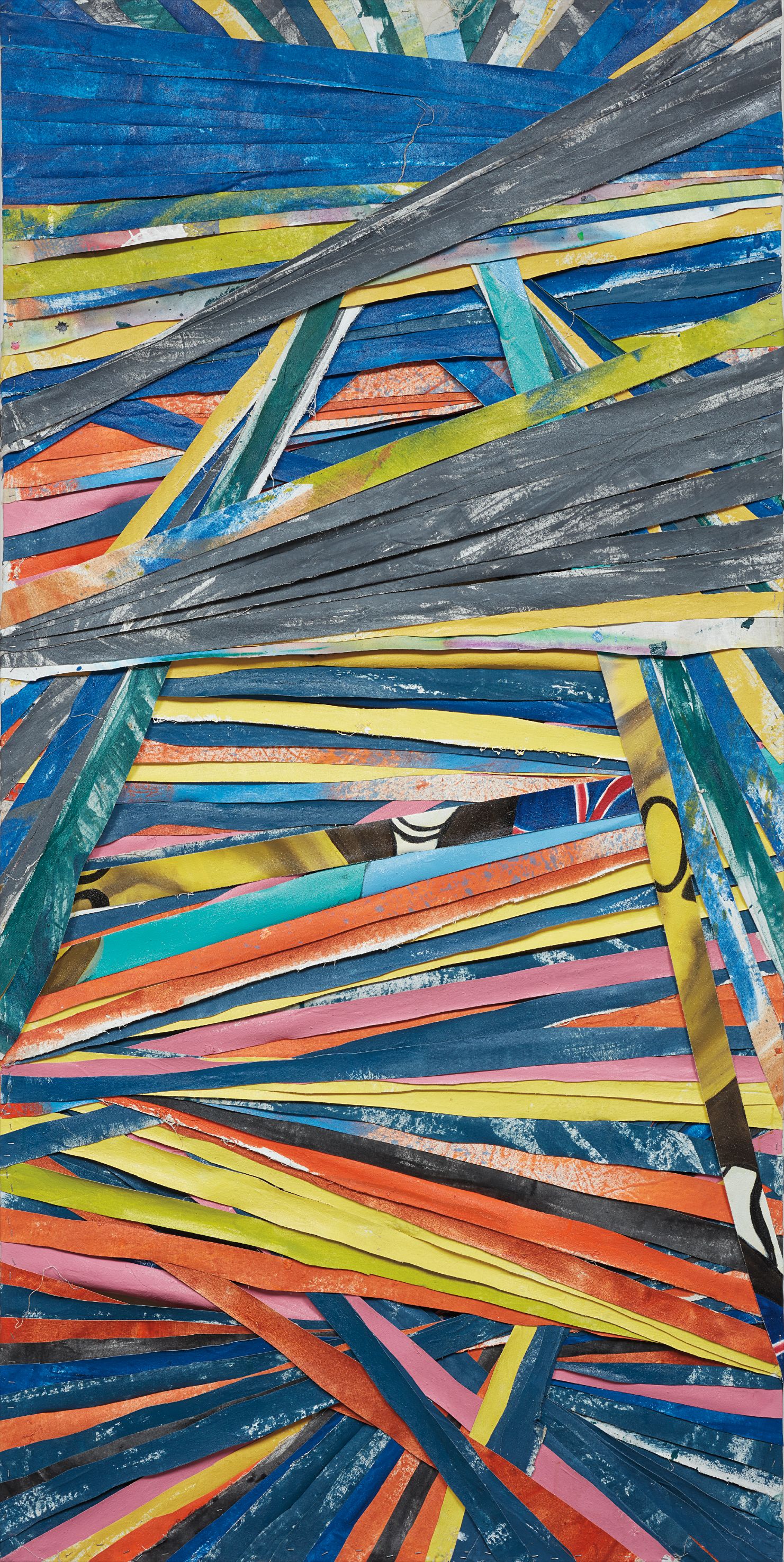
Whether Below or Above Appearance
His work sits at a productive crossroads that serious collectors have increasingly recognised: rigorous enough to satisfy those drawn to conceptual art, beautiful enough to reward purely visual engagement, and rare enough that significant pieces carry real scarcity value. Flow Gallery has been a consistent home for his work in London, and collectors who have acquired pieces through that relationship have found themselves holding objects that deepen in resonance over time. The works are not decorative in any diminishing sense of that word, but they are profoundly liveable, objects that reward long acquaintance and reveal new details of construction and balance as the light changes around them. For collectors building collections with genuine longevity in mind, Chambers is precisely the kind of artist whose critical standing is still ascending.
Within the broader context of art history, Chambers occupies a lineage that runs through twentieth century constructivism and the tradition of British studio ceramics while remaining firmly oriented toward the present. His work invites comparison with sculptors such as Anish Kapoor in its interest in form that seems to exceed the material from which it is made, and with ceramicists such as Edmund de Waal in its commitment to an elevated intellectual framework for thinking about clay. There are also resonances with the precise, meditative geometry of Bridget Riley in painting, and with the interlocking formal systems explored by the sculptor Tony Cragg. Yet Chambers is not derivative of any of these figures.
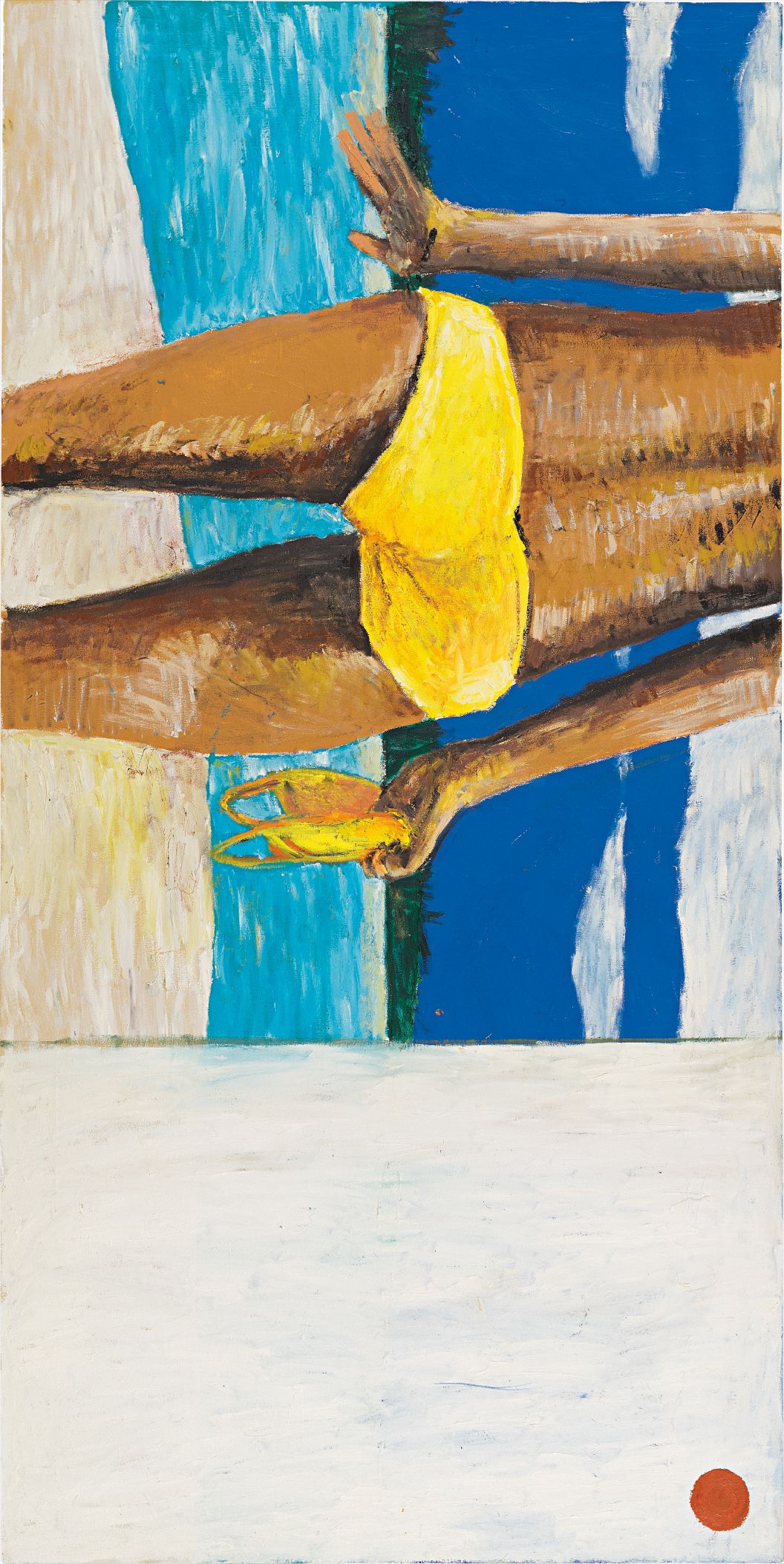
Matthew Chambers
It Took all she Had Been to Make her All that she Was
He has found his own territory and works it with a dedication that is entirely his own. What matters most about Matthew Chambers, looking at the full shape of his practice, is that he has done something genuinely difficult: he has taken a material with thousands of years of human history behind it and made it say something new. Ceramics carries enormous cultural weight, from Song dynasty porcelain to Wedgwood to the studio pottery revival of the mid twentieth century, and to enter that conversation with genuine originality requires both ambition and humility. Chambers brings both.
His sculptures remind us that the handmade object, shaped without the mediation of industrial process, retains a capacity for wonder that no digital fabrication can fully replicate. In an era increasingly fascinated by the intersections of technology, intelligence, and human making, that insistence on the primacy of the hand feels not nostalgic but urgent. Matthew Chambers is an artist whose best work is very likely still ahead of him, and collectors fortunate enough to be paying attention right now are in an enviable position.