Massimo Listri
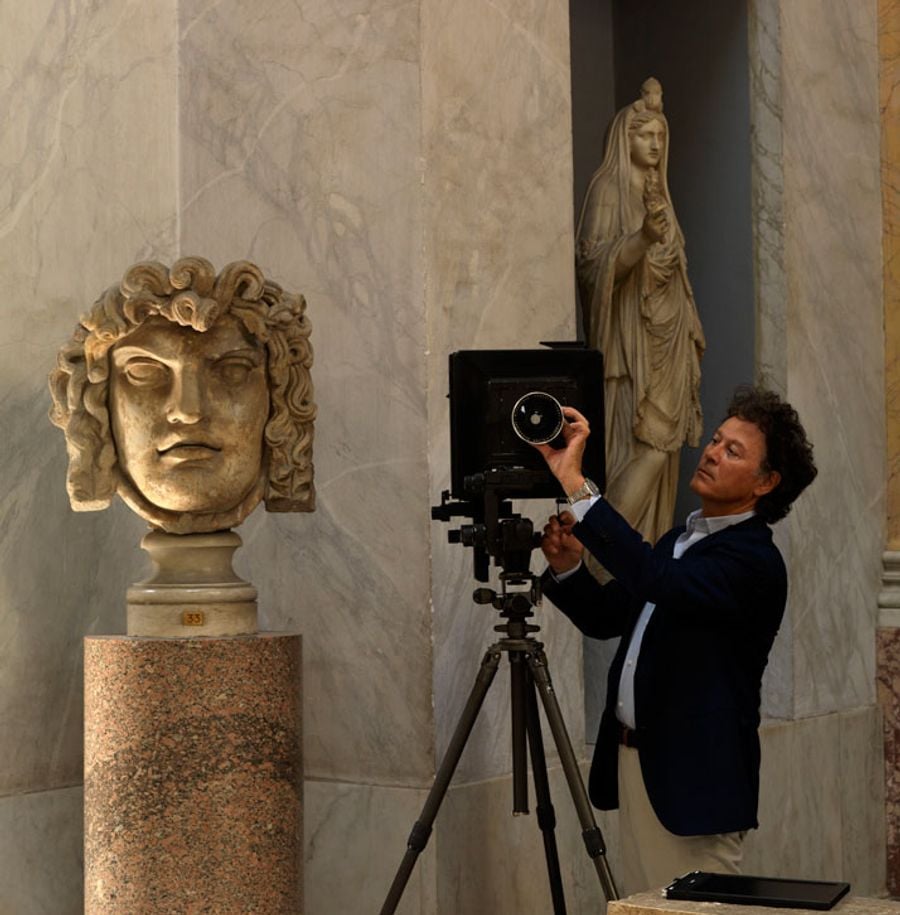
Massimo Listri, Keeper of Forgotten Grandeur
Artist Spotlight · The Collection Editorial
When Taschen published its landmark monograph on Massimo Listri in 2018, the book arrived as something between a tribute and a revelation. Spanning decades of work across Europe, the volume gathered the Florentine photographer's most celebrated images of libraries, palaces, and baroque interiors into a single, staggering testament to his vision. It became one of the publisher's most coveted architectural photography titles, finding its way onto the shelves of architects, collectors, curators, and anyone who had ever stood in a grand room and felt the particular vertigo of beauty compressed into space. For many encountering Listri's work for the first time, the experience was less like discovering a photographer and more like being admitted into a world that had always existed just out of reach.
Massimo Listri
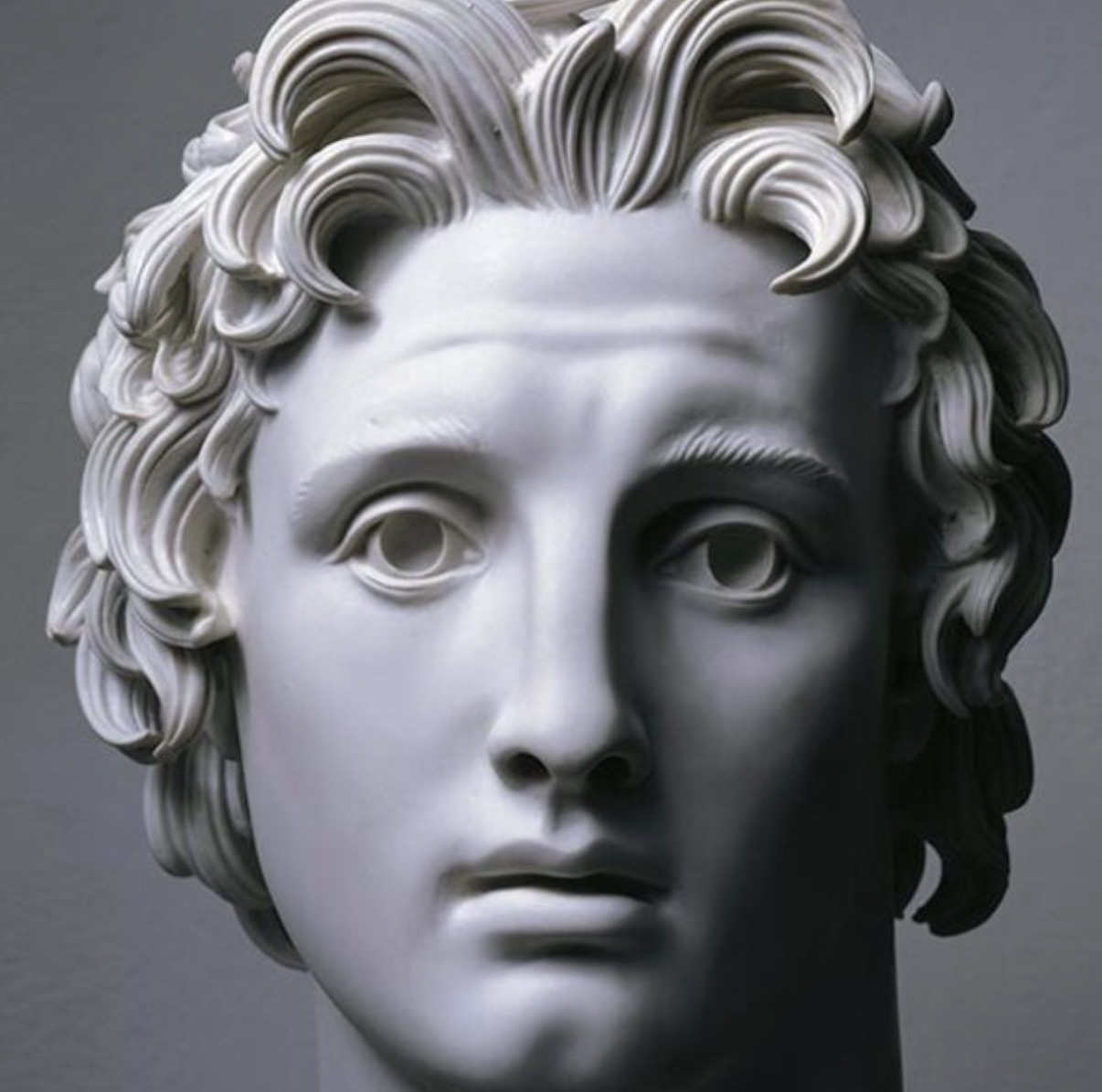
Arno Brecker I, 2015
Massimo Listri was born in Florence in 1953, and the city shaped him in ways that were almost inevitable. Growing up in one of the world's great repositories of Renaissance art and architecture, he developed an eye attuned to proportion, depth, and the quality of light falling across stone and fresco. Florence taught him that spaces carry memory, that a room is never merely functional but always also historical, always reverberating with the lives and ambitions that built it. He began his career as a photographer in the 1970s, working initially in editorial and documentary contexts, but it was his growing obsession with European interiors that would define the decades to come.
His technical approach reflects an almost scholarly commitment to precision. Listri works with large format cameras, a choice that aligns him with the great traditions of architectural and landscape photography and that produces images of extraordinary resolution and tonal richness. Where many photographers of interiors settle for the atmospheric sketch, the evocative blur of candlelight and shadow, Listri insists on clarity. Every gilded column, every cracked leather spine on a library shelf, every painted vault and inlaid marble floor is rendered with an almost tactile fidelity.
Massimo Listri
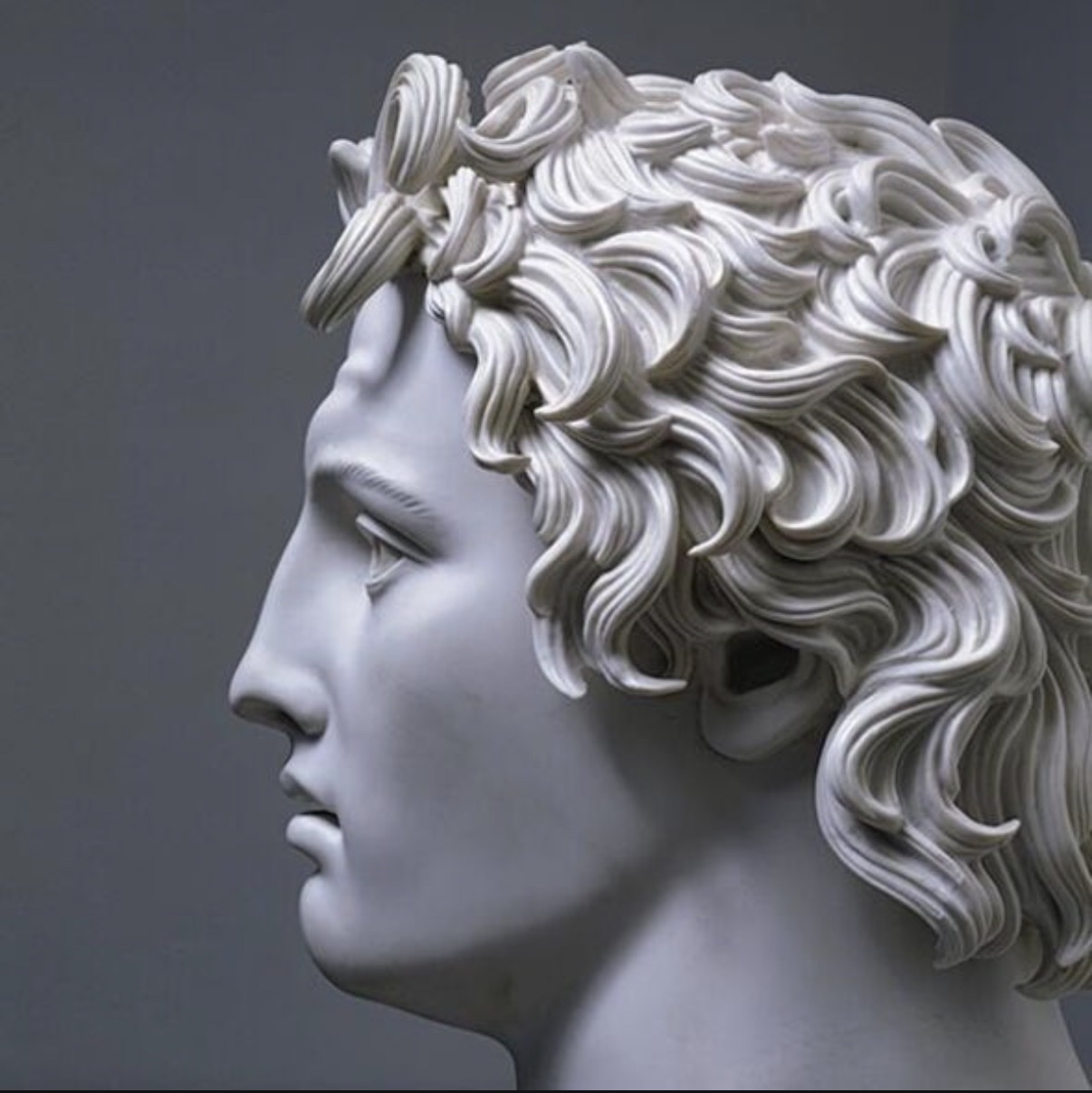
Arno Brecker II, 2005
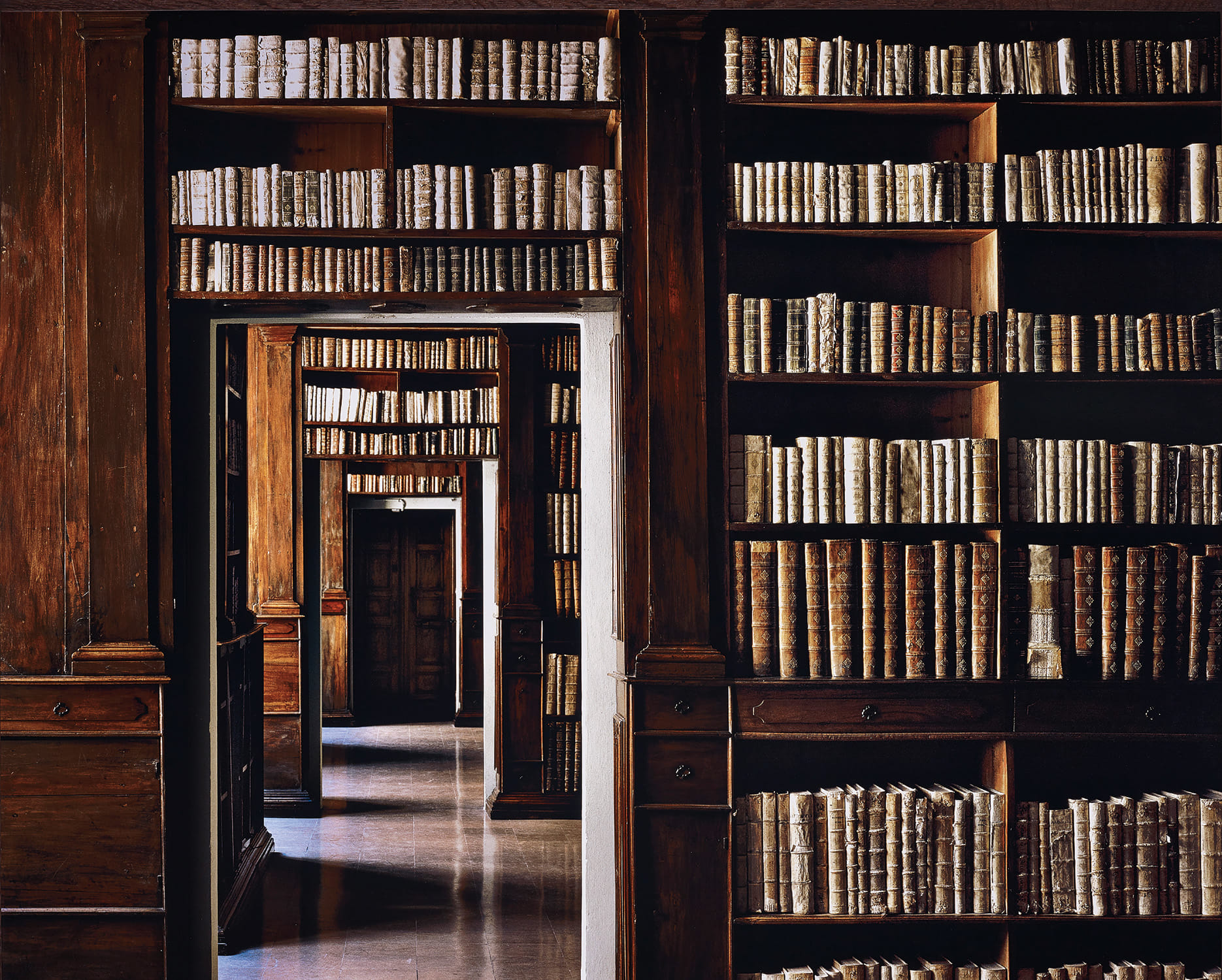
This is photography as close looking, as sustained attention, as an act of devotion to the made world. The libraries in particular have become the signature territory of his practice. Works such as "St. Emmeram Library I, Regensburg, Germany" from 2016 and "Biblioteca Nazionale di Napoli" demonstrate the full range of his sensibility.
In these images, the library is not simply a room full of books but a civilizational argument, an architecture of accumulated knowledge that asserts, quietly and powerfully, the dignity of learning across centuries. His compositions in these spaces tend toward the symmetrical, drawing the eye deep into the frame through corridors of shelving and arching vaults, creating a sensation of almost infinite recession. The effect is meditative and slightly vertiginous, like standing at the edge of time itself. Beyond libraries, Listri has turned his lens on European palaces, chapels, aristocratic villas, and cultural institutions from Italy to Germany, Austria, France, Spain, and further afield.

Massimo Listri
St. Emmeram Library I, Regensburg, Germany, 2016
His work for the series that includes "Arno Brecker I" (2015) and "Arno Brecker II" (2005) demonstrates another dimension of his practice, one engaged with the sculptural and the figural within architectural settings. These chromogenic prints, produced with the same meticulous care as his interior studies, situate the human form within the grandeur of formal space, asking questions about memory, idealism, and the complicated legacies of aesthetic ambition. That these images span a decade of engagement with the same subject speaks to Listri's characteristic patience and depth of inquiry. As a collecting proposition, Listri occupies a position that is both accessible and genuinely significant.
His prints, typically produced as chromogenic or C prints and often flush mounted, bring the quality of museum presentation into private spaces. They are works that hold their own against painting and sculpture, commanding walls with an authority that few photographic artists achieve. The blue chip designation that attaches to his name reflects both his institutional standing, with works held in museum collections internationally, and the sustained demand from sophisticated collectors who understand the rarity of his vision. Editions tend to be limited, and the market for his most celebrated subjects, particularly the grand library interiors, has shown consistent strength.
Massimo Listri
Biblioteca Nazionale di Napoli
In terms of artistic context, Listri belongs to a lineage of photographers who have approached architecture and the built environment with the ambition and seriousness of fine artists. His work invites comparison with figures such as Candida Höfer, the German photographer known for her large format images of libraries and cultural institutions, and with the rigorous architectural photography of Thomas Struth. Like them, he situates himself within the tradition of the Becher school's objective precision while bringing a distinctly Mediterranean warmth and painterly sensibility to his compositions. His Florence formation places him in conversation with the history of Italian art itself, and there is something in his images that recalls the perspectival mastery of Renaissance veduta painting, the long tradition of representing space as both geometry and aspiration.
What makes Listri genuinely indispensable, rather than merely beautiful, is the urgency underlying his project. Many of the spaces he photographs are fragile, threatened by time, by shifting institutional fortunes, by the slow catastrophes of neglect and underfunding. His images function as acts of cultural preservation as much as aesthetic creation, fixing in extraordinary detail rooms that may change beyond recognition or disappear entirely. There is a moral seriousness behind the beauty, a sense that these photographs are doing necessary work in the world.
Collectors who bring a Listri into their homes are participating in that project, becoming custodians of a visual memory that extends far beyond their own walls. Massimo Listri at seventy is a photographer at the full height of his powers, continuing to seek out the world's great interior spaces with the same dedicated attention that has defined his practice for fifty years. His legacy is already secure in the institutions and collections that hold his work, but it is also alive in the ongoing conversation his images provoke about history, beauty, memory, and the extraordinary human impulse to build spaces worthy of the best within us. For collectors who believe that photography can carry the full weight of art history, his work represents one of the finest available arguments.
Explore books about Massimo Listri
Massimo Listri: Photographs
Massimo Listri

Massimo Listri: Libraries
Massimo Listri
Massimo Listri: Staircases
Massimo Listri
The World of Interiors: Massimo Listri
Massimo Listri, edited by Phaidon Press

Massimo Listri: Gardens
Massimo Listri