Mark Ryden
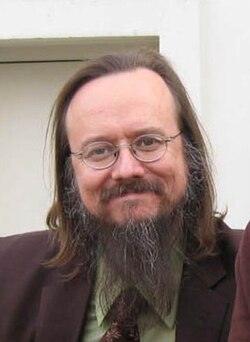
Mark Ryden: The Painter Who Enchants Everything
Artist Spotlight · The Collection Editorial
“I think of my paintings as dreams. They come from a place that is hard to explain with words.”
Mark Ryden
When the Pasadena Museum of California Art mounted a major survey of Mark Ryden's work in the early 2000s, the lines of visitors stretched around the block in a way that felt more like a concert than a gallery opening. Critics and collectors who had followed his rise through the Los Angeles underground scene found themselves standing alongside teenagers, tattoo artists, and museum trustees, all united by the same wide eyed response to his paintings. That unlikely coalition of admirers has only grown in the decades since, and today Ryden stands as one of the most genuinely beloved painters working in America, an artist whose vision is so complete and so singular that it feels less like a style than a country you can visit. Mark Ryden was born in 1963 in Medford, Oregon, and grew up in the suburbs of Southern California, a landscape that would leave its fingerprints all over his imagination.
Mark Ryden
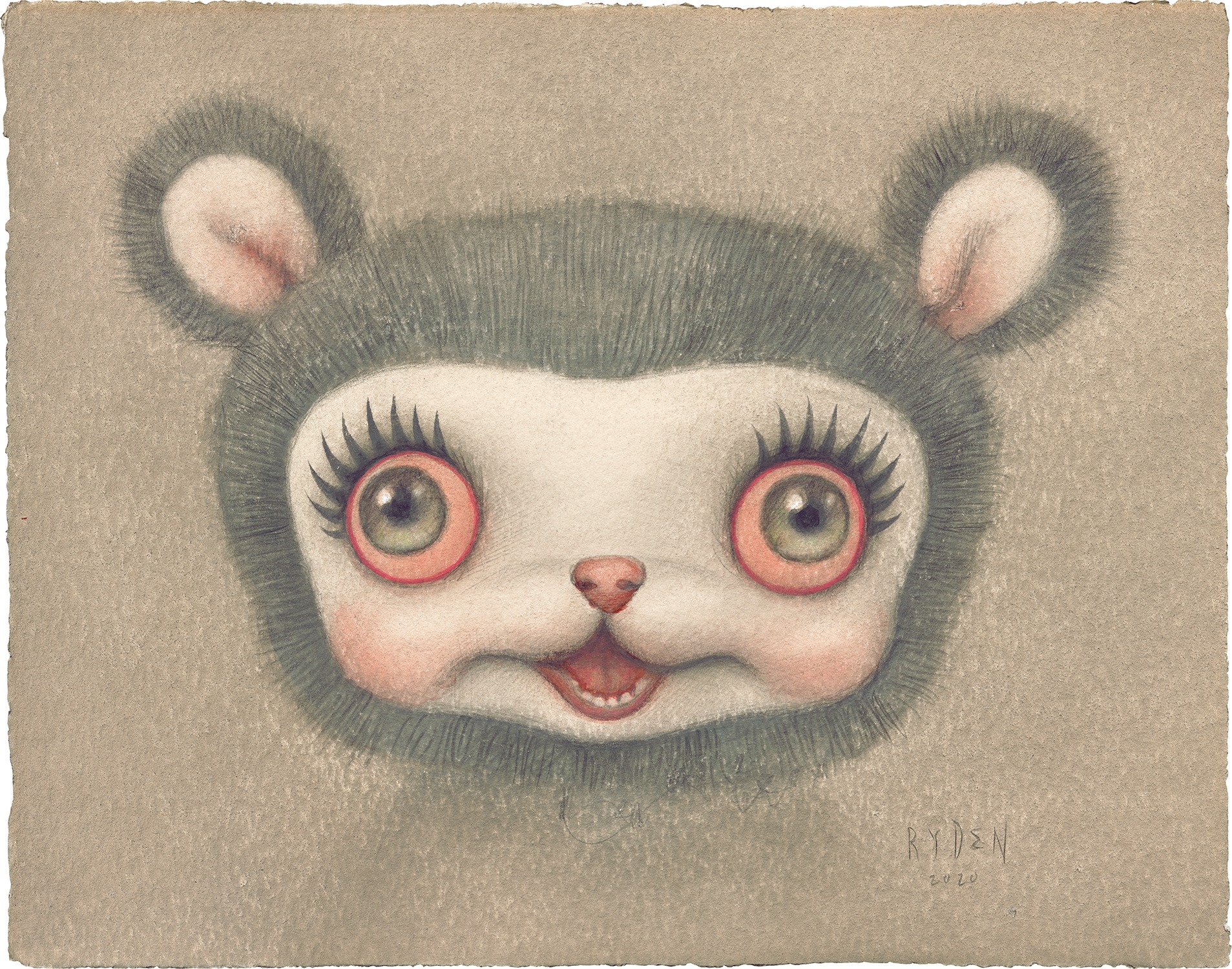
Classic Yak (Drawing), 2020
The particular tension of that environment, the gap between the cheerful surfaces of consumer culture and the stranger, older feelings that childhood carries, became the atmospheric condition his paintings would spend decades exploring. He studied at the Art Center College of Design in Pasadena, where he developed the rigorous technical foundation that would eventually allow him to paint with the patience and precision of a Dutch Golden Age master. That combination, old world craft applied to thoroughly American subject matter, is central to understanding what makes his work so arresting. Ryden built his early reputation during the 1990s as an illustrator of remarkable facility, producing work for musicians including Michael Jackson and the Red Hot Chili Peppers.
His cover for the Jacksons album gave him wide visibility, but it was his transition into gallery painting that announced the full scope of his ambitions. His debut gallery show in 1998 at Mendenhall Sobieski Gallery in Los Angeles introduced audiences to paintings that seemed to arrive from a place outside of contemporary art discourse entirely. They referenced Victorian portraiture, religious altarpieces, and the graphic language of advertising all at once, and they did so with a technical seriousness that demanded to be taken on those terms. Collectors responded immediately and powerfully.
Mark Ryden
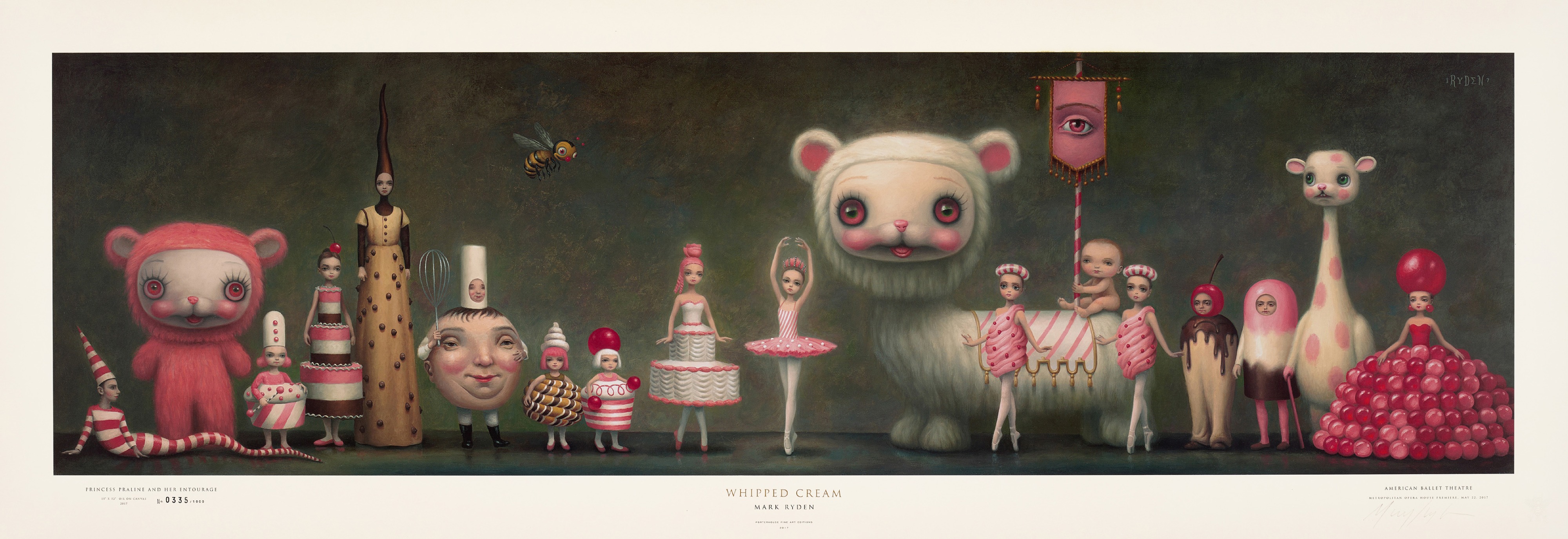
Princess Praline and Her Entourage
The movement that grew up around Ryden and his contemporaries came to be called Pop Surrealism, sometimes also referred to as Lowbrow art, though Ryden's work has always exceeded any single label. Alongside artists such as Ray Caesar, Nicoletta Ceccoli, and his longtime partner Marion Peck, he helped define a sensibility that took seriously the emotional weight of kitsch, nostalgia, and the uncanny. His paintings are populated by pale children with enormous luminous eyes, cuts of raw meat rendered with loving precision, Abraham Lincoln appearing in dreamlike tableaux, bees and bears and saints arranged according to a symbolic logic that feels both deeply private and somehow universally legible. The imagery is strange but never cold.
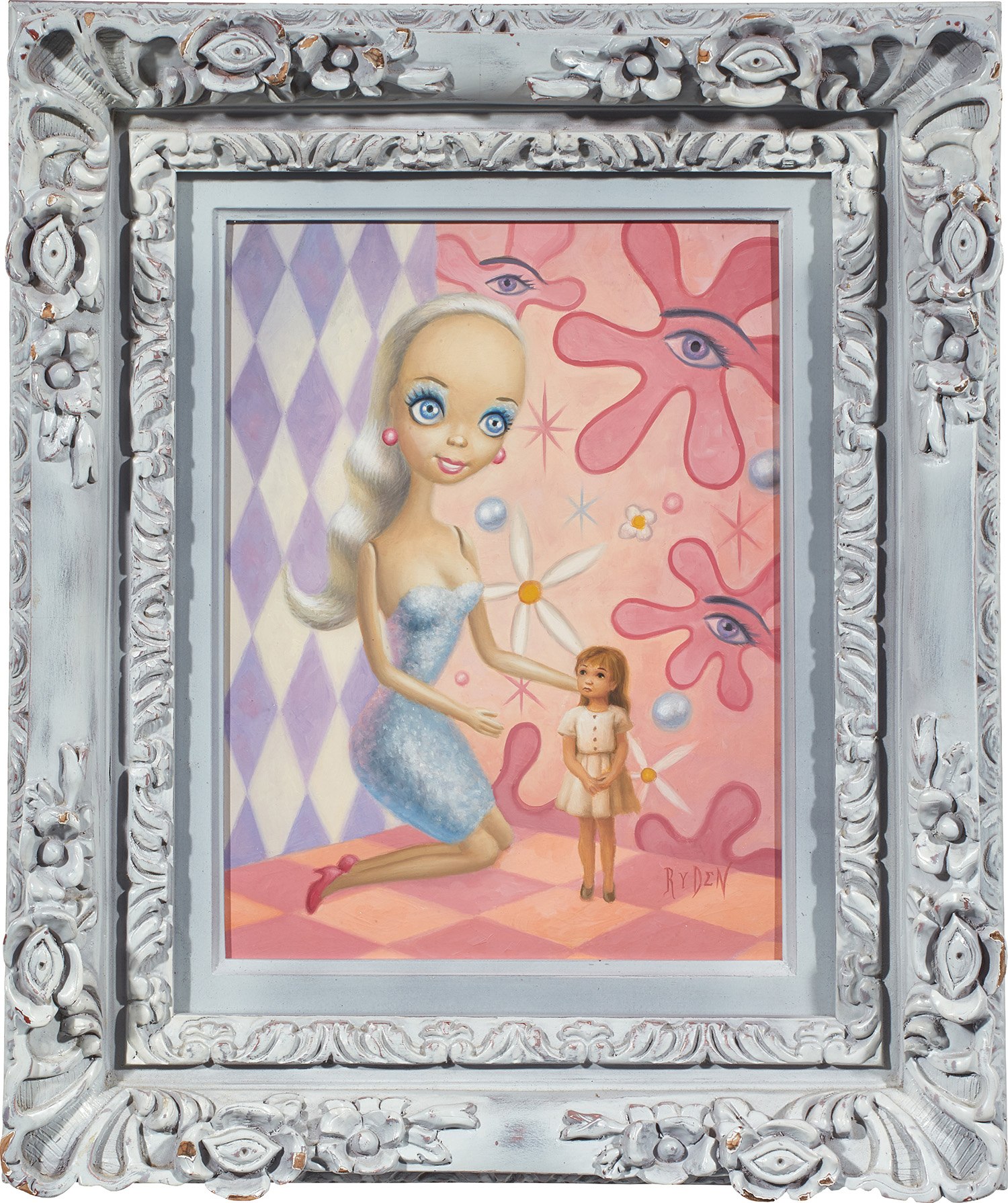
There is warmth in every canvas, a sense that the world Ryden has built is one he genuinely inhabits. Among his most celebrated works, the series of large scale paintings grouped loosely around themes of meat and spirituality attracted serious critical attention in the early 2000s and established him as an artist grappling with questions about the body, consumption, and the sacred in ways that went well beyond novelty. Works such as "Big Doll" from 1997, oil on paper and presented in an ornate artist made frame, demonstrate his approach to framing and presentation as an extension of the painted surface itself. The frame is not decoration but argument, completing the sense that each work is a kind of reliquary or devotional object.
Mark Ryden
Big Doll, 1997
His prints, including the "Princess Praline and Her Entourage" offset lithographs, have allowed his imagery to reach collectors at multiple price points and have become cherished objects in their own right, prized for their fidelity to the color and atmosphere of his paintings. From a collecting perspective, Ryden's market reflects the passionate loyalty of his following. His paintings in oil command significant prices at auction and through his gallery, Kohn Gallery in Los Angeles, which has represented him for many years and mounted several landmark exhibitions of his work. Works on paper, including colored pencil drawings such as "Classic Yak" from 2020, offer collectors a more intimate view of his process and are particularly prized because they reveal the same precision and psychological charge as his larger canvases in a more personal format.
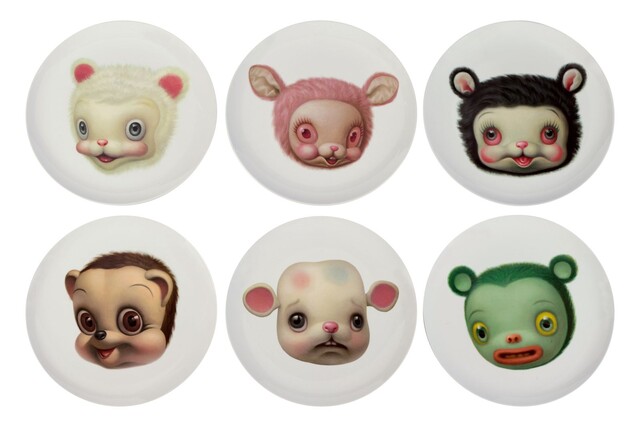
His editions and multiples, including the ceramic Melamine plates issued in 2017 as "Friendly Animal Plates," reflect his interest in the applied arts and in making objects that exist usefully and beautifully in daily life. Collectors who have followed his career since the late 1990s have seen consistent appreciation both financially and in terms of institutional recognition. Ryden's place in art history is genuinely complex and genuinely important. He arrived at a moment when the boundary between fine art and popular culture was being renegotiated in interesting ways, and he navigated that territory with more seriousness and more technical ambition than almost anyone else working in a related vein.
Mark Ryden
Friendly Animal Plates (Set of 6), 2017
His relationship to Surrealism is real but filtered through American popular culture rather than European literary tradition. His relationship to the Old Masters is equally real, and equally transformed. The result is a body of work that has no obvious precedent and has itself become a touchstone for generations of younger painters who cite him as a formative influence. What makes Ryden matter in the present moment is precisely the quality that made him seem strange at first.
In a cultural landscape that has grown comfortable with irony and detachment, his paintings insist on emotional directness. They are interested in wonder, in grief, in the specific texture of dreams, in the way that beloved objects accumulate meaning over a lifetime. His meticulous technique is in service of feelings that are not meticulous at all but tender, complex, and stubbornly alive. To own a work by Mark Ryden is to welcome into your home an object that will continue to give back, that will change slightly depending on your mood and your age and the light in the room.
That quality of continued presence is among the rarest and most valuable things a painting can offer.
Explore books about Mark Ryden